The intersection of sports, health, and NCDs advocacy has never been more critical, especially in Kenya, where physical inactivity and non-communicable diseases (NCDs) continue to rise. I had the privilege of being selected as a key participant in the second workshop of the Sport and Health Capacity Development Initiative, held at KCA University, Nairobi.
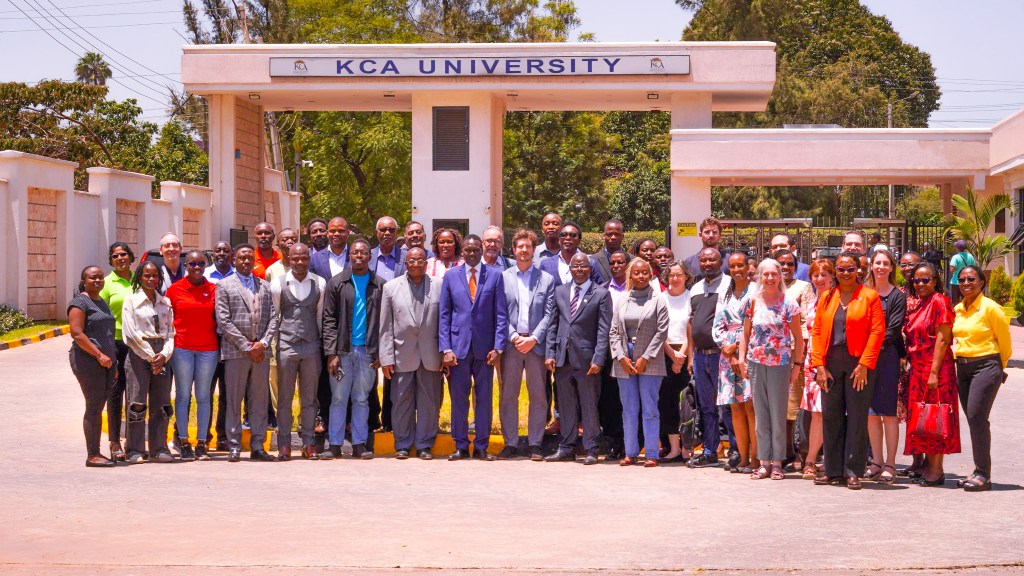
This workshop, organized under the Memorandum of Understanding (MOU) between the World Health Organization (WHO) and the International Olympic Committee (IOC), brought together 30 participants from 25 organizations. The goal? To enhance collaboration between the sports and health sectors, refine professional development courses, and contribute to WHO’s Global Action Plan on Physical Activity (GAPPA), which aims for a 15% reduction in physical inactivity by 2030.
A Platform for Collaboration and Learning
This workshop was more than just a gathering—it was an opportunity to share insights, shape policy decisions, and strengthen the link between sports and health. My role went beyond participation—I actively contributed to discussions and represented Stowelink Foundation, ensuring that the voice of NCDs advocacy was well integrated into the program.
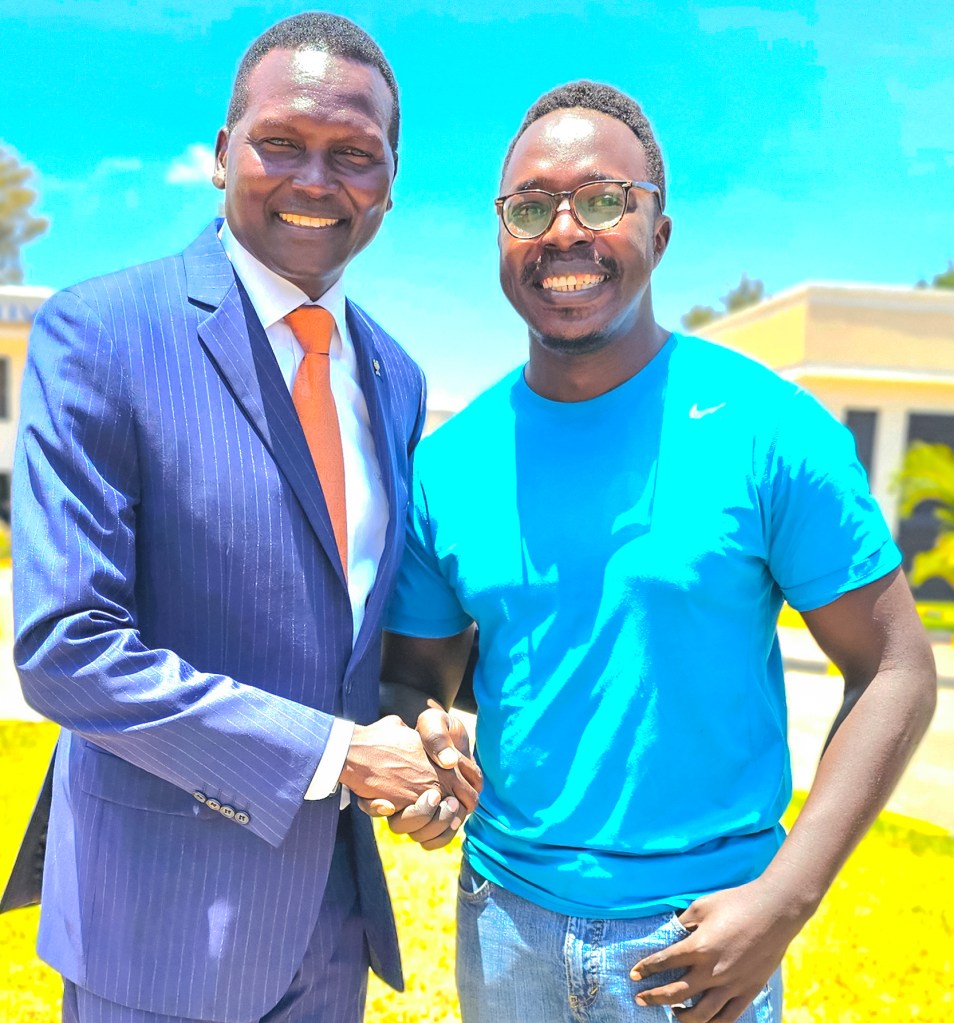
One of the most inspiring moments was meeting and exchanging thoughts with Paul Tergat, Kenya’s legendary long-distance runner and former marathon world record holder. His journey from an elite athlete to a champion for sports and health reinforced the power of physical activity in preventing and managing NCDs.
Inclusivity at the Forefront
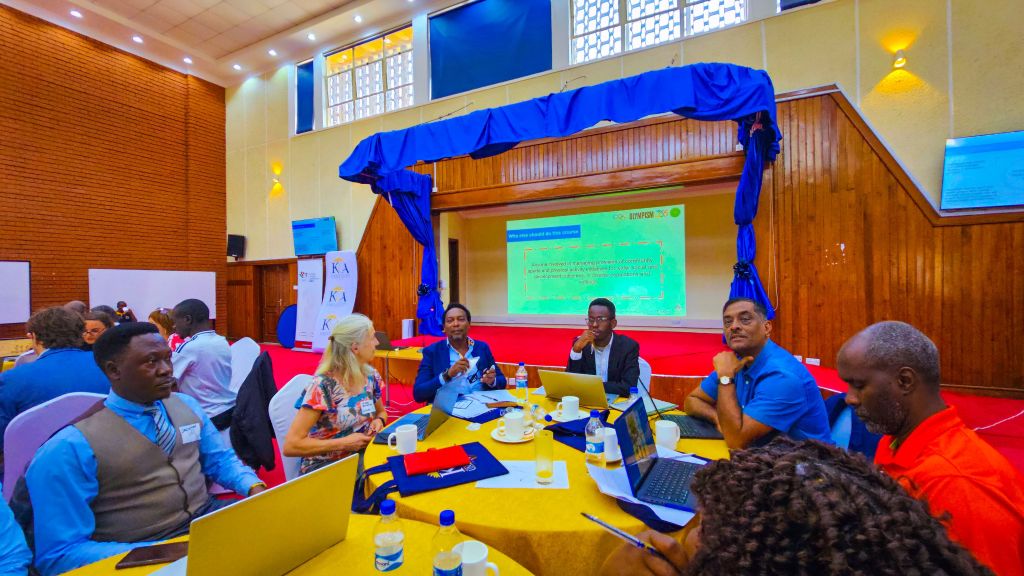
A standout aspect of this workshop was its inclusivity. People living with disabilities, individuals affected by NCDs, sports experts, and health advocates all had a seat at the table. Under the guidance of Professor Onywera, we engaged in meaningful discussions that ensured every voice was heard and every perspective valued.
As the workshop concluded, I was honored to receive a certificate of recognition for my contributions. But more importantly, I left with renewed energy and a commitment to drive the next course of action in integrating sports into NCDs prevention and health advocacy.
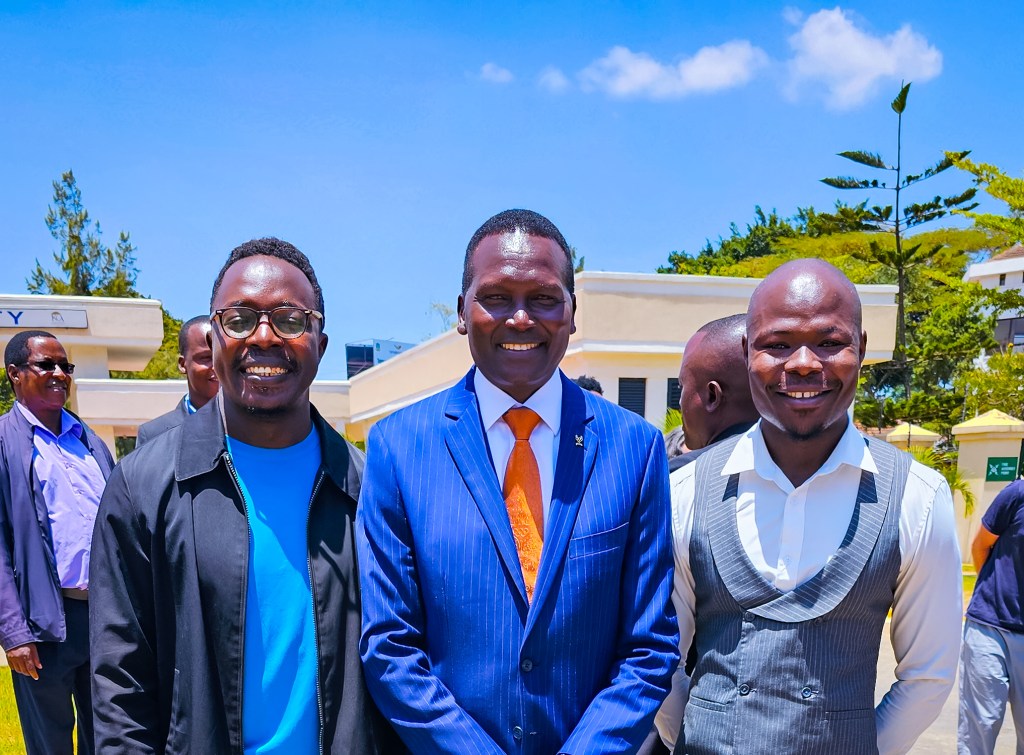
This event was just the beginning. The next steps involve refining the Level 2 curriculum and implementing impactful programs that encourage physical activity as a tool for health and wellness.
Stay tuned for my next blog, where I’ll discuss the practical steps we’re taking to ensure that sports and health collaborations lead to real change in Kenya!
 STEPHEN OGWENO
Leave a comment