
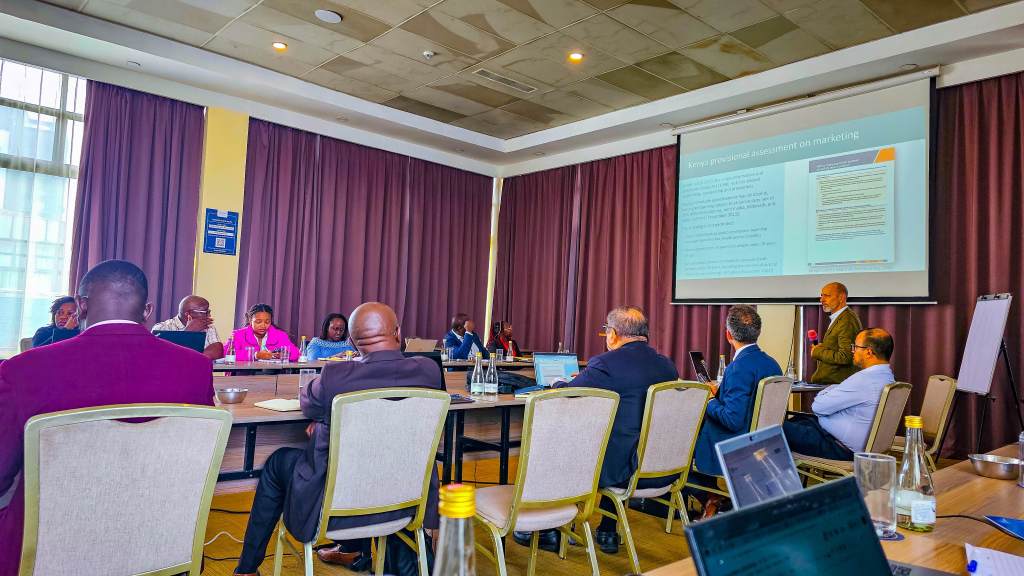
From March 17–19, 2025, leading policymakers, public health experts, and advocates convened at PrideInn Azure for the Alcohol Tax and Policy Summit 2025, co‑hosted by the World Health Organization and Kenya’s Ministry of Health. The summit zeroed in on evidence‑based alcohol control measures to reduce the burden of alcohol‑related non‑communicable diseases (NCDs). As a dedicated Kenyan health advocate, Ogweno Stephen represented Stowelink Foundation and the youth voice in critical discussions on taxation, regulation, and public health.
Advancing Alcohol Control Through Taxation and Policy
A central highlight was the World Health Organization’s SAFER technical package, which outlines five proven strategies to reduce alcohol harm:
- Strengthen restrictions on availability
- Advance drink‑driving countermeasures
- Facilitate screening, brief interventions, and treatment
- Enforce bans on advertising and promotion
- Raise prices through excise taxes and pricing policies
Dr. Juan Telo from WHO’s Less Alcohol Unit detailed how Kenya can integrate these strategies, recommending robust excise duty increases, alignment with the National Alcohol Policy, and expansion of screening and brief intervention (SBIRT) services within NCD programs.

Debunking the Illicit Alcohol Myth
Industry lobbyists often argue that higher taxes fuel illicit alcohol consumption. However, summit data and global best practices confirm that increased excise taxes lower overall alcohol intake and generate vital revenue for health initiatives. Ogweno Stephen underscored this point, advocating for strong tax regimes coupled with targeted enforcement against unregulated brews. Evidence shows illicit sellers tend to hike prices alongside legal cost increases—undermining their own claims.
Youth Advocacy and NCDs Prevention
As a Kenyan health advocate and young NCDs champion, Ogweno Stephen brought a vital youth perspective to the summit. He led discussions on how alcohol misuse drives rising rates of cardiovascular disease, diabetes, and other NCDs among young people. Together with Stowelink’s CPO Oduor Kevin, he called for:
- Youth‑centered awareness campaigns linking alcohol harm to long‑term health risks
- Stronger enforcement of minimum‑purchase age laws
- Integration of alcohol screening into school health programs
Their contributions ensured that policy frameworks reflect the lived experiences of Kenya’s youth and address the unique vulnerabilities that lead to early alcohol use and NCDs.
A Path Forward for Kenya and Beyond
The Alcohol Tax and Policy Summit 2025 reaffirmed that taxation, regulation, and public education are cornerstones of effective alcohol control. As Ogweno Stephen concluded, “Combating alcohol‑related NCDs demands bold policy action—and as a community, we have the evidence and the will to protect public health.”
At Stowelink Foundation, we remain committed to translating summit outcomes into concrete policy advocacy and grassroots education. By raising awareness, mobilizing youth, and engaging decision‑makers, we will drive sustained reductions in alcohol consumption and NCDs across Kenya and beyond.
 STEPHEN OGWENO
Leave a comment