
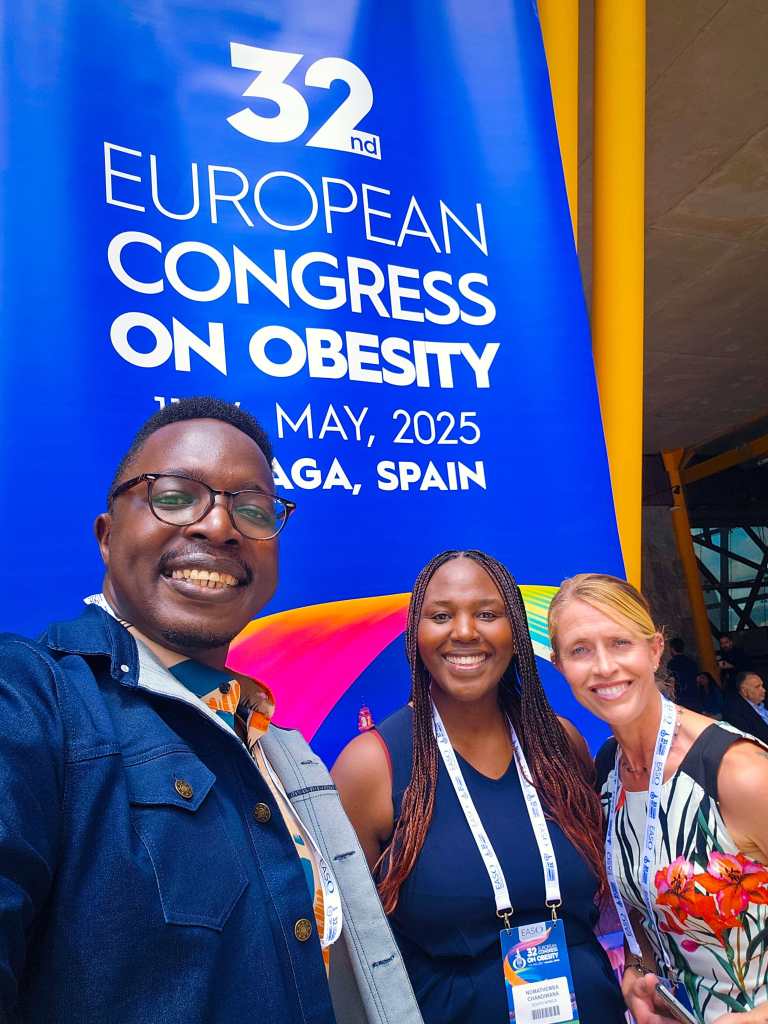
Earlier this May, I had the privilege of representing both Kenya and Africa at the European Congress on Obesity (ECO) 2025 held in Malaga, Spain. This experience was not only an honour but also a critical platform to bring African perspectives to a global conversation that is increasingly urgent—obesity.
As someone who has lived experience with obesity and now advocates for policy-driven and community-rooted solutions, attending ECO 2025 reminded me how critical it is to localize global strategies. The congress brought together scientists, researchers, policymakers, and advocates from all over the world to share progress, research findings, and innovations in obesity prevention and care.
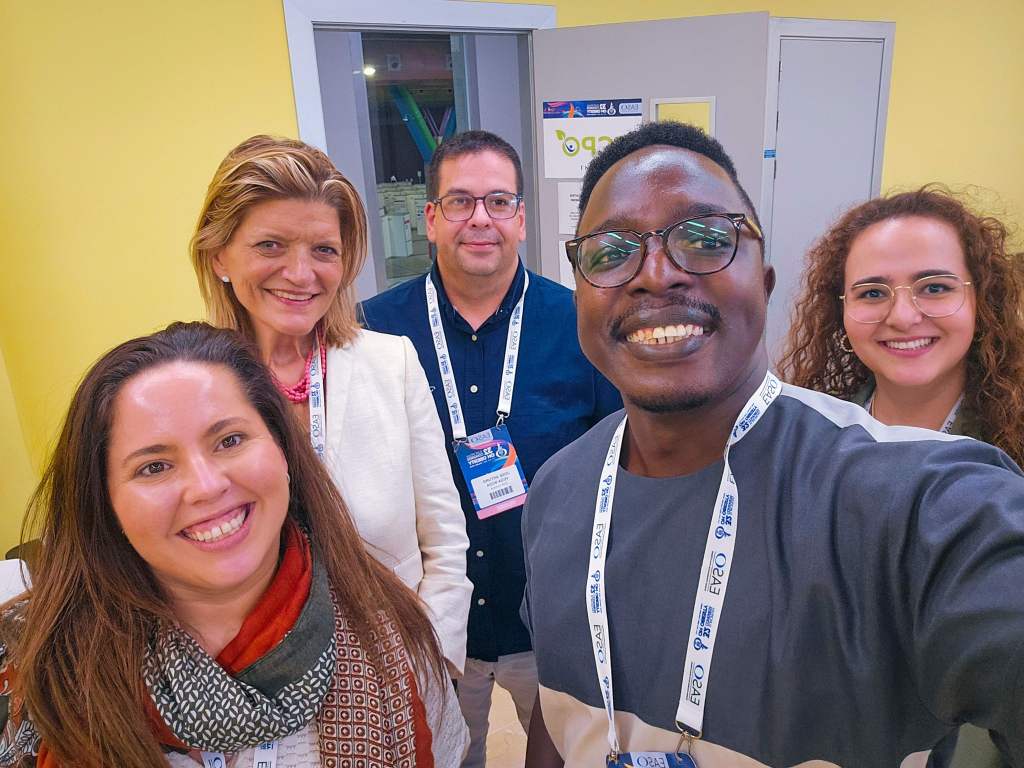
My focus during the congress was to elevate the conversation around the need for people-first language, youth-centered advocacy, and the urgent need for contextualized solutions for low- and middle-income countries, especially in Africa. I shared insights from my work at Stowelink Foundation, where we are actively engaging youth through public health campaigns, research, and innovation in tackling noncommunicable diseases (NCDs), including obesity.
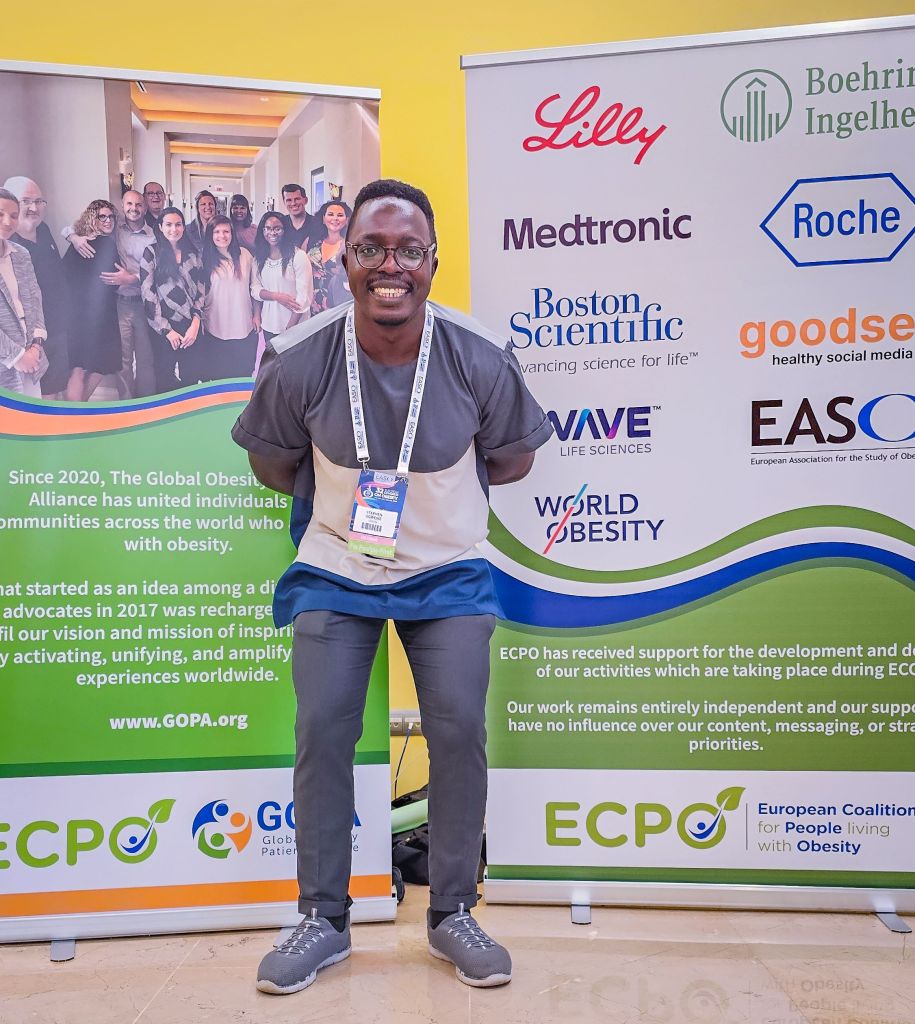
One of the key takeaways from ECO 2025 is that while medical and technological advances—such as GLP-1-based therapies—are making headlines, the real battle is systemic. Social determinants of health, food environments, stigma, and inequity are still the biggest drivers of the global obesity crisis. For Africa, these determinants manifest uniquely—ranging from food insecurity to urbanization—and must be factored into the global strategy.
Our voices as African youth leaders and public health practitioners must continue to be amplified. I look forward to translating the lessons from ECO 2025 into meaningful local action and policy influence.
 STEPHEN OGWENO
Leave a comment