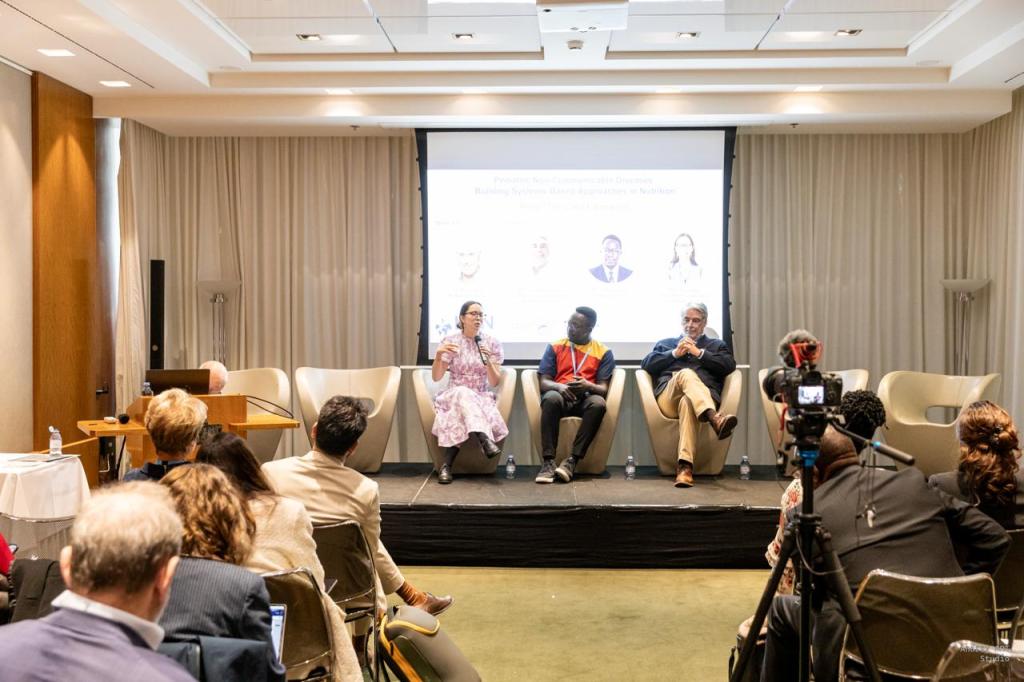
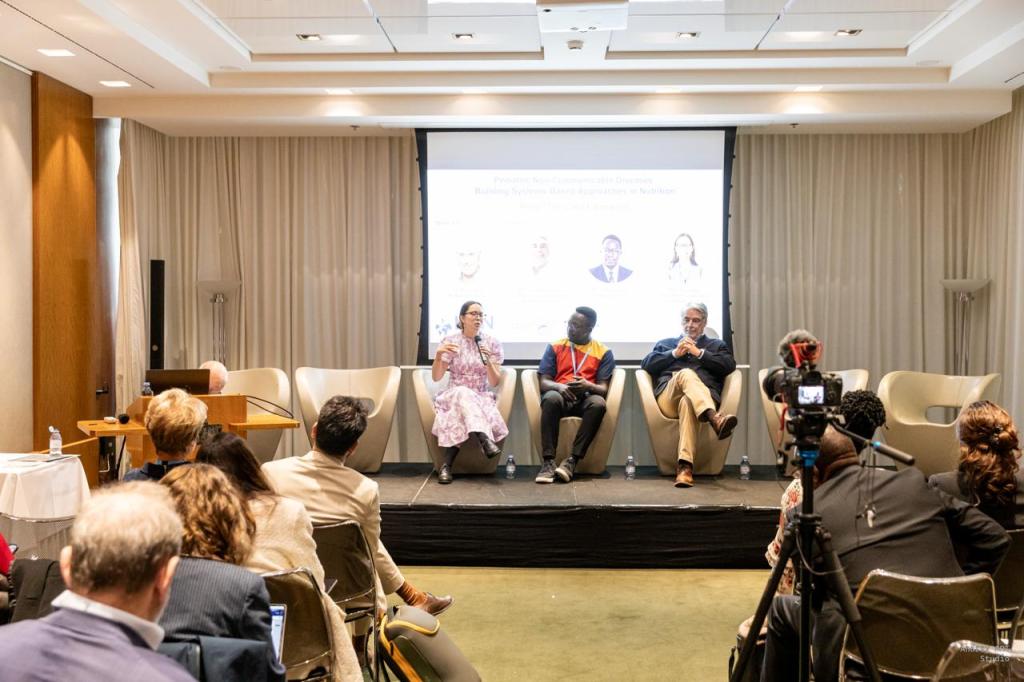
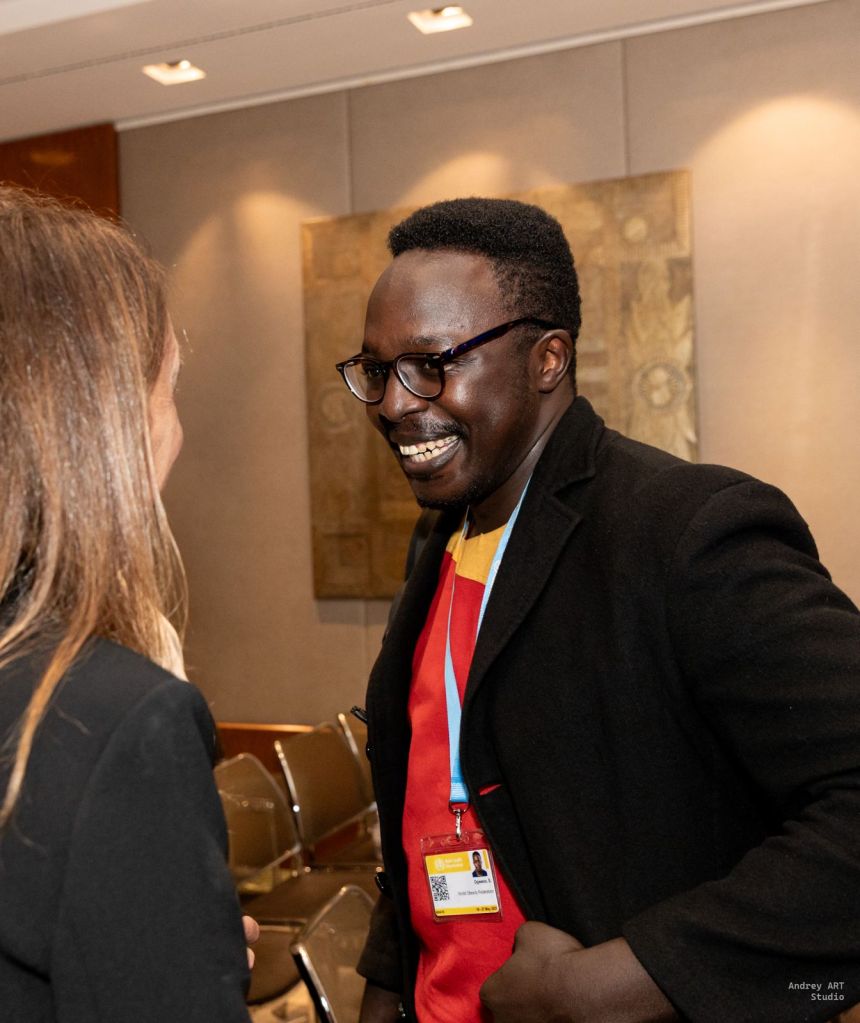
On May 23, 2025, during the 78th World Health Assembly (WHA78) in Geneva, Switzerland, Ogweno Stephen, CEO of Stowelink Foundation and global advocate for noncommunicable diseases (NCDs), took part as a panelist in the side event “Pediatric Non-Communicable Diseases: Building Systems-Based Approaches in Nutrition.” Hosted by the International Initiative for Pediatrics and Nutrition (IIPN) and Columbia University Irving Medical Center, this session was a powerful gathering of voices committed to transforming how the world responds to pediatric NCDs.
Centering Lived Experience in Global Dialogue
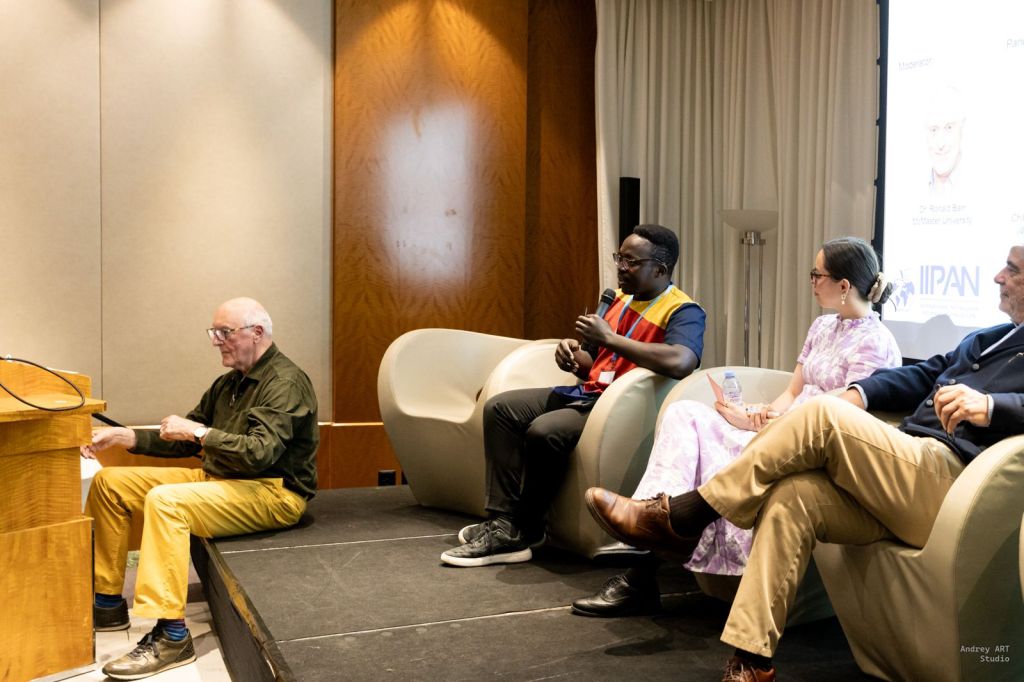
The panel, moderated by Prof. Ronald Barr of McMaster University, focused on the lived experiences of individuals affected by NCDs in childhood and adolescence. Representing the African region, Ogweno Stephen shared his personal journey growing up with obesity and gastroesophageal reflux disease (GERD) in Kenya — shedding light on how deeply personal experiences can inform national and global advocacy.
“Growing up with obesity in Kenya was not just a medical challenge; it was a social one,” Ogweno remarked. “Public perceptions of NCDs often blamed individuals, rather than looking at the broken systems around them. That stigma delayed my access to proper nutritional care.”


Stephen spoke about the critical role that nutrition played — and still plays — in managing his conditions, while also highlighting gaps in health literacy, provider training, and stigma that often suppress help-seeking among youth living with NCDs in low- and middle-income countries (LMICs).
The Role of Innovation in Expanding Access
As the founder of Lifesten Health, an AI-powered app that provides personalized, evidence-based health plans, Ogweno emphasized the power of technology in bridging gaps in access to care, especially in underserved communities. “AI allows us to scale what human systems alone cannot,” he noted. “Whether it’s nutrition education, personalized health tracking, or behavior change nudges, digital tools are a vital part of future-ready health systems.”

Shaping the Future through Advocacy and Action
Stephen also reflected on how his personal journey shaped the creation and mission of Stowelink Foundation, which now operates across several African countries, leading innovative youth-centered programs on NCD prevention and health education. “We built Stowelink because we didn’t want any other child to suffer in silence or confusion like I did. We wanted to build systems that support prevention, resilience, and dignity.”
When asked about the most urgent challenges in ensuring access to nutrition for children living with NCDs in LMICs, Ogweno pointed to three core barriers:
- Inadequate training of healthcare providers in pediatric nutrition and NCDs
- Lack of affordable, accessible nutritious foods
- Poor integration of nutrition into public health systems and UHC packages
To overcome these, he called for investment in primary care, school-based nutrition programs, and multisectoral policy coordination. “If we’re serious about turning the tide on pediatric NCDs, we need to build systems that place nutrition at the heart of prevention and care — especially in the first two decades of life,” he said.
A Call to Action Before the UN High-Level Meeting
As the world prepares for the UN High-Level Meeting on NCDs and Mental Health later this year, Ogweno’s contributions underscored the importance of amplifying youth voices, leveraging digital innovation, and taking a systems-level approach to nutrition and care.
His message to fellow advocates, health leaders, and policymakers was clear:
“We don’t need more evidence that NCDs are urgent. What we need is courage, coordination, and commitment to act—especially for our children.”
 STEPHEN OGWENO
Leave a comment