
By Ogweno Stephen | Kenyan Health Advocate & Founder, Stowelink Foundation
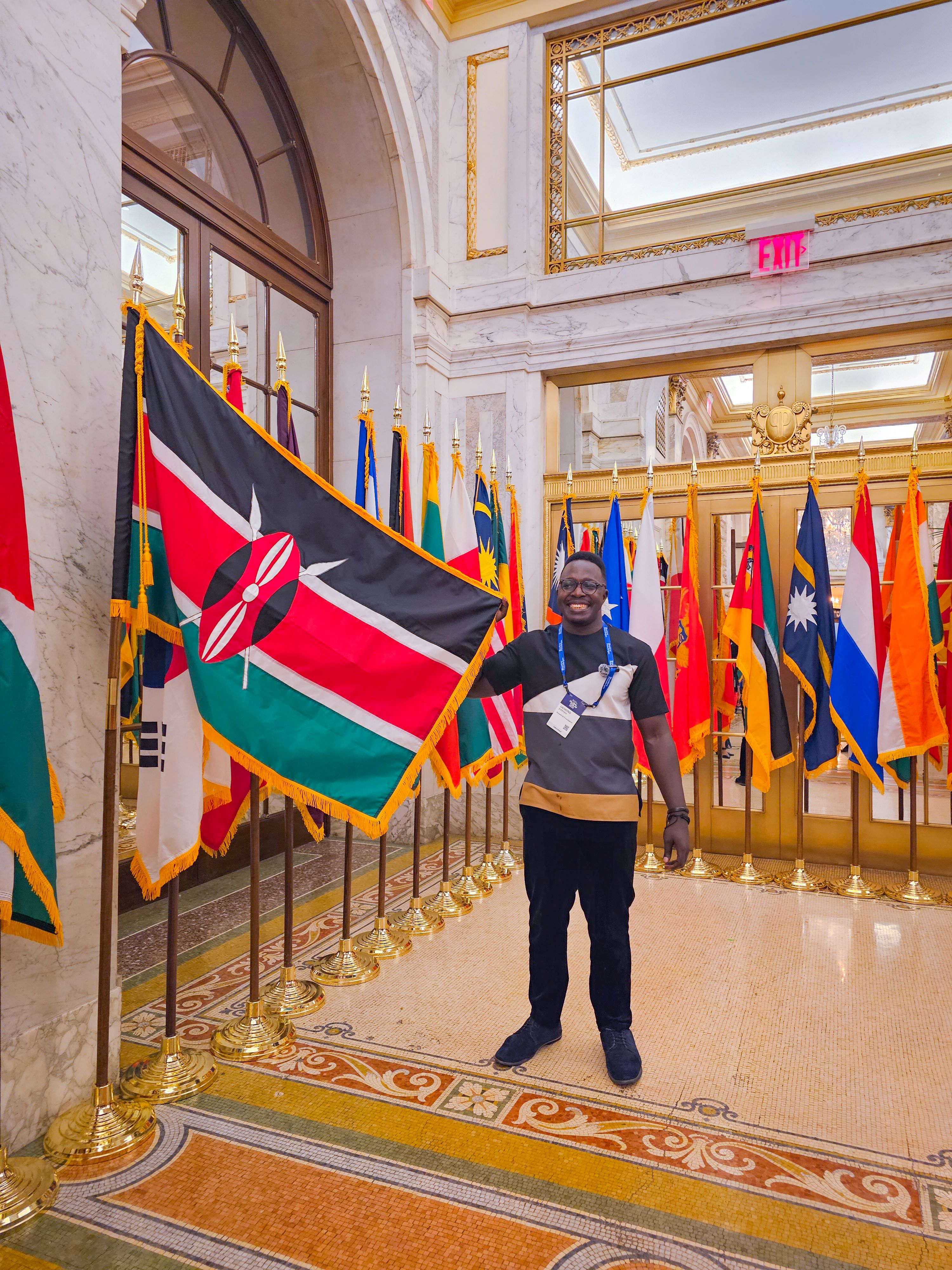
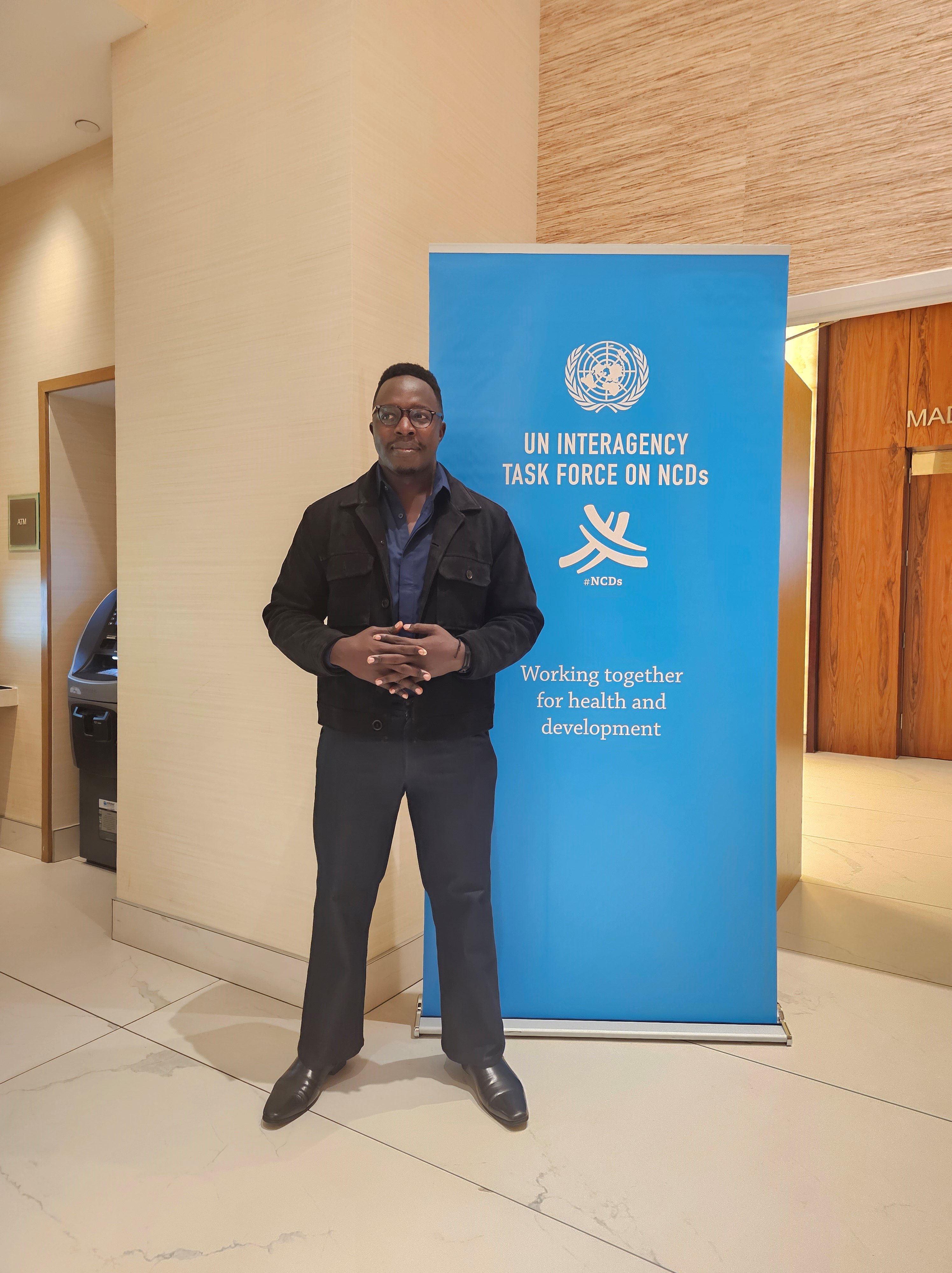
The 2025 United Nations General Assembly (UNGA) High-Level Meeting on Noncommunicable Diseases (NCDs) and Mental Health was an important moment for global health. Yet, despite the urgency of the obesity crisis, the final Political Declaration failed to include obesity as a priority area. As someone who has spent years working in this field and representing the lived experience community, I left New York both inspired and deeply concerned.
At a time when over one billion people globally live with obesity, inaction is no longer neutral , it is a choice that will cost lives. For Africa, where obesity rates are rising fastest among women and young people, this omission is particularly painful. Our health systems are already under strain from infectious diseases, yet the growing burden of obesity-driven NCDs like diabetes and hypertension threatens to overwhelm them further.
What Was Missing at UNGA 2025
The Political Declaration’s silence on obesity means the world continues to address only half of the NCD challenge. We cannot talk about universal health coverage or equitable health outcomes while ignoring a disease that cuts across generations, economies, and geographies.
The World Obesity Federation’s urgent calls to action remain clear and essential:
- Recognize obesity as a chronic disease.
- Integrate prevention and treatment into primary health care.
- Implement taxes on sugar-sweetened beverages to both prevent obesity and fund care.
- Center lived experience in policy design and accountability.
Without these steps, our global health ambitions risk being hollow promises.
The Opportunity Ahead
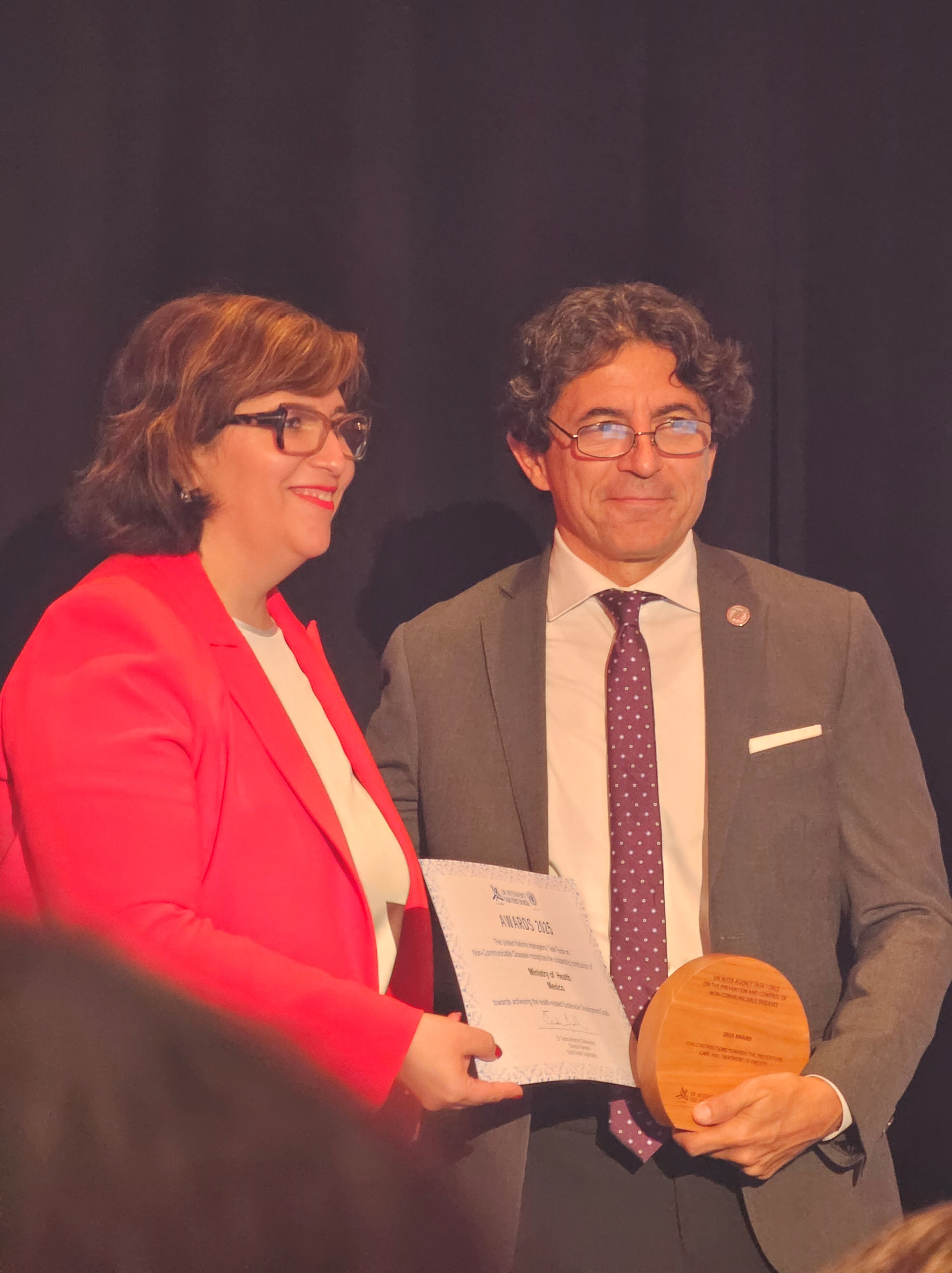
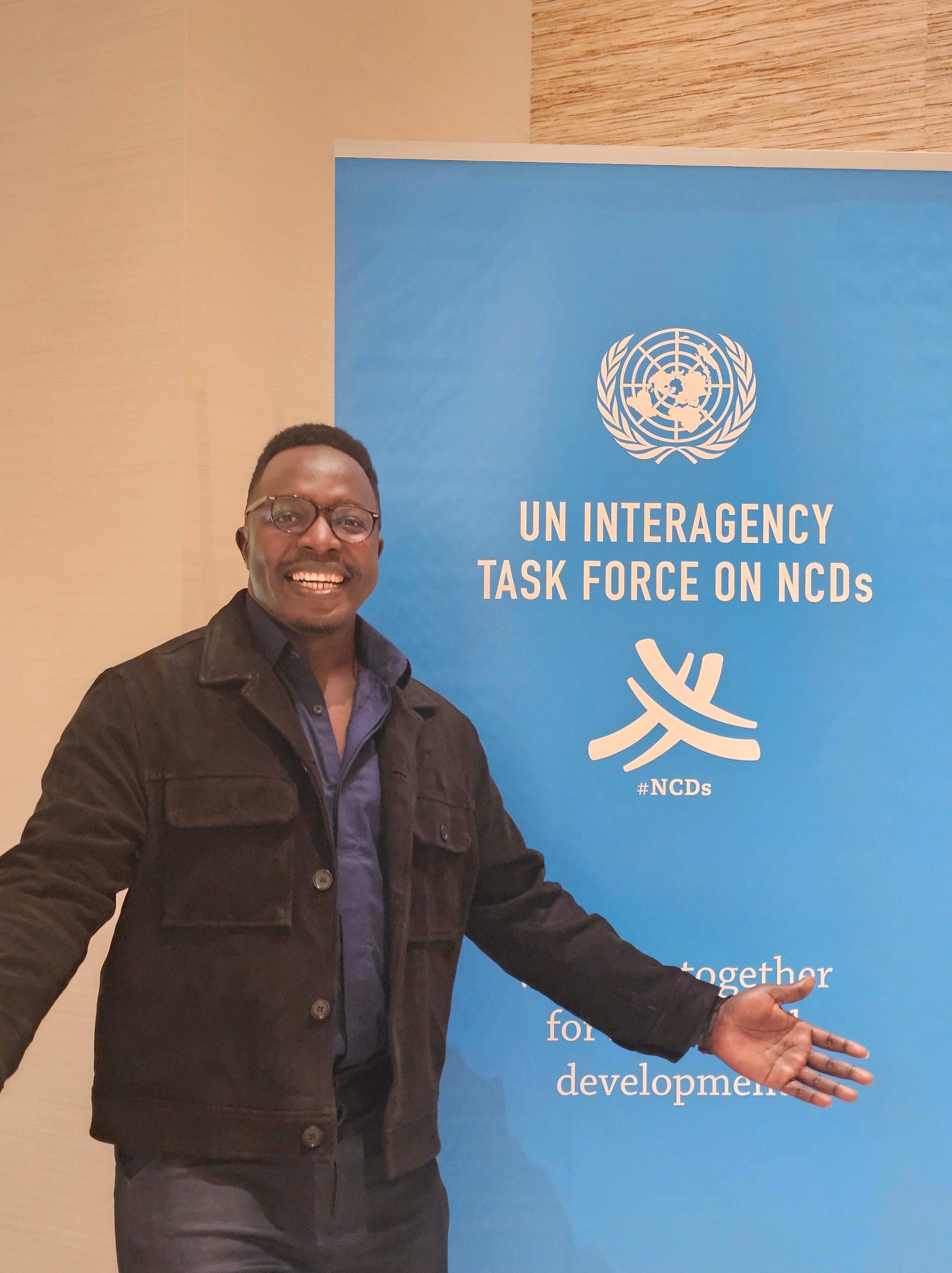
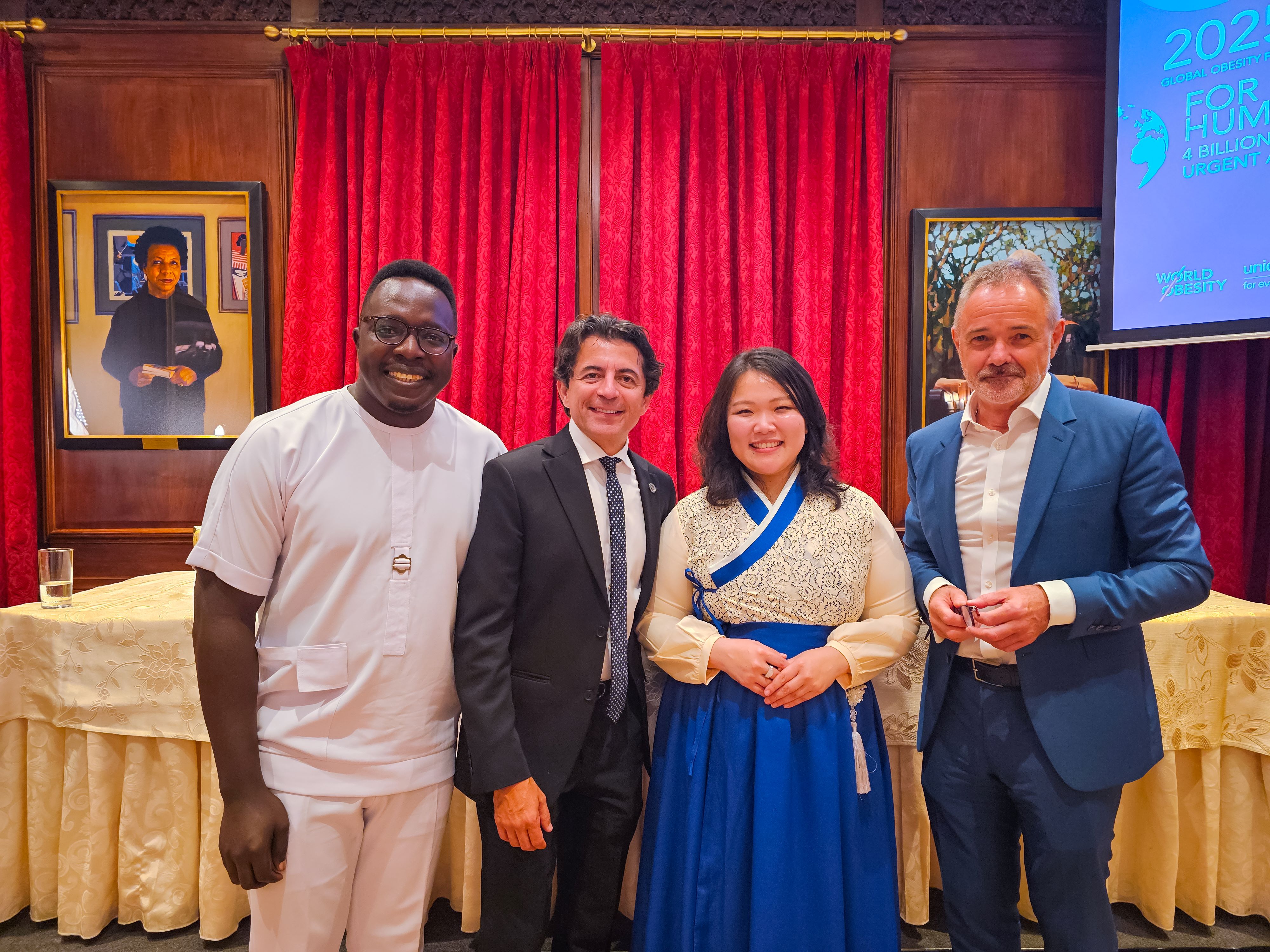
While the Political Declaration fell short, I was encouraged by the leadership of countries like Egypt, Greece, and Mexico, who shared real progress during the Global Obesity Forum at UNGA. Their actions prove that bold, evidence-based policies , from integrating obesity into universal health coverage to taxing sugary drinks , are both possible and effective.
For Africa, this is the moment to act. We cannot afford to wait for global consensus while obesity silently fuels our NCD burden. As a Kenyan health advocate, I have seen firsthand through the Stowelink Foundation how local innovation can make a difference , from youth-driven health campaigns to technology-based prevention tools.
A Call for Courage and Commitment
Governments cannot claim success on NCDs while remaining passive on obesity. Delay is denial. Every year of hesitation locks in higher rates of diabetes, heart disease, and cancer , robbing our communities of health, productivity, and hope.
We must build a future where obesity care is accessible, prevention is prioritized, and people with lived experience lead the conversation. The cost of doing nothing will be measured in lives lost and futures diminished.
The time to act is now.
 STEPHEN OGWENO
Leave a comment