
During my recent travels, I had the chance to pass through Hamad International Airport in Doha,twice,and I have to say, it’s one of the most breathtaking airports I’ve ever experienced. As a Kenyan health advocate passionate about the connection between environment and wellbeing, I couldn’t help but reflect on how the design of this airport goes beyond functionality,it feels like a living, breathing example of how architecture can support mental health.

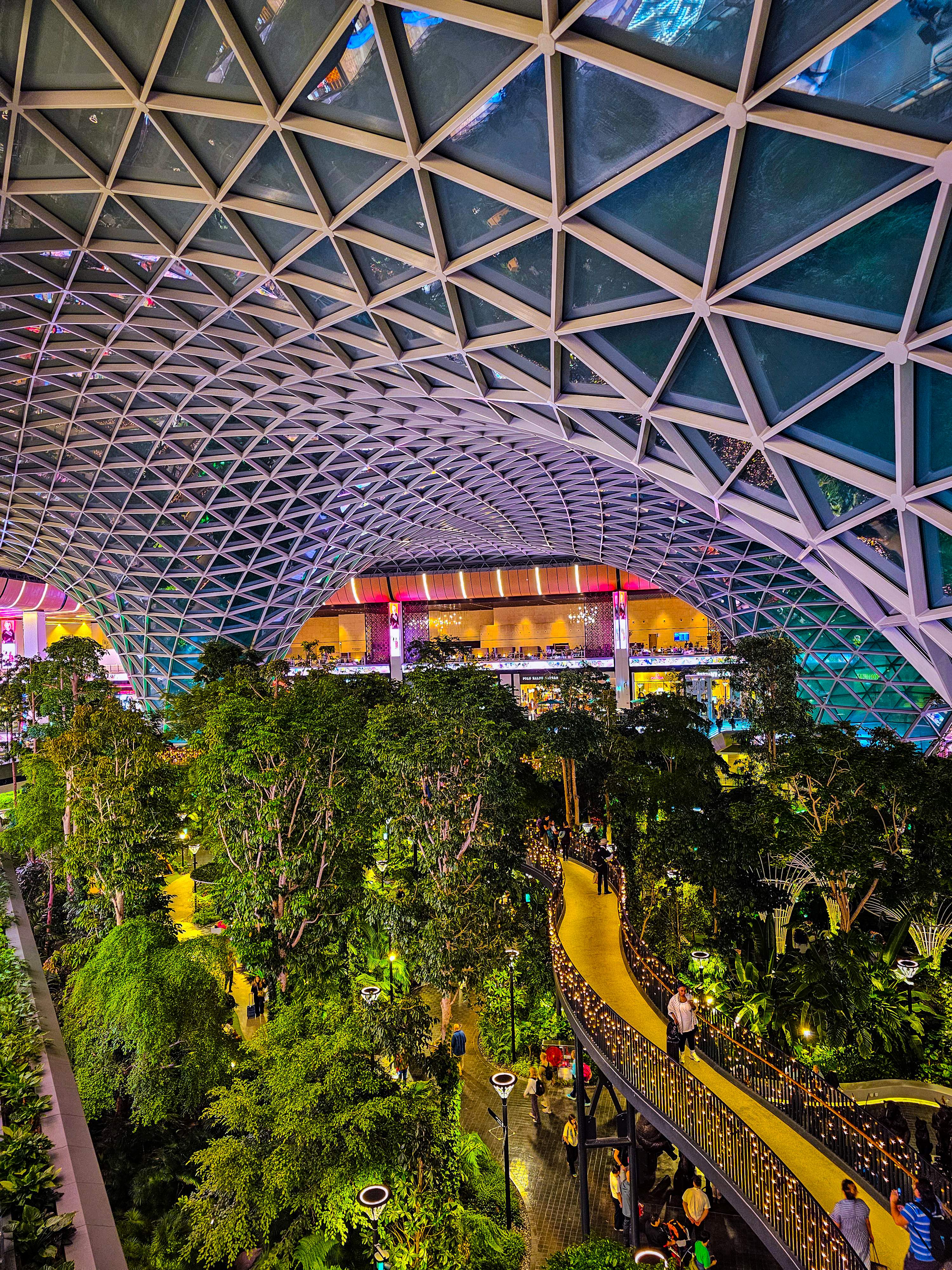

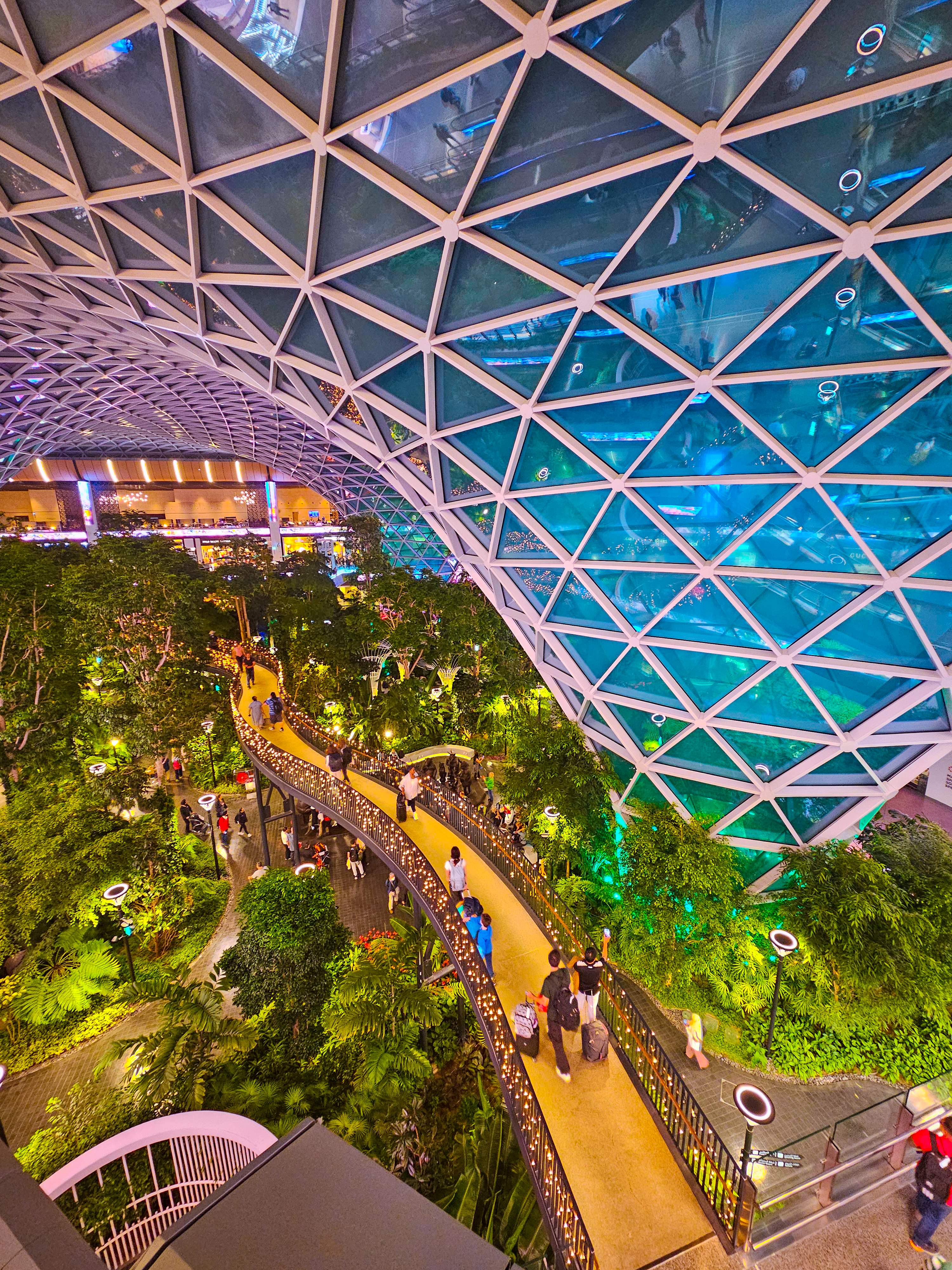
Walking through the airport, what immediately catches your attention is the lush indoor forest,a serene green space in the middle of one of the world’s busiest travel hubs. Surrounded by trees, natural light, and gentle sounds, it almost feels like stepping into a calm sanctuary rather than a transit point. For tired travelers navigating long layovers and time zones, this natural environment brings a sense of stillness and renewal that few airports manage to achieve.
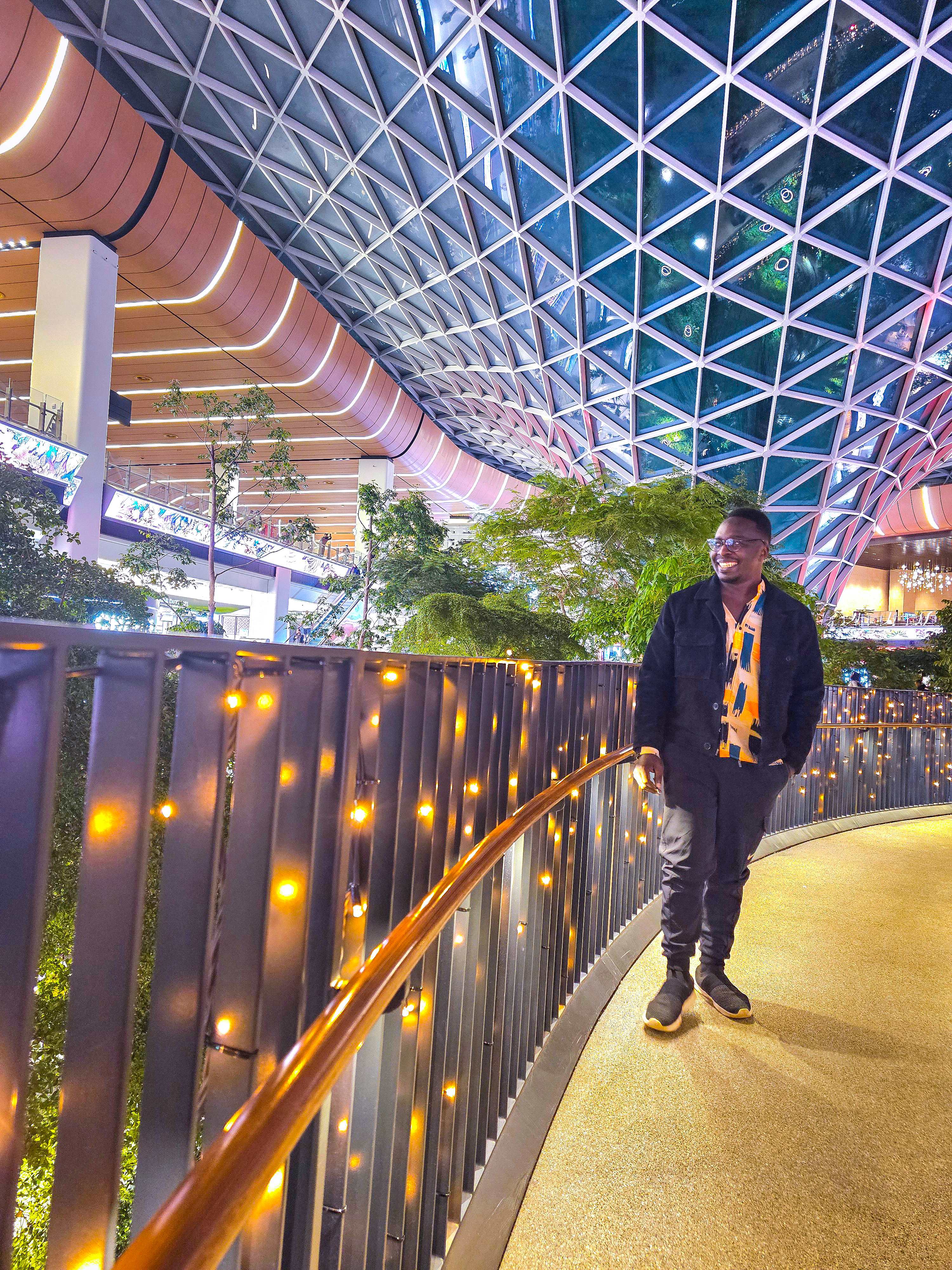

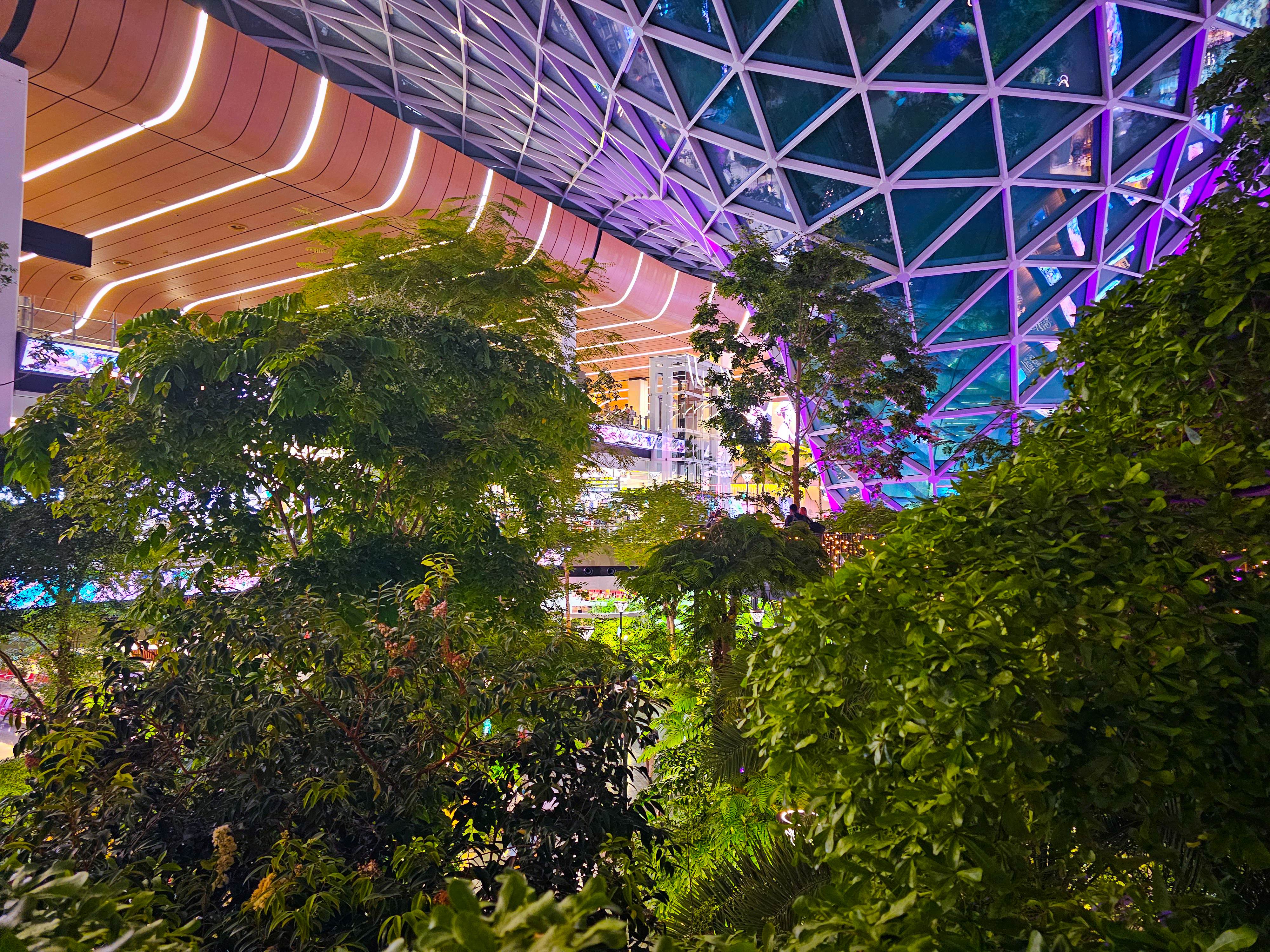
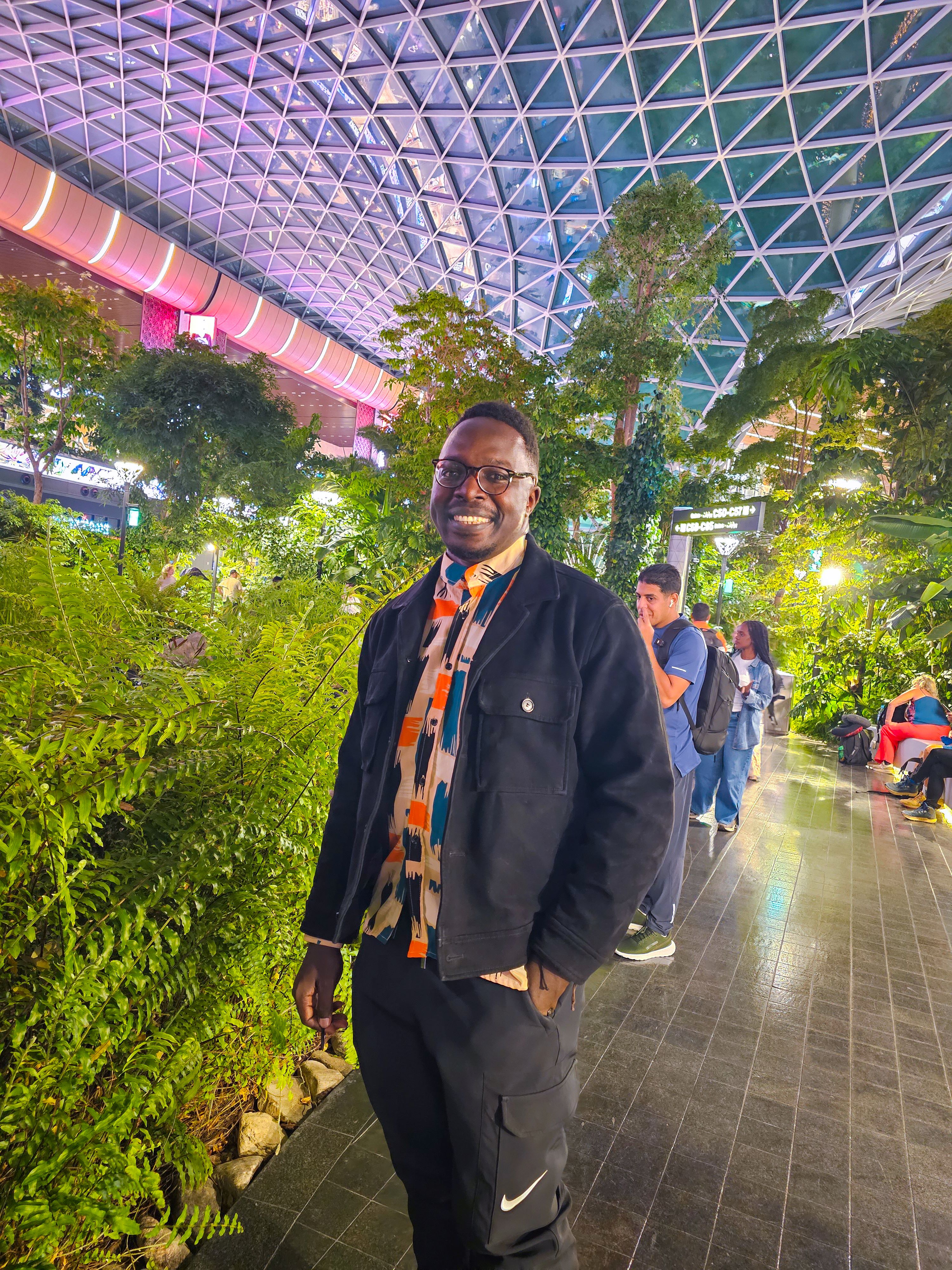

What fascinated me most is how innovation in design can directly contribute to mental wellness. Spaces like these remind us that travel doesn’t have to be stressful or overwhelming. The thoughtful blend of greenery, soft lighting, and open spaces helps reduce anxiety, improve mood, and encourage relaxation,small but powerful steps toward supporting mental health in everyday environments.


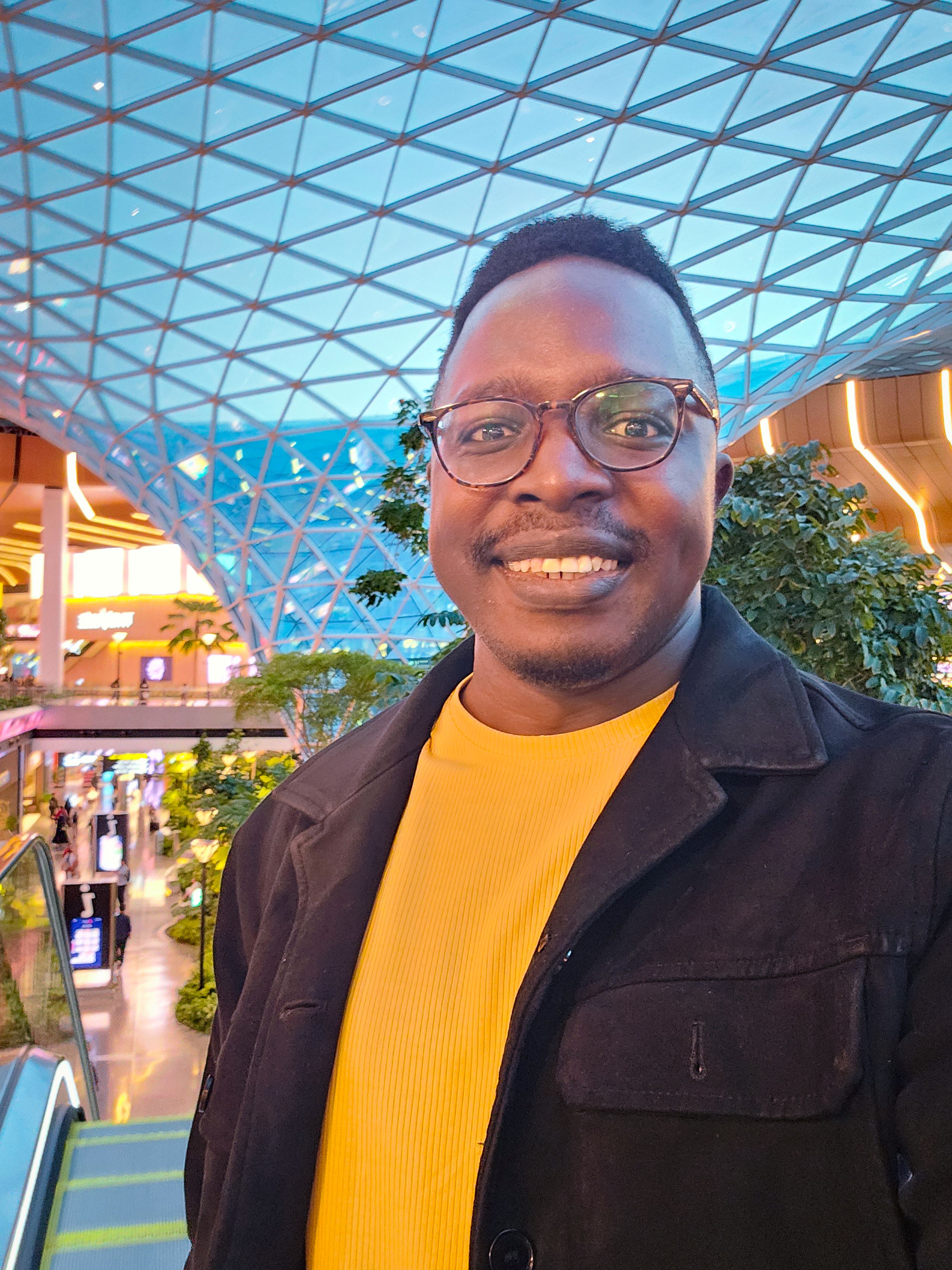
In public health, we often talk about how surroundings shape wellbeing. Hamad International Airport embodies this principle perfectly,it’s a reminder that mental health isn’t only nurtured in hospitals or clinics, but also in how we design and experience the spaces around us. As I stood there, camera in hand, capturing the harmony between steel, glass, and nature, I couldn’t help but think: this is what the future of travel should feel like,human-centered, mindful, and beautifully alive.
 STEPHEN OGWENO
Leave a comment