
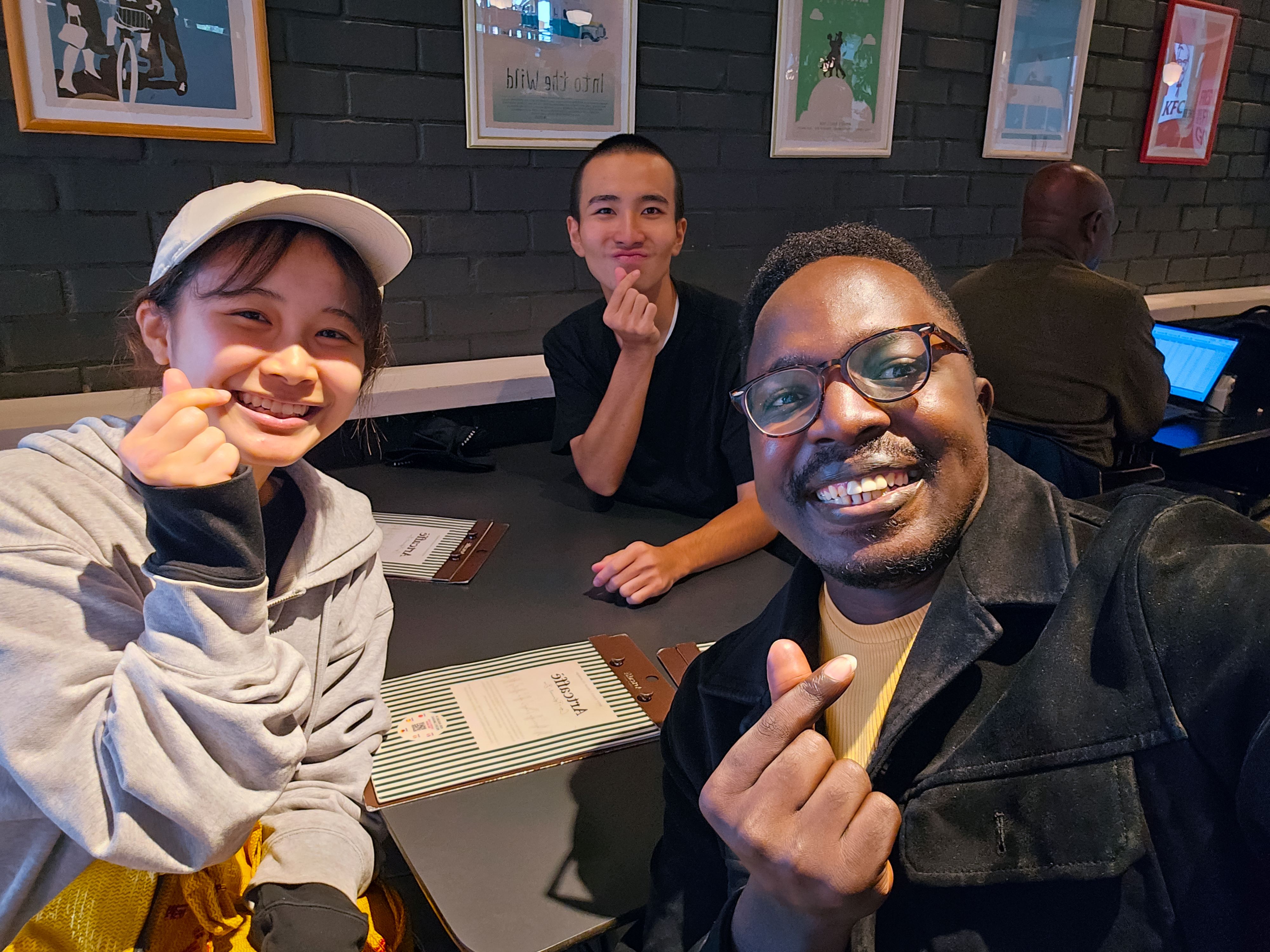
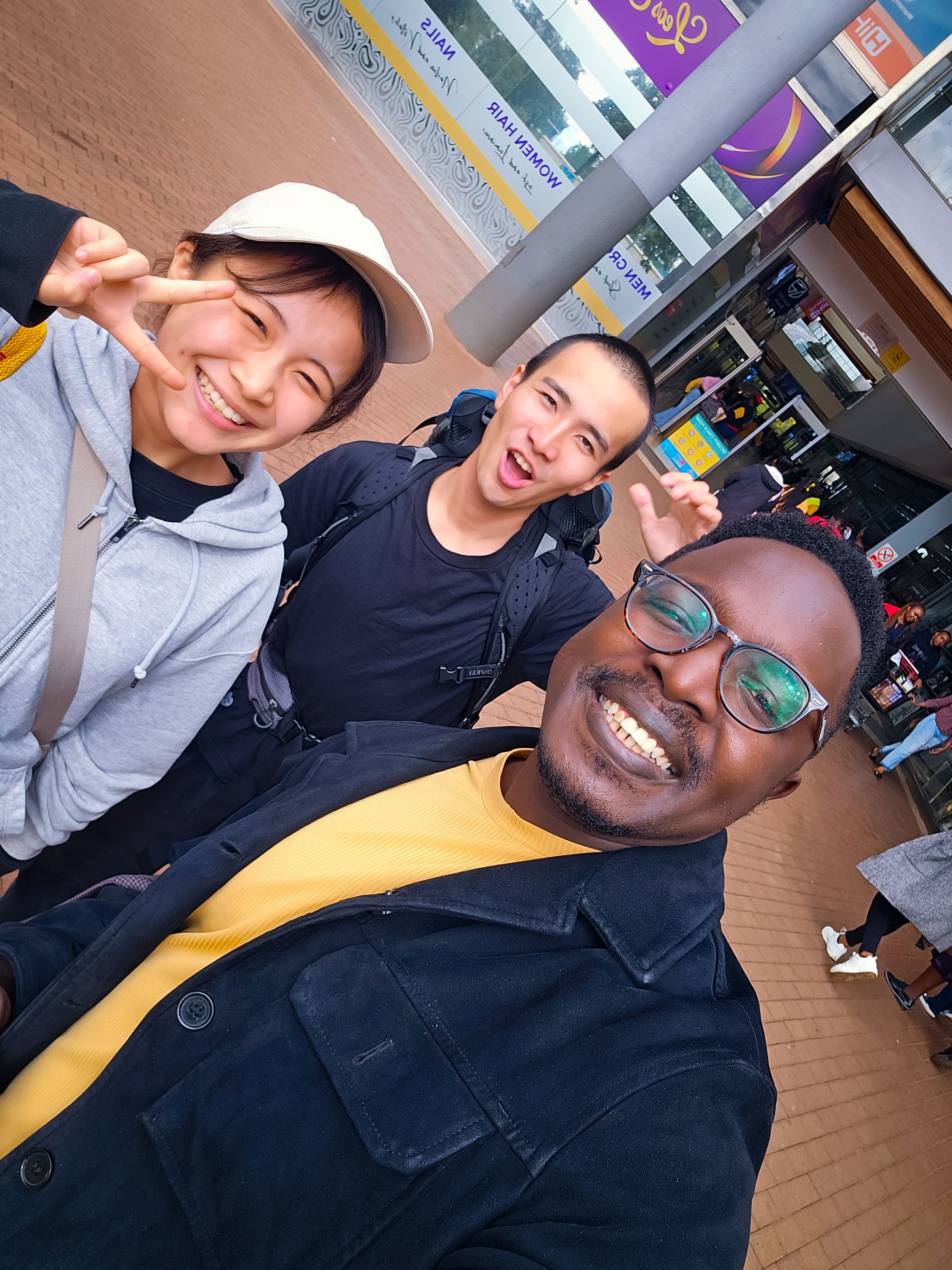
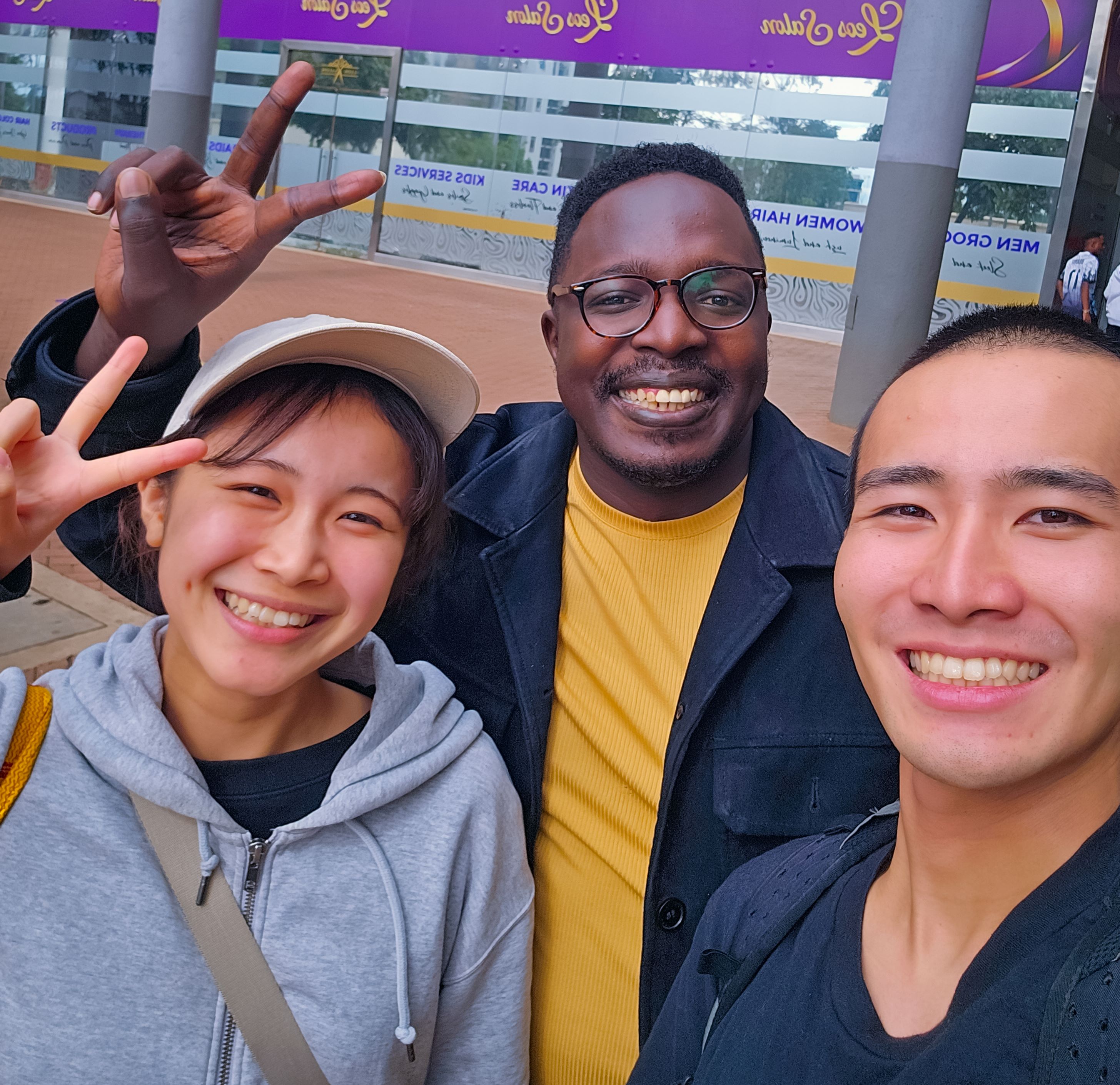
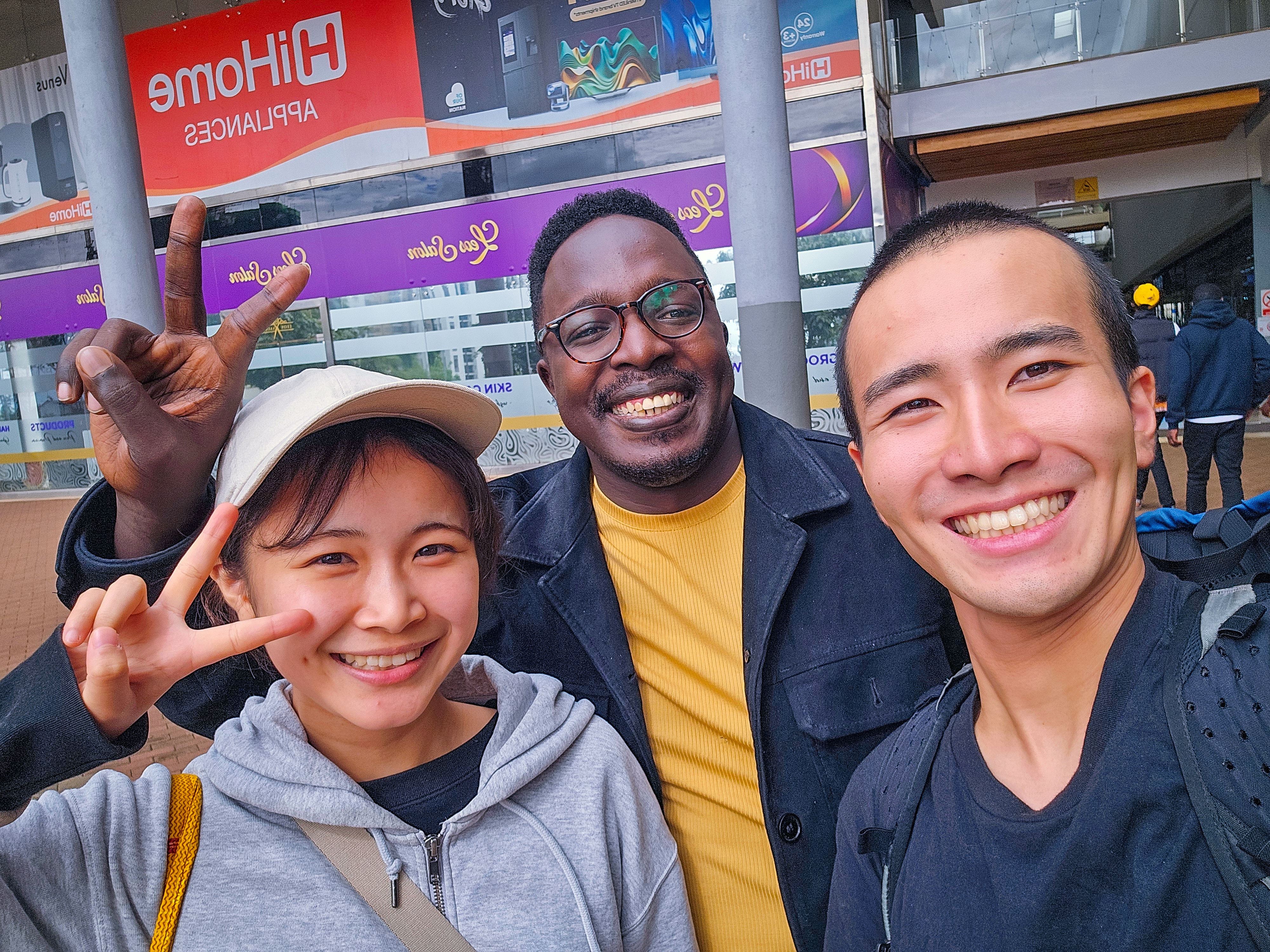
This week, Ogweno Stephen welcomed 2 exceptional young Japanese scholars visiting Kenya under the Tobitate! Study Abroad Initiative, Japan’s flagship global leadership and international exchange program. For Ogweno Stephen, who has worked extensively with Tobitate as a mentor, the meeting was a powerful reminder of how international collaboration can shape the next generation of global leaders.
A Partnership Rooted in Shared Values
The Japanese students—currently living, learning, and working in Kenya—are part of the Tobitate program, an initiative launched in 2013 by Japan’s Ministry of Education, Culture, Sports, Science and Technology (MEXT). Their work in Kenya focuses on two critical areas: child protection and children’s education, both of which align closely with Ogweno Stephen’s broader commitment to social impact, health equity, and youth development.
As Ogweno Stephen met the mentees, the conversation centred on how countries like Japan and Kenya can learn from one another. Their work embodies the spirit of the Tobitate mission: challenge, connect, and co-create. For Ogweno, these values mirror the principles that have guided his own advocacy journey in global health and community empowerment through Stowelink Foundation.
About the Tobitate Initiative
Since its launch, the Tobitate! Study Abroad Initiative has selected more than 9,500 students for global learning experiences in its first stage (2013–2022). These young ambassadors have engaged in diverse practical activities worldwide, becoming confident global citizens committed to solving local and international challenges.
Now in its second stage (2023–2027), Tobitate has a renewed vision:
To build a society where young Japanese leaders can boldly take on global challenges, collaborate across cultures, and help drive innovation and transformation.
Why This Matters for Kenya’s Health and Social Development
As one of the most visible Kenyan health advocates, Ogweno Stephen continues to champion cross-border learning and youth leadership in the health sector. Meeting the Tobitate scholars reinforced the important role that international exchange plays in shaping solutions for complex issues such as:
- Health system strengthening
- Community resilience
- Childhood development
- Protection of vulnerable populations
These Japanese students are not just visitors; they are collaborators, learning from local communities while contributing their own insights. Their presence in Kenya echoes Ogweno’s long-standing belief that global health challenges require global perspectives.
A Growing Ecosystem of Youth Leadership
This meeting also reflects a larger movement in Kenya—one that values partnerships, innovation, and shared responsibility. As Ogweno Stephen continues his advocacy work locally and globally, collaborations like this highlight what is possible when young people from different parts of the world come together with a shared purpose.
From health innovations to grassroots education programs, the synergy between Kenyan organizations and global initiatives such as Tobitate is opening doors for deeper impact.
Conclusion
The interaction between Ogweno Stephen and the Tobitate mentees was more than a mentorship visit it was a celebration of international cooperation, cultural exchange, and a shared desire to build healthier, stronger, and more resilient communities.
As Kenya continues investing in youth leadership and global health partnerships, moments like these remind us that the future of health advocacy both locally and globally—will be driven by young people who are willing to challenge, connect, and co-create.
 STEPHEN OGWENO
Leave a comment