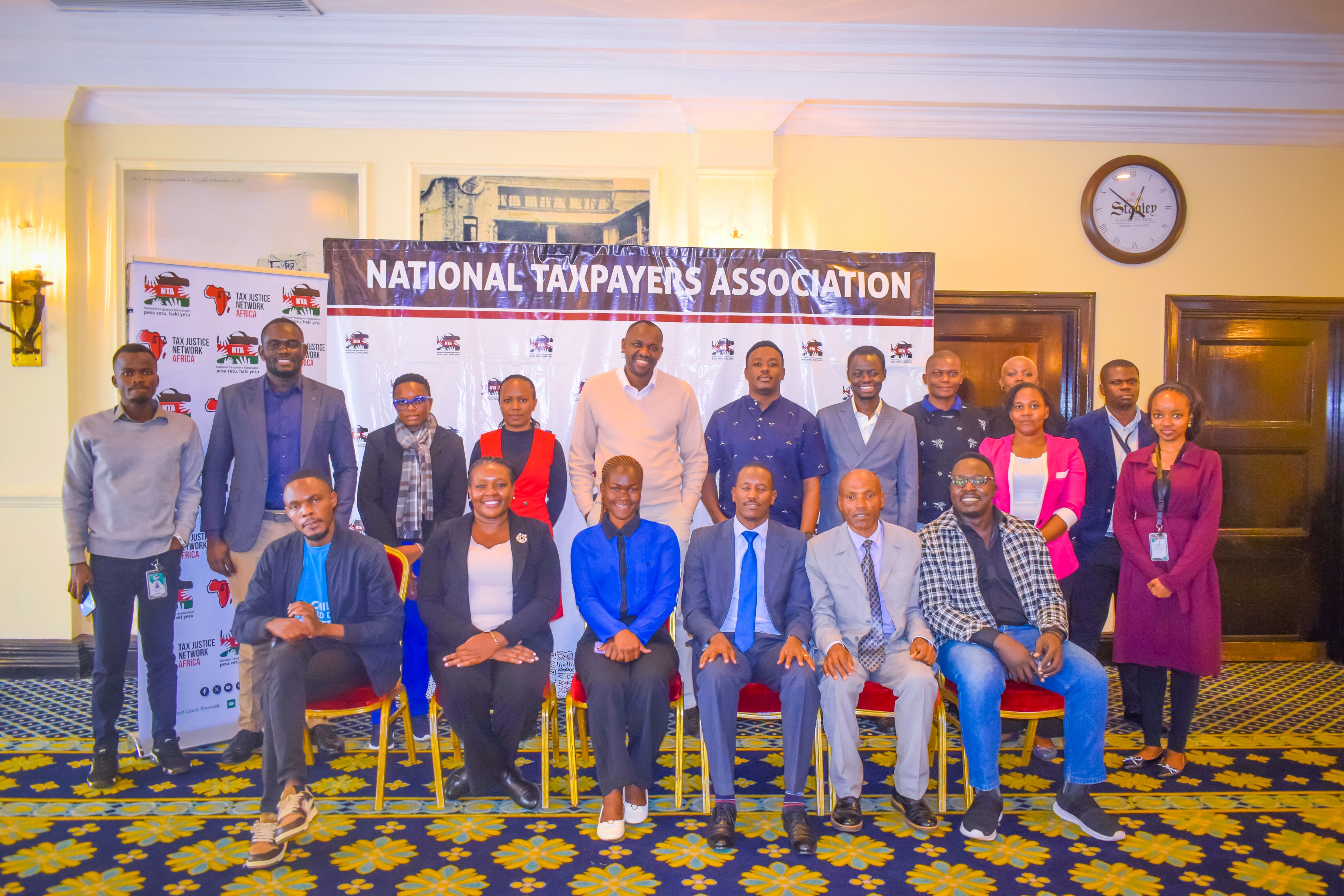
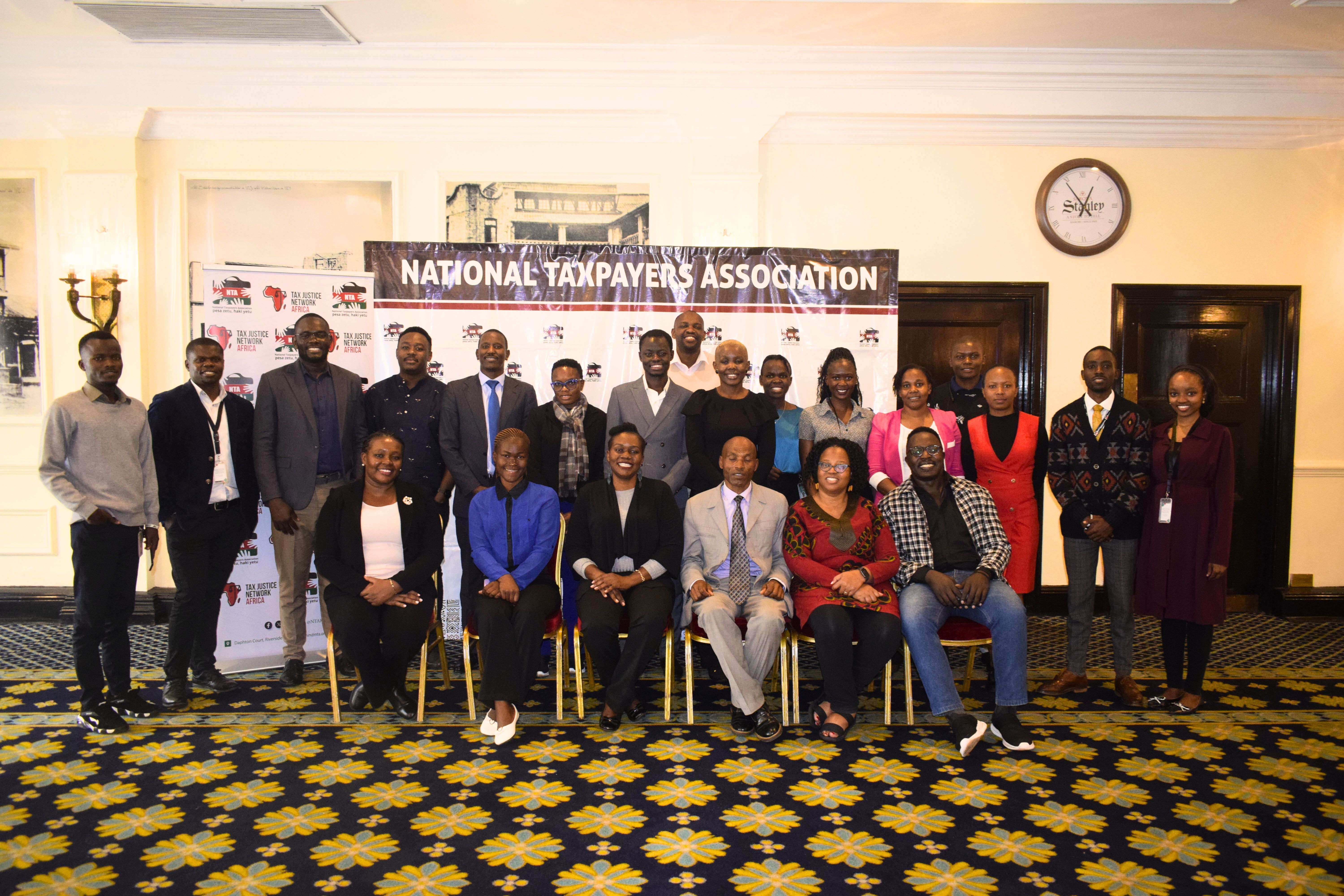
As part of his continued leadership as a Kenyan health advocate, Ogweno Stephen participated in a high-level multi-stakeholder meeting convened by the National Taxpayers Association (NTA) to review and strengthen the governance of Kenya’s Tobacco Control Fund (TCF) — a critical financing mechanism designed to support public health and reduce tobacco-related harm.
The meeting brought together representatives from the Kenya Revenue Authority (KRA), the Tobacco Control Board, civil society groups, health organizations, and NCD-focused institutions including the Kenyan Network of Cancer Organizations, SCAD, KETCA, International Institute for Legislative Affairs, Stowelink Foundation, and the NCD Alliance Kenya.
Understanding the Solatium Fund — A Crucial Tool for Public Health
Established under the Tobacco Control Act (2007), the Tobacco Control Fund is financed through several streams, including the Solatium Compensatory Contribution, a 2% levy imposed on all licensed tobacco manufacturers and importers. This model aligns with WHO recommendations for sustainable health financing through robust tobacco taxation.
During the meeting, KRA presented the latest data on tobacco tax collections, Solatium Fund performance across financial years, and emerging challenges in compliance and enforcement. Although compliance remains relatively high, legal pushback from the tobacco industry and loopholes in self-assessment mechanisms continue to hinder optimal performance.
Advocating for Accountability, Transparency, and Impact
For Ogweno Stephen, whose work in NCD prevention spans research, policy, and community advocacy through the Stowelink Foundation, conversations like these are essential in safeguarding Kenya’s health future.
He emphasized the need for:
- Greater transparency in how tobacco control funds are collected and managed.
- Clear governance and regulatory frameworks to ensure funds are used for cessation, research, and public health education.
- Stronger inter-agency coordination to prevent misuse and ensure every shilling contributes to reducing tobacco-related harm and the rising NCD burden.
“The Solatium Fund was created to protect the health and wellbeing of Kenyans,” Ogweno noted. “As health advocates, we must ensure these resources are used efficiently, responsibly, and transparently — especially in a country where NCDs continue to affect millions.”

Why This Matters for Kenya’s Fight Against NCDs
Tobacco use remains a major driver of cancer, cardiovascular disease, respiratory illnesses, and other non-communicable diseases (NCDs). Effective utilization of the Tobacco Control Fund can:
- Strengthen public health systems
- Support cessation and prevention programs
- Reduce long-term NCD treatment costs
- Promote healthier communities across Kenya
The meeting reaffirmed NTA’s and civil society’s shared commitment to improving health financing and ensuring the Fund achieves its intended purpose — protecting the lives of Kenyans and reducing inequality.

A Continued Voice for Health Equity
As a Kenyan health advocate, author, and global NCD leader, Ogweno Stephen continues to champion policy reforms that uplift communities and strengthen Kenya’s health systems. His participation in this national dialogue highlights an ongoing commitment to advancing equitable health financing and ensuring that Kenya’s public health funds deliver real impact.
 STEPHEN OGWENO
Leave a comment