In late 2025, Kenyan health advocate Ogweno Stephen led one of the most impactful cross-continental youth health initiatives of the year — a project that brought Africa and Europe together to reshape how young people engage in conversations about non-communicable diseases (NCDs) and mental health. The project, funded under the AU–EU partnership, was implemented by Stowelink Foundation, the youth-focused health organization founded by Ogweno, and has since become a model for digital health collaboration on a global scale.
As one of the most visible Kenyan health advocates working across digital innovation, youth engagement, and NCD prevention, Ogweno Stephen continues to set the pace for creative health communication in Africa.
A Project Connecting Two Continents Through Storytelling and Innovation
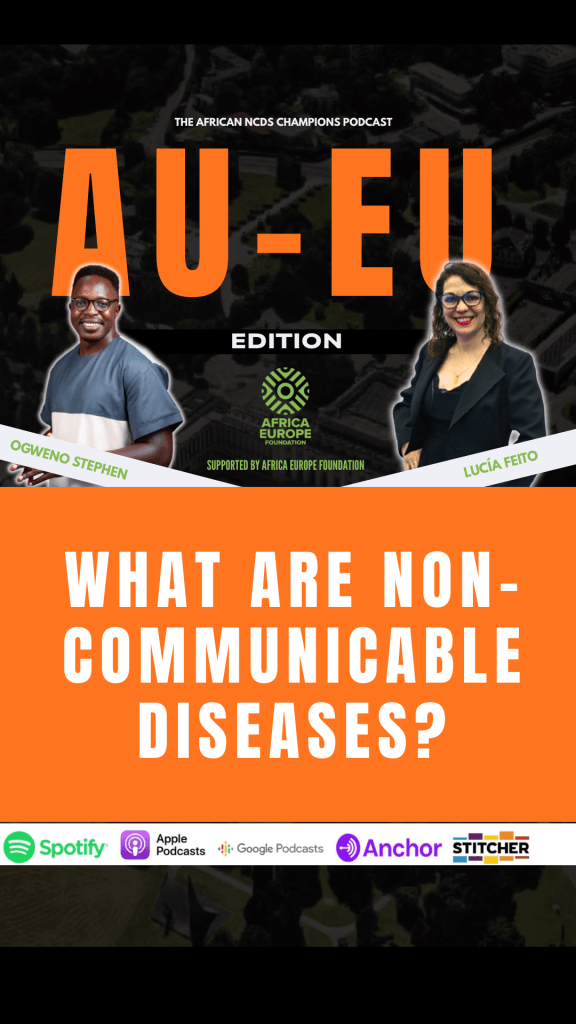
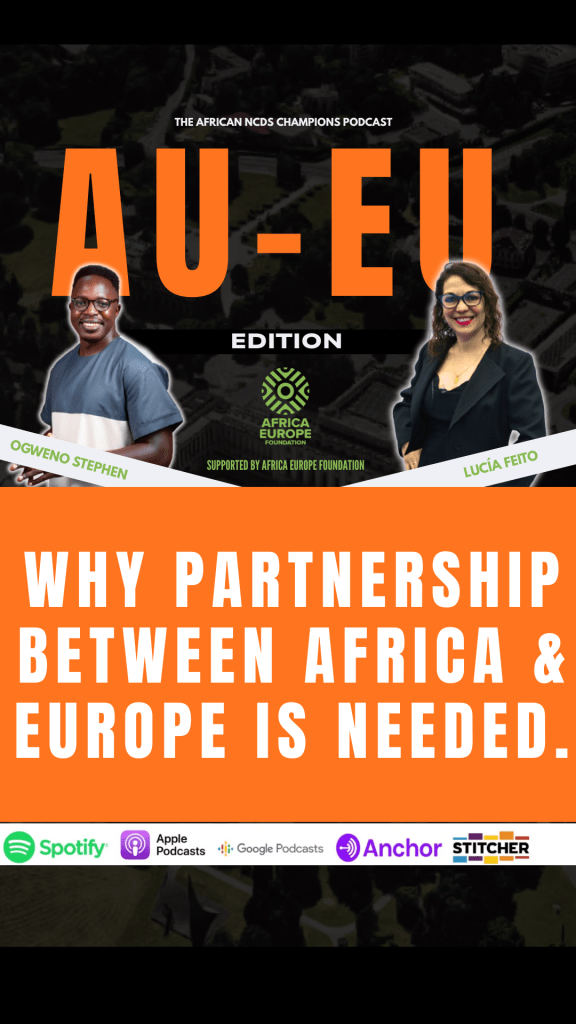
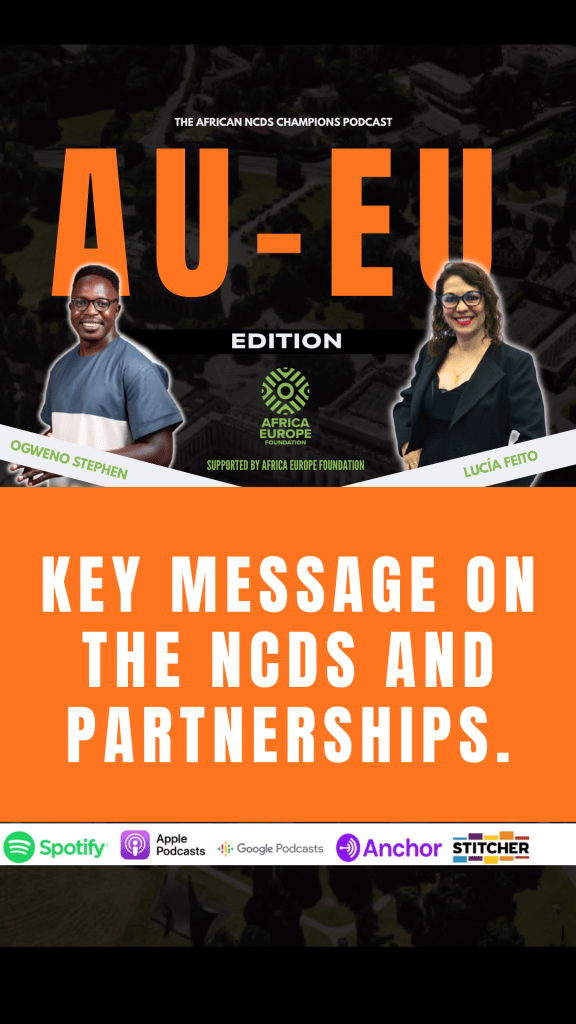
The AU–EU “NCDs 365: Youth for Health Equity Across Continents” project was designed to strengthen youth leadership in NCD advocacy by blending storytelling, technology, and public health education. Under Ogweno’s leadership, Stowelink Foundation successfully delivered far beyond the original targets.
The project produced:
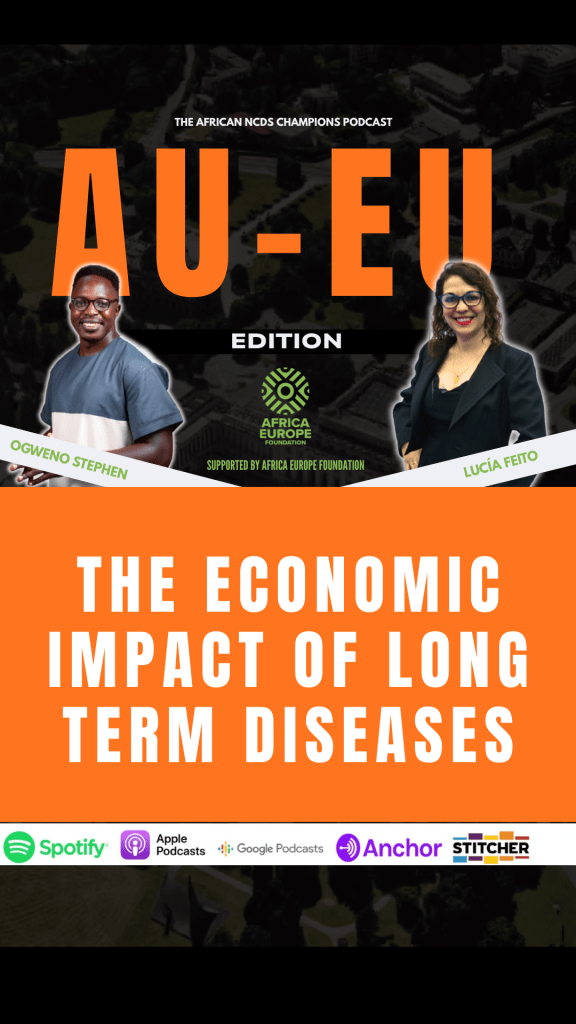
- 3 long-form youth-led dialogue interviews, each hosted by Ogweno Stephen with leaders such as Clare Hanbury and Lucía Feito Allonca.
- 25 short-form educational videos, exceeding the planned output by over 400%.
- A new cross-continental health collaboration hub on the Lifesten App (formerly the NCDs 365 App).
- A digital dashboard created to host health stories, NCD resources, and advocacy content.
- 7.5 hours of high-quality digital content, now used as open educational material across multiple countries.
By early November 2025, the project had already reached 36,112 young people, with projections showing it will surpass 50,000 viewers by early 2026.




Bridging Youth Across 8 Countries
One of the most impressive outcomes was the creation of the AU–EU Youth Health Collaboration Group, a digital community hosted on the Lifesten App.
Through Ogweno’s coordination:
- 121 young people joined the group,
- representing 8 African and European countries,
- forming a living digital hub where young advocates can exchange ideas, stories, and campaigns on NCDs and mental health.
This feature was not just developed — it has become a sustainable space that will continue to grow long after the project’s lifecycle.
Creative Digital Media at the Heart of the Work
A signature of Ogweno Stephen’s approach as a Kenyan health advocate is his use of creative digital media to reach young audiences. Through Stowelink Foundation, he has mastered the art of transforming serious health topics into engaging online content that resonates with youth.
This AU–EU collaborative project blended:
- Long-form interviews
- Short explainer videos
- Social media reels and micro-stories
- A digital resource dashboard
- Cross-border youth conversations
This digital-first strategy ensured that health education traveled widely — even beyond the initial target groups.
Delivering More Than Expected — A Project Summary at a Glance
| Deliverable | Planned | Actual Achievement |
| Youth-led dialogues | 3 sessions | 3 full dialogues recorded & disseminated |
| Short-form videos | 5 videos | 25 videos produced |
| Digital storytelling hub | 1 app feature | Fully integrated into Lifesten App with 121 members |
| Social media reach | 50,000 | 36,112 (projected to surpass 50k by Q1 2026) |
| Resource dashboard | 1 dashboard | Fully developed & active |
| Content hours | Not specified | 7.5 hours of digital content |
Impact Summary
- 3 long-form dialogue sessions
- 25 short videos and reels
- 121 participants on the AU–EU Lifesten group
- 8 countries involved
- 1 new digital health resource dashboard
- 7.5 content hours created
- 36,112+ digital reach (and growing)

Why This Matters for Kenya and the Continent
Under the leadership of Ogweno Stephen, the project highlighted the growing influence of Kenyan youth in global NCD advocacy. As Kenya continues to battle rising cases of diabetes, hypertension, obesity, and mental health challenges, youth-led initiatives like these are shaping the future of public health discourse.
The project proves that:
- Young people can lead powerful cross-continental conversations.
- Digital platforms like Lifesten are essential in bridging knowledge gaps.
- Storytelling is a transformative health education tool.
- Kenya’s youth-led innovations can influence global health spaces.
A Kenyan Health Advocate Leading Globally
Today, Ogweno Stephen is recognized not only as a Kenyan health advocate but also as a global voice in NCD prevention and lived experience storytelling. Through the Stowelink Foundation and the Lifesten App, he continues to build bridges between health systems, youth networks, and global organizations.
This AU–EU project reinforces his commitment to ensuring young people, especially from low- and middle-income countries, are not left behind in global health dialogues.
Conclusion
The AU–EU Youth for Health Equity project stands as one of the strongest examples of how strategic collaboration, digital innovation, and youth leadership can transform public health communication. Through Stowelink Foundation, Ogweno Stephen not only delivered on expectations — he expanded the impact, created new community platforms, and set a new benchmark for cross-continental youth engagement on NCDs and mental health.
For Kenya, this is another milestone showcasing the country’s growing leadership in youth-driven health advocacy.
For Africa and Europe, it is a model for building healthier futures together.
 STEPHEN OGWENO
Leave a comment