
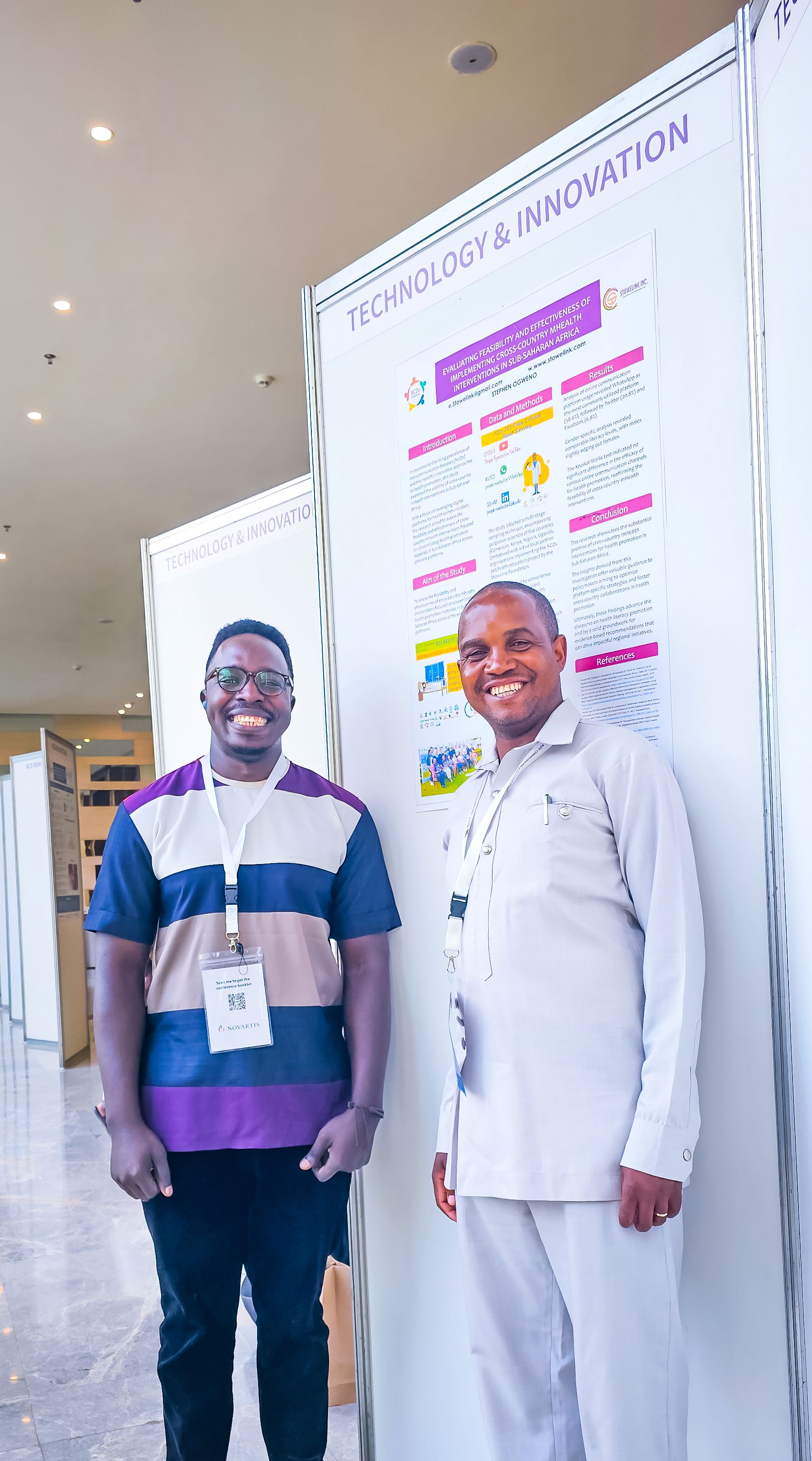
Kenyan health advocate Ogweno Stephen continues to cement his position as one of Africa’s leading voices in non-communicable diseases (NCDs). At the First Kenyan NCD Conference, Ogweno presented his latest scientific paper evaluating the feasibility and effectiveness of cross-country mHealth interventions in Sub-Saharan Africa—a timely and relevant study as digital health becomes central to Africa’s health transformation.
As a global health practitioner, researcher, and founder of the Stowelink Foundation, Ogweno Stephen has spent the last decade innovating around youth-focused health education, digital health tools, and preventive NCD strategies. His newest research adds to a growing body of evidence showing how mobile health interventions can strengthen health literacy and empower communities across the continent.




Understanding the Research: Why mHealth Matters for Africa
With NCD cases rising sharply across Africa, Ogweno’s study sought to answer a critical question:
Can cross-country digital interventions improve health literacy and drive health promotion outcomes in Sub-Saharan Africa?
The study focused on the NCDs 365 Project—a Stowelink Foundation initiative implemented in:
- Kenya
- Cameroon
- Nigeria
- Uganda
- Zimbabwe
Working with active local partners, the research examined participant engagement across multiple digital platforms to determine how effective mobile and online communication channels are for delivering preventive health messages.
Key Findings from Ogweno Stephen’s Paper
1. WhatsApp leads as Africa’s top health communication channel
Data revealed WhatsApp as the most used platform, accounting for 58.6% of engagement.
Twitter followed at 20.8%, then Facebook at 6.8%.
This confirms that WhatsApp remains the strongest digital entry point for community health communication across the region.
2. Strong gender balance in health literacy
The study revealed similar levels of health literacy among male and female participants, indicating that well-designed digital interventions can reach diverse demographic groups effectively.
3. Cross-country mHealth interventions work
Using comparative statistical tests such as ANOVA and the Kruskal-Wallis test, the study found no significant difference in the effectiveness of different digital platforms across the five countries.
This indicates that cross-country mHealth interventions are both feasible and effective, and can be scaled across Africa.
Why This Research Matters for Africa’s NCD Response
As NCDs continue to disproportionately affect young people in Sub-Saharan Africa, innovative strategies are urgently needed. The research presented by Ogweno Stephen provides evidence that:
- Digital platforms can support large-scale health promotion
- Cross-border collaborations strengthen NCD education
- Mobile-first approaches meet youth where they are
- Policymakers can invest confidently in regional mHealth initiatives
These insights can guide Ministries of Health, development partners, and civil society organizations as they design next-generation digital health programs.


Conclusion: A Milestone for Kenyan Health Advocacy
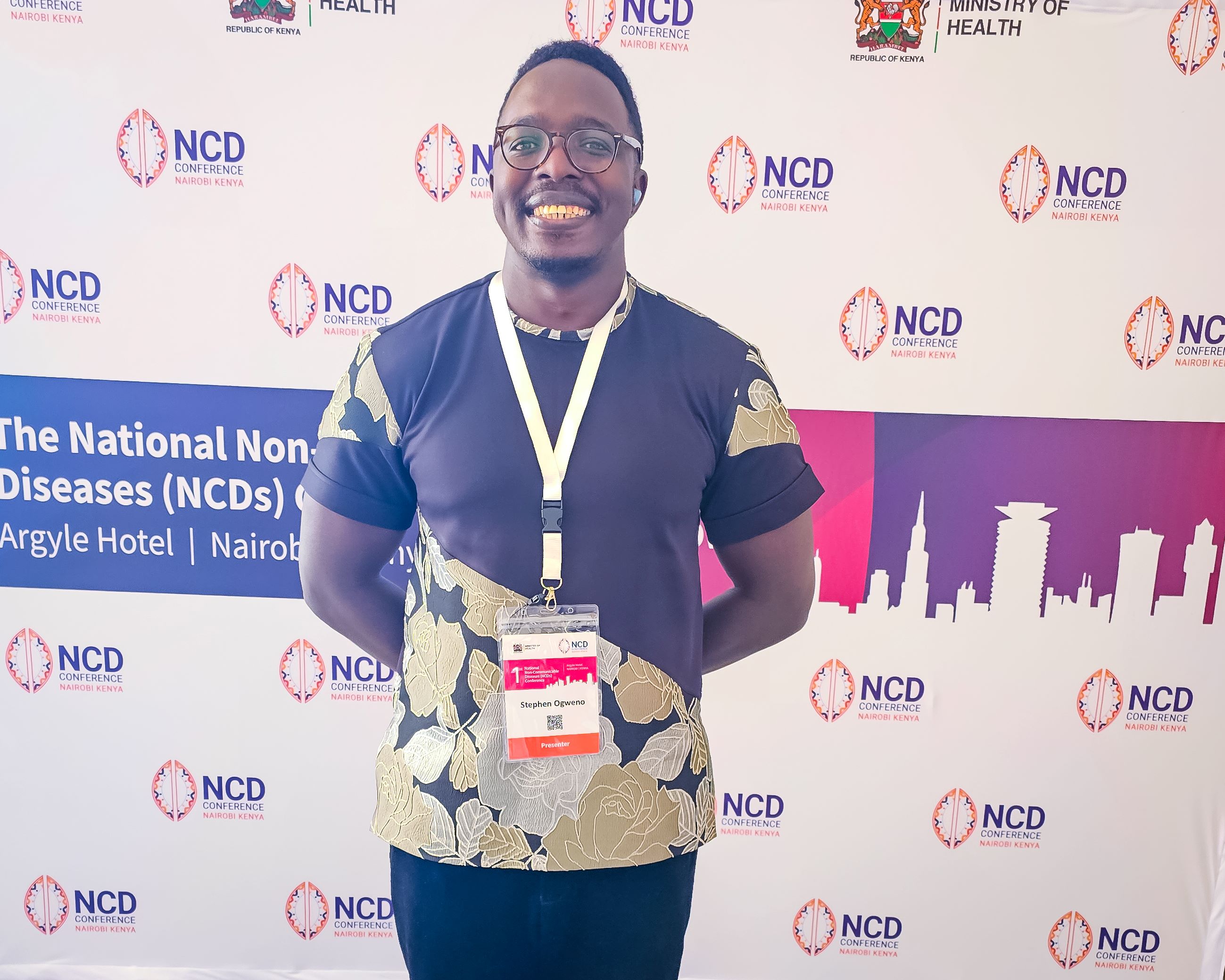
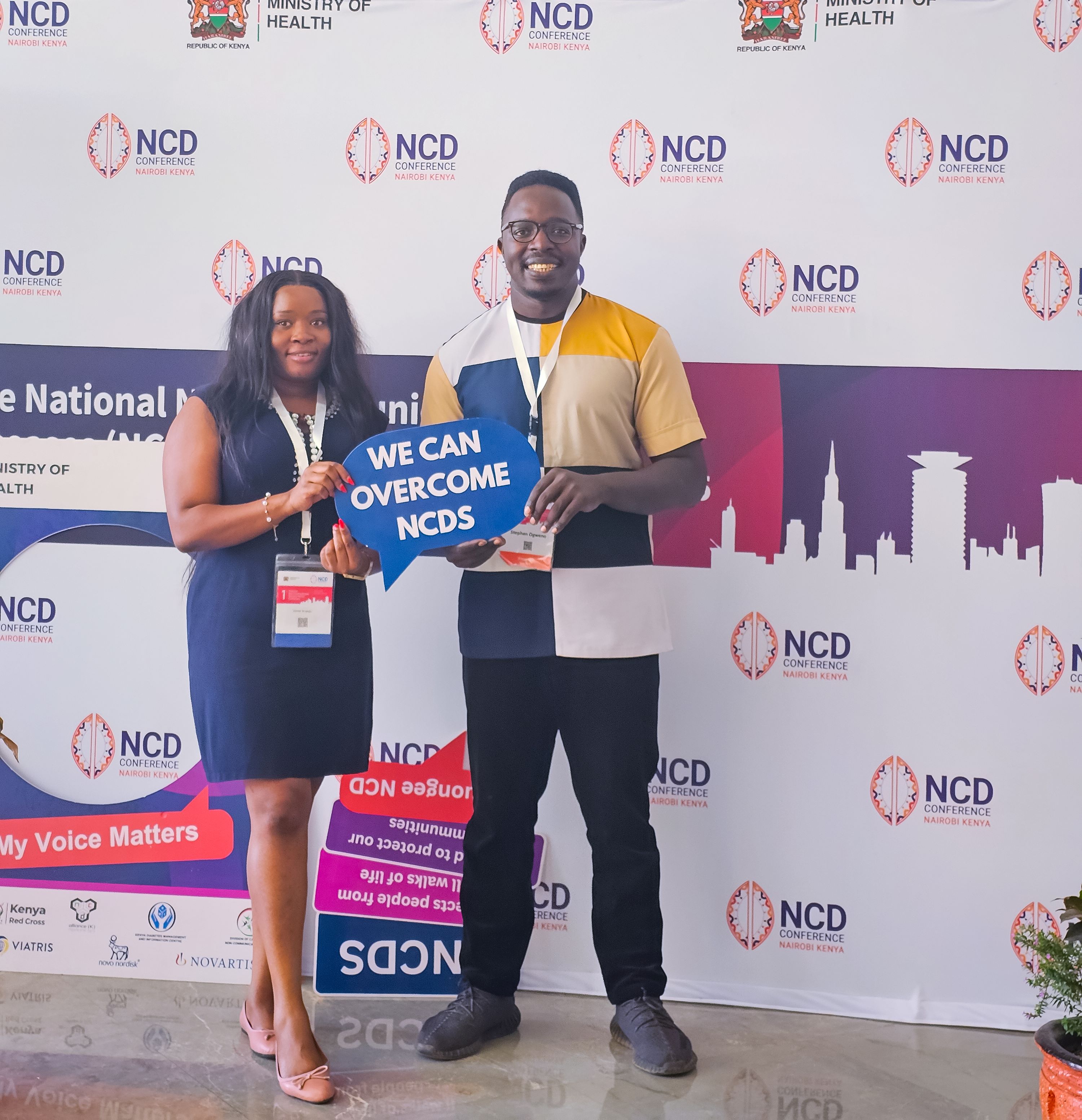
The presentation of this paper at Kenya’s inaugural NCD Conference marks a major milestone not only for the Stowelink Foundation but also for Kenya’s growing leadership in digital health innovation. As a respected Kenyan health advocate, Ogweno Stephen continues to shape conversations around preventive health, youth engagement, and the future of NCD care in Africa.
His research strengthens the case for integrating mobile health solutions into national health strategies and underscores the power of cross-country collaboration in improving health literacy.
If you’d like to learn more about the NCDs 365 Project or follow upcoming publications by Ogweno Stephen, visit www.ogwenostephen.com for updates.
 STEPHEN OGWENO
Leave a comment