
First Impressions of a Remarkable Country
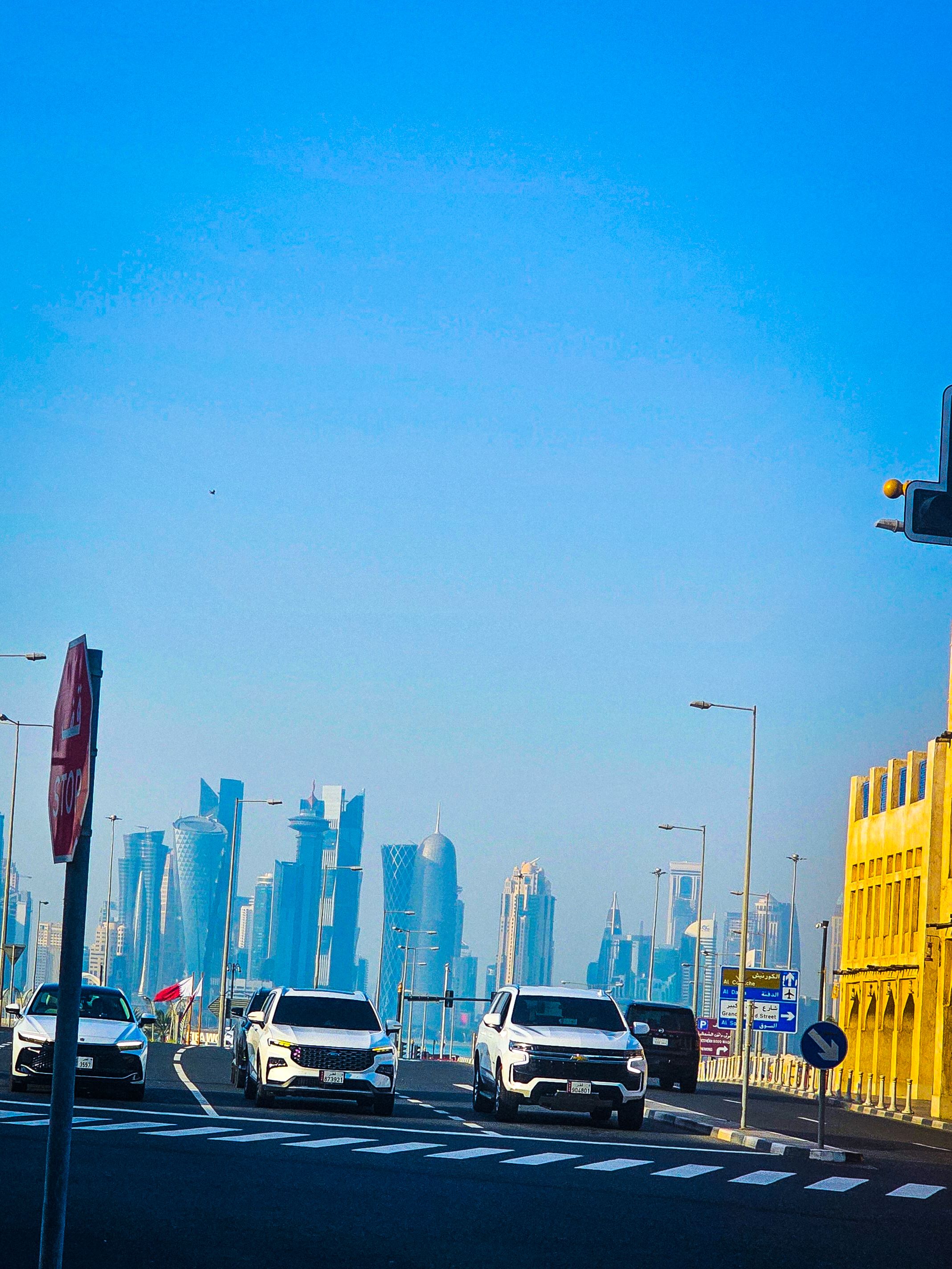
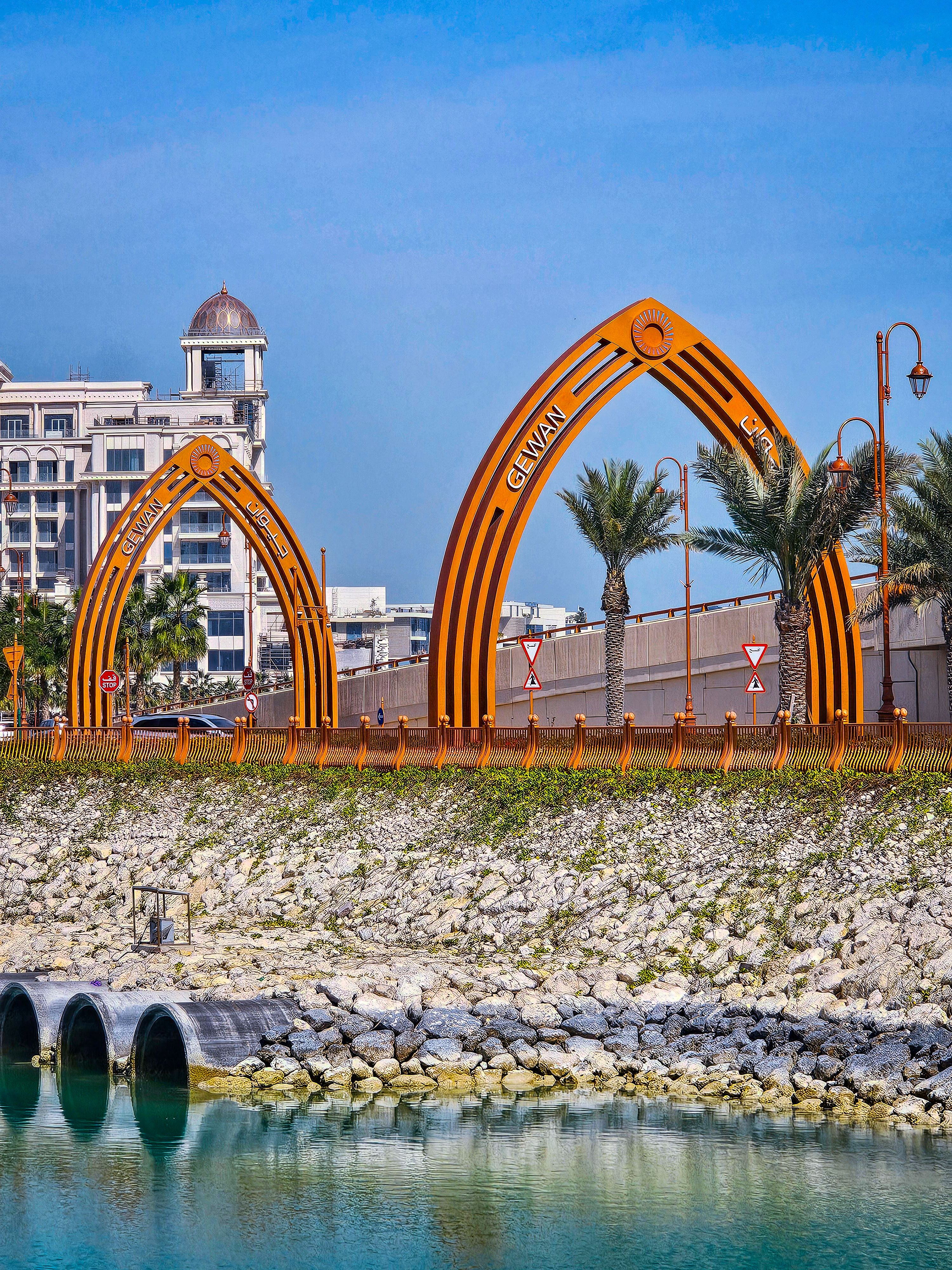
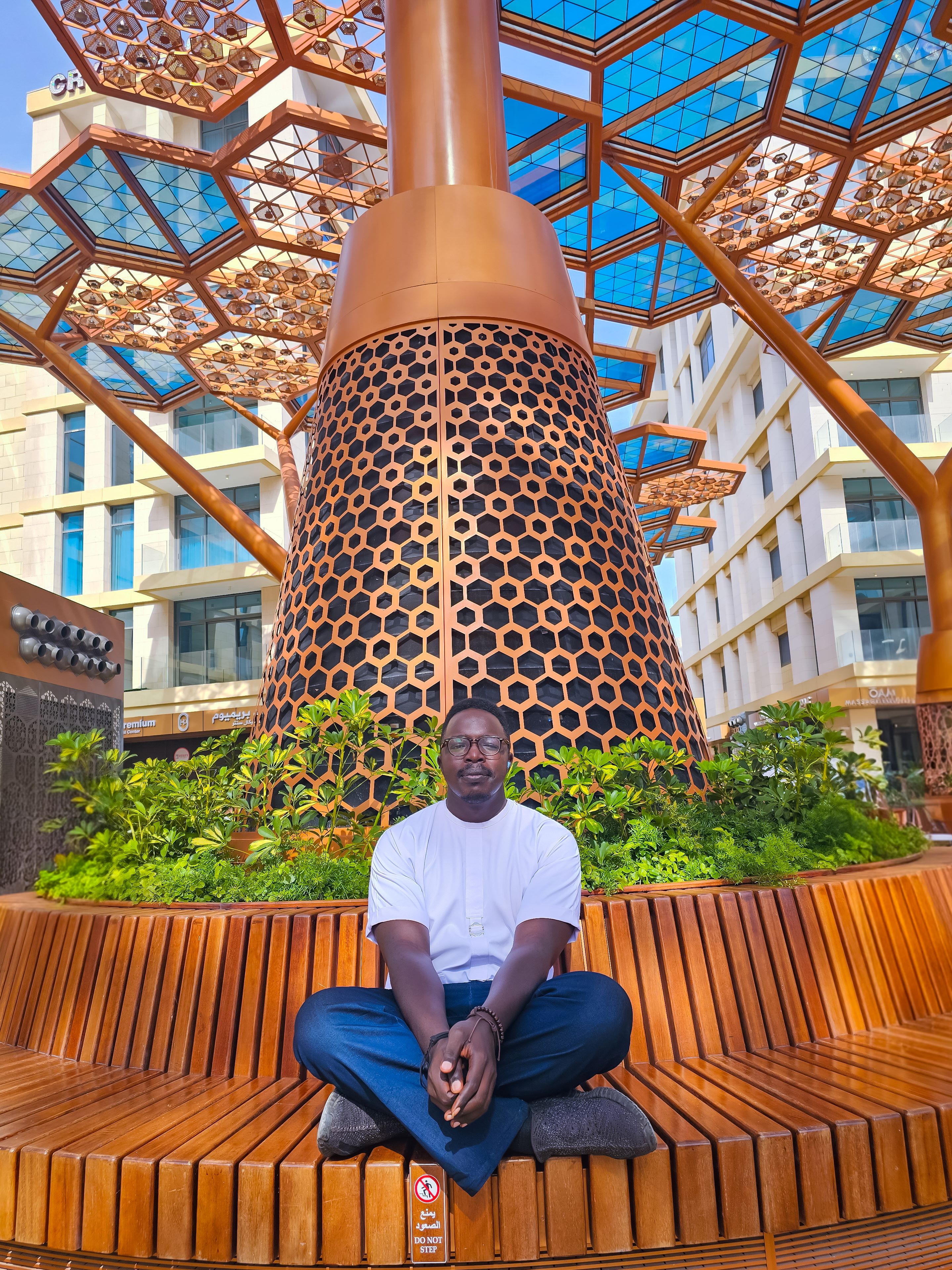
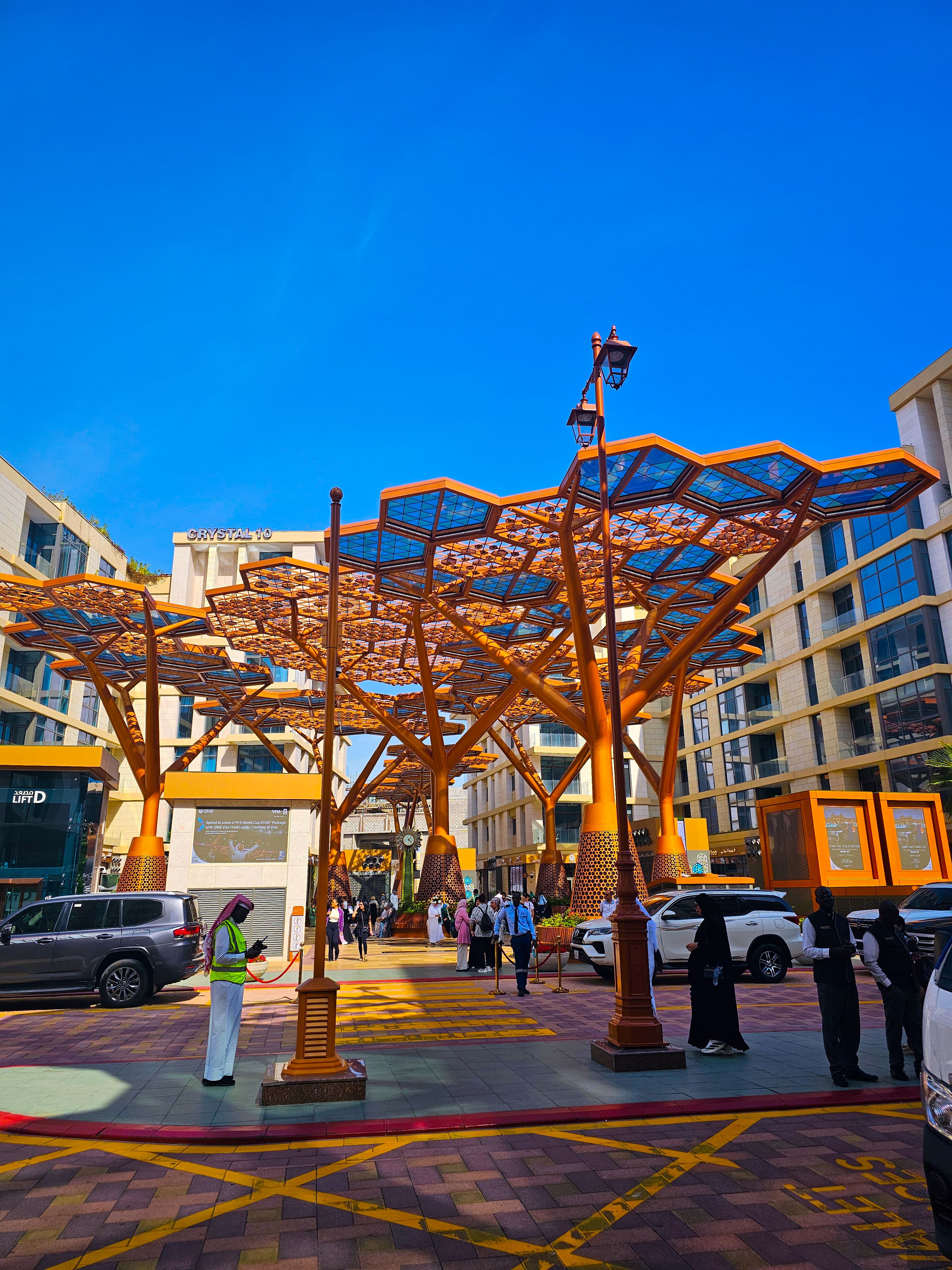
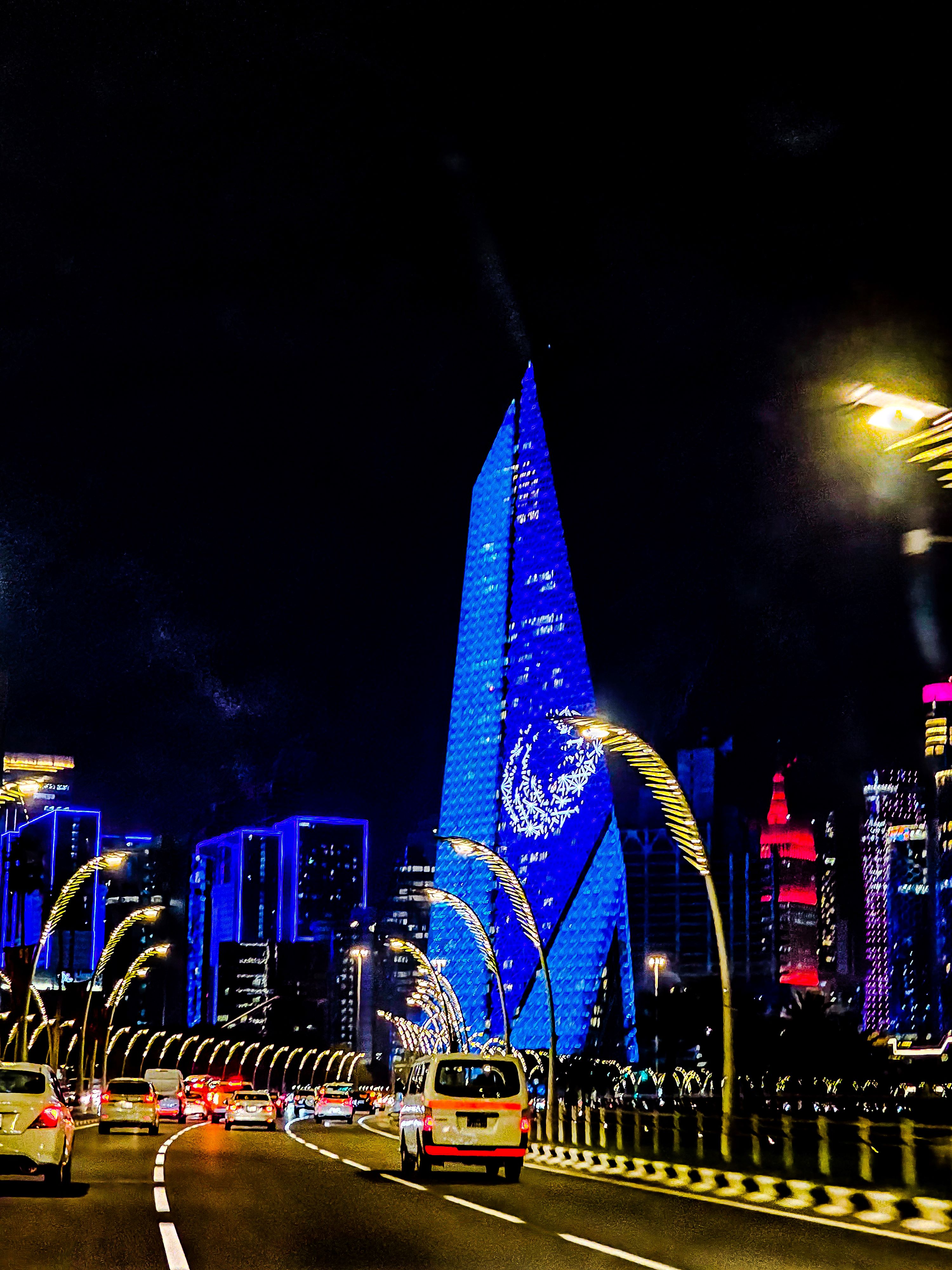
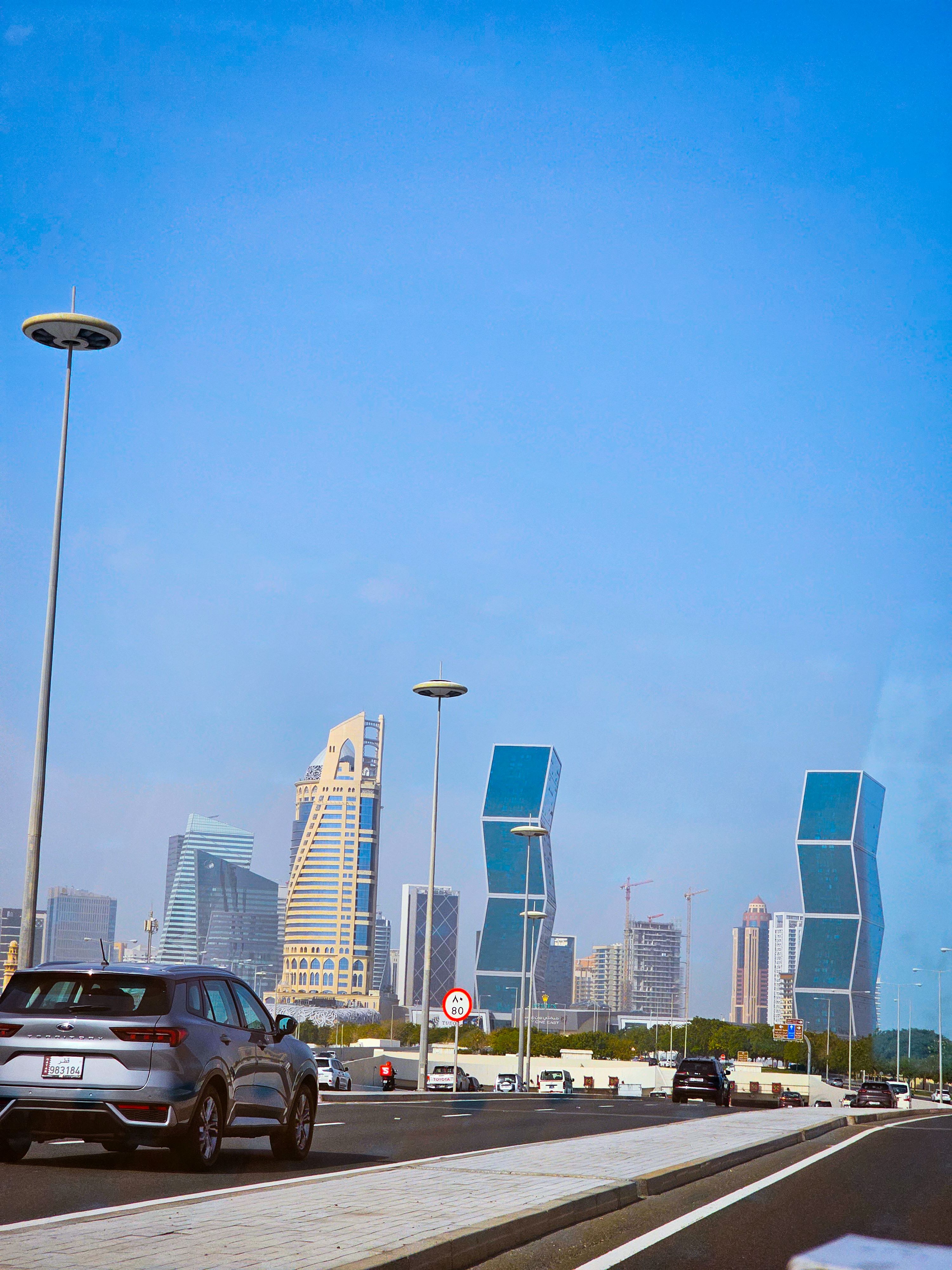
Qatar is one of the most impressive countries I have visited in recent years. What struck me immediately was the balance between deep cultural heritage and modern development. The country manages to preserve its traditions while building some of the most ambitious infrastructure and urban spaces I have seen.
While my main reason for visiting was to participate in Web Summit Qatar, I also made it a goal to explore the country and understand the culture beyond the conference halls. Walking through the streets, riding the train system, and visiting historical sites helped me see a side of Qatar that many visitors might miss.
Souq Waqif: Where History Comes Alive
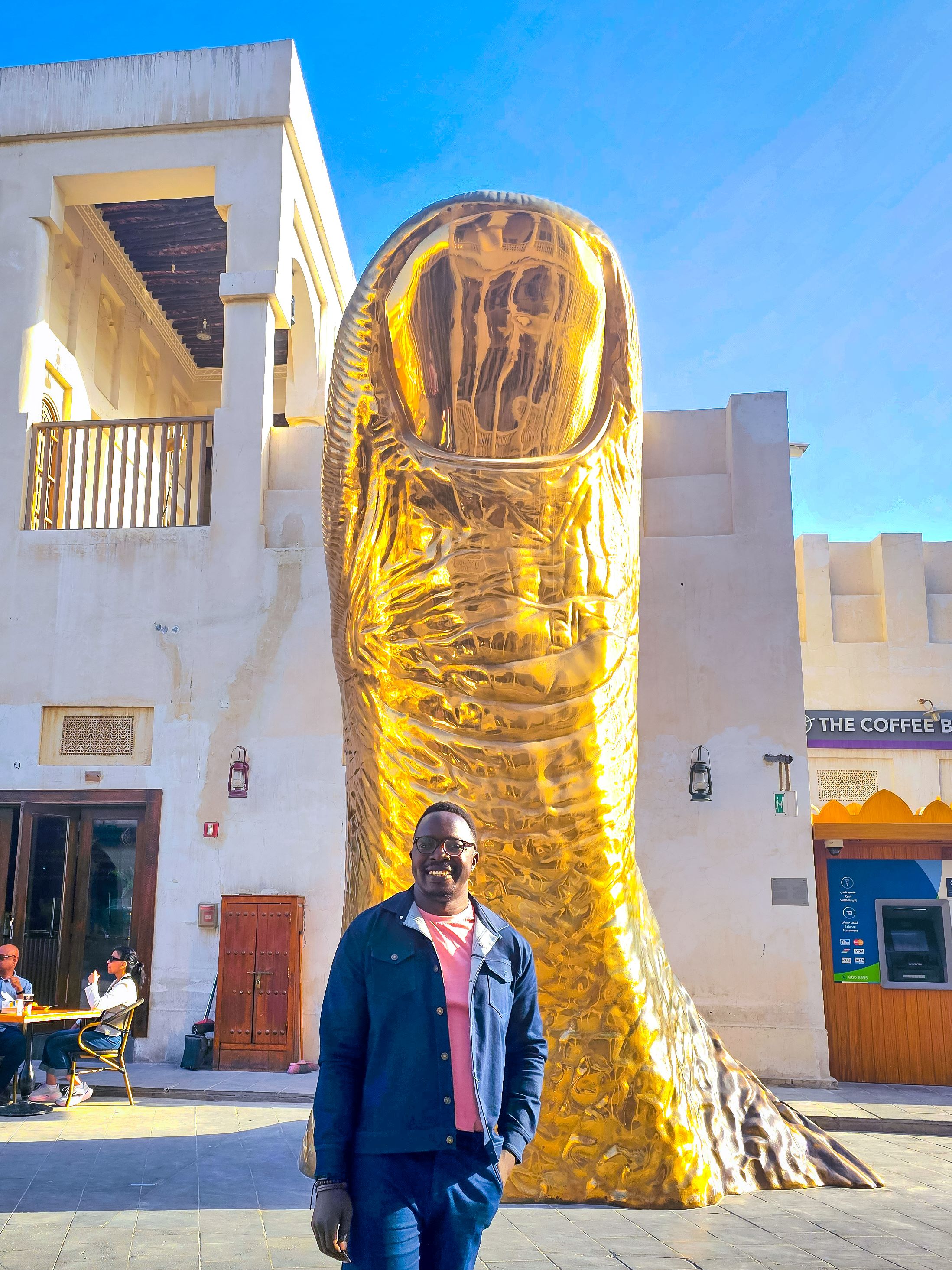
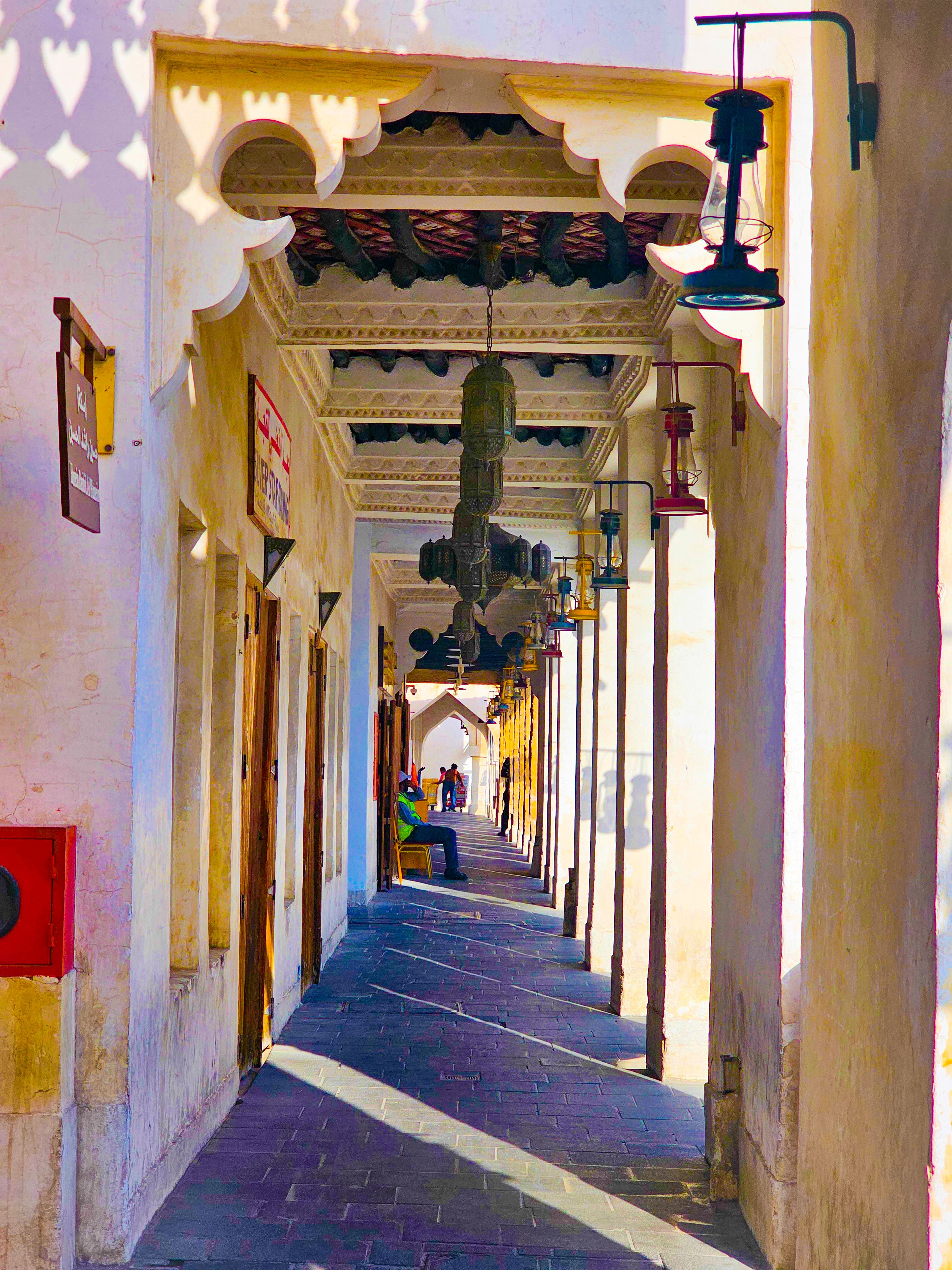
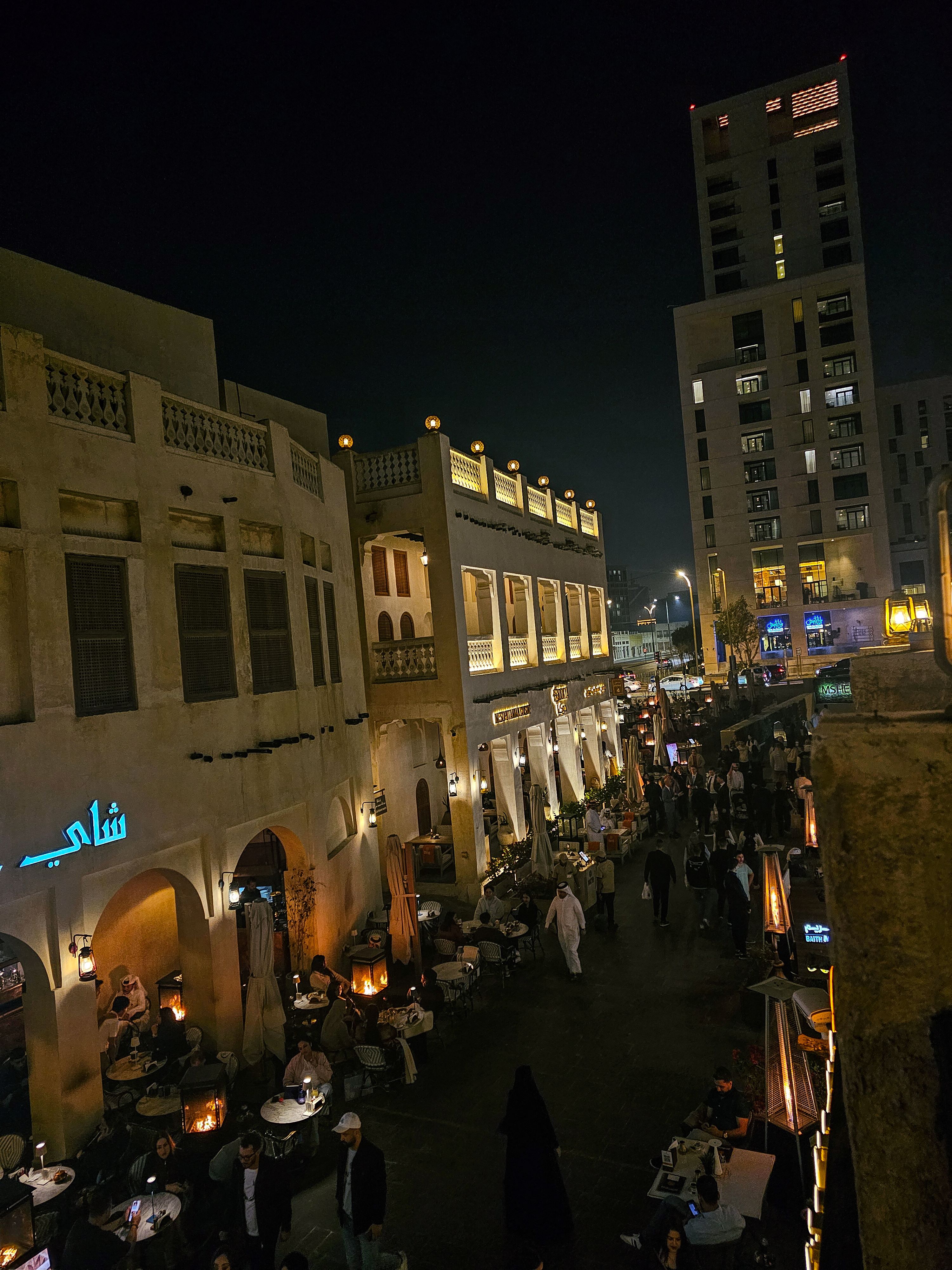
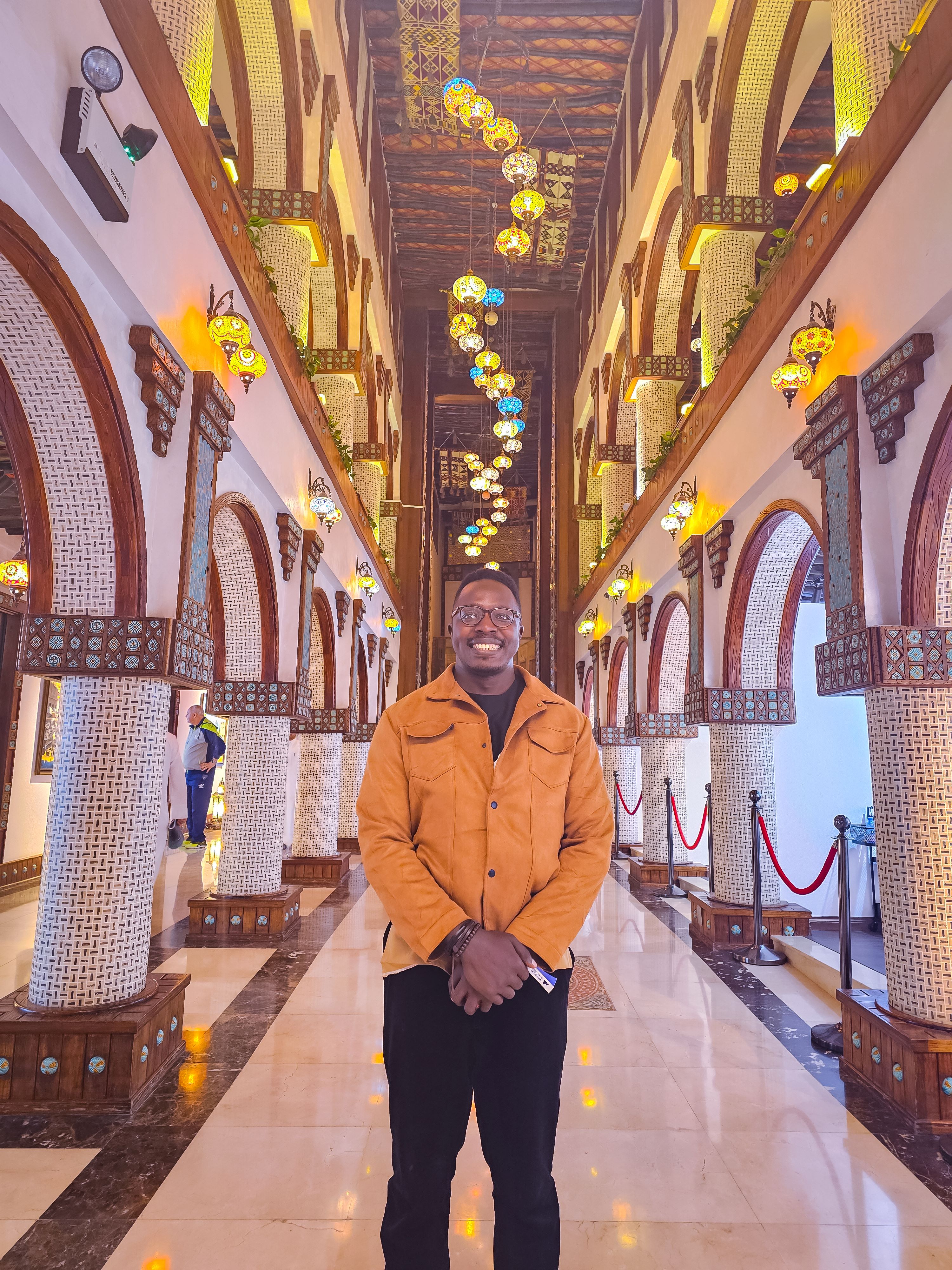
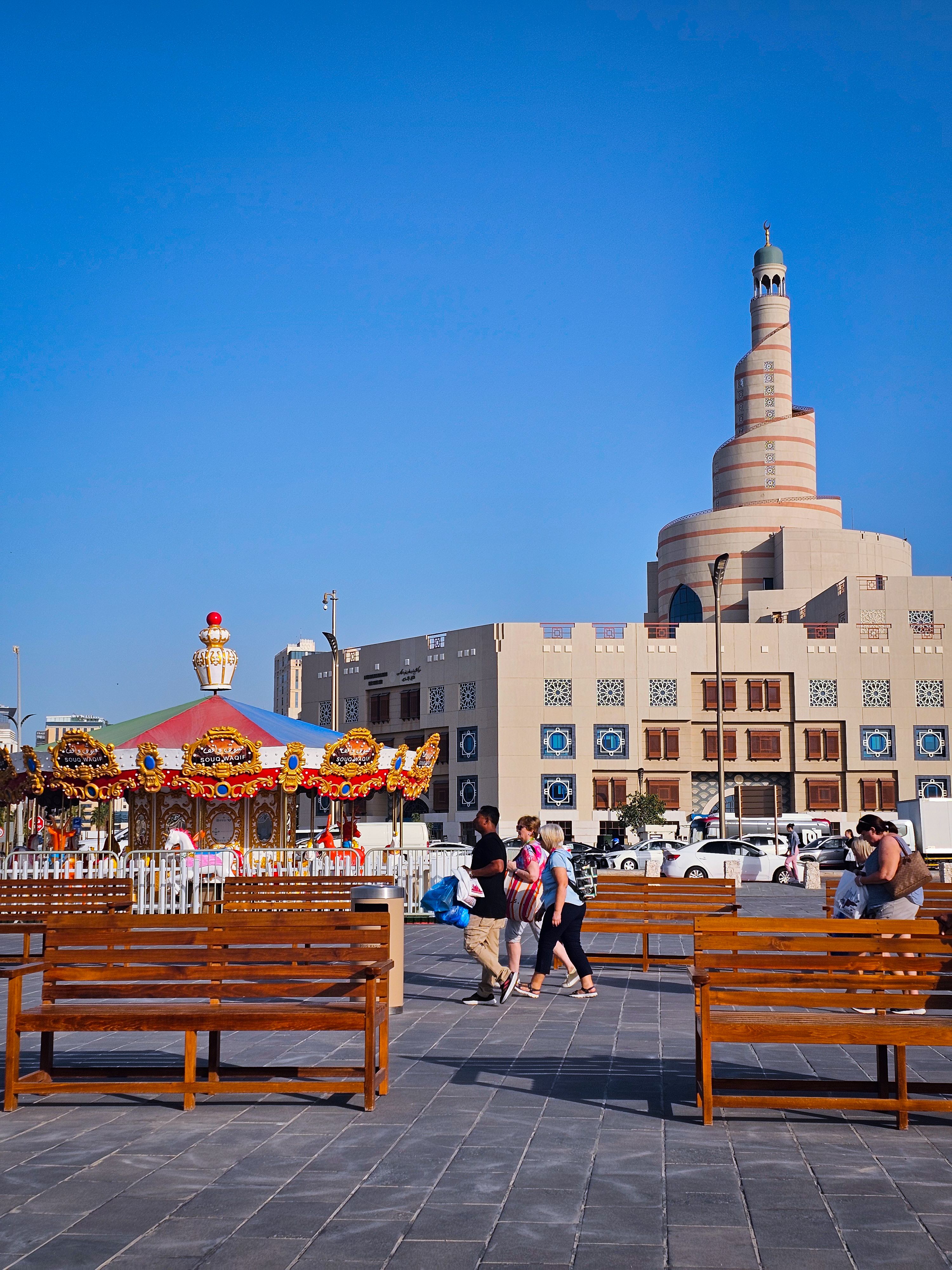
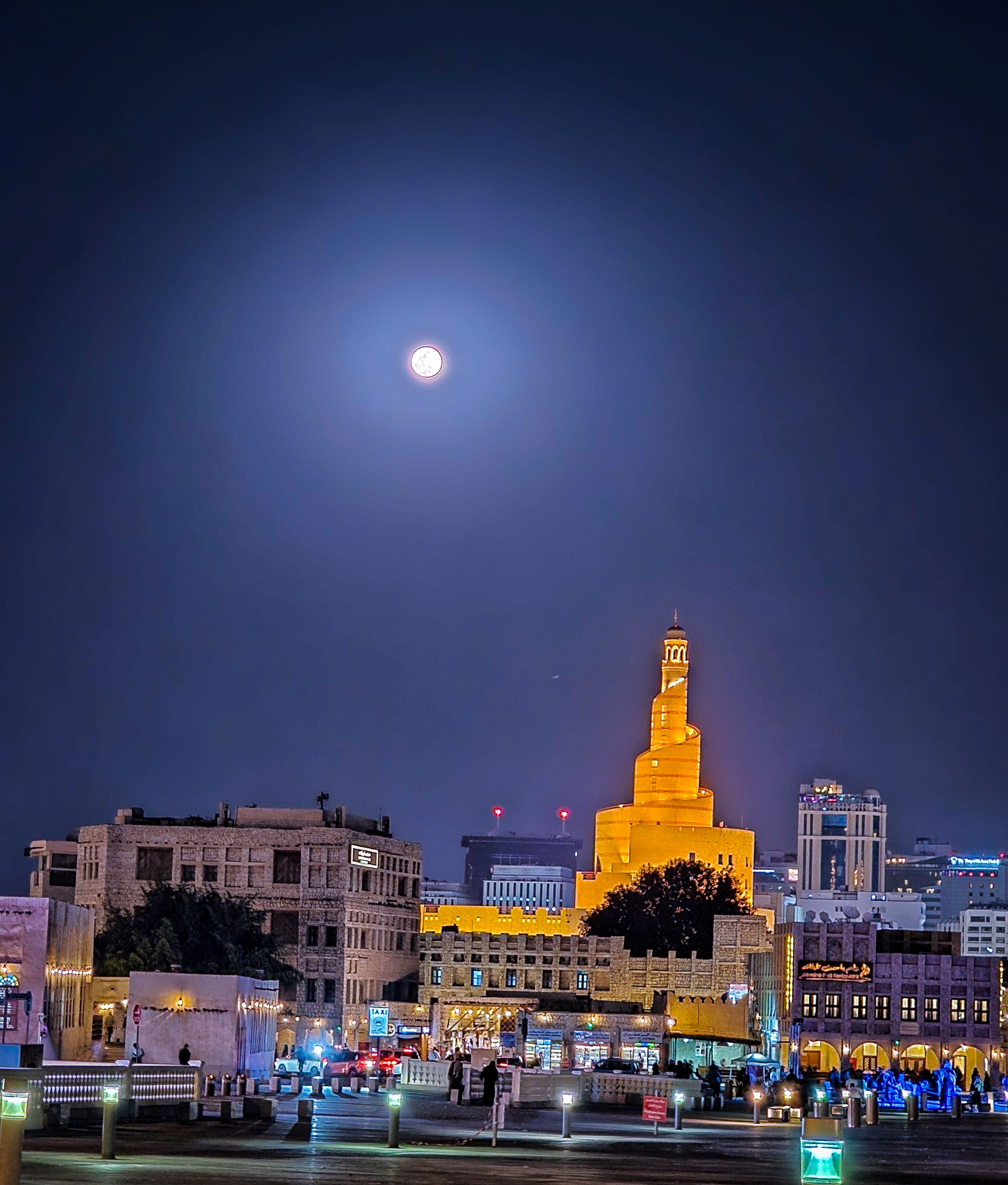
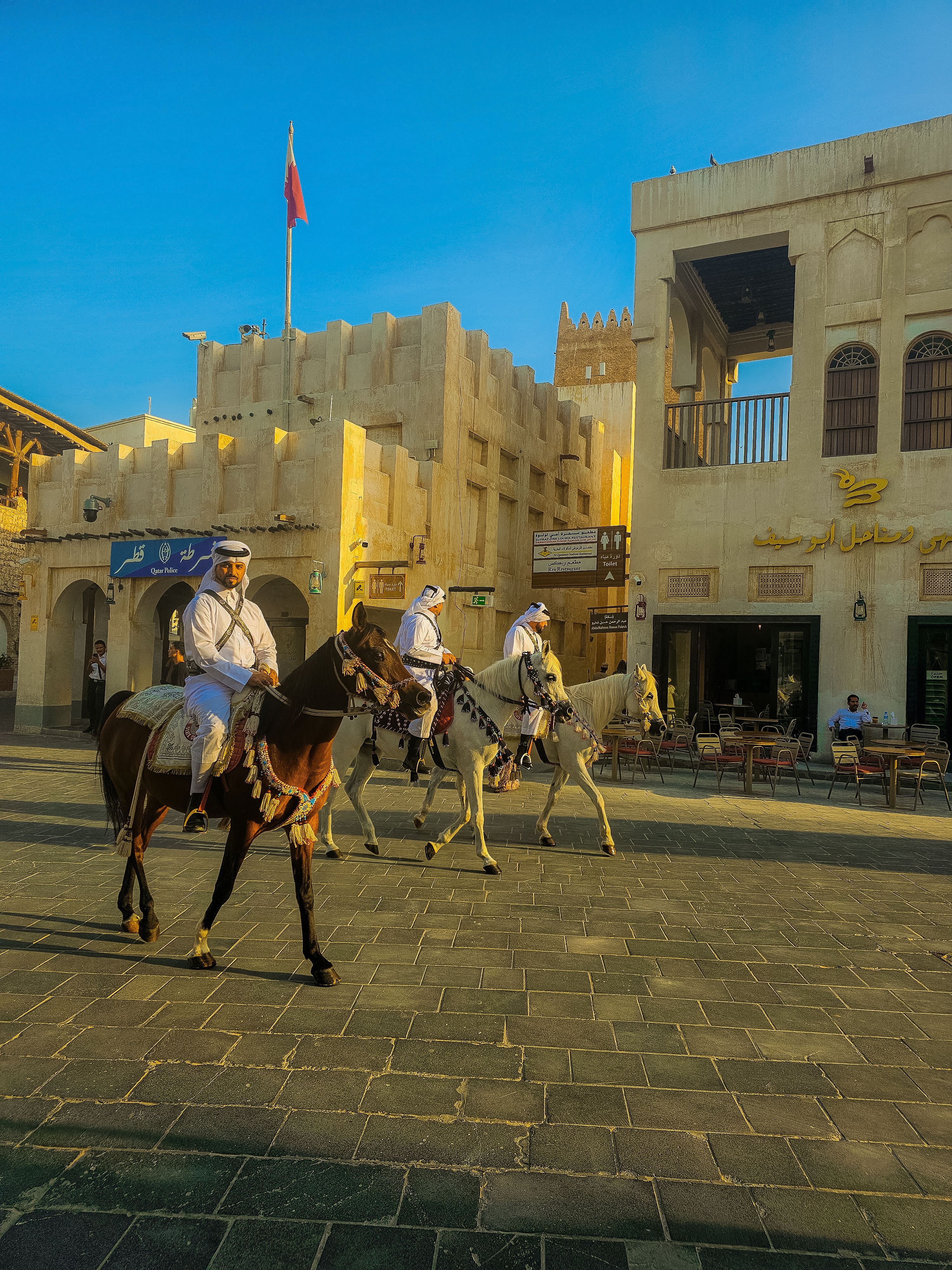
One of my favorite places was Souq Waqif, a traditional market that captures the spirit of old Doha. The narrow pathways are filled with shops selling spices, textiles, perfumes, handicrafts, and traditional garments. The architecture feels authentic and the atmosphere is vibrant.
What makes Souq Waqif special is the sense that it is not just a tourist destination. Locals gather there to eat, shop, and socialize. Restaurants serve a variety of regional dishes and the open courtyards make it a lively place to spend an evening.
Doha’s Train System: A Model of Modern Urban Mobility
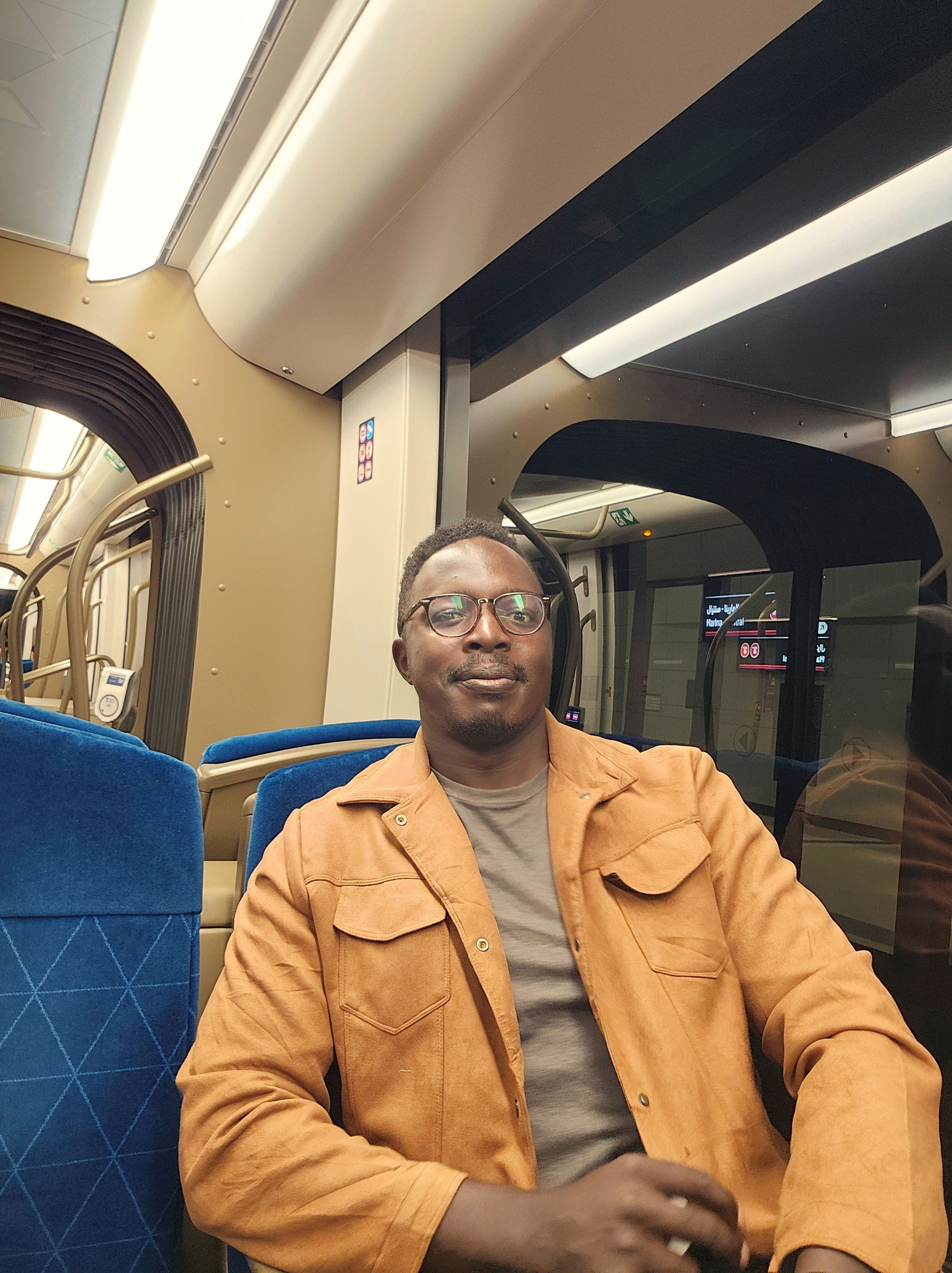
Another highlight was experiencing the Doha Metro system. It is clean, efficient, and incredibly modern. For someone coming from a city where public transport systems are still evolving, seeing a metro network that connects major parts of the city so seamlessly was impressive.
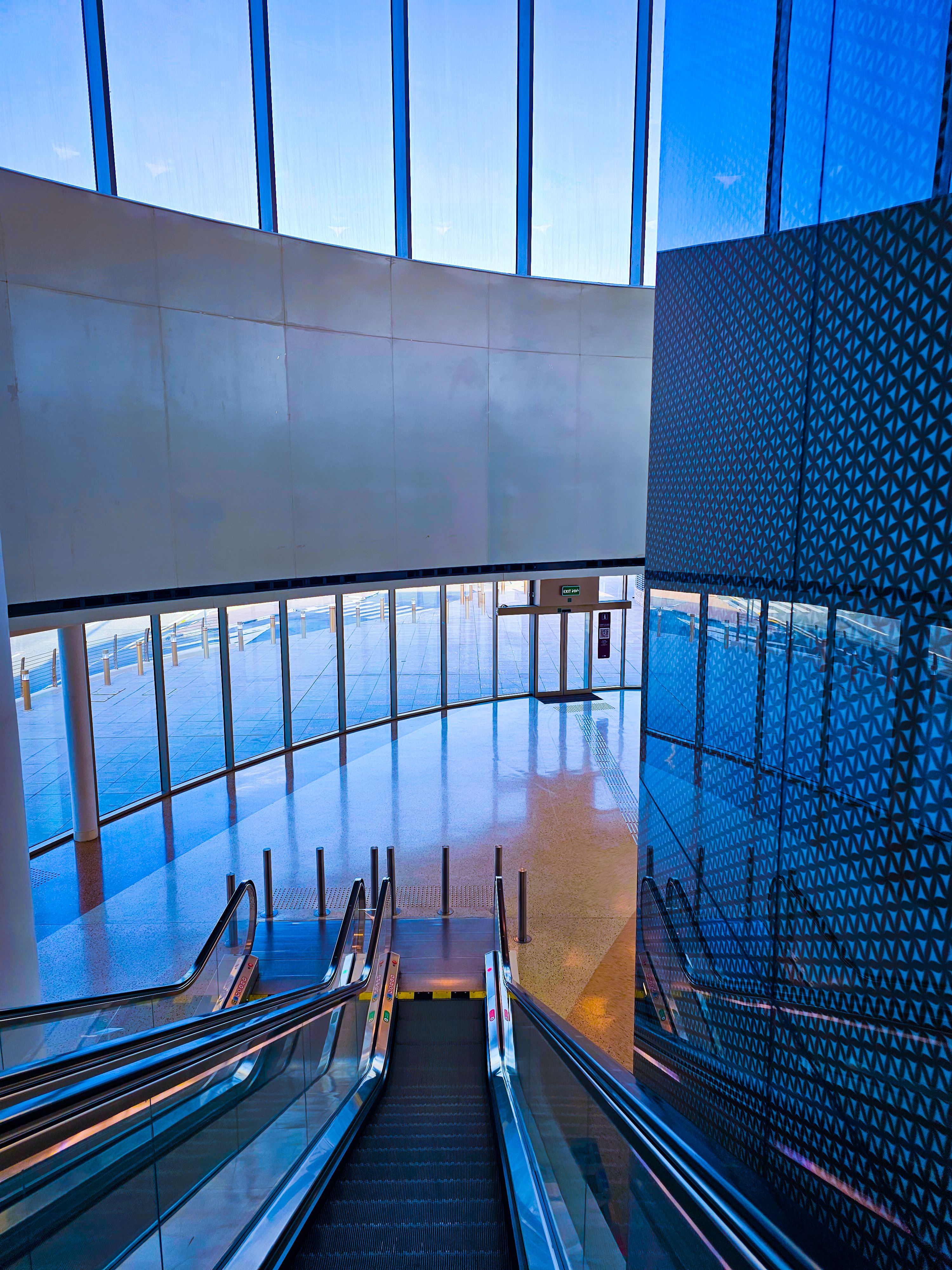
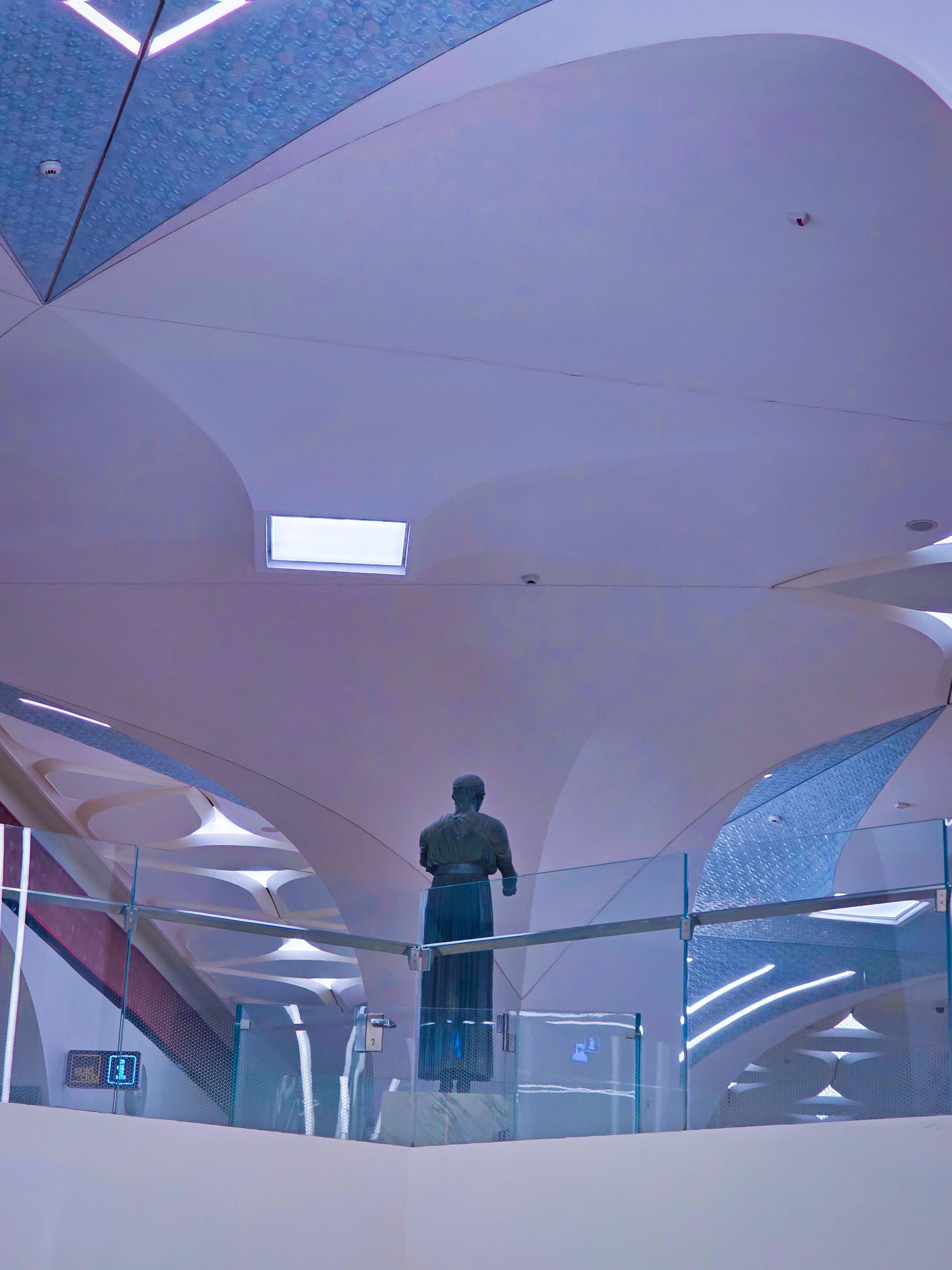
The stations themselves are architectural landmarks. The design blends futuristic elements with subtle cultural details that reflect Qatari identity.
Katara Cultural Village: A Space for Art and Heritage
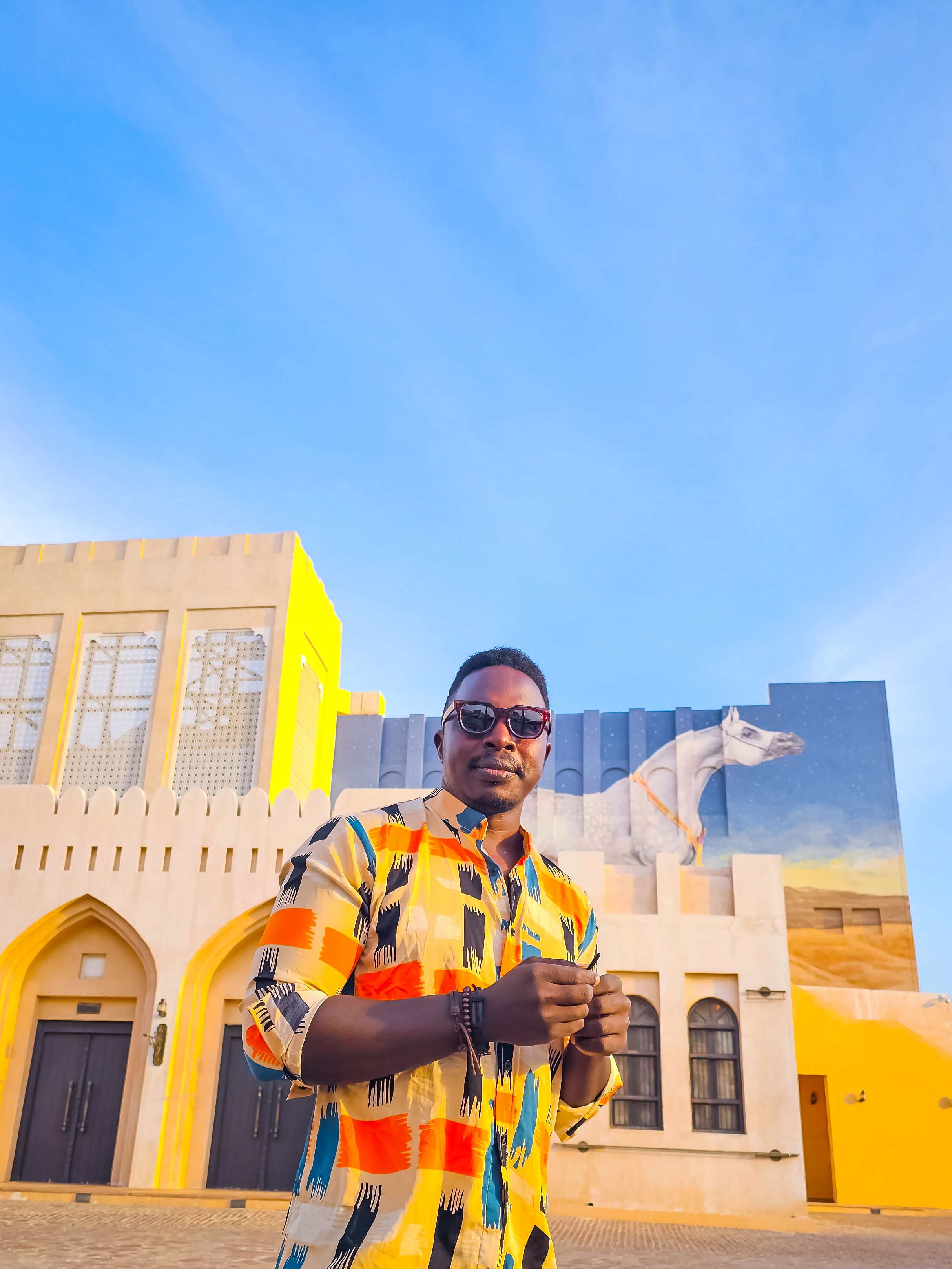
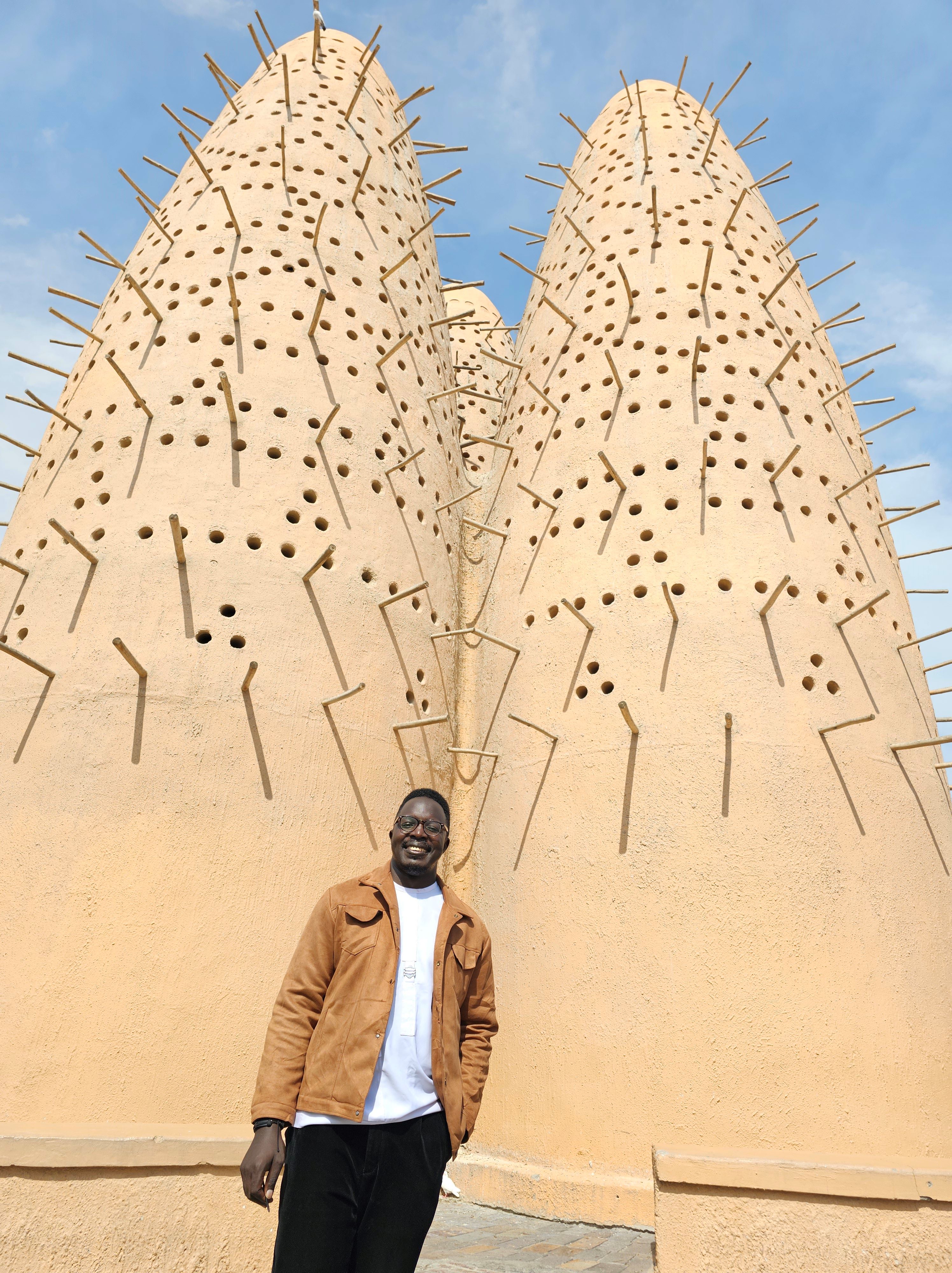
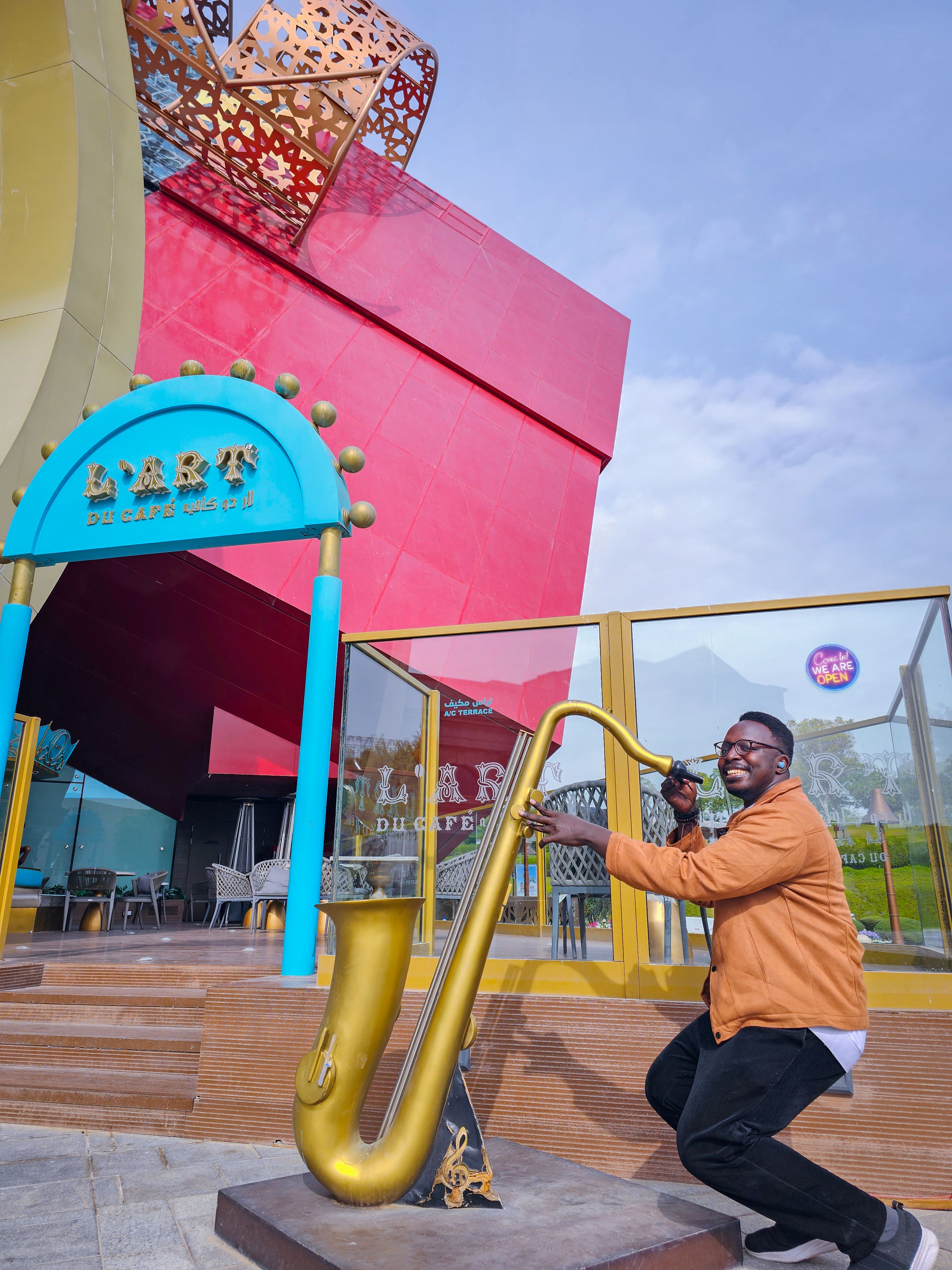
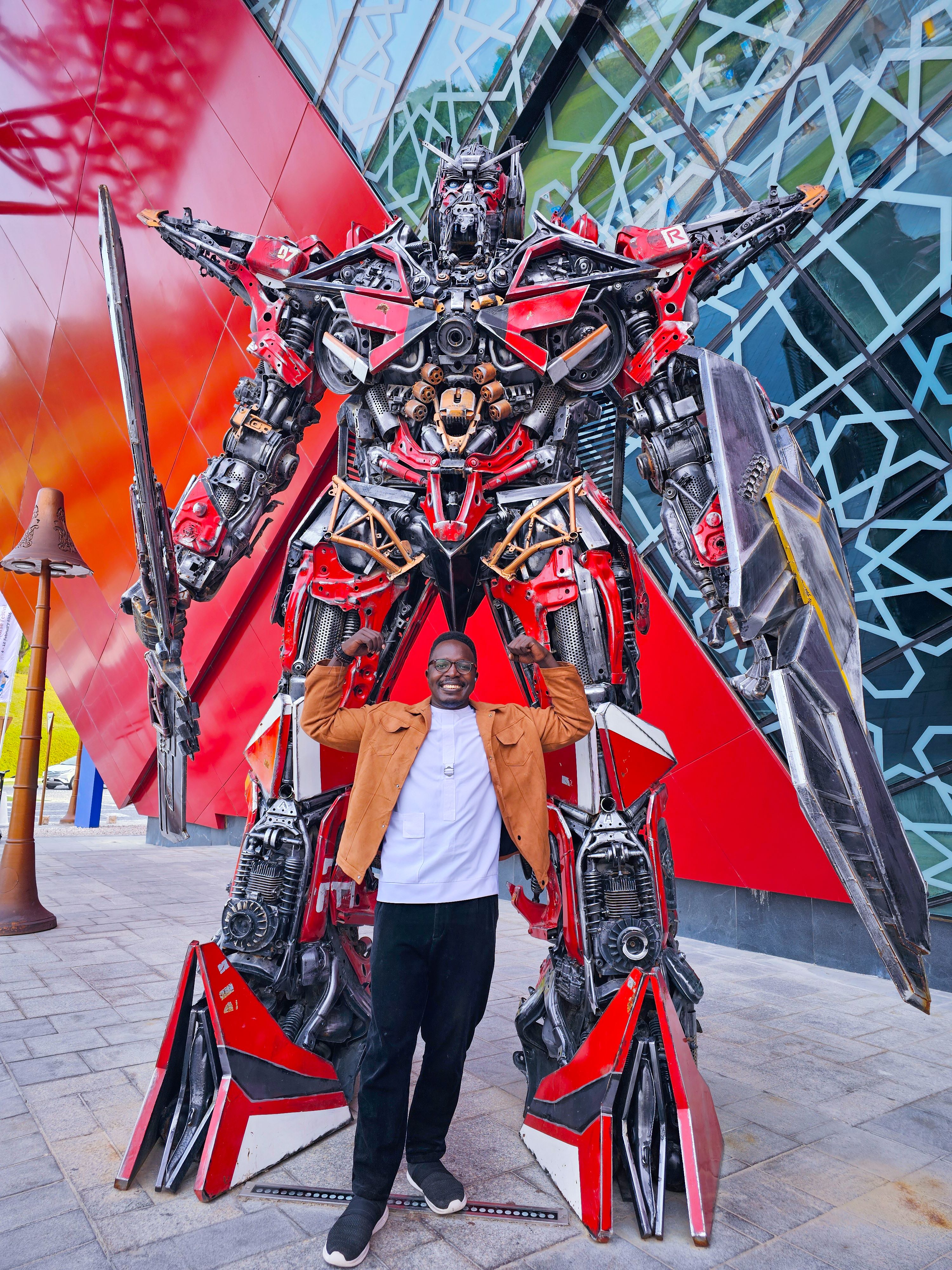
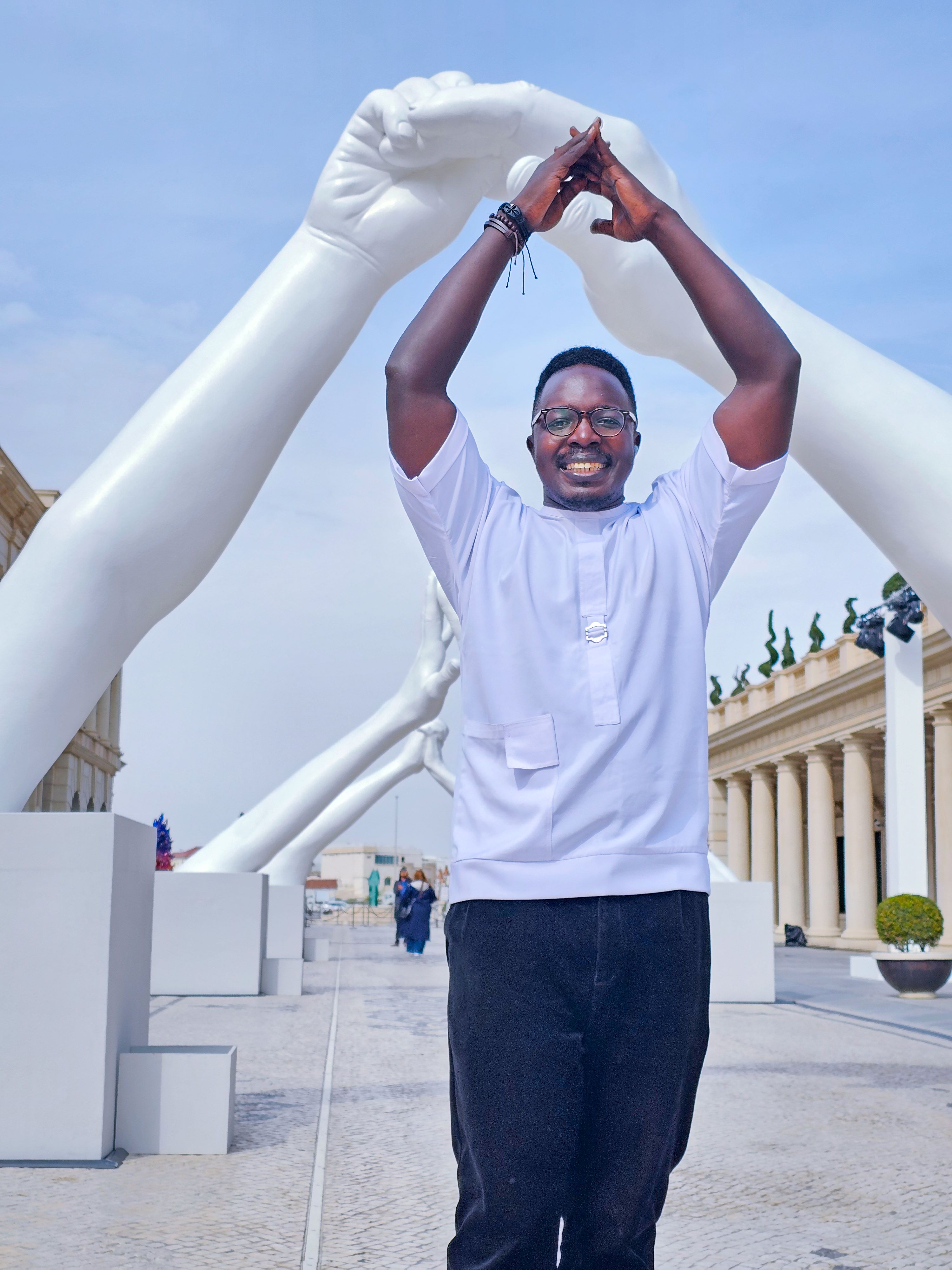
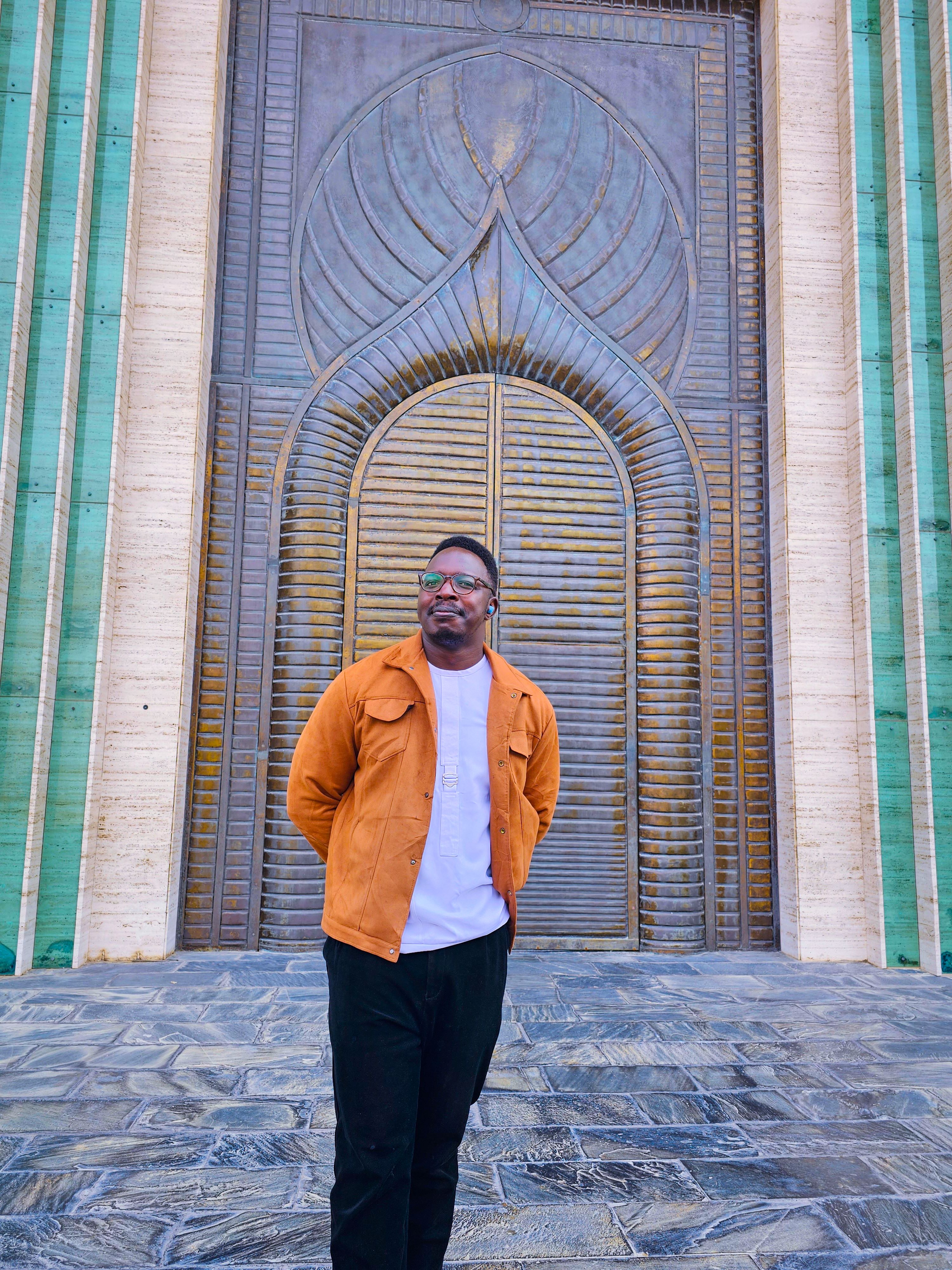
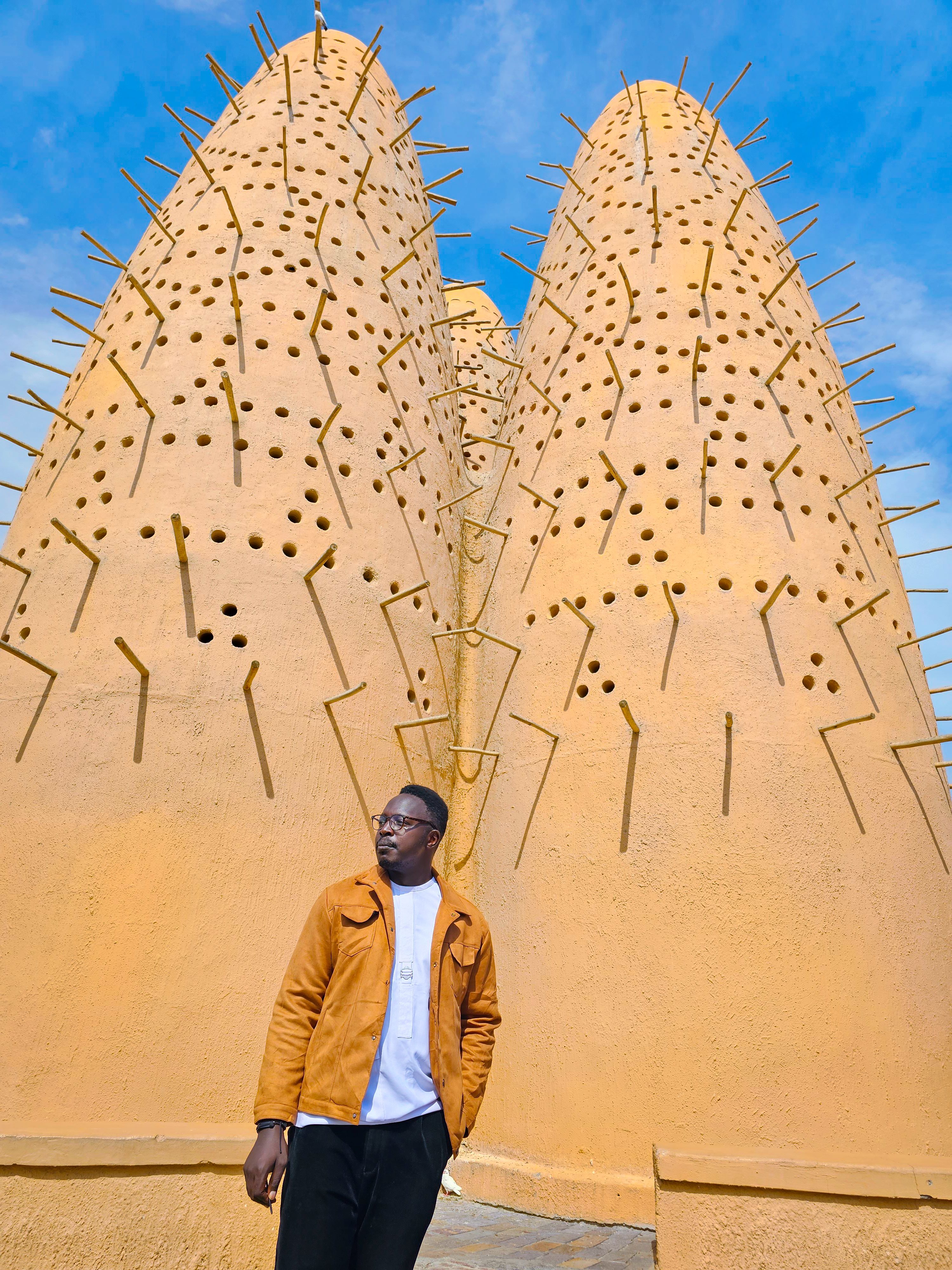
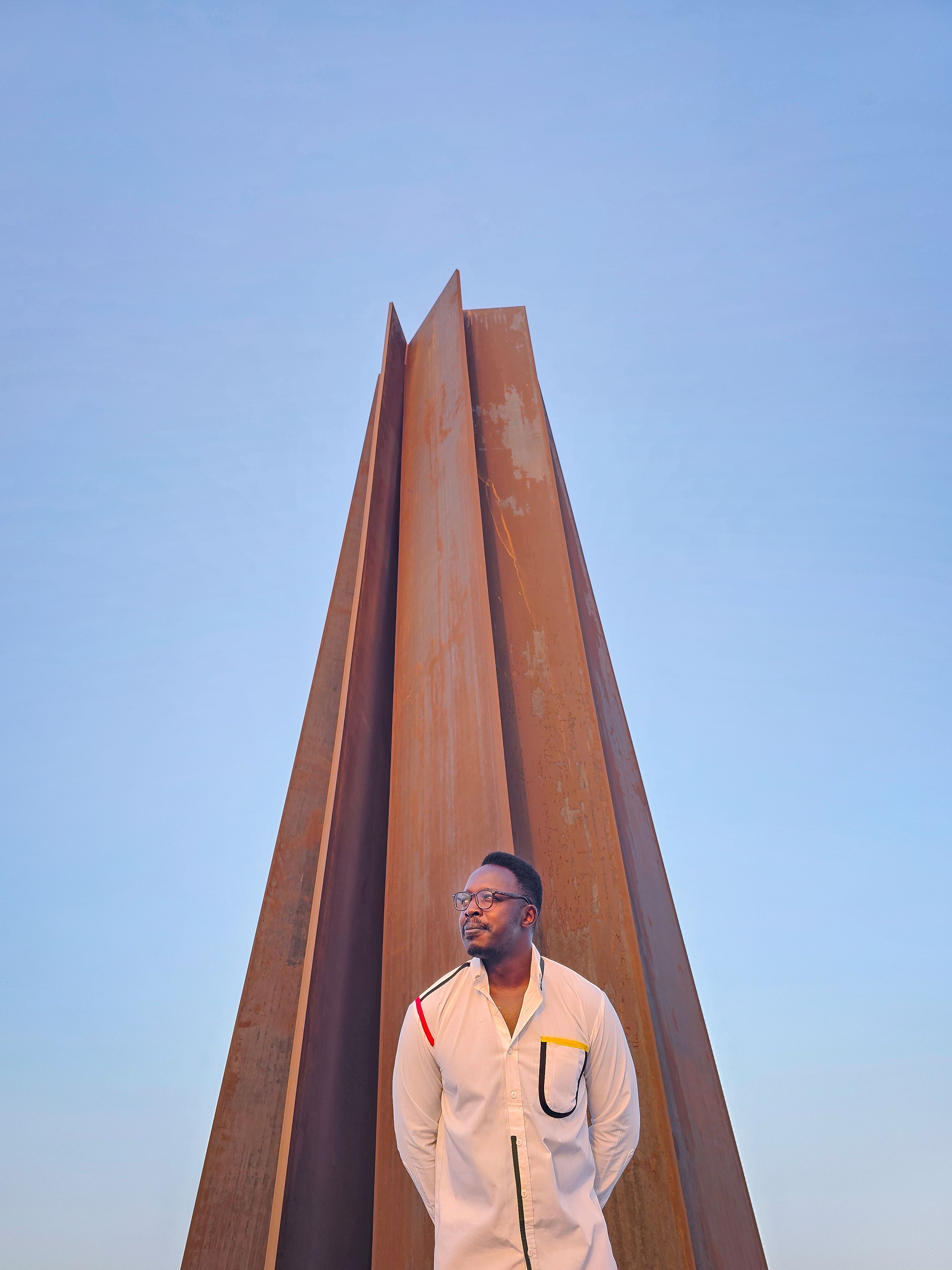
Katara Cultural Village was another memorable place. It is designed as a cultural hub where art, history, and community meet. Walking through Katara feels like entering a living museum where theaters, galleries, and cultural spaces coexist with restaurants and public plazas.
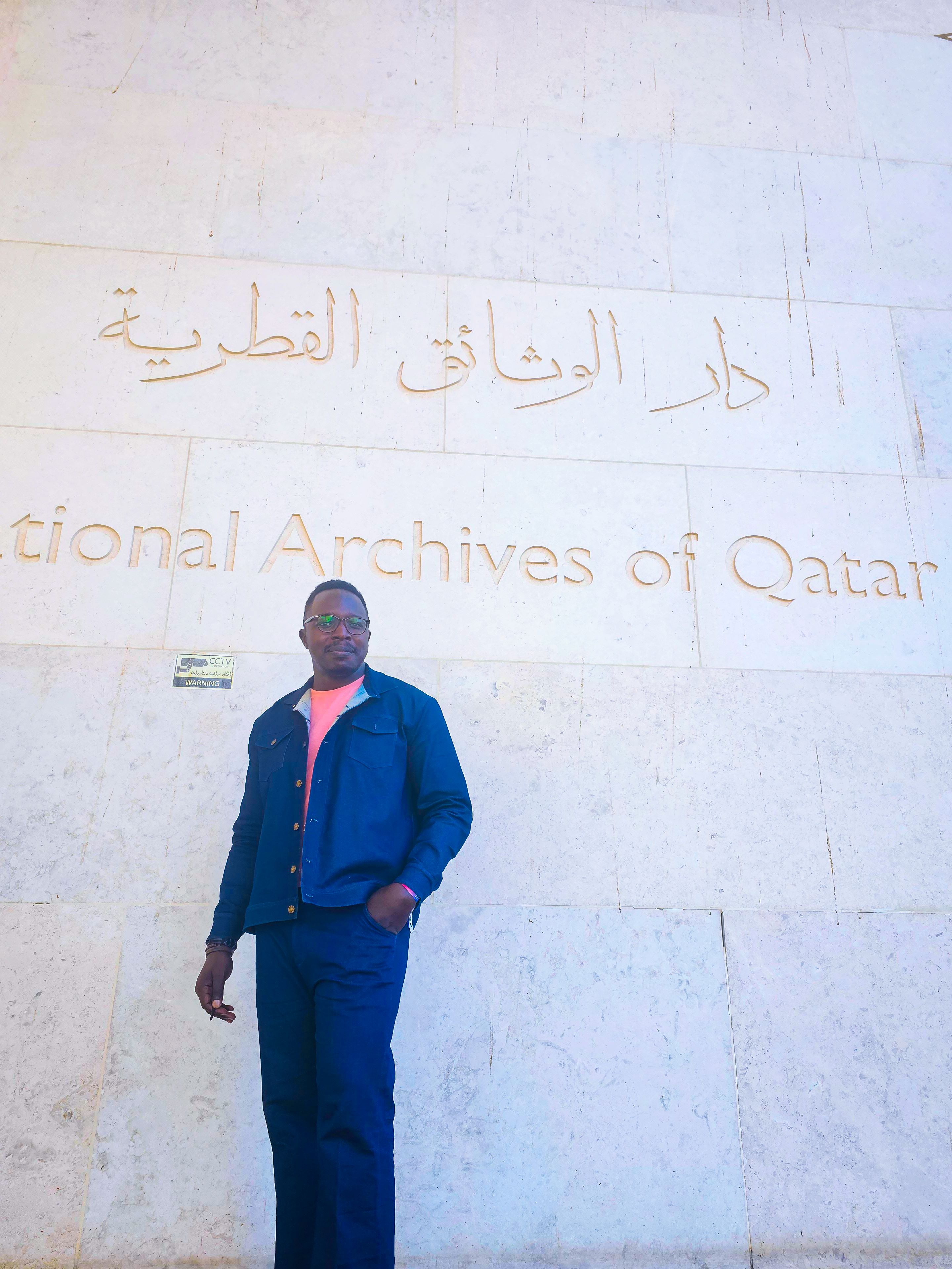
It reminded me how important cultural institutions are in shaping national identity and preserving heritage.
Museums That Tell a Nation’s Story
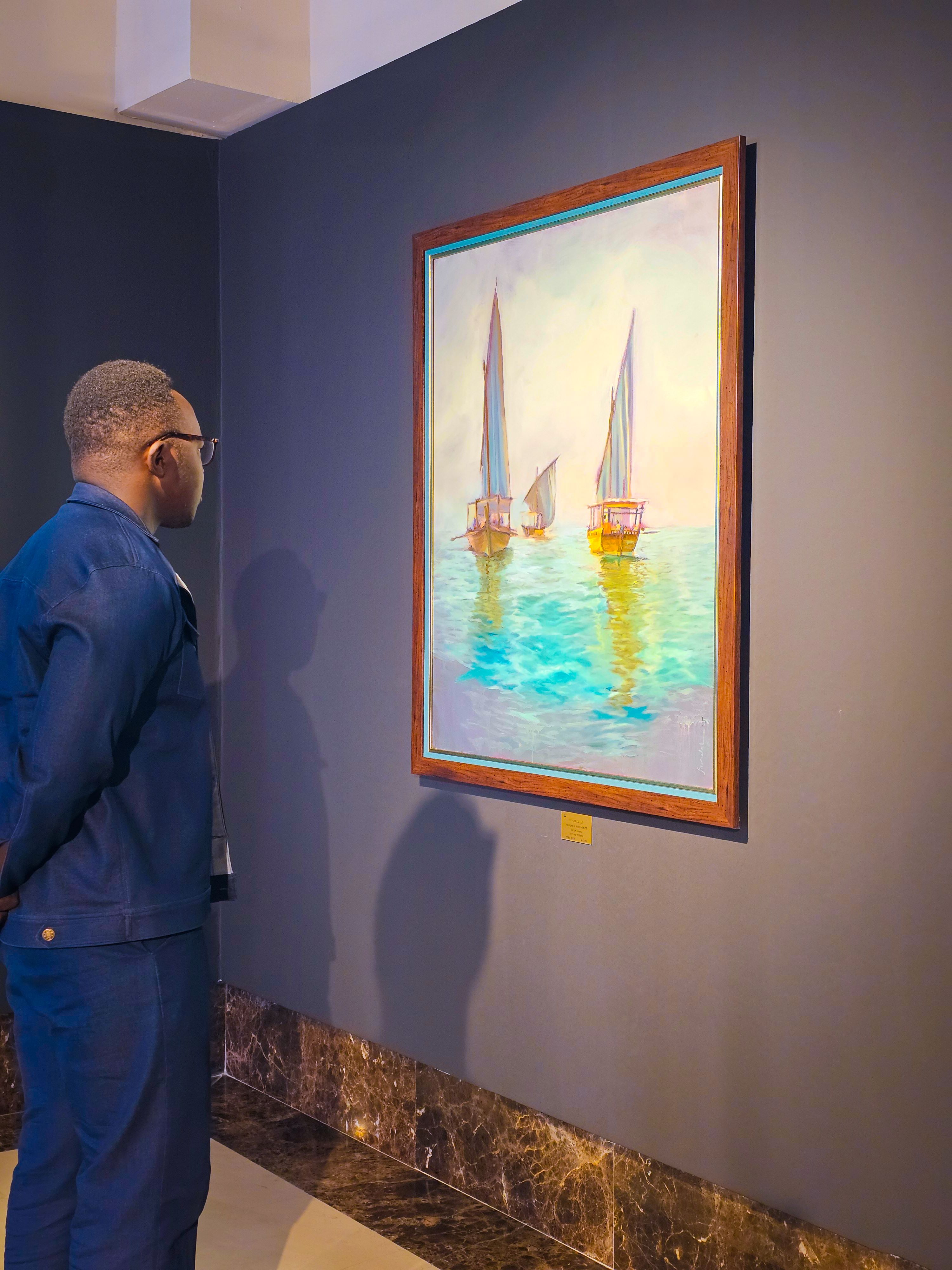
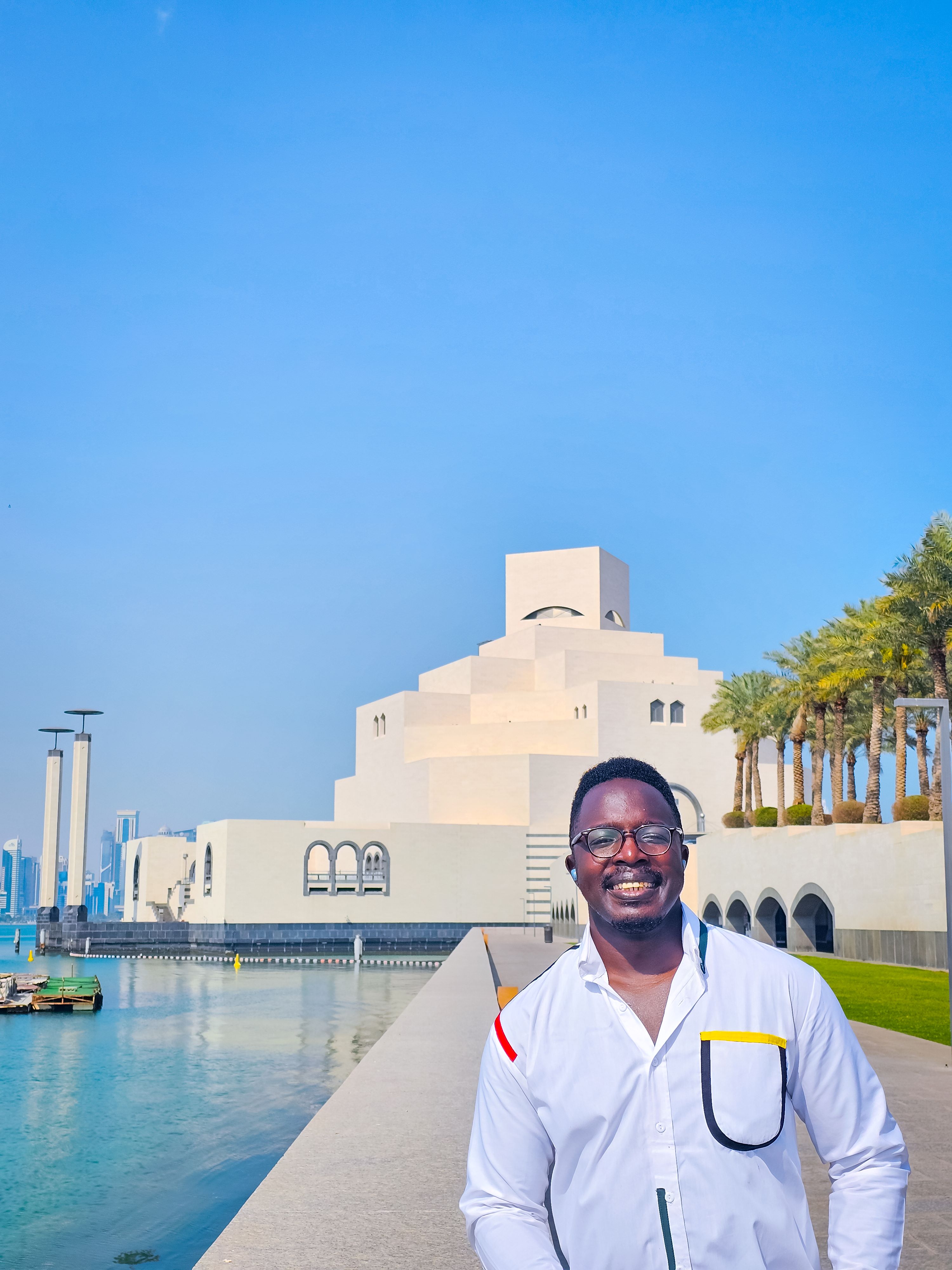
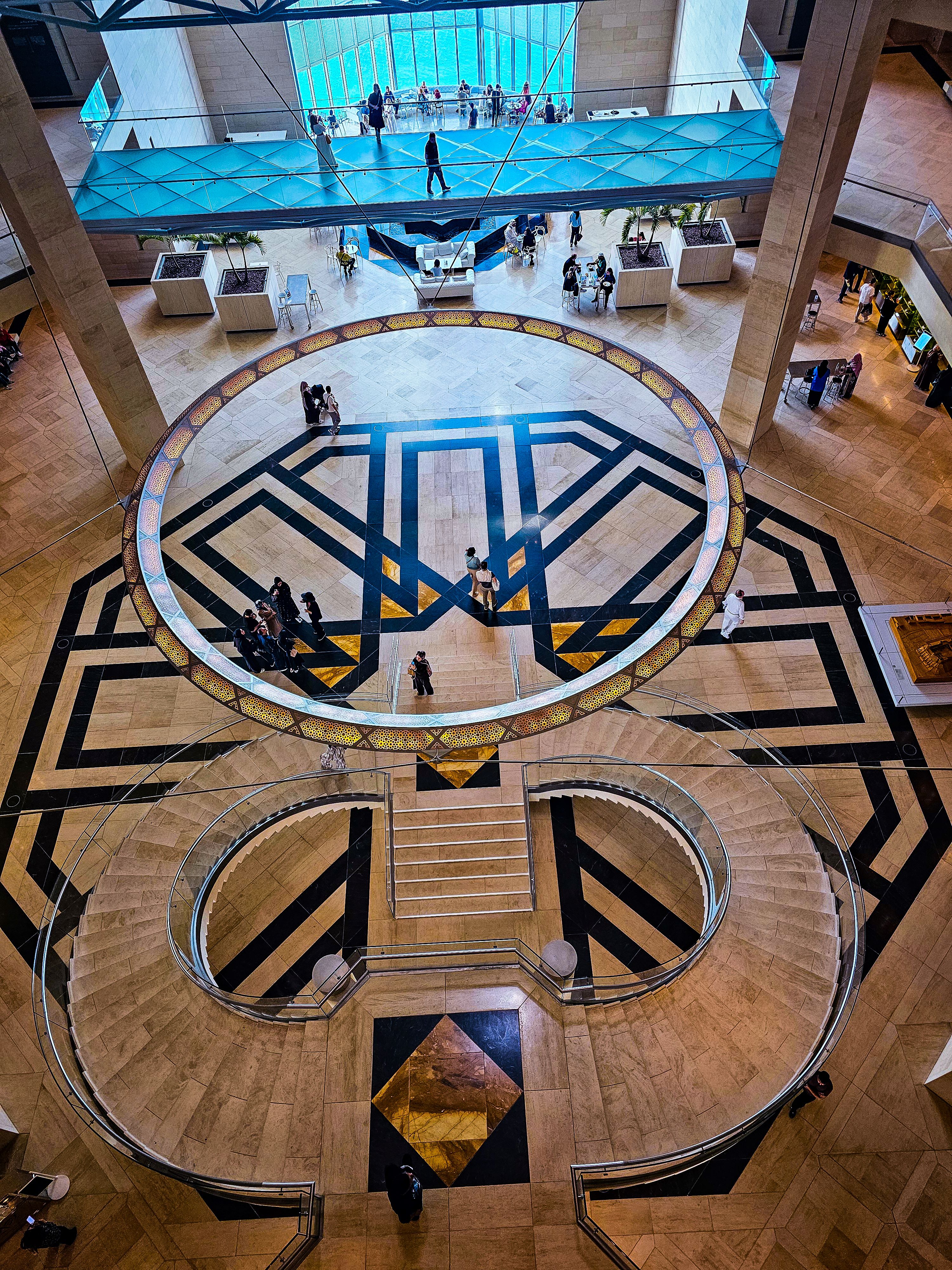
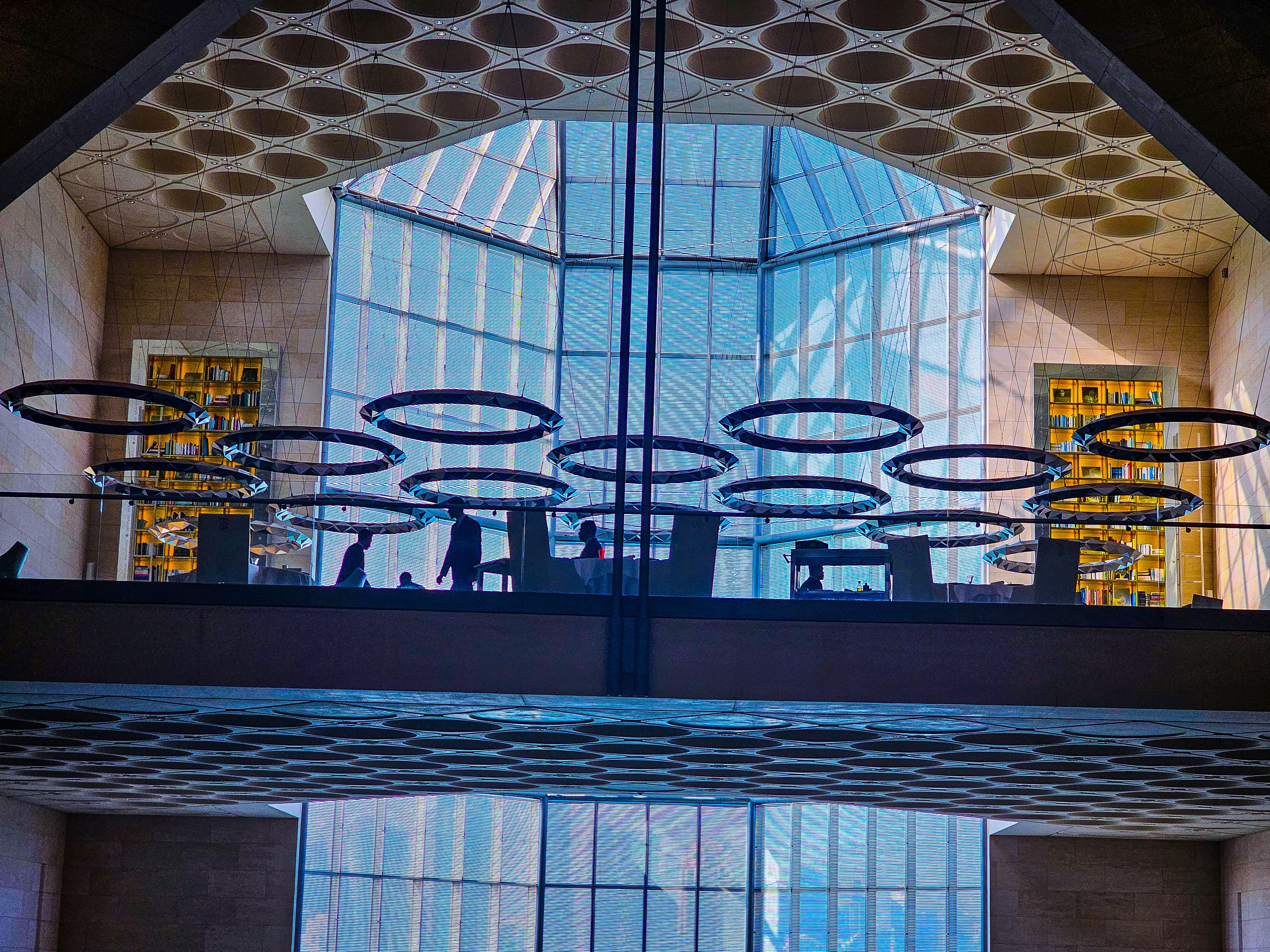
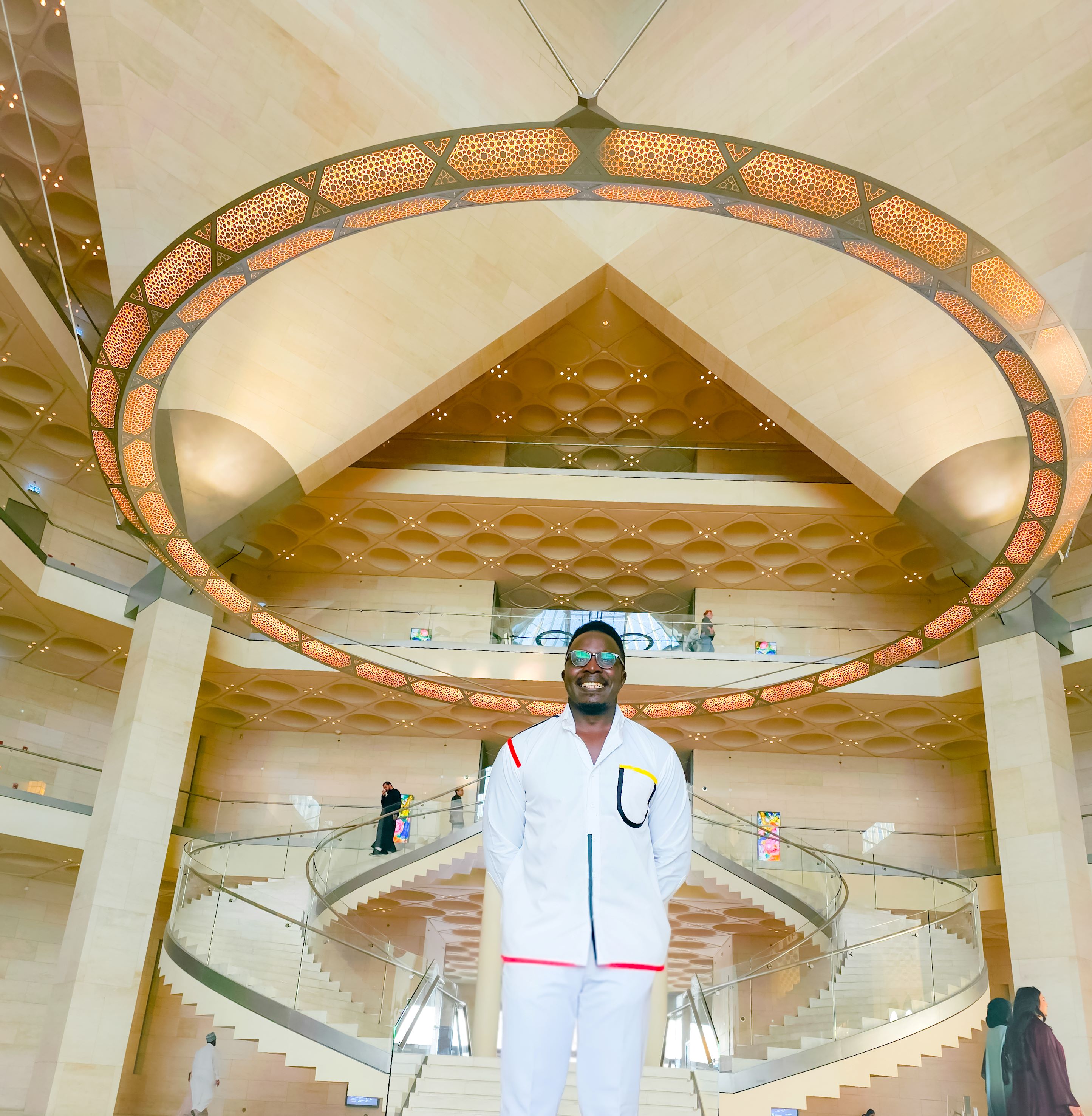
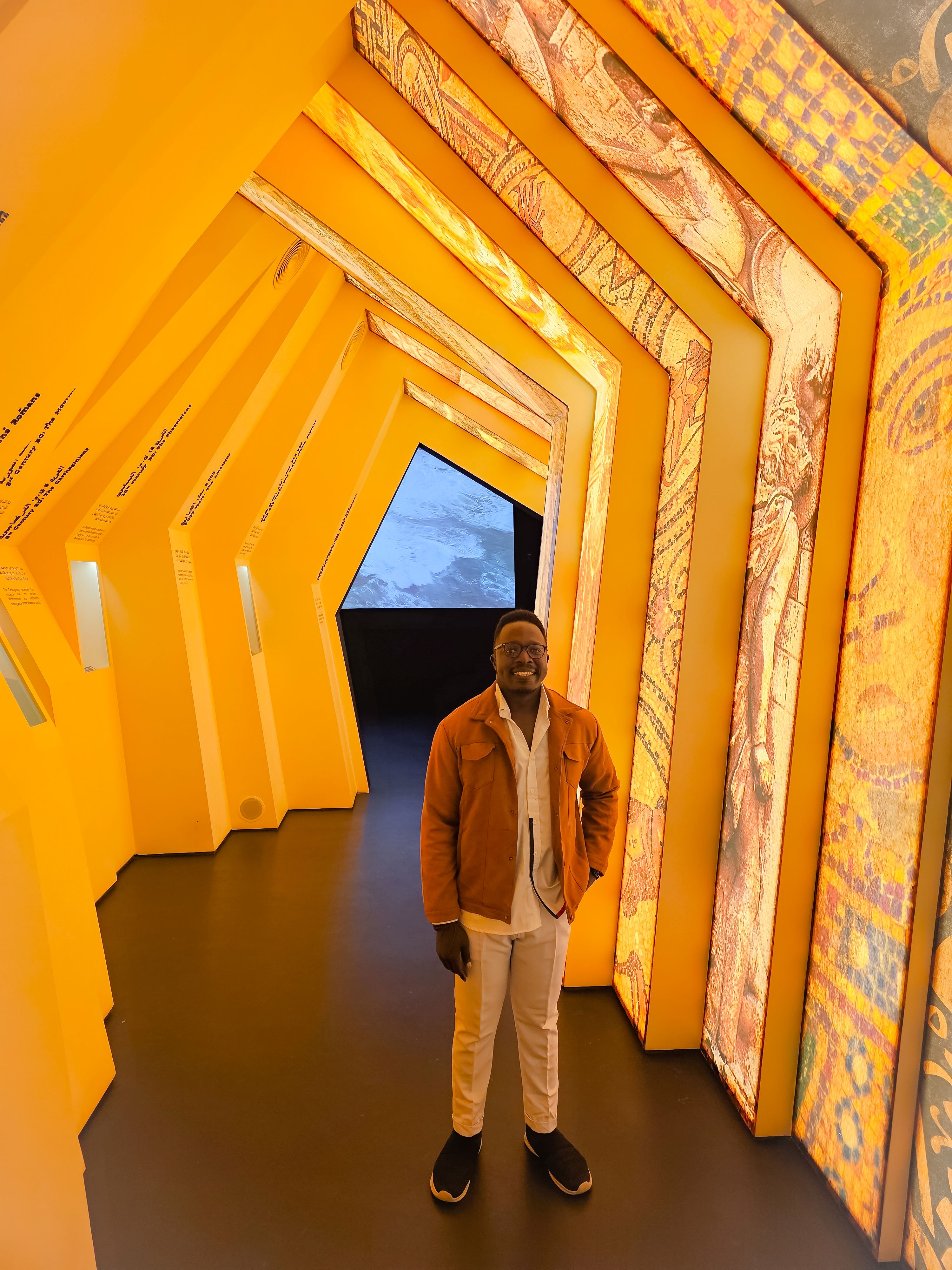
The Museum of Islamic Art and the National Museum of Qatar were two places that left a strong impression on me.
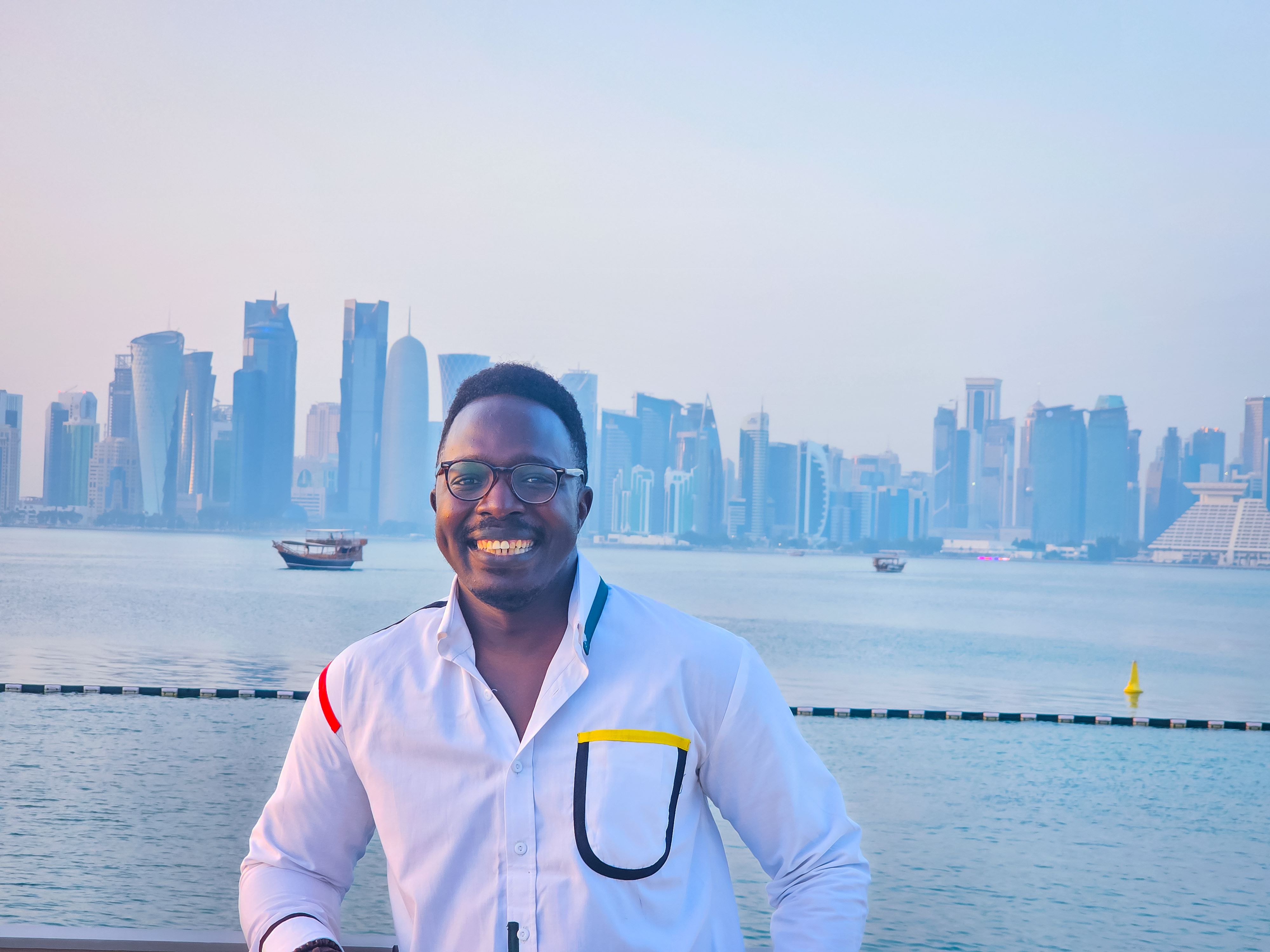
The Museum of Islamic Art houses centuries of artifacts that tell the story of Islamic civilization through art, science, and craftsmanship. The architecture itself is remarkable and the view of the Doha skyline from the museum grounds is stunning.
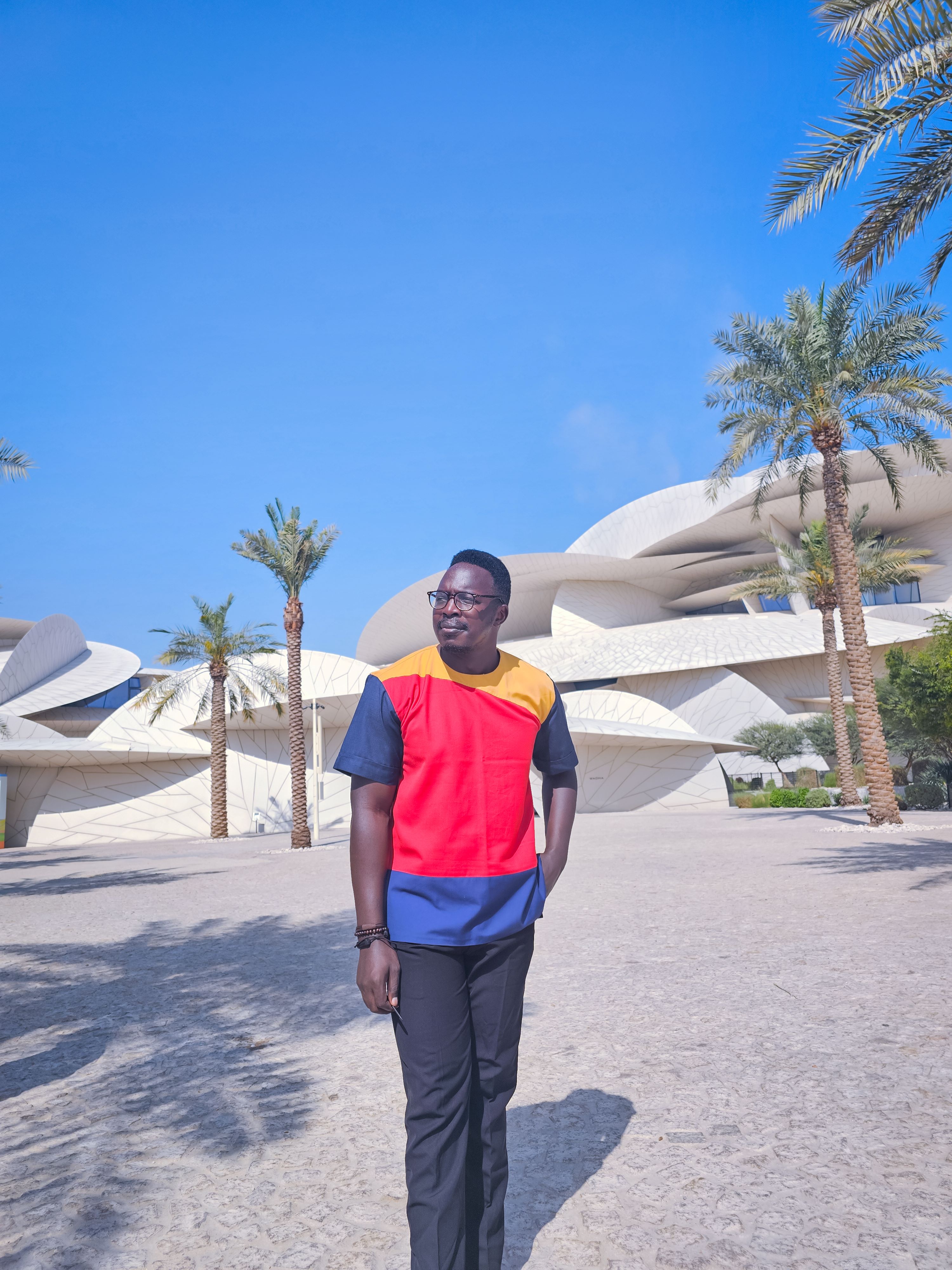
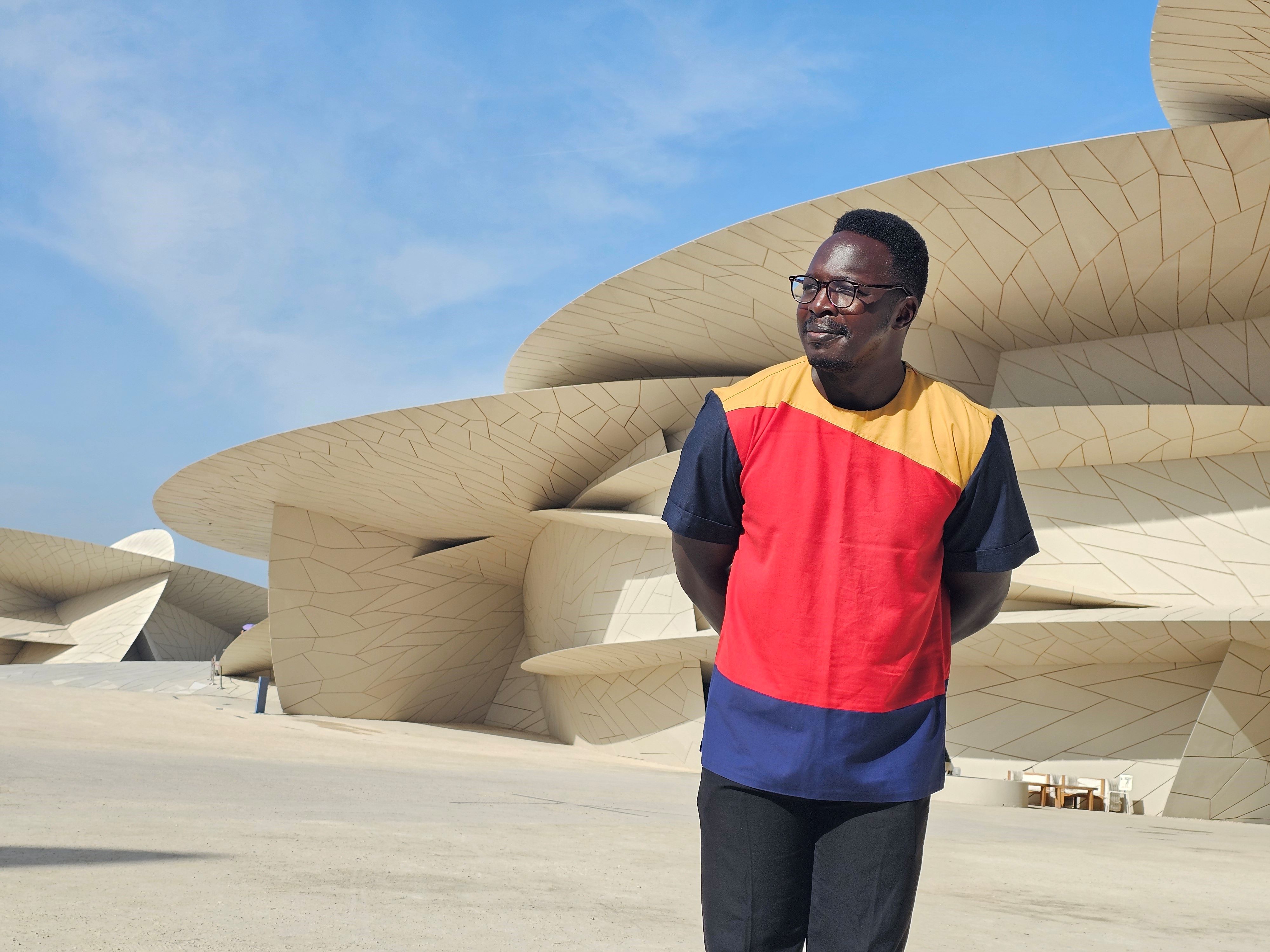
The National Museum of Qatar tells the story of the country from its early desert communities to its modern transformation. The building’s design is inspired by the desert rose crystal and it is one of the most visually unique museums I have visited.
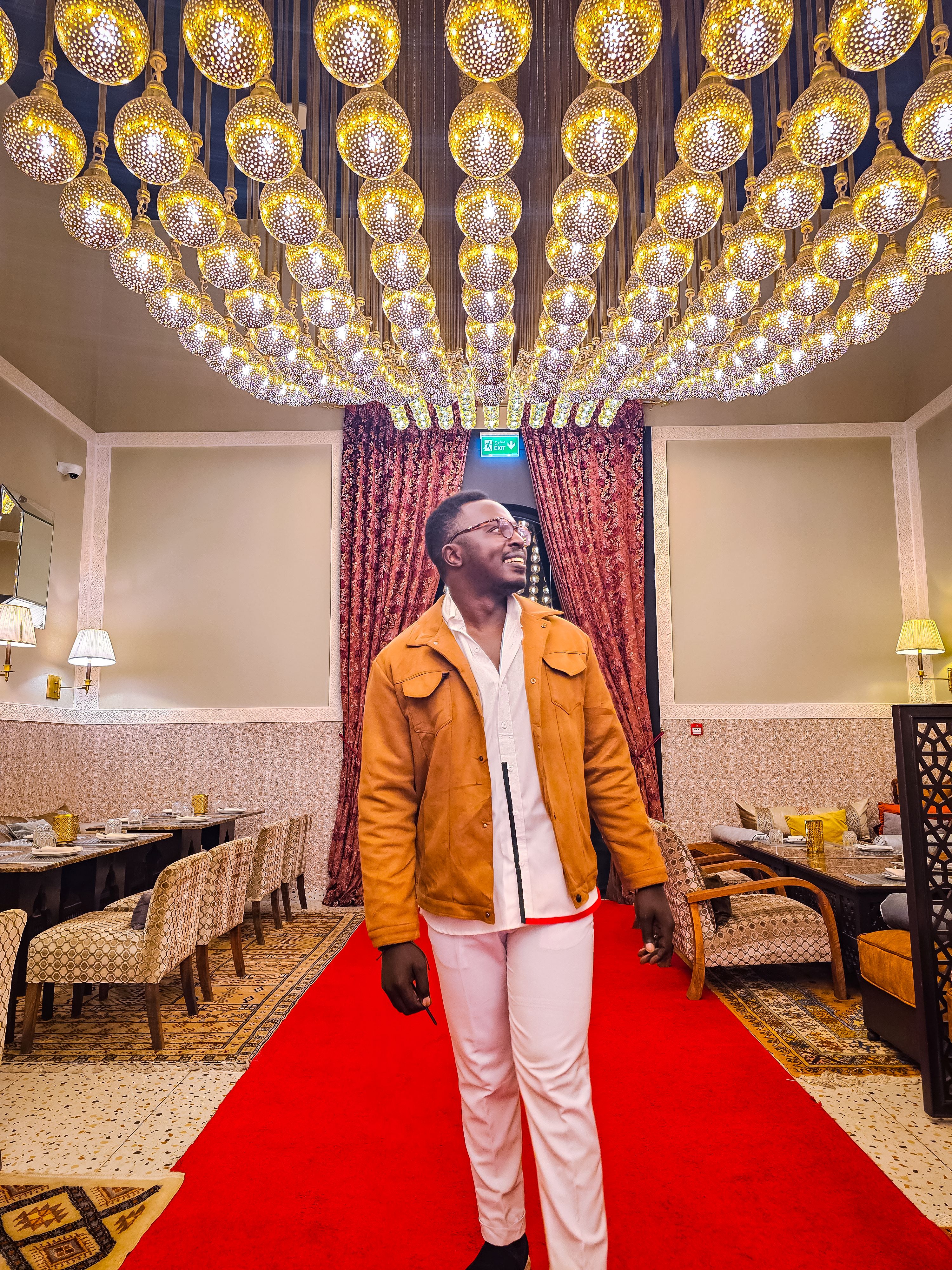
Desert Adventures and Modern City Life
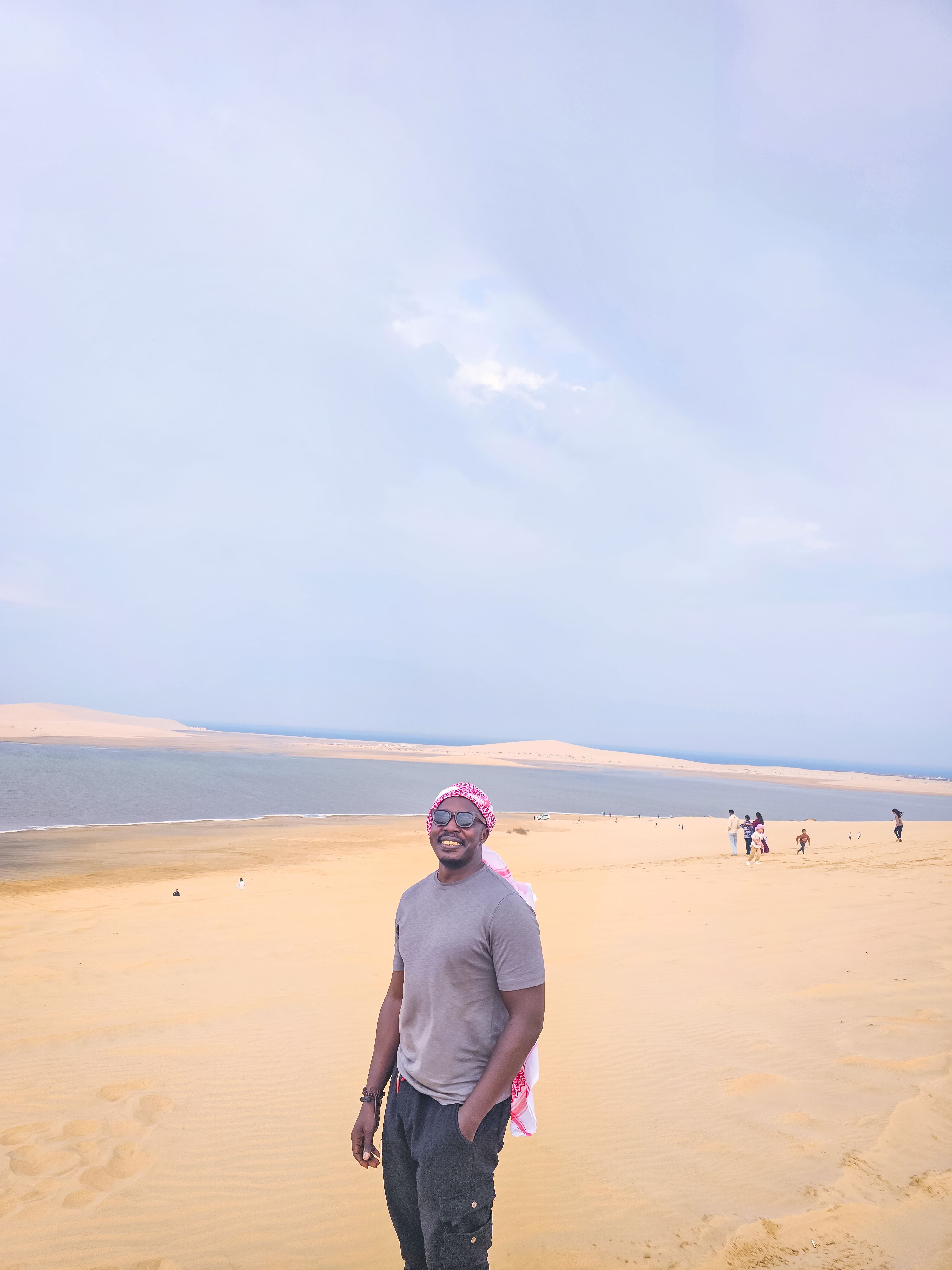
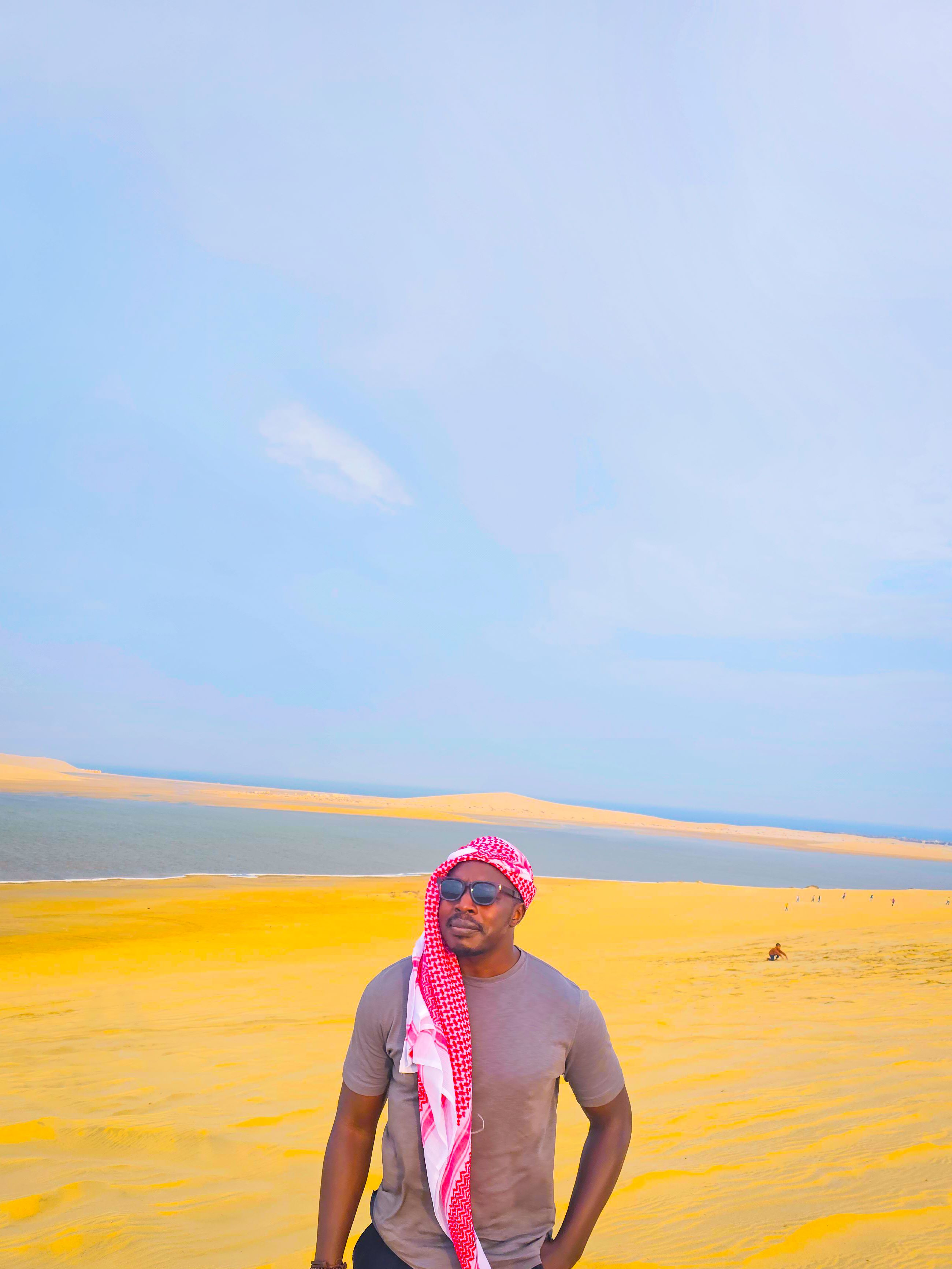
Beyond the city, I also experienced the desert landscape through a desert ride. The vast open dunes create a completely different atmosphere from the urban environment of Doha. It was a reminder of how geography and history shape a nation’s identity.
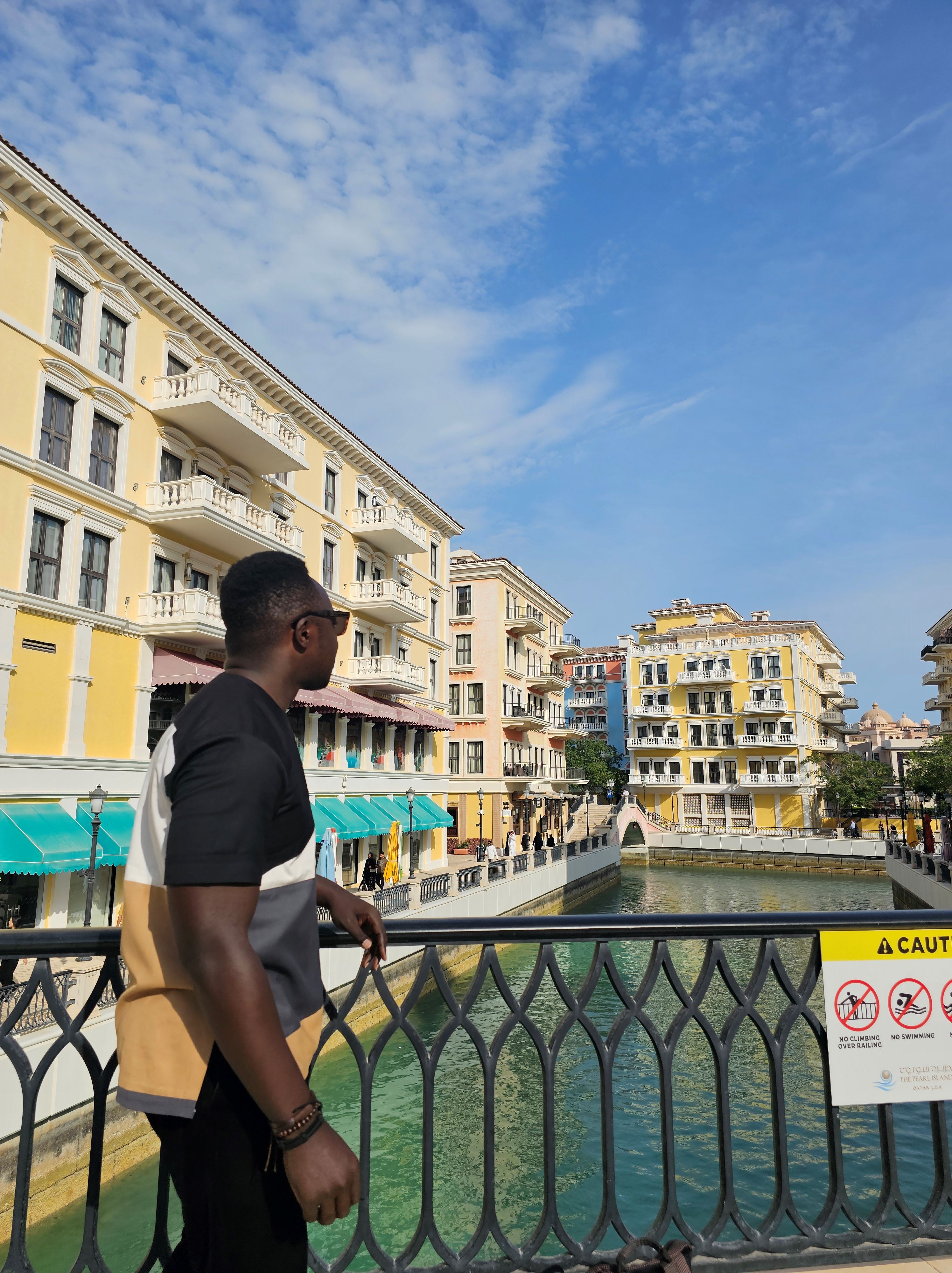
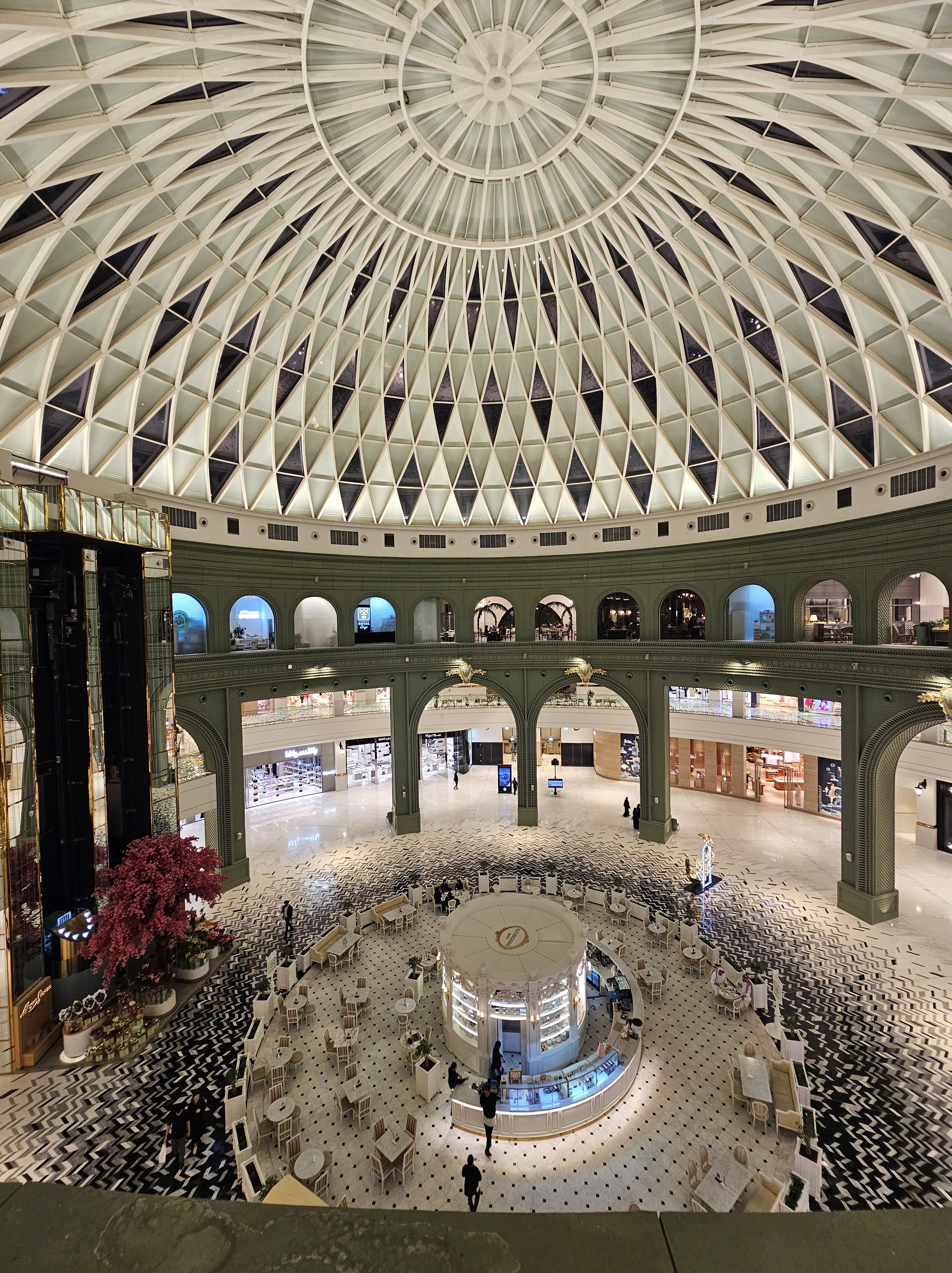
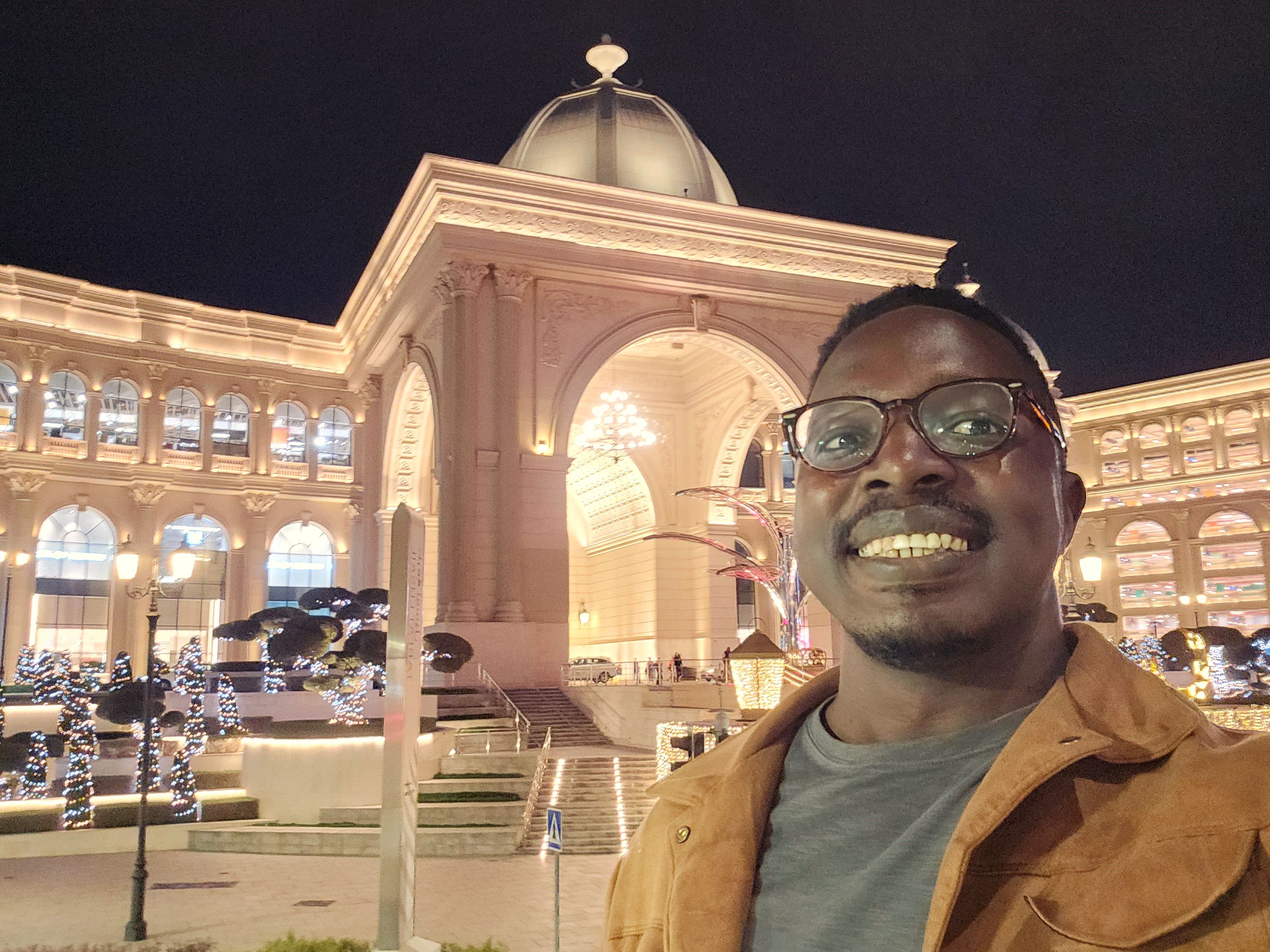
Back in the city, places like Little Italy and several large malls showed another side of Doha. They reflect the cosmopolitan nature of the city where people from many parts of the world live and work.
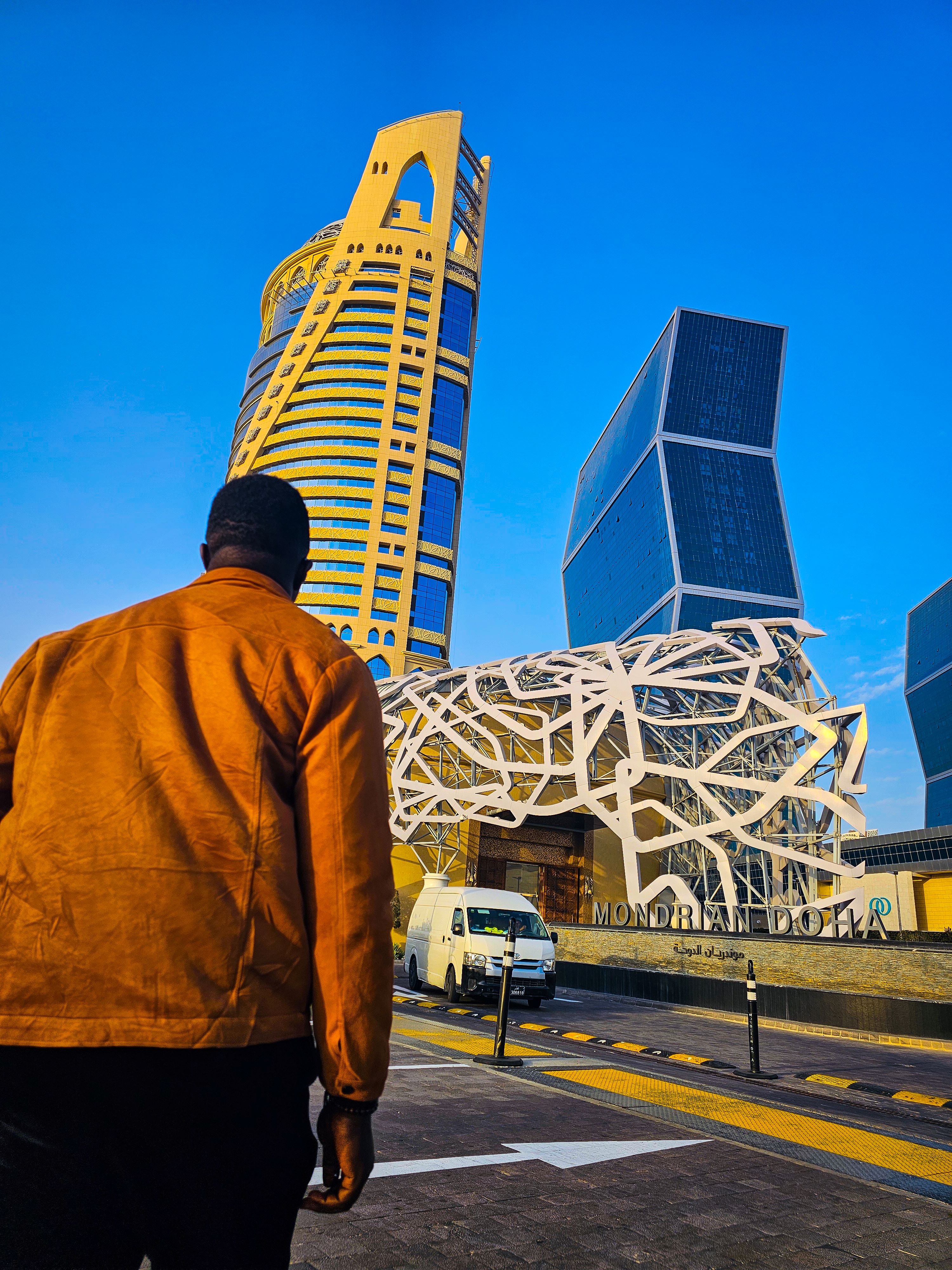
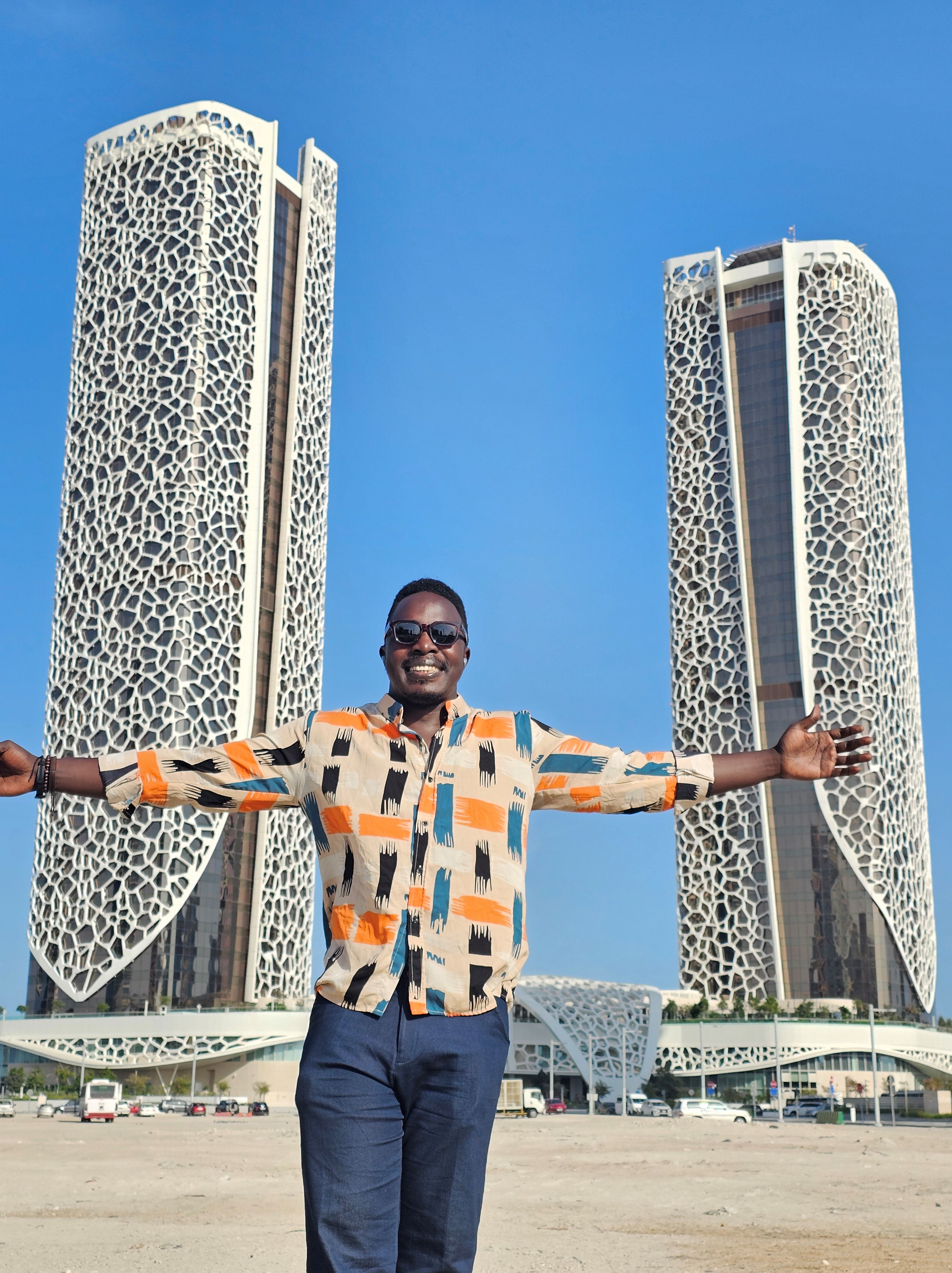
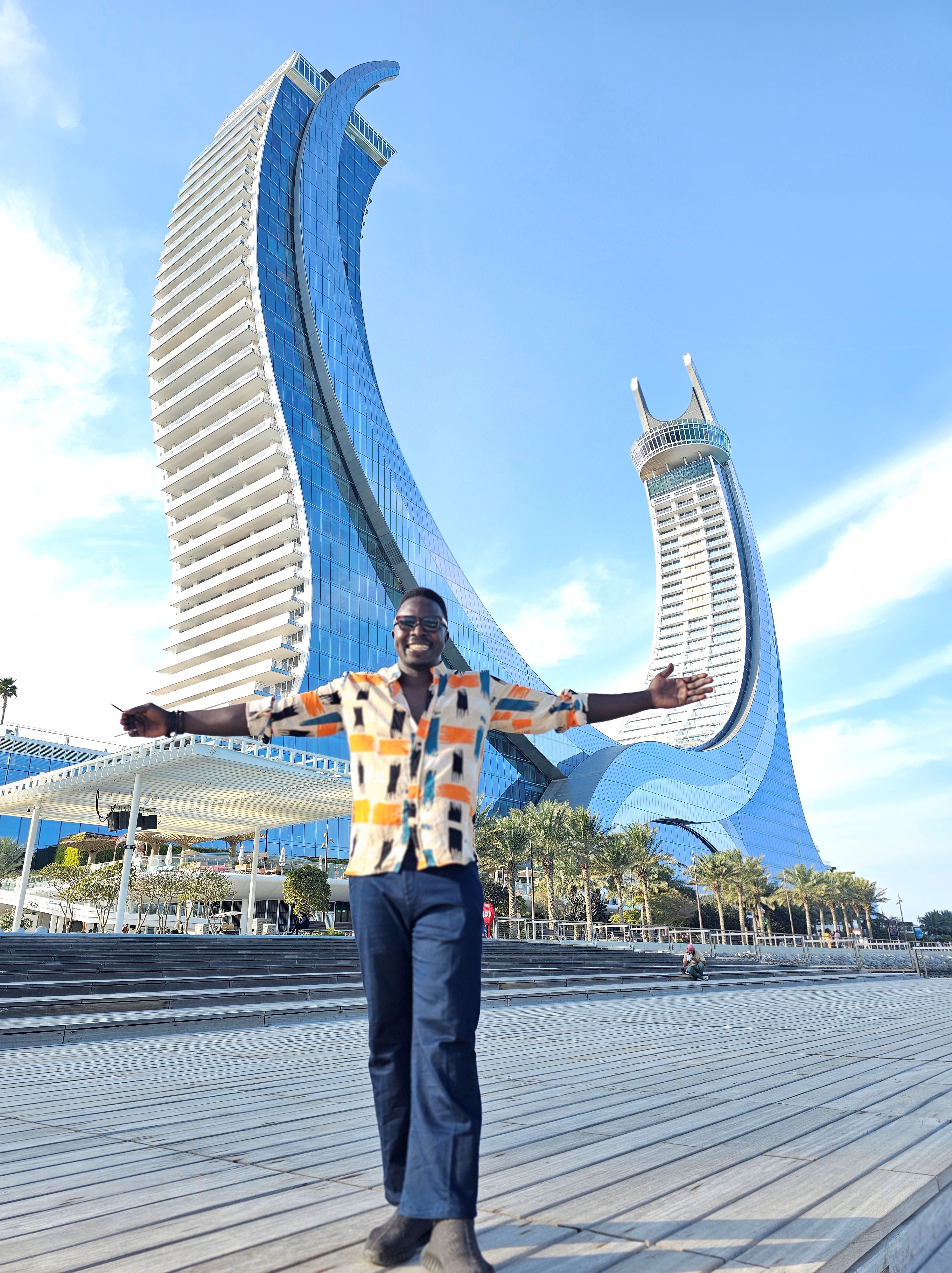
Reflections from the Journey
Visiting Qatar gave me a deeper appreciation of how countries can combine tradition with modern ambition. The country is investing heavily in culture, infrastructure, and innovation while still celebrating its heritage.
For me, the trip was not just about attending a global technology event. It was also about learning from a country that has managed to build a unique identity at the intersection of history, culture, and global connectivity.
Travel experiences like this always remind me that innovation does not happen in isolation. It grows from culture, collaboration, and the willingness to learn from different parts of the world.

 STEPHEN OGWENO
Leave a comment