
Recognizing Obesity as a Public Health Priority
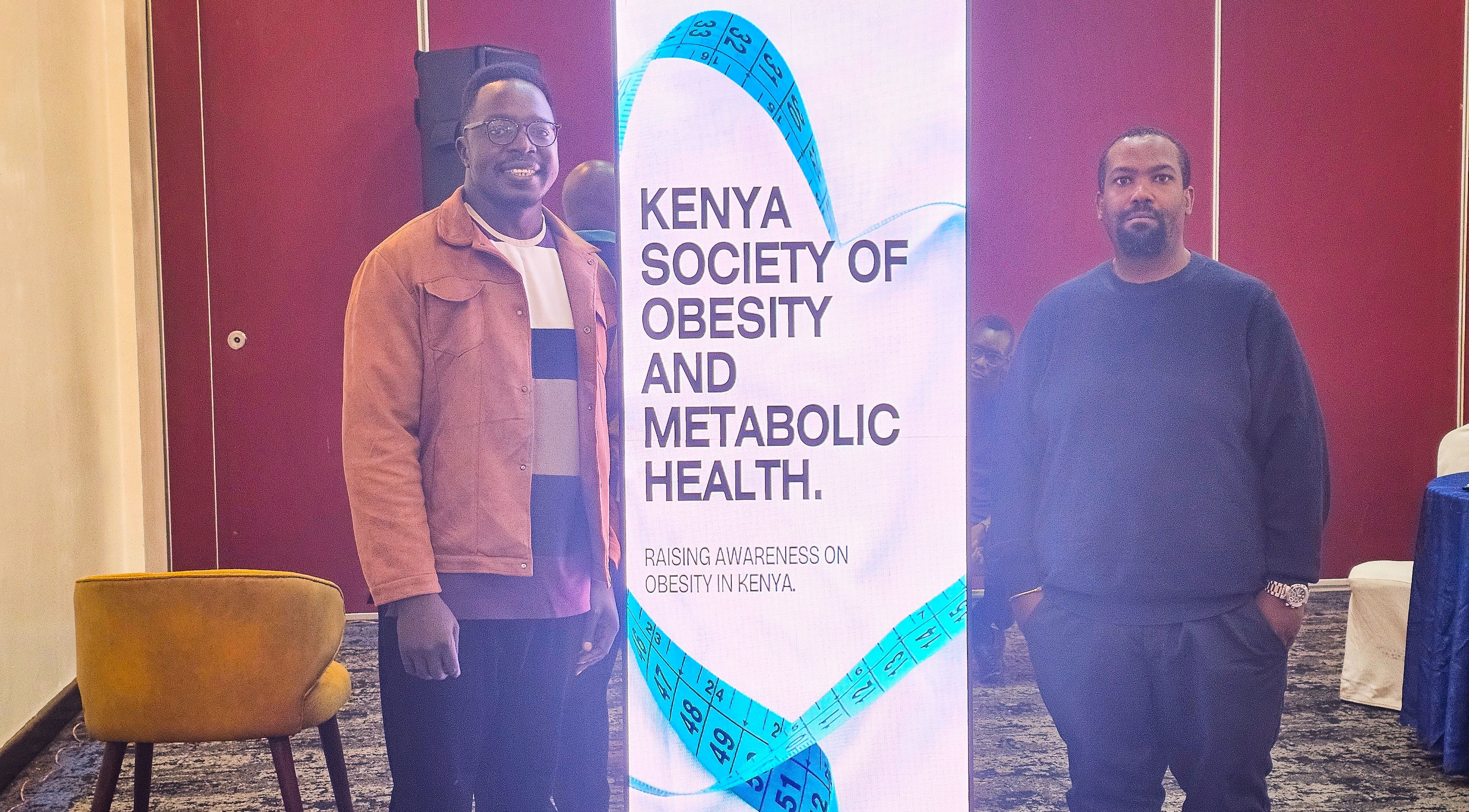
Kenyan health advocate Ogweno Stephen joined public health leaders, clinicians, and researchers during the launch of the Kenya Diabetes and Metabolic Disease Society on World Obesity Day 2026. The event marked an important milestone in Kenya’s efforts to address metabolic diseases and recognize obesity as a major public health concern.
The launch brought together experts and advocates who are working to strengthen research, clinical care, and policy attention around diabetes, obesity, and related metabolic conditions.
A Growing Health Challenge
Across Kenya and many parts of Africa, metabolic diseases are increasing rapidly. Conditions such as diabetes, obesity, and cardiovascular disease are becoming more common due to changing lifestyles, urbanization, and dietary patterns.
Recognizing obesity as a disease rather than simply a lifestyle issue is an important step in ensuring that patients receive appropriate care and that policies support prevention and treatment.
The establishment of the Kenya Diabetes and Metabolic Disease Society reflects growing momentum to address these challenges in a coordinated way.
Ogweno Stephen’s Advocacy on Obesity and NCDs
Ogweno Stephen’s participation in the launch connects closely with his broader advocacy on non communicable diseases. Through Stowelink Foundation and his digital health work, he has consistently highlighted the need to address risk factors such as unhealthy diets, physical inactivity, and limited access to preventive care.
Stephen has also contributed to public education campaigns that explain the science behind obesity, the role of nutrition policies, and the importance of preventive health systems.
His work often focuses on translating complex health research into accessible information for communities, policymakers, and young people.



Building Collaboration for Better Health Outcomes
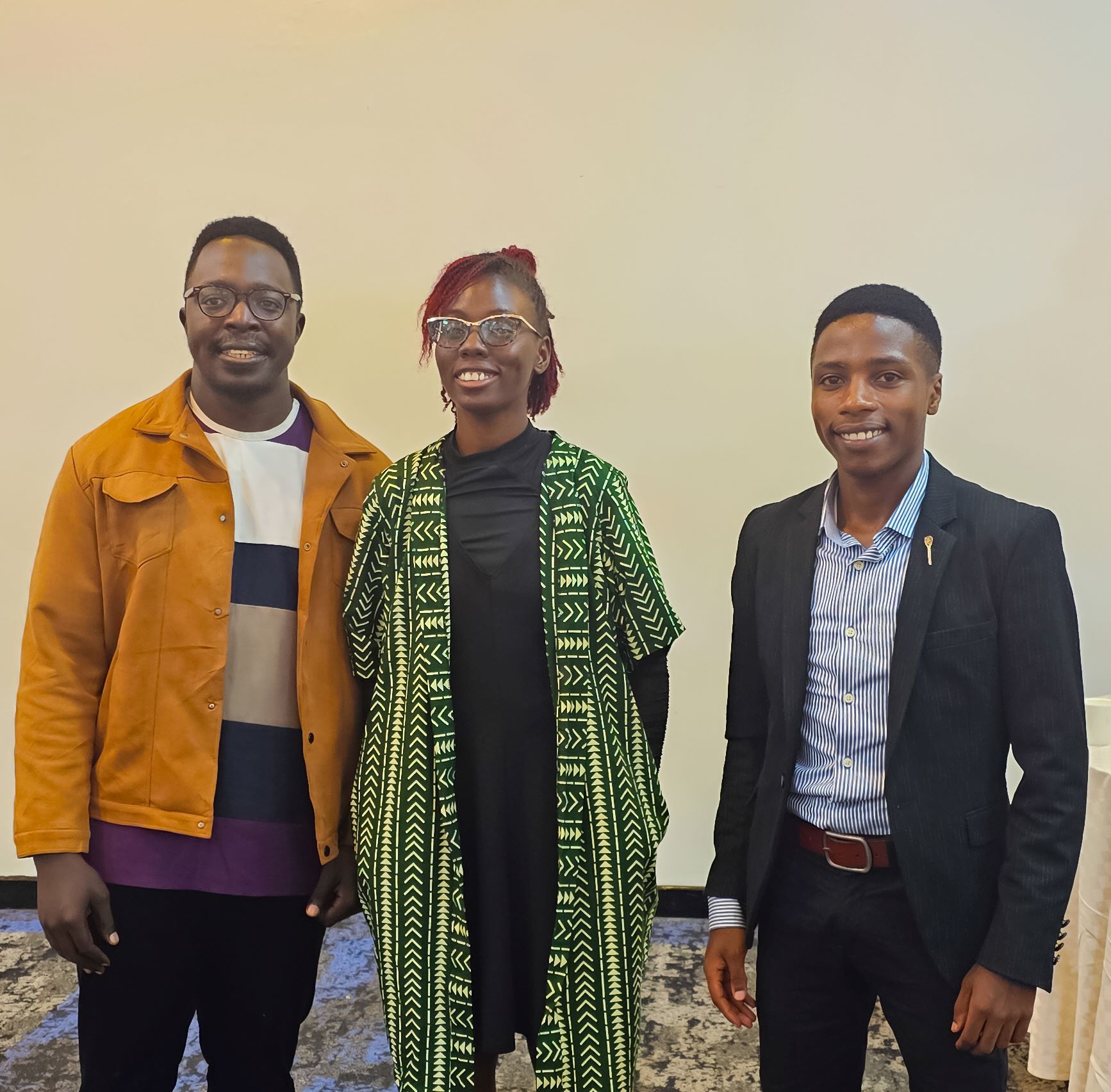
The launch of the Kenya Diabetes and Metabolic Disease Society also created opportunities for new partnerships between clinicians, researchers, civil society organizations, and public health advocates.
For Stephen, meeting new professionals and reconnecting with colleagues in the field reinforced the importance of collaboration in tackling complex health challenges.
No single organization can solve the rising burden of metabolic diseases alone. Progress requires coordination between medical institutions, community organizations, policymakers, and technology innovators.
Looking Ahead
The recognition of obesity as a critical health issue represents an important step forward for Kenya’s public health agenda.
As the country continues to strengthen its response to non communicable diseases, initiatives such as the Kenya Diabetes and Metabolic Disease Society will play an important role in shaping research, policy, and patient support systems.
For Ogweno Stephen, the event reinforced a message that has guided much of his work. Addressing chronic diseases requires both innovation and collective action, bringing together science, advocacy, and community engagement to build healthier societies.
 STEPHEN OGWENO
Leave a comment