
Obesity care has a consistency problem. Not in the science, but in how that science reaches real people. Across countries and health systems, care is still shaped by bias, access, and chance rather than evidence. This reality is exactly what brought global leaders together in Montreal for a defining moment in obesity advocacy.
At the 2026 Canadian Obesity Summit, convened by Obesity Canada, a diverse group of patient advocates, experts, and partners gathered to begin shaping a Global Patient Charter for Obesity. Among them was Ogweno Stephen, who represented Kenya and the broader African continent in this landmark conversation.

The charter aims to move beyond statements of intent. It seeks to define clear, actionable standards for obesity care grounded in dignity, equity, and evidence. While other chronic diseases benefit from well-established patient rights frameworks, obesity care remains fragmented. Many patients still face delayed diagnosis, limited treatment access, and persistent stigma, even as scientific understanding continues to advance.
For Ogweno Stephen, this moment reflects a deeper systemic gap he has long worked to address. Across many African contexts, obesity and other non-communicable diseases are often misunderstood, underfunded, and deprioritized. Participation in this global process ensures that these realities are not excluded from the frameworks that will shape future care.


A global obesity patient charter has the potential to redefine expectations. It can establish non-negotiable rights such as respectful, stigma-free care, access to effective treatment, and meaningful involvement in decision-making. Just as importantly, it can clarify responsibilities across health systems, from policymakers to providers.
The initiative also signals a broader shift in narrative. Moving away from blame-driven models toward approaches rooted in biology, long-term management, and lived experience. This shift is critical for regions where structural barriers continue to limit access to care.
The development of the charter has been a collaborative effort involving more than 25 global leaders and organizations across 10 countries, working to shape principles that are both globally relevant and locally adaptable. By anchoring the process in patient voices, the charter aims to ensure that policies reflect real-world needs rather than abstract ideals.
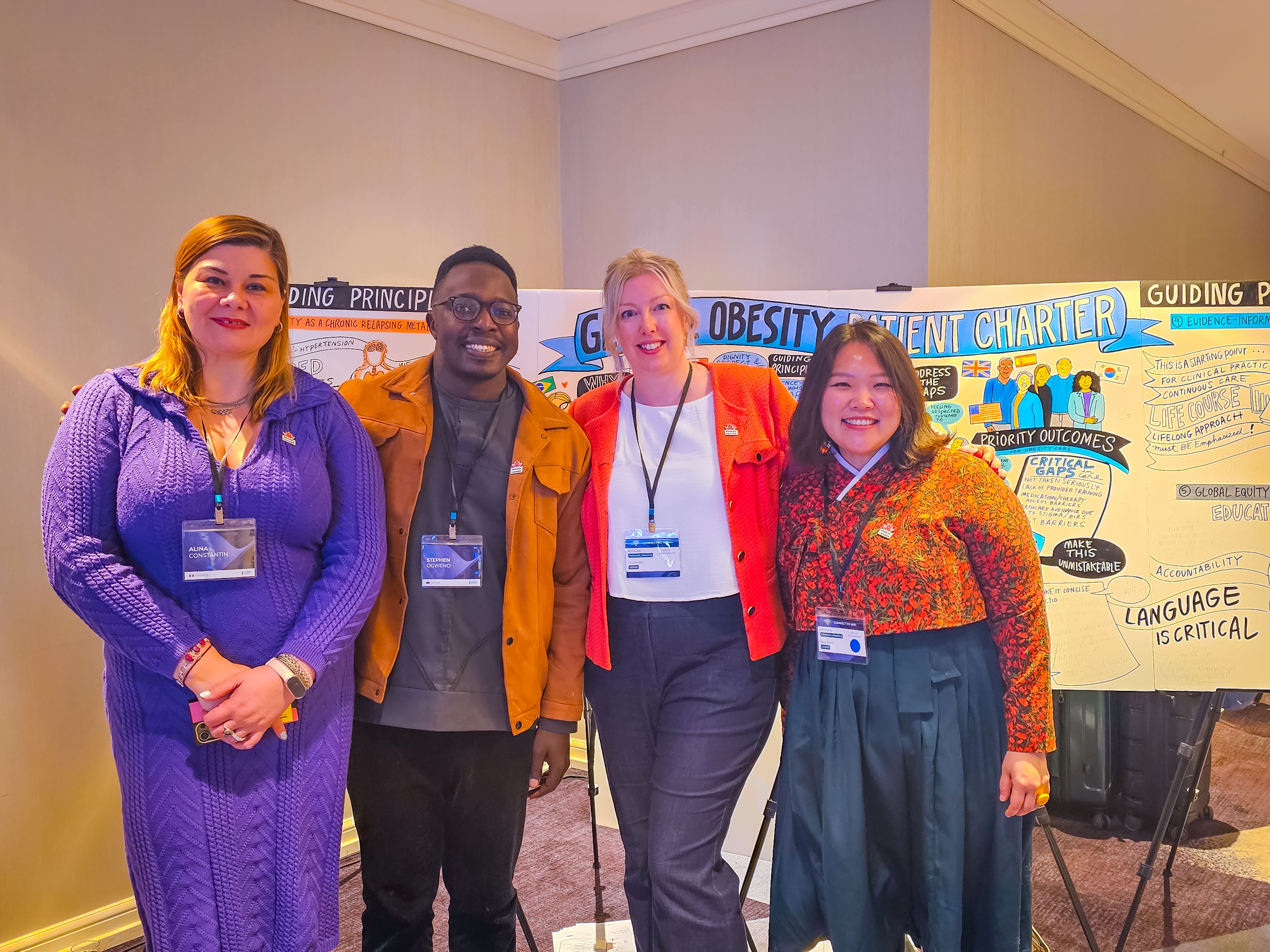
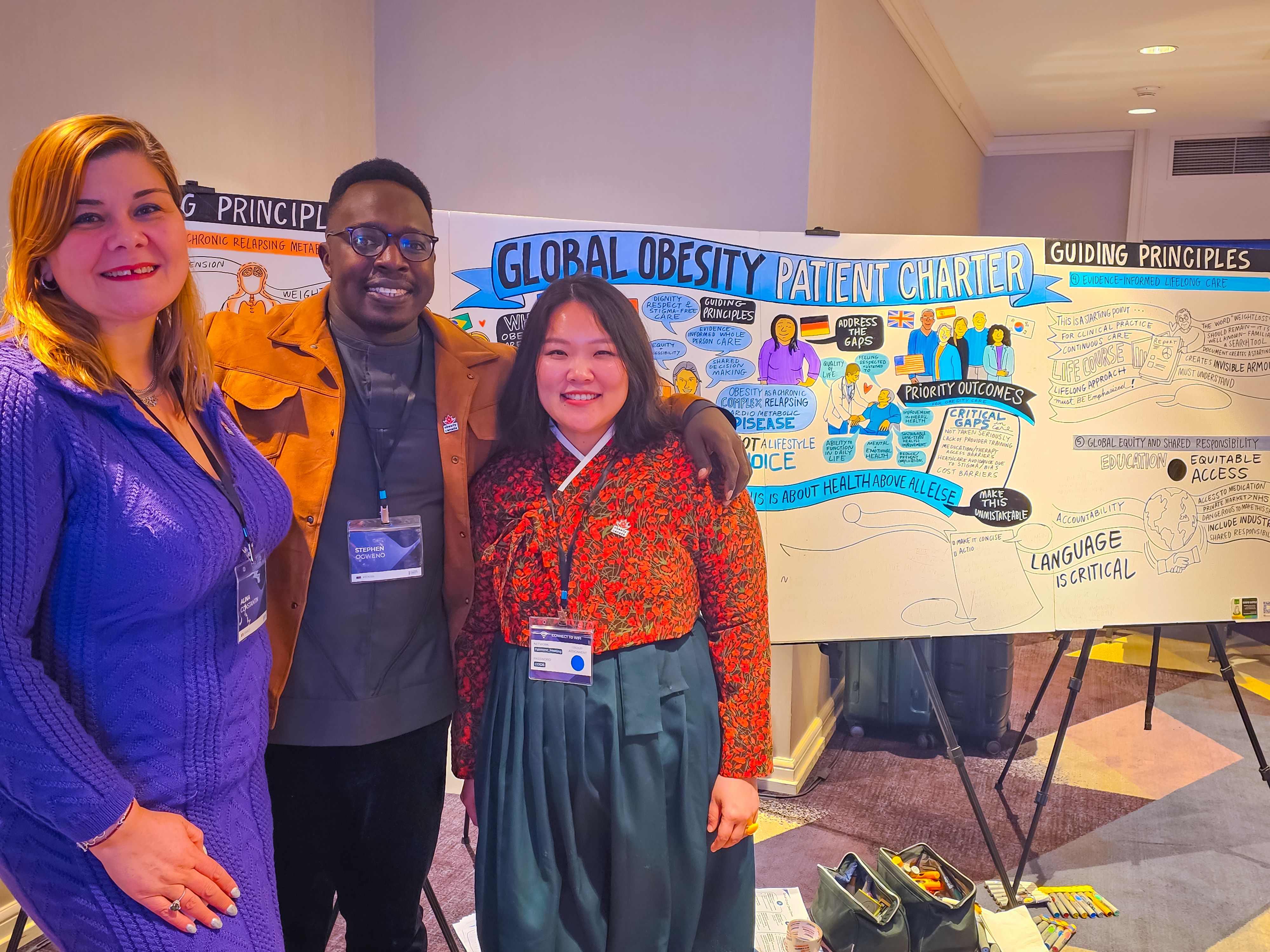
For Ogweno Stephen, the significance extends beyond representation. It is about influence. Ensuring that Africa is not only present in global health conversations but actively shaping them. His participation reinforces the role of youth-led advocacy and lived experience in driving policy change at the highest levels.
As the draft charter takes shape, it represents more than a document. It is a step toward accountability in obesity care, and a move toward systems that treat obesity as the chronic disease it is.
With continued collaboration from partners, including global health stakeholders and industry actors, this effort is expected to drive momentum toward more equitable, person-centered care worldwide.
For communities across Africa and beyond, this work marks a critical step forward. One that places dignity, access, and evidence at the center of how obesity is understood and managed.


Leave a comment