
When Ogweno Stephen arrived in Montreal for the 2026 Canadian Obesity Summit, the expectation was dialogue. What he encountered instead was something far more powerful: a global community bound not just by shared purpose, but by lived experience, expertise, and unwavering resolve.
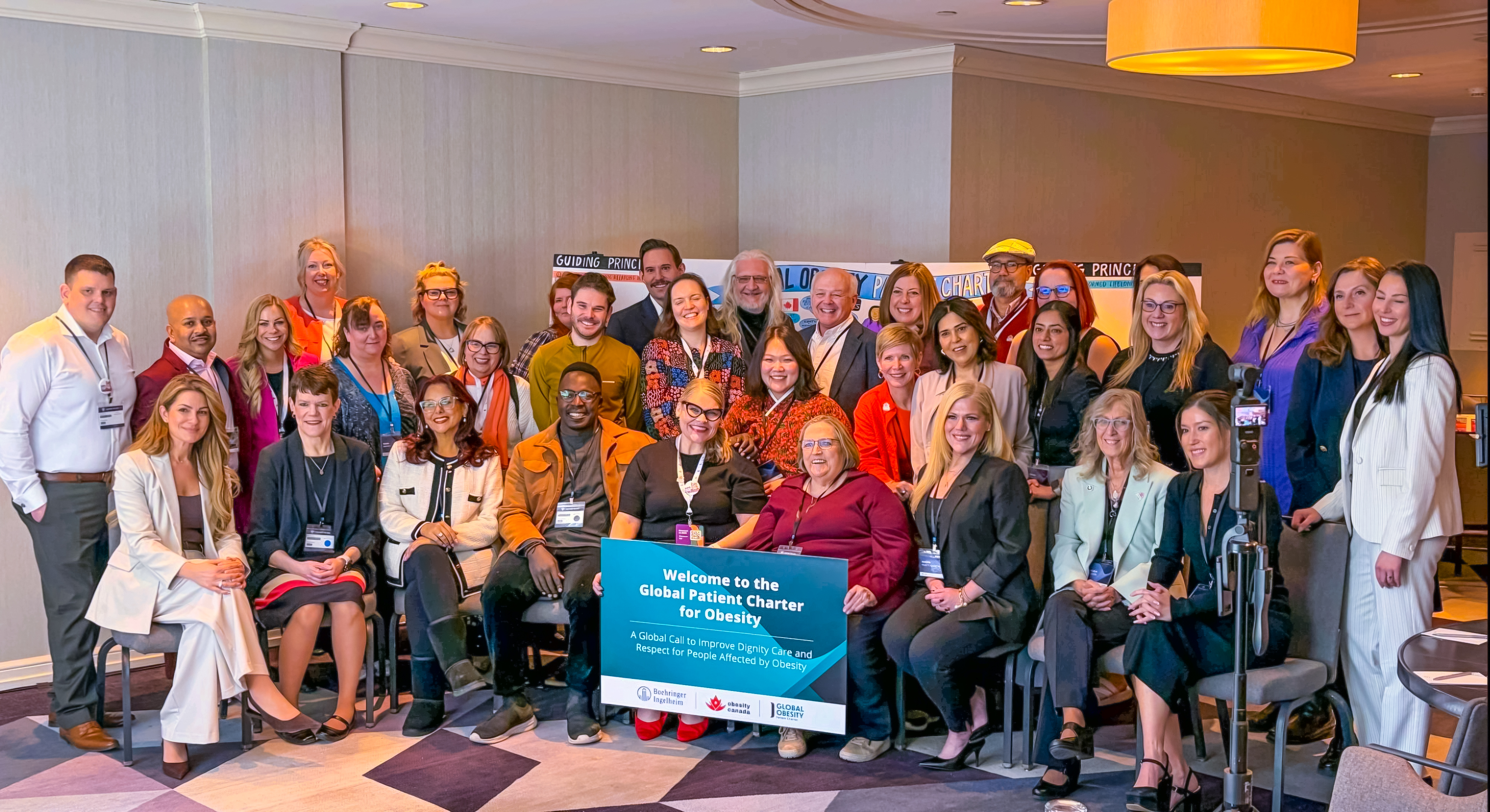
The obesity community is often misunderstood. Too frequently, it is framed through statistics or clinical definitions. But in Montreal, it became clear that this is one of the most intellectually and experientially diverse communities in global health. In the same room were clinicians, researchers, CEOs, policymakers, teachers, digital creators, and even online gamers. Each brought a distinct lens, yet all were united by a common commitment to advancing equitable, evidence-based obesity care.
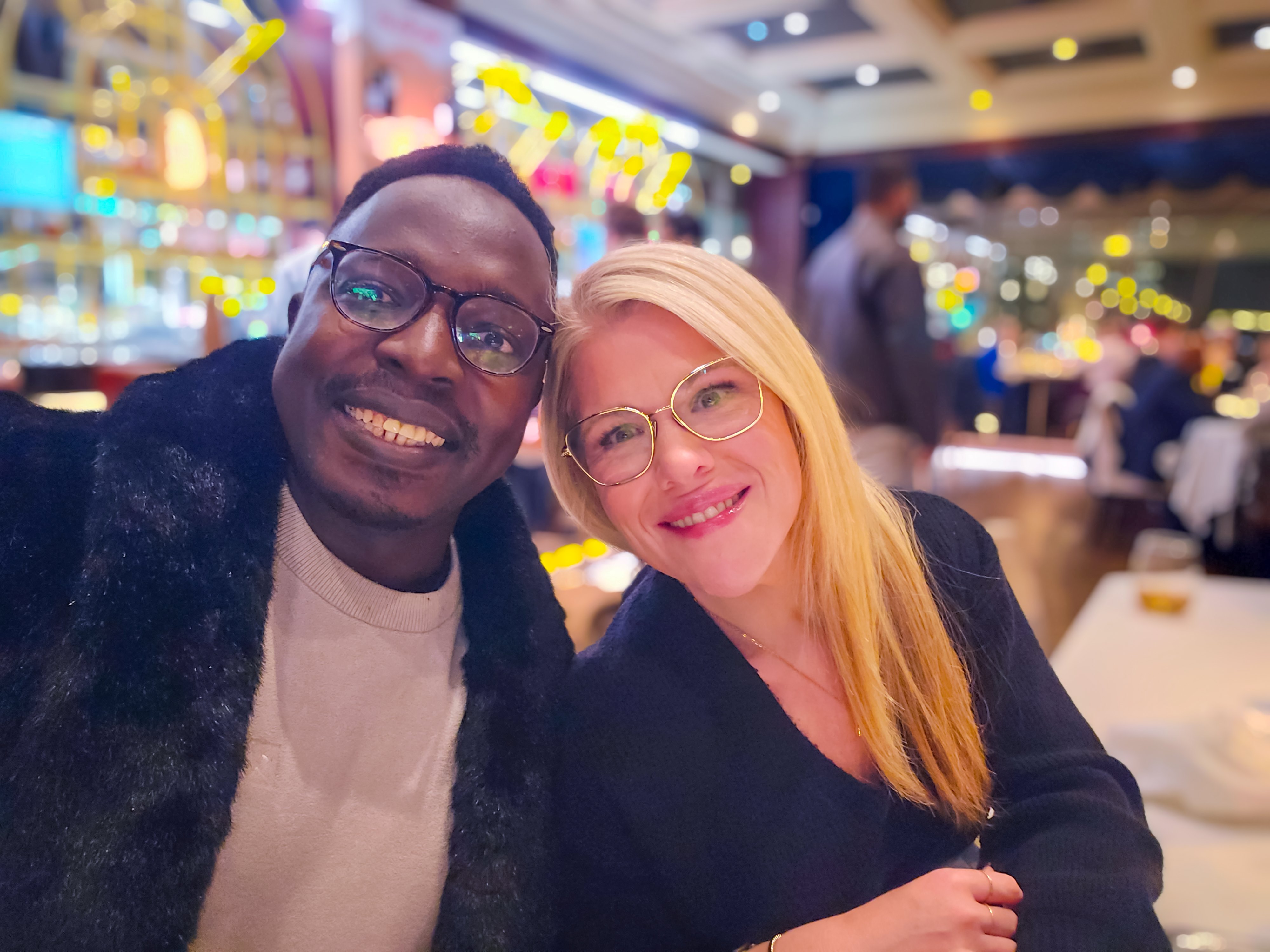
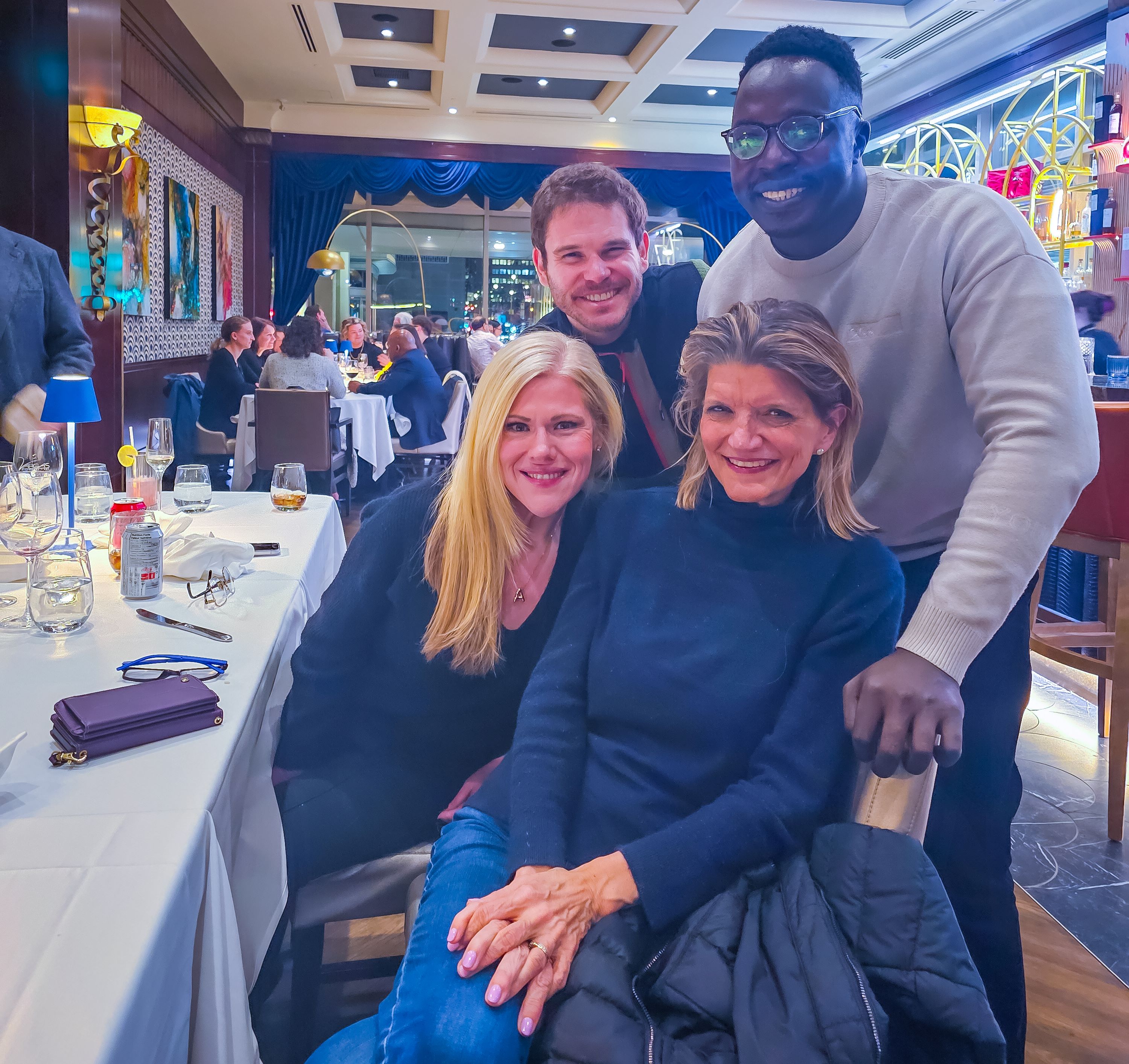

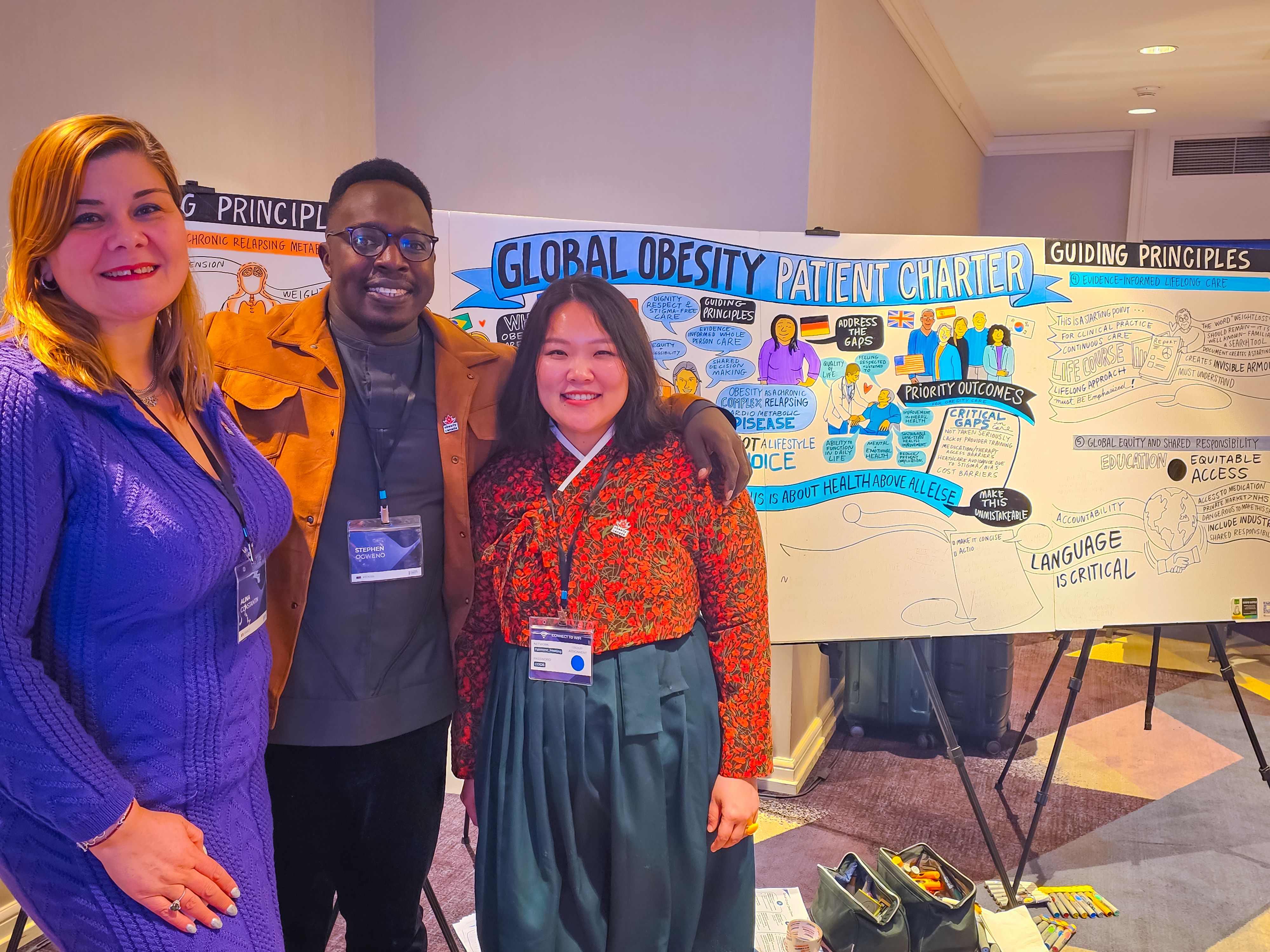
What stood out most was the recognition that lived experience is not supplementary to expertise. It is expertise. People living with obesity understand the system in ways data alone cannot capture. They navigate stigma, access barriers, and fragmented care pathways daily. That insight is not anecdotal. It is critical evidence that should continue to shape advocacy, research, and policy decisions.
For Ogweno Stephen, the experience was also deeply personal. Beyond the formal sessions, Montreal was a space of reconnection. A place to reunite with long-time collaborators and meet new voices pushing the boundaries of what obesity advocacy can look like. These were not passive participants in a system. They were architects of change, challenging outdated narratives and building new frameworks grounded in dignity and science.
There is a quiet strength within this community. It is not just in the knowledge held, but in the consistency of its advocacy. Across continents and contexts, there is a shared refusal to accept systems that marginalize people living with obesity. Instead, there is a collective push toward care that is person-centered, lifelong, and rooted in evidence.
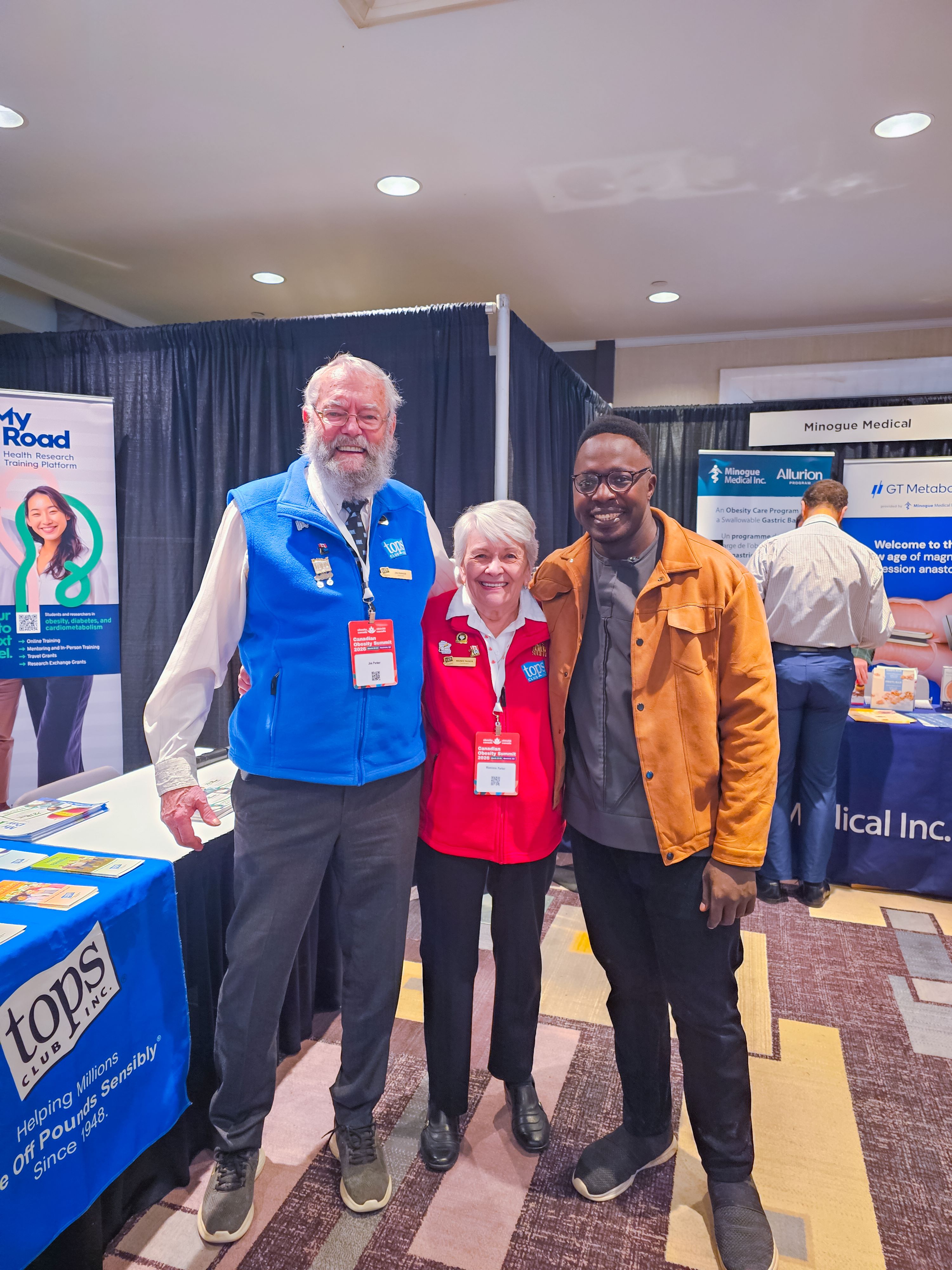
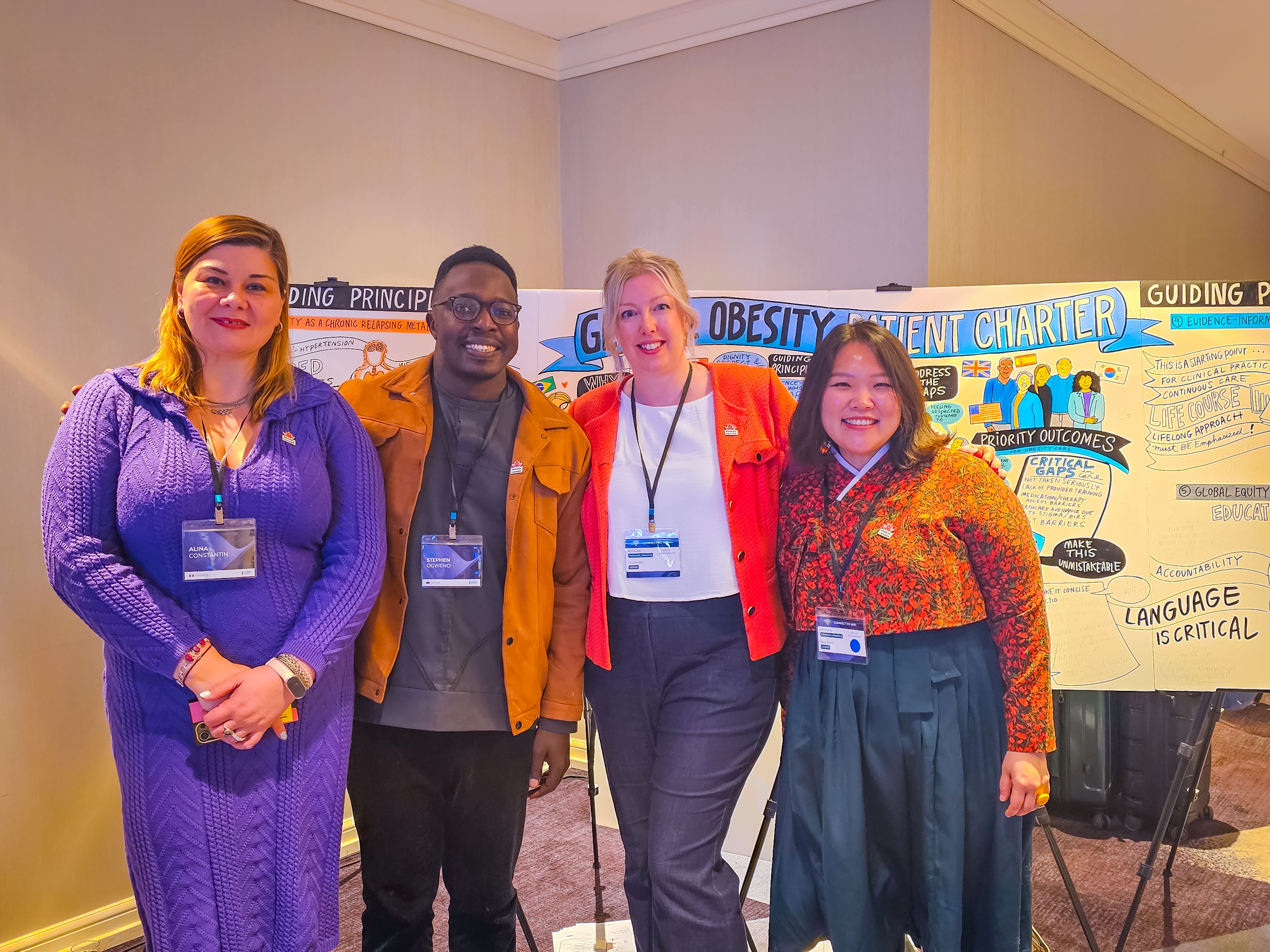
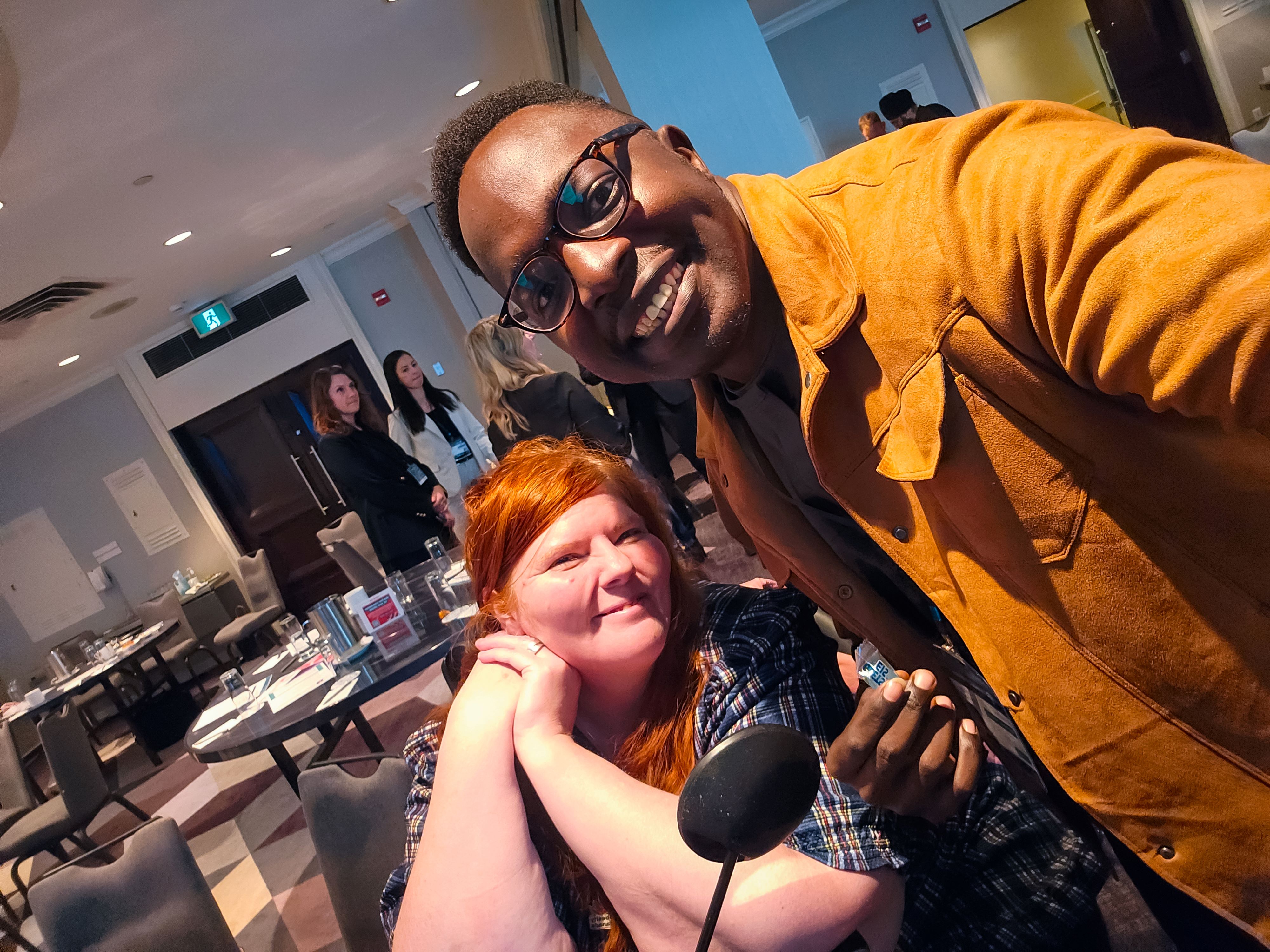
The diversity of expertise in the room reinforced an important truth. Solving obesity is not the responsibility of one sector. It requires interdisciplinary thinking, where medicine meets policy, technology meets lived experience, and community voices influence global decisions.
Montreal was not just a convening. It was a reminder that the obesity community is one of the most resilient and forward-thinking movements in health today. A community where expertise is broad, voices are strong, and the commitment to change is undeniable.
For Ogweno Stephen, the takeaway was clear. The future of obesity care will not be shaped in isolation. It will be shaped by communities like this one. Communities that understand the problem, live the reality, and are determined to transform it.


Leave a Reply