
Advancing Food Environment Policy in Kenya
Ogweno Stephen, a Kenyan health advocate working at the intersection of non communicable disease prevention, food systems, and digital health innovation, recently participated in a specialized training on food marketing policy hosted by KELIN.
The training brought together representatives from civil society, research institutions, and public health organizations under the broader framework of strengthening food environment governance in Kenya.
Ogweno Stephen attended the training in his capacity as a representative of Stowelink Foundation, contributing to ongoing national and regional conversations on how food systems influence the rising burden of non communicable diseases.
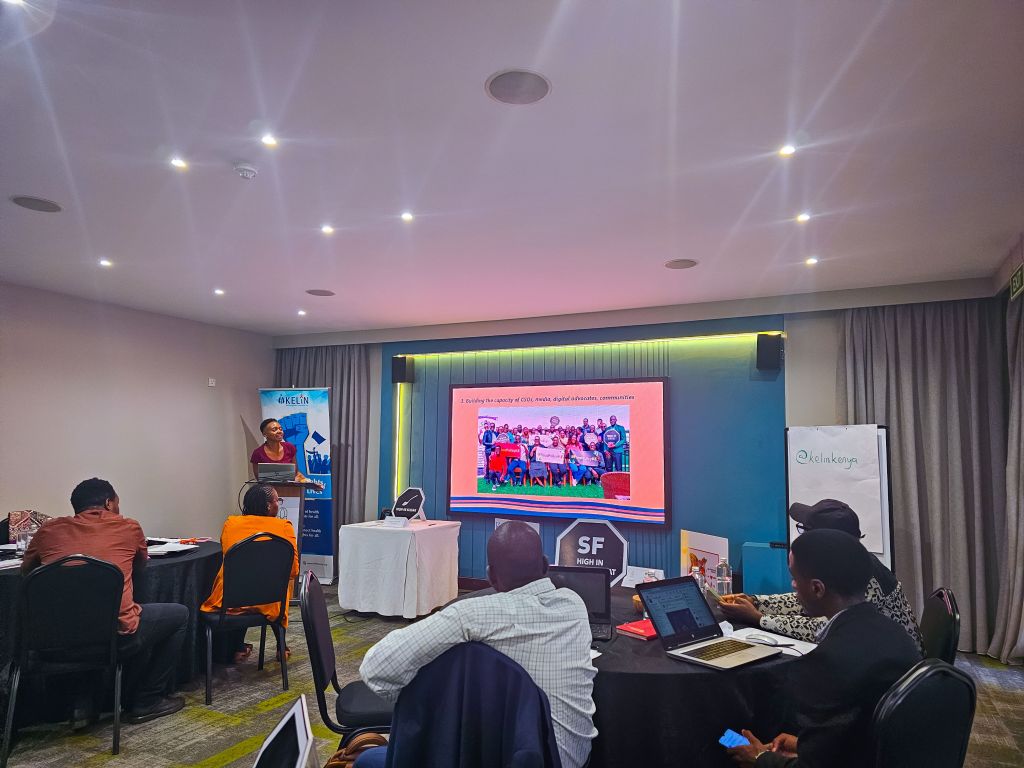
Understanding Food Marketing and Public Health in Kenya
The training focused on the latest developments in food marketing regulations and advertising standards, particularly the evolving policy landscape aimed at improving public health outcomes.
A key highlight was the introduction and discussion of octagonal warning label systems, a recent policy development in Kenya designed to improve consumer awareness around unhealthy food products. These labels are part of broader regulatory efforts to address the increasing consumption of ultra-processed foods linked to conditions such as diabetes, cancer, hypertension, and obesity.
For Ogweno Stephen, this was not just a technical policy discussion. It connected directly to his long-standing work in non communicable disease prevention and health literacy among young people.
The Role of the Food Policy Coalition Kenya
The training also introduced the work of the Food Policy Coalition Kenya, a multi-sector civil society and research alliance launched in March 2026.
The coalition’s mission is to advocate for stronger food environment policies that can reduce exposure to unhealthy diets and support healthier populations across Kenya.
Its formation reflects growing recognition that non communicable diseases are no longer only clinical challenges but are deeply influenced by commercial determinants of health, including food marketing practices, advertising exposure, and product labeling systems.



Why This Work Matters for Public Health in Kenya
Kenya, like many countries in the region, is experiencing a rapid rise in non communicable diseases. These conditions are increasingly affecting young people and working-age populations, placing long term pressure on health systems, families, and communities.
Food marketing plays a central role in shaping dietary behaviors, especially in urban environments where ultra-processed foods are heavily advertised and widely accessible.
The training emphasized that effective policy response must combine regulation, public awareness, and cross-sector collaboration.

Stowelink Foundation’s Contribution to Food Systems Advocacy
Through his role at Stowelink Foundation, Ogweno Stephen continues to support initiatives that link health education, youth engagement, and prevention of non communicable diseases.
The foundation’s involvement in spaces such as the KELIN training and the Food Policy Coalition Kenya reflects its commitment to addressing health challenges not only at the individual level but also through systems change and policy influence.
Strengthening Advocacy for Healthier Food Environments
Participation in the training reinforced several key priorities for Ogweno Stephen’s work in public health advocacy:
1. Policy Awareness Must Reach Communities
Public understanding of food labeling and marketing regulations is essential for meaningful impact.
2. Prevention Requires Strong Regulatory Systems
Health outcomes are shaped as much by policy environments as by individual behavior.
3. Multi-Sector Collaboration is Essential
Government, civil society, and research institutions must work together to address food system challenges.
4. Youth Engagement Remains Central
Young people must be part of shaping conversations on food systems and health equity.
A Kenyan Health Advocate Focused on Systems Change
As a Kenyan health advocate, Ogweno Stephen continues to contribute to national and regional efforts aimed at reducing the burden of non communicable diseases through prevention-focused approaches.
His participation in the KELIN food marketing training reflects a broader commitment to understanding and influencing the systems that shape health outcomes, particularly those related to diet, marketing, and consumer protection.

Looking Ahead
The future of food policy in Kenya will depend on how effectively stakeholders can translate regulatory progress into real behavioral and population health change.
For Ogweno Stephen, this work is part of a larger mission: building healthier environments where individuals are supported by systems that prioritize prevention, transparency, and long term wellbeing.
 STEPHEN OGWENO
Leave a comment