
Young people have the ideas to transform communities. What they often need are the skills, evidence, and confidence to turn those ideas into lasting impact.
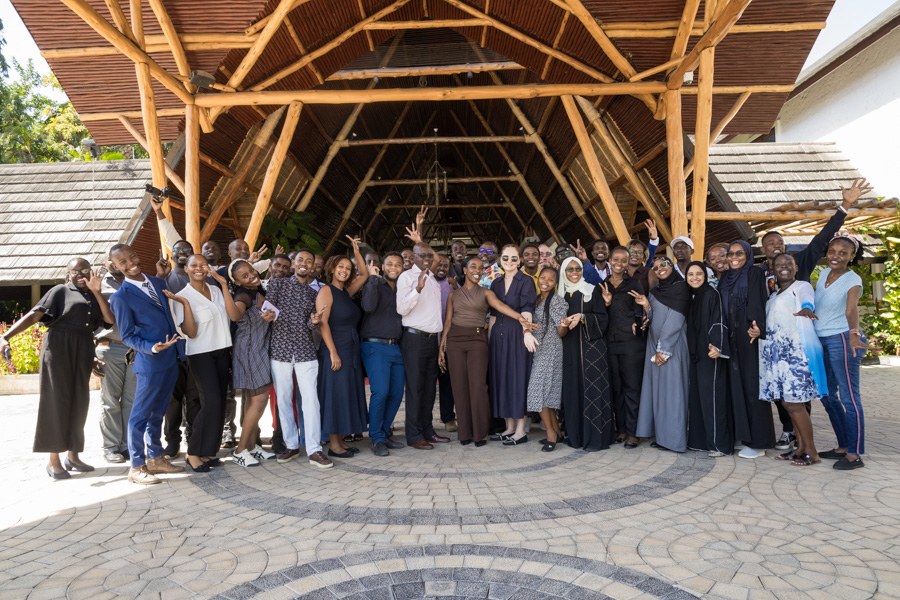
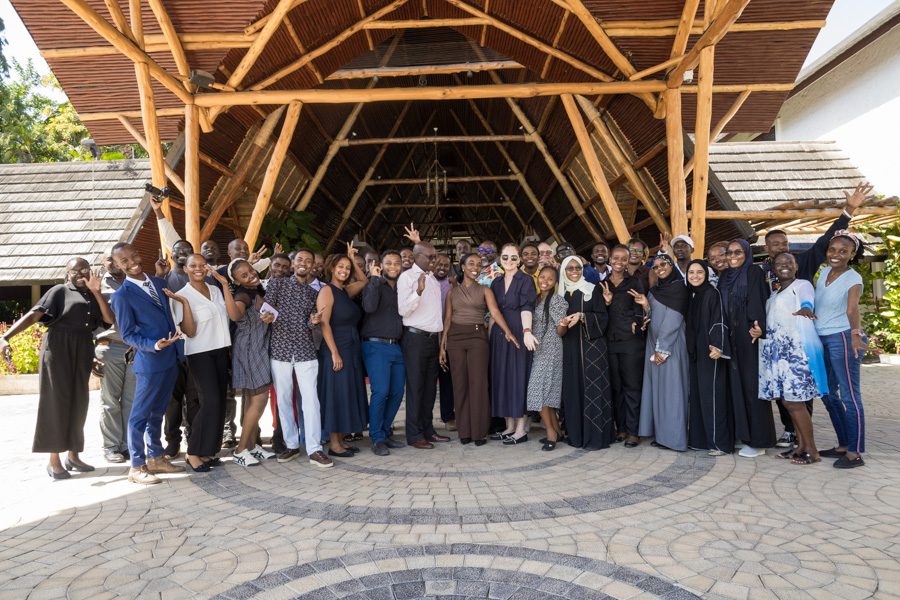
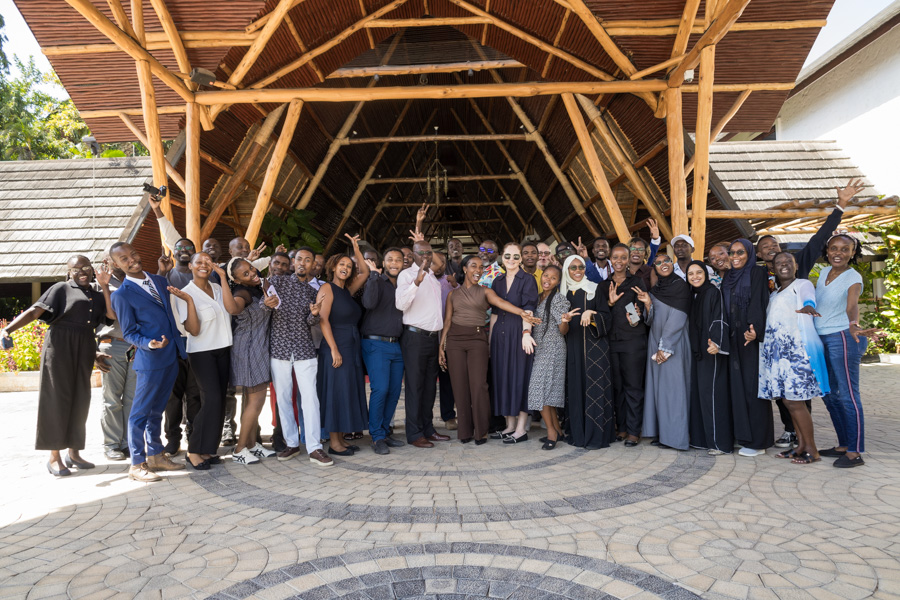
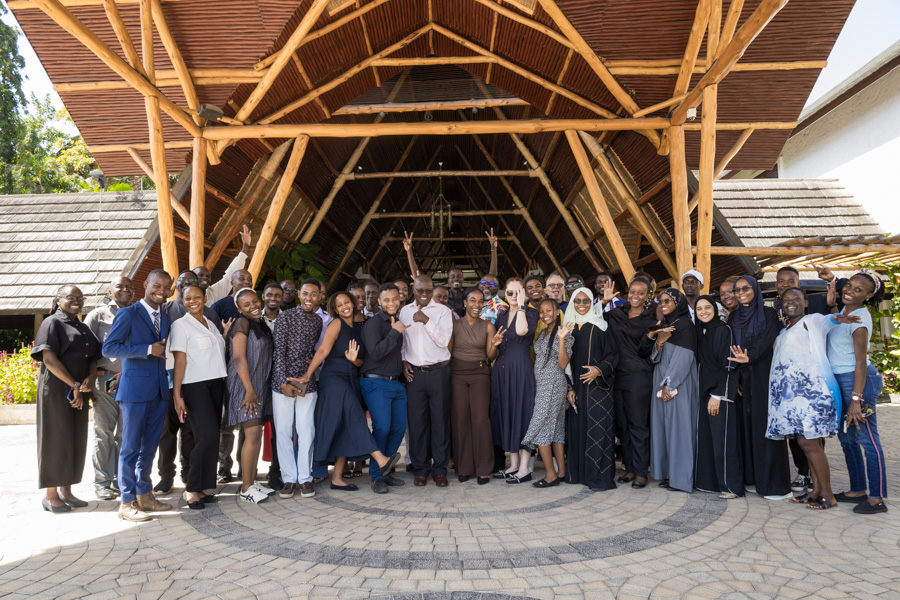
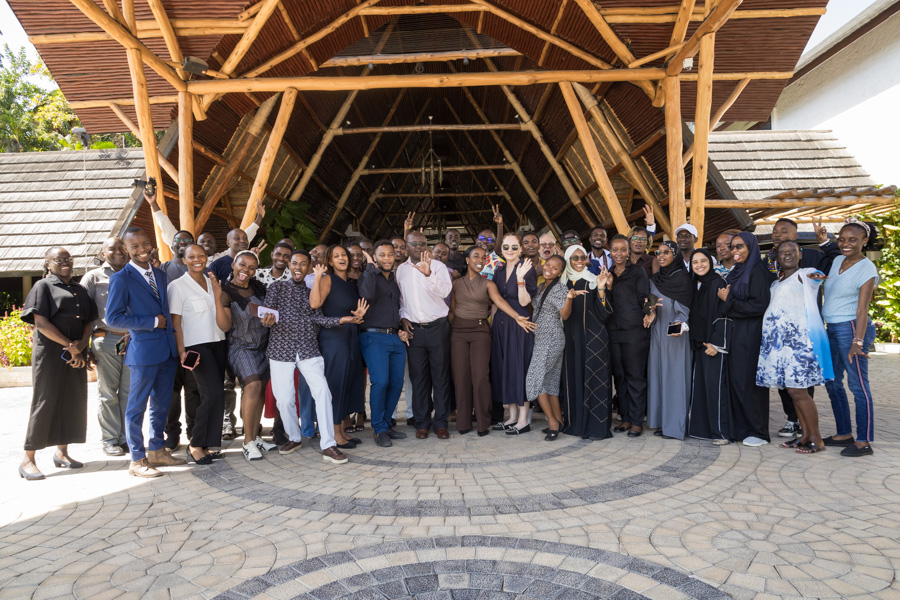
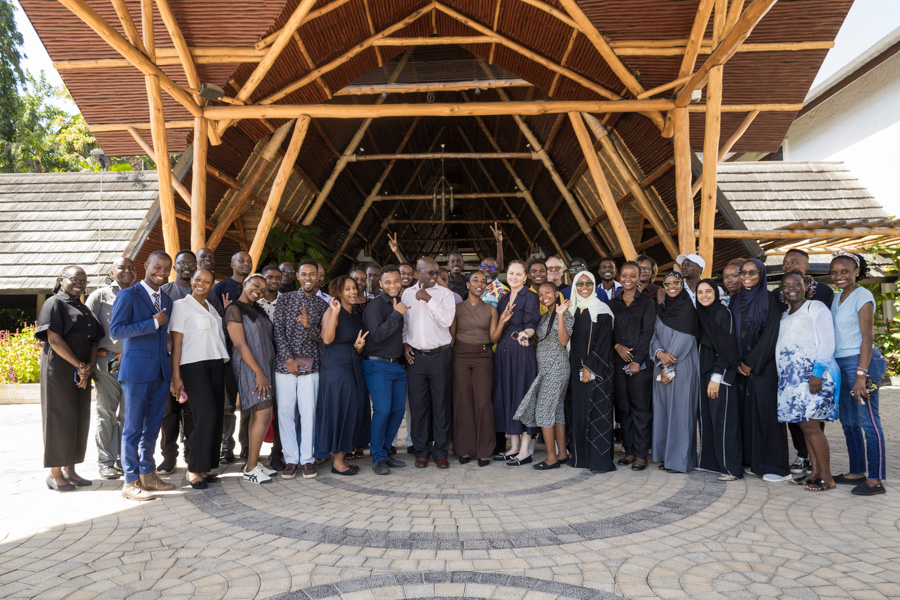
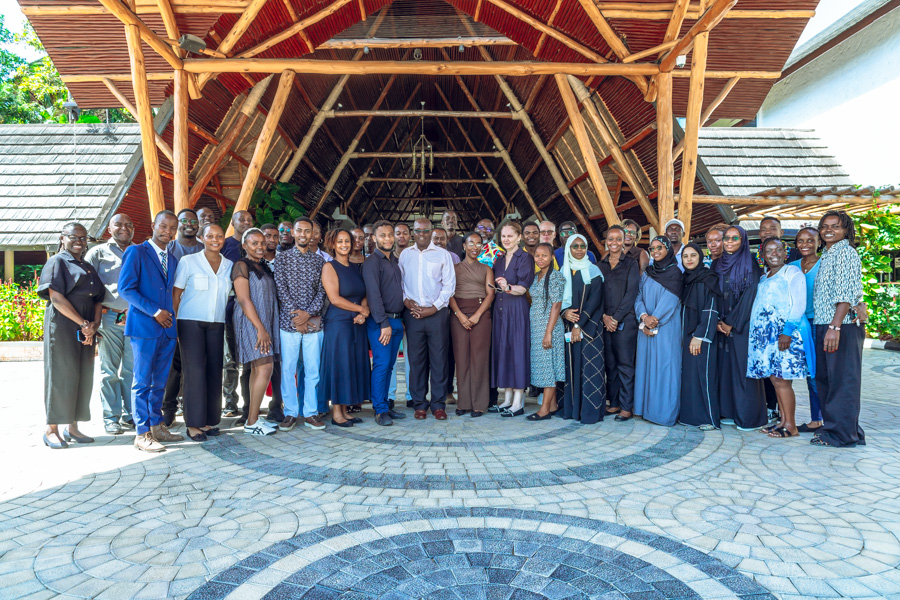
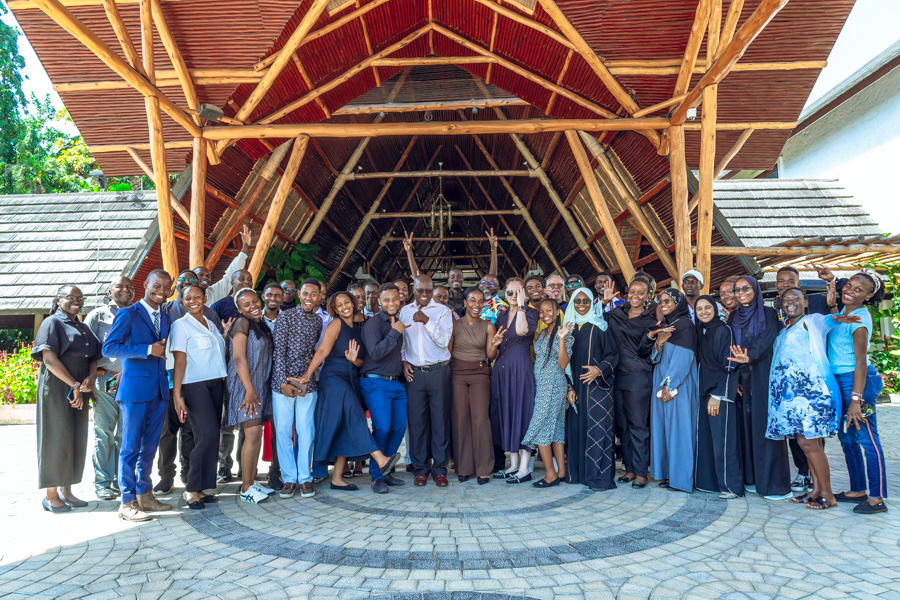
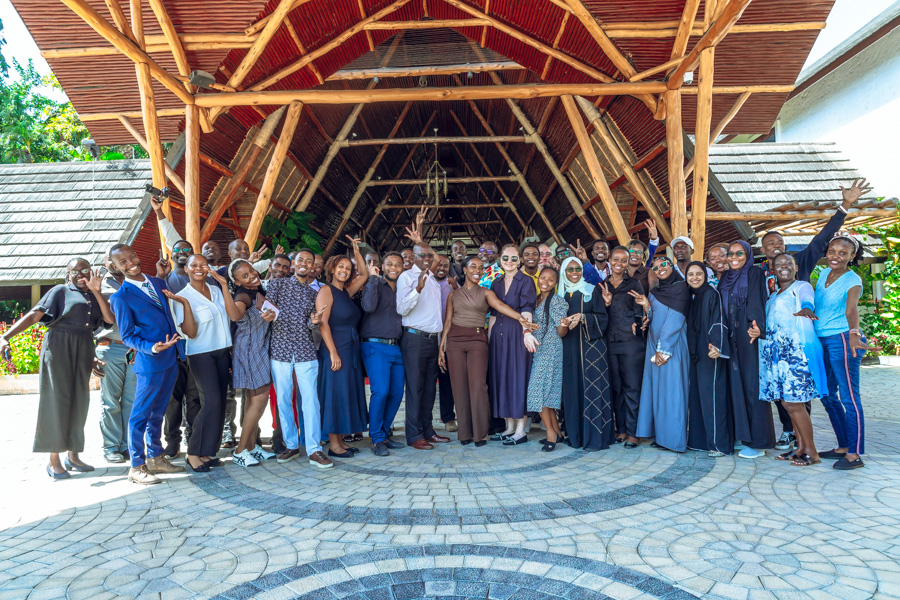
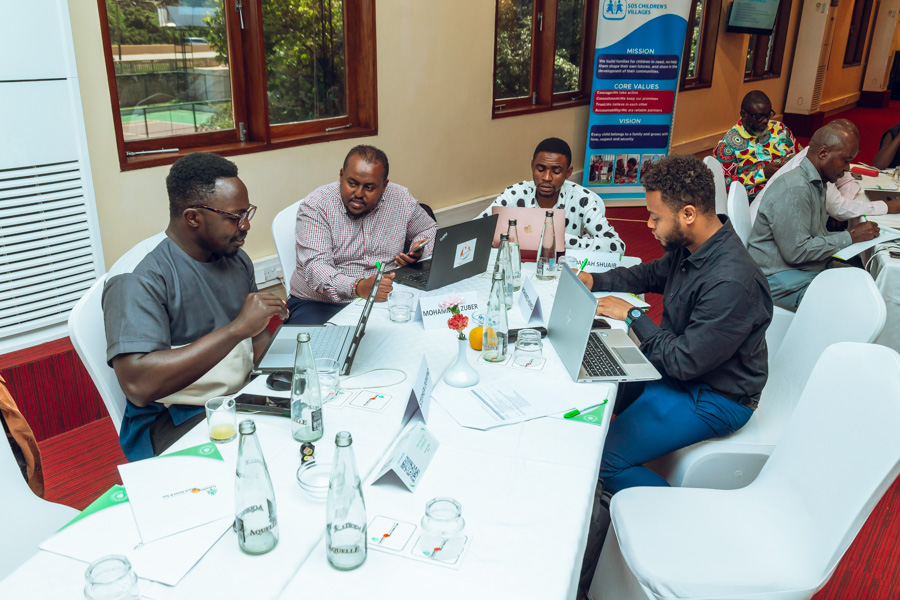
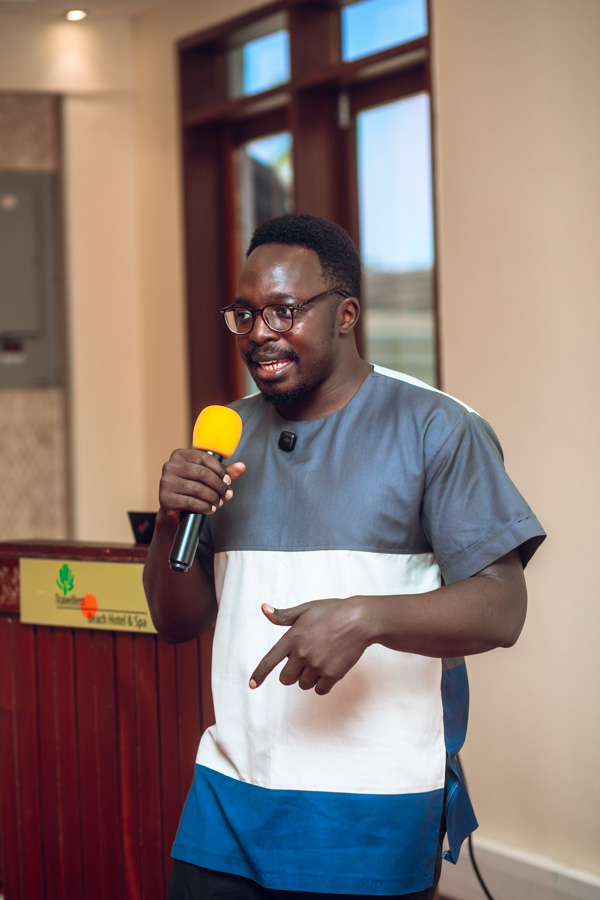
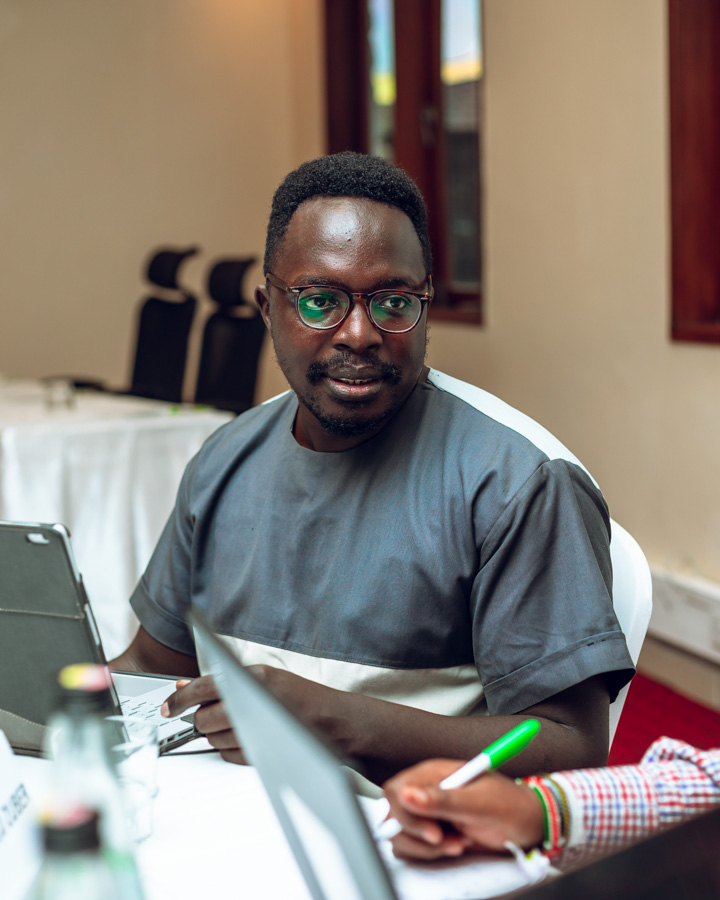
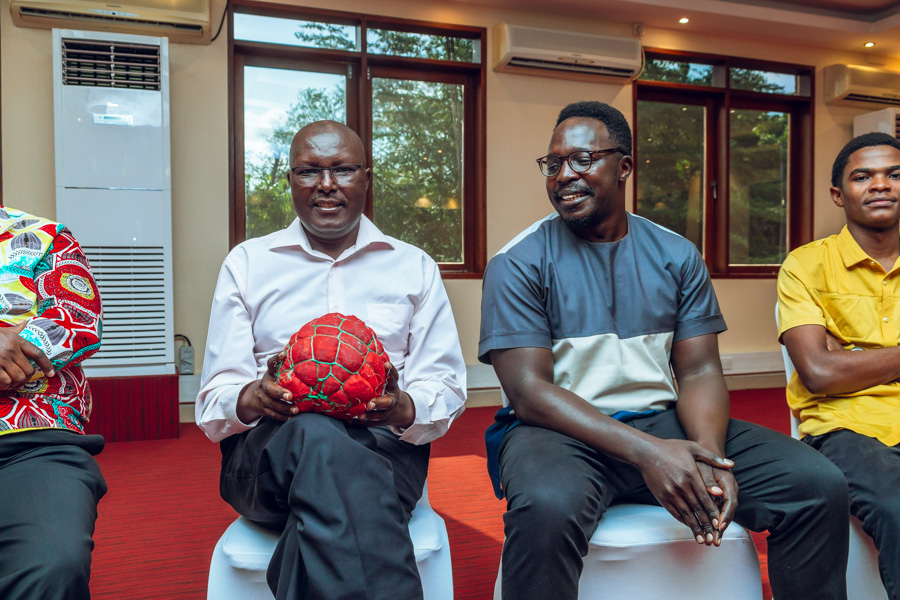
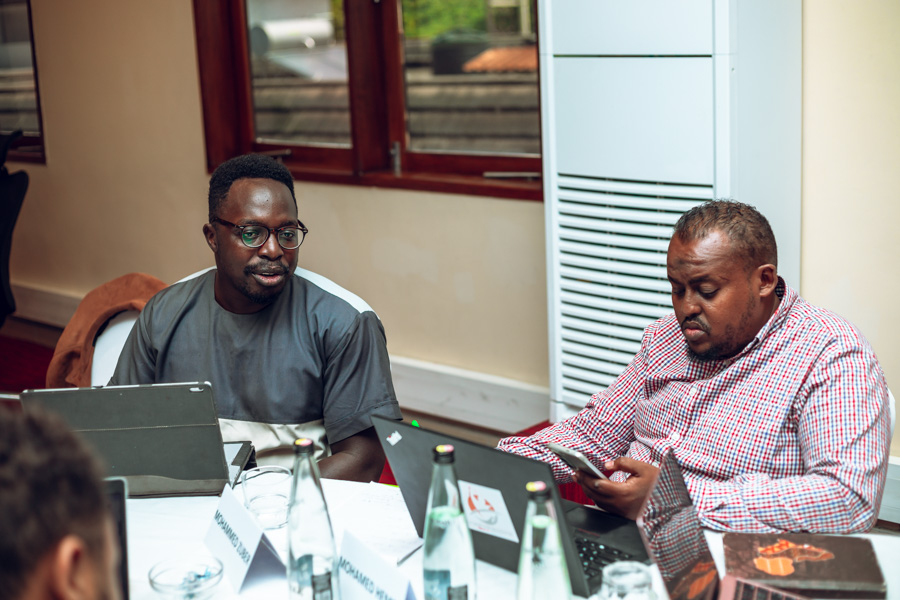
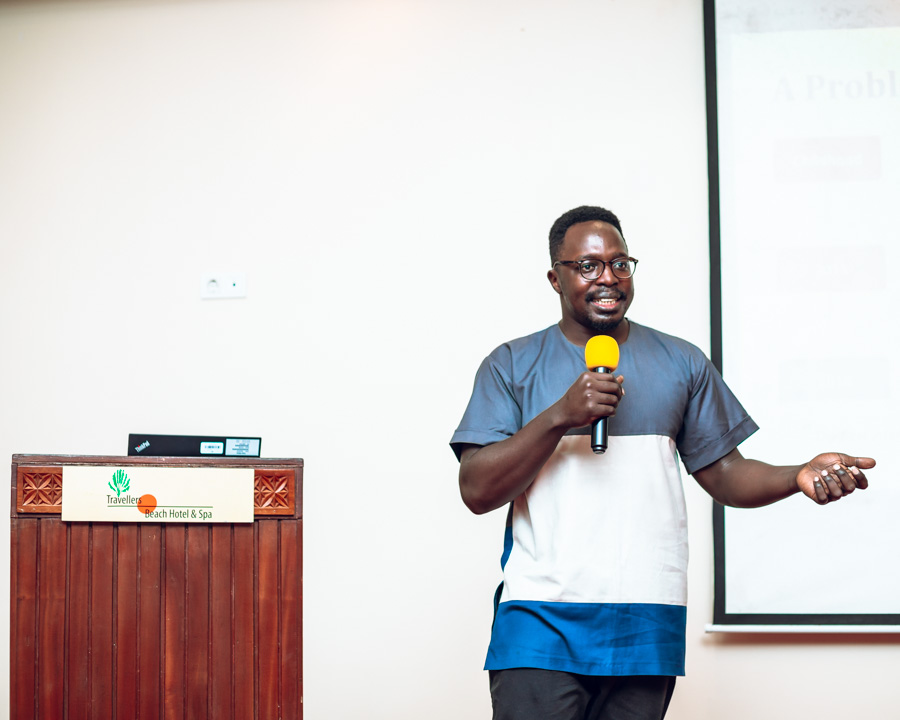
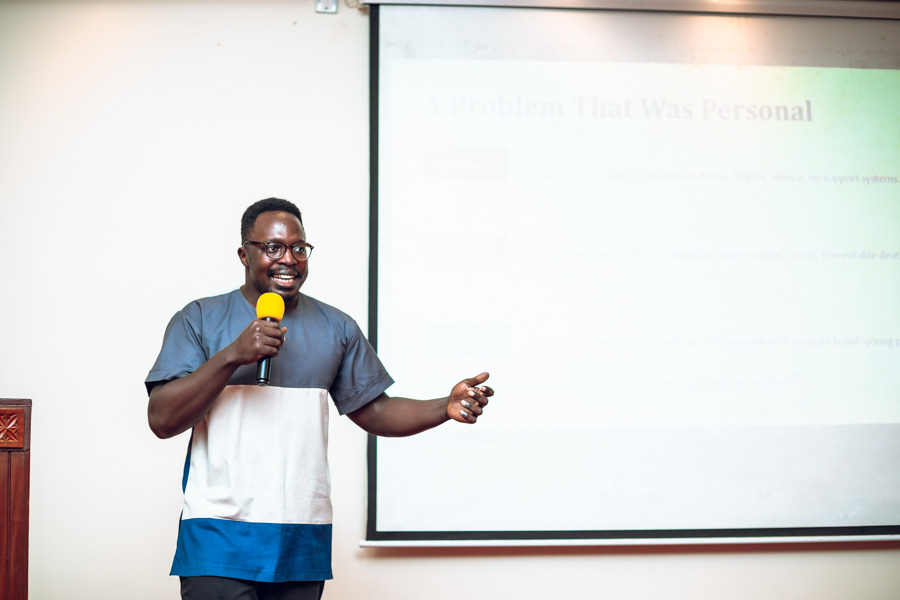
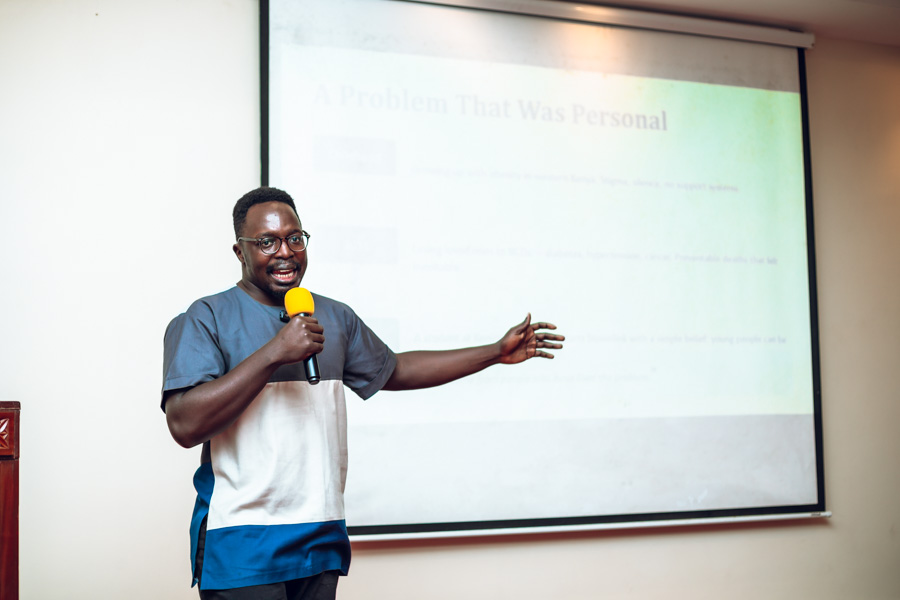
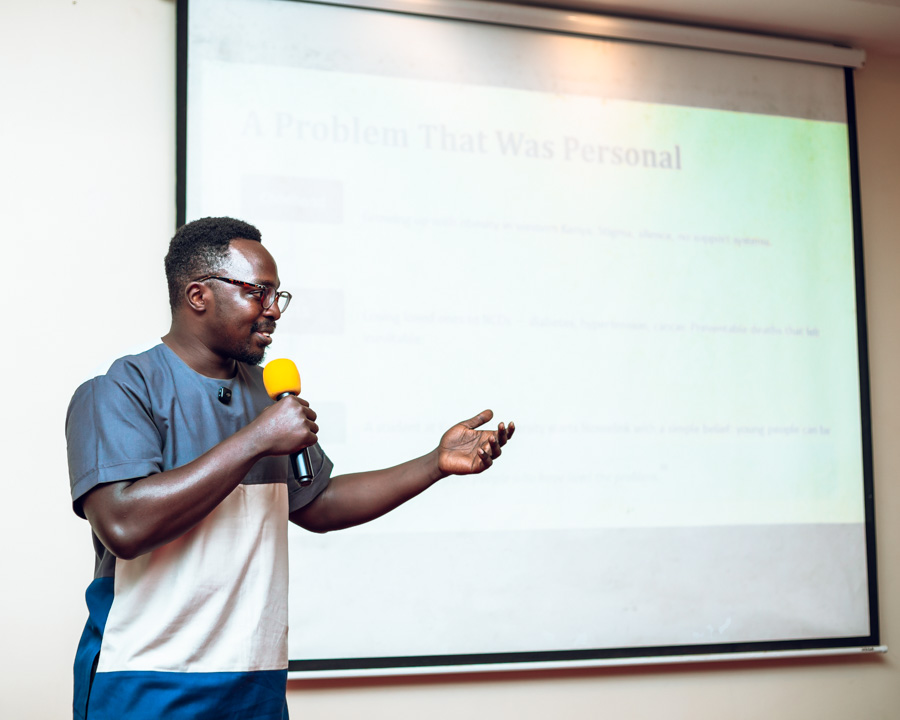
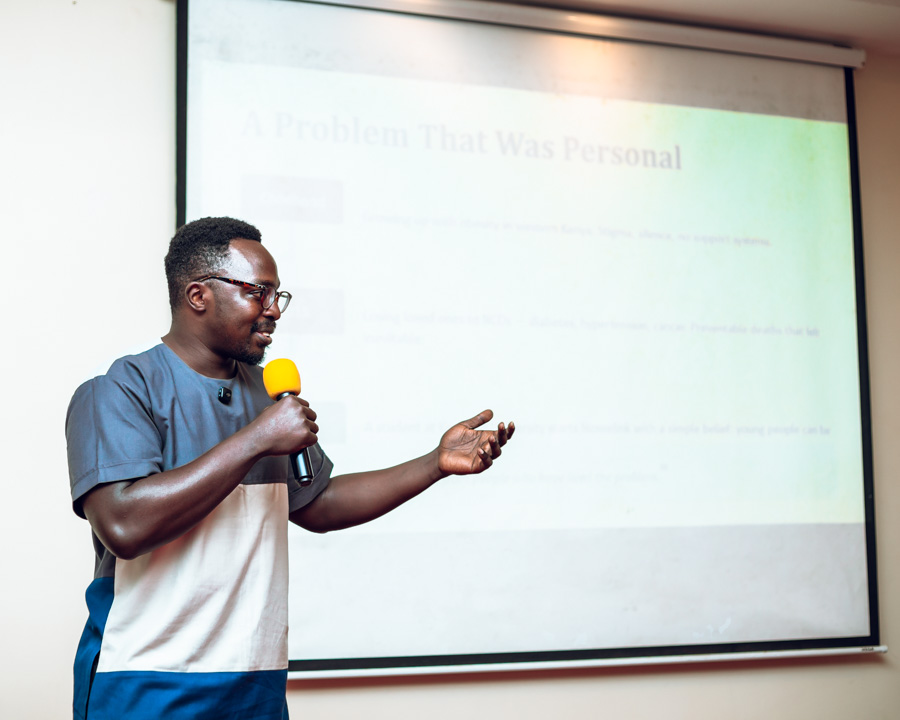
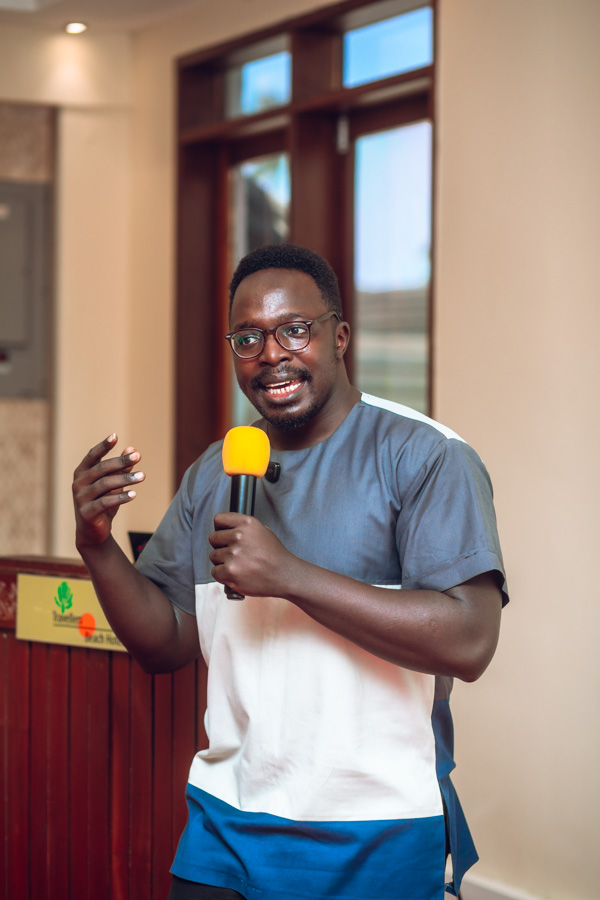
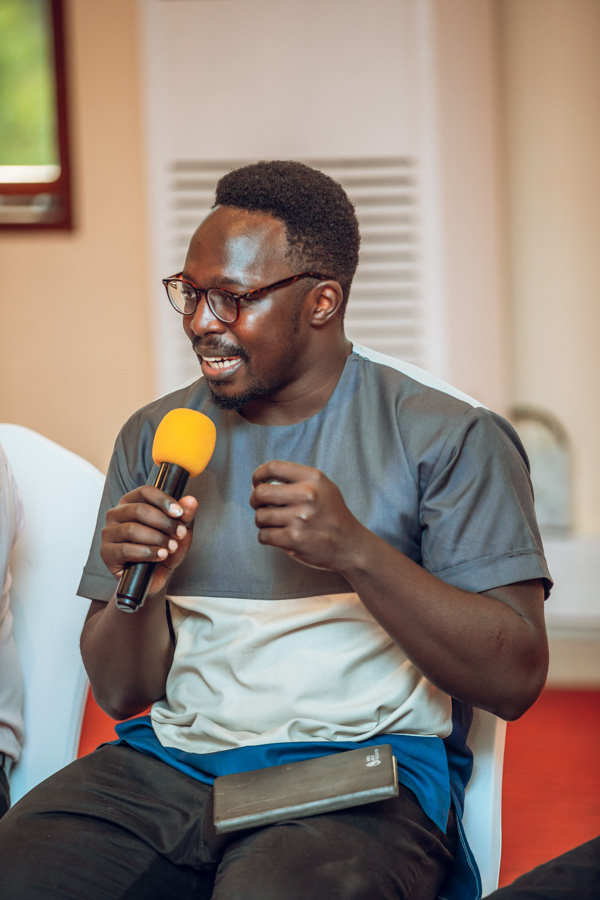
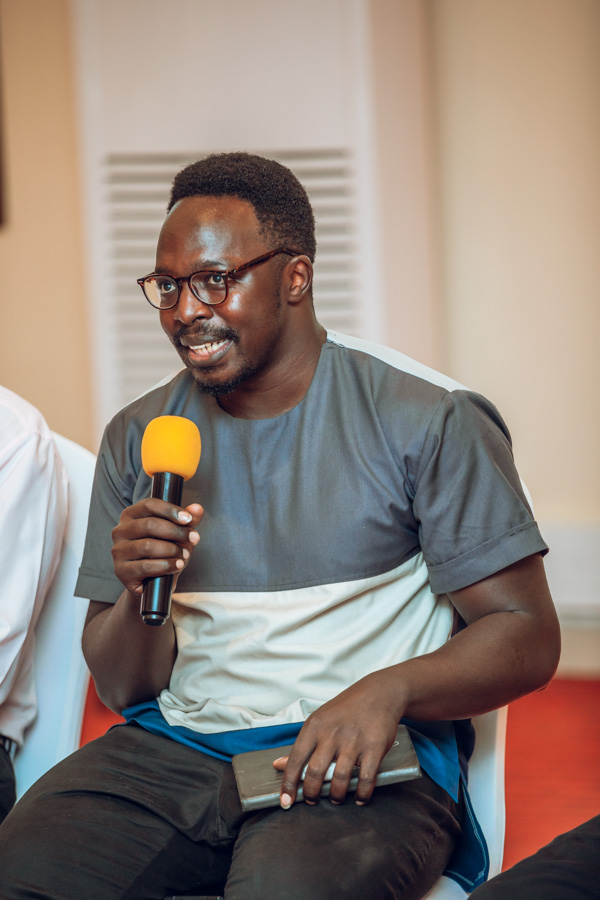
That was the central message delivered by Ogweno Stephen, a Kenyan health advocate and public health expert, during a two-day youth capacity building workshop organized by the United Nations Department of Economic and Social Affairs (UNDESA) and the Commonwealth Foundation. The workshop brought together youth entrepreneurs, community leaders, government representatives, and development partners to strengthen youth participation in sustainable development and community leadership.
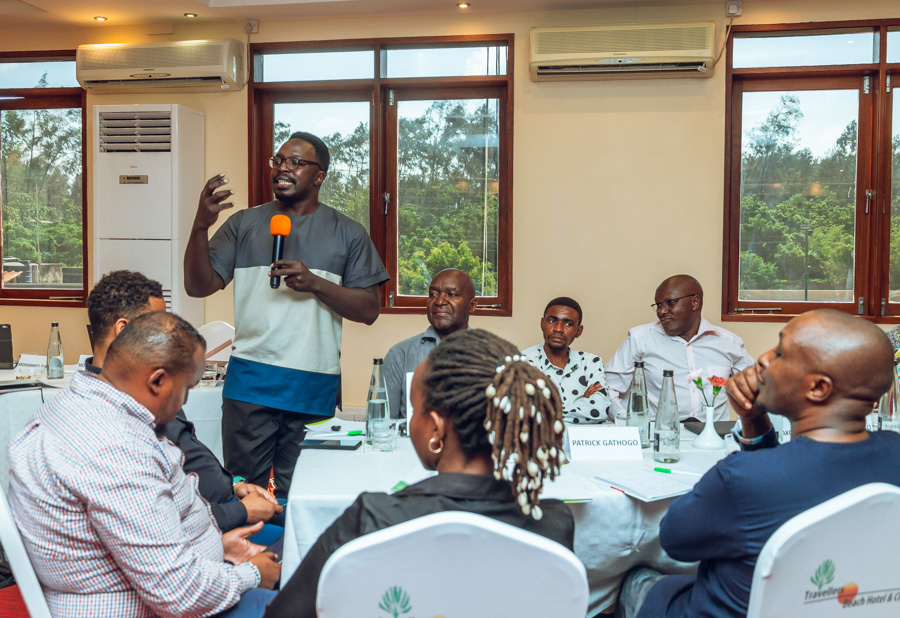
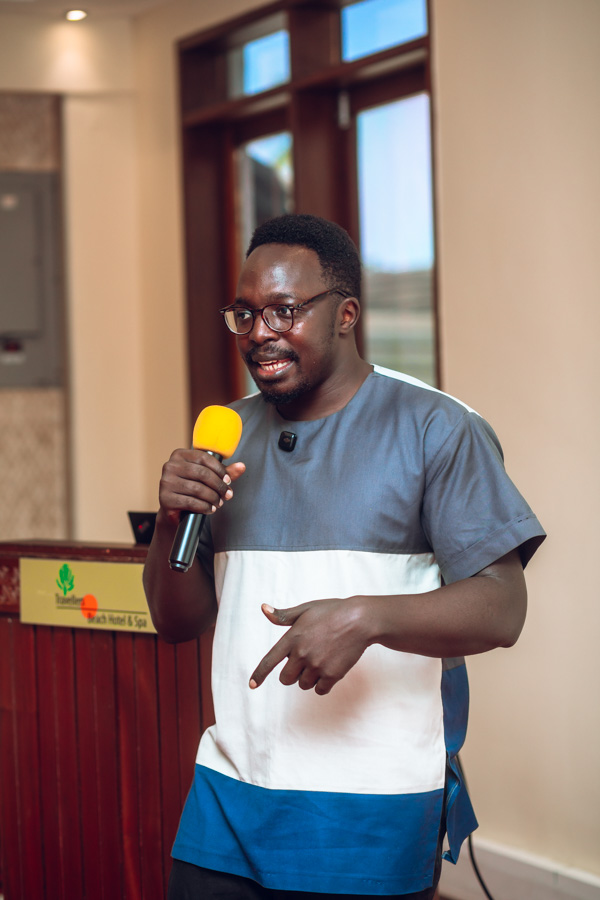
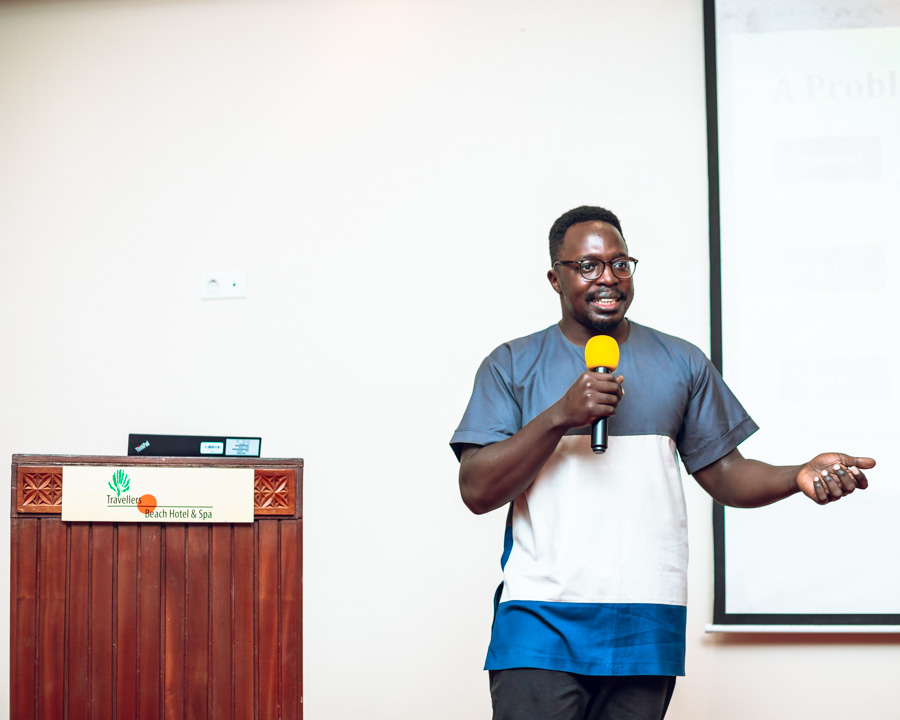
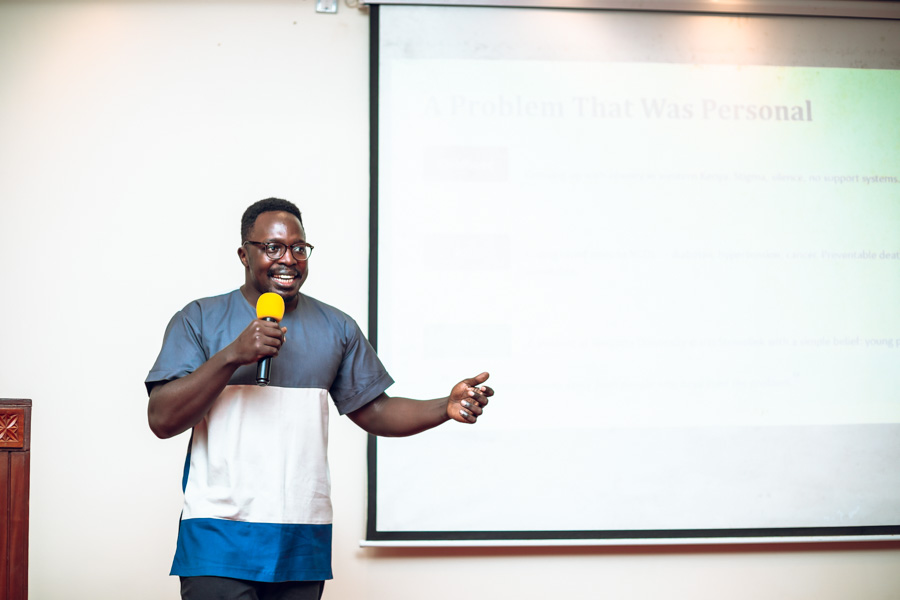
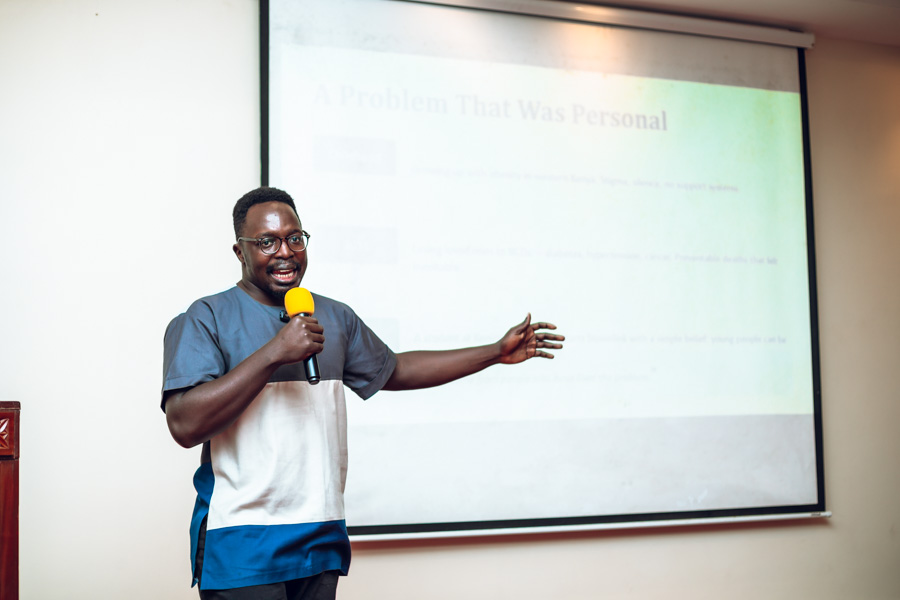
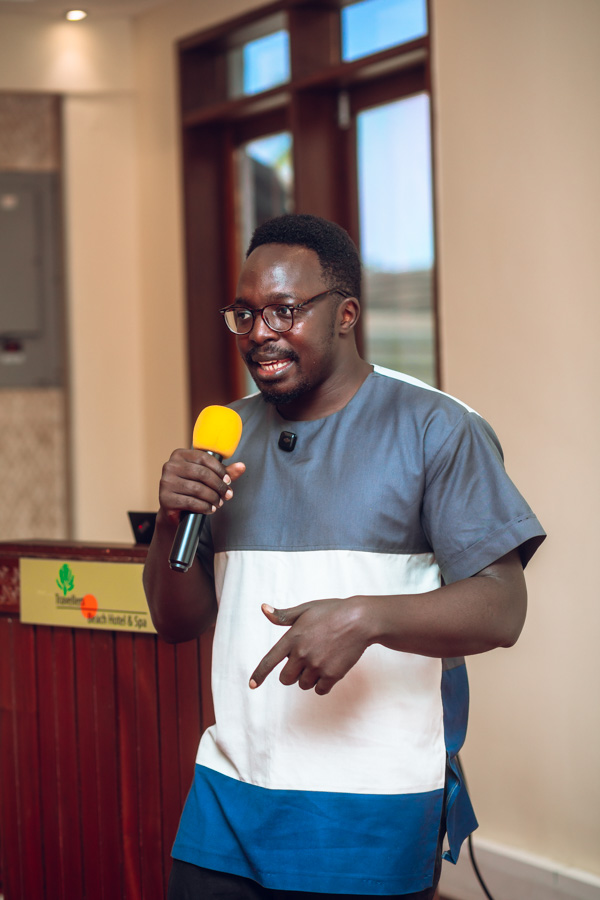
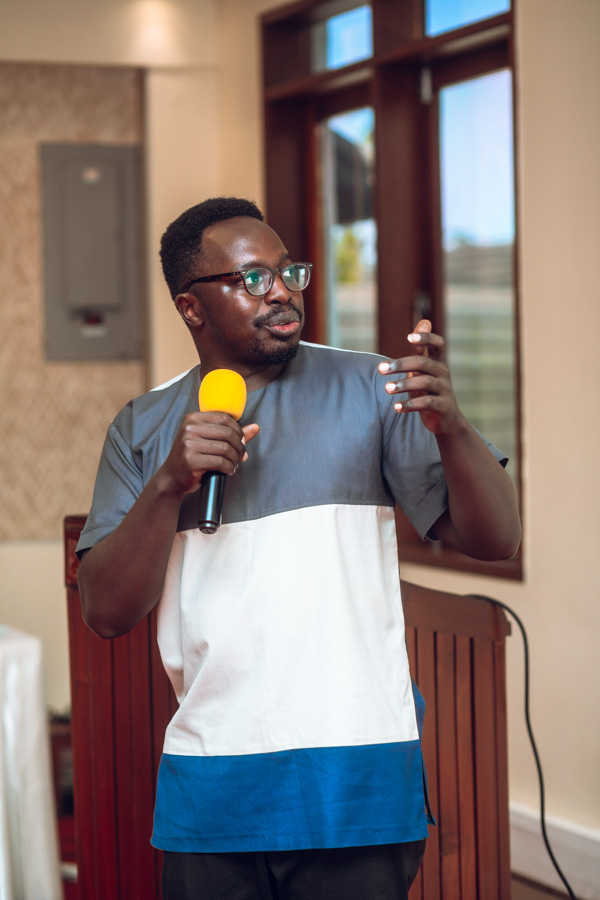
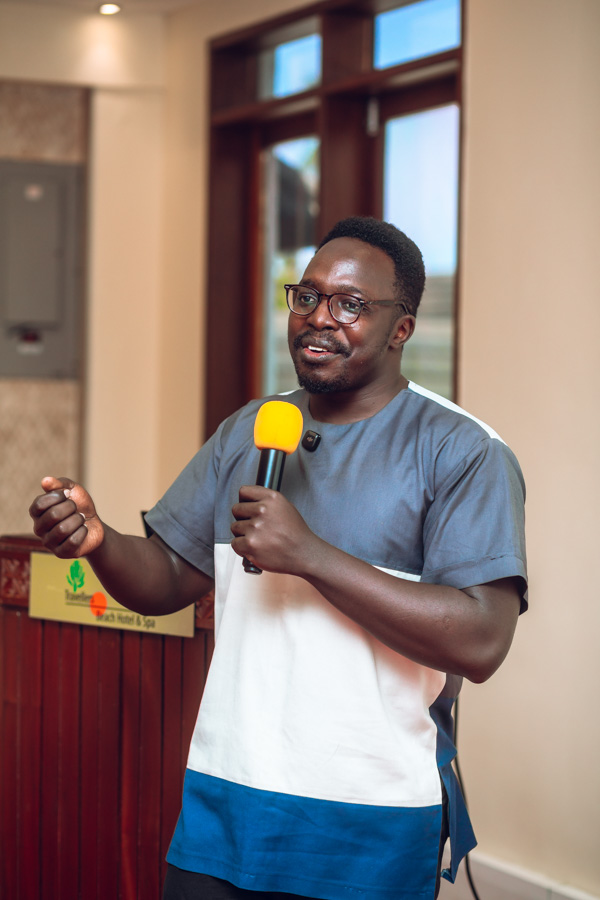
As one of the invited speakers, Ogweno Stephen shared practical lessons drawn from years of leading public health and community development initiatives across Africa through Stowelink Foundation.
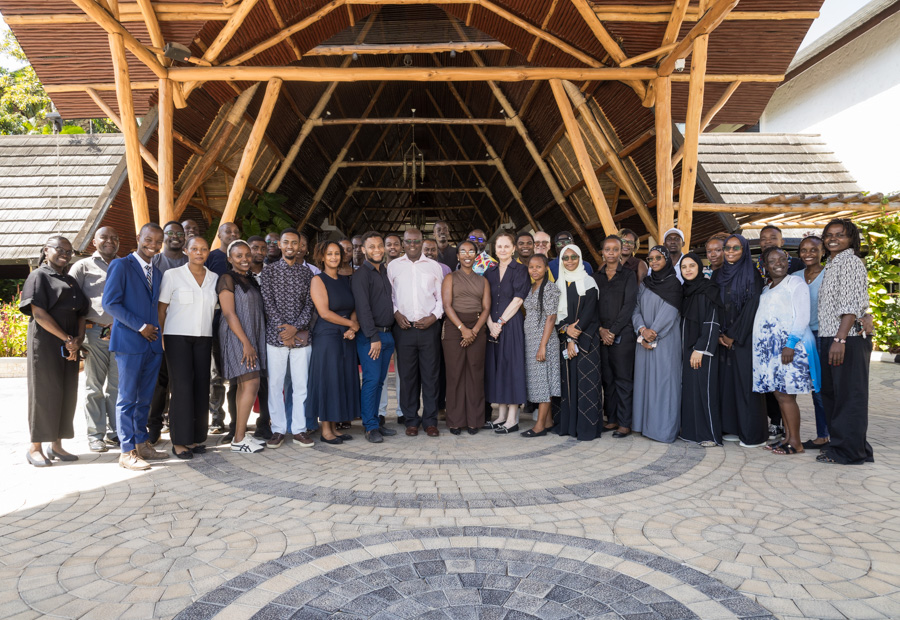
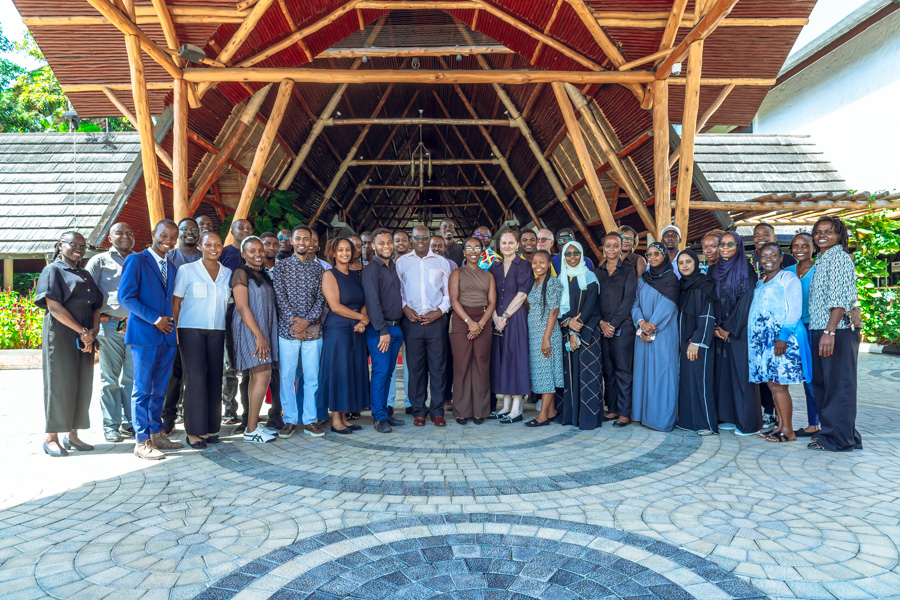
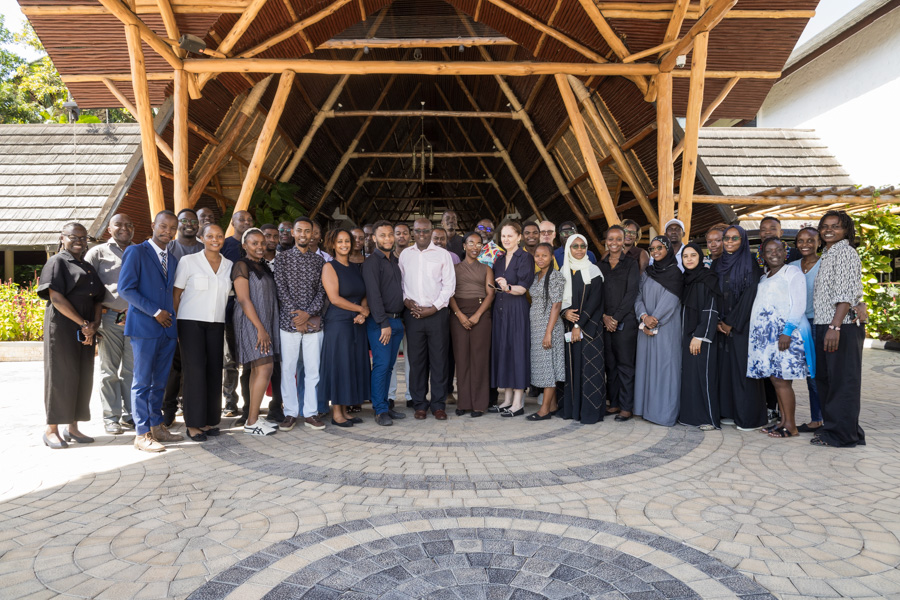
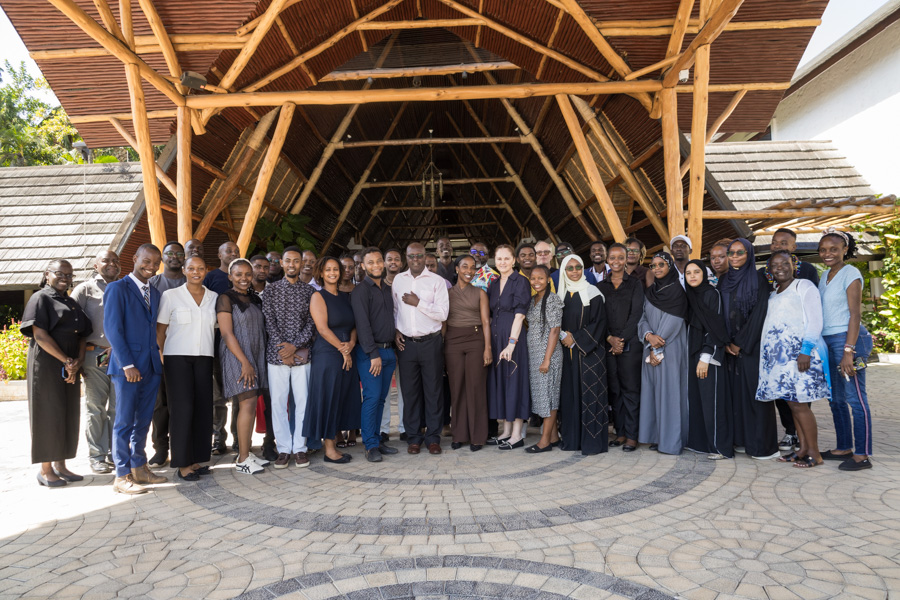
Recognizing the Power of Community Impact
During his presentation, Ogweno Stephen reflected on his journey as a Commonwealth Youth Awards recipient and explained how documenting community impact has played a defining role in his leadership journey.
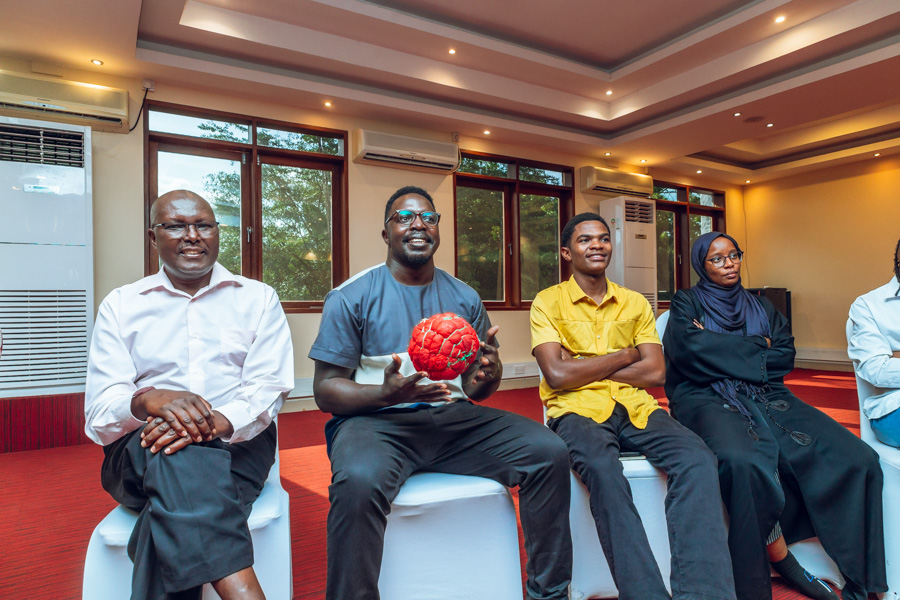
Speaking to a room filled with emerging youth leaders, he encouraged participants to think beyond implementing projects and instead focus on measuring the difference those projects make in people’s lives.
According to Ogweno Stephen, many impactful initiatives struggle to attract funding not because they lack value, but because they fail to capture evidence of their outcomes.
He challenged participants to ask simple but important questions.
Who benefited?
How many people were reached?
What changed because of the intervention?
What lessons can be shared with others?
These questions, he explained, transform a community activity into measurable evidence that can attract partnerships, influence policy, and unlock future opportunities.
Why Evidence Matters
Throughout the session, Ogweno Stephen emphasized that evidence is one of the strongest assets any organization can possess.
Whether applying for grants, approaching development partners, or engaging policymakers, documented results provide credibility.
Drawing from the experience of Stowelink Foundation, he demonstrated how consistent monitoring, evaluation, storytelling, and documentation have enabled the organization to expand its public health programmes, contribute to research, and influence conversations around non-communicable diseases (NCDs), digital health, obesity prevention, and youth leadership across Africa.
For many participants, the presentation offered practical strategies they could immediately apply within their own organizations.

Making Grant Applications Stronger
One of the recurring themes during Ogweno Stephen’s presentation was that successful grant applications rarely begin when a funding opportunity is announced.
Instead, they begin long before, through consistent documentation.
He encouraged participants to maintain organized records of their projects, photographs, beneficiary stories, evaluation reports, financial accountability, partnerships, and measurable outcomes.
When evidence already exists, writing grant proposals becomes significantly easier because organizations can demonstrate proven impact rather than relying only on future plans.
This practical advice resonated strongly with youth entrepreneurs and community organizations seeking to grow their initiatives.

Learning from Stowelink Foundation
Ogweno Stephen also offered participants an inside look at how Stowelink Foundation documents its work.
From community health campaigns and youth engagement programmes to research publications and policy advocacy, the organization has developed systems that capture both quantitative results and human stories.
These records have strengthened collaborations with governments, multilateral organizations, academic institutions, and global health partners while supporting advocacy efforts around non-communicable diseases, health equity, digital innovation, and community-led development.
The session highlighted that documentation is not simply an administrative exercise. It is an investment in sustainability.
Building the Next Generation of African Leaders
The workshop reflected a growing commitment by UNDESA and the Commonwealth Foundation to strengthen youth leadership and build the capacity of young people to contribute meaningfully to sustainable development. Capacity building remains a central part of youth development efforts across the United Nations system and the Commonwealth.
For Ogweno Stephen, investing in young leaders is one of the most effective ways to accelerate community transformation.
His message throughout the session remained consistent.
Communities change when young people are equipped with knowledge.
Organizations grow when they measure their impact.
Funding becomes more accessible when evidence is available.
And sustainable development becomes possible when leadership is backed by action and accountability.
As a Kenyan health advocate, researcher, and global public health leader, Ogweno Stephen continues to champion the importance of empowering young people with practical skills that strengthen organizations, improve health outcomes, and create lasting impact across Kenya and Africa.






Leave a Reply