Ogweno Stephen Continues Championing Youth Leadership Through Innovation and Capacity Building
Strong ideas can change communities, but turning those ideas into sustainable organizations requires the right skills, partnerships, and investment.
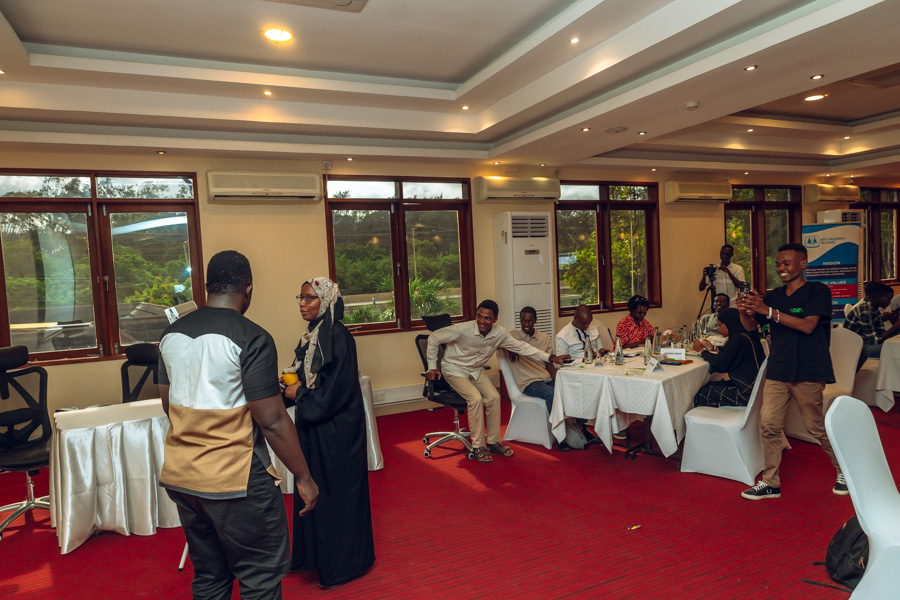
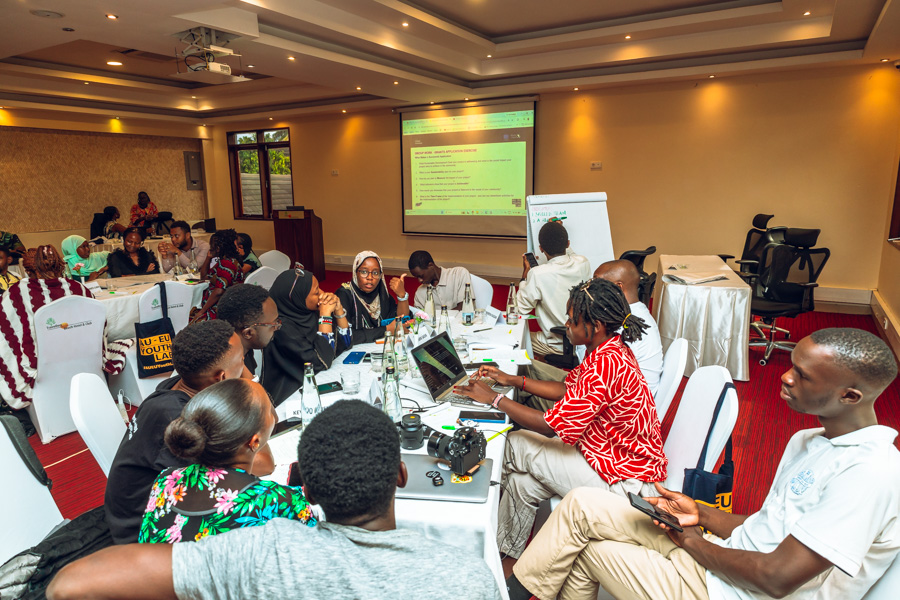
That was one of the key lessons from the second day of the United Nations Department of Economic and Social Affairs (UNDESA) youth capacity building programme, where Ogweno Stephen, a Kenyan health advocate, public health expert, and youth leader, joined fellow changemakers in the AU-EU Youth Lab to strengthen their knowledge on entrepreneurship, innovation, and youth-led development.
The AU-EU Youth Lab, an initiative of the African Union and European Union, focuses on empowering young people through capacity building, mentorship, funding opportunities, and stronger participation in development and policy processes across Africa and Europe.
For Ogweno Stephen, the session reinforced an important reality. Great community initiatives do not succeed because of passion alone. They succeed when leaders are equipped to transform ideas into sustainable solutions.
From Ideas to Investment
Throughout the day, participants explored the journey from identifying a community challenge to developing an investable solution.
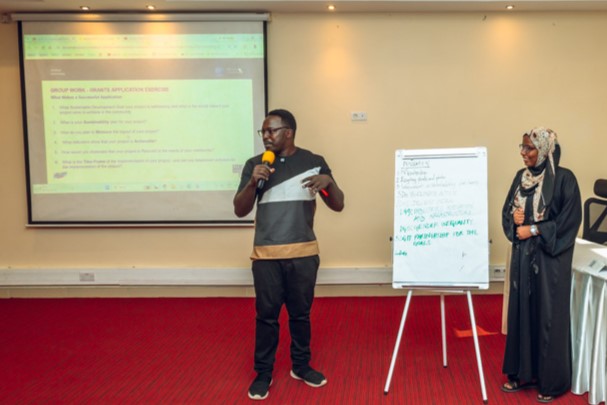
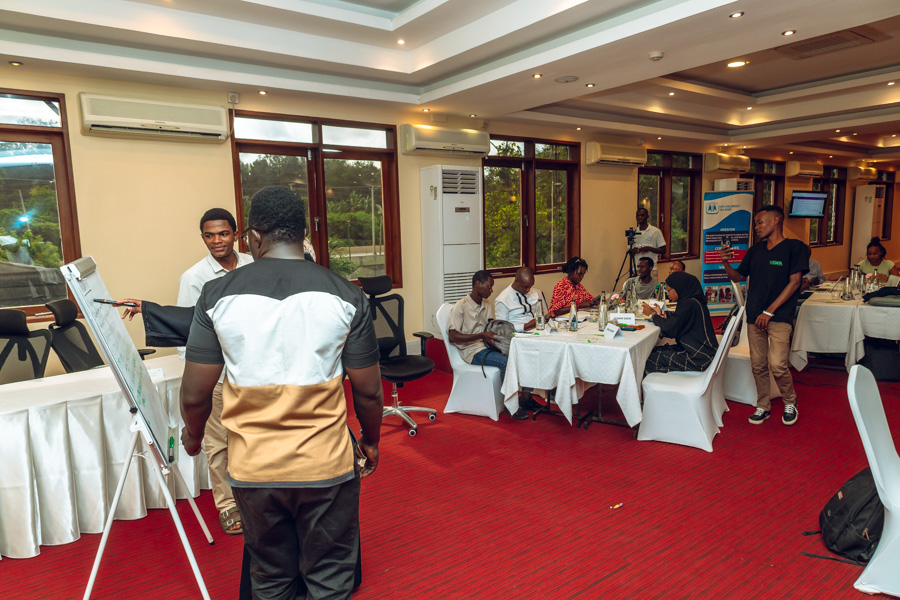
Working within the entrepreneurship track, Ogweno Stephen engaged in discussions on how youth-led organizations, startups, and social enterprises can become investment ready.
The sessions focused on practical areas that many young entrepreneurs struggle with, including refining business ideas, demonstrating measurable impact, building sustainable business models, understanding investor expectations, and preparing organizations for grants and long-term financing.
These conversations aligned closely with Stephen’s own experience leading Stowelink Foundation and Lifesten Health, where evidence, innovation, and measurable impact have been central to organizational growth.
Building Organizations That Investors Can Trust
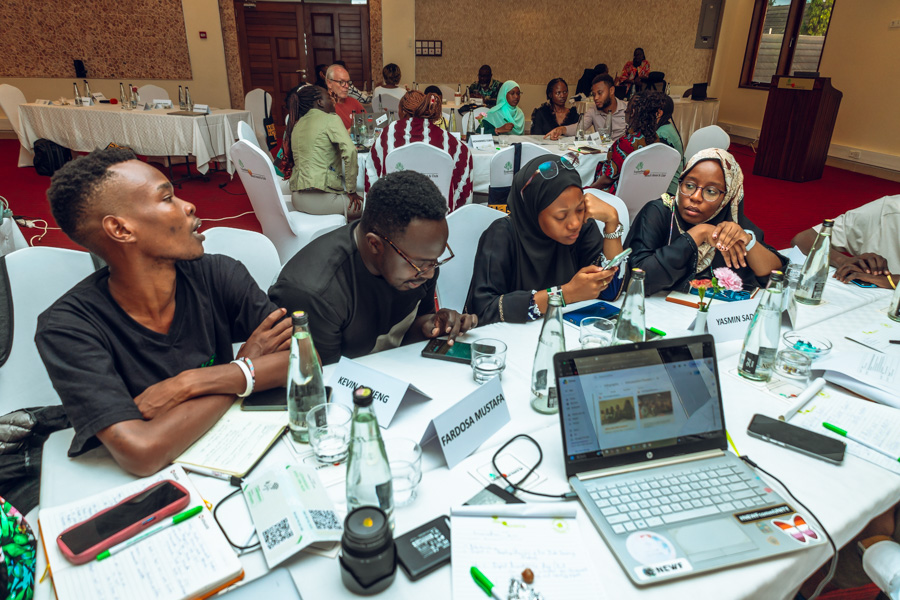
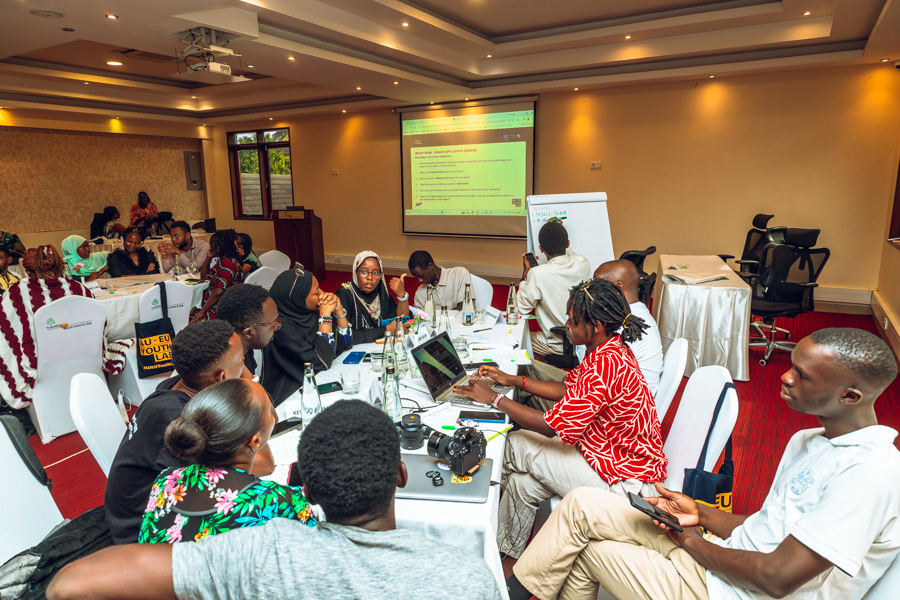
One of the strongest themes emerging from the AU-EU Youth Lab was investor readiness.
Participants explored what development partners, grant makers, philanthropic organizations, and impact investors look for before committing resources to youth-led initiatives.
For Ogweno Stephen, these discussions reflected lessons learned throughout his own journey securing partnerships for public health programmes addressing non-communicable diseases (NCDs), digital health innovation, obesity prevention, and youth empowerment.
Investor readiness extends beyond having a compelling idea.
It requires clear governance structures, financial accountability, measurable outcomes, strong leadership, and the ability to demonstrate long-term sustainability.
These principles are increasingly important as African youth organizations seek to scale solutions that improve health, education, entrepreneurship, and community development.
Strengthening Youth Entrepreneurship Across Africa
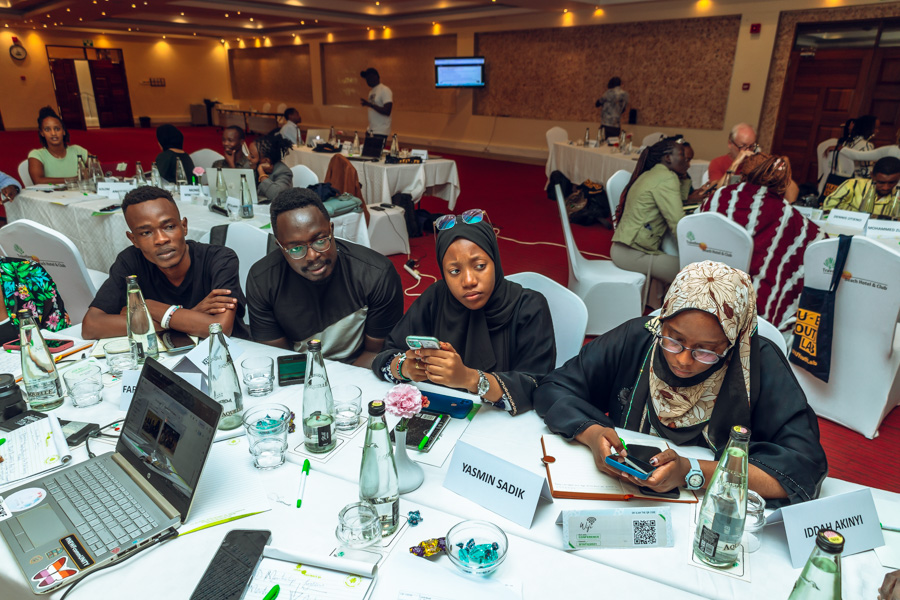
The AU-EU Youth Lab continues to provide practical support for young innovators through mentorship, capacity building, networking, and funding opportunities designed to strengthen youth-led initiatives across participating African countries and the European Union.
For Ogweno Stephen, strengthening entrepreneurship is also about strengthening communities.
Whether building a startup, leading a nonprofit organization, or launching a social enterprise, young leaders need access to knowledge, financing, partnerships, and supportive ecosystems that allow innovative ideas to grow into sustainable impact.
His participation in the entrepreneurship working group reflected his ongoing commitment to equipping young people with practical tools that move projects from concept to implementation.
“The most powerful ideas are those that are backed by evidence, strengthened by partnerships, and built to create lasting impact.”
Capturing Stories That Create Change
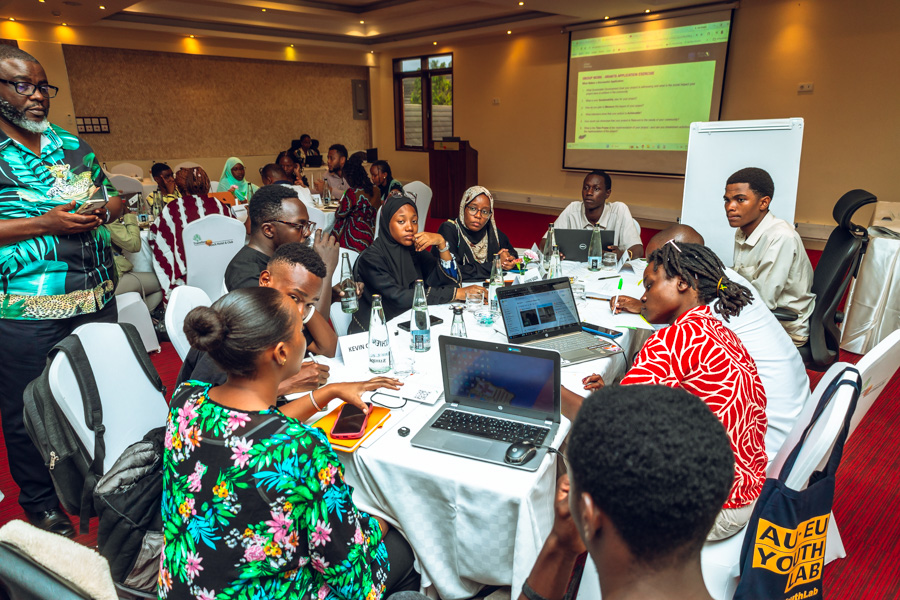
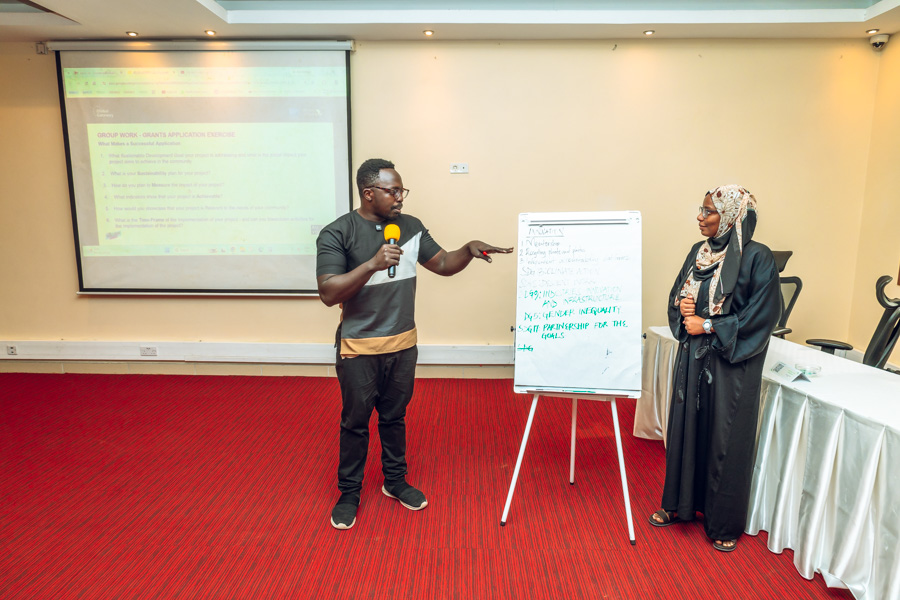
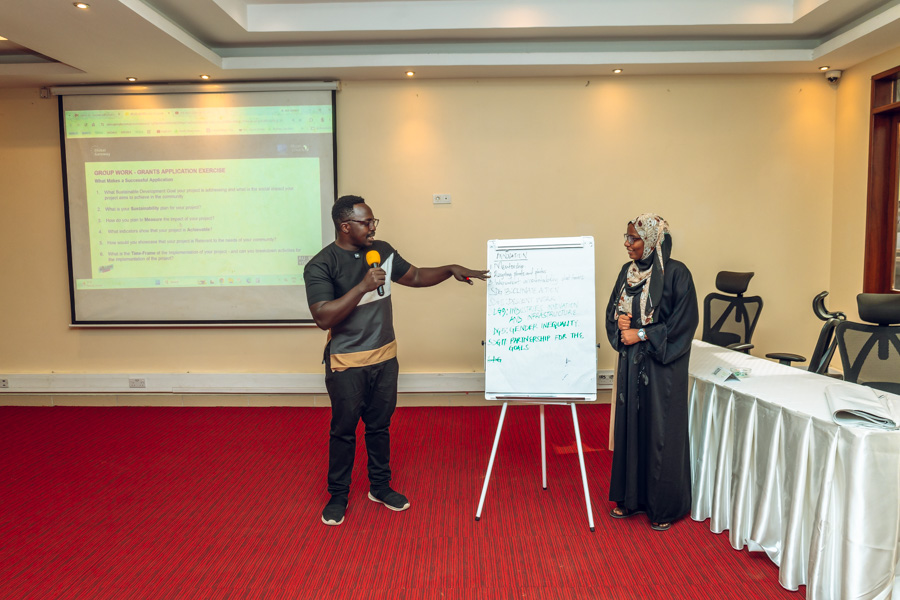
The second day also included a photography for impact workshop, where participants explored how visual storytelling can strengthen advocacy and community engagement.
The workshop demonstrated that photographs do far more than document events.
They preserve lived experiences, communicate complex challenges, inspire action, and help organizations demonstrate their impact to communities, policymakers, donors, and development partners.
For a public health advocate like Ogweno Stephen, storytelling remains an essential part of creating change.
Whether documenting community health outreach, youth leadership programmes, research activities, or advocacy campaigns, authentic images help connect people to the human stories behind the statistics.
Combined with strong evidence, visual storytelling becomes a powerful tool for influencing policy, attracting partnerships, and mobilizing communities around shared goals.
Investing in the Next Generation of African Leaders
Capacity building remains one of the most important investments in Africa’s future.
By bringing together young entrepreneurs, community leaders, policymakers, and development partners, the UNDESA capacity building programme and the AU-EU Youth Lab continue to create spaces where collaboration, innovation, and leadership can flourish.
For Ogweno Stephen, every opportunity to learn is also an opportunity to strengthen the work being carried out through Stowelink Foundation and Lifesten Health.
The knowledge gained from investor readiness, entrepreneurship, and impact storytelling will continue to shape initiatives that advance public health, support young innovators, and strengthen responses to non-communicable diseases across Kenya and Africa.
As a Kenyan health advocate and systems thinker, Stephen believes that sustainable development begins by investing in young people who are equipped not only with ideas, but with the skills, partnerships, and evidence needed to turn those ideas into lasting change.


Leave a Reply