
Kajiado County holds a special place in the history of Amref Health Africa. More than six decades ago, the organization’s early mobile medical services reached remote communities in Kajiado and neighboring Narok, laying the foundation for what has become Africa’s largest indigenous health development organization.
Returning to Kajiado as a member of the Amref Health Africa Board was therefore more than a field visit for Ogweno Stephen, a Kenyan health advocate, public health expert, and researcher. It was an opportunity to see how decades of partnership between communities, county governments, and Amref continue to strengthen primary healthcare through locally led solutions.
The annual board field visit brought together board members, county leaders, healthcare workers, community champions, and beneficiaries to showcase how integrated programmes are improving health outcomes across Kajiado County.
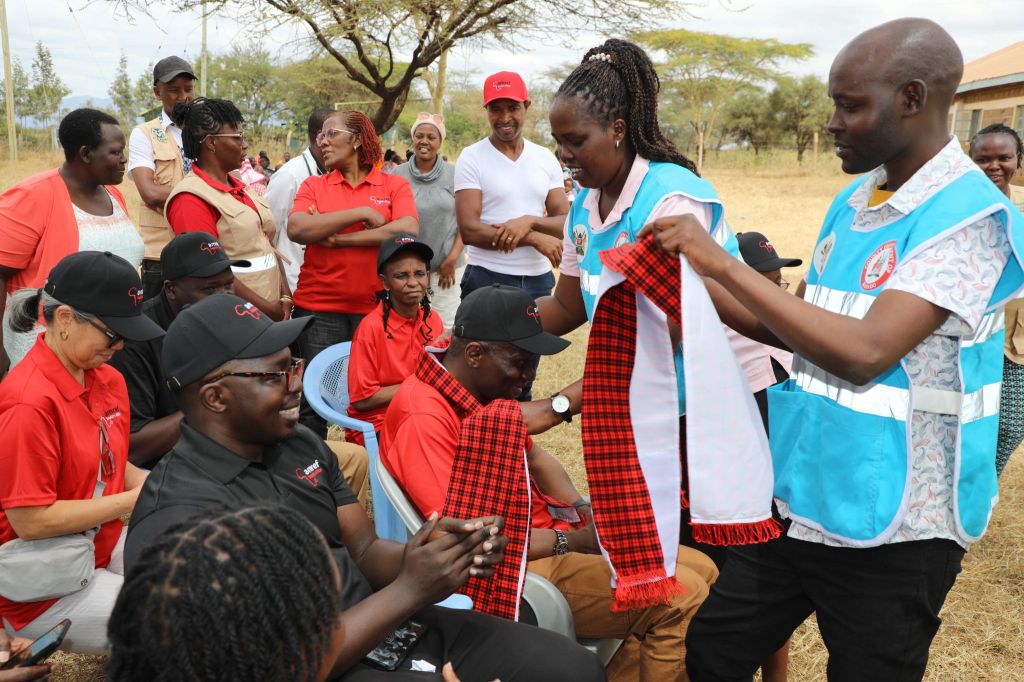
A Partnership Rooted in Community Leadership
The visit began at the Office of the Governor of Kajiado County, where county leadership and Amref teams presented the long-standing partnership between the county government and Amref Health Africa.
The discussions highlighted how collaboration has strengthened healthcare delivery through investments in primary healthcare, community health systems, water and sanitation, disease prevention, and community engagement.
For Ogweno Stephen, the opening session reinforced an important lesson.
Sustainable health systems are built through partnerships that place communities at the centre of decision making.
“Strong health systems are created when governments, communities, and development partners work together with a shared purpose.”
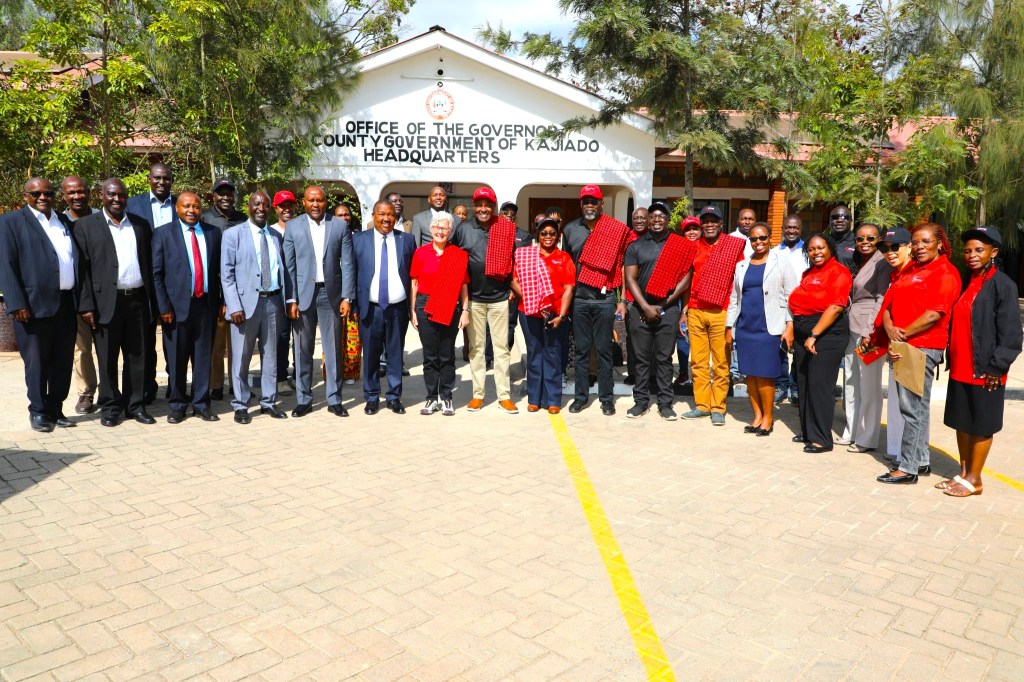
Young TB Champions Are Changing the Story
The first field visit took the board to Kajiado County Referral Hospital, where they learned about tuberculosis programmes delivered through collaboration between the Ministry of Health, Amref Health Africa, and Kenya’s National Tuberculosis, Leprosy and Lung Disease Programme.
Board members toured the facility and engaged with the County Health Management Team, Community Health Promoters, healthcare workers, and programme beneficiaries.
For Ogweno Stephen, one of the most inspiring moments came from meeting young tuberculosis champions who are working alongside county health teams to increase awareness, reduce stigma, and encourage early diagnosis and treatment.
Their leadership demonstrated that ending tuberculosis requires more than medicines.
It requires trusted voices within communities who can educate, support, and encourage people to seek care.
As a public health advocate whose work has focused on strengthening responses to non-communicable diseases, Stephen reflected on how community champions remain equally important across every area of public health.
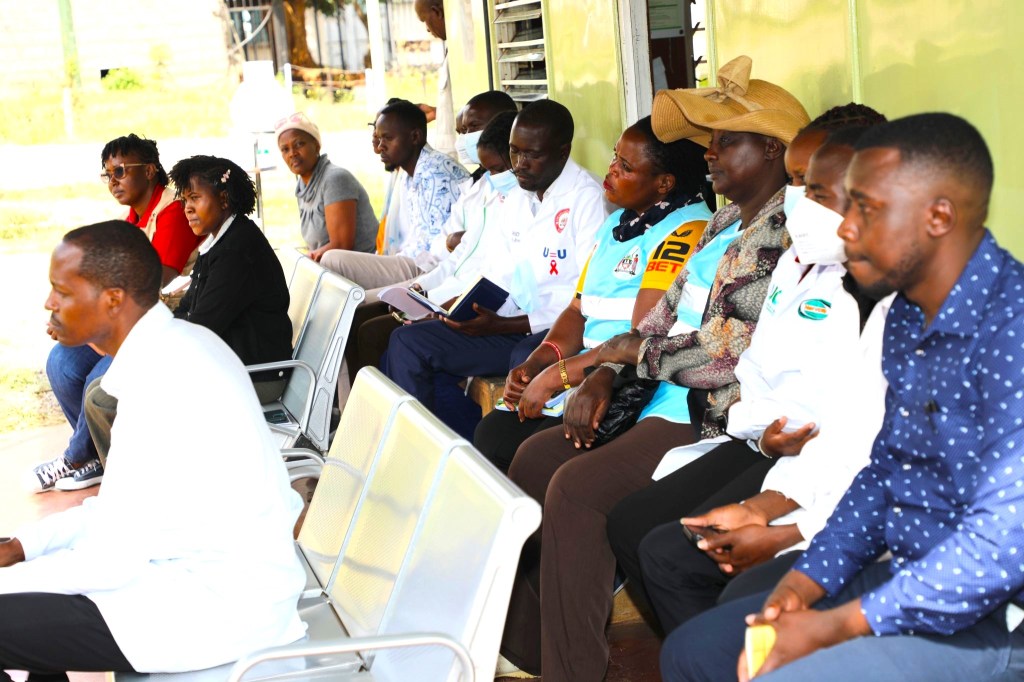
One Health in Action
The next stop showcased Amref’s integrated One Health approach, bringing together human health professionals, veterinary officers, and environmental experts during a joint outreach programme.
The visit demonstrated how diseases affecting people, animals, and the environment are interconnected.
One example that stood out was community-led dog vaccination against rabies.
Dog owners receive vaccination certificates after their animals are immunized, helping reduce rabies transmission while protecting both families and livestock.
For Ogweno Stephen, the experience highlighted how prevention begins long before patients arrive at health facilities.
Integrated approaches create healthier communities by addressing health risks before they become public health emergencies.
Technology Is Transforming Access to Clean Water
The board later visited the Kumpa WaterStarters Project, an innovative initiative that combines local entrepreneurship, blended financing, smart technologies, and community ownership to deliver sustainable water services. WaterStarters was established through a partnership involving Amref Health Africa and MegaGroup to improve access to safe water in Kenya.
The project uses smart metering technology and locally managed enterprise models to provide reliable, affordable, and clean water while supporting long-term sustainability.
Community members explained how the borehole has transformed daily life by bringing clean water much closer to households and significantly reducing the cost of accessing water compared to previous sources.
The visit also included the Kumpa demonstration farm, where climate-smart irrigation supports local livelihoods while demonstrating the connection between water security, food production, and community resilience.
For Ogweno Stephen, the project illustrated how innovation becomes most powerful when communities themselves own and manage the solution.
Using Data to Strengthen Primary Healthcare
At Kumpa Dispensary, the board met Community Health Promoters and county health teams who demonstrated how community health data is collected and used to guide decision making.
Health indicators are helping local teams identify priority health needs, monitor service delivery, and strengthen the connection between households and healthcare facilities.
For a researcher and digital health entrepreneur like Ogweno Stephen, this was a powerful reminder that data is not simply collected for reporting.
When used effectively, it becomes a tool that improves planning, resource allocation, and patient care.
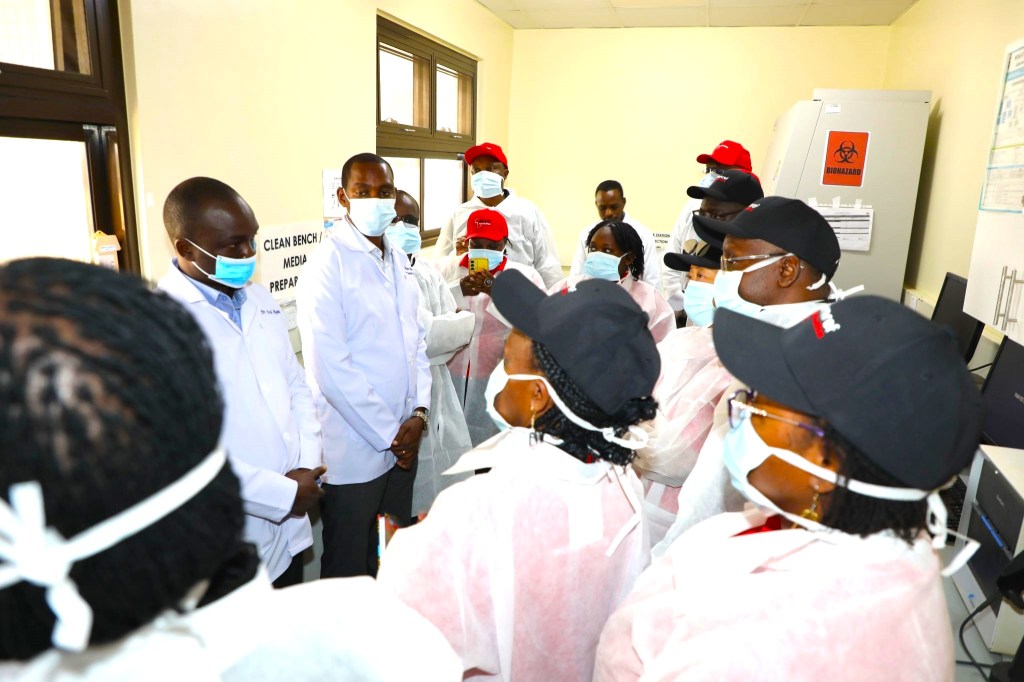
Communities Leading the End of FGM
The final visit focused on integrated health promotion programmes that combine sexual and reproductive health, water and sanitation, and community engagement to address harmful practices including female genital mutilation, child marriage, and teenage pregnancy.
Board members met government gender officers, community champions, former cutters, and young beneficiaries who are helping promote Alternative Rites of Passage.
Rather than imposing change from outside, the programme works alongside communities to preserve cultural identity while protecting the rights, health, and future of girls.
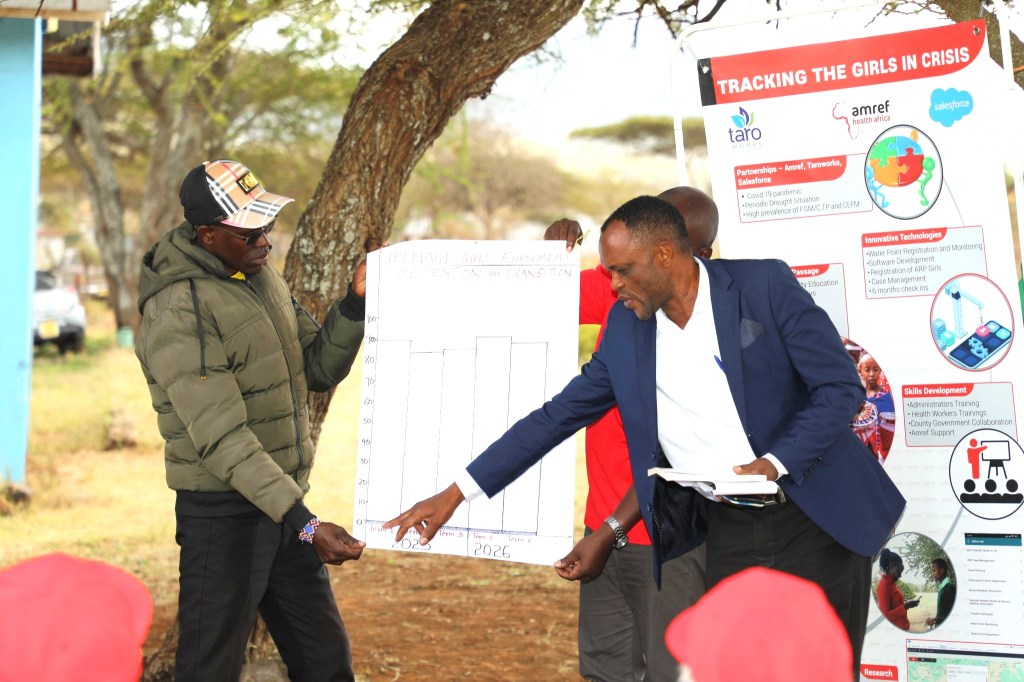
For Ogweno Stephen, witnessing respected community members championing this transition demonstrated that sustainable social change happens when communities become leaders of the solution.
A Reminder That Lasting Health Change Starts in Communities
Reflecting on the field visit, Ogweno Stephen described Kajiado as a living example of what happens when innovation, evidence, community ownership, and partnership come together.
Whether supporting tuberculosis champions, strengthening One Health systems, expanding access to clean water, using health data to improve primary care, or protecting girls through community-led initiatives, every programme shared one common principle.
Communities are not passive beneficiaries.
They are active partners in creating healthier futures.
As Ogweno Stephen continues serving on the Amref Health Africa Board, experiences like the Kajiado field visit reinforce his commitment to advancing equitable health systems, supporting community-led innovation, and strengthening solutions that improve lives across Kenya and the African continent.


Leave a Reply