
There is a common misconception that healthcare begins at the hospital.
In reality, it often begins much earlier.
It begins with a knock on a family’s door. A conversation under a tree. A home visit. A health education session. A referral made before illness becomes an emergency.
It begins with a Community Health Worker.
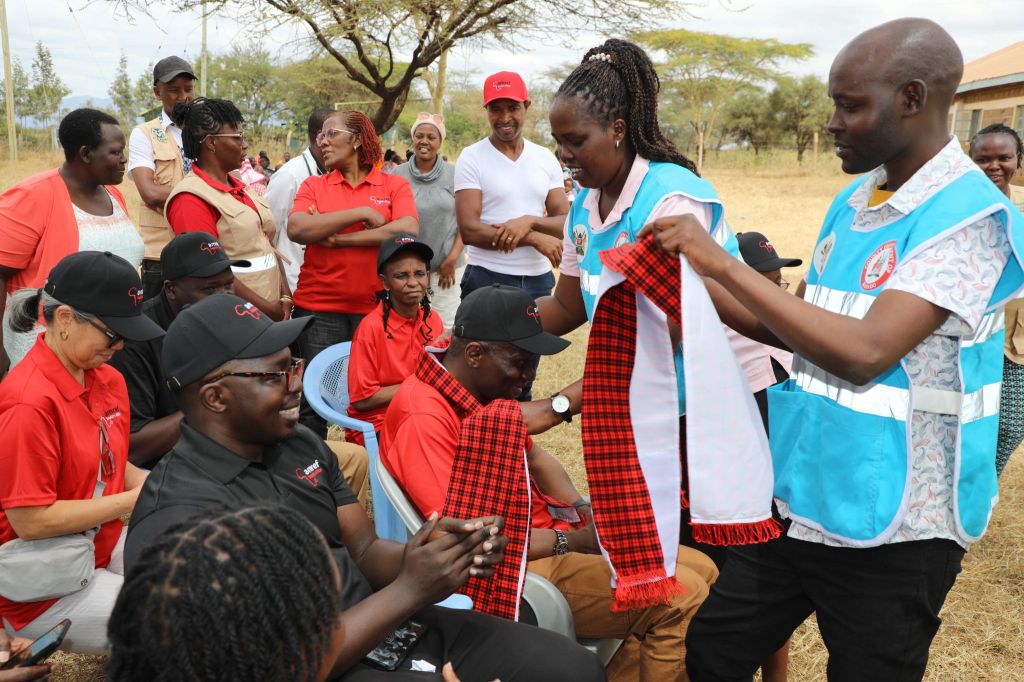
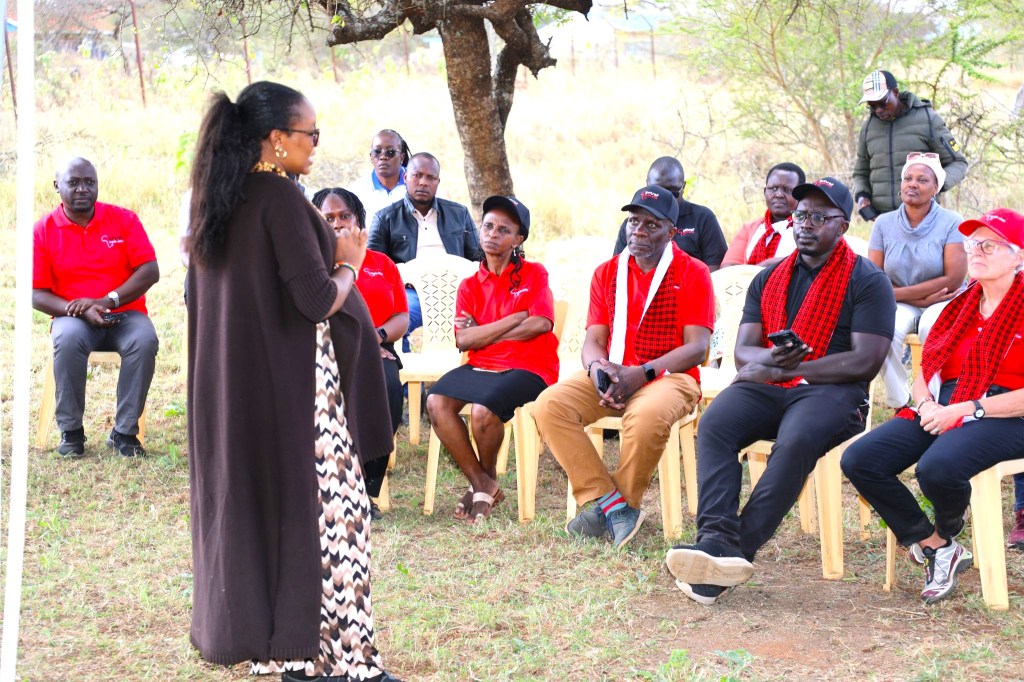
During the recent Amref Health Africa Board field visit to Kajiado County, Ogweno Stephen, a Kenyan health advocate and public health expert, witnessed firsthand why Community Health Workers, now officially known in Kenya as Community Health Promoters (CHPs), remain the foundation of a resilient health system.
Across every programme visited, one message became impossible to ignore.
No matter how innovative the technology, how modern the facility, or how strong the policy, lasting health outcomes depend on trusted people working directly within communities.
The First Point of Care
For many families living in rural Kenya, Community Health Promoters are the first interaction they have with the health system.
They educate mothers on maternal and child health.
They encourage families to vaccinate their children.
They identify early signs of disease.
They support people living with chronic illnesses.
They refer patients before complications develop.
They follow up after treatment.
They build trust where formal healthcare services cannot always reach.
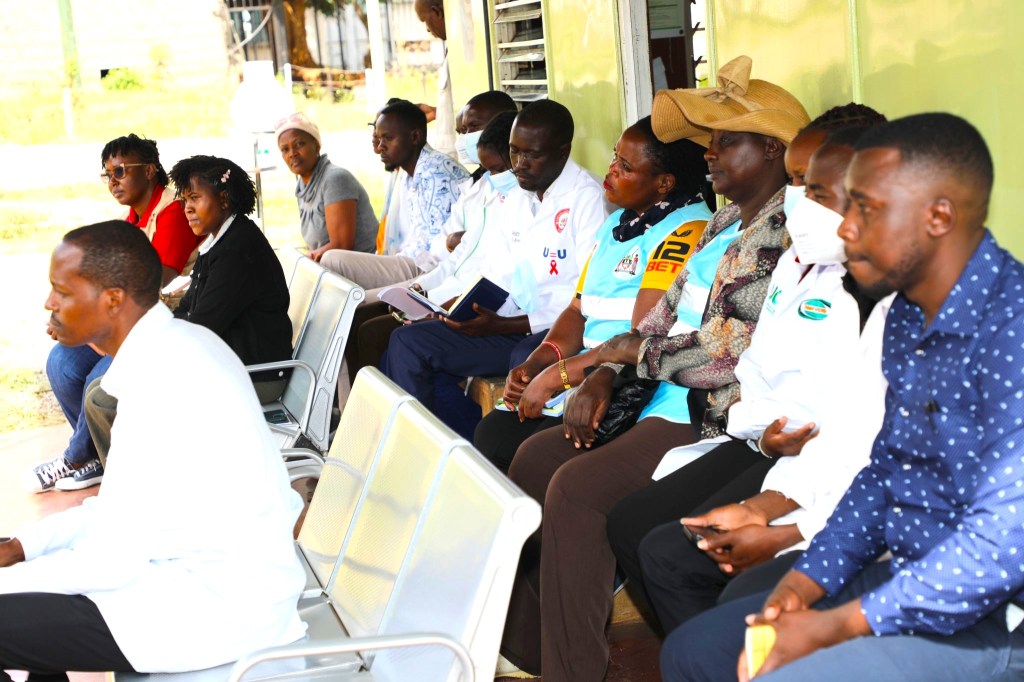
During the visit to Kumpa Dispensary, Ogweno Stephen interacted with Community Health Promoters who demonstrated how they collect household data, monitor health indicators, promote preventive healthcare, and connect families to health facilities.
It was a reminder that primary healthcare is not simply about treating illness.
It is about preventing illness before it happens.
Data Starts in the Community
One of the strongest impressions from the visit was how Community Health Promoters use data to improve decision making.
Every household visit contributes valuable information that helps county health teams understand disease patterns, identify vulnerable populations, and plan services more effectively.
This community-generated data influences everything from vaccination campaigns to maternal health programmes and disease surveillance.
For Ogweno Stephen, whose work spans digital health and public health systems, the experience reinforced an important lesson.
Technology does not replace Community Health Workers.
Technology makes their work even more powerful.
When digital tools are combined with trusted community relationships, healthcare becomes more responsive, more equitable, and more efficient.
Community Trust Cannot Be Built Overnight
Throughout the board visit, Community Health Promoters appeared in almost every programme.
They supported tuberculosis screening.
They participated in health promotion.
They strengthened referral pathways.
They contributed to maternal and child health.
They helped communities understand water, sanitation, and hygiene practices.
They connected households to government services.
Most importantly, they had something that no technology can manufacture.
Trust.
Community members know them.
Families welcome them into their homes.
Young people seek their advice.
Older people rely on them.
That trust makes Community Health Promoters one of the most valuable investments in Kenya’s health system.
Community Health Is the Foundation of Disease Prevention
While Ogweno Stephen has spent much of his career advocating for stronger responses to non-communicable diseases (NCDs) such as obesity, diabetes, hypertension, and cardiovascular disease, the Kajiado visit demonstrated that Community Health Promoters are equally essential in preventing these conditions.
They encourage healthy lifestyles.
They educate families about nutrition.
They identify risk factors early.
They support treatment adherence.
They connect communities to screening programmes.
As Kenya faces a growing burden of non-communicable diseases alongside infectious diseases, strengthening community health systems has never been more important.
Hospitals will always play an essential role.
But healthier communities begin long before someone reaches a hospital bed.
The Future of Primary Healthcare Lives in Communities
The Kajiado field visit also showed that Community Health Promoters do not work in isolation.
They collaborate with county governments, healthcare workers, veterinarians, environmental officers, community leaders, and development partners such as Amref Health Africa.
Together, they create a health system that reaches people where they live rather than waiting for them to seek care.
This integrated approach is exactly what primary healthcare was designed to achieve.
Accessible care.
Preventive care.
Community-led care.
For Ogweno Stephen, the experience strengthened a belief that has guided much of his work as a Kenyan health advocate.
Investing in hospitals is important.
Investing in medicines is necessary.
But investing in the people who bring healthcare directly into communities may be the most important investment of all.
Recognizing Kenya’s Quiet Health Heroes
Community Health Promoters rarely make headlines.
Their work often happens far from conference halls, policy meetings, and national celebrations.
Yet every day, they prevent disease, promote healthier behaviours, support families through difficult moments, and strengthen Kenya’s primary healthcare system one household at a time.
The Amref Health Africa field visit served as a powerful reminder that the future of healthcare will not be built only in hospitals or laboratories.
It will also be built by thousands of Community Health Promoters walking from home to home, carrying knowledge, trust, and hope into the communities they serve.
For Ogweno Stephen, they are not simply part of the health system.
They are its strongest foundation.


Leave a Reply