
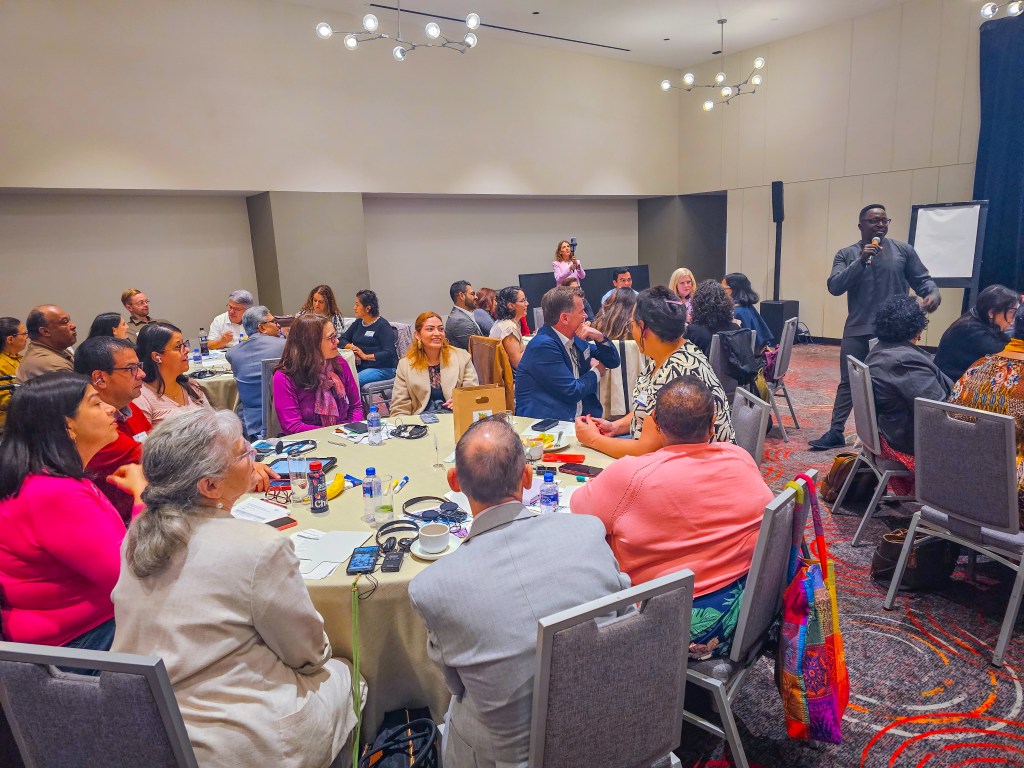
Before the scientific sessions of the International Congress on Obesity (ICO) 2026 began in Mexico City, hundreds of obesity advocates, researchers, clinicians, policymakers, and people living with obesity gathered for an event that placed one voice at the centre of the global conversation: the voice of lived experience.
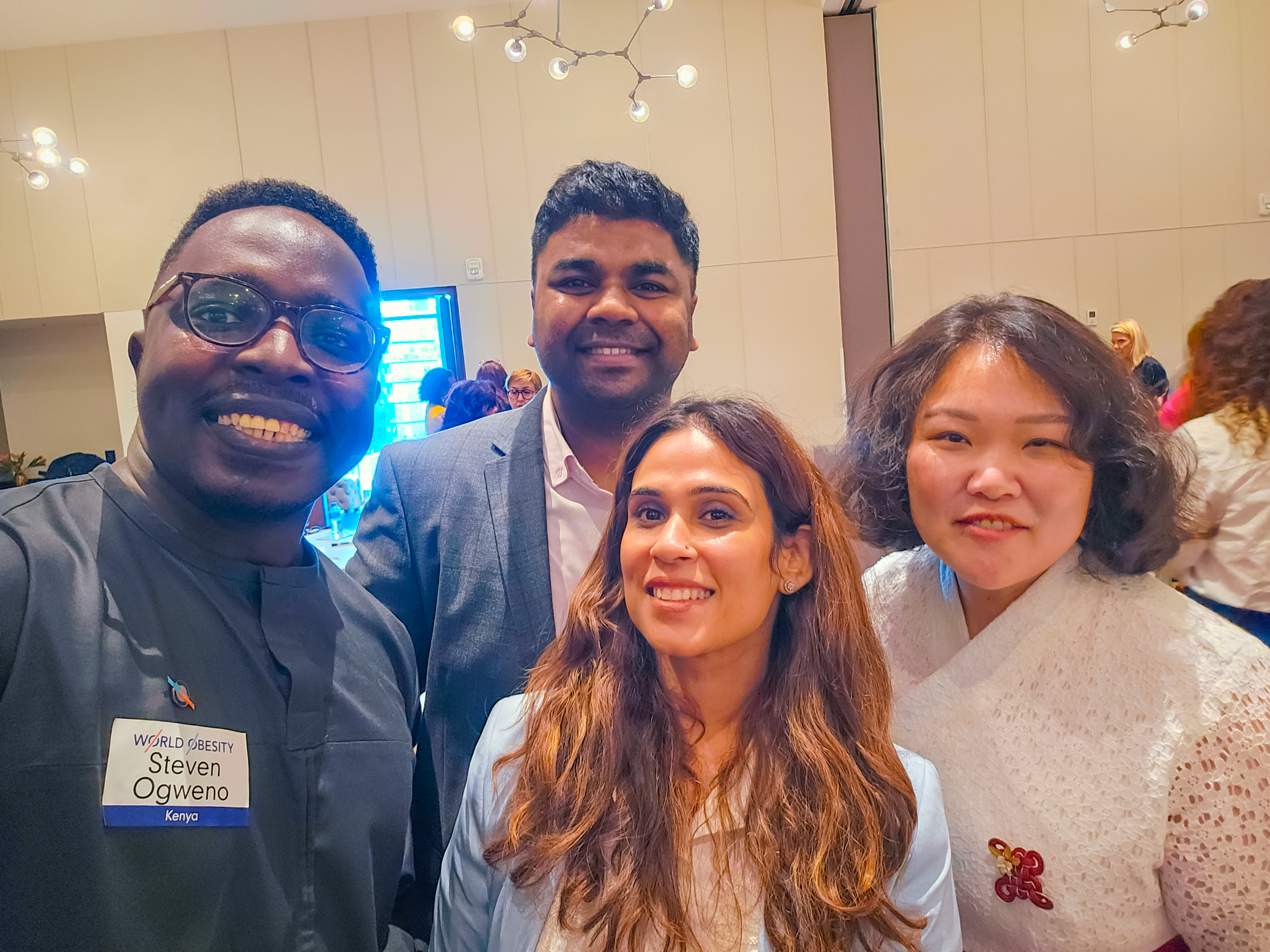
Representing Kenya and serving as a member of the World Obesity Federation Lived Experience Working Group, Ogweno Stephen, a Kenyan health advocate and global public health leader, travelled to Mexico to facilitate discussions during the Obesity Lived Experience Global Summit, a dedicated pre-congress event organized by the World Obesity Federation ahead of ICO 2026. The summit was designed to strengthen the role of people living with obesity in shaping health policy, improving care, and influencing the future of obesity advocacy worldwide.
Building a Global Community of Lived Experience
The summit opened with welcoming remarks from Johanna Ralston, Chief Executive Officer of the World Obesity Federation, who highlighted the importance of building a strong global community of people with lived experience of obesity.
Her message focused on creating meaningful partnerships where people living with obesity are recognized not only as recipients of healthcare but as leaders whose perspectives strengthen research, advocacy, and policy development.
For Ogweno Stephen, the opening session reflected a shift that has been gaining momentum across global health.
People with lived experience are no longer being invited simply to share their stories.
They are increasingly helping shape the decisions that affect millions of lives.
Understanding the Global Obesity Challenge
One of the keynote presentations was delivered by Professor Bruno Halpern, Incoming President of the World Obesity Federation, who presented the scale and urgency of the global obesity epidemic.
He noted that more than one billion people worldwide are living with obesity and that approximately 82 percent live in low and middle income countries. He also warned that without decisive action, obesity could have a significant impact on the global economy in the coming decades.
Professor Halpern outlined five priorities that should guide the global response:
- Recognizing obesity as a chronic disease.
- Creating healthier food environments.
- Integrating obesity care into primary healthcare.
- Tackling weight stigma.
- Strengthening health systems, particularly in low and middle income countries.
These priorities closely align with Ogweno Stephen’s work across Kenya and Africa, where he has consistently advocated for stronger health systems, equitable access to obesity care, healthier food policies, and the prevention of non-communicable diseases (NCDs).
Why Lived Experience Is Evidence
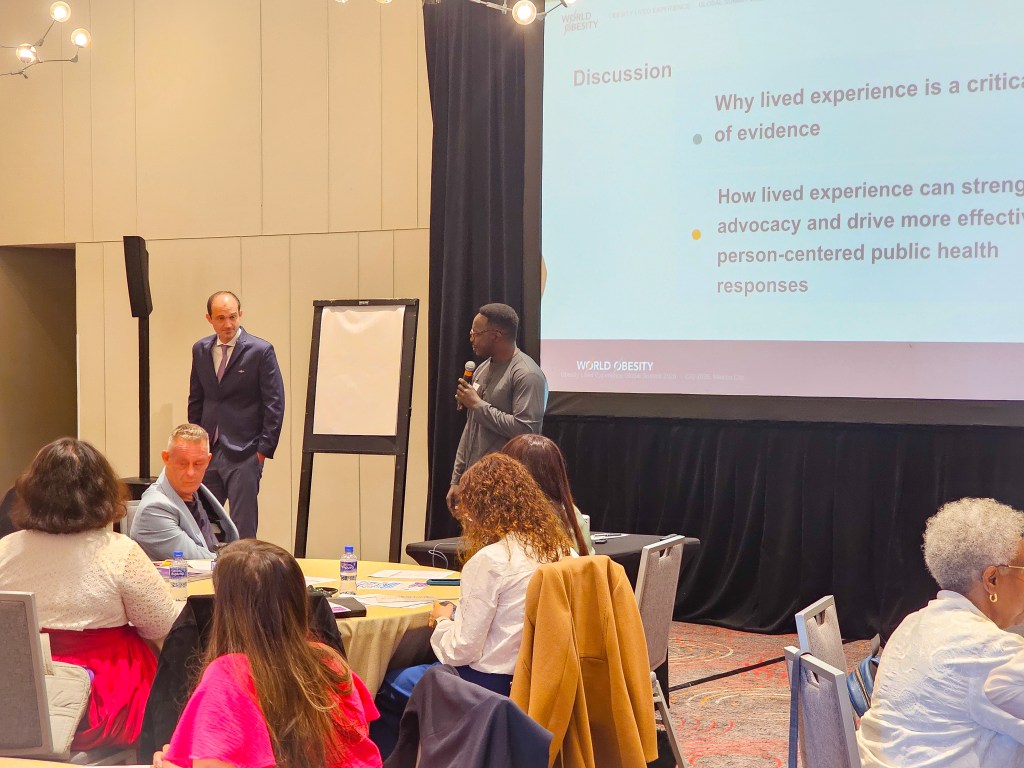
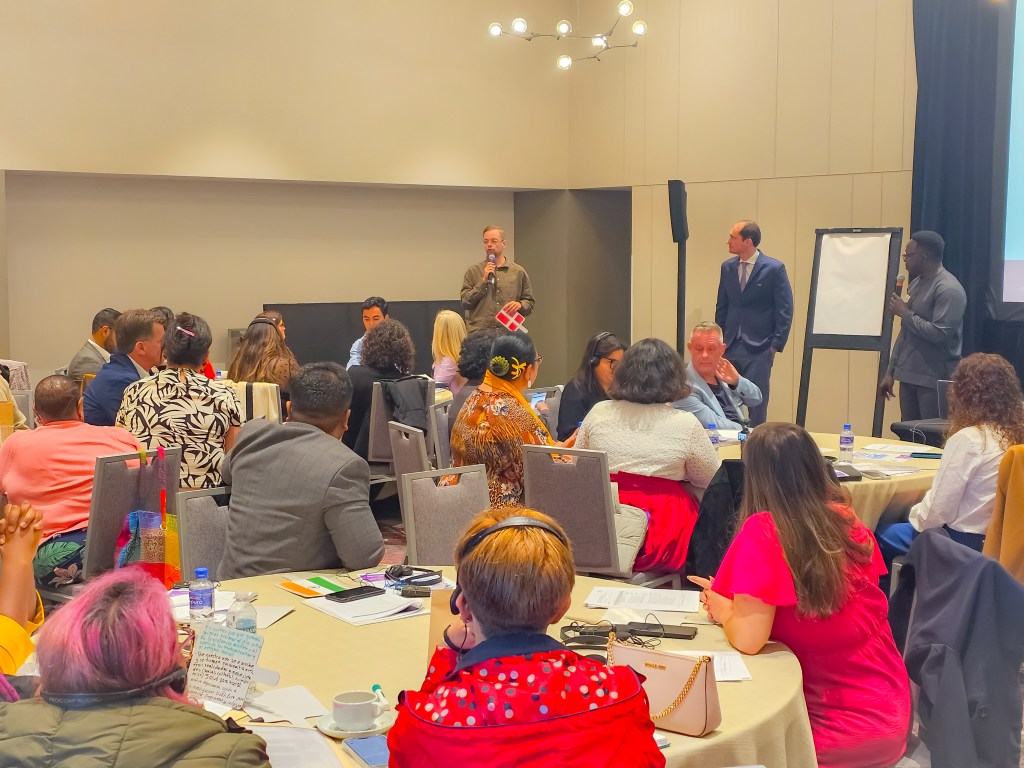
One of the highlights of the summit was a session facilitated by Ogweno Stephen exploring why lived experience should be recognized as a legitimate form of evidence in obesity advocacy.
Drawing on his own journey and years of work with communities across Africa, Stephen challenged participants to rethink what constitutes evidence.
Clinical research and epidemiological data help explain what is happening.
Lived experience explains why it matters.
It reveals the barriers people face when accessing care, the impact of stigma, the realities of navigating healthcare systems, and the everyday challenges that numbers alone cannot capture.
For policymakers and healthcare leaders, combining scientific evidence with lived experience leads to better decisions and more person-centred obesity care.
Turning Personal Stories into Policy Change
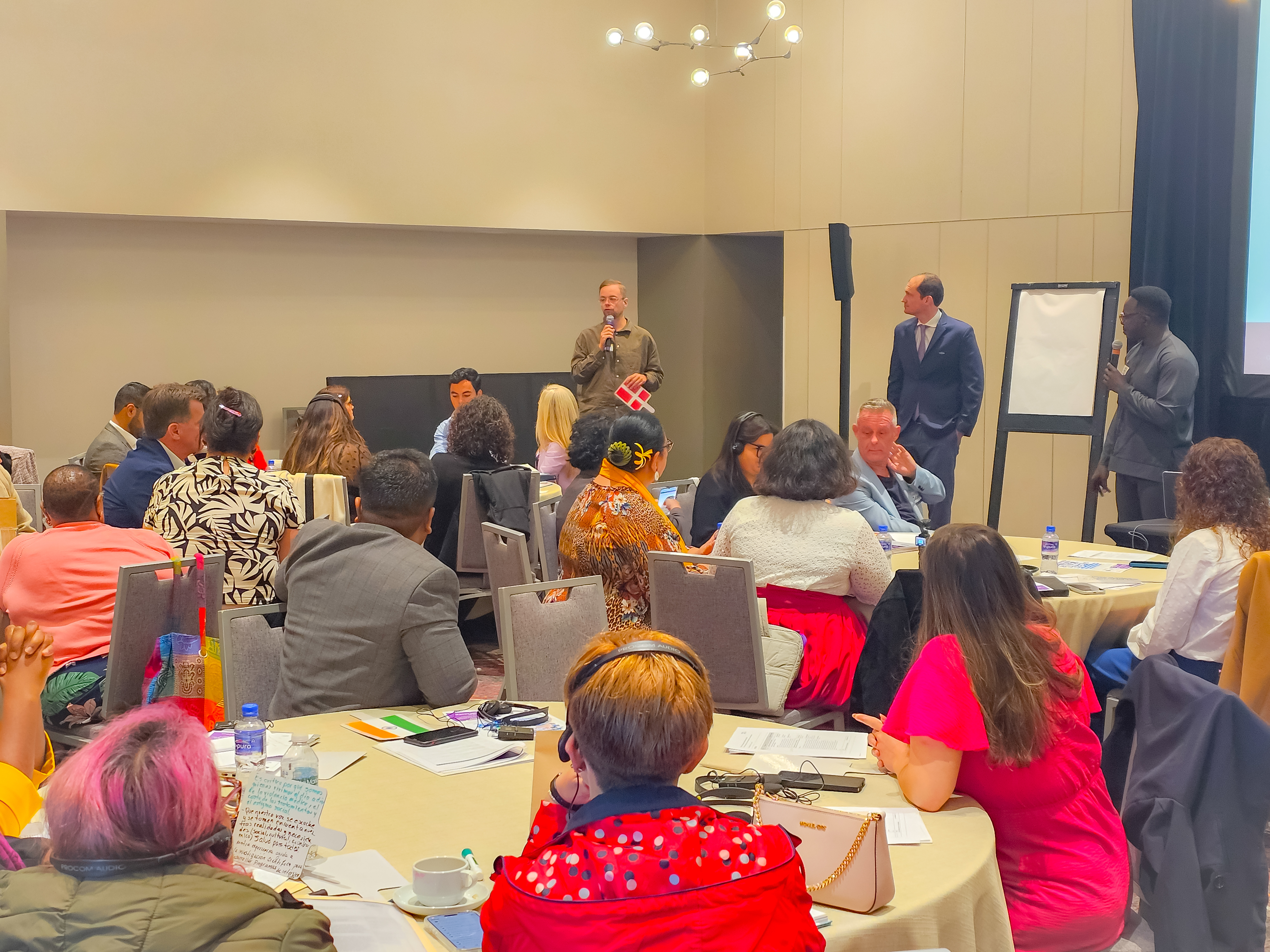
The summit also featured a panel moderated by Joe Nadglowski, President of the Obesity Action Coalition, where advocates from different regions shared how their personal experiences had become powerful tools for influencing public policy.
The discussion demonstrated that individual stories have the power to expose gaps in healthcare systems, challenge stigma, and encourage governments to prioritize obesity within national health agendas.
Rather than viewing lived experience as emotional testimony, participants explored how it can become strategic evidence that informs legislation, healthcare delivery, and investment in obesity prevention and treatment.
“Data tells us what is happening. Lived experience tells us why it matters and what must change.”
From Conversation to Action
The afternoon shifted from discussion to practical action.
Participants explored global obesity targets, universal health coverage, and strategies for improving access to obesity care before joining breakout sessions that translated personal experiences into concrete policy recommendations.
Working with country-specific data, including examples from Kenya and South Africa, participants identified barriers, opportunities, and priority actions for strengthening obesity care within national health systems.
For Ogweno Stephen, these collaborative sessions reinforced the importance of ensuring that advocacy is grounded in evidence while remaining centred on the experiences of people living with obesity.
Effective policy is not created in isolation.
It is developed by listening to the people most affected.
Representing Kenya on the Global Stage
As a Kenyan health advocate, researcher, and public health leader, Ogweno Stephen’s participation at the Obesity Lived Experience Global Summit reflected Kenya’s growing contribution to global conversations on obesity and non-communicable diseases.
His work continues to bridge community experience, scientific evidence, and policy advocacy, ensuring that African perspectives are represented in international discussions on obesity prevention, treatment, and equitable access to care.
The summit also reinforced a broader message that extends beyond obesity.
Health systems become stronger when they are designed with people, not simply for people.
Looking Ahead
The Obesity Lived Experience Global Summit set the tone for the International Congress on Obesity 2026 by demonstrating that meaningful progress requires science, policy, and lived experience to work together.
For Ogweno Stephen, the experience was both inspiring and affirming.
It strengthened his commitment to ensuring that every person living with obesity is treated with dignity, every voice is valued, and every country, including those across Africa, has equitable access to evidence-based obesity prevention and care.
As global conversations continue to evolve, one message from Mexico City remains clear.
The future of obesity care will not be shaped by science alone.
It will be shaped by the people whose lived experiences have the power to transform healthcare.


Leave a Reply