
Obesity has become one of the defining public health challenges of the 21st century, yet it continues to receive far less political attention than many of the diseases it causes.
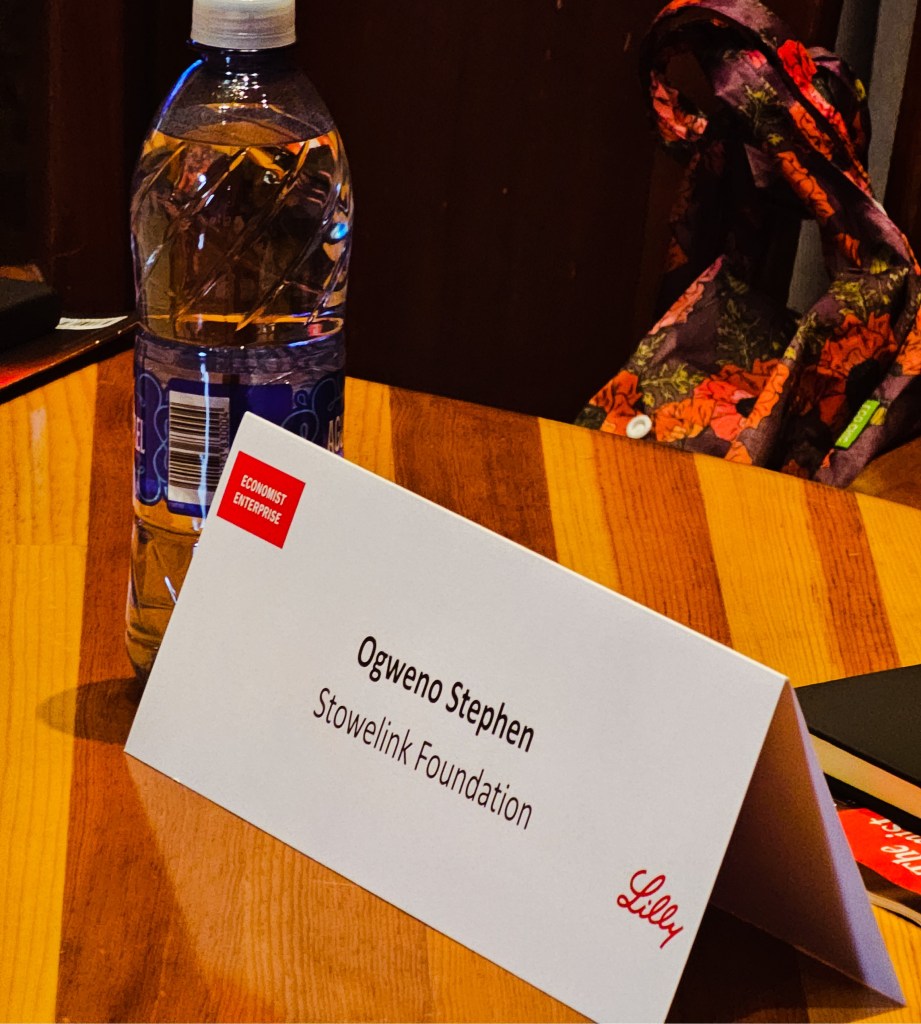
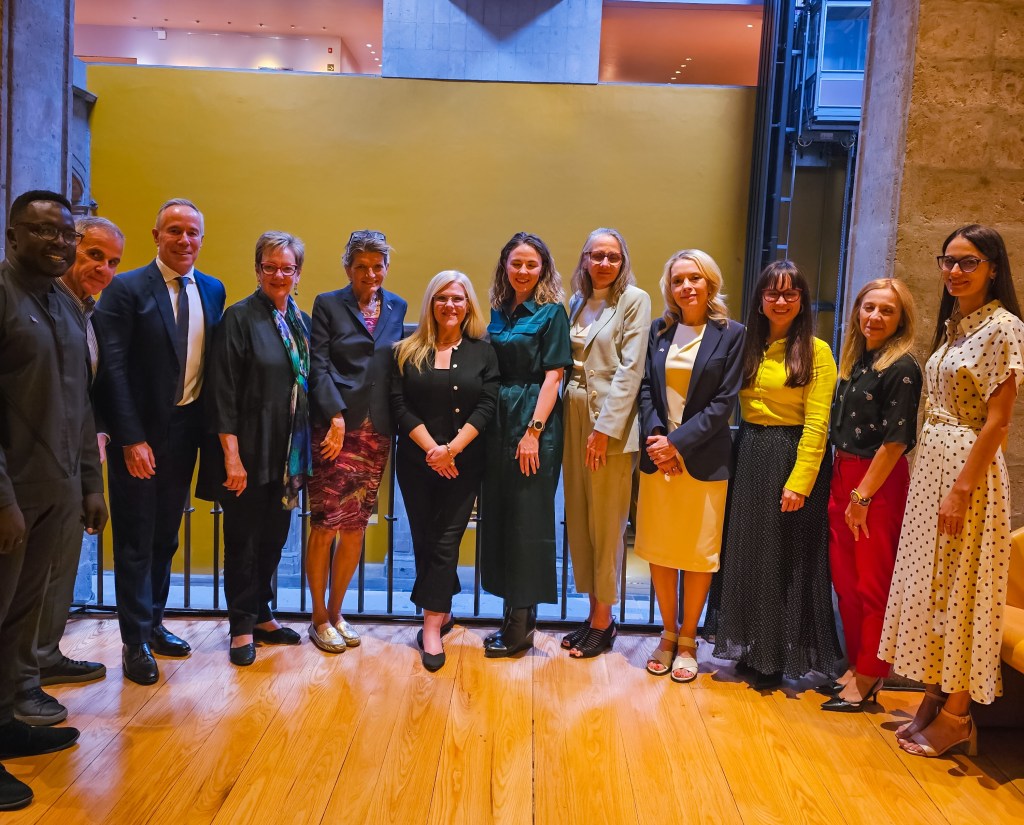
At a private Economist Impact roundtable held alongside the International Congress on Obesity (ICO), Ogweno Stephen, a Kenyan health advocate, public health expert, and global obesity advocate, joined policymakers, researchers, clinicians, and industry leaders to discuss one critical question.
What will it take to fully integrate obesity into the global non-communicable diseases agenda?
The invitation-only discussion, sponsored by Lilly, explored how countries can move beyond treating obesity as a risk factor and instead recognize it as a chronic disease that deserves prevention, treatment, long-term care, and dedicated financing within national health systems.
Recognizing Obesity as a Chronic Disease
During the discussion, Ogweno Stephen emphasized that one of the greatest barriers to progress is the continued misunderstanding of obesity.
Across many countries, obesity is still viewed primarily as the result of personal choices rather than a complex chronic disease influenced by genetics, biology, the food environment, mental health, socioeconomic conditions, and access to healthcare.
This misunderstanding continues to shape policies, health financing, and public attitudes.
Stephen argued that recognizing obesity as a disease is not simply about changing language. It changes how governments invest in prevention, how healthcare systems provide treatment, how medical professionals are trained, and how people living with obesity are treated.
Without that recognition, millions of people will continue to face delayed diagnosis, inadequate care, and unnecessary stigma.
Health Equity Must Include Access to Obesity Care
A major focus of Ogweno Stephen’s contribution was the growing inequality in access to obesity treatment and innovation.
While significant advances have been made in obesity medicines and clinical care, many people living in low-income and middle-income countries remain unable to benefit from these innovations because of affordability, availability, and limited health system investment.
Stephen highlighted the need for greater health equity across the Global South.
Scientific breakthroughs should not become privileges available only in wealthier countries.
Every person living with obesity deserves access to evidence-based prevention, diagnosis, treatment, and long-term care regardless of where they live.
Improving access, he noted, requires governments, development partners, industry, and global health organizations to work together to reduce barriers and strengthen healthcare systems.
Education Is Essential for Lasting Change
Another key message from Ogweno Stephen focused on education.
He noted that misconceptions about obesity remain widespread, not only within communities but also among healthcare professionals, educators, and decision-makers.
Addressing obesity therefore requires continuous learning across every level of society.
Medical practitioners need access to the latest evidence on obesity science and treatment.
Schools should equip young people with accurate information about healthy living while avoiding harmful narratives that contribute to body shaming.
Policymakers need a deeper understanding of obesity as a chronic disease so that national health strategies reflect current scientific evidence.
Stephen argued that when knowledge improves, policy improves, healthcare improves, and public attitudes begin to change.
Ending Stigma Requires Collective Action
One of the most personal moments during the roundtable came when Ogweno Stephen reflected on the lived experience of obesity.
Drawing on his own journey, he spoke about the harmful effects of stigma and discrimination experienced by many people living with obesity.
Stigma affects mental health, delays healthcare seeking, reduces quality of care, and creates barriers to treatment that extend far beyond clinical settings.
Stephen stressed that tackling stigma cannot be left to healthcare providers alone.
Governments, schools, families, employers, healthcare professionals, the media, and communities all have a role to play in changing how obesity is understood and discussed.
Only through collective action can society move from blame to compassion and from judgment to evidence-based care.
“When we remove stigma, we create space for better care, better policy, and better health outcomes.”
Putting Obesity at the Heart of the NCD Response
The roundtable explored how governments can strengthen national responses by embedding obesity prevention, treatment, and long-term management into primary healthcare while encouraging collaboration across health, education, food systems, urban planning, and finance. Participants also discussed the need for stronger policy leadership, sustainable financing, and cross-sector partnerships to reduce the growing burden of obesity and related non-communicable diseases.
For Ogweno Stephen, these discussions reinforced an important message.
Obesity cannot remain on the margins of global health policy while driving rising rates of diabetes, cardiovascular disease, several cancers, and other non-communicable diseases.
Bringing obesity to the centre of national NCD strategies is essential if countries are to improve health outcomes, reduce healthcare costs, and achieve global targets for preventing premature deaths from non-communicable diseases.
As a Kenyan health advocate, researcher, and global public health leader, Stephen continues to advocate for policies that recognize obesity as a chronic disease, expand equitable access to treatment, strengthen health systems, and ensure that the voices of people with lived experience help shape the future of obesity care across Africa and the world.
Social Media Excerpt
Obesity must become a central pillar of the global response to non-communicable diseases. At The Economist Impact roundtable during ICO, Ogweno Stephen called for health equity, recognition of obesity as a chronic disease, better education, and stronger action to end stigma while expanding access to obesity care across the Global South.
#OgwenoStephen #KenyanHealthAdvocate #Obesity #NCDs #NonCommunicableDiseases #HealthEquity #GlobalHealth #HealthPolicy #PublicHealth #ICO2026 #EconomistImpact #Africa

Leave a Reply