
The conversation around obesity is changing.
For decades, obesity was largely viewed through the lens of personal responsibility, with many people told to simply eat less and exercise more. Today, science tells a different story. Obesity is increasingly recognised as a chronic, relapsing disease that requires prevention, long-term care, and for some people, access to effective medical treatment.
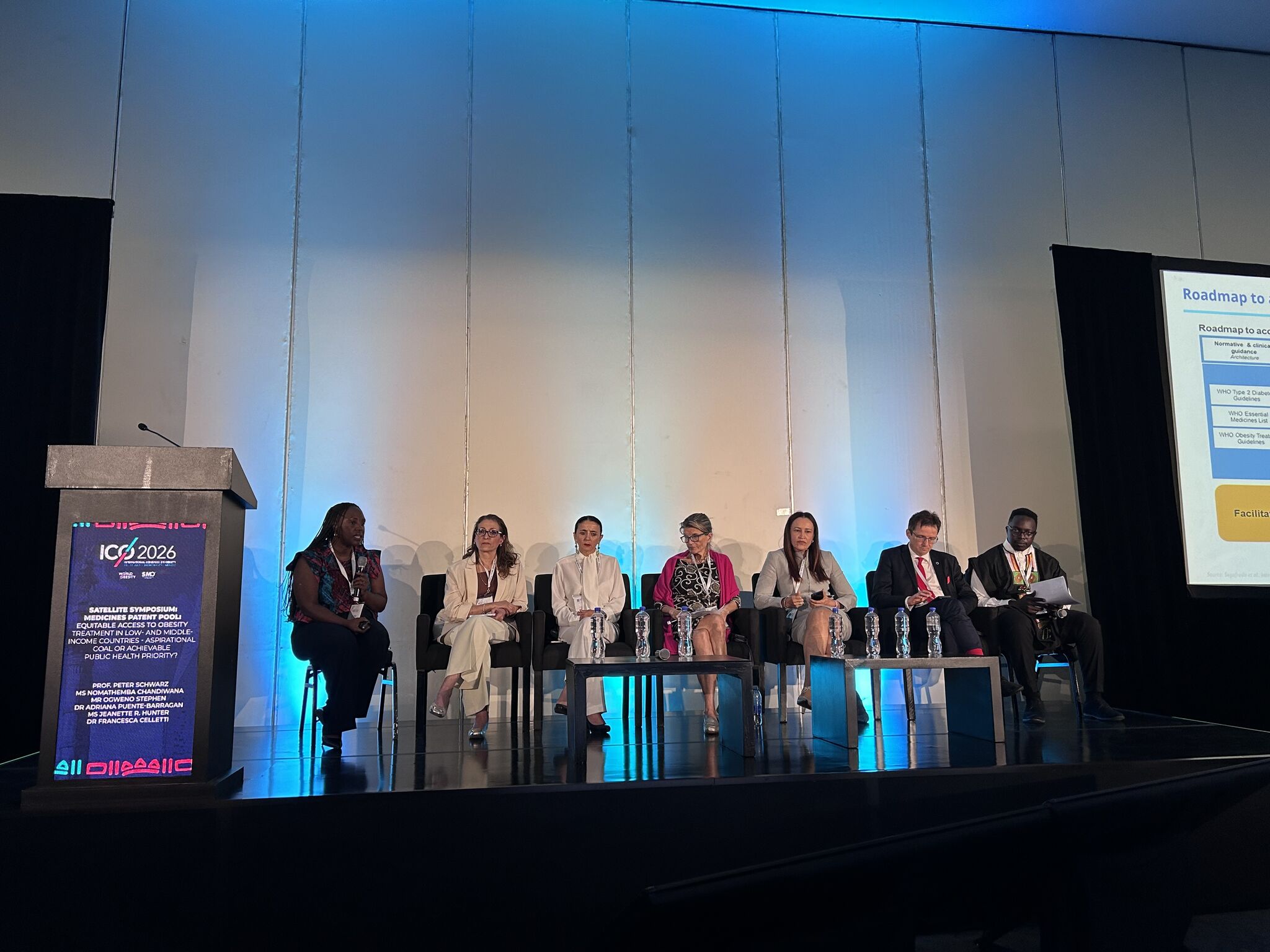
At the International Congress on Obesity (ICO) 2026 in Mexico City, Ogweno Stephen, a Kenyan health advocate, public health expert, and global obesity advocate, joined leading experts from across the world to discuss one of the most important questions facing global health today.
Can equitable access to obesity treatment in low and middle-income countries become a public health reality?
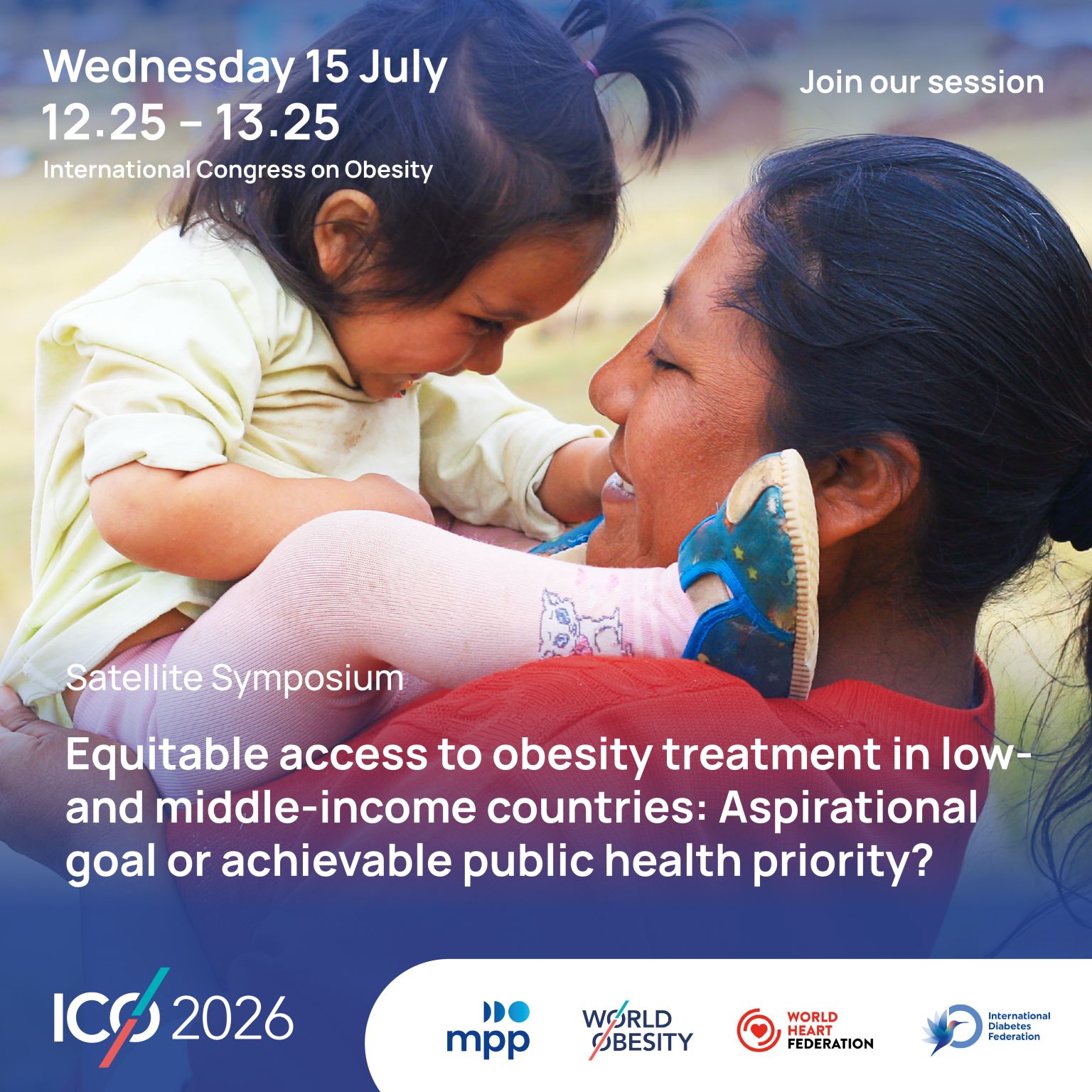
The satellite symposium, co-hosted by the Medicines Patent Pool (MPP), World Obesity Federation, International Diabetes Federation, and World Heart Federation, explored how governments, healthcare providers, researchers, civil society, and people living with obesity can work together to ensure that advances in obesity care reach everyone who needs them, not only those living in high-income countries. The discussion came at a pivotal moment following the publication of the World Health Organization’s first global guideline on the use of GLP-1 medicines for obesity and growing international efforts to improve equitable access.
Reframing Obesity as a Chronic Disease
Representing lived experience alongside his work in public health, Ogweno Stephen spoke during the session on awareness and acceptability, addressing one of the biggest barriers to improving obesity care across Africa.
Responding to questions about awareness in Kenya and across sub-Saharan Africa, he emphasized that obesity continues to be widely misunderstood.
In many communities, obesity is still viewed as a matter of willpower or lifestyle choices rather than a complex chronic disease influenced by genetics, biology, the environment, food systems, mental health, and social determinants of health.
Stephen explained that this misunderstanding contributes directly to stigma, delays in seeking care, and limited investment in obesity services.
He called for a shift in public messaging that places science, compassion, and lived experience at the centre of conversations about obesity.
“People living with obesity deserve understanding, evidence-based care, and dignity. Changing the narrative is the first step toward changing health outcomes.”

Why Awareness Must Come Before Access
The session title asked whether equitable access to obesity treatment in low and middle-income countries is an aspirational goal or an achievable public health priority.
For Ogweno Stephen, the answer begins with awareness.
He argued that expanding access to treatment cannot happen unless governments, healthcare professionals, communities, and policymakers first recognise obesity as a legitimate chronic disease that deserves the same level of attention as diabetes, hypertension, cancer, and other non-communicable diseases.
Without that recognition, countries are unlikely to invest in clinical services, workforce training, national guidelines, reimbursement systems, or medicines that support people living with obesity.
Stephen highlighted that awareness is not only about educating the public.
It also involves educating healthcare workers, political leaders, employers, insurers, and the media to reduce stigma and create health systems that respond to obesity with evidence rather than judgment.
Equity Must Be Part of the Conversation
As new GLP-1 medicines become part of the global conversation on obesity care, Stephen stressed that innovation should not deepen existing health inequalities.
People living in low and middle-income countries should not be left behind simply because of where they live or what they can afford.
He encouraged global health organizations, governments, pharmaceutical companies, civil society, and patient advocates to work together to improve affordability, strengthen health systems, and ensure that access strategies reflect the realities faced by countries across Africa and other low-resource settings.
The discussion echoed the World Health Organization’s guidance that medicines are only one part of comprehensive obesity care and should be accompanied by behavioural support, healthy food environments, physical activity, and strong health systems.
Bringing the African Perspective to a Global Stage
Throughout the discussion, Ogweno Stephen shared perspectives informed by both professional expertise and lived experience.
As a Kenyan health advocate working across obesity, digital health, and non-communicable diseases, he highlighted the importance of ensuring that African voices shape global policy discussions rather than simply responding to decisions made elsewhere.
He also reinforced the role of lived experience in designing effective policies.
People living with obesity understand the daily realities of navigating stigma, accessing care, and managing a lifelong condition. Their voices, he argued, should be represented wherever decisions about obesity prevention and treatment are made.
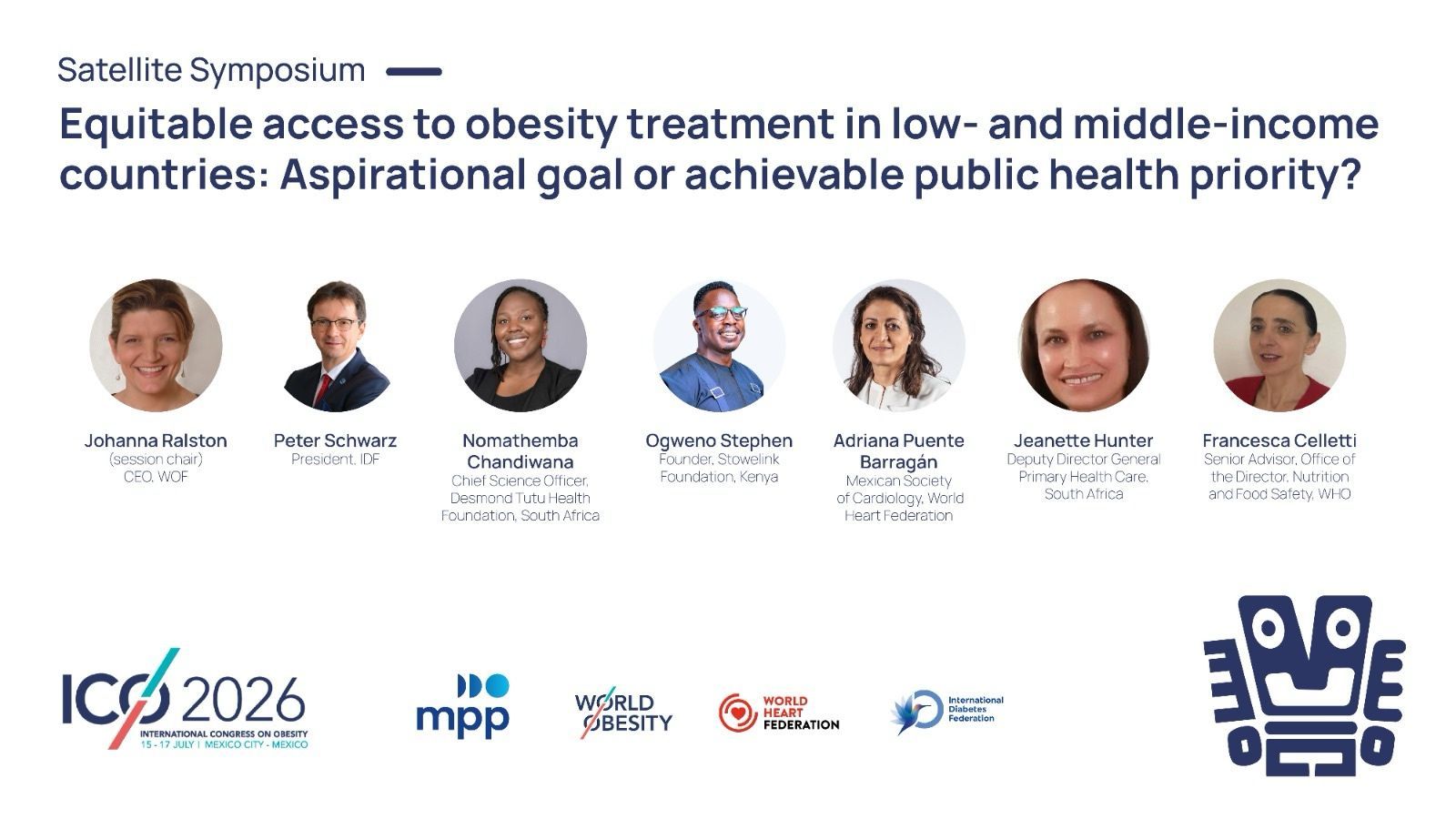
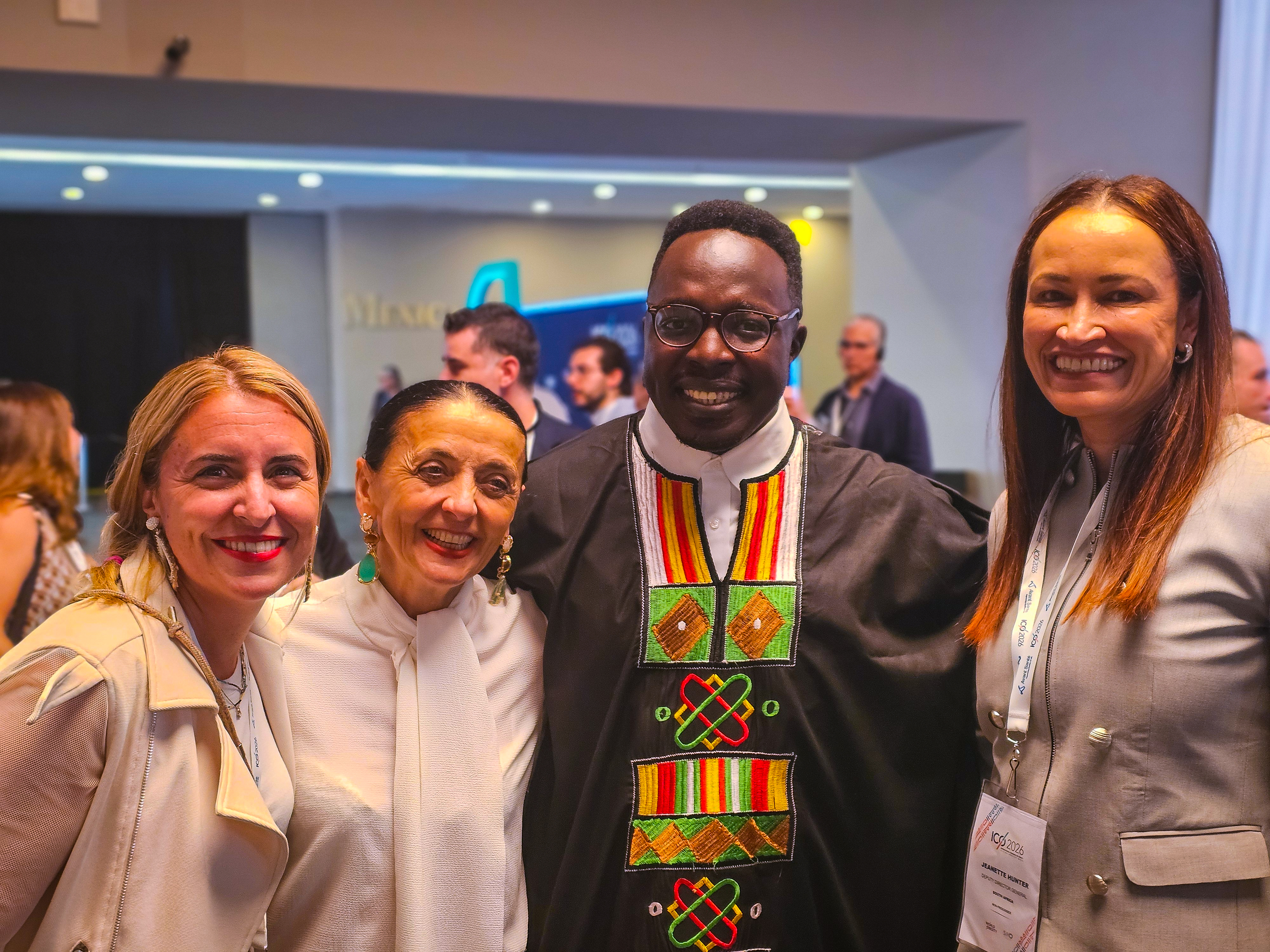
The session brought together leaders from the World Obesity Federation, International Diabetes Federation, World Heart Federation, World Health Organization, the South African Department of Health, the Desmond Tutu Health Foundation, Medicines Patent Pool, and civil society, reflecting the growing international commitment to building a shared agenda for equitable obesity care.

A Defining Moment for Global Obesity Care
ICO 2026 marked an important milestone in the evolution of obesity policy.
With new scientific evidence, updated WHO guidance, and increasing global collaboration, the conversation is moving beyond whether obesity should be treated as a chronic disease to how countries can ensure that prevention, treatment, and long-term care are available to everyone who needs them.
For Ogweno Stephen, the opportunity is clear.
Ending obesity stigma, strengthening health systems, and improving equitable access to treatment are not competing priorities. They are all essential parts of the same solution.
As global momentum continues to grow, Stephen remains committed to ensuring that the voices of people living with obesity, particularly those from Kenya, Africa, and other low and middle-income countries, continue to shape the future of obesity care and the broader response to non-communicable diseases.


Leave a Reply