
Sometimes the most powerful public health lessons are not learned inside conference halls. They are found in supermarkets, on street corners, and in the everyday choices people make.
While attending the International Congress on Obesity (ICO) 2026 in Mexico City, Ogweno Stephen, a Kenyan health advocate and public health expert, found one of the conference’s biggest lessons outside the official programme.
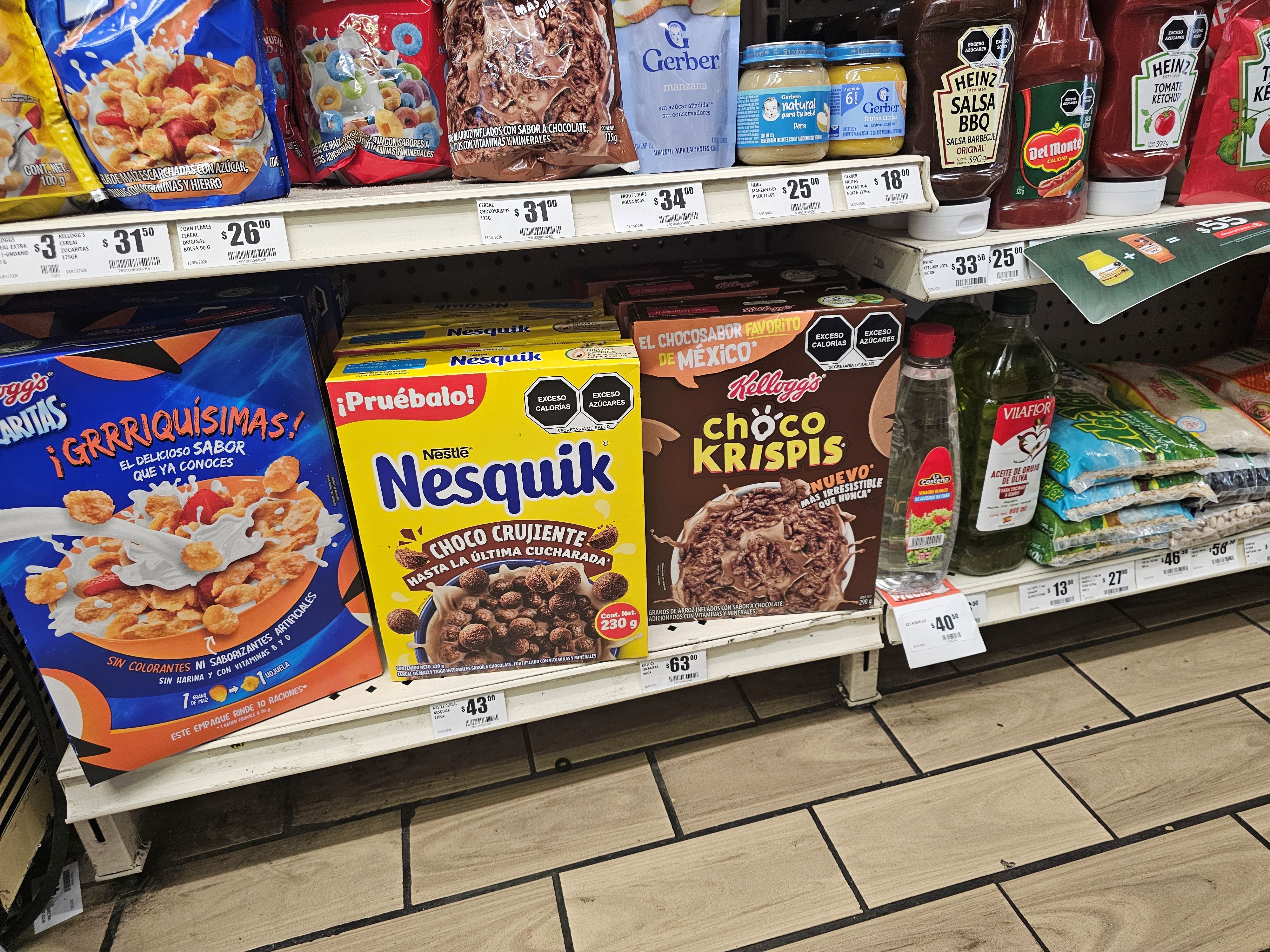
Every supermarket shelf told a story.
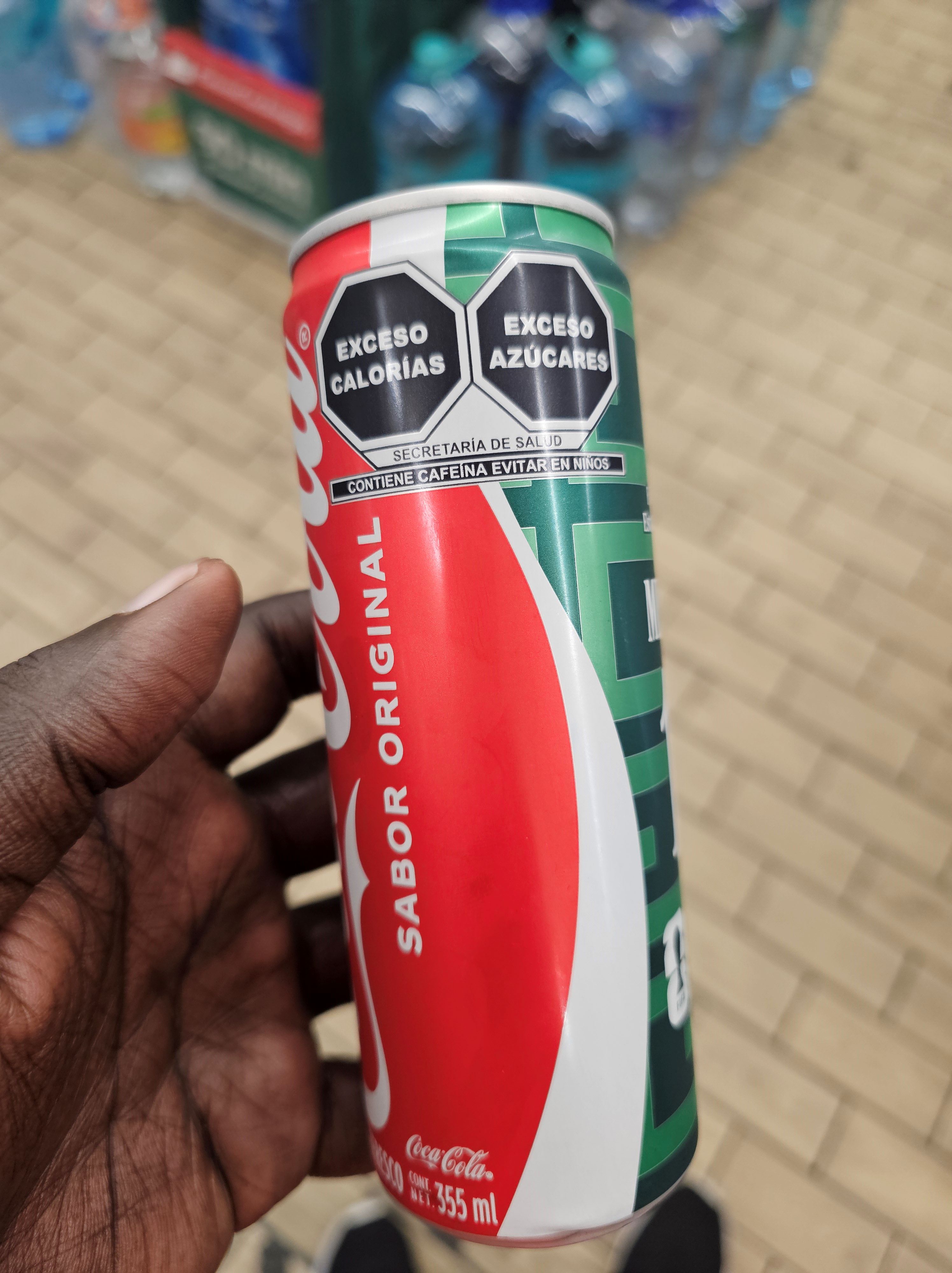
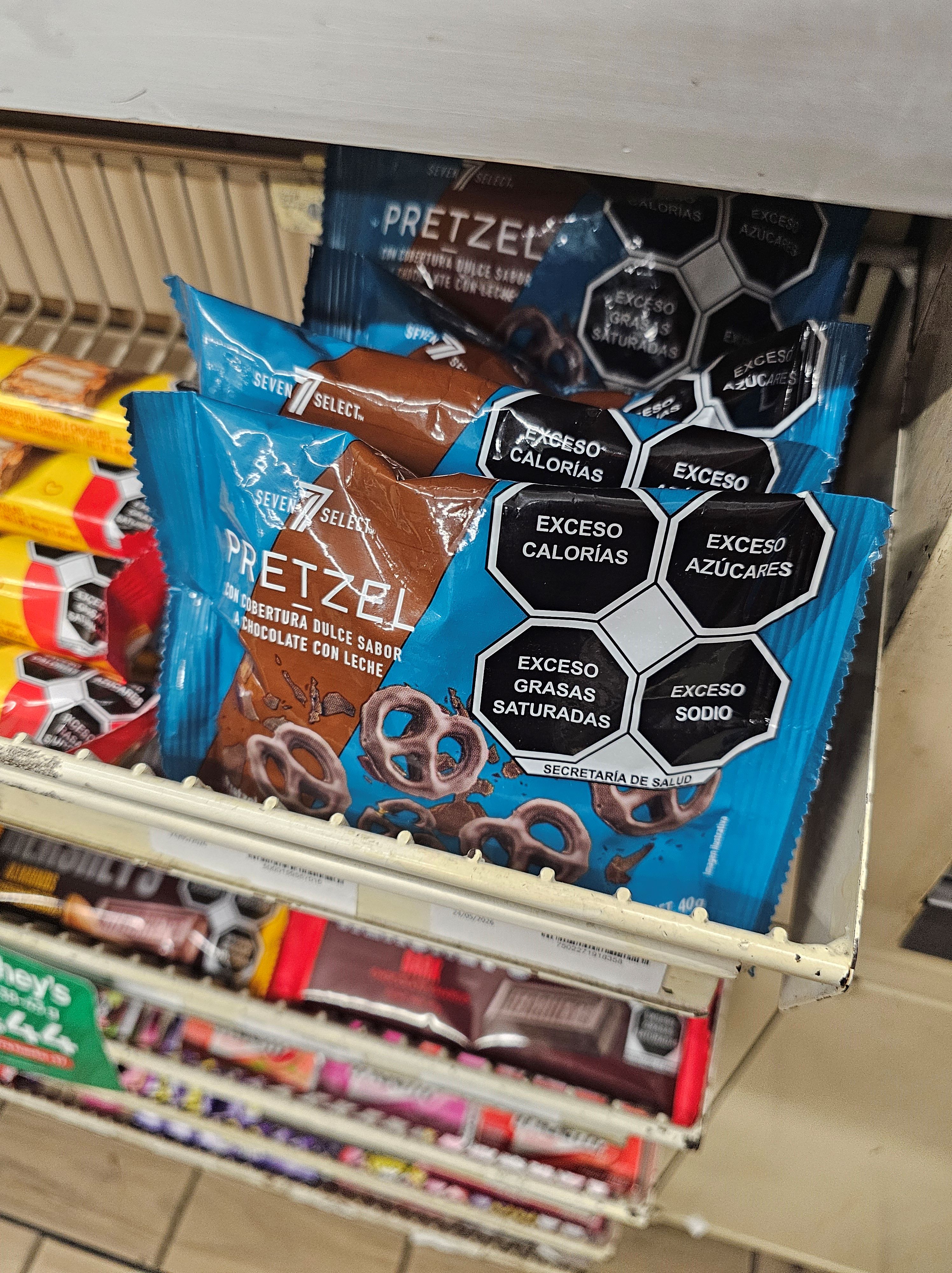
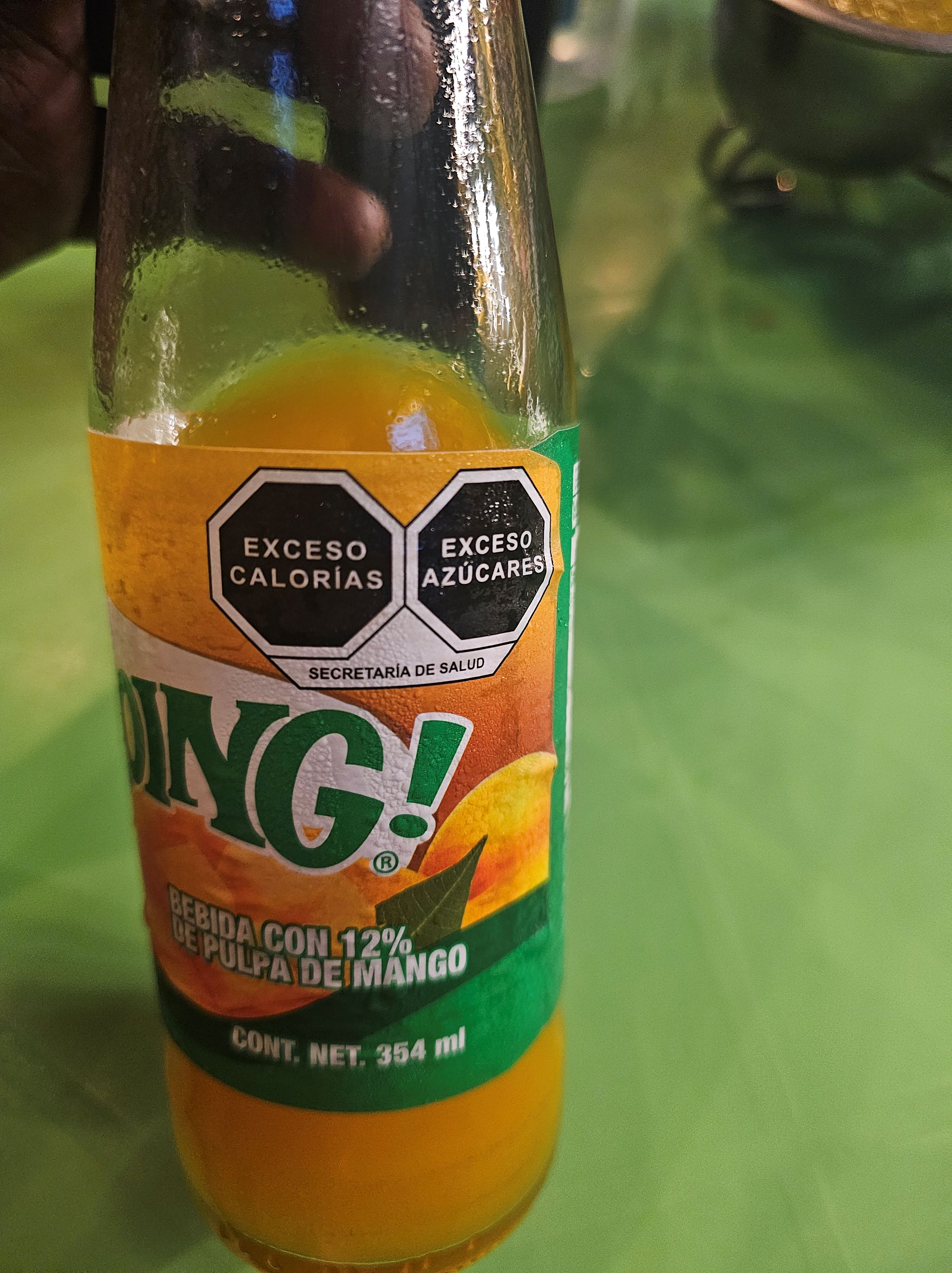
Across packaged foods and beverages were bold black octagonal warning labels carrying simple messages such as “Excess Sugar,” “Excess Sodium,” “Excess Saturated Fat,” and “Excess Calories.” These labels have become a defining feature of Mexico’s food environment, helping consumers quickly identify products that are high in nutrients linked to obesity and other diet-related diseases.
For Stephen, seeing the policy in action was particularly meaningful because it reflected a vision he has spent years advocating for in Kenya.

A Public Health Policy That Cannot Be Ignored
At first glance, the warning labels appeared almost too common.
Many processed foods carried one or more black symbols on the front of their packaging, leading Stephen to wonder whether consumers had become accustomed to seeing them.
A conversation with a local resident quickly changed that perception.
The labels continue to influence purchasing decisions precisely because they are so visible. Rather than requiring shoppers to read complicated nutrition tables on the back of packaging, they provide an immediate warning at the moment a purchase is being made.
That brief pause before placing a product into a shopping basket is exactly what effective public health policy is designed to achieve.
The labels make nutritional risks impossible to overlook.
Changing Consumer Behaviour and Industry Practices
Mexico’s front-of-pack warning label system has done more than inform consumers.
It has encouraged many food manufacturers to reformulate products by reducing added sugar, sodium, and unhealthy fats to avoid displaying warning labels on their packaging. This combination of informed consumer choice and healthier product reformulation has become one of the strongest examples of how nutrition policy can reshape food environments.
For Ogweno Stephen, this demonstrated that regulation is not about restricting choice.
It is about ensuring people can make informed decisions with clear and understandable information.
“Healthy choices become easier when people know exactly what they are buying.”
A Cause Ogweno Stephen Has Championed for Years
Long before travelling to Mexico, Ogweno Stephen had already become one of Kenya’s leading advocates for healthier food environments.
Working alongside the International Institute for Legislative Affairs (IILA), civil society organizations, researchers, and nutrition advocates, he has supported campaigns promoting Front-of-Pack Warning Labels, healthier food policies, and stronger protections against the growing burden of non-communicable diseases (NCDs) in Kenya.
His advocacy has contributed to broader national conversations around the Kenya Nutrient Profile Model, food marketing regulations, restrictions on unhealthy food marketing to children, and consumer-friendly nutrition labelling.
These efforts share one common objective.
To create food environments where the healthier choice becomes the easier choice.
Why Kenya Needs Front-of-Pack Warning Labels
Like many countries across Africa, Kenya is experiencing rapid changes in dietary patterns.
Ultra-processed foods that are high in sugar, salt, and unhealthy fats have become increasingly available and heavily marketed, contributing to rising rates of obesity and other non-communicable diseases.
Nutrition information already exists on many food packages, but it is often placed on the back of products, written in technical language, or presented in formats that many consumers find difficult to interpret.
Front-of-pack warning labels solve this problem by communicating nutritional risks instantly.
Rather than replacing consumer choice, they strengthen it.
Evidence from countries that have implemented these labels shows they can improve purchasing decisions while encouraging manufacturers to produce healthier foods.
From Mexico to Kenya
Walking through supermarkets in Mexico reinforced something Ogweno Stephen has believed throughout his years of public health advocacy.
Policy matters.
When governments introduce evidence-based regulations that prioritize health, communities benefit.
When consumers receive clear information, they are empowered to make better decisions.
When industry responds by improving products, entire populations become healthier.
Mexico has demonstrated that bold nutrition policies are possible.
For Kenya, the evidence is already available. National discussions are underway, advocacy continues to grow, and the Kenya Nutrient Profile Model provides a strong scientific foundation for implementing front-of-pack warning labels.
What remains is sustained political commitment to put public health ahead of commercial interests.
A Shared Vision for Healthier Food Environments
As a Kenyan health advocate, researcher, and champion for the prevention of non-communicable diseases, Ogweno Stephen believes that addressing obesity requires more than encouraging individual behaviour change.
It requires healthier food systems, stronger public policy, transparent food labelling, and environments that make healthy decisions easier for everyone.
His experience at ICO 2026 served as a reminder that meaningful policy change is not only possible, but already happening in countries willing to act on the evidence.
For Kenya, the question is no longer whether front-of-pack warning labels work.
The question is how soon they can become a reality.


Leave a Reply