
The fight against obesity is entering a new phase.
Across the world, governments are moving beyond recognising obesity as a public health challenge and are beginning to implement national strategies that combine prevention, treatment, policy reform, and stronger health systems. At the centre of this global effort is the WHO Acceleration Plan to Stop Obesity, a framework designed to help countries translate political commitment into measurable action. The plan now supports 34 frontrunner countries through a structured implementation model that moves from setting priorities to scaling up proven interventions.
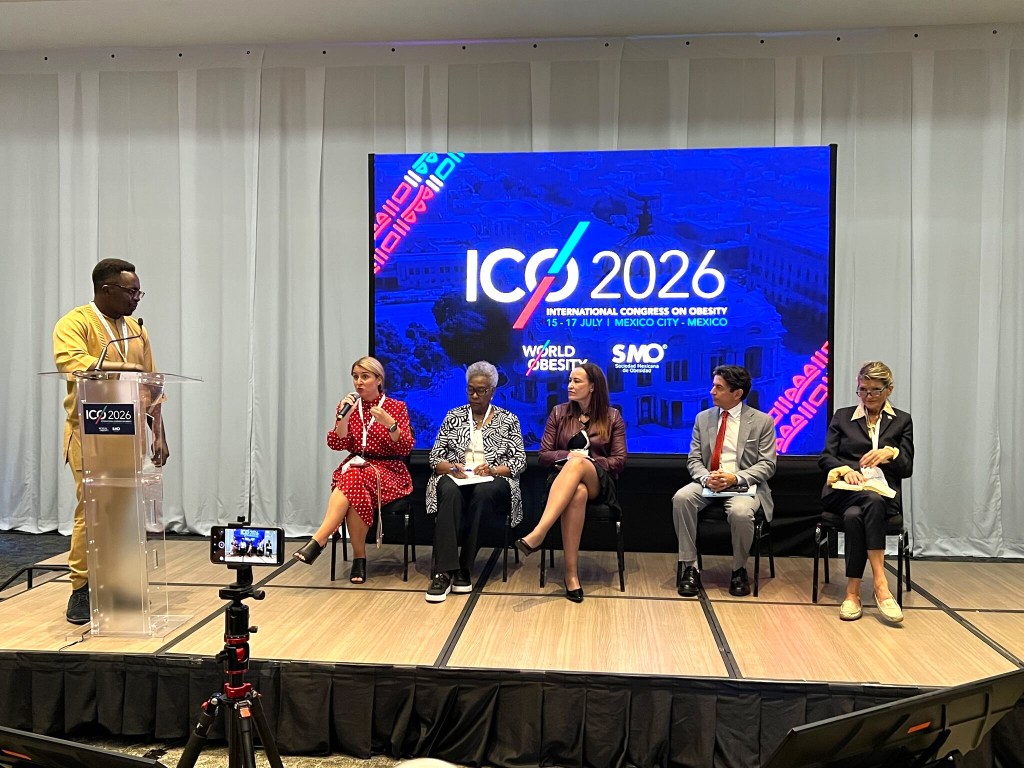
At the International Congress on Obesity (ICO) 2026 in Mexico City, Ogweno Stephen, a Kenyan health advocate, public health expert, researcher, and global obesity advocate, moderated the WHO-UNICEF Side Event, bringing together global leaders to discuss progress under the Acceleration Plan and the road toward the 2026 Madrid Global Stocktaking and the 2030 global targets.
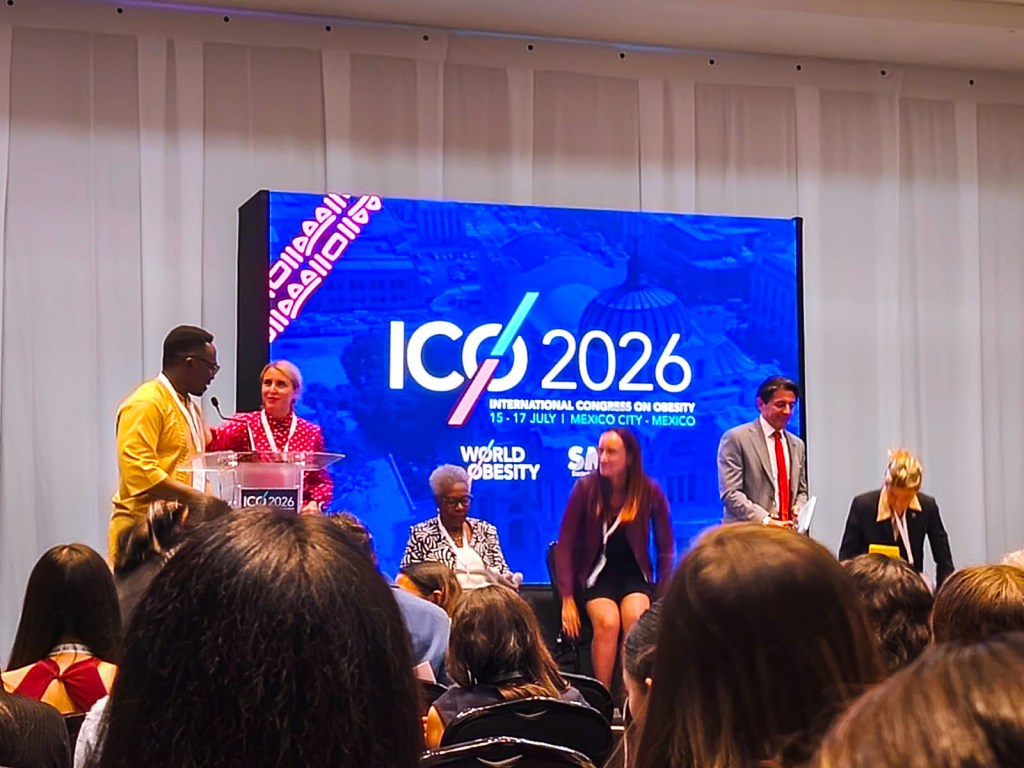
Moderating a Global Conversation on Implementation
The session, titled “The Acceleration Plan to Stop Obesity: From Commitment to Implementation – Progress Towards the 2026 Madrid Global Stocktaking and the 2030 Targets,” focused on one central question.
How can countries move from ambitious commitments to measurable action?
As moderator, Ogweno Stephen guided conversations between leaders representing the World Health Organization, UNICEF, the World Obesity Federation, national governments, civil society, and academia. Rather than focusing solely on policy commitments, the discussion explored how countries are translating global recommendations into practical changes within health systems and communities.
The panel examined health system preparedness, equitable access to treatment, person-centred care, food systems, and the role of civil society in sustaining political commitment.
Highlighting Global Equity in Obesity Care
One of the discussions explored equitable global access to obesity medicines and treatments for obesity-related conditions.
Moderating this conversation, Ogweno Stephen invited participants to reflect on why access to obesity treatment should be viewed as a global health equity issue rather than a privilege available only in high-income countries.
The discussion highlighted opportunities to improve access through stronger international collaboration, sustainable financing, local health system strengthening, and common therapeutic pathways that could benefit countries regardless of income level.
The conversation reflected a growing consensus that advances in obesity treatment must be accompanied by deliberate efforts to ensure affordability, availability, and equitable implementation across low and middle-income countries.

Putting People at the Centre of Obesity Care
Another key discussion focused on person-centred care.
Panelists explored why access to healthy environments, evidence-based obesity care, and respectful treatment should be recognised as fundamental components of quality healthcare.
The discussion reinforced that obesity cannot be addressed through medicines or prevention programmes alone.
Effective care requires health systems that respect individual circumstances, reduce stigma, and support people throughout their lifelong journey with obesity.
For Ogweno Stephen, moderating this conversation reflected one of the principles that has guided his own advocacy work.
People living with obesity must be active participants in shaping the policies and services that affect their lives.
Learning From Country Experiences
The session also highlighted national progress under the WHO Acceleration Plan.
South Africa shared its experience in strengthening health system preparedness, outlining achievements, lessons learned, and remaining implementation challenges as countries work to integrate obesity prevention and management into routine healthcare.
These experiences demonstrated that implementation requires far more than policy documents.
Success depends on political leadership, workforce training, financing, community engagement, monitoring systems, and accountability across multiple sectors.
Recent evidence published through the WHO Acceleration Plan has shown encouraging progress among participating countries, with structured implementation models helping governments strengthen obesity care pathways, improve planning, and prepare health systems for long-term delivery of comprehensive obesity services.
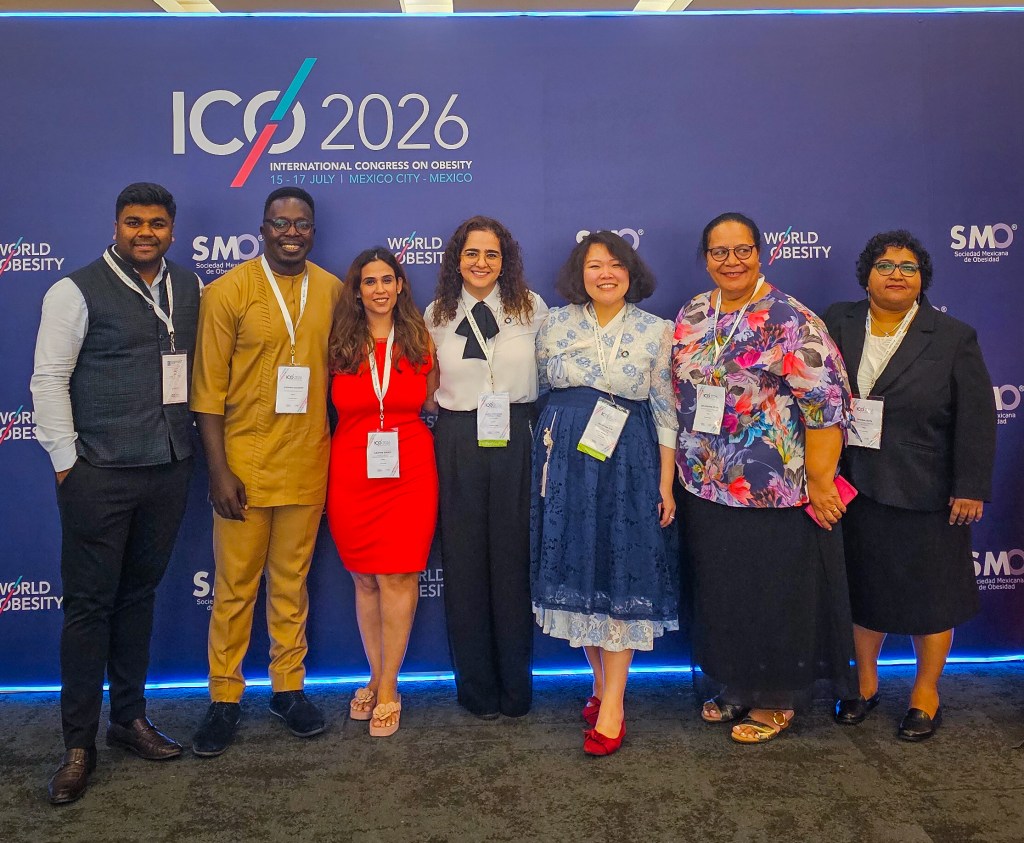
Civil Society Remains a Driving Force
The panel also explored the role of civil society in accelerating implementation of the WHO Acceleration Plan.
Participants discussed how organizations representing people living with obesity, researchers, healthcare professionals, youth organizations, and advocacy groups continue to play an essential role in policy advocacy, public education, accountability, and maintaining political momentum.
For Ogweno Stephen, this conversation reinforced the importance of ensuring that lived experience remains central to global obesity policy.
Communities do not simply receive health policies.
They help shape, strengthen, and sustain them.
Food Systems Cannot Be Left Behind
One of the final discussions examined how food systems influence the global obesity epidemic.
Panelists highlighted the need for healthier food environments alongside clinical care, recognising that preventing obesity requires action well beyond the health sector.
The discussion explored the importance of policies that improve access to healthy foods, protect children from unhealthy food marketing, strengthen nutrition standards, and create environments that make healthier choices easier.
This reflected the broader vision of the WHO Acceleration Plan, which combines prevention, treatment, policy reform, and multisectoral action rather than relying on any single intervention.
Progress Towards Madrid and the 2030 Targets
A major focus of the session was the upcoming Madrid Global Stocktaking, where countries will assess progress made under the WHO Acceleration Plan and identify priorities for the years leading to 2030.
Since the plan was endorsed by WHO Member States, participating countries have moved from broad commitments toward practical implementation through national planning, policy development, health system strengthening, and community engagement. The operational model introduced by WHO and UNICEF provides countries with a phased approach that supports implementation, monitoring, scale-up, and continuous improvement.
The discussion made it clear that while important progress has been achieved, continued collaboration between governments, civil society, international organizations, researchers, healthcare professionals, and people living with obesity will determine whether the 2030 targets become reality.

Moderating Conversations That Shape Global Health
For Ogweno Stephen, moderating the WHO-UNICEF side event represented another opportunity to contribute to one of the most significant global conversations on obesity and non-communicable diseases.
Bringing together experts from international organizations, governments, civil society, and research institutions required more than facilitating discussion. It required creating space for diverse perspectives while keeping the focus on practical implementation and measurable impact.
As a Kenyan health advocate and global public health leader, Stephen continues to champion evidence-based policy, meaningful community engagement, and equitable health systems that ensure people living with obesity, regardless of where they live, can access prevention, treatment, and lifelong care with dignity.

Leave a Reply