
The most powerful voices in healthcare are often those of people who have lived through the conditions being discussed.
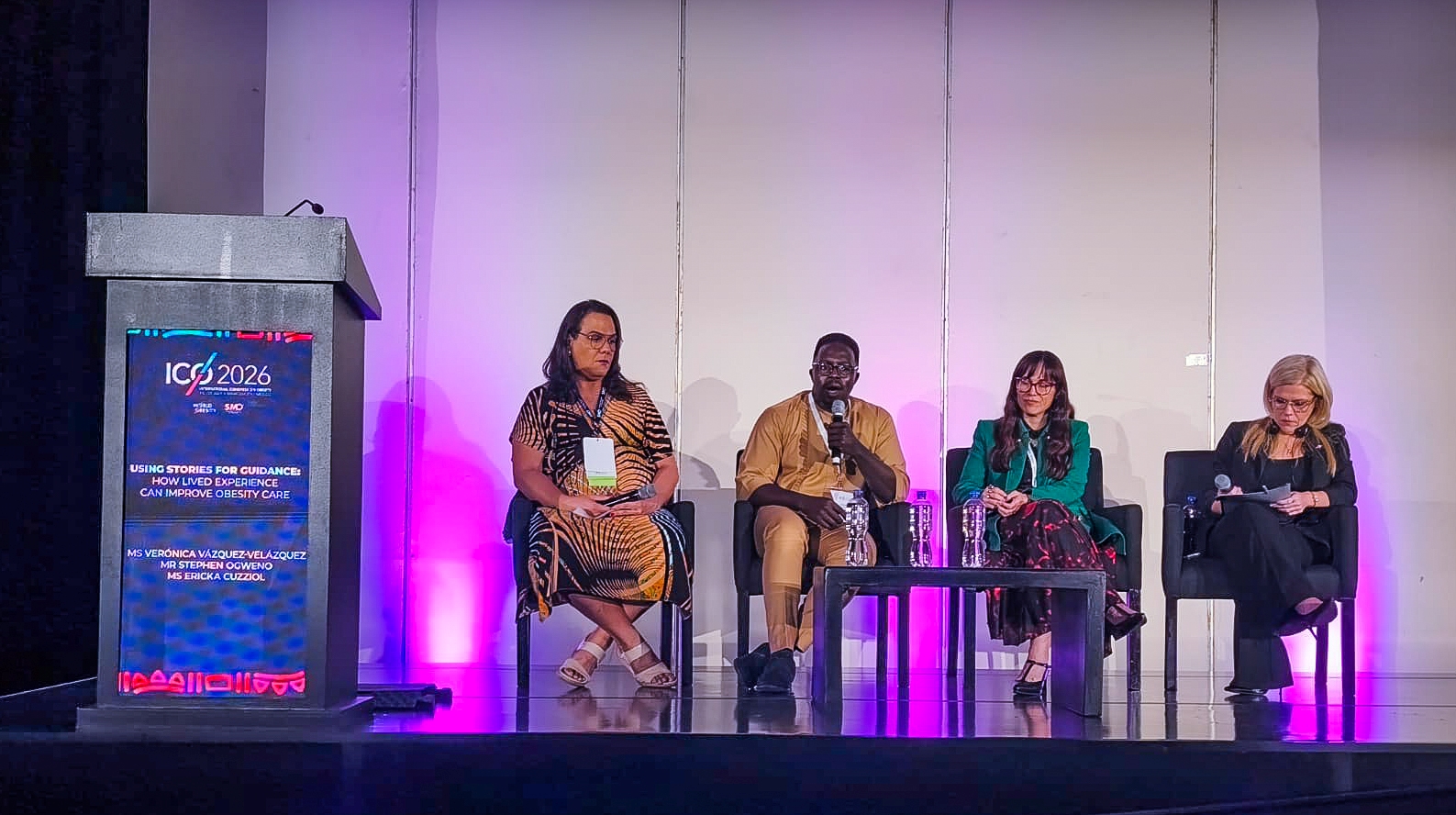
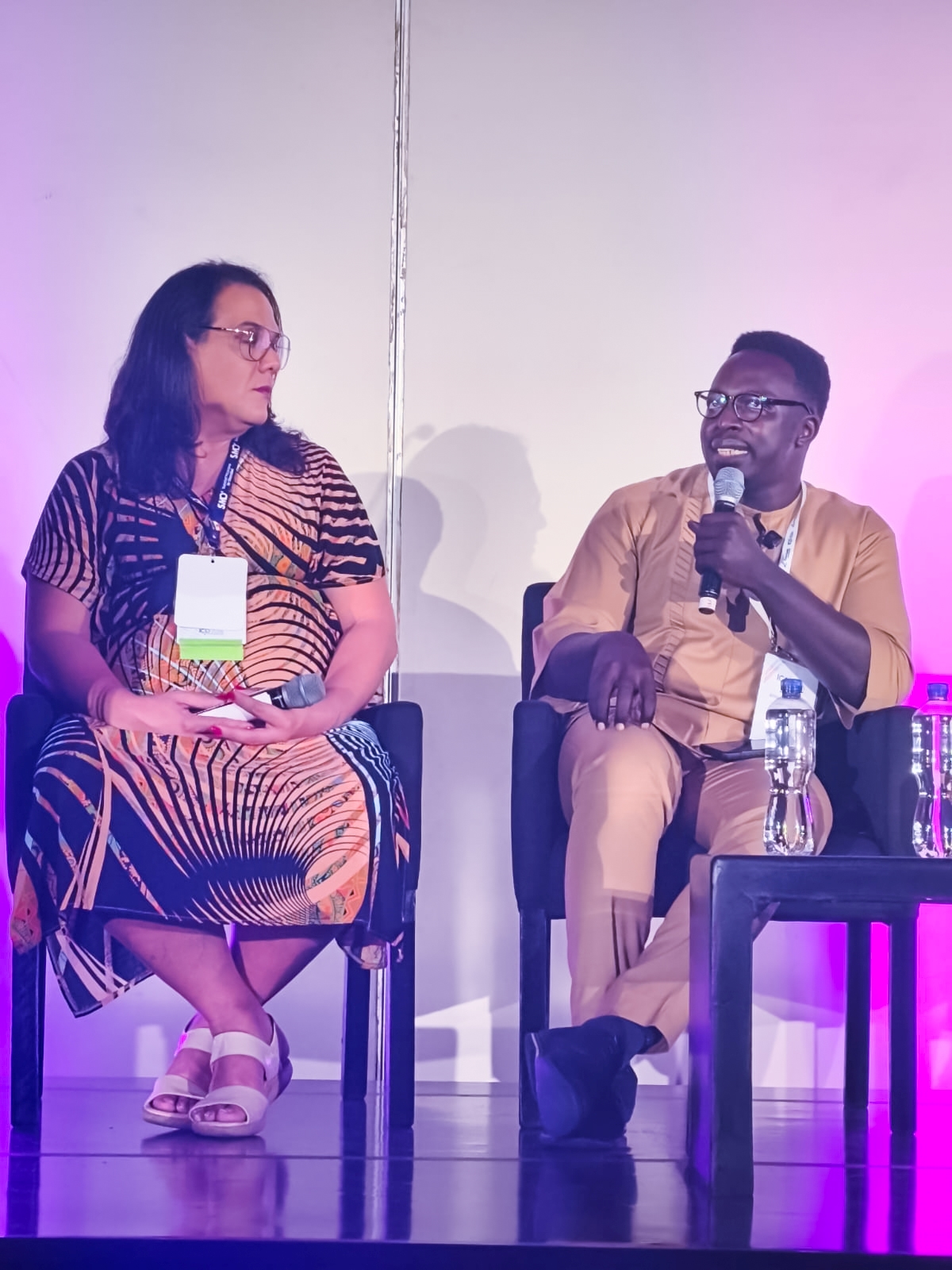
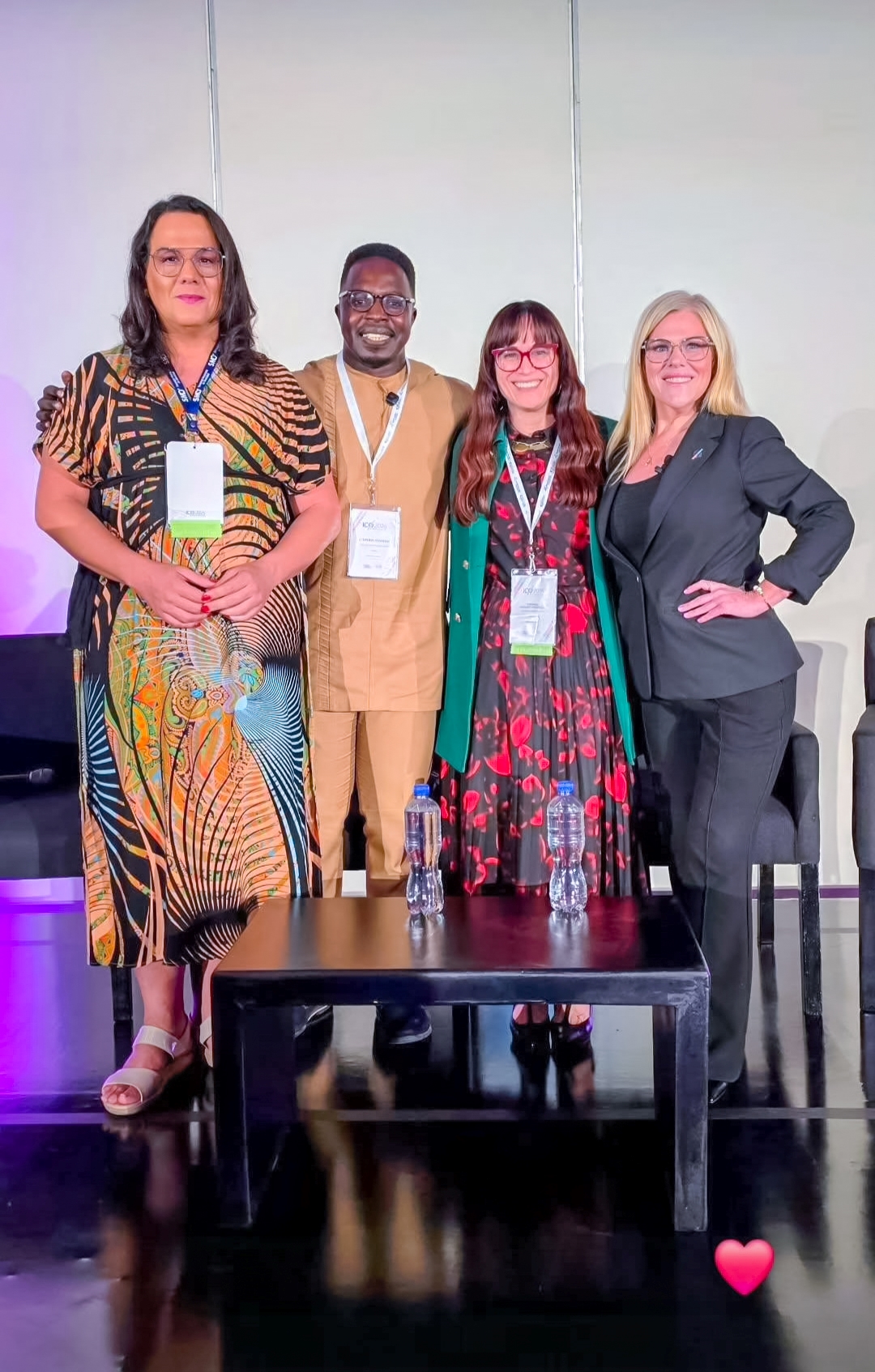
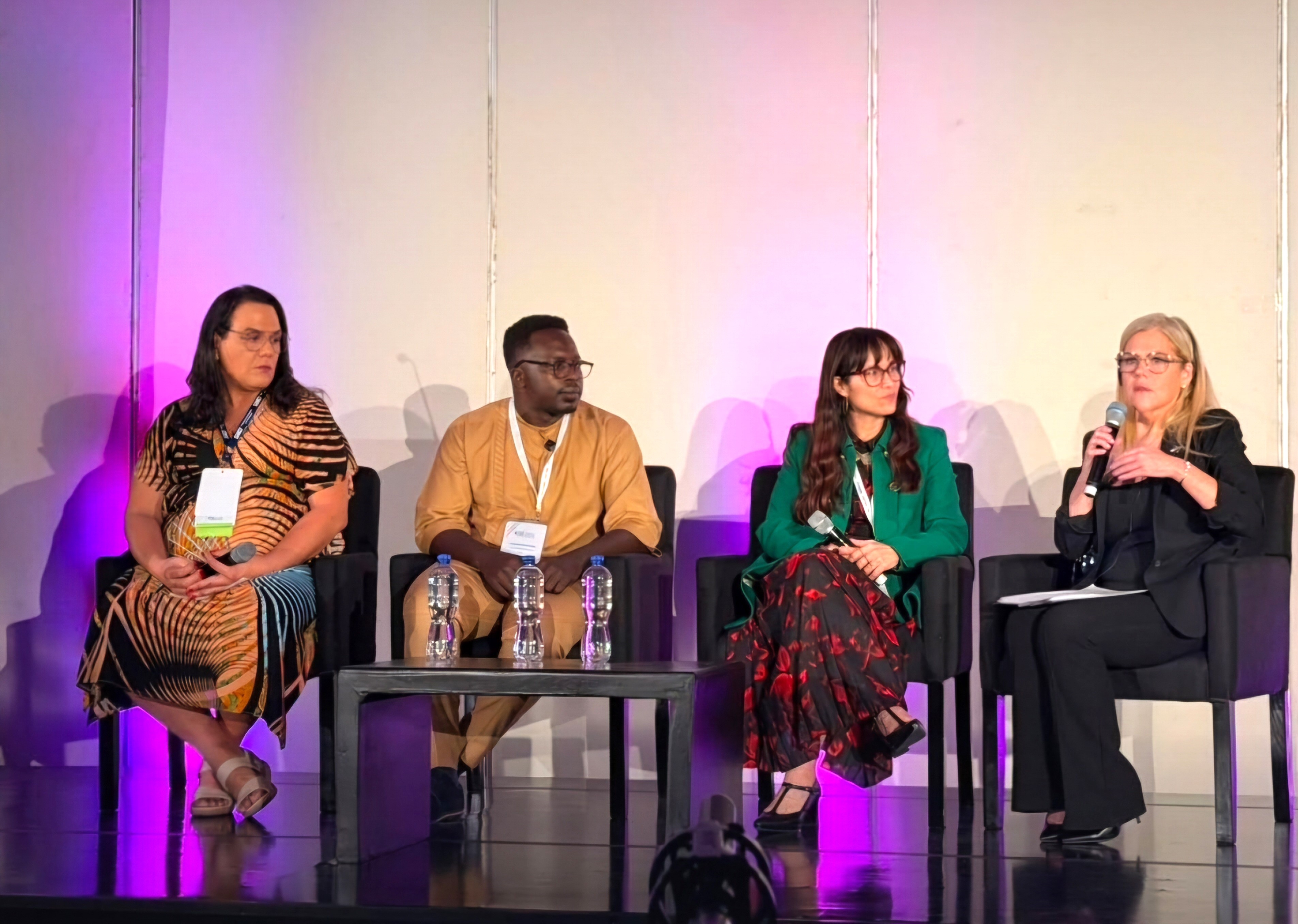
At the International Congress on Obesity (ICO) 2026 in Mexico City, Ogweno Stephen, a Kenyan health advocate, public health expert, and lived experience advocate, joined global experts during the session “Using Stories for Guidance: How Lived Experience Can Improve Obesity Care.” The session explored how personal experiences can help shape better healthcare, reduce stigma, and influence policies that are more responsive to the realities of people living with obesity.
Drawing from his own experience of living with childhood obesity, Ogweno Stephen spoke about why listening to people with lived experience is essential if the world is to improve obesity prevention, treatment, and long-term care.
Turning Personal Experience Into Better Obesity Care
For Ogweno Stephen, sharing his story was about much more than reflecting on his childhood.
It was about demonstrating how lived experience can strengthen healthcare systems, improve communication between patients and healthcare professionals, and create policies that respond to people’s real needs rather than assumptions.
He explained that childhood obesity is a complex chronic disease influenced by biological, environmental, social, and psychological factors. Children living with obesity need understanding and support rather than blame.
His story illustrated how stigma can begin early in life and how the experiences children have today often shape their health and confidence well into adulthood.
“Every lived experience carries lessons that can help improve healthcare for the next child, the next family, and the next generation.”
Why Families Must Be Part of the Solution
One of the strongest messages from Ogweno Stephen’s presentation was the importance of adopting a whole-family approach to childhood obesity.
Children do not make health decisions in isolation.
The foods available at home, opportunities for physical activity, emotional support, family routines, and health literacy all influence a child’s health journey.
Stephen emphasized that lasting change happens when parents and caregivers become active partners in creating healthier environments rather than placing responsibility solely on children.
Supporting families with practical knowledge and compassionate care can help children develop healthier habits without shame or stigma.
Education Can Reduce Obesity Stigma
Another key theme of the discussion was education.
Ogweno Stephen highlighted that improving obesity care requires more than increasing public awareness.
Healthcare professionals, teachers, parents, and caregivers all need better education about obesity as a chronic disease.
Too often, outdated beliefs continue to shape the way obesity is discussed and managed, leading to misunderstanding, delayed care, and harmful stigma.
By improving obesity education across schools, healthcare settings, and communities, countries can create more supportive environments where children and families feel empowered to seek help without fear of judgment.
His message reflected a growing international movement to recognize obesity as a chronic disease and place person-centred care at the heart of health systems.
Children Are Powerful Agents of Change
During the session, Ogweno Stephen also shared examples from Stowelink Foundation, where childhood obesity education has become an important part of community engagement.
Working directly with schools, the organization helps children understand healthy lifestyles, nutrition, physical activity, and obesity through age-appropriate education that encourages curiosity rather than fear.
Stephen explained that children are not simply recipients of health information.
They are powerful advocates within their own families.
Many children return home and share what they have learned with parents, siblings, and caregivers, creating conversations that can influence healthier choices across entire households.
By empowering children with accurate information, schools become important partners in preventing obesity and strengthening long-term community health.
Why Lived Experience Belongs in Global Health Discussions
The ICO 2026 session reflected a broader shift taking place across global health.
Increasingly, lived experience is being recognised as a form of expertise that complements scientific research, clinical evidence, and public health policy. People living with obesity bring insights that can improve care pathways, reduce stigma, and help design services that better meet patients’ needs.
For Ogweno Stephen, this shift is essential.
Health policies are strongest when they are informed not only by evidence and clinical guidelines, but also by the voices of the people those policies are intended to serve.
As both a public health advocate and someone with lived experience of childhood obesity, Stephen continues to use his personal journey to advocate for compassionate obesity care, stronger health systems, and policies that place dignity, equity, and prevention at the centre of the response to obesity and other non-communicable diseases.
His participation at ICO 2026 demonstrated that stories have the power to do more than inspire.
When shared with honesty and purpose, they can change minds, influence policy, and ultimately improve lives.

Leave a Reply