
Travel has a way of changing perspective. Sometimes it is the places that leave the deepest impression. Other times, it is the people.
Walking through the streets of Mexico City with a camera in hand, Stephen found a city where ancient civilizations meet modern life, where art tells the story of a nation, and where every corner offers something worth remembering.
More than anything, he was struck by the resilience of the Mexican people.
“They work hard, celebrate life wholeheartedly, and carry a deep sense of pride in their history and culture.”
One symbol appeared almost everywhere he looked: the skull. Rather than representing fear, it reflects remembrance, celebration, and the enduring Mexican tradition of honoring loved ones during Día de los Muertos, or the Day of the Dead. It is a powerful reminder that culture can transform even the most difficult themes into expressions of life and identity.
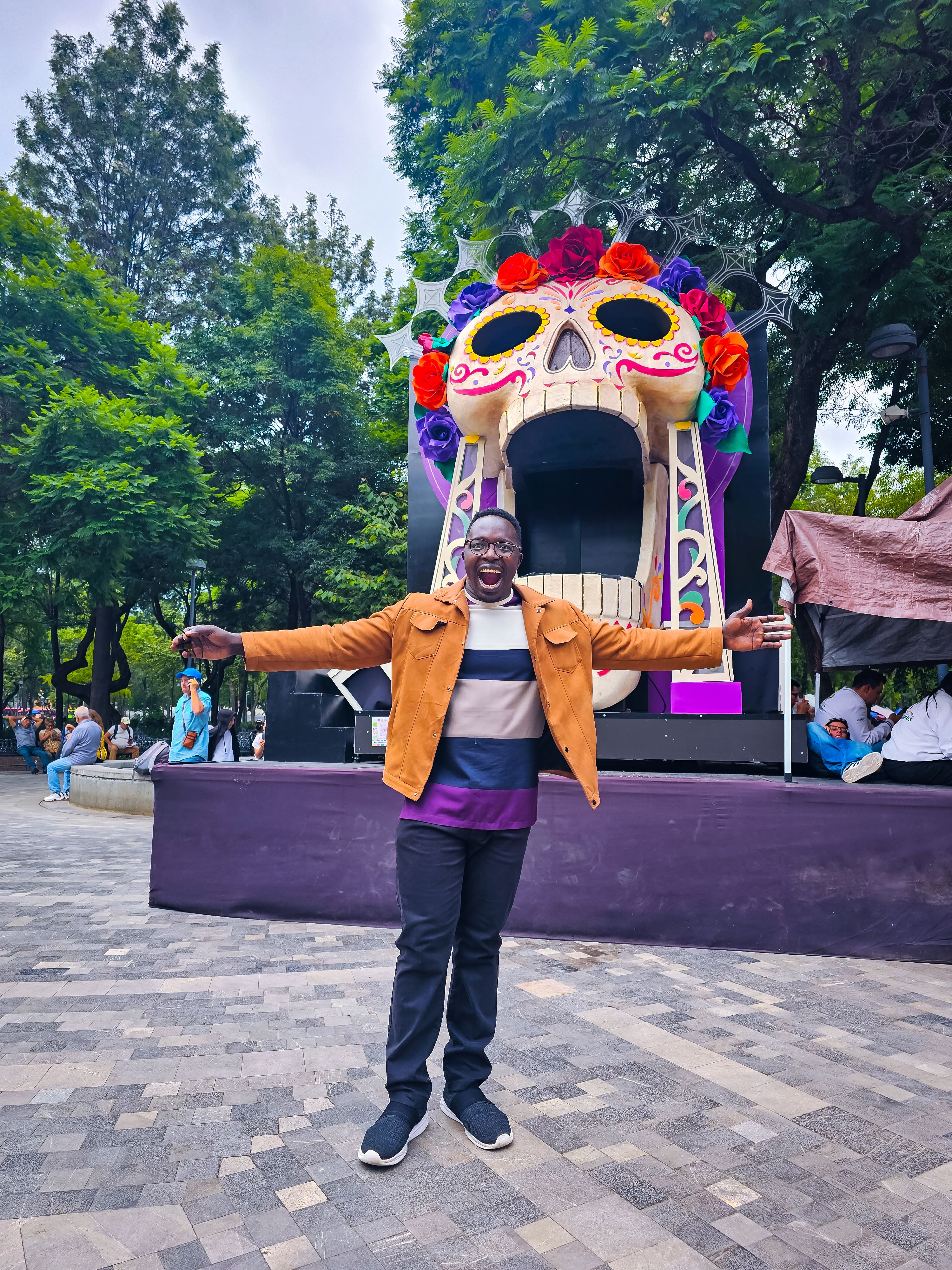
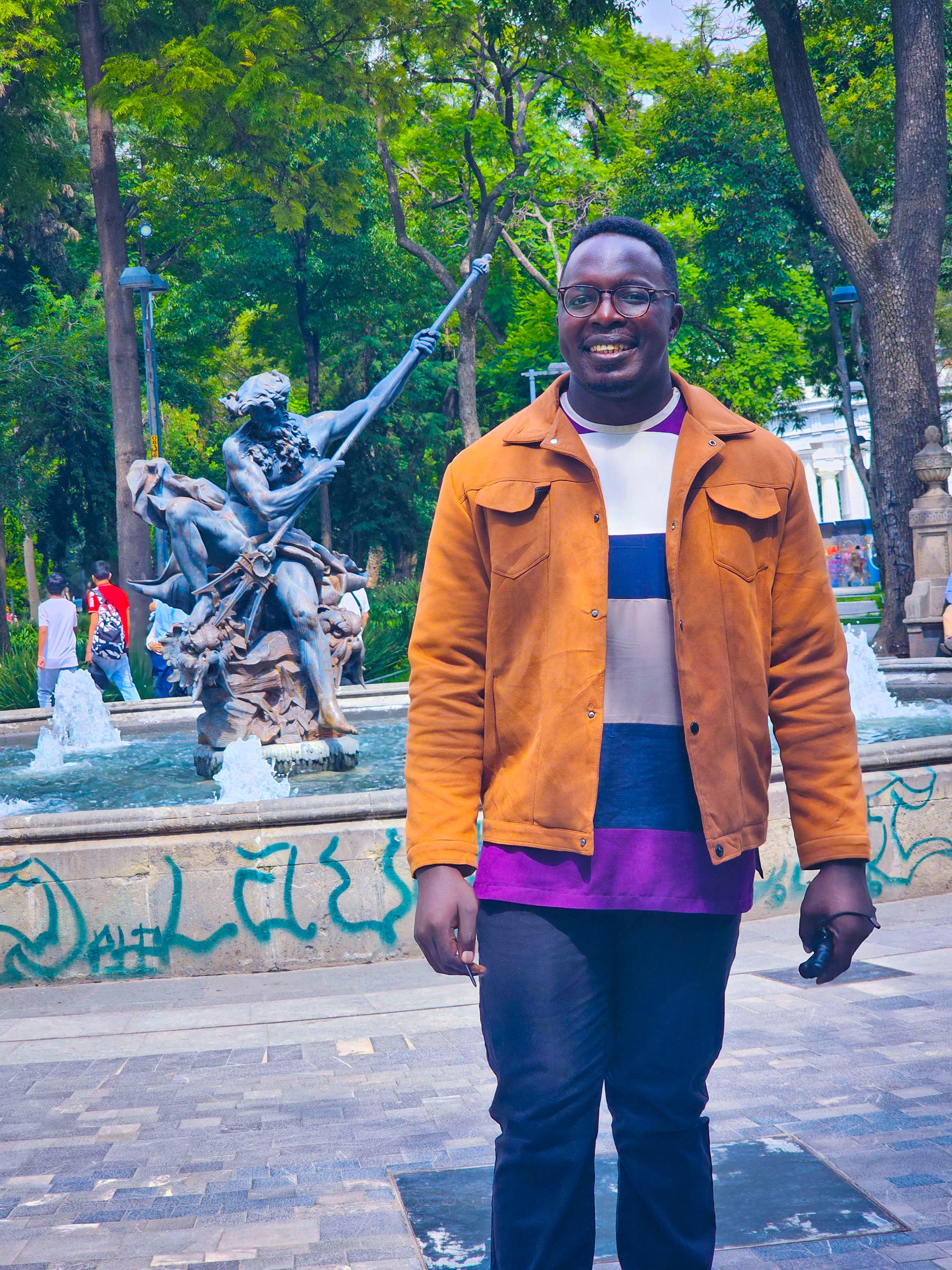
Mexico City’s creative energy also stood out. From rock music and alternative fashion to striking street art and historic architecture, the city embraces individuality while remaining deeply connected to its heritage.
Of course, no visit would have been complete without experiencing Mexican cuisine. From local cafés to traditional restaurants, every meal reflected the country’s rich culinary traditions and warm hospitality.
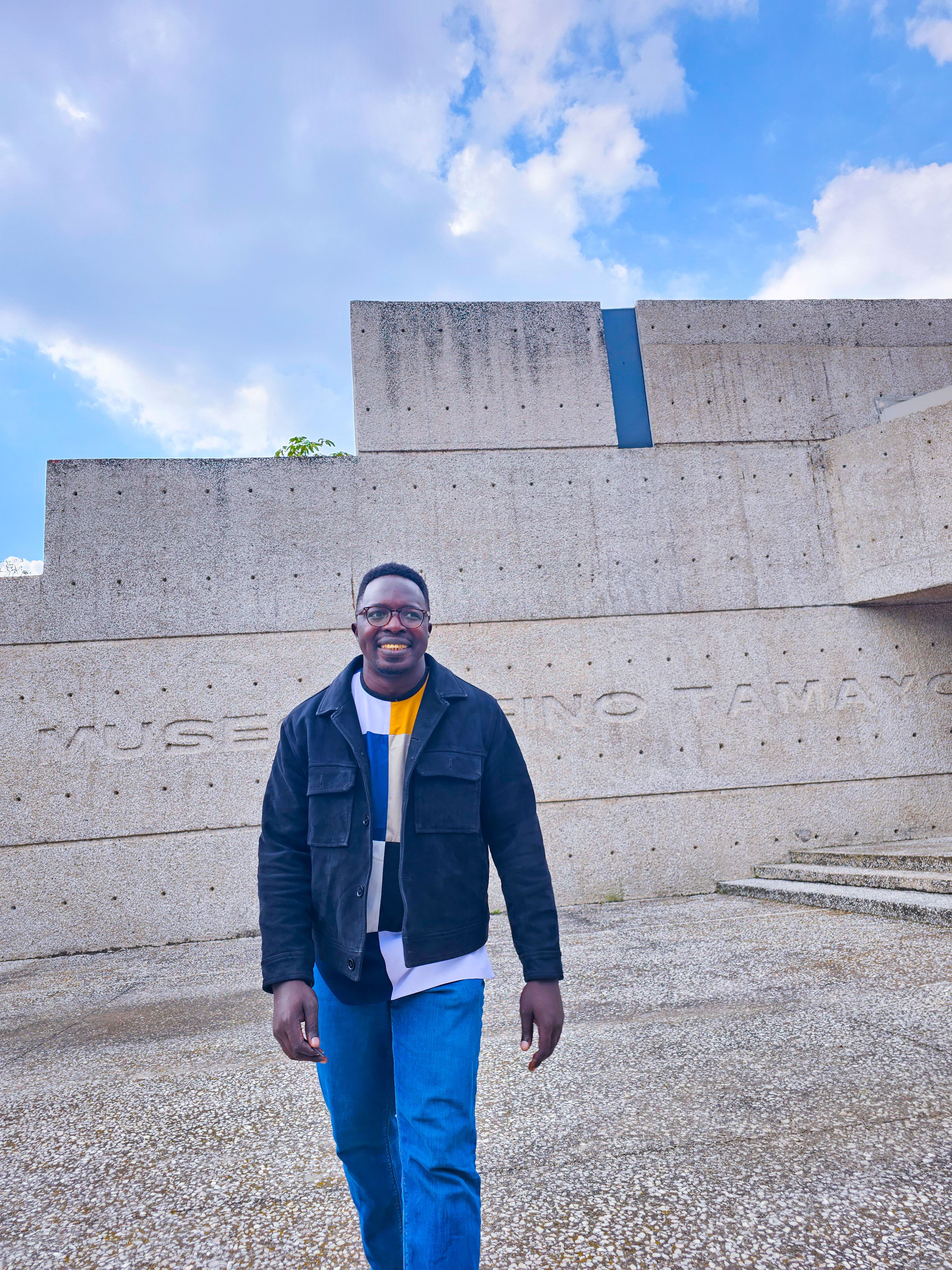
These were some of the places Ogweno Stephen captured through his lens.
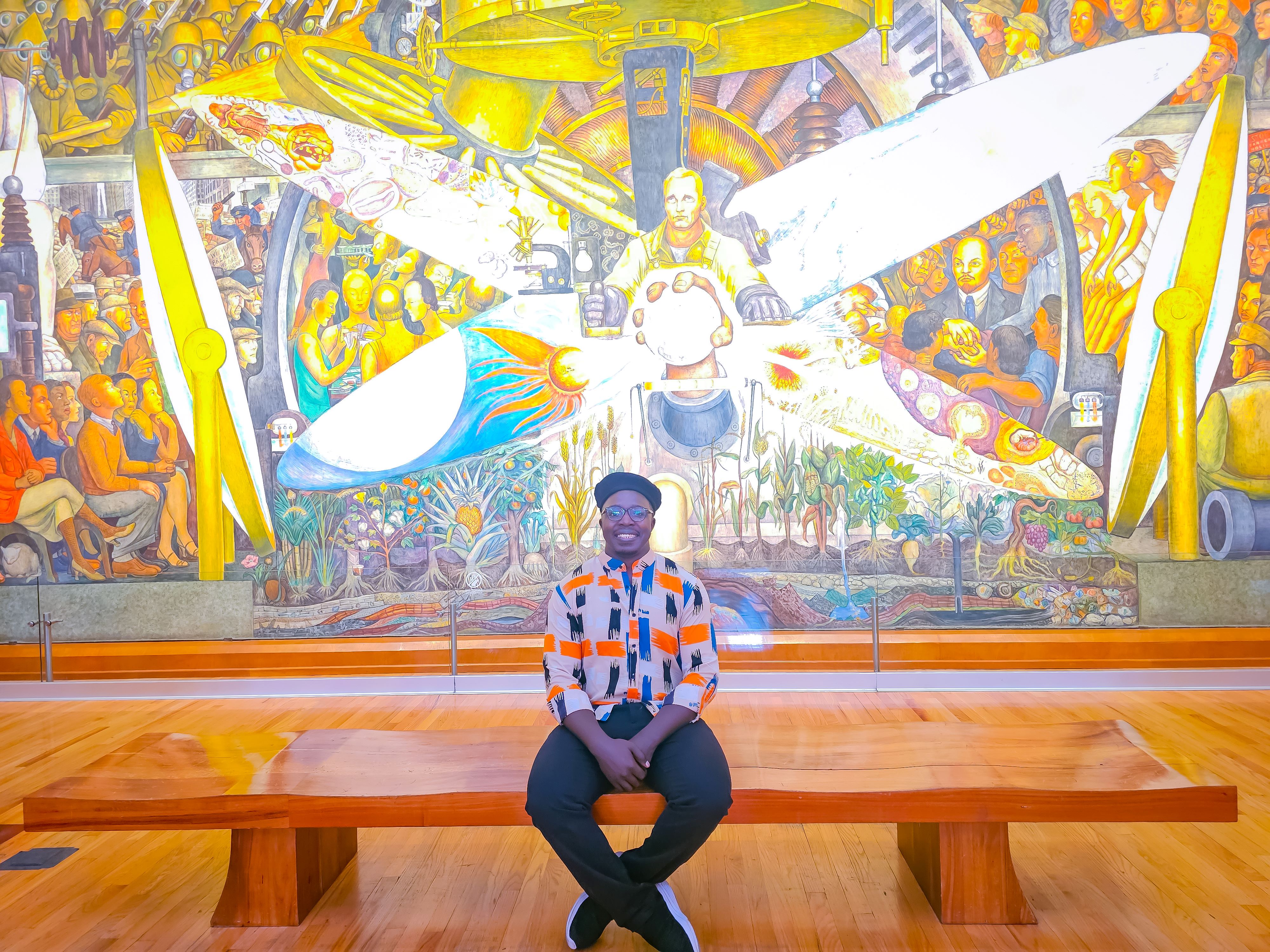
Museo Mural Diego Rivera
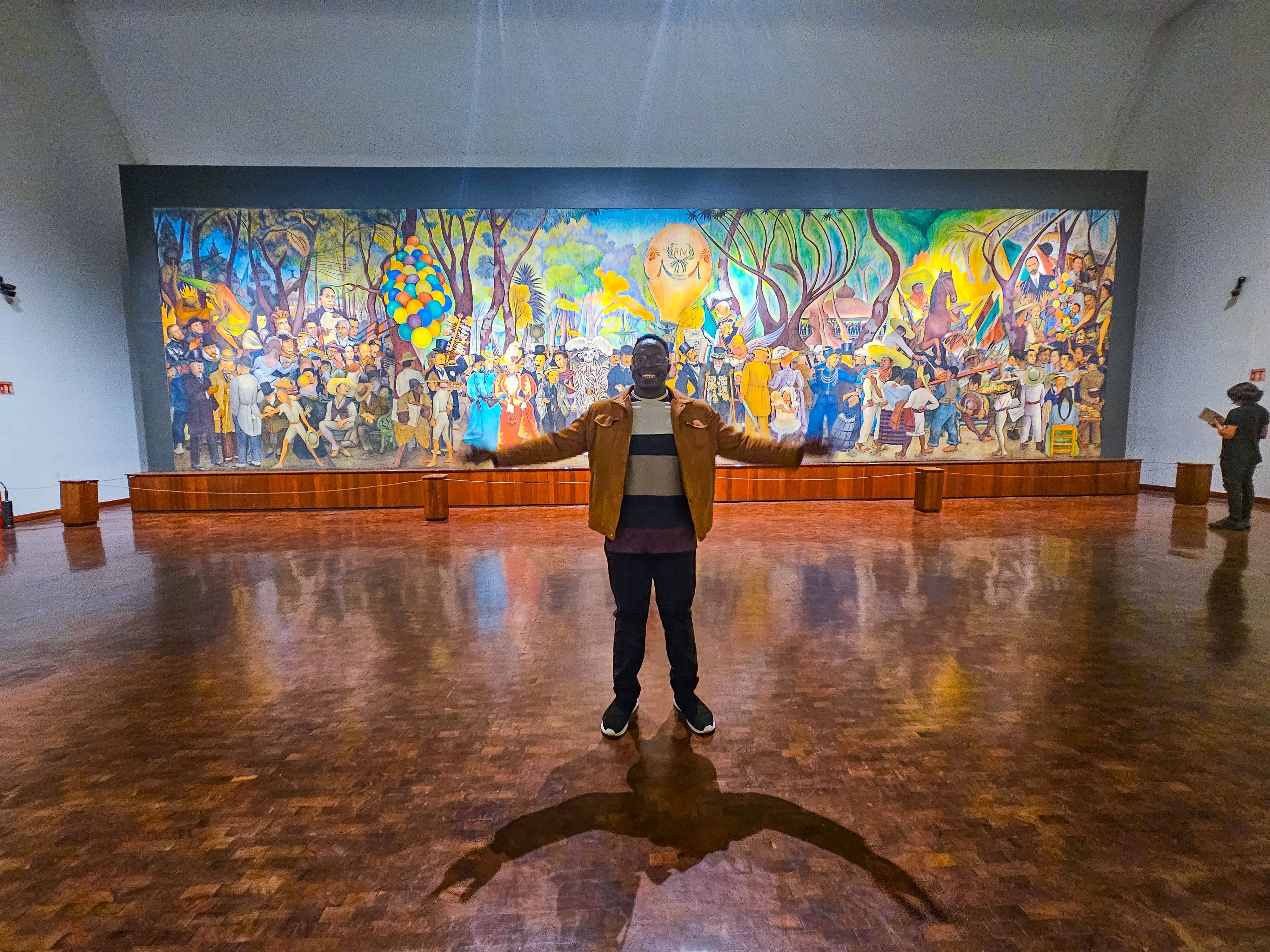
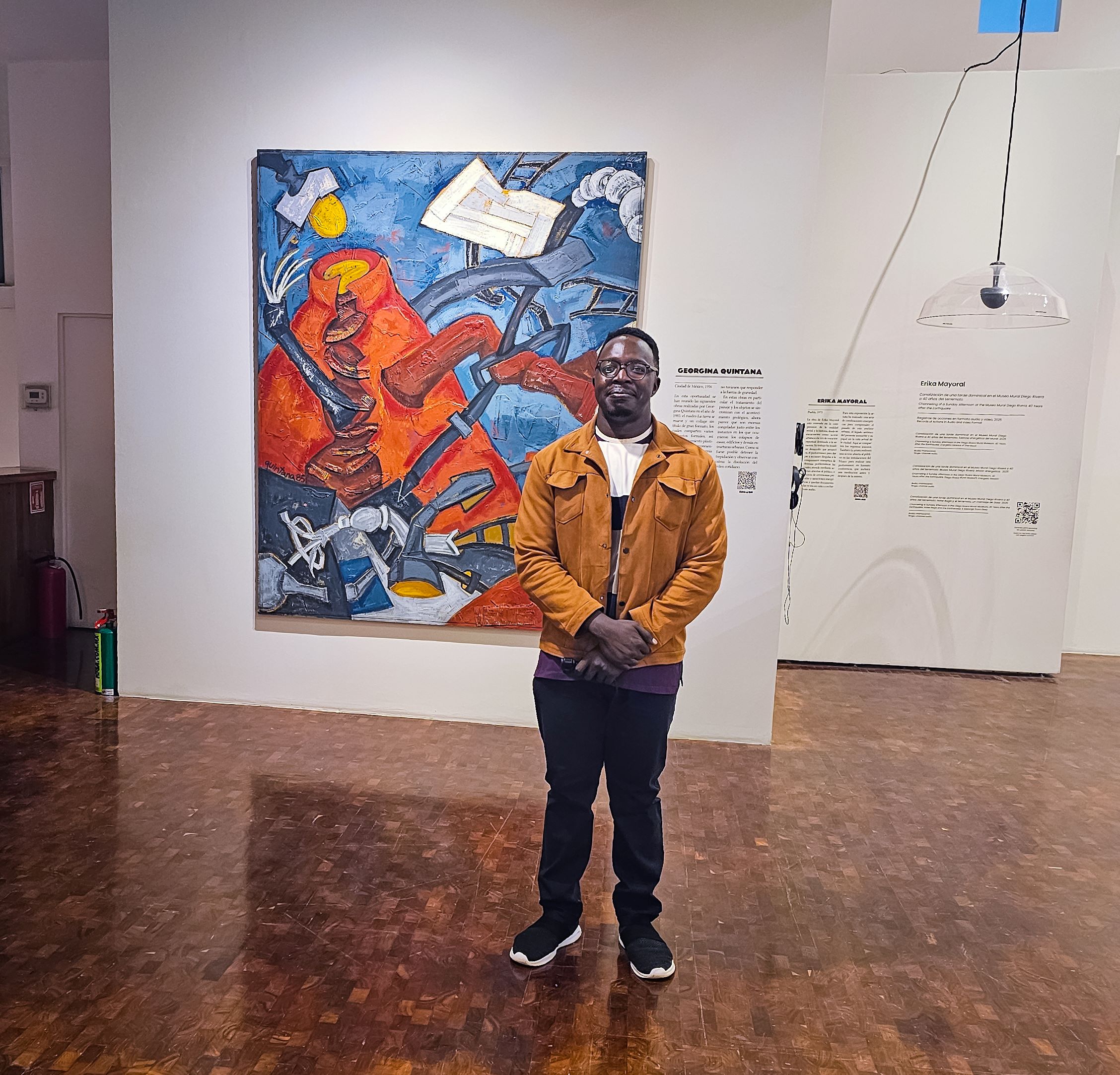
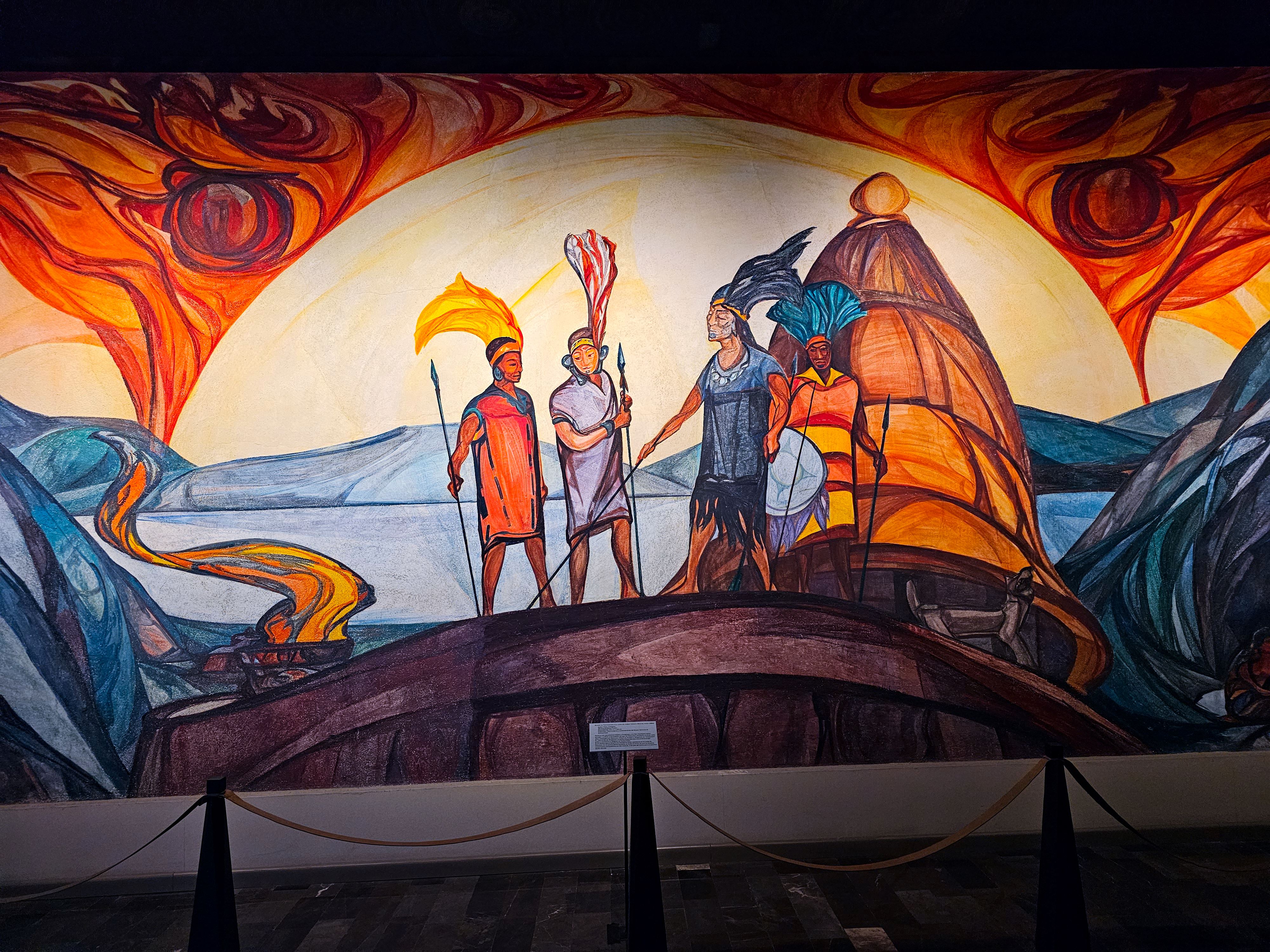
One of the most memorable stops was the Museo Mural Diego Rivera, home to Diego Rivera’s masterpiece Dream of a Sunday Afternoon in Alameda Central. The mural tells the story of Mexico across centuries, bringing together historical figures, artists, political leaders, and ordinary citizens in a single extraordinary work of art. Originally created for the Hotel del Prado, the mural was carefully preserved after the 1985 earthquake and now serves as one of Mexico City’s most important artistic treasures.
For Stephen, the museum demonstrated how art can preserve history while encouraging conversations about identity, justice, and social change.
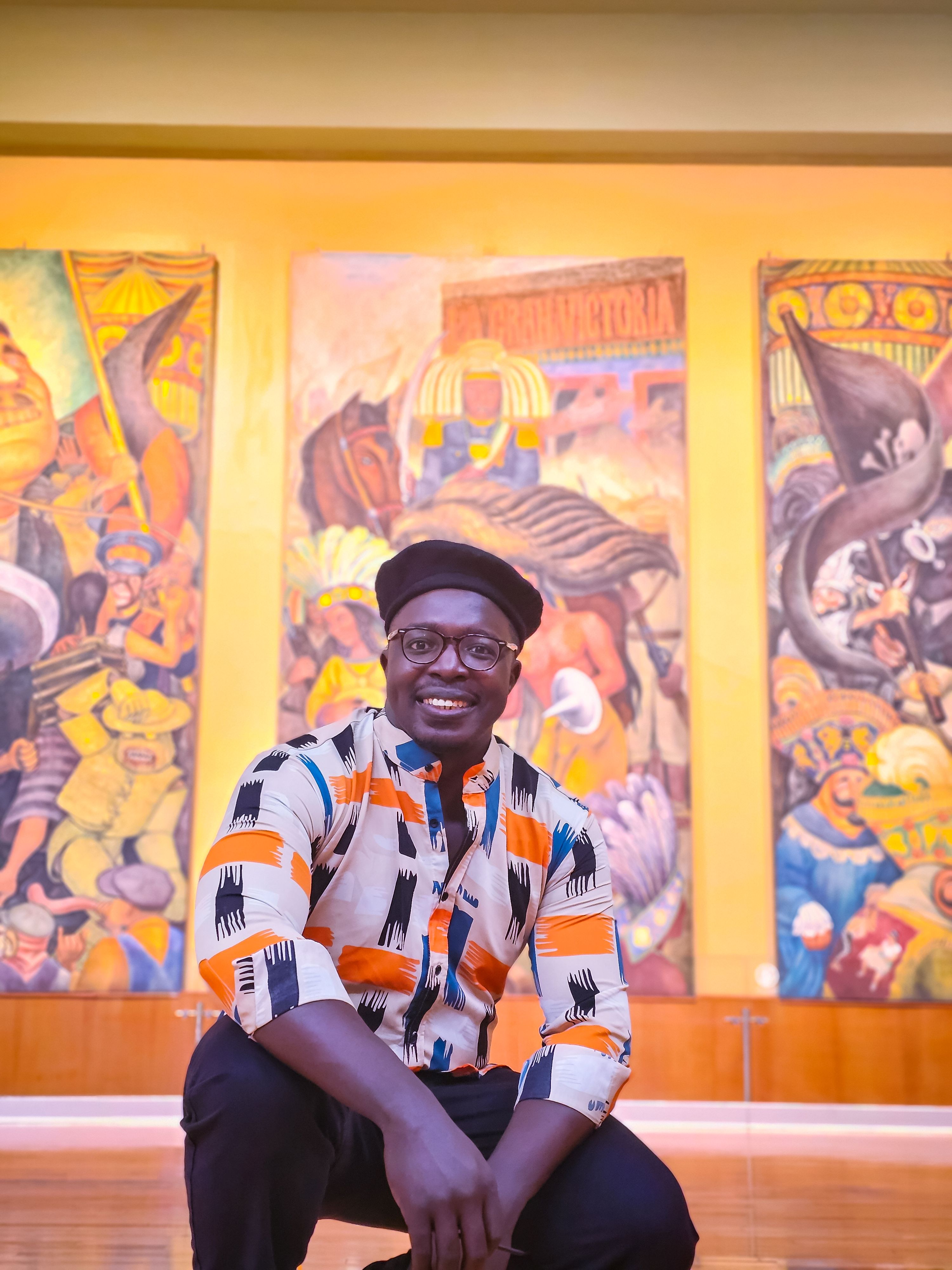
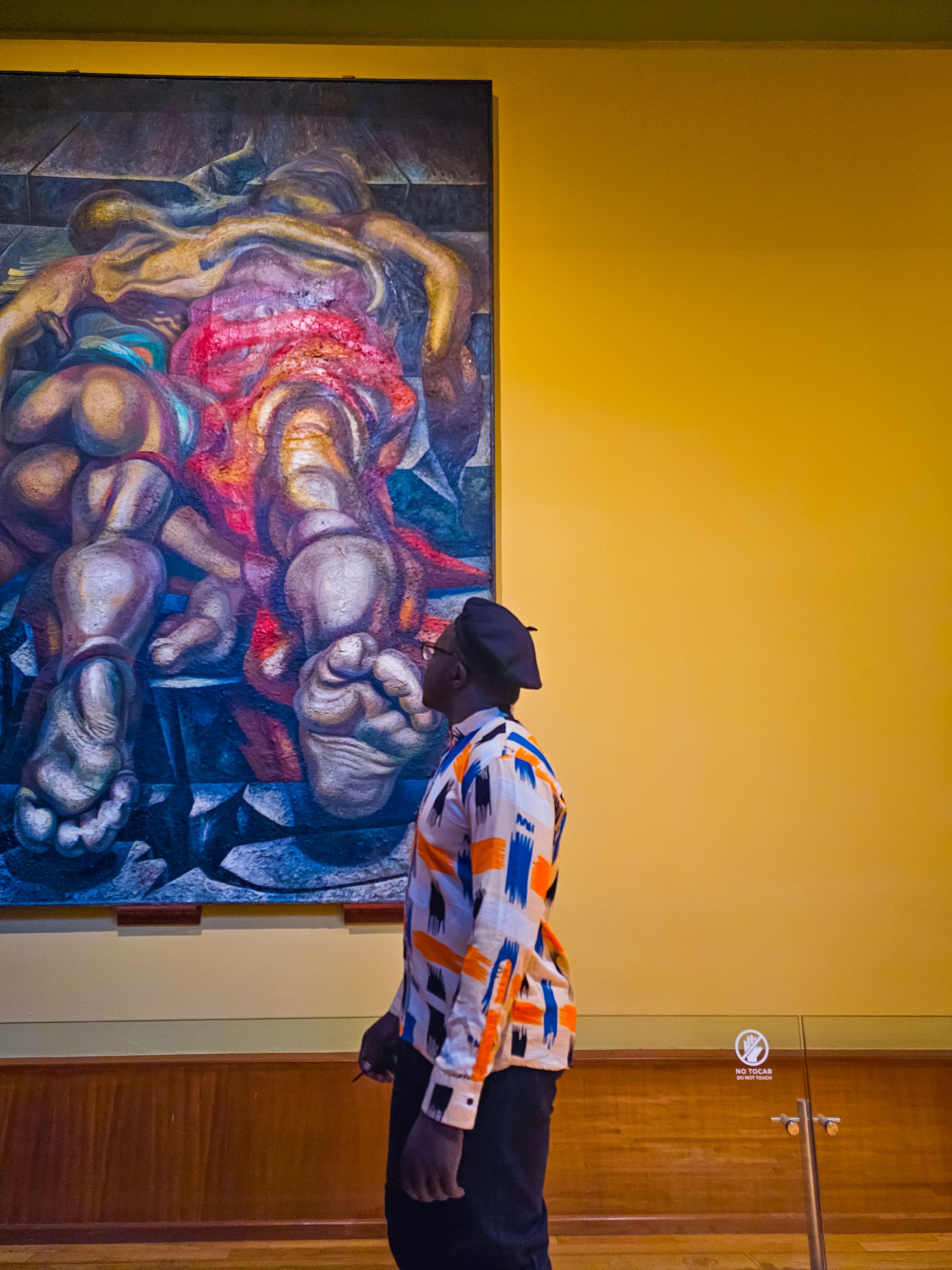
Palacio de Bellas Artes
Few buildings capture the cultural heart of Mexico quite like the Palacio de Bellas Artes.
Its white marble façade is instantly recognizable, while inside visitors discover murals created by some of Mexico’s greatest artists, including Diego Rivera, David Alfaro Siqueiros, José Clemente Orozco, and Rufino Tamayo. The palace remains the country’s premier venue for visual arts, music, dance, and opera.
Standing inside the building, Stephen reflected on the important role that art and culture play in preserving national identity and inspiring future generations.
Torre Latinoamericana and the Museum of the City and the Tower Through the Centuries
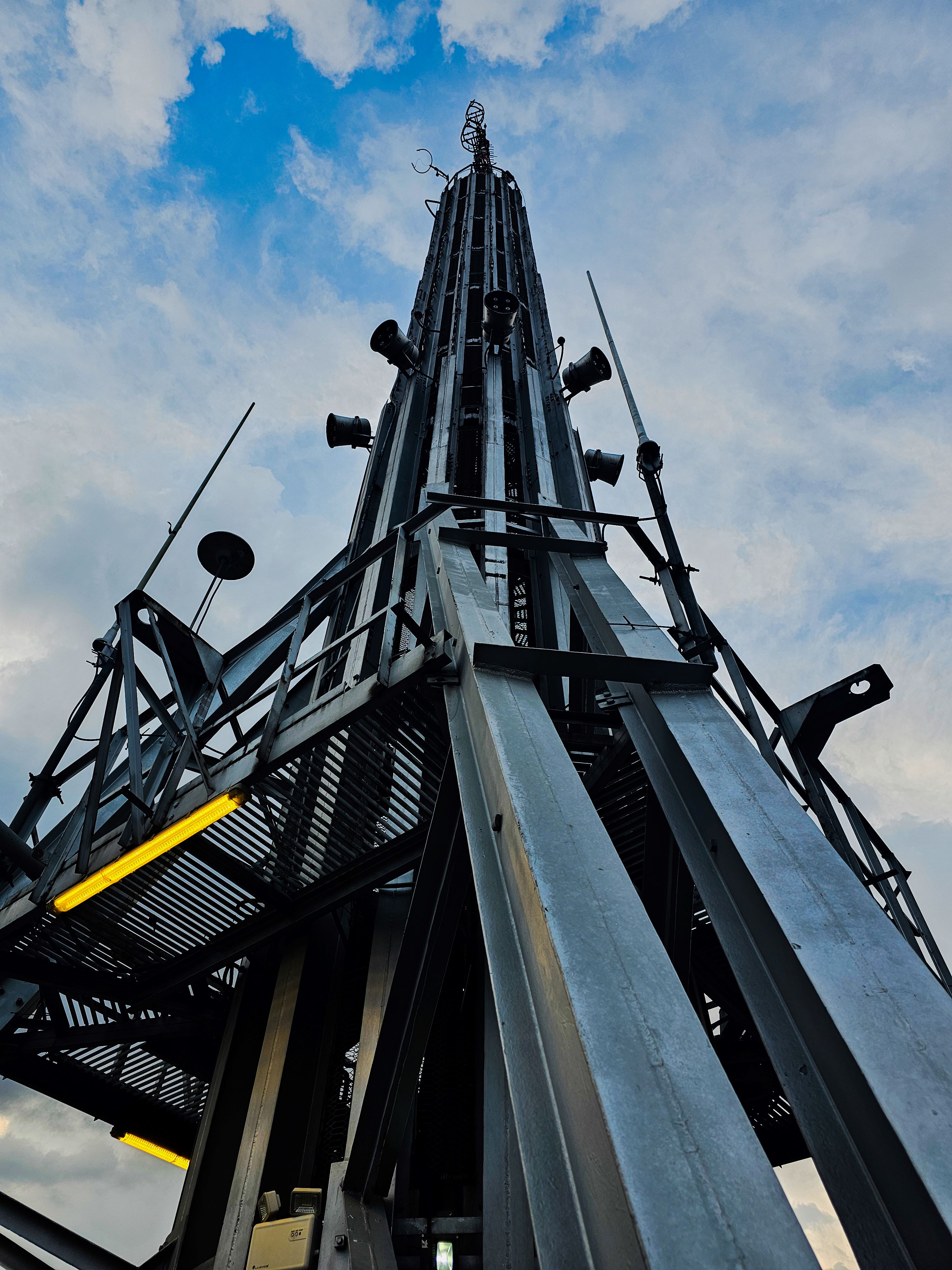
High above the bustling streets of Mexico City, the Mirador de la Torre Latinoamericana offers one of the most spectacular panoramic views of the city.
The tower was once the tallest building in Latin America and became internationally famous for surviving several major earthquakes despite being built on the soft soils beneath Mexico City. Today it remains an engineering icon.
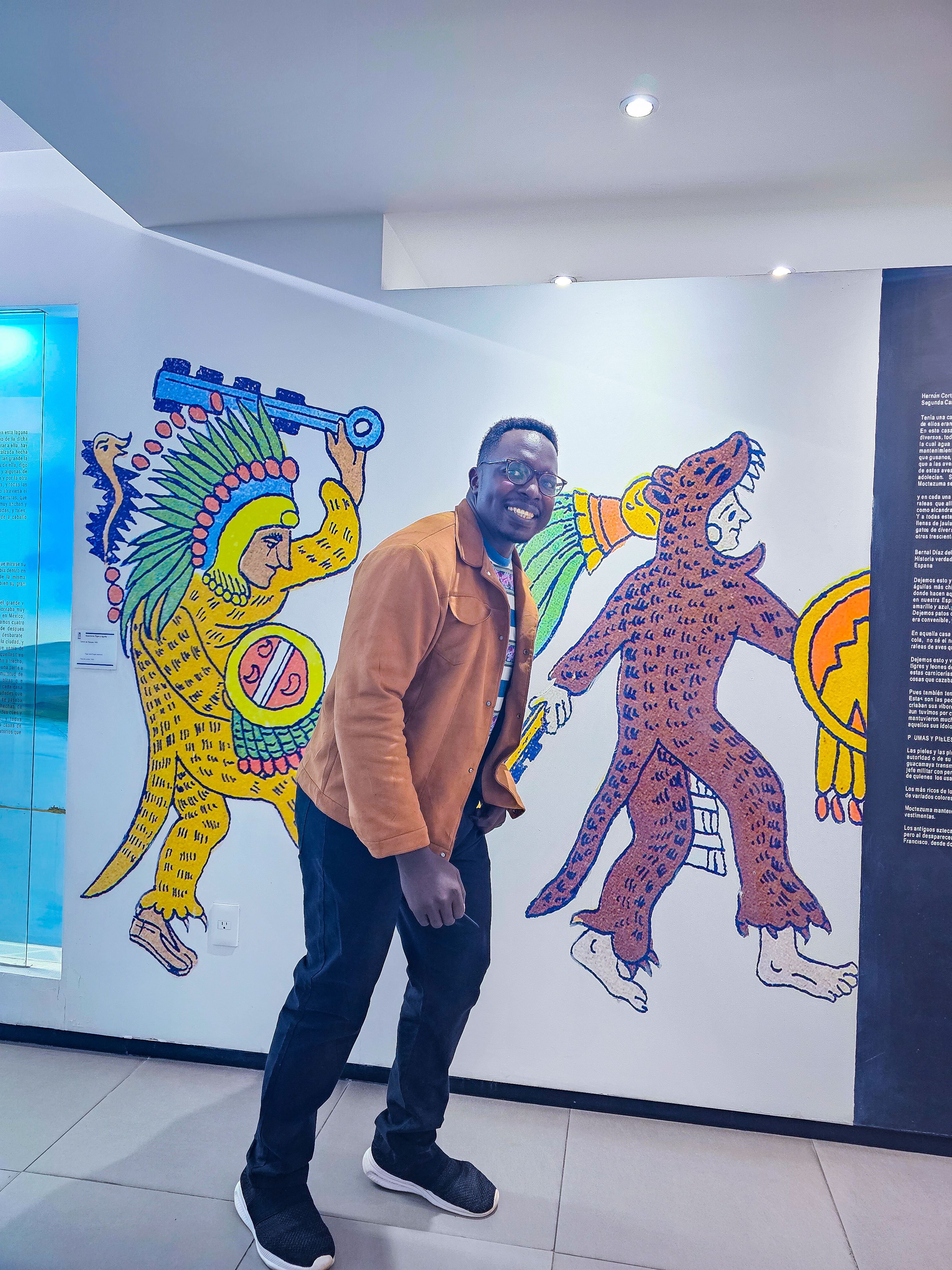
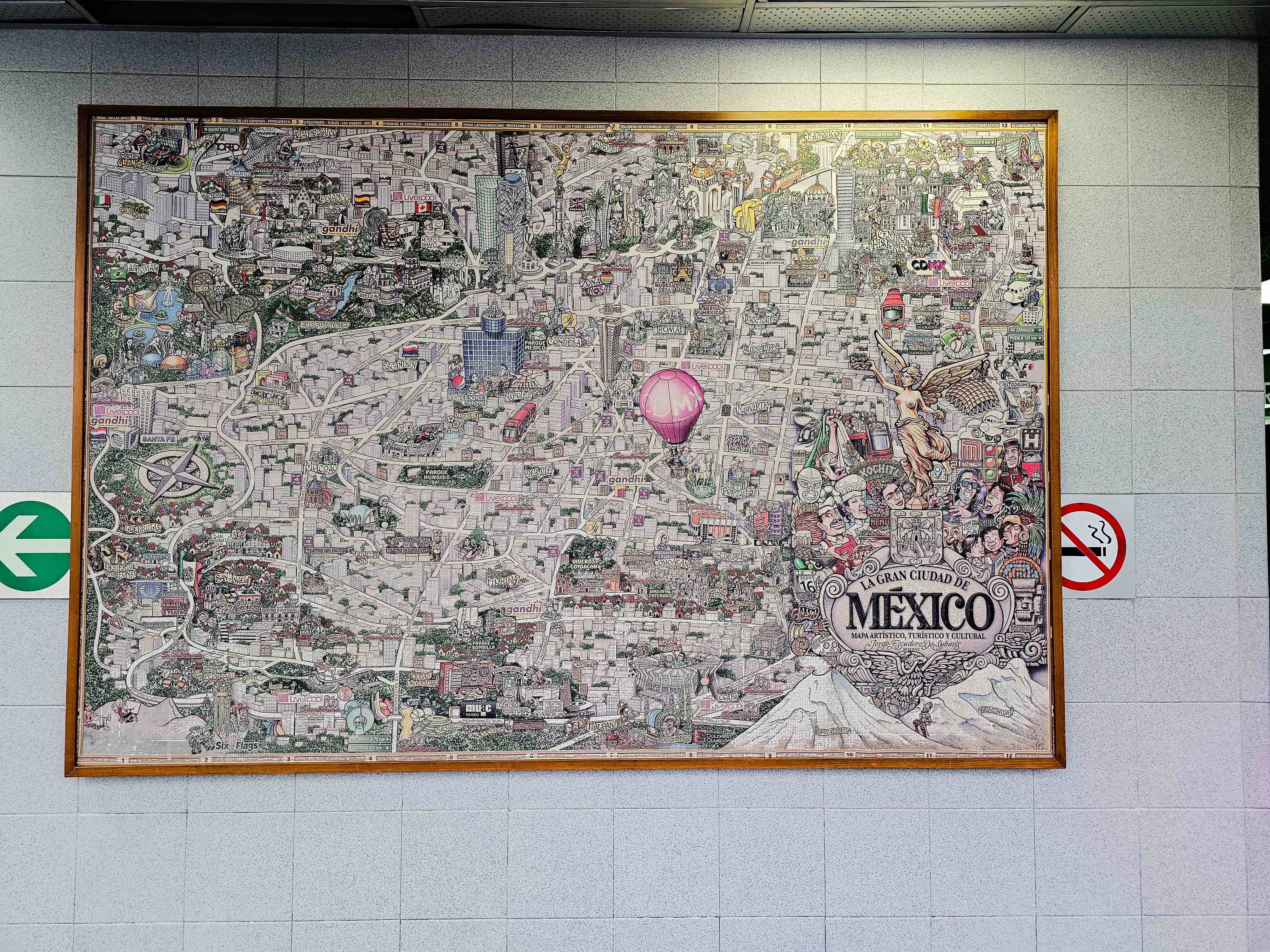
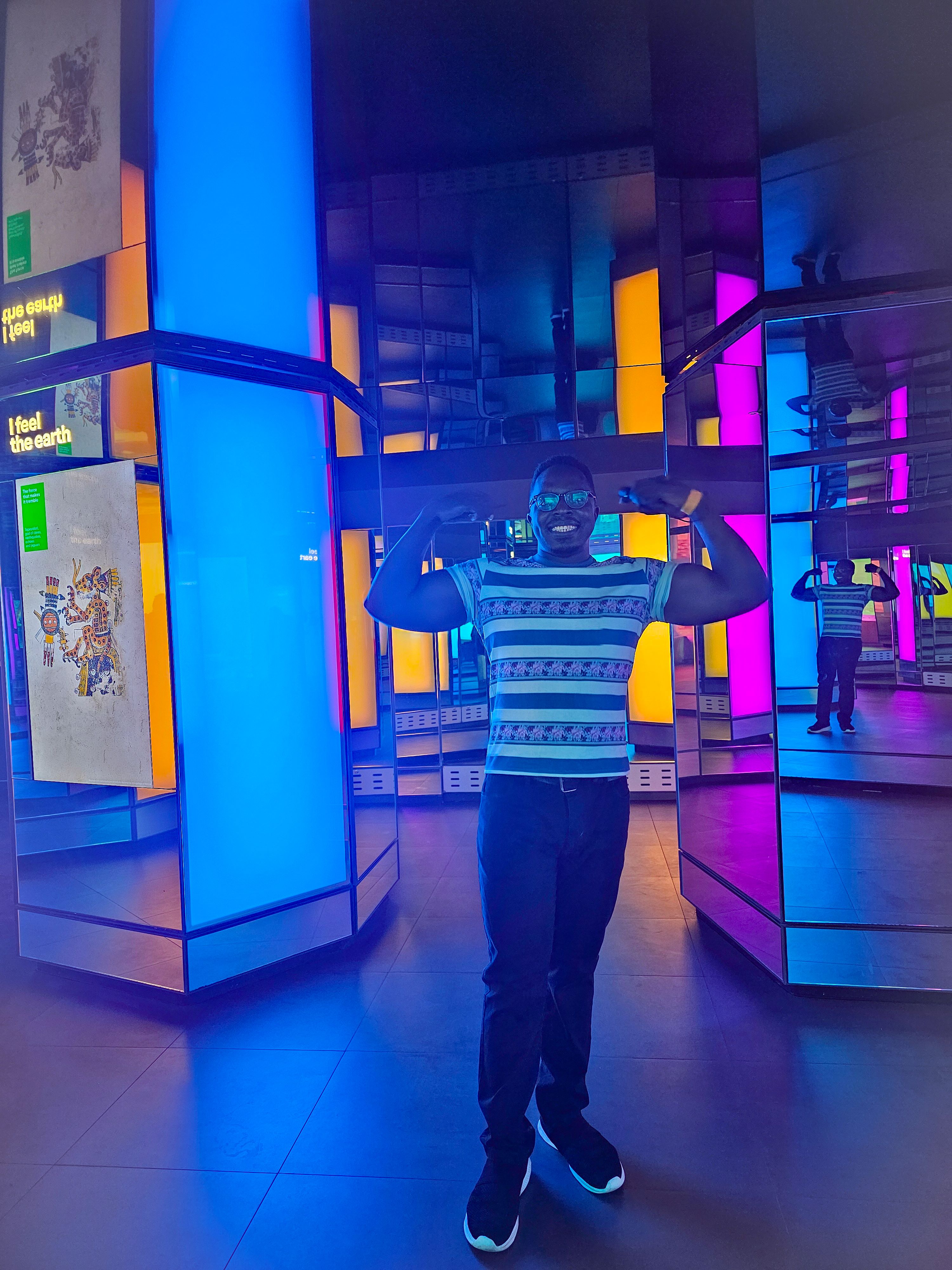
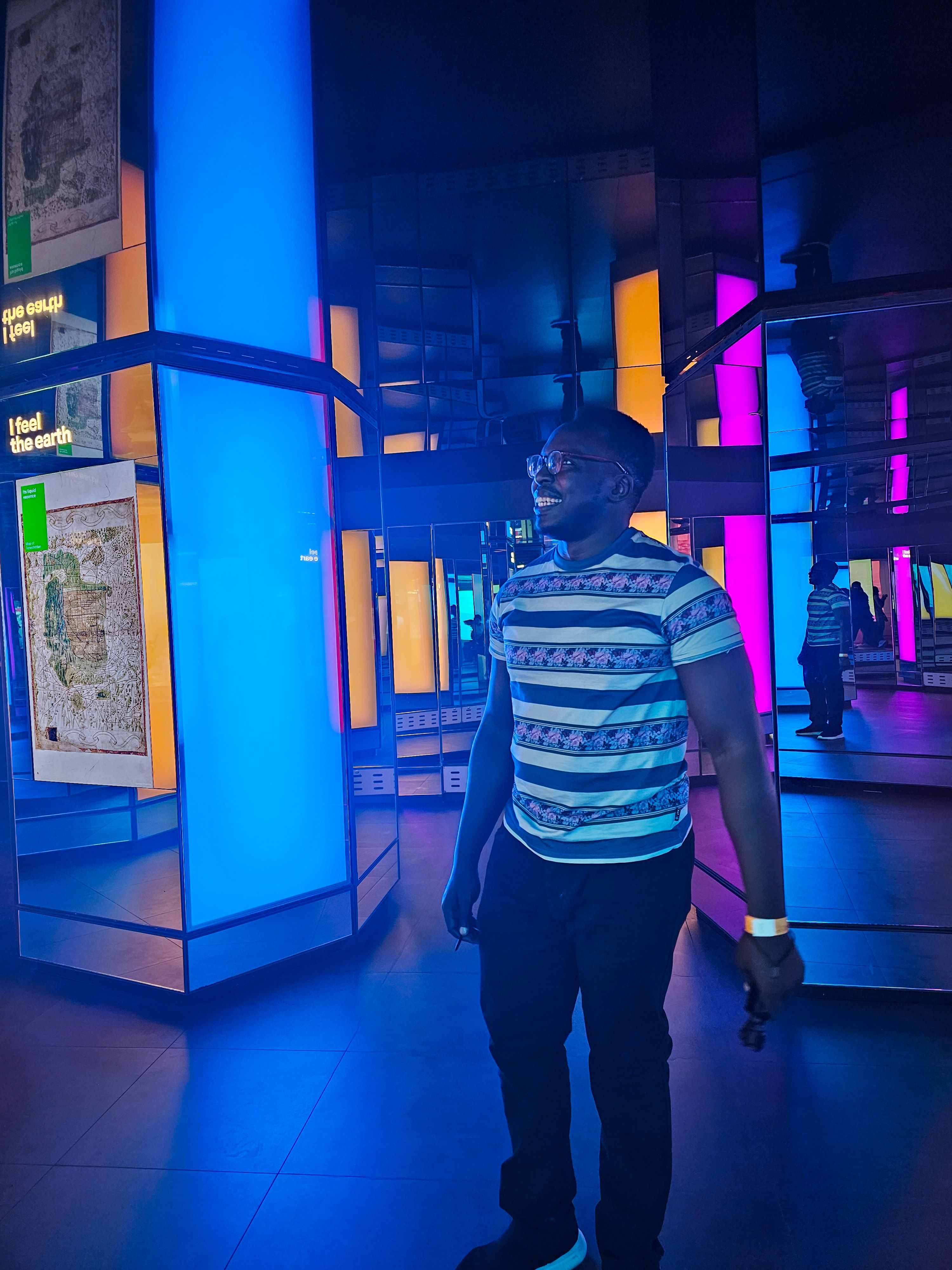
On the 38th floor, Stephen also visited the Museo La Ciudad y la Torre a través de los siglos, which tells the story of Mexico City’s evolution and the history of the Torre Latinoamericana itself. The museum illustrates how the city has transformed over centuries while preserving many of its defining landmarks.
Together, the observation deck and museum offered a unique perspective of both the city’s skyline and its remarkable history.
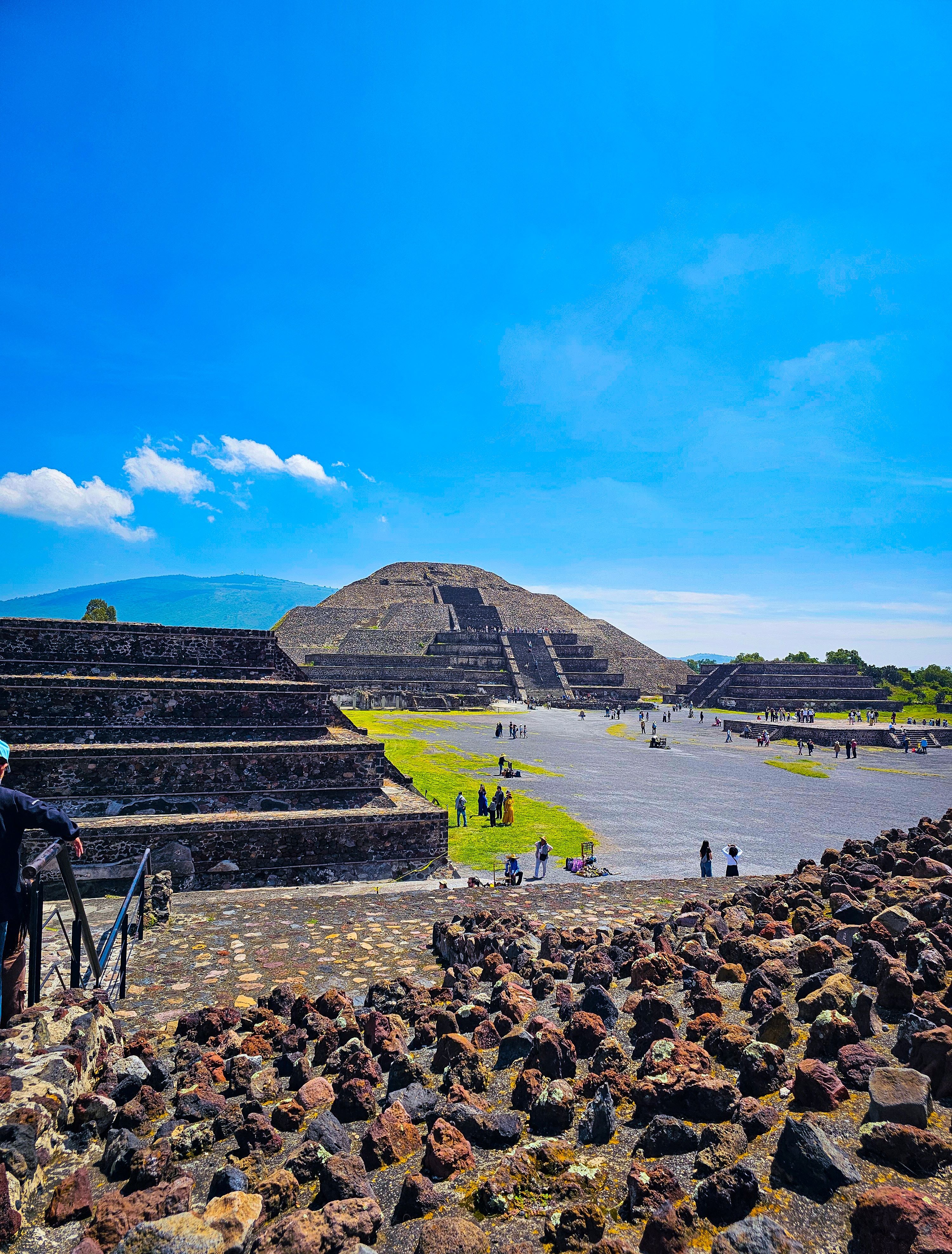
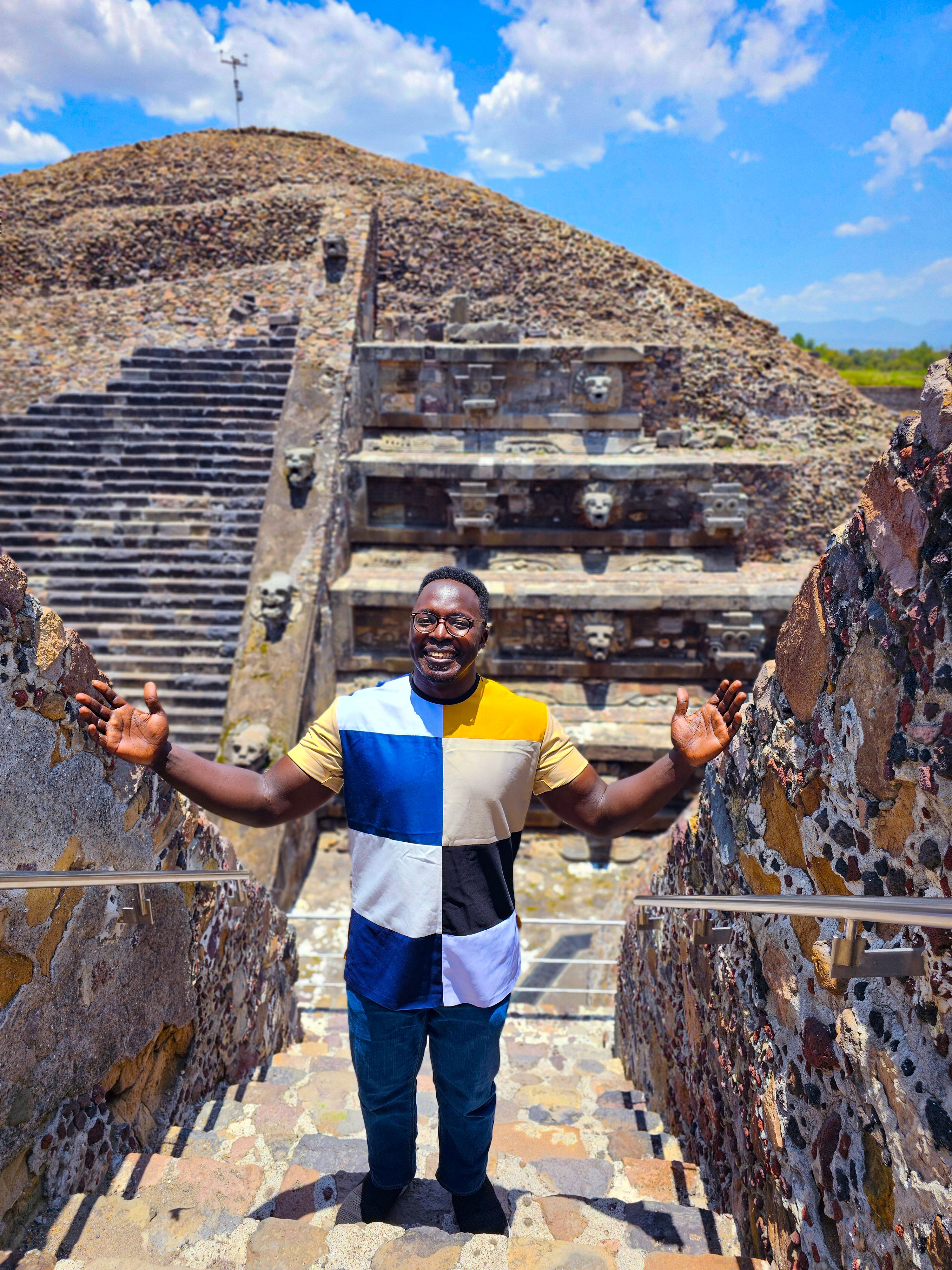
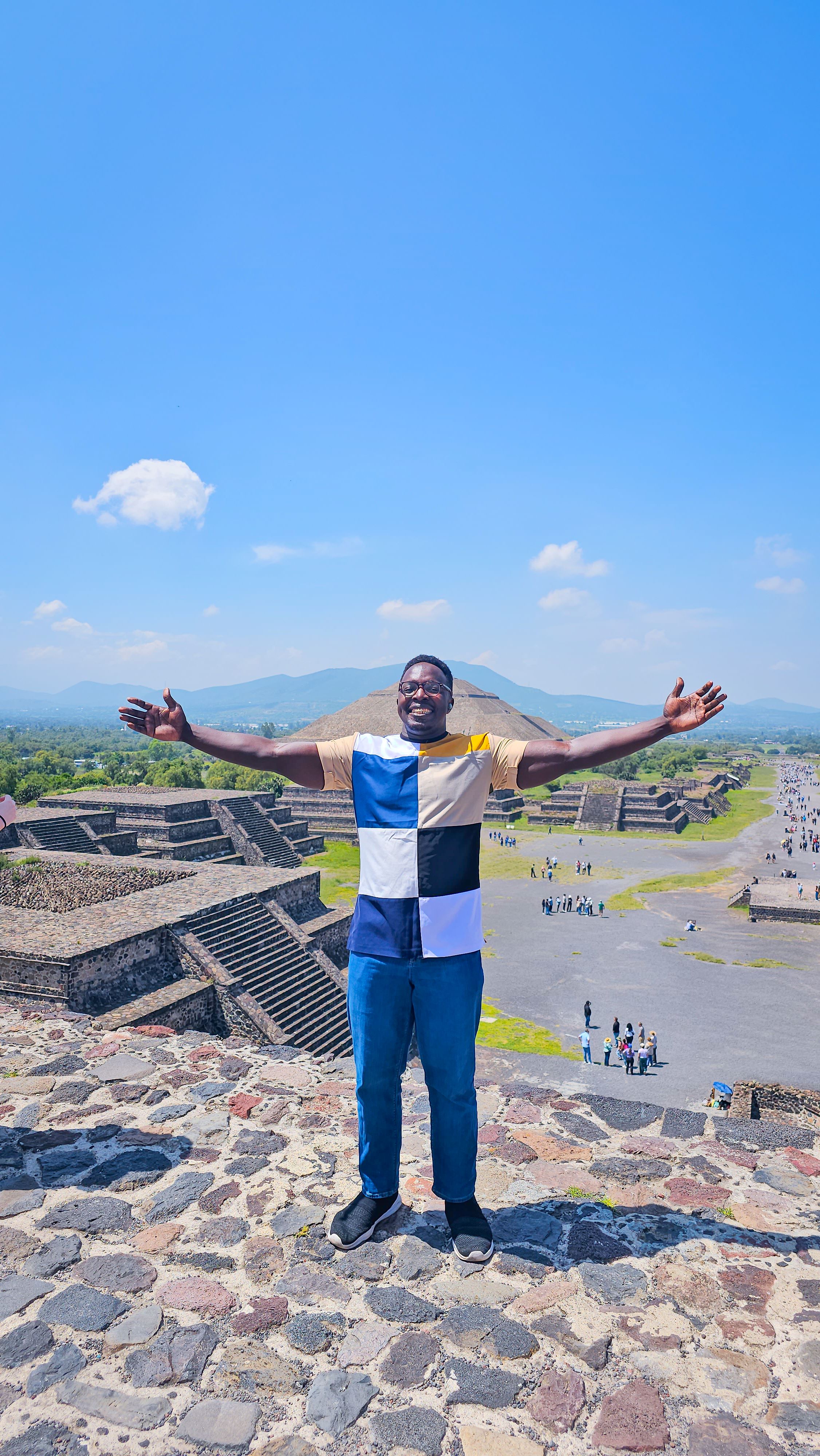
The Pyramids of Teotihuacán
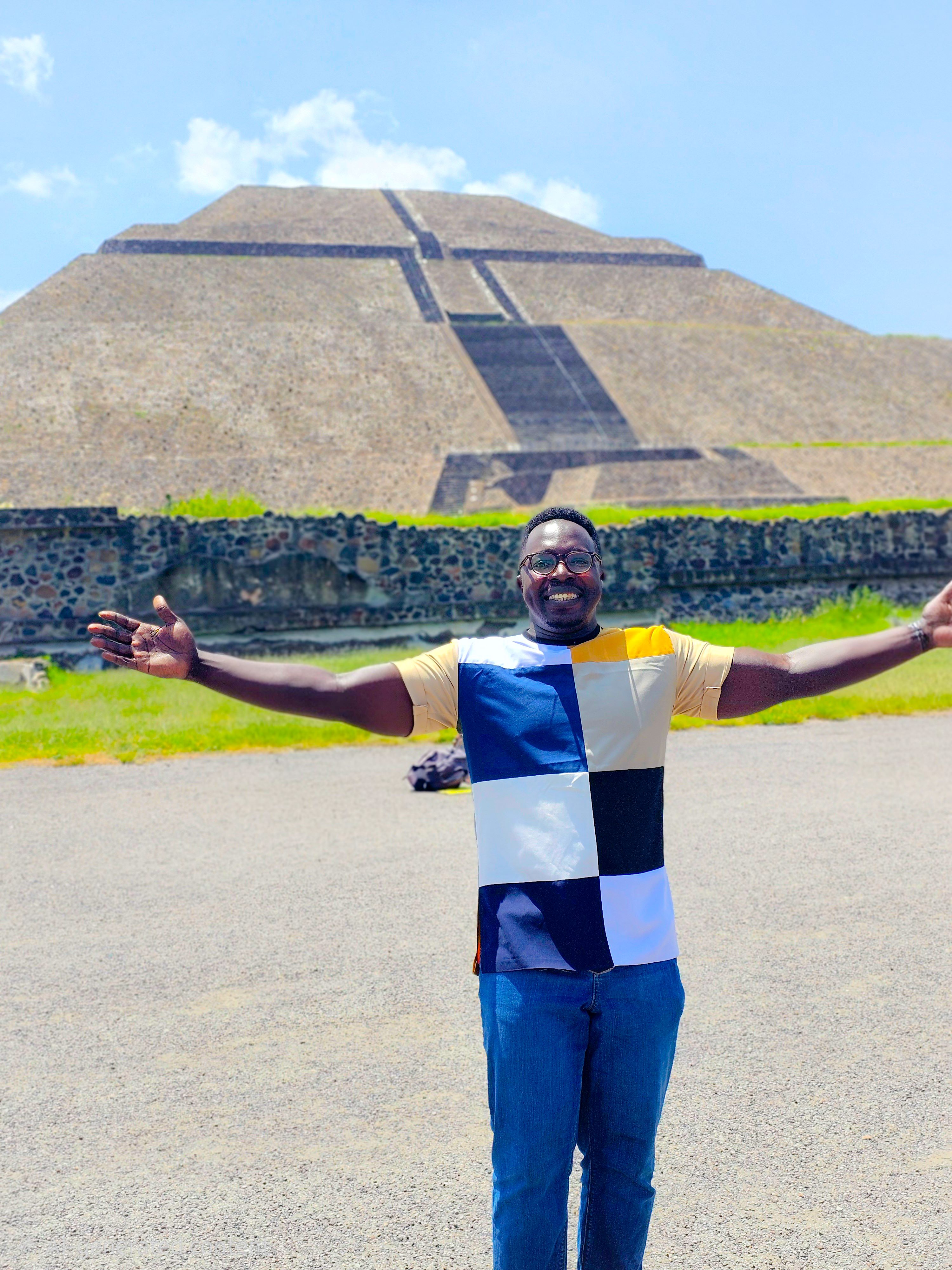
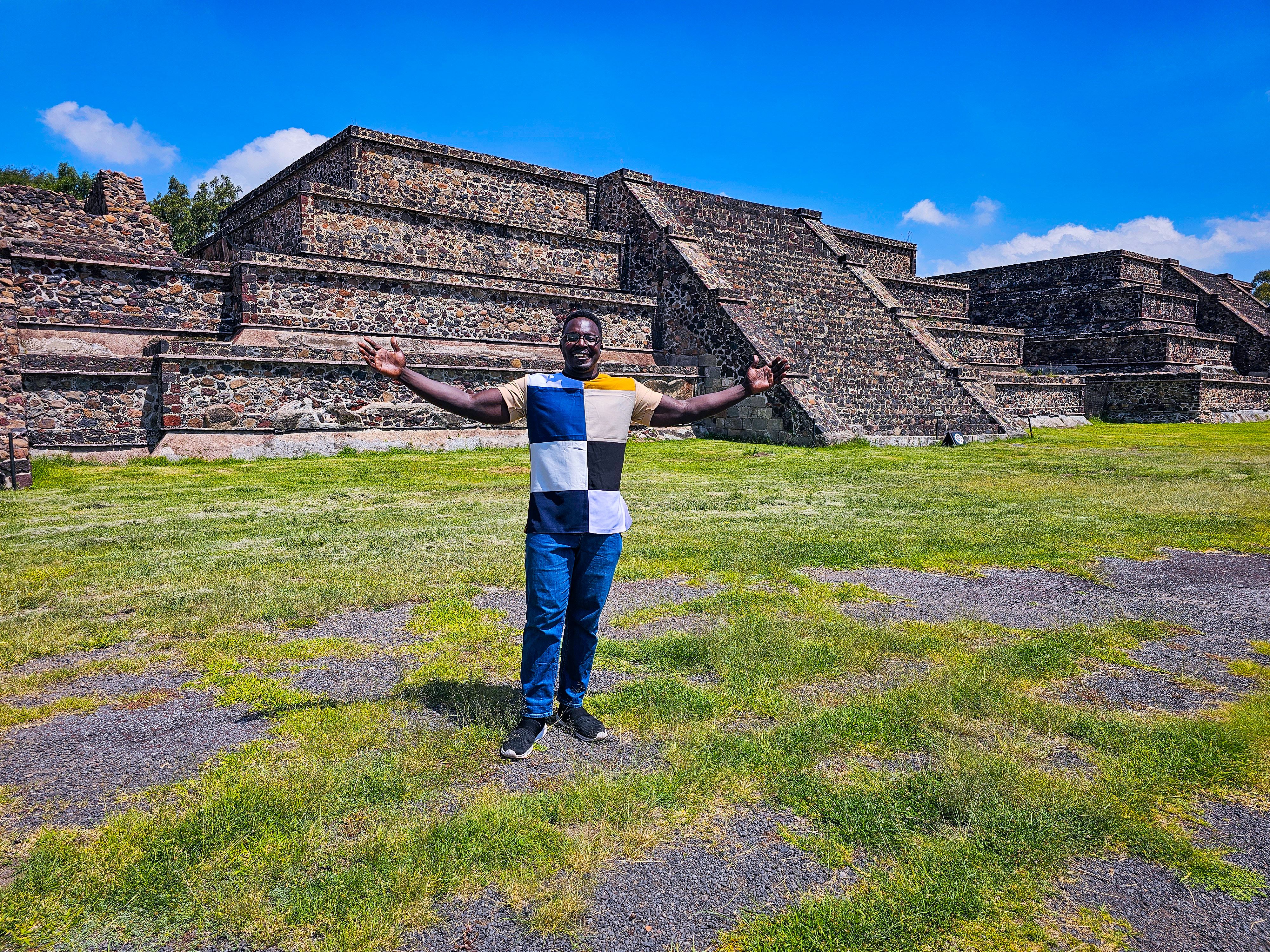
A journey outside Mexico City led Stephen to Teotihuacán, one of the world’s most significant archaeological sites and a UNESCO World Heritage Site.
The Pyramid of the Moon, standing at the northern end of the Avenue of the Dead, formed an important ceremonial center of one of the largest cities in the ancient Americas.
Walking through the ancient city was a reminder of the ingenuity, architectural brilliance, and cultural sophistication of civilizations that flourished more than 1,500 years ago.
It was one of the most humbling experiences of the trip.
Paseo de la Reforma
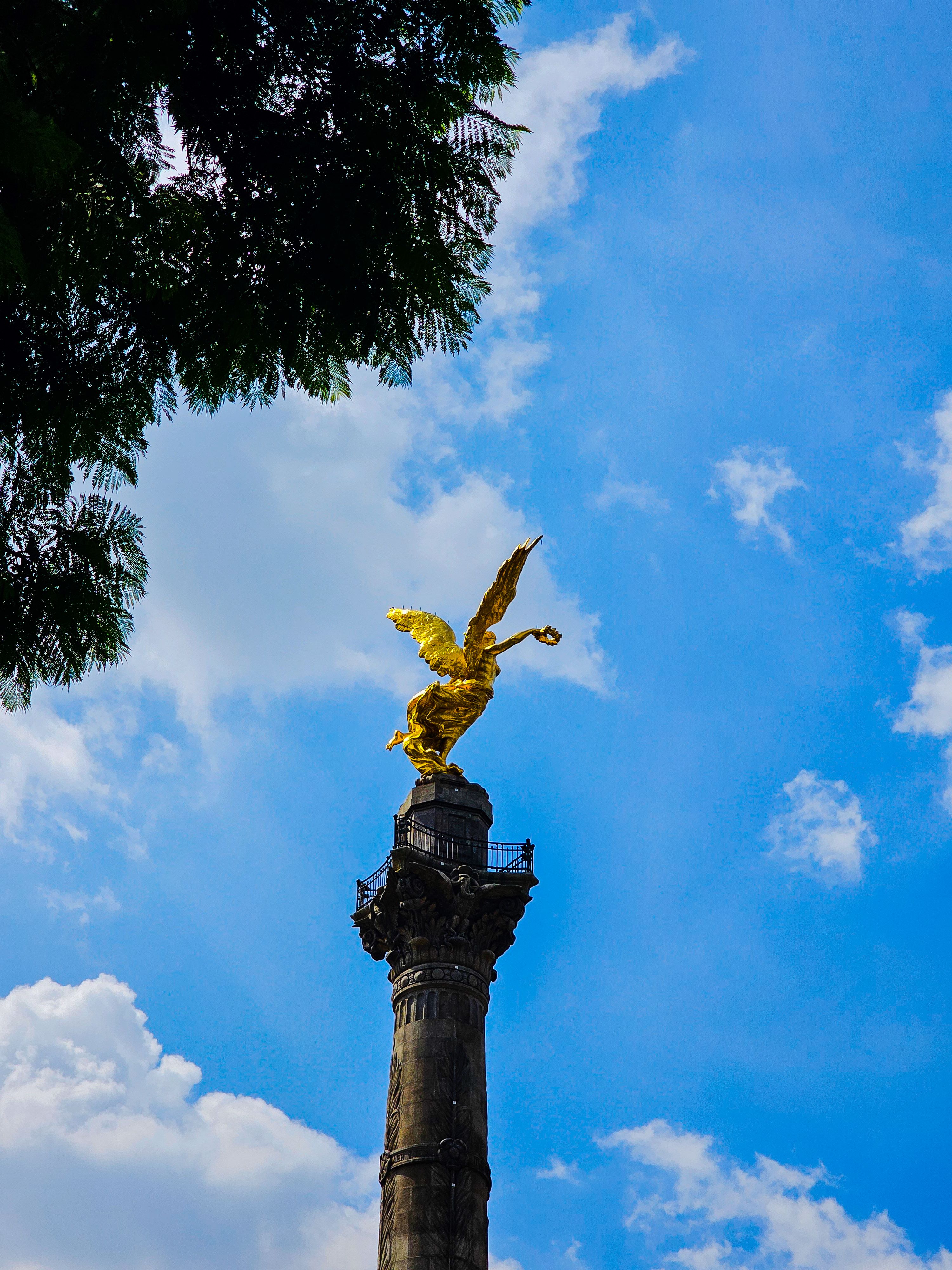
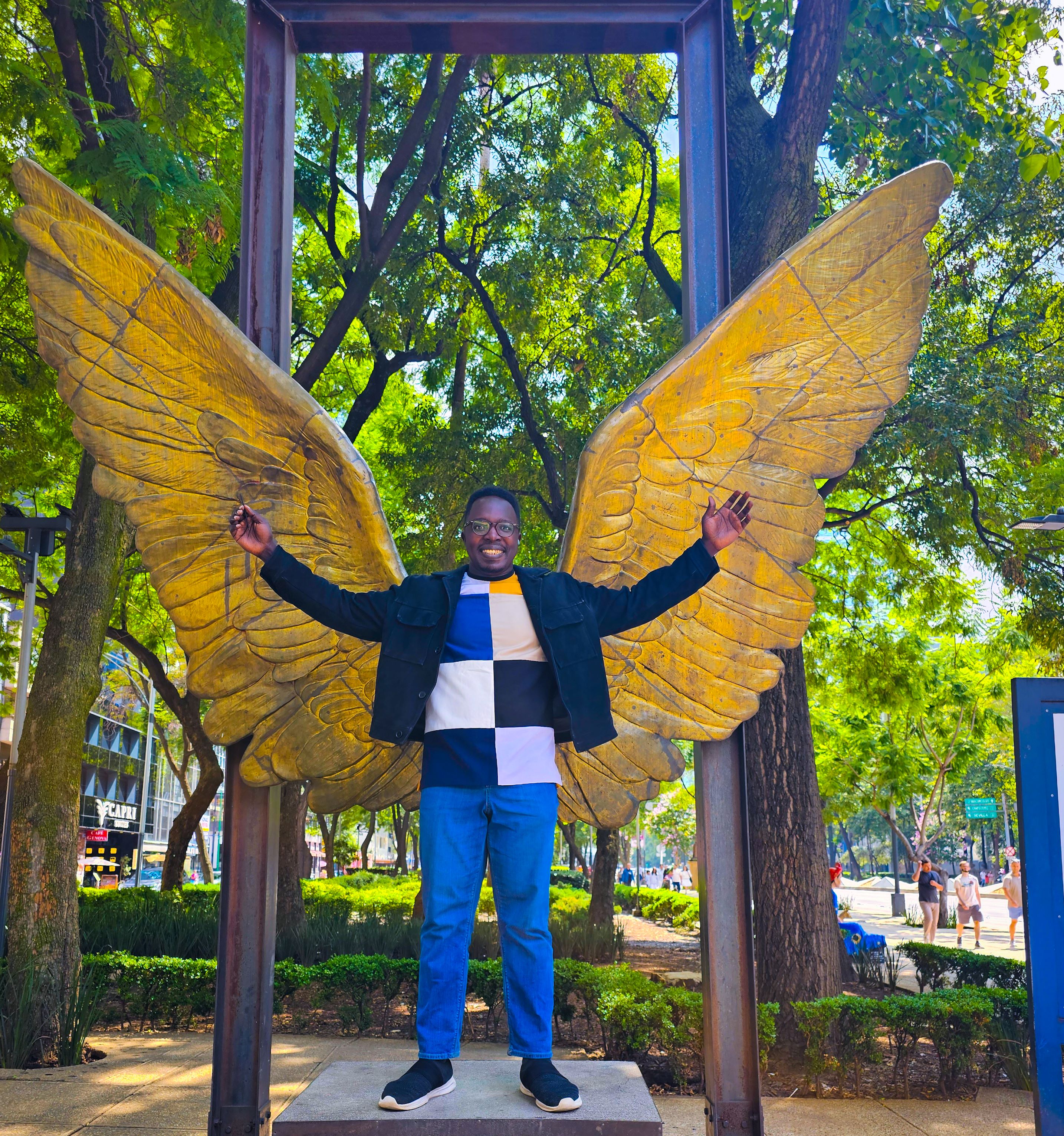
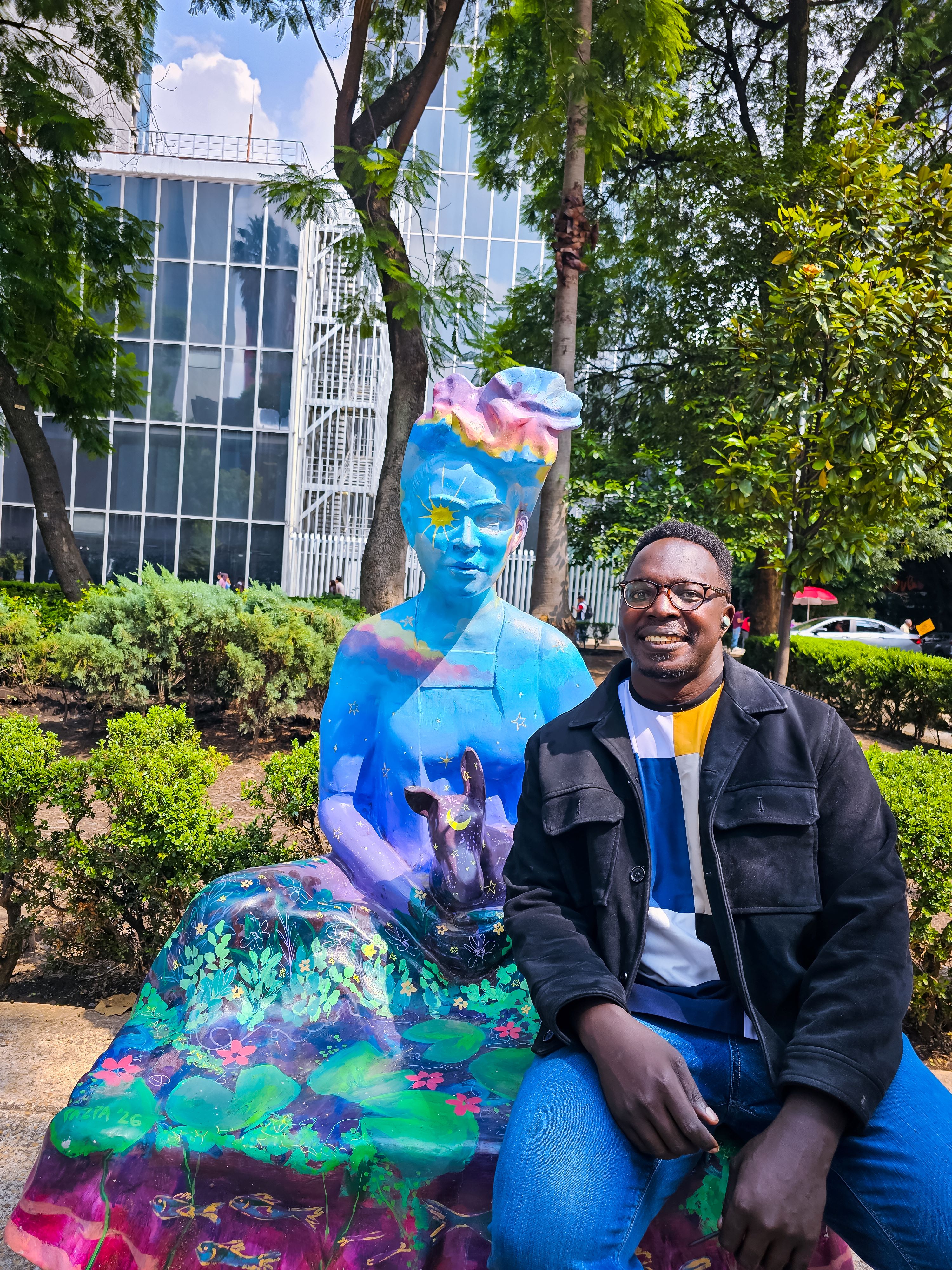
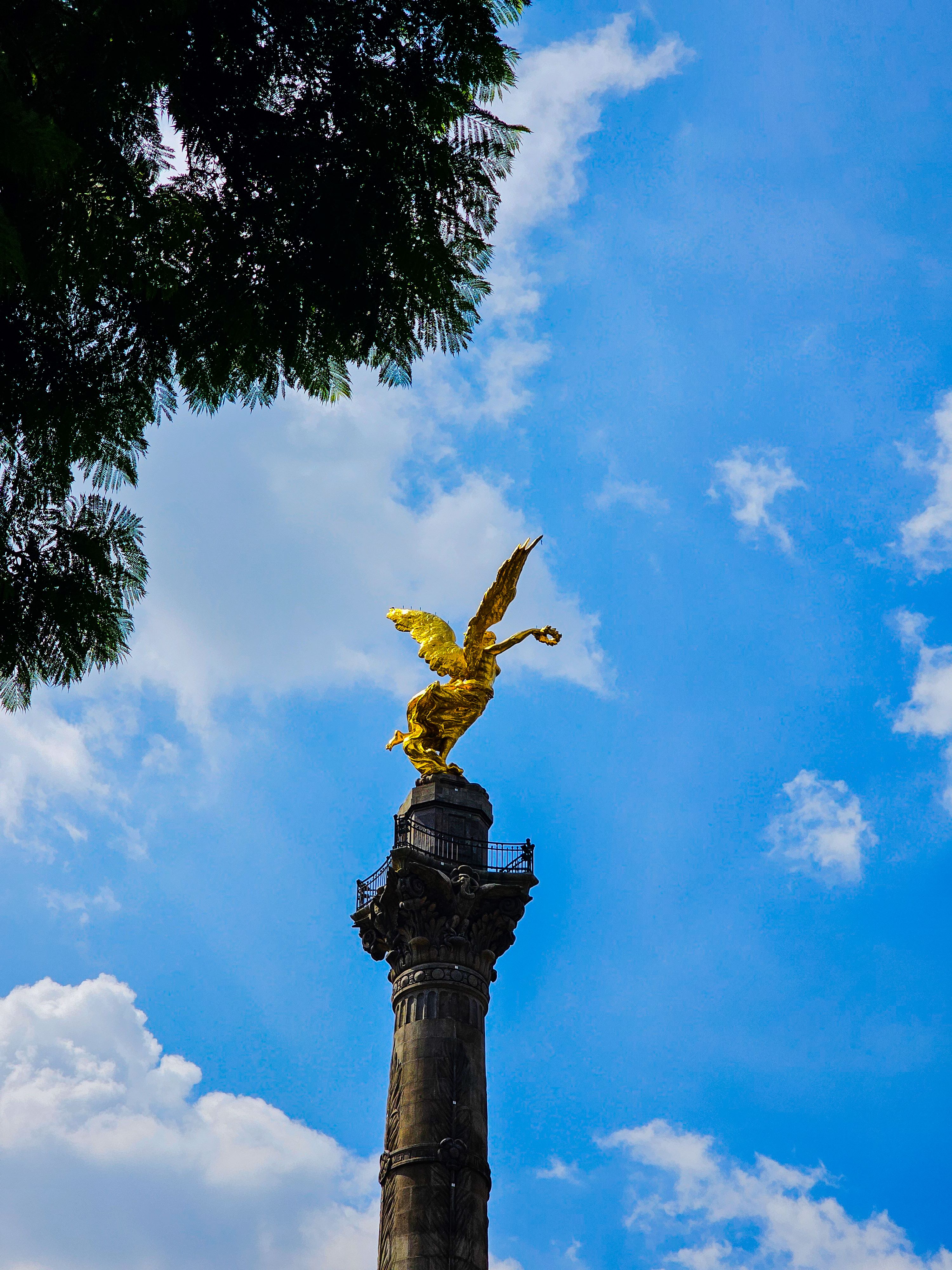
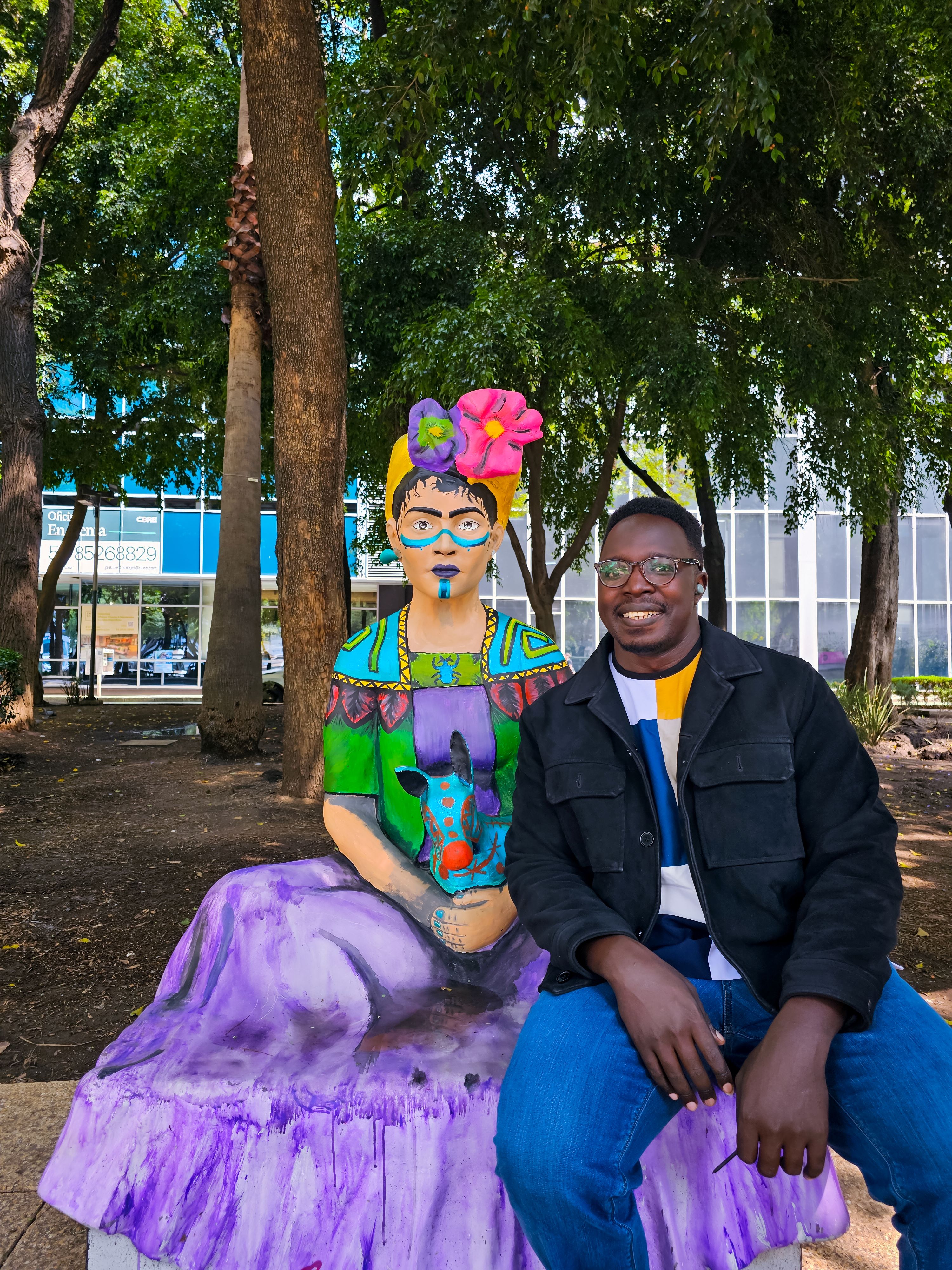
Often described as the backbone of modern Mexico City, Paseo de la Reforma blends history, business, culture, and everyday life into one of the city’s most iconic boulevards.
The avenue is lined with monuments, public art, museums, parks, and some of the city’s most recognizable buildings.
Whether filled with commuters during the week or families enjoying weekends, it reflects the rhythm and diversity of contemporary Mexico City.
For Stephen, it represented a city that continues to grow while remaining deeply connected to its past.
Museo Nacional de Antropología
No visit to Mexico City would be complete without experiencing the Museo Nacional de Antropología.
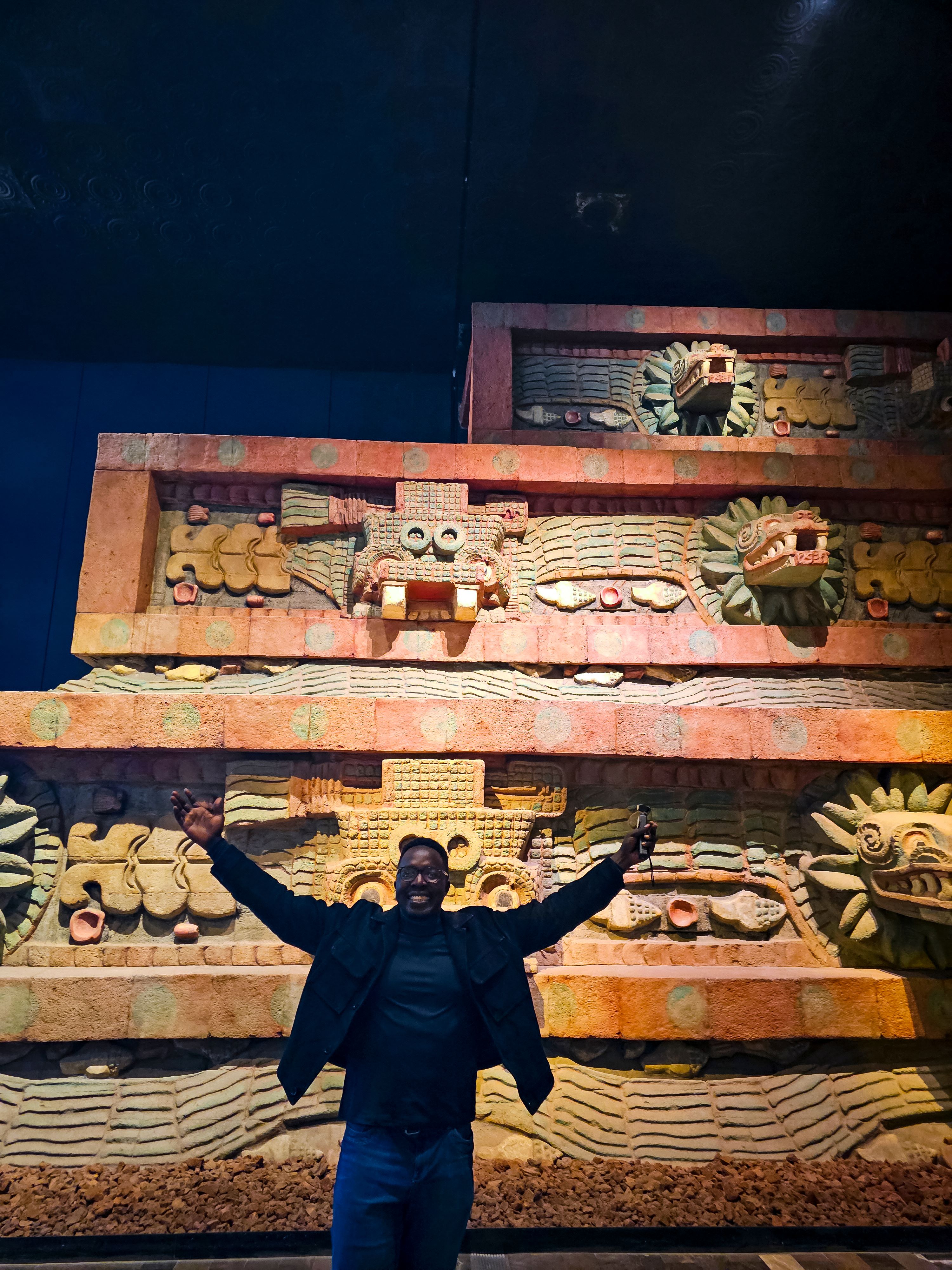
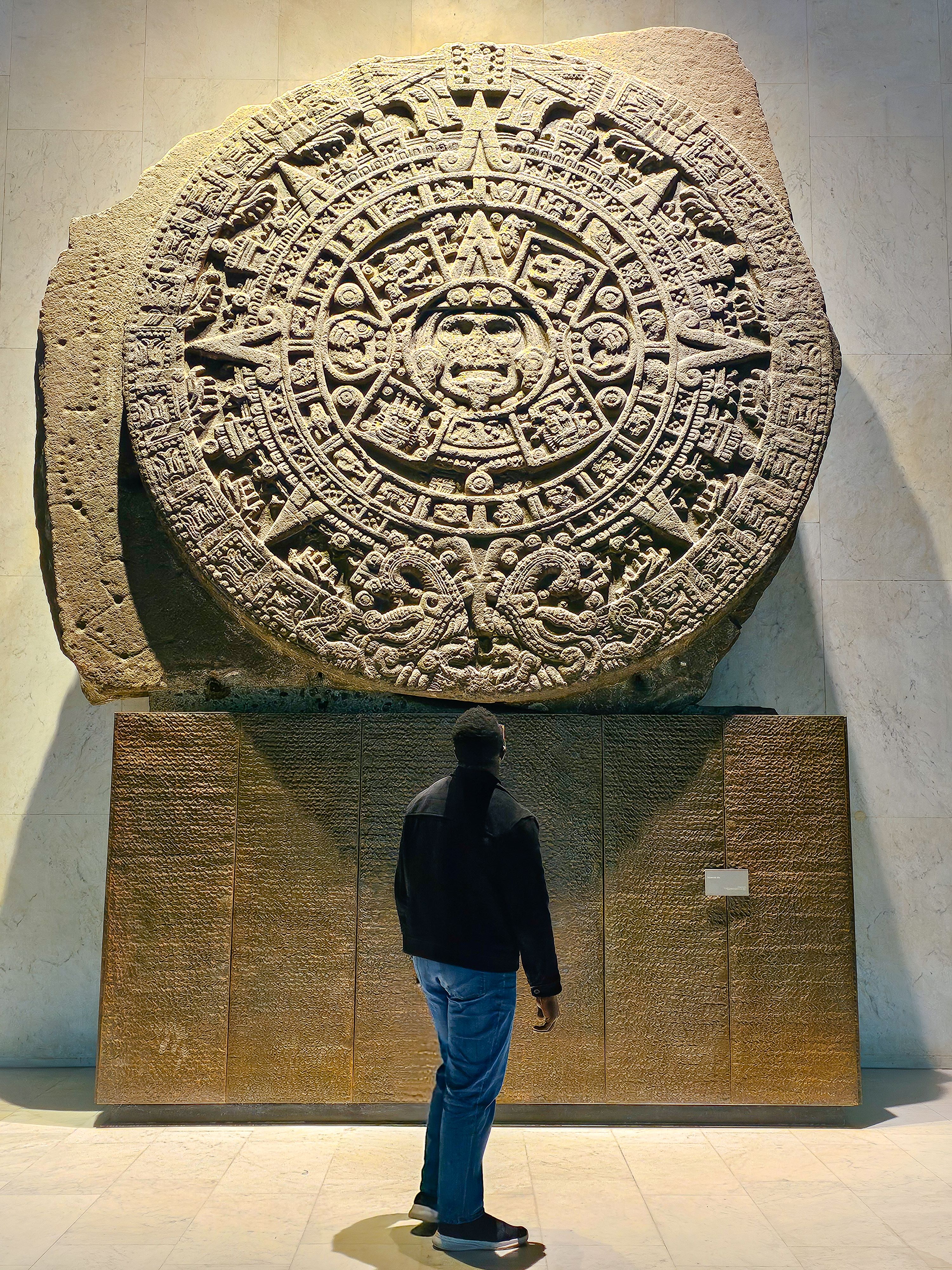
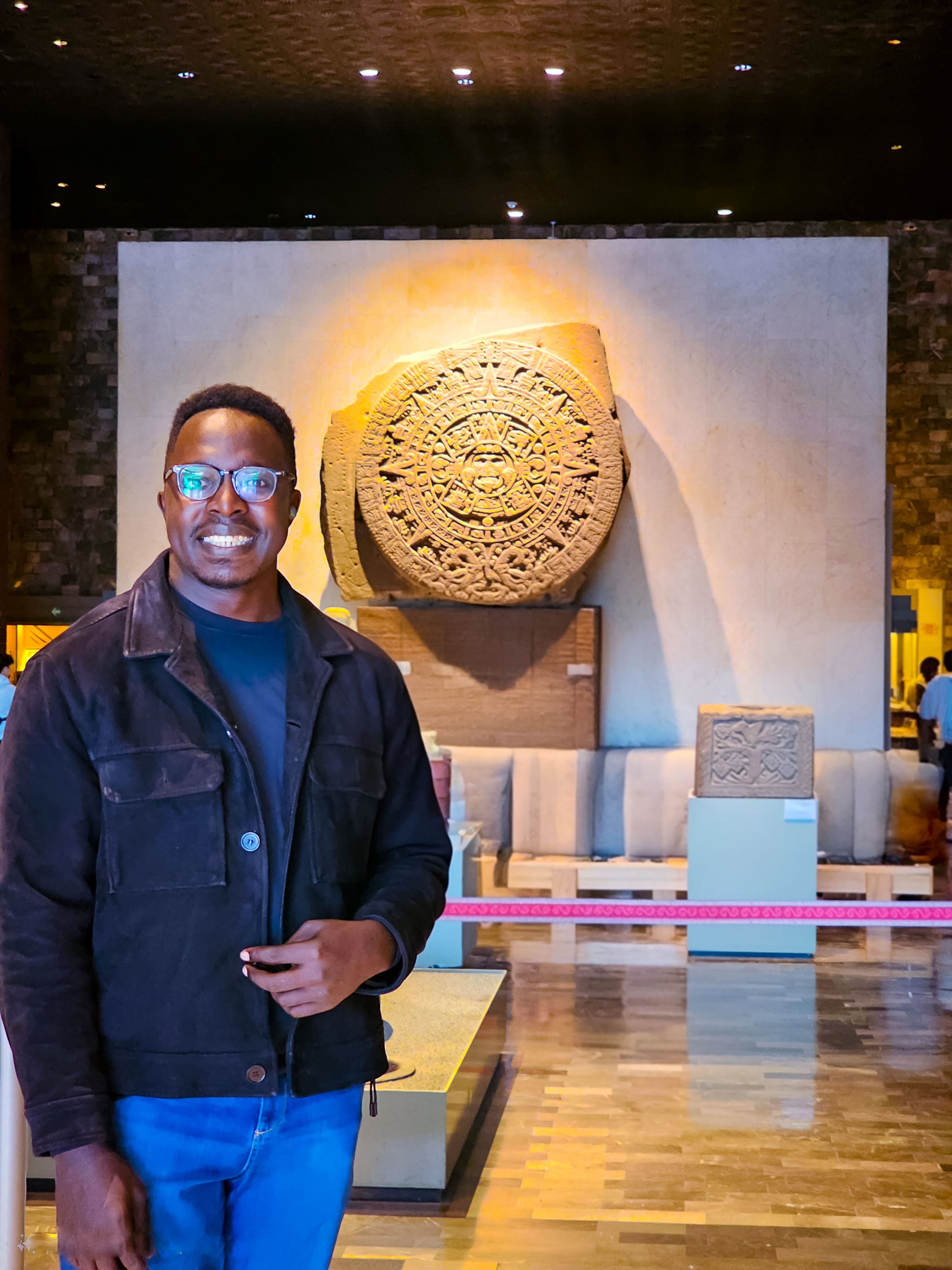
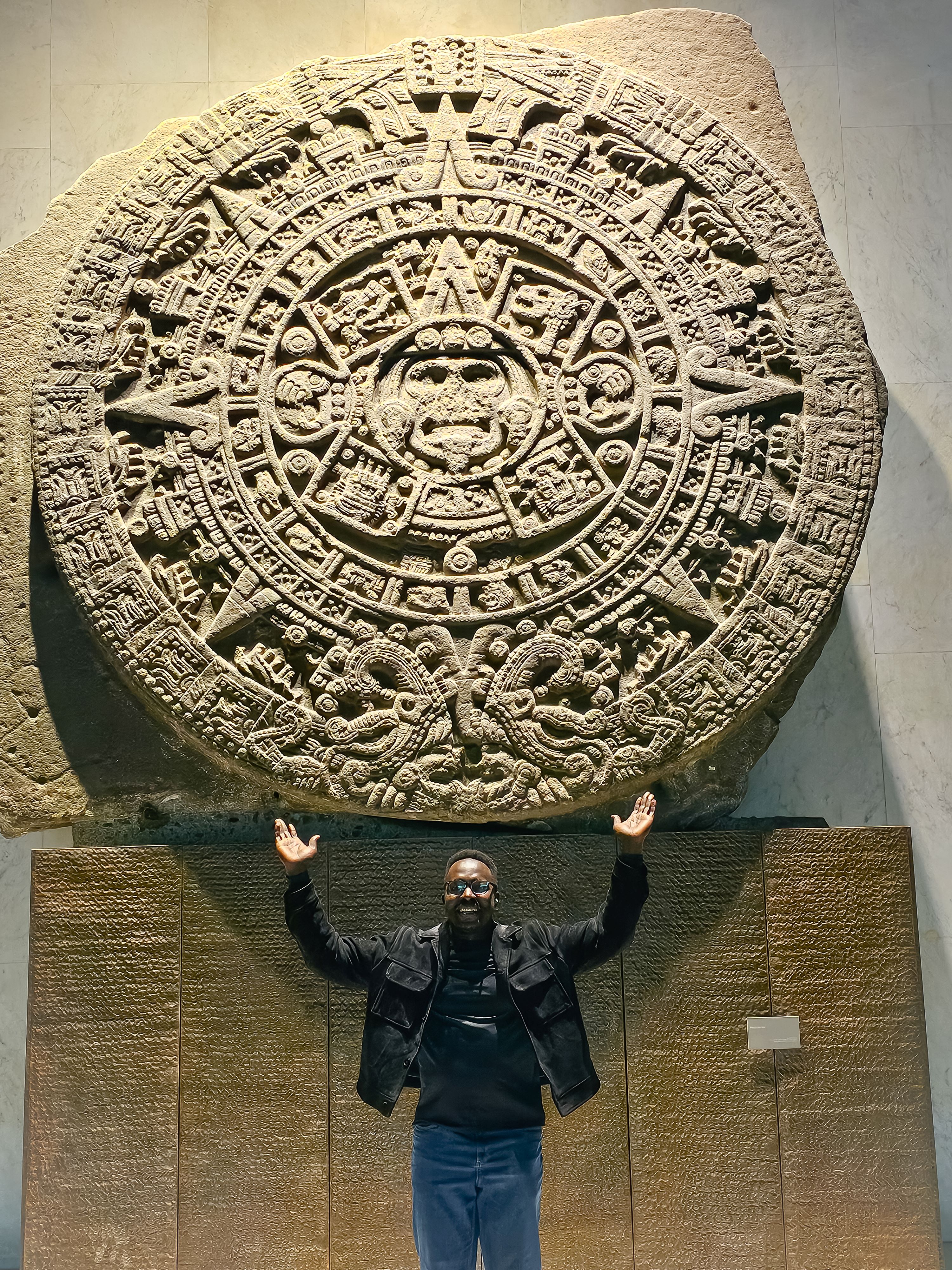
Widely regarded as one of the world’s finest anthropology museums, it houses priceless collections that celebrate Mexico’s Indigenous civilizations, including the Aztec Sun Stone, monumental Olmec heads, and countless archaeological treasures. Since opening in 1964, the museum has become a symbol of Mexico’s cultural heritage and one of the country’s most visited institutions.
For Stephen, the museum reinforced the importance of protecting history while ensuring future generations understand the cultures that shaped today’s world.
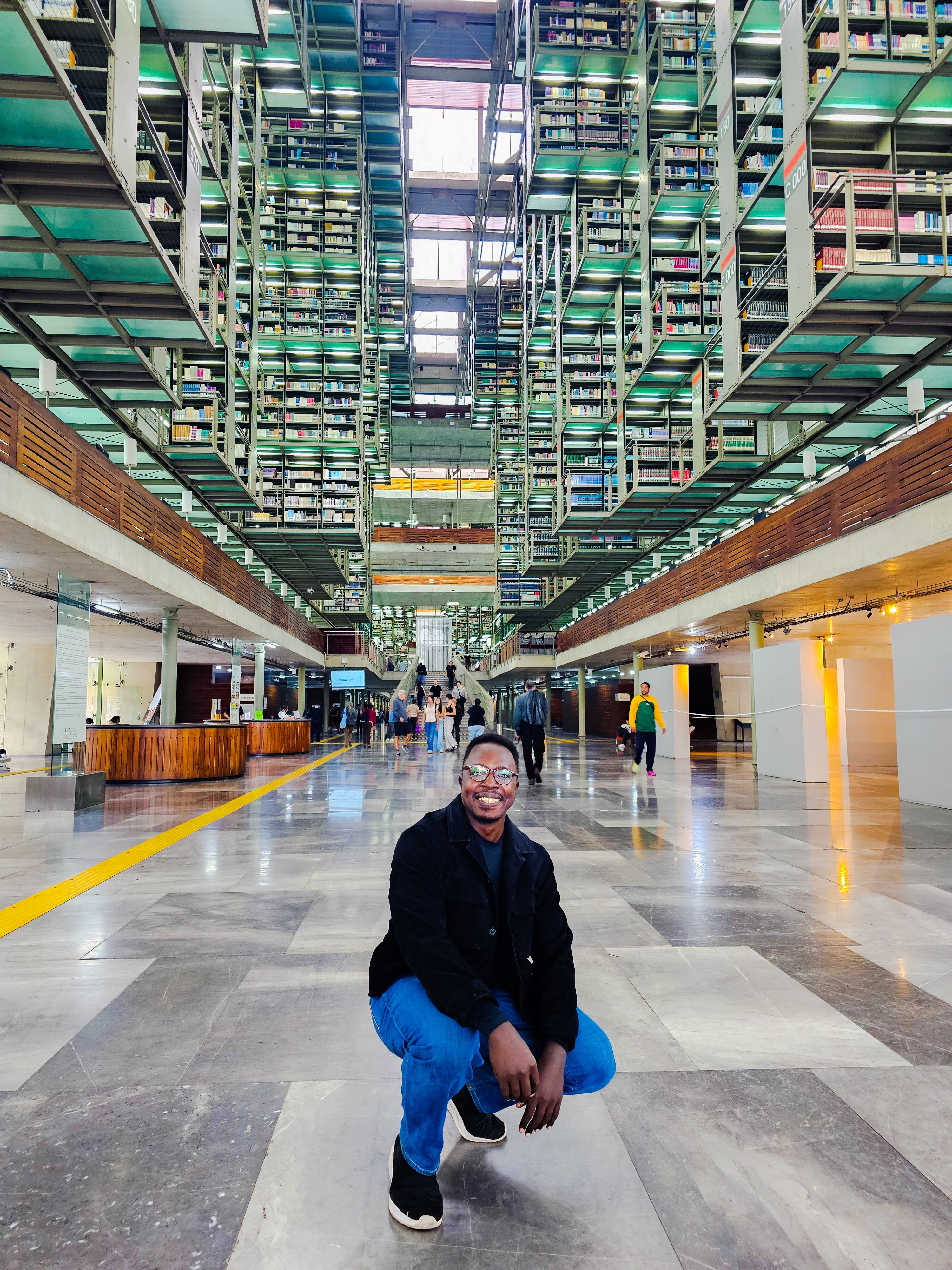
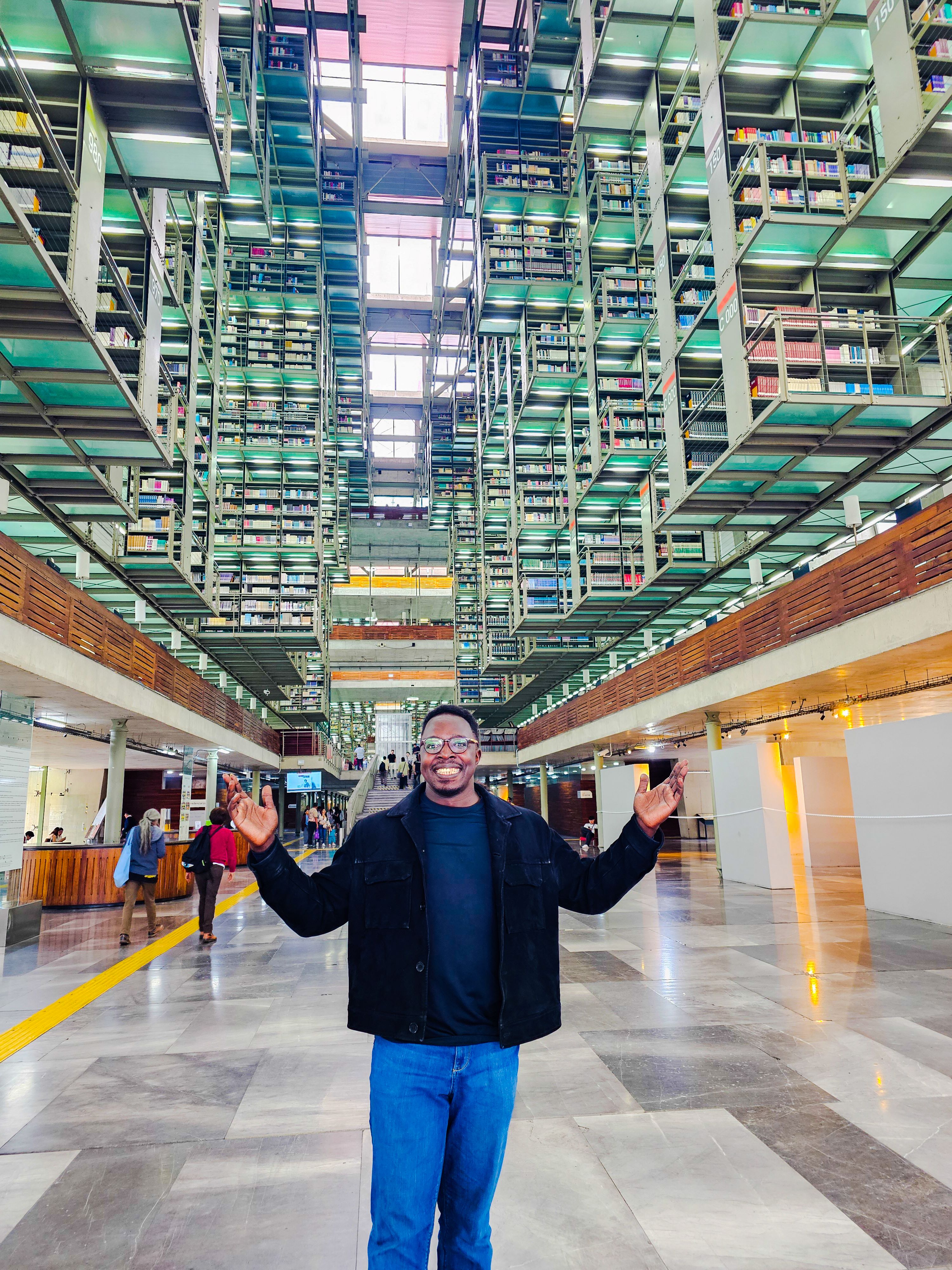
Biblioteca Vasconcelos
The final stop was the remarkable Biblioteca Vasconcelos, often described as one of the world’s most beautiful modern libraries.
Its striking architecture creates the illusion that bookshelves are floating in mid-air, making the library feel as much like an art installation as a place for reading and learning.
More than a library, it serves as a public space where knowledge, creativity, and community come together.
As someone who values research, learning, and lifelong education, Stephen found it to be one of the most inspiring places he visited.
A City That Leaves a Lasting Impression
Mexico City offered far more than famous landmarks.
It revealed a nation that embraces its history while confidently looking toward the future. Every museum, monument, street, and conversation reflected a people who have transformed centuries of history into a vibrant culture full of creativity, resilience, and pride.
For Ogweno Stephen, the journey was a reminder that travel is not only about seeing new places. It is about understanding different cultures, appreciating shared humanity, and returning home with fresh perspectives that continue to shape both personal growth and global health leadership.

Leave a Reply