
Ogweno Stephen participated in a national multi-stakeholder dialogue on 12 August focused on integrating gender considerations into tobacco and health taxation policies in Kenya. Organised by the National Taxpayers Association (NTA), the meeting brought together stakeholders to examine how tobacco taxation can simultaneously reduce tobacco consumption, strengthen domestic resource mobilisation and respond more effectively to the different ways tobacco use and fiscal policy affect women, men, girls and boys. For Ogweno Stephen, a health advocate working across noncommunicable disease prevention and public health policy, the dialogue highlighted the importance of building taxation policies around evidence, equity and the realities of the populations they are intended to protect.
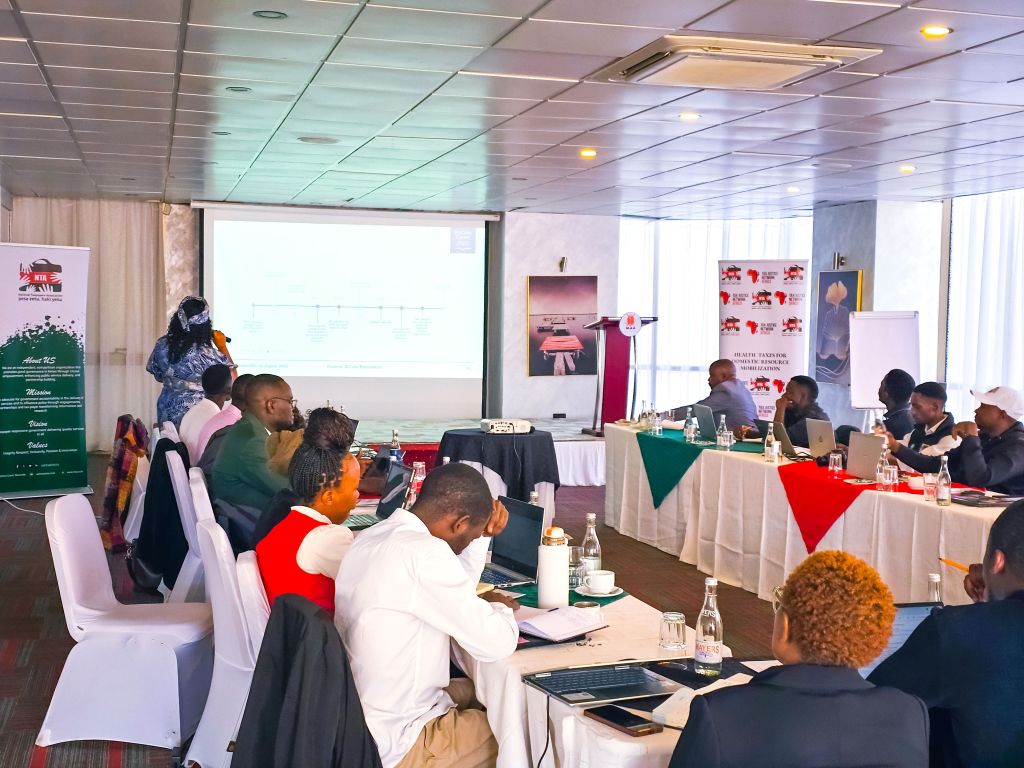
Why Gender Matters in Tobacco Taxation
Tobacco taxation is widely recognised as an important public health intervention because increasing the price of tobacco products can discourage consumption while also generating government revenue.
However, the impact of tobacco use and tobacco taxation is not necessarily uniform across populations.
Patterns of tobacco use, exposure to tobacco products, economic vulnerability and the consequences of household spending on tobacco can differ between women and men, as well as between younger and older populations.
The dialogue therefore explored why gender considerations should be incorporated into the design, implementation and evaluation of tobacco and health taxation policies rather than treated as an additional issue after policies have already been developed.
For Ogweno Stephen, this reflects a broader public health principle: effective policy requires understanding not only the overall population impact of an intervention, but also who benefits, who remains vulnerable and whether policies unintentionally leave particular groups behind.
Exploring the Evidence Behind Health Taxes
A significant part of the discussion focused on evidence.
Participants examined the gender dimensions of tobacco consumption and health taxation, existing gaps in policy, and opportunities for strengthening Kenya’s approach to tobacco taxes.
One of the key lessons from the dialogue was that taxation policy cannot operate effectively without reliable data.
Understanding who uses tobacco, what influences their consumption, how changes in price affect different populations and whether taxation policies are achieving their intended health outcomes requires consistent research and monitoring.
Gender-disaggregated data is particularly important because aggregate figures can sometimes obscure important differences between population groups.
For public health advocates such as Ogweno Stephen, strengthening this evidence base is essential for moving discussions about tobacco taxation beyond assumptions and towards policies that can be evaluated against measurable health and equity outcomes.
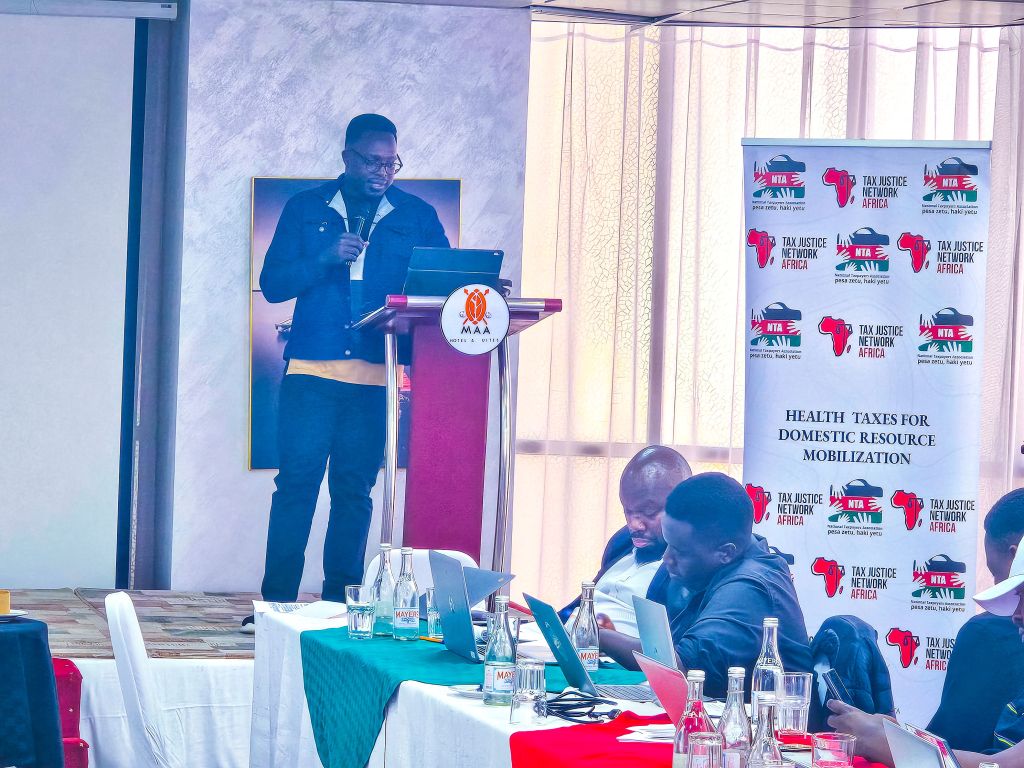
Key Proposals for Strengthening Tobacco Taxation in Kenya
The group discussions generated several proposals for strengthening tobacco and health taxation policy.
Among the ideas explored was the need for steeper increases in tobacco taxes to further discourage consumption, including among young people and other populations particularly sensitive to changes in price.
Participants also discussed the importance of regularly adjusting tobacco taxes for inflation. Without such adjustments, tobacco products can gradually become more affordable over time, potentially weakening the intended public health impact of taxation.
Another proposal focused on strengthening the legislative foundation for tobacco taxation by codifying relevant provisions within Kenya’s Excise Duty Act.
Participants additionally emphasised stronger collaboration between government institutions, researchers, civil society organisations and other stakeholders involved in tobacco control.
Central to all these discussions was the need for better gender-disaggregated research capable of showing how fiscal policies affect different groups and whether those policies are reducing tobacco-related harm equitably.
Connecting Fiscal Policy With Public Health
One of the important themes emerging from the meeting was that taxation should not be viewed only as an economic or revenue-generating instrument.
Health taxes sit at the intersection of fiscal policy and public health.
When well designed, tobacco taxes can contribute to disease prevention while also mobilising domestic resources that governments can use to strengthen health and other public services.
This connection is particularly important for countries facing a growing burden of noncommunicable diseases alongside competing demands on public financing.
Ogweno Stephen’s public health work through Stowelink Foundation has consistently emphasised the need to address the commercial and structural determinants that influence NCD risk. Participation in discussions on tobacco taxation therefore complements wider work around tobacco control, healthier environments, health literacy and policy advocacy.
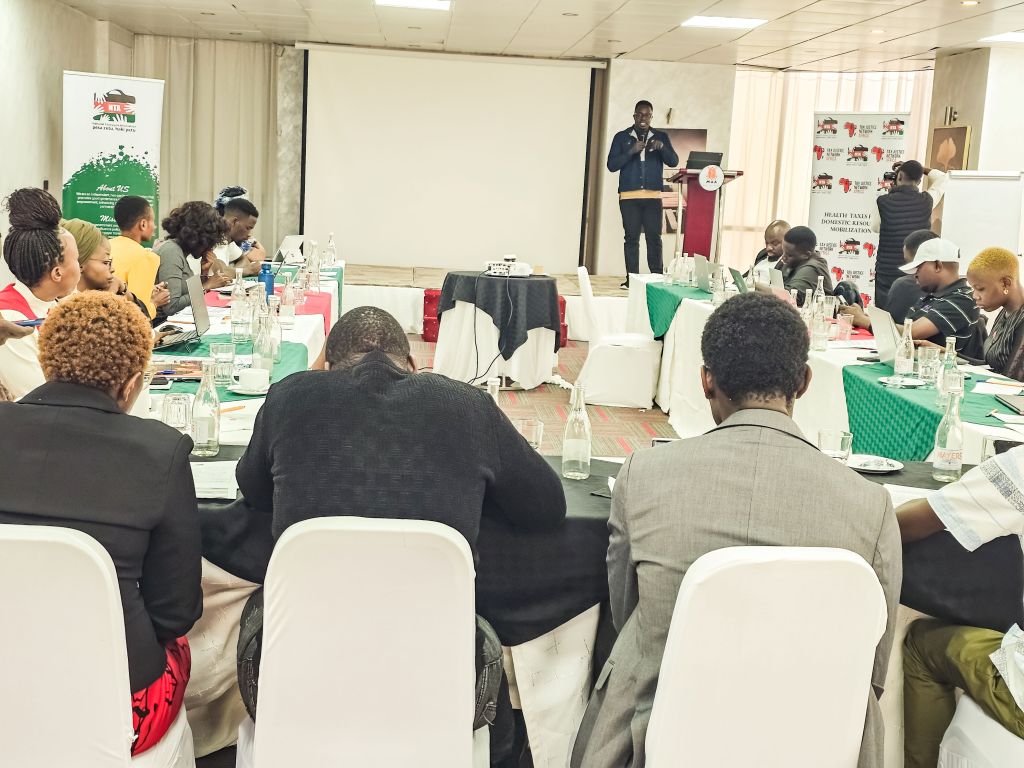
Moving Beyond a One-Size-Fits-All Approach
Integrating gender considerations into tobacco taxation is not simply about inserting gender language into existing policy documents.
It requires asking more detailed questions about how tobacco products are used, marketed, purchased and experienced by different groups.
It also requires policymakers to examine whether taxation measures are producing the intended behavioural and health outcomes across the population.
A policy may be effective at population level while still producing different effects across income groups, genders or age groups. Understanding those differences allows governments and advocates to refine interventions and make them more equitable.
For Ogweno Stephen, this is part of the wider shift towards evidence-informed and people-centred public health policy in Kenya.
Strengthening Collaboration for Tobacco Control
The dialogue also demonstrated the importance of collaboration.
Tobacco taxation involves multiple sectors, including health, finance, taxation, research, legislation and civil society. Progress therefore depends on stakeholders being able to share evidence, identify gaps and develop policy solutions together.
Organisations such as the National Taxpayers Association provide an important platform for bringing these perspectives into the same conversation.
Civil society organisations and public health advocates can contribute community experiences and accountability perspectives, while researchers generate evidence and government institutions provide the mechanisms through which policy can be implemented.
This type of multi-stakeholder engagement can help ensure that tobacco taxation remains responsive to changing consumption patterns, new tobacco and nicotine products, economic conditions and emerging public health evidence.
Building More Equitable Health Tax Policies
For Ogweno Stephen, the August dialogue reinforced a central lesson from his work as a health advocate: good public health policy starts with good evidence but must ultimately respond to people’s lived realities.
Gender-responsive tobacco taxation provides an opportunity to combine disease prevention, equity and domestic resource mobilisation within the same policy framework.
As Kenya continues strengthening tobacco control and its broader response to noncommunicable diseases, understanding how fiscal policies affect different communities will remain essential.
The challenge is therefore not simply to increase taxes, but to design tobacco and health taxation policies that are evidence-informed, regularly evaluated, responsive to inequalities and capable of delivering measurable improvements in public health.

Leave a Reply