
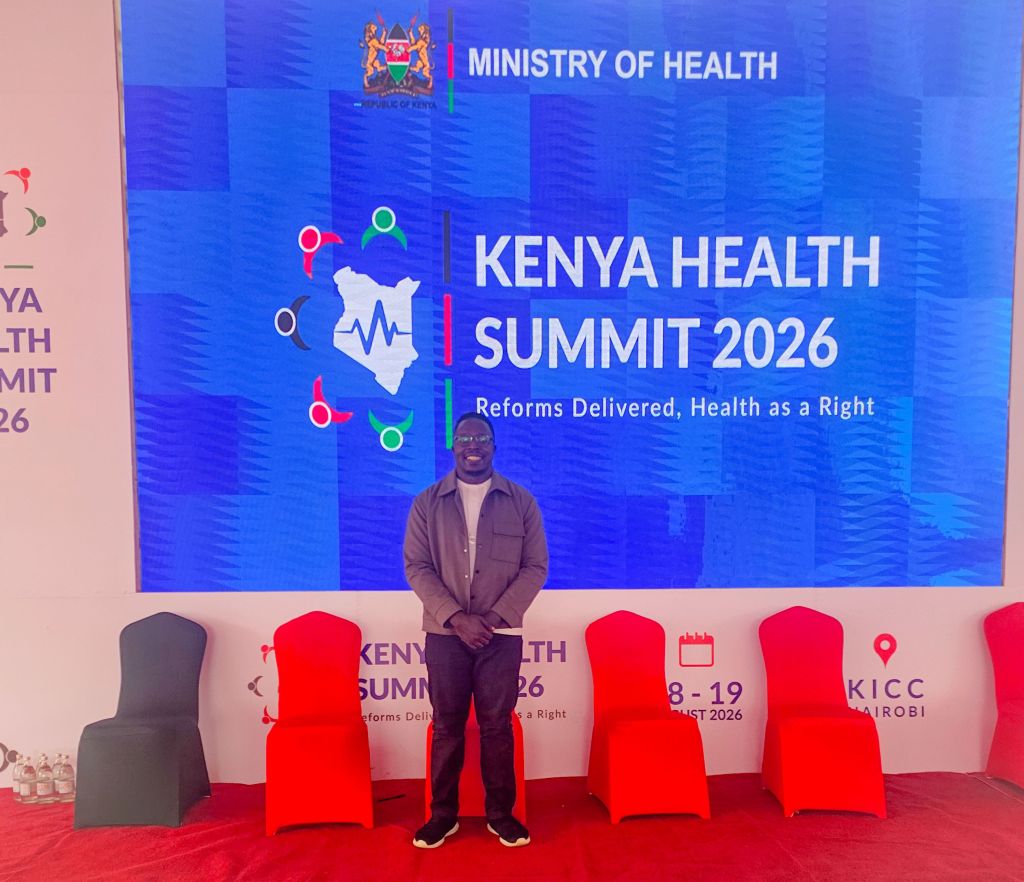
Ogweno Stephen joined thousands of health leaders, policymakers, professionals, civil society organisations and community representatives at the Kenya Health Summit 2026, held on 18 and 19 August at the Kenyatta International Convention Centre in Nairobi. Convened under the theme “Reforms Delivered, Health as a Right,” the summit reviewed Kenya’s progress towards Universal Health Coverage while confronting an increasingly important public health question: can the country build a sustainable health system without simultaneously reducing the number of people developing preventable noncommunicable diseases? For Stephen, whose work as a health advocate spans obesity, NCD prevention, healthy food environments and public health policy, the emphasis on prevention was among the summit’s most important messages.
A National Conversation on the Future of Health in Kenya
The Kenya Health Summit was designed as more than a showcase of health-sector reforms.
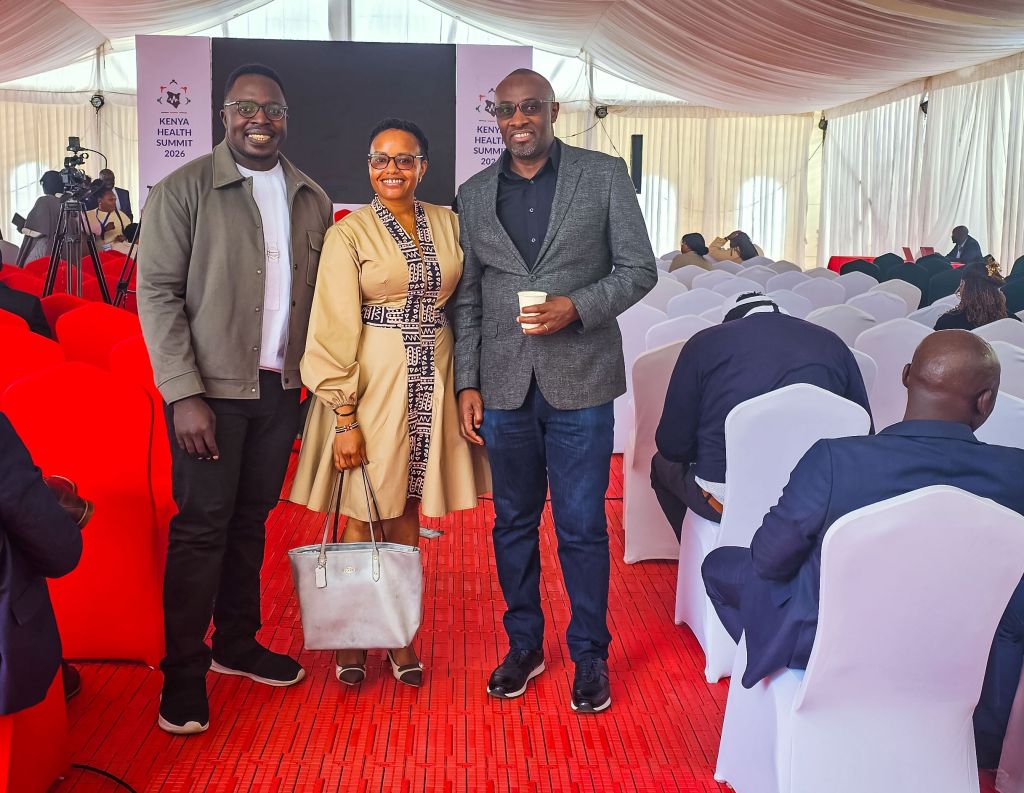
More than 5,000 delegates attended, bringing together national and county governments, Parliament, health professionals, development partners, civil society, the private sector and communities. The meeting reviewed progress in health financing, primary healthcare, community health, digital health, the health workforce, health products and technologies and governance.
This made the summit particularly relevant to Ogweno Stephen’s public health work.
Through Stowelink Foundation and his wider advocacy, Stephen has consistently argued that improving health outcomes requires more than treating disease after it develops. It requires strengthening health literacy, creating healthier environments, identifying risk earlier and ensuring communities have meaningful opportunities to participate in the policies affecting their health.
The summit placed many of these questions within the wider national conversation on Universal Health Coverage.
Kenya’s UHC Reforms Show Significant Scale
One of the most visible themes of the summit was the scale of Kenya’s ongoing health reforms.
During the Presidential Town Hall, figures presented showed that 32.3 million Kenyans had been registered with the Social Health Authority, compared with approximately eight million people previously covered through the National Health Insurance Fund.
More than 10,000 facilities had been accredited under SHA, while 107,800 Community Health Promoters had been trained and deployed across the country. The government also reported improvements in the proportion of households protected from catastrophic health expenditure.
These developments matter because UHC is not simply about insurance registration.
A functioning universal health system must connect financing with prevention, primary healthcare, diagnosis, treatment, medicines, referral systems and continuity of care.
For people living with long-term conditions such as obesity, hypertension, diabetes, cardiovascular disease and cancer, that continuum is particularly important.
But Can UHC Be Sustainable Without Prevention?
One of the strongest interventions during the Presidential Town Hall shifted the discussion from financing illness to producing health.
Amref Health Africa Group CEO Dr Githinji Gitahi challenged the country to think beyond how healthcare bills are financed and ask how Kenya can prevent more disease from occurring in the first place.
His intervention highlighted the long-term financial consequences of increasing hypertension and diabetes, including the costs associated with lifelong medicines, dialysis, hospital admissions and intensive care. His argument was that prevention must receive the same deliberate investment as treatment.
For Ogweno Stephen, this was one of the summit’s most important public health messages.
A country cannot sustainably finance its way out of an endlessly expanding burden of preventable disease.
The conversation about Universal Health Coverage therefore has to include another question: how do we reduce the number of people who eventually require expensive chronic care?
That means strengthening prevention where people actually live: in households, schools, workplaces, markets and communities.
Food Is Part of the Healthcare Conversation
Food emerged as an important part of this prevention discussion.
One of Stephen’s reflections from the Town Hall was the simple message that what people eat matters profoundly to the future burden of disease. The idea that “food is medicine” may sound simple, but within the context of UHC it raises an important policy question.
If unhealthy diets contribute to obesity, hypertension, diabetes and cardiovascular disease, then food policy cannot remain disconnected from health-system policy.
Prevention requires creating food environments that support health long before an individual arrives at a clinic with an established chronic condition.
The summit discussion similarly called for greater investment in healthier food environments as part of a broader approach to producing health rather than only financing healthcare.
This connects directly with Stephen’s ongoing work on obesity and food policy in Kenya.
Connecting the Summit to Front-of-Pack Warning Labels
The prevention message also came at an important time for Kenya’s discussions around healthier food environments.
Stephen has been participating in national conversations around front-of-pack warning labelling, including discussions on the proposed use of black octagonal warning labels on packaged foods.
Front-of-pack warning labels are relevant to the UHC discussion because they represent an intervention that occurs upstream of the hospital.
Instead of waiting until diet-related risk becomes hypertension, diabetes, cardiovascular disease or another chronic condition, food-environment policies can help consumers understand what they are purchasing and encourage healthier food choices.
They can also create incentives for food manufacturers to reformulate products.
For Ogweno Stephen, the health advocate and obesity campaigner, this illustrates why obesity prevention should not be reduced to telling people simply to “eat less and exercise more.”
People make decisions within environments shaped by product formulation, marketing, affordability, availability and access to understandable information.
Creating healthier populations therefore requires changing those environments alongside educating individuals.
NCDs Must Be Central to Universal Health Coverage
The summit’s prevention conversation was particularly significant because noncommunicable diseases require health systems to think differently.
Unlike many short-term illnesses, conditions such as hypertension, diabetes and obesity can require management over decades.
As prevalence increases, health systems face growing demand for medicines, diagnostics, consultations, specialist services, renal care, cardiovascular treatment and hospitalisation.
Ahead of the summit, Kenya’s Ministry of Health had already highlighted prevention, early diagnosis, quality treatment and continuity of care for cancer, diabetes and cardiovascular diseases as priorities within ongoing health reforms.
This makes NCD prevention central to the economics of UHC.
Financing treatment is essential, but prevention can reduce future pressure on the health system.
Stephen’s wider public health advocacy has repeatedly emphasised this connection: the strongest health systems need both equitable access to treatment for people already living with disease and policies that reduce preventable disease for future generations.
Community Health Can Become Kenya’s Prevention Infrastructure
Another important opportunity highlighted through the summit is Kenya’s community health system.
With more than 107,000 Community Health Promoters deployed nationally, Kenya has built a potentially powerful platform for moving prevention closer to households.
The question now is how effectively that infrastructure can support NCD prevention and management.
Community Health Promoters can potentially contribute to health education, identification of risk factors, screening, referral, treatment adherence and promotion of healthier behaviours.
This is particularly relevant for conditions such as obesity and hypertension, where prevention and early identification cannot depend entirely on people presenting themselves at hospitals.
National Syndemic Diseases Control Council reflections from the summit similarly emphasised a shift towards prevention, early detection, treatment and effective referral, with Community Health Promoters helping bring services closer to households.
For Stephen, this community-first approach strongly reflects his experience through Stowelink Foundation, where health information and advocacy have often been taken directly to young people and communities rather than remaining within clinical environments.
From Reform Announcements to Measurable Health Outcomes
The Kenya Health Summit ultimately concluded with a Joint UHC Acceleration Plan and Summit Communiqué intended to move the national conversation towards measurable implementation.
Among the reported targets were increasing SHA enrolment from 32.3 million to more than 45 million people, reducing out-of-pocket spending to below 15 per cent of total health expenditure, closing remaining community health coverage gaps and increasing the share of locally manufactured commodities supplied through KEMSA.
These are significant health-system ambitions.
However, for Ogweno Stephen, the prevention discussion raises an equally important measure of success.
Over time, Kenya should also be asking whether its reforms are producing healthier people.
Are fewer people developing preventable hypertension and type 2 diabetes?
Are food environments improving?
Are children and young people growing up with better health literacy?
Are people able to identify NCD risks earlier?
Are communities receiving meaningful support before disease becomes severe and expensive?
These questions should sit alongside financing and service-delivery indicators when Kenya evaluates the success of UHC.
A Stronger Health System Should Help People Stay Healthy
For Ogweno Stephen, participating in the Kenya Health Summit reinforced an idea that sits at the centre of public health: healthcare systems should not only become better at treating illness; they should become better at preventing it.
That requires financing and treatment, but also healthier food environments, obesity prevention, strong tobacco control, physical activity, community health, early detection and policies that address the wider determinants of health.
Kenya’s UHC reforms provide an important opportunity to bring these agendas together.
The country can continue expanding access to healthcare while simultaneously investing in the conditions that allow people to remain healthy for longer.
For Stephen, that is where the conversation around obesity, front-of-pack warning labels and NCD prevention connects directly with the national UHC agenda.
The most sustainable health system may ultimately be measured not only by how effectively it treats disease, but also by how successfully it prevents people from needing treatment in the first place.

Leave a Reply