
The arrival of new GLP-1 medicines expands treatment options for diabetes and obesity in Kenya, but Ogweno Stephen argues that the real public health opportunity will depend on affordability, regulation, competition, equitable access and eventually integrating evidence-based obesity treatment into Universal Health Coverage
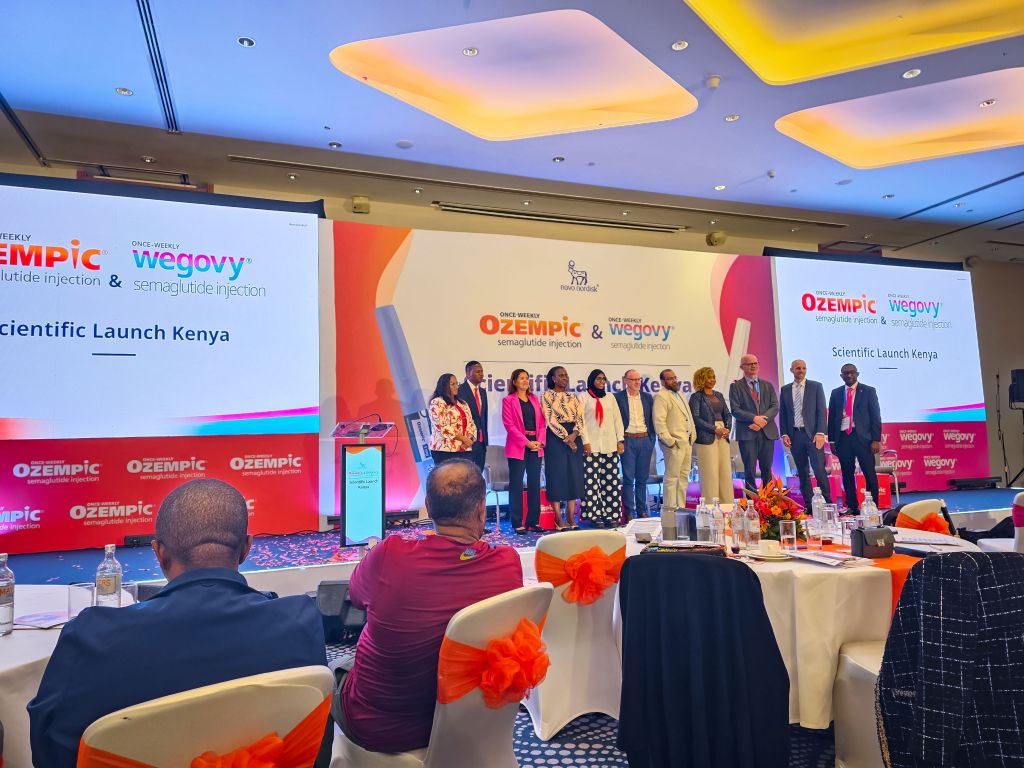
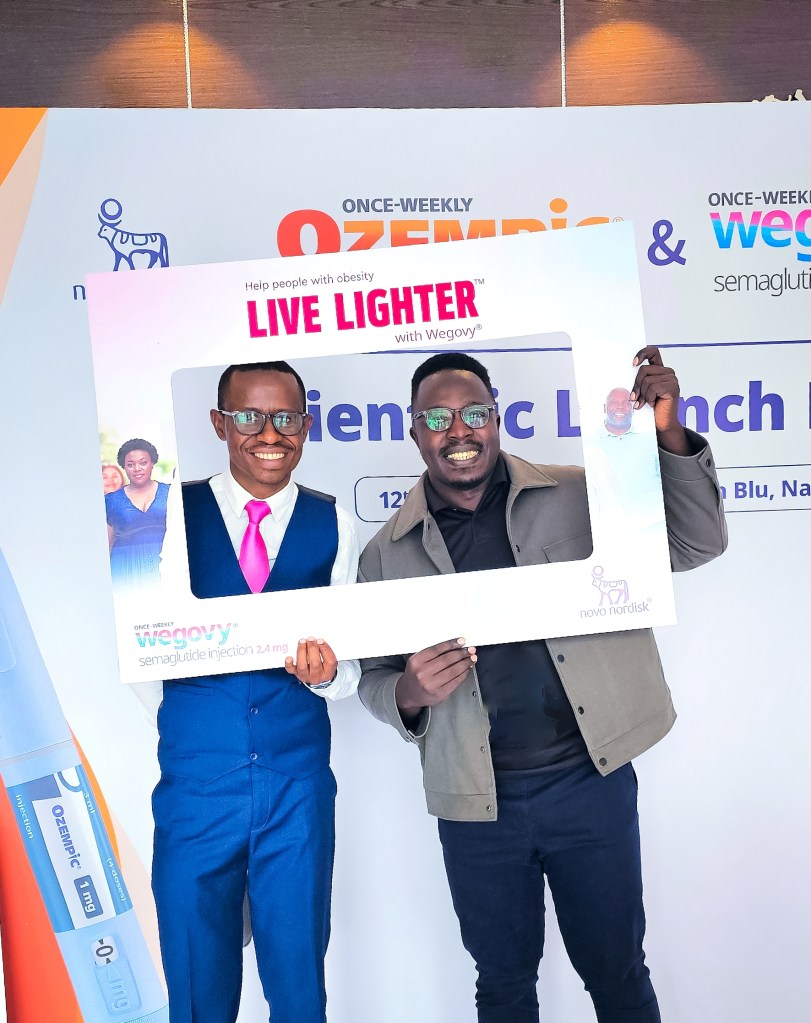
Ogweno Stephen attended the Kenyan launch of Wegovy and Ozempic in September 2026, as Novo Nordisk formally introduced the two semaglutide medicines into the country alongside healthcare professional training and patient-support programmes. Ozempic is indicated for the management of type 2 diabetes, while Wegovy provides a pharmacological treatment option for eligible people living with obesity or overweight with associated health risks. For Ogweno Stephen, a health advocate who has worked extensively on obesity, noncommunicable diseases and public health policy, the launch represents much more than the arrival of two medicines. It raises a bigger question for Kenya: how do we ensure that the emerging revolution in obesity treatment reaches the people who need it rather than becoming healthcare available only to those who can afford to pay privately?
Obesity Treatment in Kenya Is Changing
For many years, discussions about obesity have centred overwhelmingly on individual behaviour.
People living with obesity have repeatedly been told to eat less, exercise more and lose weight, often with insufficient acknowledgement that obesity is a complex, chronic and relapsing disease influenced by biological, environmental, social and commercial factors.
The development of effective pharmacological treatments is helping change that conversation.
In December 2025, the World Health Organization released its first guideline on GLP-1 therapies for the treatment of obesity in adults. WHO recognised obesity as a chronic, relapsing disease requiring comprehensive and potentially lifelong care rather than a short-term lifestyle intervention.
For Stephen, who contributed to the WHO Guideline Development Group that developed this guidance, seeing obesity medicines become available in Kenya brings the global policy discussion much closer to home.
The question is increasingly moving from whether obesity should be treated medically to how countries can introduce treatment responsibly, equitably and sustainably.
Why Wegovy Matters for People Living With Obesity
The importance of medicines such as Wegovy should not be reduced to weight loss alone.
GLP-1 therapies influence appetite and metabolic pathways and, in appropriately selected patients, can produce clinically meaningful weight loss alongside broader metabolic benefits.
WHO notes that some GLP-1 therapies have demonstrated benefits extending to cardiovascular outcomes and reductions in the development or burden of conditions including type 2 diabetes and some kidney and liver diseases.
This matters because obesity rarely exists in isolation.
It is associated with increased risk of hypertension, type 2 diabetes, cardiovascular disease, sleep apnoea and numerous other complications.
Effective obesity treatment can therefore potentially influence a much wider disease burden.
For Kenya, where healthcare resources are already stretched by both infectious diseases and a rapidly growing burden of NCDs, earlier and more effective obesity management could have implications far beyond individual weight outcomes.
Ozempic and Wegovy Should Not Be Confused
The increased public attention around semaglutide also makes accurate health information extremely important.
Ozempic and Wegovy contain the same active ingredient, semaglutide, but they are not interchangeable brands with identical indications.
Ozempic was introduced in Kenya for the management of type 2 diabetes, while Wegovy is specifically positioned for chronic weight management in eligible patients.
This distinction matters.
The Pharmacy and Poisons Board has cautioned that medicines containing the same active ingredient do not necessarily have the same approved uses and that semaglutide products should not be used without appropriate medical supervision.
For Ogweno Stephen, responsible access must therefore accompany expanded access.
Obesity medicines are not cosmetic products, social-media trends or shortcuts to a particular body size. They are prescription medicines that need appropriate clinical assessment, prescribing, monitoring and long-term support.
More Medicines in the Market Could Improve Access
The introduction of Wegovy should also mark the beginning rather than the end of Kenya’s obesity medicines conversation.
A healthy treatment ecosystem needs multiple therapeutic options.
Different patients respond differently to medications, and a competitive pharmaceutical market can create greater choice while placing downward pressure on prices over time.
Kenya has already begun seeing greater competition around semaglutide. In August 2026, the Pharmacy and Poisons Board approved additional semaglutide-based medicines following assessments of quality, safety and effectiveness, although the regulator stressed that the products do not necessarily share the same authorised indications.
This distinction is crucial.
Kenya should encourage competition, but competition must happen within a strong regulatory framework.
The objective should not simply be to have more injections on pharmacy shelves. It should be to have more safe, effective and affordable treatment options for appropriately selected patients.
The Future of Access Will Depend Partly on Generics
Generic and follow-on medicines could become particularly important for African countries.
Innovative medicines often enter markets at prices that place them beyond the reach of large sections of the population. If obesity medications remain primarily private, out-of-pocket purchases, access will inevitably follow income rather than clinical need.
WHO has already identified high prices, limited production capacity and supply constraints as major barriers to global access to GLP-1 therapies.
Its obesity guidance specifically identifies measures including generic production, pooled procurement, tiered pricing, voluntary licensing and local manufacturing as potentially important components of a more equitable global access ecosystem.
For Kenya and other African countries, this should become part of the policy conversation now rather than several years later.
As patent landscapes evolve and additional manufacturers enter the market, governments and regulators should actively create pathways that encourage high-quality competition while maintaining rigorous safety and efficacy standards.
Generics Must Come With Strong Regulation
Lower prices cannot come at the expense of patient safety.
The enormous international demand for GLP-1 medicines has also created opportunities for falsified, unregistered and improperly distributed products.
Kenya has experienced this risk before. In 2024, the Pharmacy and Poisons Board issued a public alert after receiving information about falsified Ozempic pens, demonstrating why regulatory oversight must grow alongside market demand.
The PPB’s role is therefore increasingly important.
Medicines entering the Kenyan market must undergo appropriate assessment for quality, safety and efficacy, while prescribing and dispensing should occur through properly regulated healthcare systems. The regulator is responsible for marketing authorisation, medicine registration and continued oversight of health products in Kenya.
For Stephen, access and regulation should not be presented as competing objectives.
Kenya needs both.
People should have greater access to obesity treatment, but they should also be protected from falsified products, inappropriate prescribing and misinformation.
The Equity Question Cannot Be an Afterthought
Perhaps the most important question raised by the introduction of obesity medicines in Kenya is who will actually be able to access them.
A medicine can technically be available in a country while remaining inaccessible to most of the population.
If effective obesity treatment is available primarily through expensive private prescriptions, Kenya risks creating a two-tier system in which people with financial resources receive comprehensive obesity care while everyone else continues to be told to rely solely on lifestyle advice.
WHO has explicitly warned that without deliberate attention to affordability and health-system readiness, GLP-1 therapies could widen existing health inequalities.
For Ogweno Stephen, this should be one of the defining public health questions of the coming years.
Obesity disproportionately intersects with social and economic disadvantage in complicated ways. Treatment systems must therefore be intentionally designed to avoid reproducing those inequalities.
From Out-of-Pocket Purchases to Pooled Procurement
One of the strongest opportunities lies in pooled purchasing.
Governments purchasing medicines at scale are generally in a stronger negotiating position than individuals purchasing prescriptions one patient at a time.
As evidence, pricing and market competition develop, Kenya should explore whether pooled procurement mechanisms could reduce the cost of obesity medicines for clearly defined priority populations.
This does not mean immediately providing every available GLP-1 medicine universally.
Health systems have finite budgets.
It means undertaking serious health technology assessment, budget-impact analysis and risk stratification to determine which patients derive the greatest health benefit and how those medicines could be purchased at sustainable prices.
WHO’s ongoing implementation work on GLP-1 therapies is considering precisely these questions, including affordability, health-system readiness, risk stratification, market dynamics and allocation according to expected health benefit.
African countries should be active participants in shaping these models rather than waiting for solutions designed elsewhere.
Obesity Care Should Eventually Be Part of Universal Health Coverage
The arrival of obesity medicines also raises a more fundamental issue: where does obesity treatment sit within Kenya’s Universal Health Coverage agenda?
If obesity is recognised as a chronic disease, then its evidence-based treatment should ultimately be considered within the same health-system conversations as treatment for diabetes, hypertension, cardiovascular disease and other chronic conditions.
This does not mean that every medicine must automatically be included in public financing.
It does mean Kenya should begin evaluating obesity treatment for possible inclusion within national health benefits and financing frameworks according to evidence, clinical need, cost-effectiveness and budget impact.
The Social Health Authority and other public financing mechanisms could eventually play an important role in reducing reliance on direct out-of-pocket expenditure for clinically appropriate obesity care.
Coverage could initially prioritise people at highest health risk, particularly where obesity is accompanied by serious comorbidities and where evidence suggests substantial health benefit.
Equity requires designing this discussion before access becomes entrenched as something available only to affluent patients.
Medicines Are Part of the Solution, Not the Entire Solution
The excitement around GLP-1 medicines should also not distract from the wider causes of obesity.
WHO is clear that medication alone will not reverse the global obesity challenge. Effective treatment needs to exist alongside healthy diets, physical activity, behavioural support, prevention and stronger health systems.
For Ogweno Stephen, this connects directly with his wider public health advocacy in Kenya.
He has participated in discussions around front-of-pack warning labels, healthier food environments, community health literacy and policies designed to make healthier choices easier.
There should be no contradiction between advocating for better food environments and advocating for access to obesity medicines.
They address different parts of the same problem.
Population-level prevention should reduce future risk, while people already living with obesity deserve access to evidence-based treatment today.
Prevention and Treatment Must Move Together
Kenya should therefore avoid creating a false choice between prevention and treatment.
Public health policy must continue addressing unhealthy food environments, marketing, physical activity, social determinants of health and other drivers of obesity.
At the same time, health systems must stop treating people who already live with obesity as though prevention messages alone constitute adequate medical care.
A comprehensive obesity response needs both.
That means preventing obesity where possible, diagnosing it appropriately, reducing stigma, providing nutritional and behavioural support, managing complications and making effective pharmacological or surgical treatment available when clinically appropriate.
This is the chronic-care model that obesity increasingly requires.
A New Opportunity for Obesity Care in Africa
For Ogweno Stephen, attending the Kenyan launch of Wegovy and Ozempic represented an important milestone in the evolution of obesity and cardiometabolic care in the country.
But the success of these medicines should not ultimately be measured by how many launch events are held or how quickly demand grows.
The real measure will be whether Kenya can build a system in which scientific innovation becomes public health impact.
That will require more medicines and stronger competition. It will require high-quality generics and appropriate regulatory oversight. It will require clinicians who understand obesity as a chronic disease and patients who receive accurate information and sustained support.
Most importantly, it will require deliberate solutions to affordability.
Pooled procurement, strategic price negotiation, generic competition and eventual inclusion of evidence-based obesity care within national health coverage should all be part of the discussion.
The arrival of Wegovy in Kenya demonstrates that the science of obesity treatment is moving rapidly.
The next challenge is equally important: ensuring that access moves with it.
For Stephen, the principle is simple. Where someone lives or how much they earn should not determine whether they can benefit from advances in obesity care. The next phase of Kenya’s public health response must therefore turn therapeutic innovation into equitable access for the people who need it most.

Leave a Reply