
Speaking at Devex Impact House in New York, the Kenyan public health advocate urged governments, industry, civil society and global health institutions to treat lived experience as expertise, embed people living with obesity throughout policymaking, and ensure new obesity medicines reach communities across Africa and other resource-limited settings
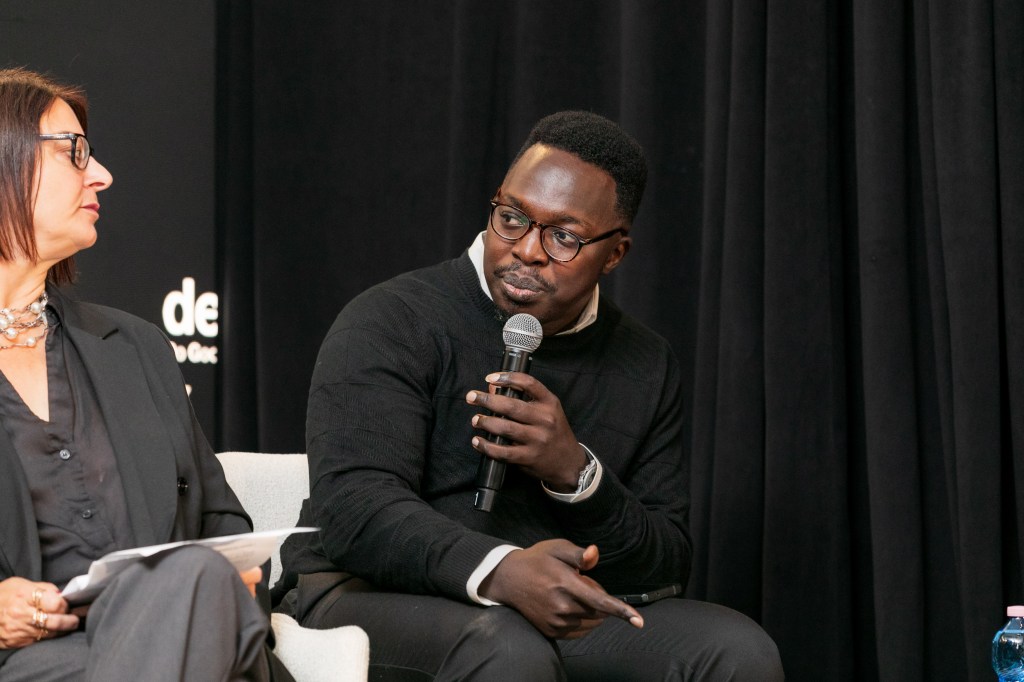
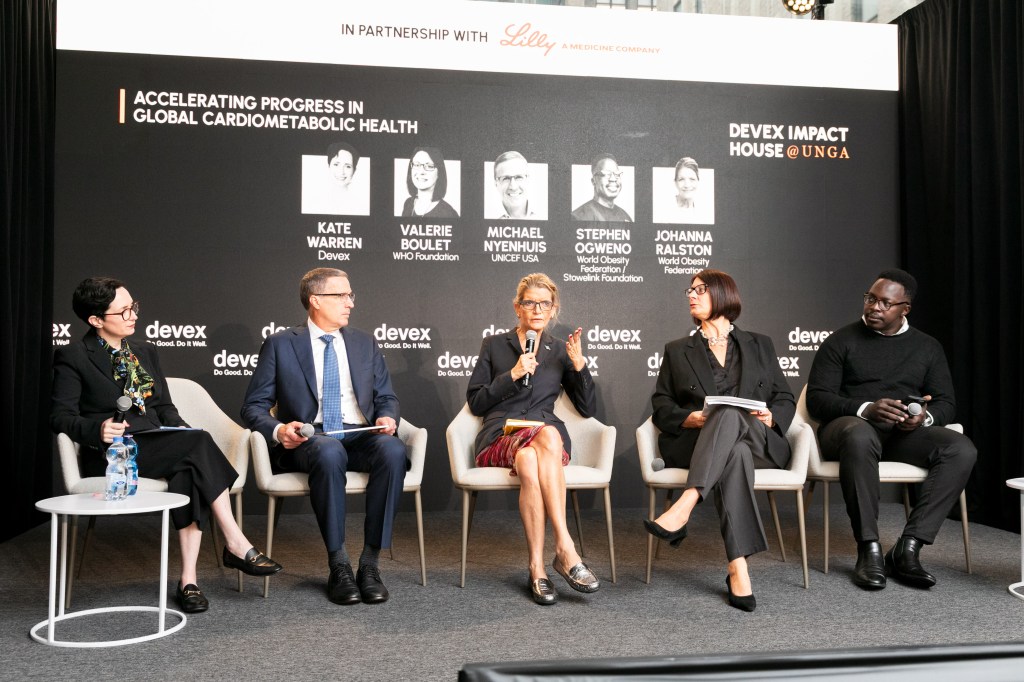
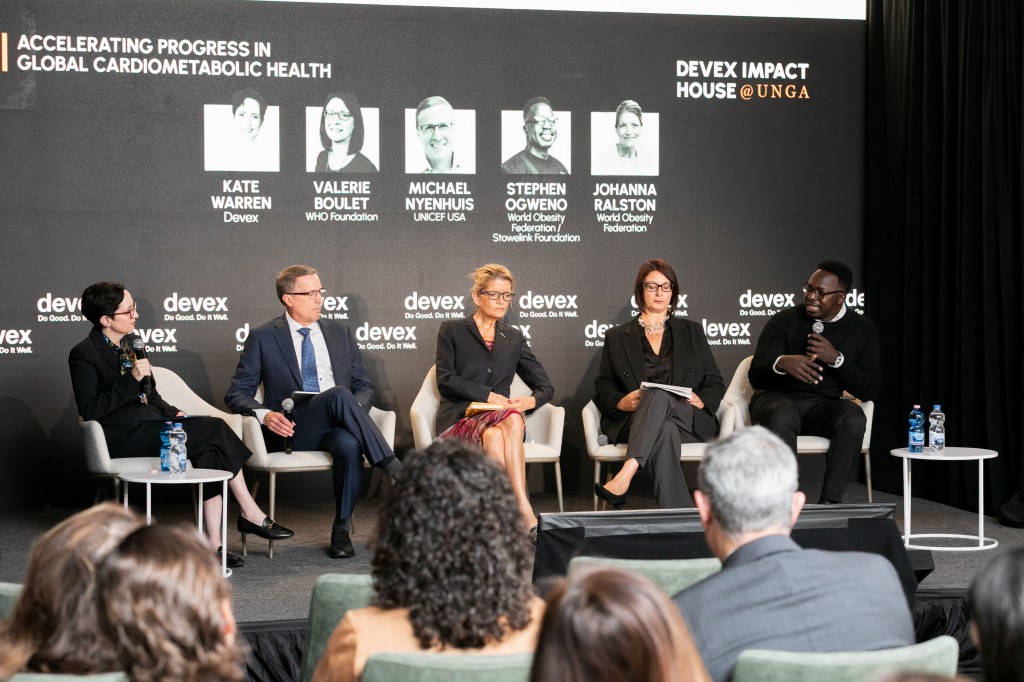
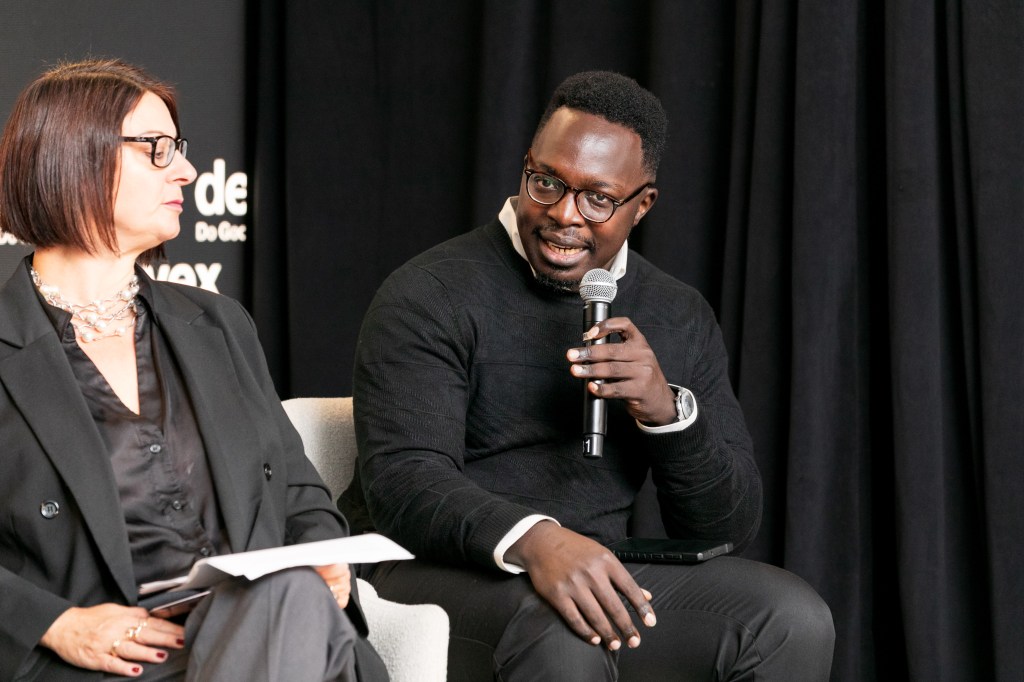
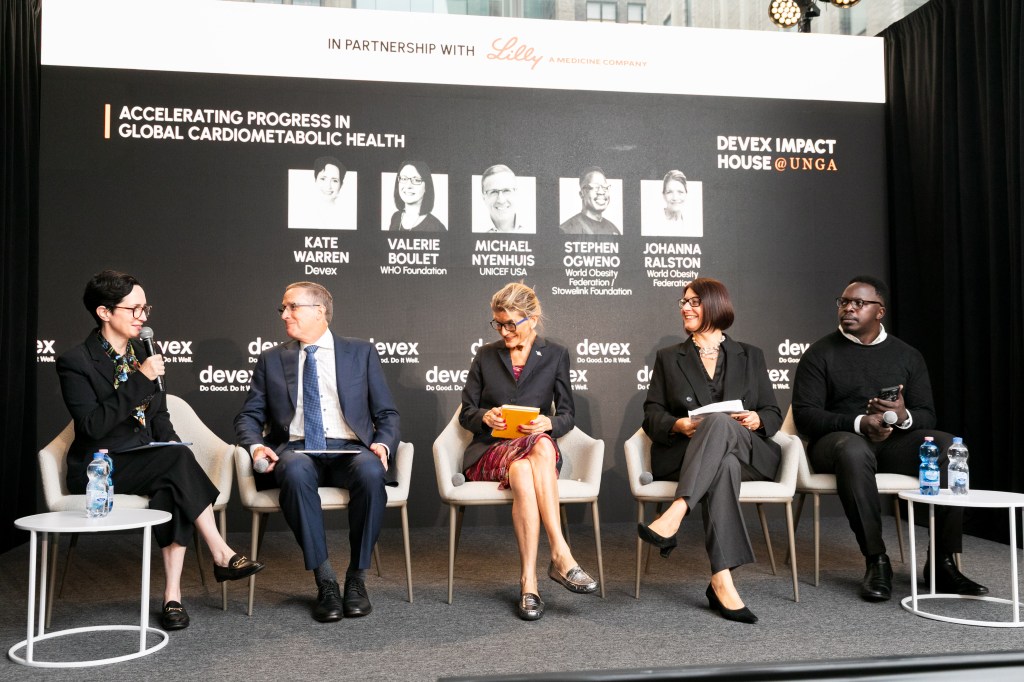
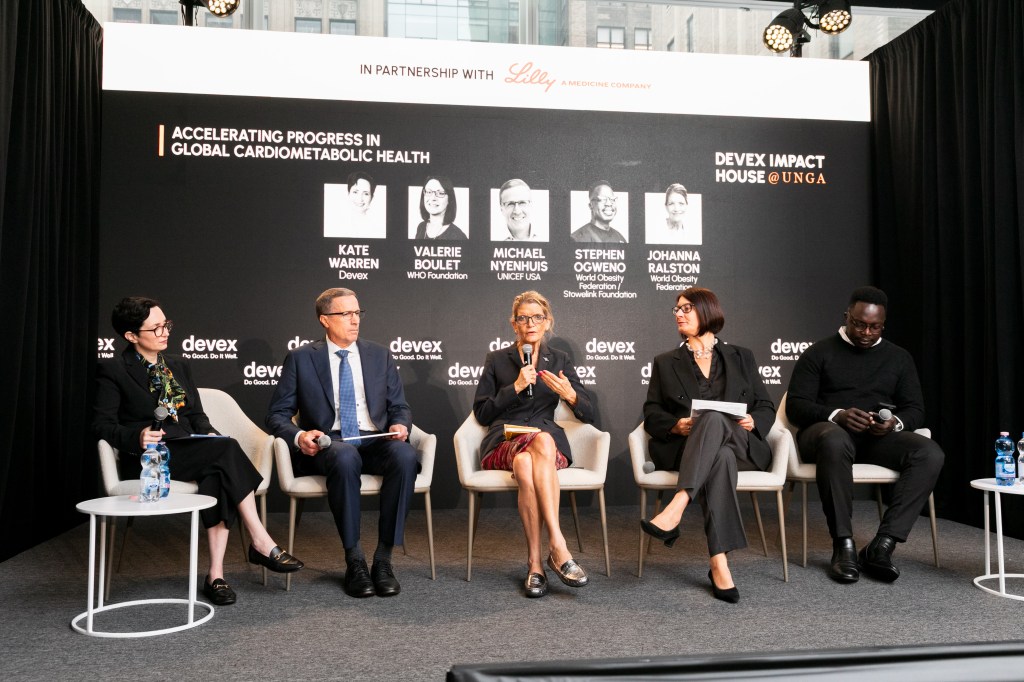
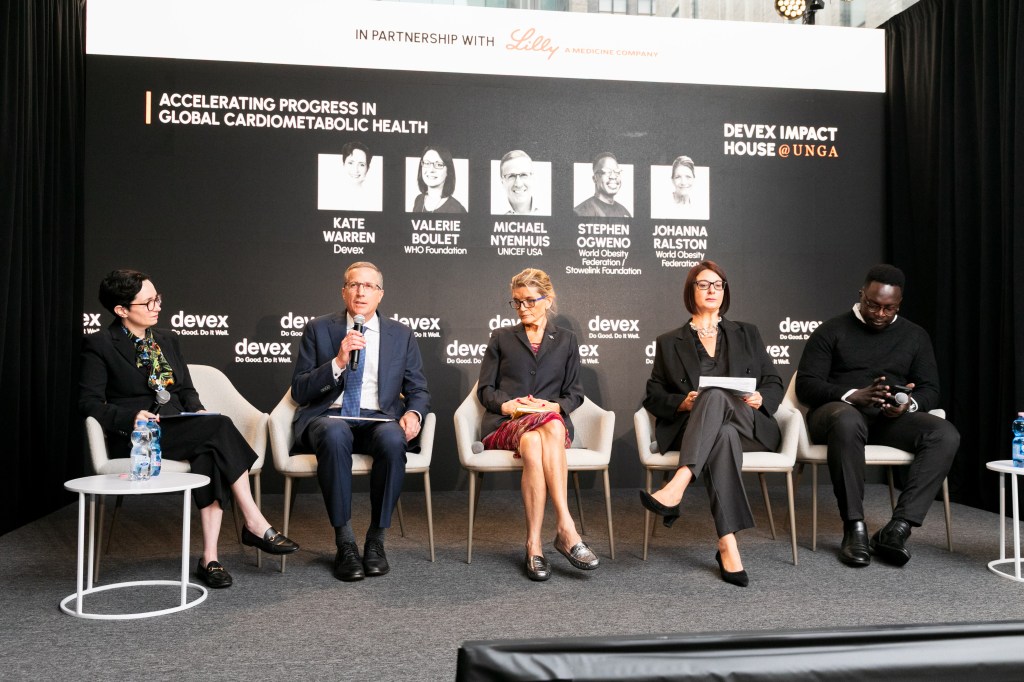
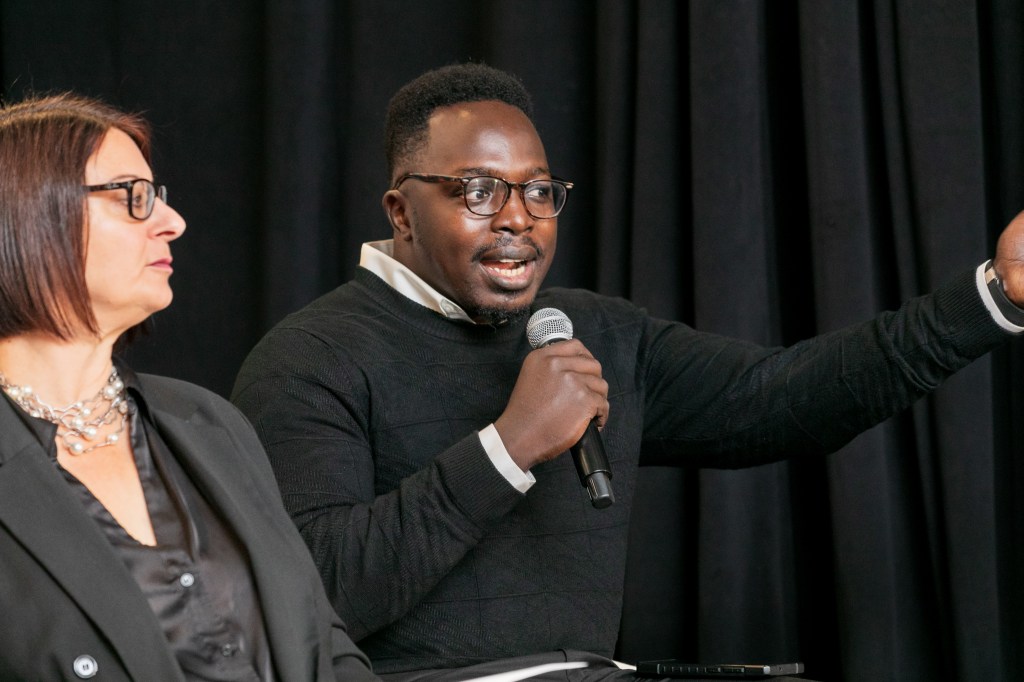
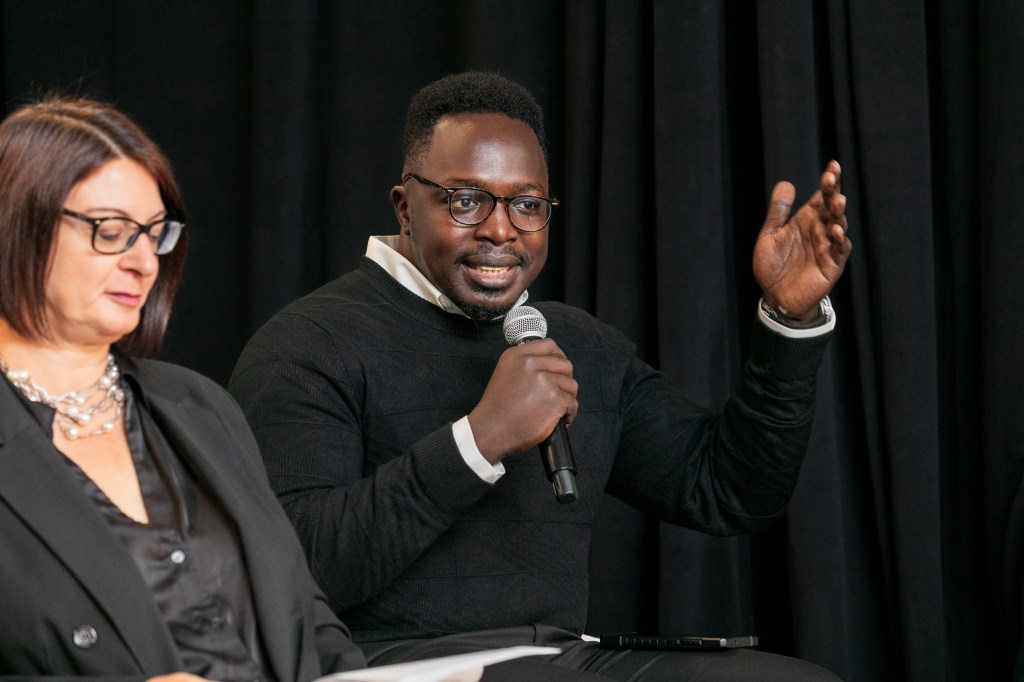
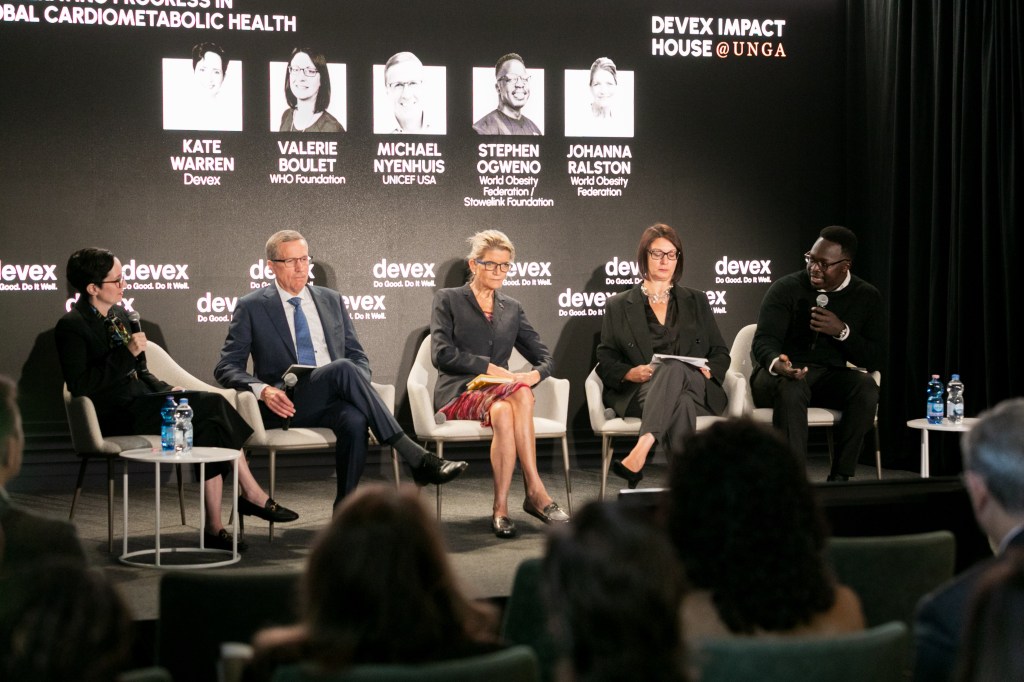
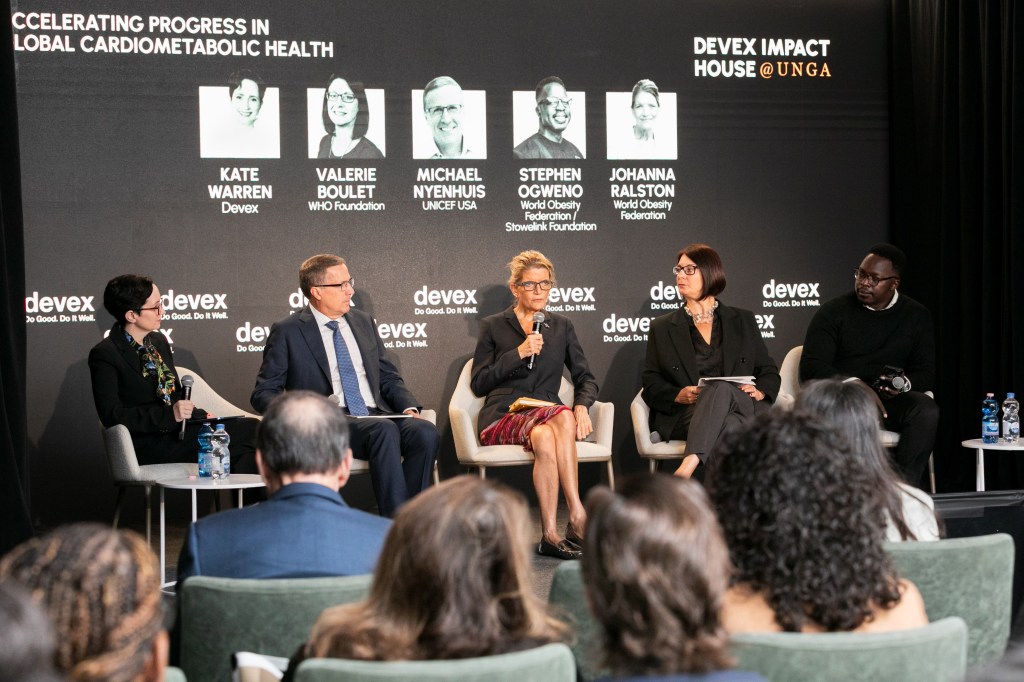
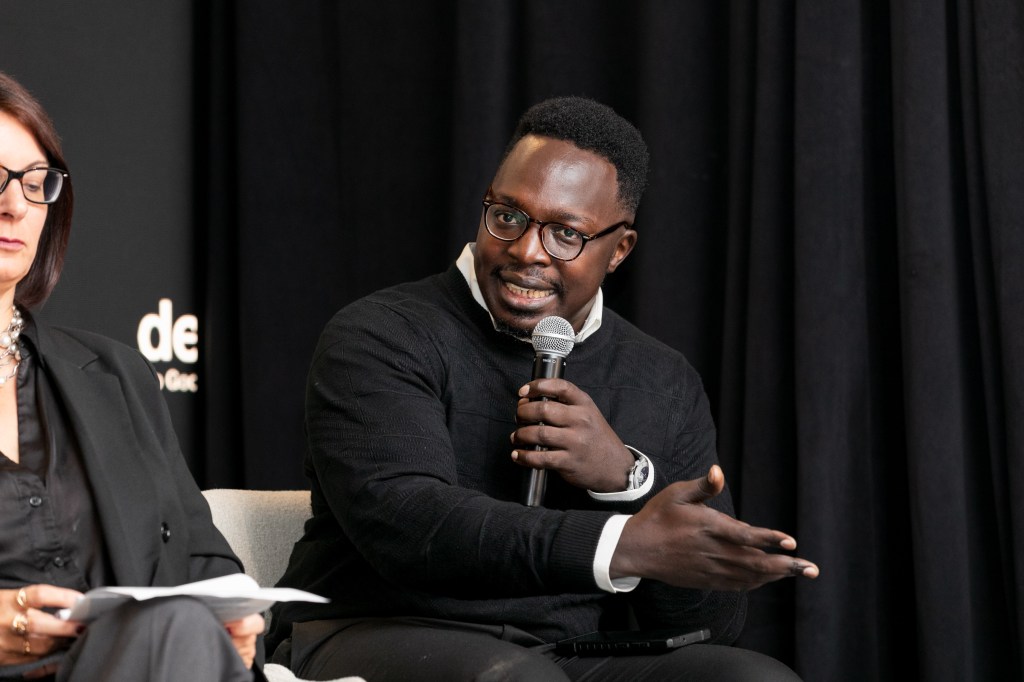
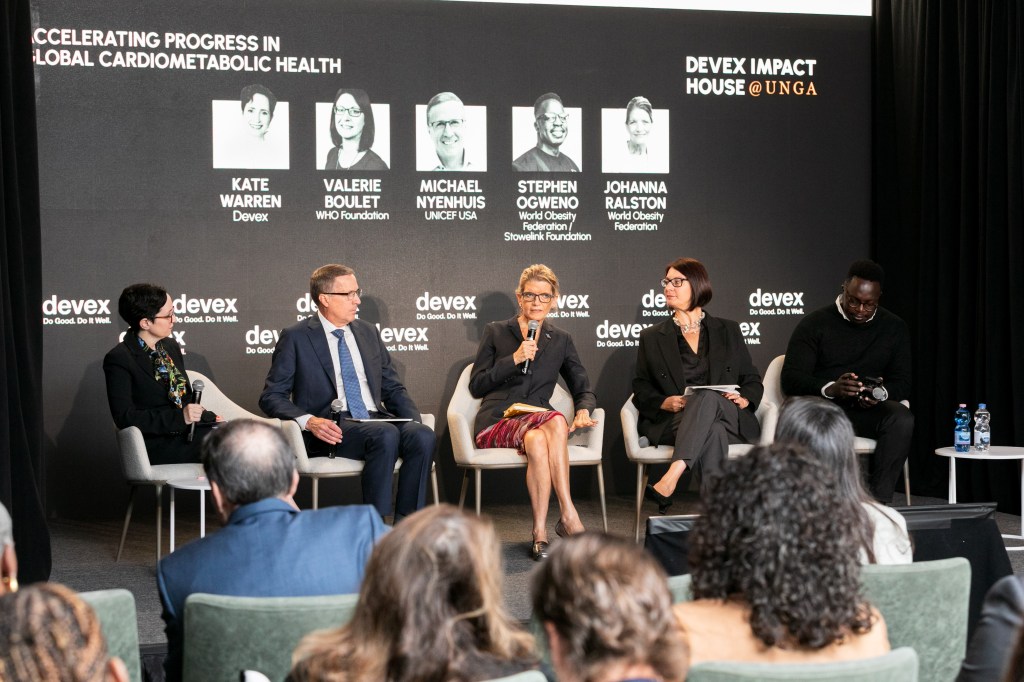
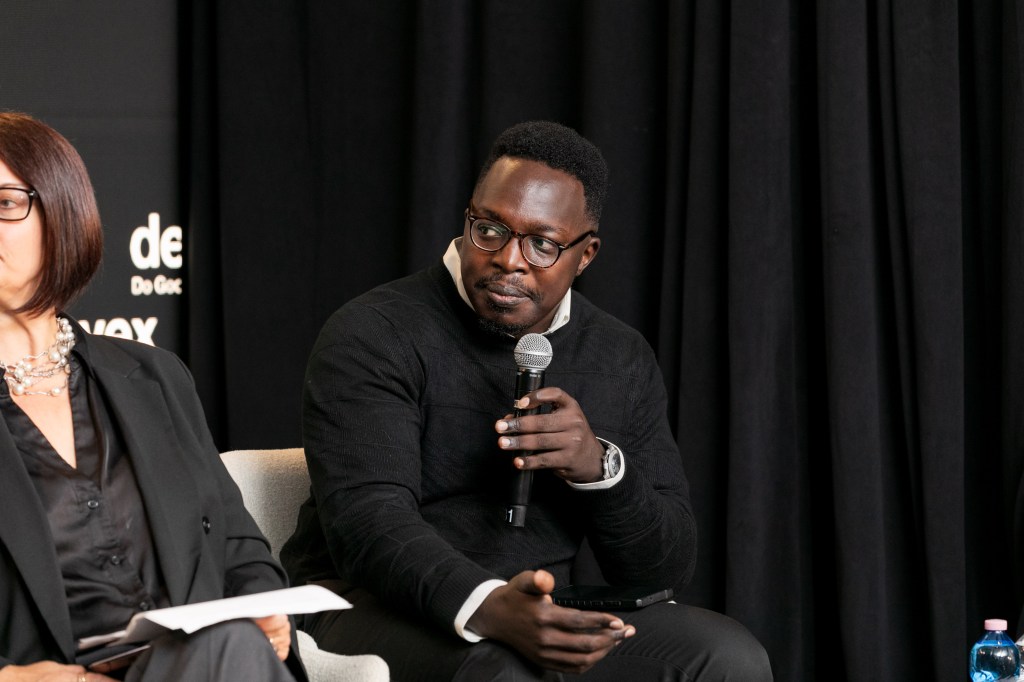
Ogweno Stephen joined global health leaders as a speaker at the Accelerating Progress in Global Cardiometabolic Health session during the 81st United Nations General Assembly in New York, bringing an African and lived-experience perspective to discussions on obesity, diabetes and the future of cardiometabolic care. Hosted by Devex in partnership with Lilly, the conversation examined how governments, industry, civil society and health organisations can close major access gaps in resource-limited settings. Stephen used the platform to make three central arguments: lived experience must be recognised as expertise, people living with obesity should participate throughout the policy cycle, and advances in obesity medicines must be accompanied by deliberate strategies for equitable access across Africa.
A Global Cardiometabolic Challenge With Unequal Access
The scale of the cardiometabolic health challenge provided the backdrop to the discussion.
Globally, hundreds of millions of people are living with diabetes and more than one billion people are living with obesity. Yet access to prevention, early diagnosis, long-term treatment and specialist care remains deeply unequal.
These gaps are particularly significant in low- and middle-income countries, where the burden of cardiometabolic disease is increasing while health systems often face constrained financing, shortages of trained health professionals, limited access to medicines and competing public health priorities.
For Ogweno Stephen, whose work as a health advocate has increasingly focused on obesity, noncommunicable diseases and health equity, the central question is therefore no longer whether effective interventions exist.
The challenge is whether those interventions will reach the people who need them.
Bringing Lived Experience Into a High-Level Global Health Conversation
Stephen brought a perspective to the panel that extended beyond traditional technical expertise.
As someone who has spoken openly about his own lived experience of obesity and who has spent years working with communities affected by noncommunicable diseases, he emphasised that lived experience should be recognised as a legitimate form of expertise in global health.
Clinical research can explain what a medicine does.
Epidemiological data can show how many people are affected.
Economic analysis can demonstrate the cost of disease.
But people living with a condition can explain what it actually means to navigate healthcare systems, experience stigma, search for information, pay for treatment and attempt to maintain care over time.
These realities can determine whether an intervention that appears effective on paper succeeds in practice.
For Stephen, lived experience is therefore not simply a personal story added to a technical conversation. It is knowledge that can improve the design and implementation of public health policy.
From Being Consulted to Becoming Part of the Policy Process
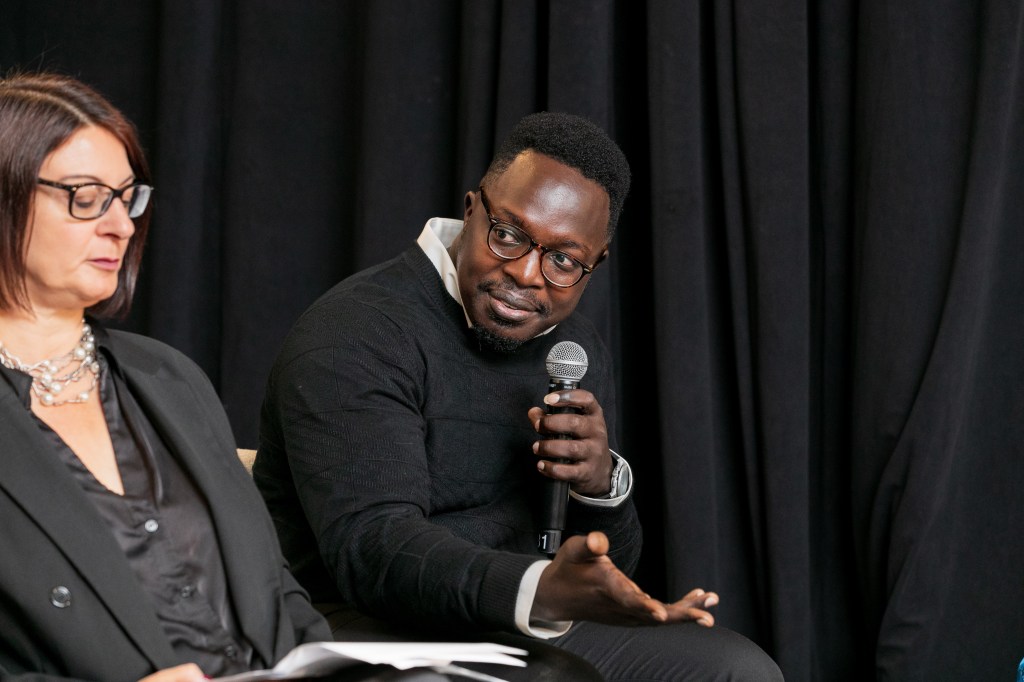
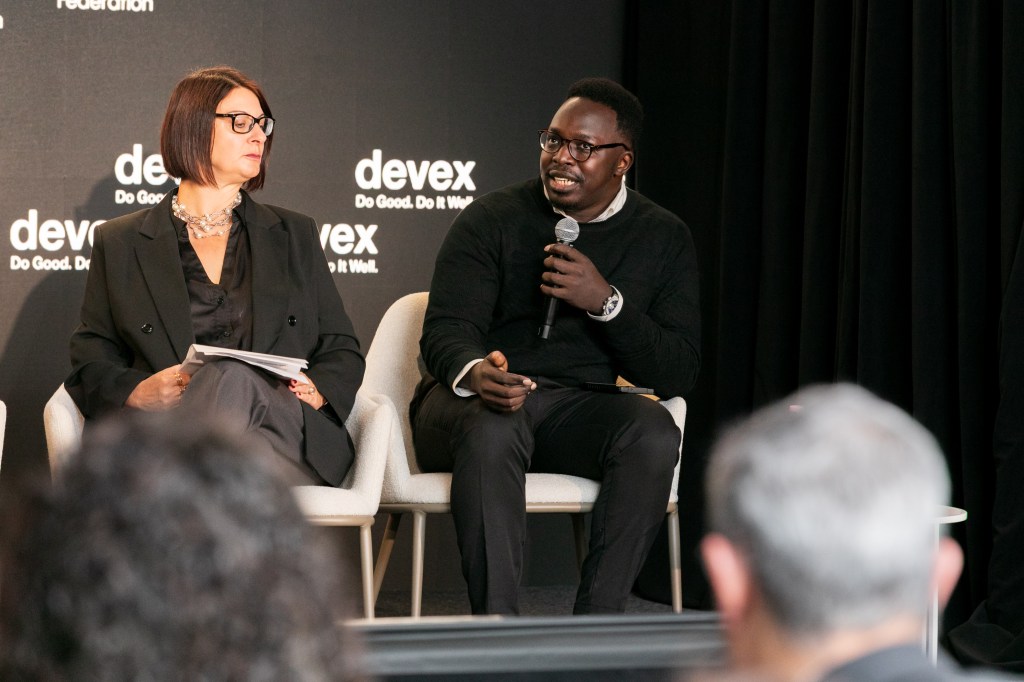
One of Stephen’s strongest messages was that meaningful participation should extend across the entire policymaking process.
People living with obesity are frequently invited to share their experiences at conferences, consultations or awareness events. While this visibility is important, Stephen argued that meaningful engagement needs to go considerably further.
People with lived experience should contribute when health priorities are being identified.
They should participate when policies and programmes are designed.
Their perspectives should inform implementation.
And they should remain involved when programmes are monitored and evaluated.
This distinction is important.
A programme may technically provide obesity services while remaining inaccessible because of cost, stigma, geographical distance or inappropriate communication.
A policy may increase access to medicines while overlooking the support people need to remain in treatment.
These gaps often become clearer when people affected by the policy participate throughout its development.
For Stephen, the principle is straightforward: people should not only be asked what they think about decisions already made for them. They should help shape those decisions from the beginning.
Using African Public Health Experience as Expertise
Stephen also drew from his work through Stowelink Foundation to demonstrate how lived experience can be translated into organised public health action.
What began as a youth-led initiative has grown into work addressing noncommunicable diseases across multiple African countries through community engagement, health literacy, research, digital advocacy and policy participation.
This experience has allowed Stephen to move between very different levels of the health system.
At one level are communities trying to understand obesity, hypertension, diabetes and other chronic diseases.
At another are national discussions around tobacco control, healthier food environments, front-of-pack warning labels and Universal Health Coverage.
At the global level are conversations around obesity treatment, access to medicines and international guidelines.
For Stephen, these levels should not operate independently.
Global policy should be informed by what happens in communities, while international networks, evidence and innovations should ultimately contribute to stronger health outcomes locally.
This has increasingly become a defining element of his work as a Kenyan public health advocate.
Obesity Medicines Are Changing What Treatment Can Look Like
The rapid development of medicines for obesity has created new possibilities for cardiometabolic health.
For many people living with obesity, particularly those with related conditions such as type 2 diabetes or cardiovascular risk, effective pharmacological treatment can become an important component of comprehensive care.
The arrival of these therapies is also helping shift the global understanding of obesity.
For decades, obesity has frequently been framed primarily as a failure of individual behaviour.
Effective medical treatments reinforce a different understanding: obesity is a complex chronic disease influenced by biological, environmental, social and commercial factors and, for some people, requires long-term clinical management.
Stephen has been closely involved in this evolving global discussion, including through his participation in the development of WHO guidance on GLP-1 therapies for obesity.
At UNGA81, however, his intervention focused on what happens after scientific innovation.
A breakthrough medicine has limited public health value if most people who could benefit from it cannot access it.
Africa Cannot Be Left Behind in the Obesity Treatment Revolution
Equitable access to obesity medicines was therefore one of the most important themes in Stephen’s contribution.
New therapies frequently enter wealthier health systems first, where insurance coverage, stronger purchasing power and established specialist services make adoption easier.
African countries face a different reality.
High prices, limited insurance coverage, out-of-pocket expenditure, supply constraints and shortages of specialised obesity services can prevent new treatments from reaching large sections of the population.
If these issues are not addressed deliberately, advances in obesity medicine could unintentionally widen global health inequalities.
People living with obesity in high-income countries could increasingly benefit from effective treatment while those in resource-limited settings continue receiving far fewer options.
For Stephen, that would represent a failure of implementation rather than a failure of science.
Access Means More Than Putting Medicines on the Market
Stephen also emphasised a wider definition of access.
Having a medicine registered or commercially available within a country does not automatically mean people can access care.
True access requires affordability.
It requires healthcare professionals who understand obesity and can diagnose and manage it appropriately.
It requires primary healthcare systems capable of providing long-term follow-up.
It requires reliable supply chains.
It requires patient education and monitoring.
And it requires healthcare environments where people living with obesity can seek treatment without experiencing stigma.
This is particularly important because obesity care is rarely a one-time intervention.
For many people, it requires continuing engagement with the health system.
Countries therefore need to think beyond product availability and build complete pathways of care.
Primary Healthcare Must Become Part of the Solution
The UNGA session placed significant emphasis on stronger primary health systems.
For Africa and other resource-limited settings, this will be critical.
Specialist obesity clinics alone cannot address the scale of the cardiometabolic burden.
Primary healthcare provides an opportunity to bring prevention, screening, diagnosis, counselling, treatment and long-term follow-up closer to communities.
It also allows cardiometabolic conditions to be addressed together rather than through fragmented services.
A person living with obesity may also be managing hypertension, diabetes or cardiovascular risk. An integrated primary healthcare system can respond to these conditions collectively.
For Stephen, this is particularly relevant to Universal Health Coverage.
UHC should not simply finance treatment after disease becomes severe. It should enable people to access prevention and chronic disease care early enough to avoid more serious and expensive complications.
Collaboration Must Translate Into Better Access
The panel brought together leaders from different sectors precisely because no single institution can solve the cardiometabolic health challenge.
Professor Rachel Batterham represented the perspective of pharmaceutical innovation and medical science.
Michael Nyenhuis of UNICEF USA contributed insights around vulnerable populations and health systems.
Johanna Ralston of the World Obesity Federation brought the global obesity policy perspective.
Valerie Boulet of the WHO Foundation contributed a financing and partnership lens.
The programme also included perspectives from Dr Jarbas Barbosa da Silva Jr. of the Pan American Health Organization and Mexico’s Secretary of Health, Dr David Kershenobich.
Stephen’s contribution emphasised the community, African and lived-experience dimensions of the discussion.
For him, the value of multisectoral collaboration ultimately depends on whether it changes what people experience.
Partnership should result in more affordable care, stronger health systems, better information, reduced stigma and greater access to treatment.
Collaboration itself is not the outcome.
Healthier people are.
Lilly Marks a New Chapter in Its Global Health Work
The session also marked the completion of Lilly’s 30×30 initiative five years ahead of schedule.
The initiative was designed to expand access to quality healthcare for 30 million people annually in resource-limited settings by 2030.
The UNGA discussion marked both that milestone and the beginning of a new global health initiative focused specifically on cardiometabolic health.
This creates an important opportunity.
Private-sector investment can contribute innovation, resources and expertise, but its greatest public health value will come through partnerships that respond to national priorities and strengthen existing health systems.
For Stephen, communities and people living with cardiometabolic conditions should be part of those partnerships.
Their participation can help ensure that new initiatives respond to genuine barriers rather than assumptions about what communities need.
The Cost of Inaction Is Both Human and Economic
Cardiometabolic disease also has consequences far beyond healthcare facilities.
People living with poorly controlled diabetes, obesity and related diseases may experience reduced productivity, disability, financial hardship and premature mortality.
Families can face substantial costs associated with medicines, consultations and hospitalisation.
Governments face growing expenditure on chronic disease management and complications.
Employers experience productivity losses.
The case for improving cardiometabolic health is therefore both a health argument and an economic one.
Prevention and effective treatment should be viewed as investments in stronger societies and more resilient economies.
For Stephen, this reinforces why obesity must move higher on national public health agendas.
Ignoring the disease does not eliminate its cost.
It simply shifts that cost into hospitals, households and the wider economy.
From Scientific Progress to Health Equity
The Accelerating Progress in Global Cardiometabolic Health session captured an important moment in global public health.
Science is rapidly expanding the possibilities for obesity and diabetes treatment.
The next challenge is ensuring that health systems, financing models and policies evolve quickly enough to make those advances accessible.
For Ogweno Stephen, the path forward requires keeping three principles at the centre of that transition.
First, lived experience must be treated as expertise.
Second, people living with obesity must participate across the full policy cycle, from design through implementation, monitoring and evaluation.
Third, equitable access to obesity treatment must be built into global strategies from the beginning rather than addressed after inequalities have already become entrenched.
These principles connect directly with Stephen’s wider work as a health advocate and public health leader.
The goal is not simply to bring more obesity medicines to Africa.
It is to build systems in which prevention, diagnosis, treatment and long-term support are available regardless of geography or income.
That is the larger opportunity behind the cardiometabolic health revolution: ensuring that scientific progress becomes shared public health progress.

Leave a Reply