
Reflecting on a week in New York that connected obesity, NCDs, nutrition, Universal Health Coverage and lived experience while creating space to renew relationships with global health leaders and strengthen African civil society representation
My participation in the 81st United Nations General Assembly in New York was ultimately about more than attending individual meetings. Across conversations on obesity, cardiometabolic health, noncommunicable diseases, Universal Health Coverage and Food is Medicine, one message became increasingly clear: global public health is entering a period where stronger partnerships, prevention and meaningful community representation will determine whether scientific and policy progress actually reaches people. For me, UNGA81 was also an opportunity to reconnect with people I have met throughout my journey as a Kenyan health advocate, build new relationships and continue ensuring that African and lived-experience perspectives are represented in spaces where global health priorities are being shaped.
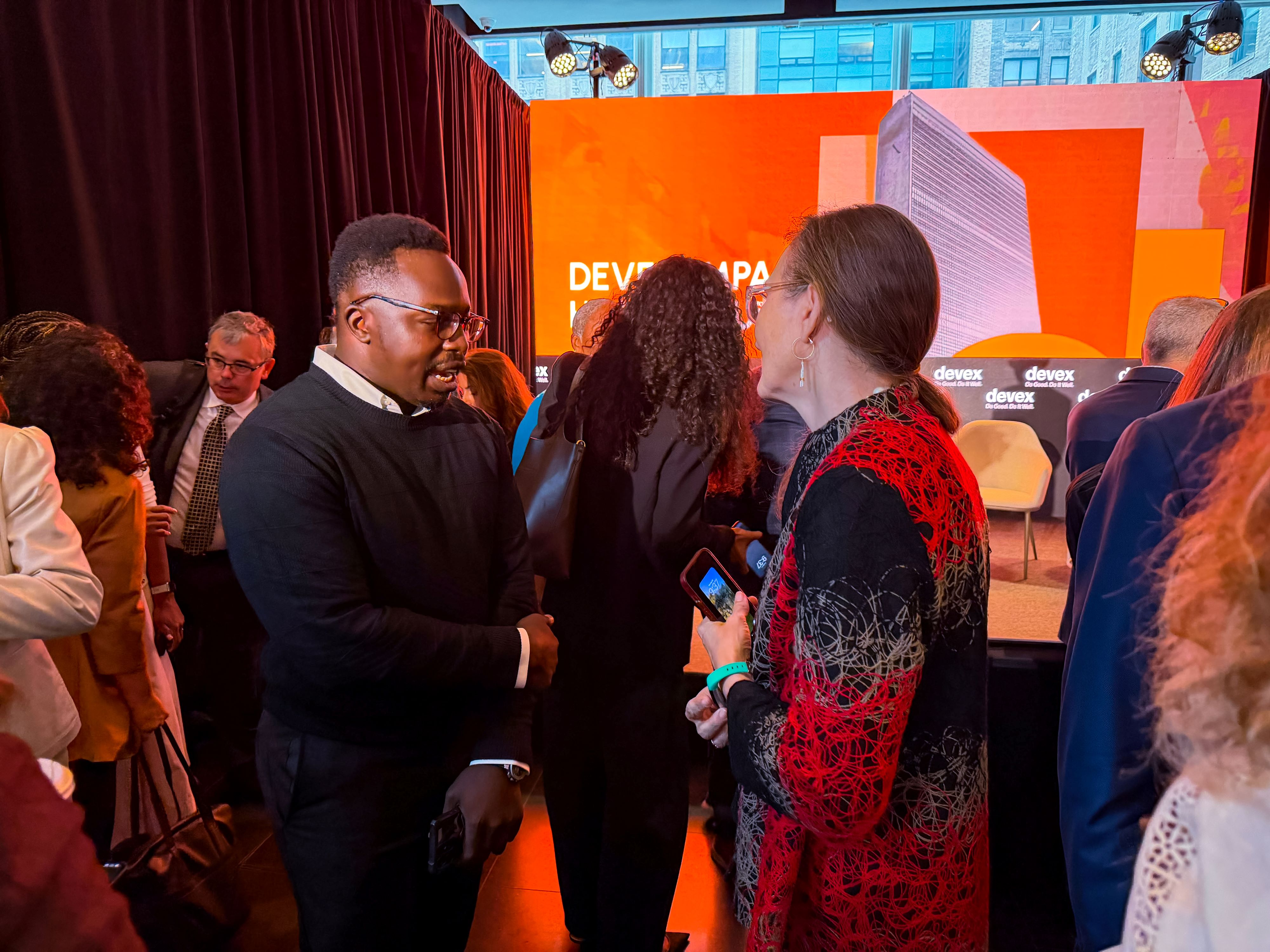
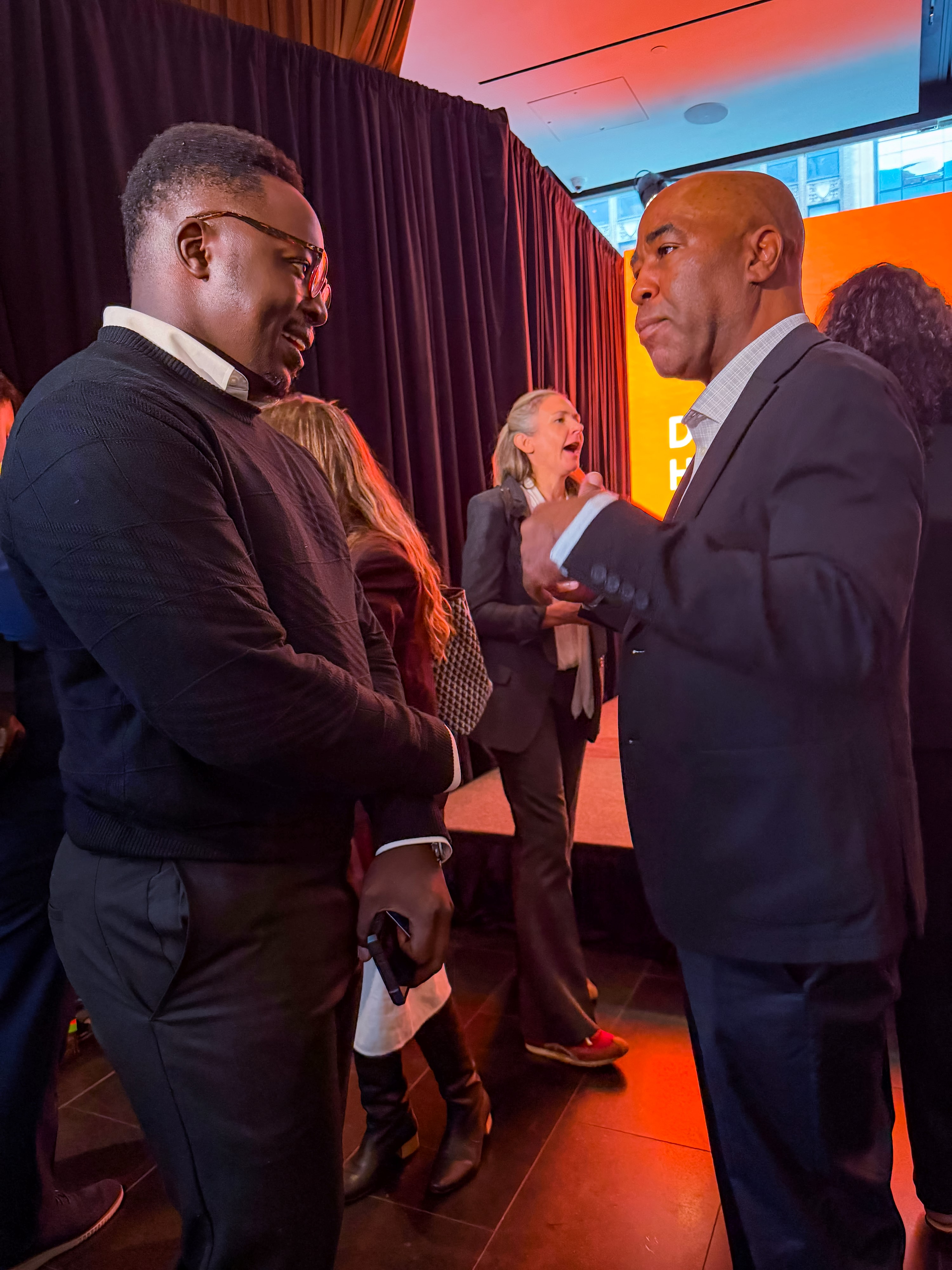
A Week That Connected Different Parts of the Public Health Puzzle
One of the things I appreciated most about this year’s UNGA was how interconnected many of the conversations were.
One meeting might focus on access to obesity treatment.
Another would examine sustainable financing for noncommunicable diseases.
Another would discuss food systems and nutrition.
Another would ask how Universal Health Coverage can become more sustainable.
Initially these can appear to be separate conversations.
They are not.
What we eat influences the development of many chronic diseases.
The environments in which people live influence their ability to remain healthy.
Whether disease is detected early affects future treatment costs.
Whether people can access medicines determines outcomes.
And whether health systems invest in prevention determines how many people eventually require expensive long-term care.
For me, the week reinforced the importance of approaching public health through systems rather than isolated interventions.
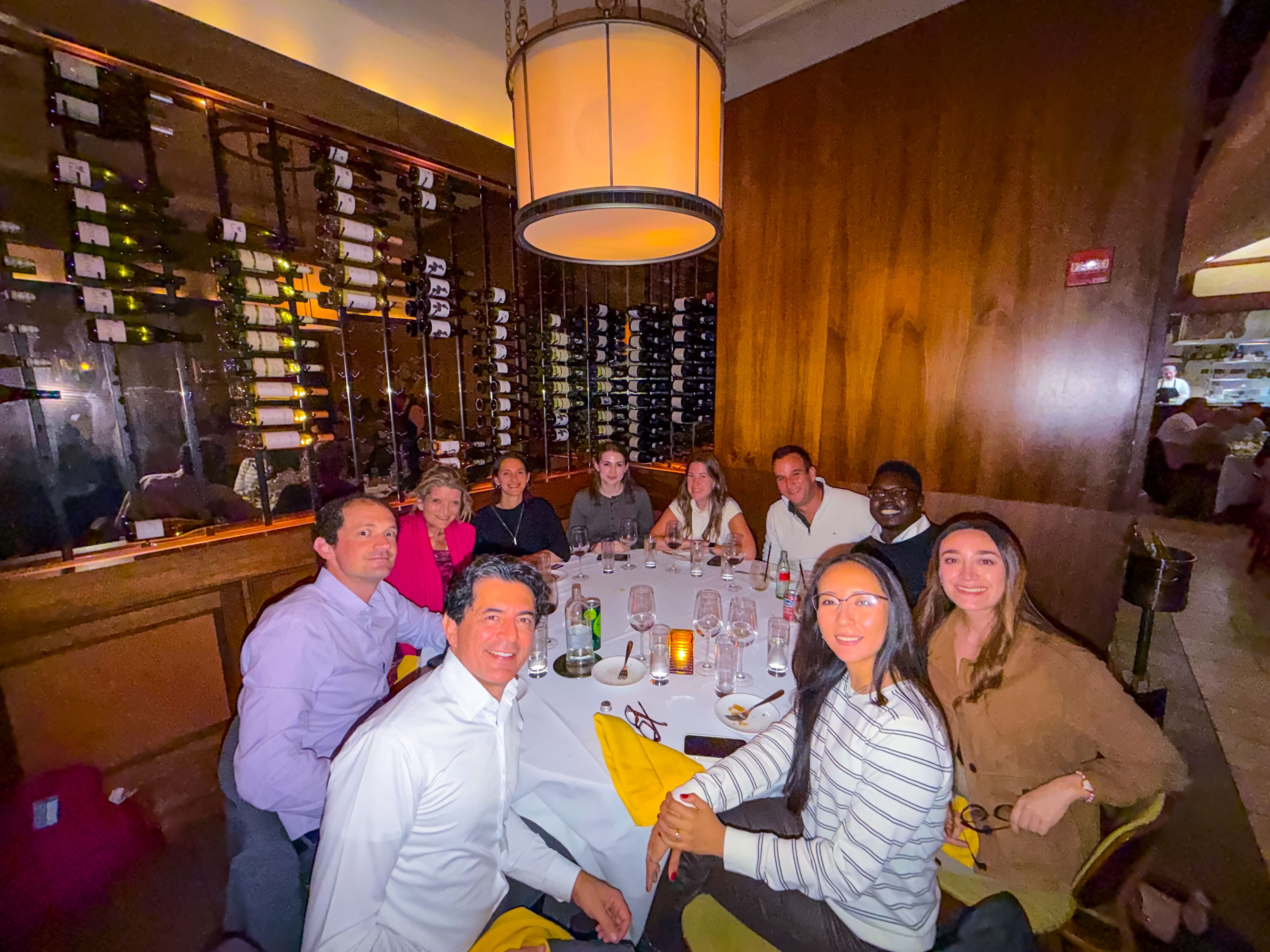
Exploring Food as Medicine at The Rockefeller Foundation
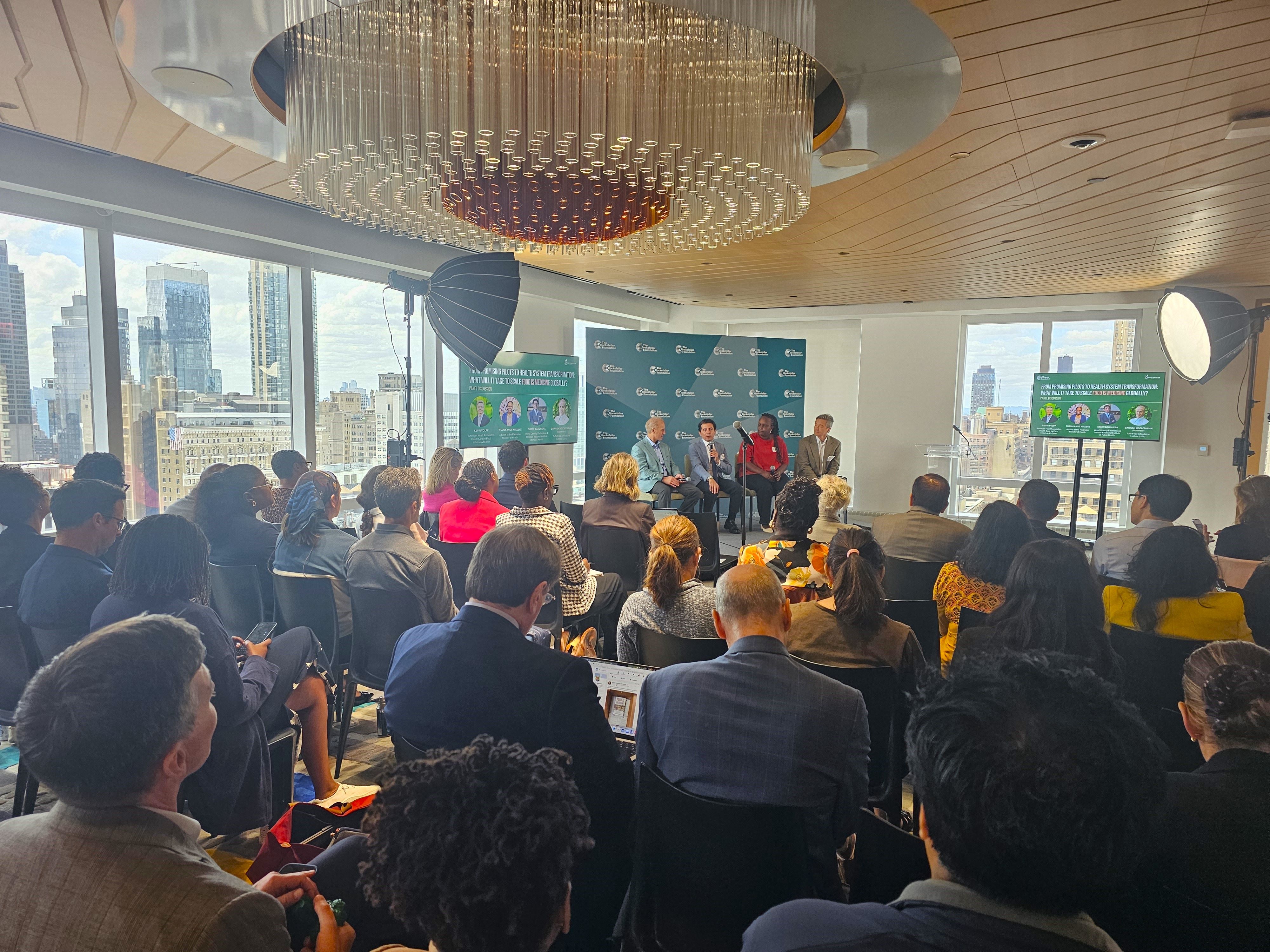
One of the additional highlights of my UNGA week was attending The Prescription the World’s Health Systems Are Missing: Food is Medicine, convened at The Rockefeller Foundation in collaboration with the Food is Medicine Global Alliance.
The September 23 gathering brought together leaders from healthcare, government, research, philanthropy, implementation and the private sector to examine how Food is Medicine can move from promising programmes into broader health-system transformation.
The concept is powerful because it challenges us to rethink the boundary between food and healthcare.
Food is Medicine programmes can include produce prescriptions, medically tailored meals and healthy grocery programmes designed for people living with or at high risk of diet-related conditions. The Rockefeller Foundation has supported research and implementation around these approaches, with emerging evidence suggesting that they can improve outcomes for conditions including hypertension, diabetes and cardiovascular disease while potentially reducing healthcare expenditure.
Healthcare systems traditionally wait until someone becomes ill and then finance consultations, medicines, hospitalisation or surgery.
Food is Medicine asks whether healthcare can intervene earlier by helping people access the nutrition they need to prevent or better manage disease.
From Food Programmes to Health-System Transformation
What interested me particularly was that the discussion went beyond isolated nutrition projects.
The real question was how Food is Medicine can become part of health systems.
How can a clinician prescribe healthy food in the same way that they prescribe another intervention?
How can those prescriptions be financed?
How do we ensure nutritious foods are actually available within communities?
How can programmes support local farmers and food economies while improving health?
And how do countries adapt the concept to their own food cultures rather than importing one model from somewhere else?
The Food is Medicine Global Alliance has emphasised this need for context-specific adaptation, creating a platform where countries can learn from one another while developing approaches appropriate for their own health systems and cultures.
World Obesity Federation Past President Dr Simón Barquera also participated in the Rockefeller Foundation discussion, sharing perspectives on the global potential of Food is Medicine approaches and lessons from Mexico.
For me, this connected naturally with the work we are doing in Kenya around obesity, nutrition and healthier food environments.
Food Policy and Obesity Prevention Belong in the Same Conversation
Earlier in Kenya, I had participated in discussions around front-of-pack warning labels and the Kenya Nutrient Profile Model.
Those conversations focused partly on helping consumers understand the nutritional quality of products and creating healthier food environments.
Food is Medicine approaches address another part of the same spectrum.
Front-of-pack labelling asks: how can we help people identify products that may contribute to poor health?
Food is Medicine asks: how can health systems actively help people access foods that support better health?
Both approaches recognise something that is becoming increasingly important within obesity and NCD prevention: individual responsibility is not enough.
People need environments that support health.
That includes clear information, affordable healthy food, appropriate regulation, community support and healthcare systems that recognise nutrition as part of prevention and chronic disease management.
Prevention Must Become Part of the UHC Conversation
This theme followed me through several meetings during UNGA.
Universal Health Coverage understandably focuses on ensuring that people can access healthcare without financial hardship.
But health systems also need to ask how many illnesses they can prevent before treatment becomes necessary.
Diet-related NCDs create enormous long-term costs.
Diabetes, cardiovascular disease, kidney disease and obesity-related complications can require years or decades of treatment.
If healthier diets can prevent disease or improve disease management, then investment in nutrition should be considered part of the economics of health systems, not simply an individual lifestyle choice.
Rockefeller Foundation-supported research has suggested that scaling Food is Medicine approaches could have effects extending beyond healthcare, including stimulating local economic activity and strengthening opportunities for farmers and food businesses.
For African countries, the opportunity is to ask how similar principles might be adapted within our own health systems, food cultures and agricultural economies.
UNGA Is Also About Relationships
Some of the most valuable moments during UNGA do not happen behind microphones.

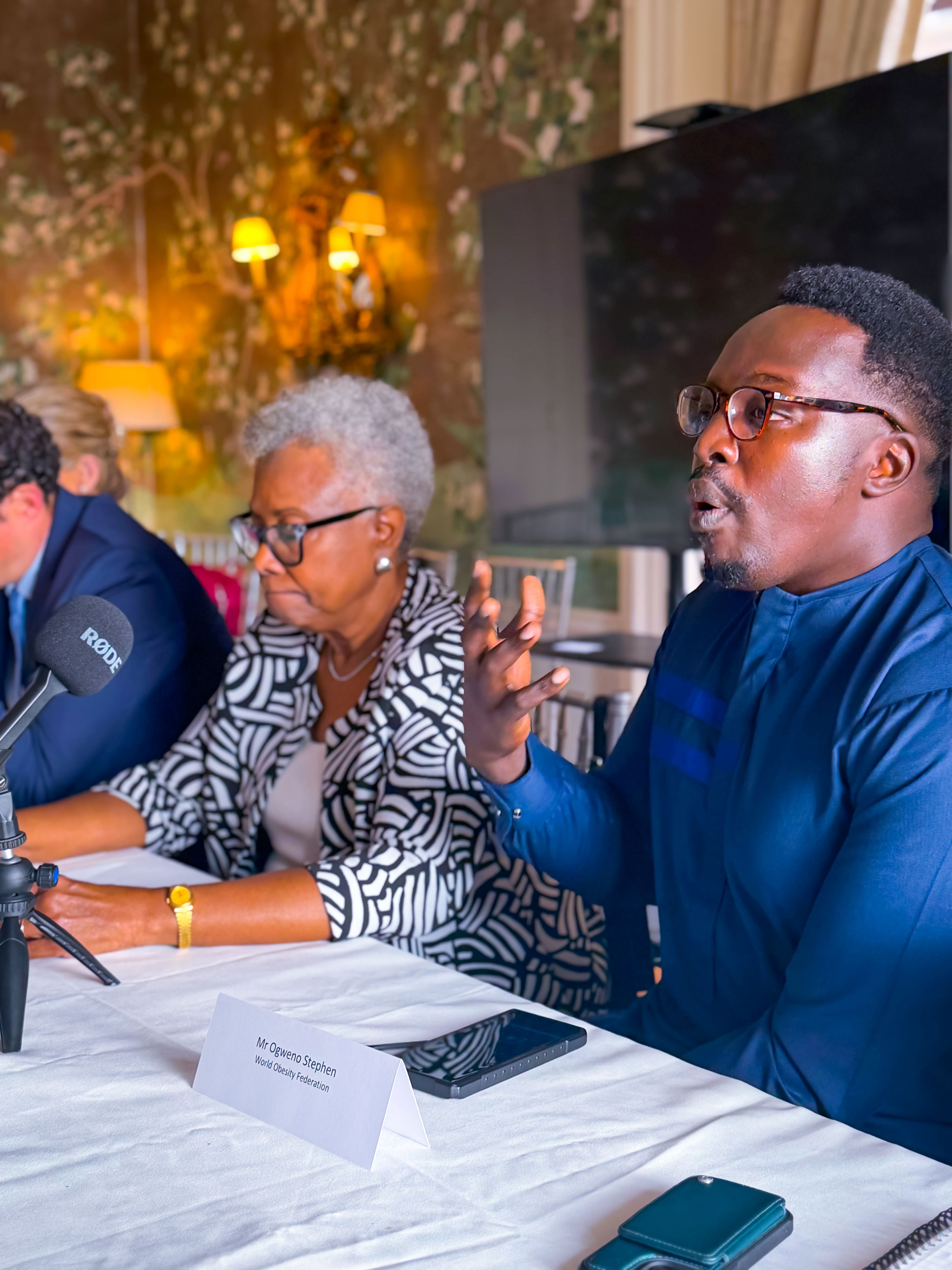
They happen in corridors, over breakfast, walking between venues and in conversations with people you may have first met several years earlier.
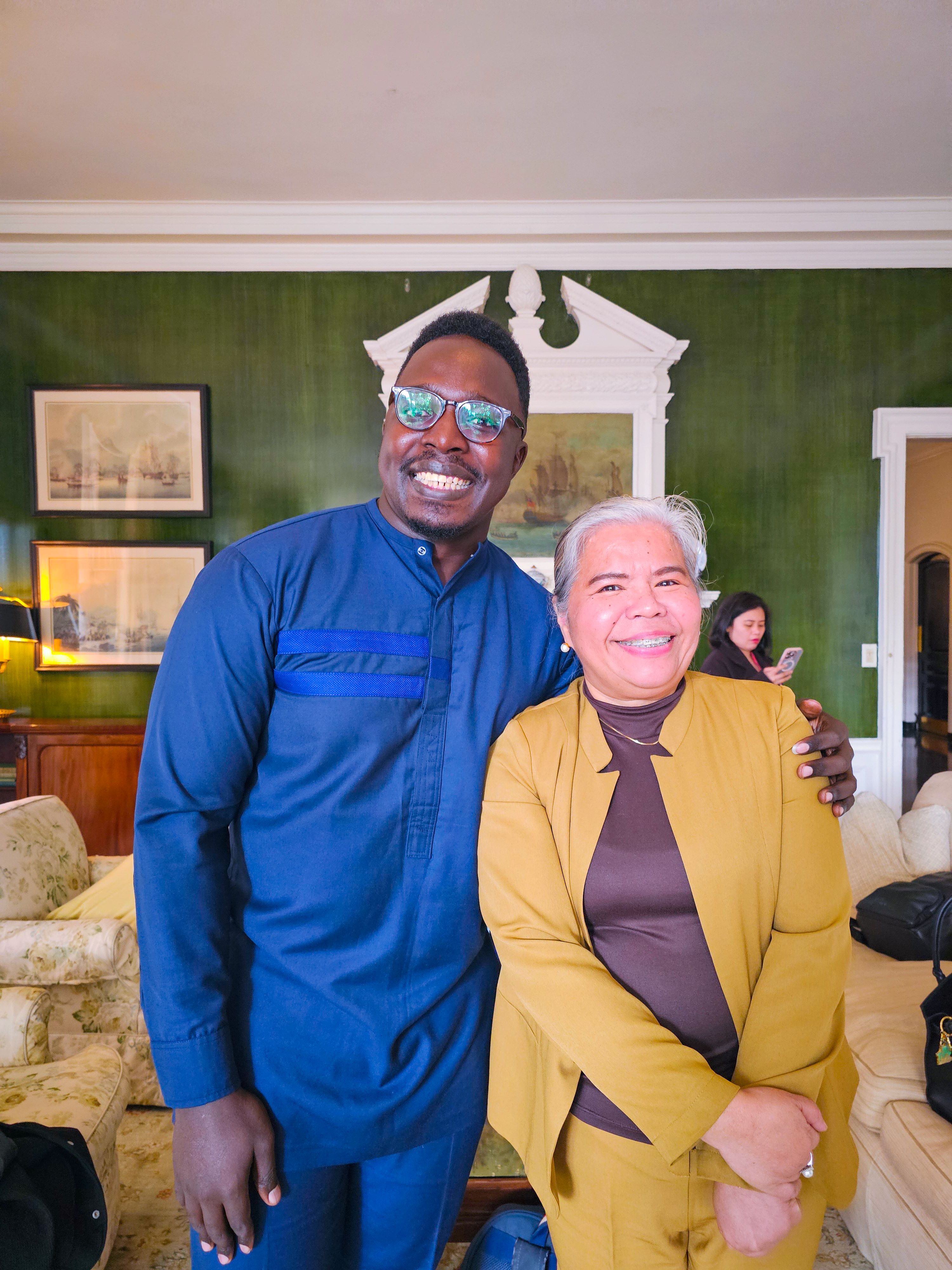
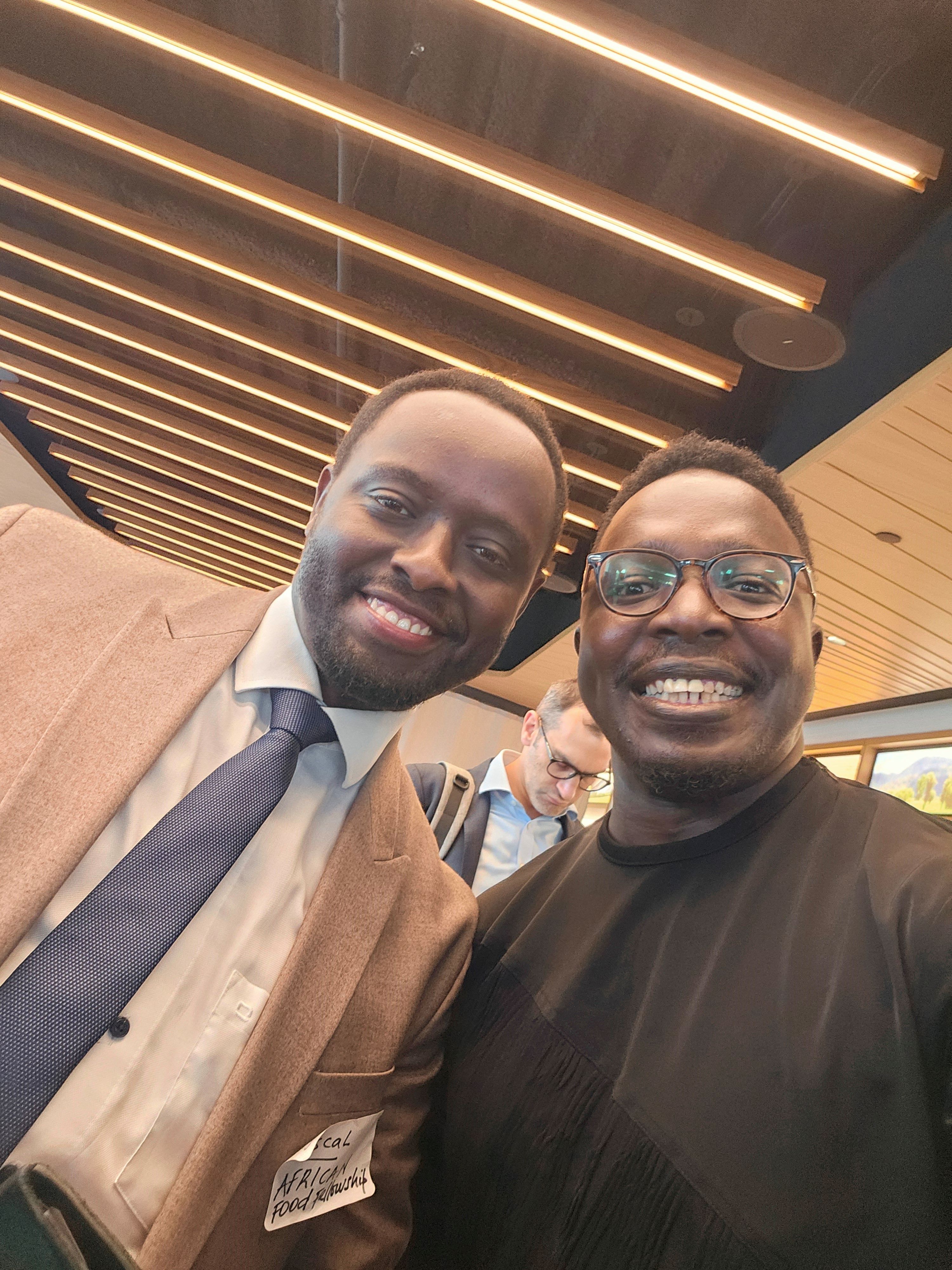
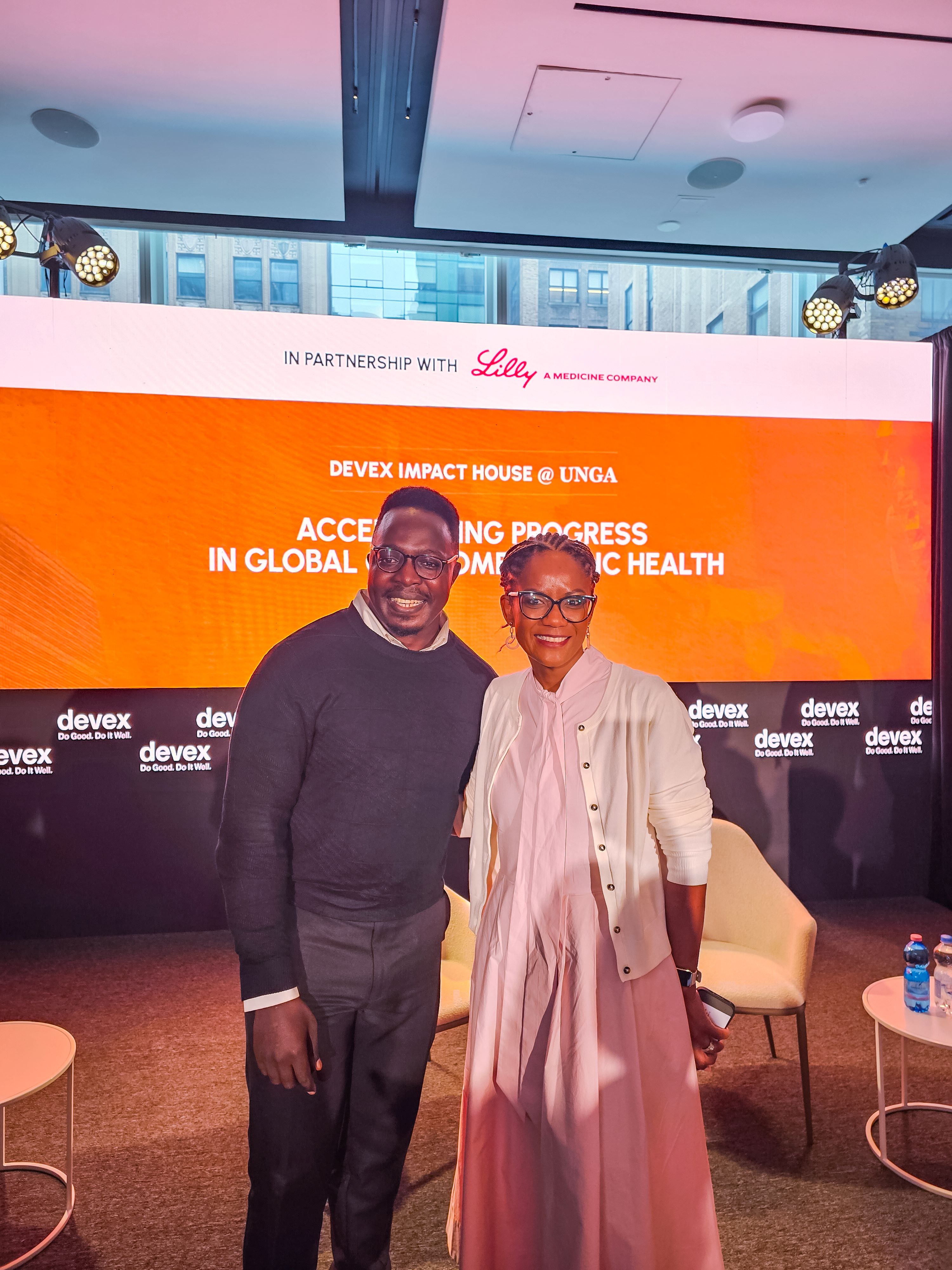
This year’s UNGA gave me an opportunity to reconnect with several people whose paths have crossed mine through global health work.
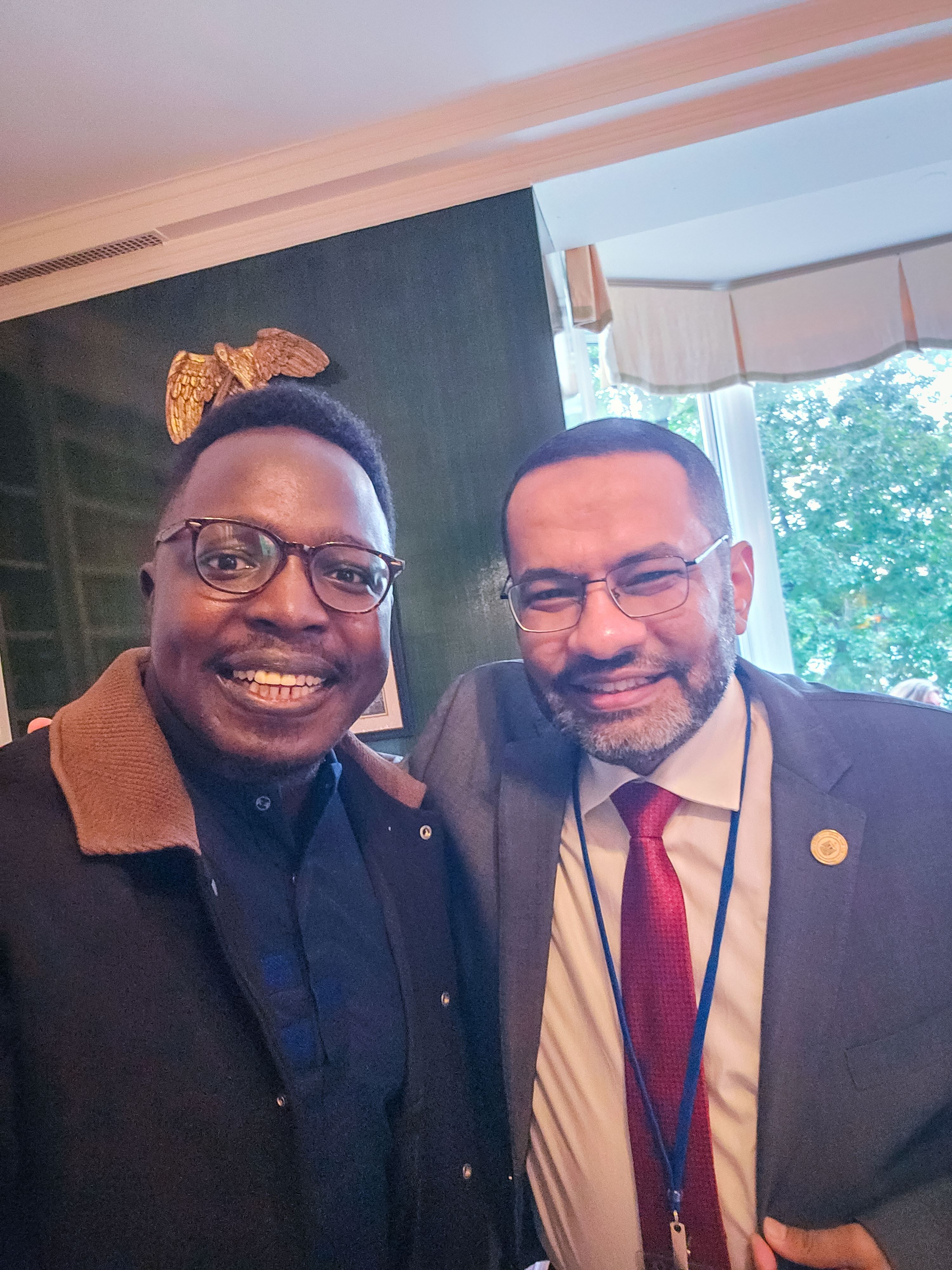
Among them was Dr Mohamed Hassany, Minister’s Assistant for Projects and Public Health Initiatives at Egypt’s Ministry of Health and Population.
We first connected during the previous UNGA, and it was valuable to reconnect as Egypt continues advancing its work around obesity and broader public health initiatives.
Relationships like these matter because countries often face similar challenges but approach them from different starting points.
There is enormous value in being able to pick up a conversation one year later and ask: What has changed? What worked? What are you struggling with now? What can we learn from each other?
Reconnecting With Colleagues From Thailand
I also had the opportunity to reconnect with colleagues from Thailand’s Ministry of Public Health whom I had first encountered through global health engagements several years earlier, including work connected to Geneva.
These relationships remind me how small the global health community can sometimes become.
You may meet someone in one country around one issue and encounter them years later working on another dimension of the same challenge.
Thailand has remained an important participant in global discussions around obesity and NCD prevention, and its government was among the co-hosts of the World Obesity Federation’s UNGA81 high-level breakfast on Obesity, Health Systems and Sustainable Development.
For me, these reconnections are not simply social.
They create channels for future collaboration, knowledge exchange and opportunities to connect global experience back to work in Kenya and across Africa.
Global Health Networks Become Valuable When They Come Home
One principle continues to shape how I think about international engagement.
There is little value in building an impressive global network if none of those relationships eventually contribute to the communities and systems where we work.
The real opportunity is translation.
Can a conversation in New York help improve an obesity programme in Nairobi?
Can a lesson from Mexico inform food policy in Kenya?
Can a relationship developed with colleagues in Thailand create opportunities for African and Asian countries to exchange implementation experience?
Can engagement with pharmaceutical companies help shape conversations about equitable access to obesity medicines?
Can relationships with global health organisations create opportunities for African civil society organisations to participate earlier in policymaking?
Those are the questions that make global engagement meaningful to me.
World Obesity Federation Walking the Talk on Lived Experience
One of the strongest reflections I left New York with was my appreciation for the World Obesity Federation and its leadership.
Global health organisations frequently speak about meaningful engagement of people with lived experience.
The harder task is actually creating space for those individuals to participate as leaders.
Throughout UNGA81, World Obesity demonstrated what this can look like.
People with lived experience were not limited to sharing personal testimonies.
They participated in policy discussions, moderated conversations, engaged governments and contributed to debates on Universal Health Coverage, treatment access and health systems.
World Obesity’s own reflection on UNGA81 described its lived-experience delegation as helping position obesity not as an issue of willpower, but as a chronic disease requiring equitable and political action.
That distinction matters enormously.
Meaningful engagement happens when lived experience has influence, not merely visibility.
From Storytellers to Co-Leaders
For many years, people living with health conditions have often been invited into global health spaces primarily to tell their stories.
Stories matter.
They humanise statistics and remind policymakers who their decisions affect.
But people with lived experience can contribute much more.
They can help design policy.
They can interrogate assumptions.
They can identify implementation barriers.
They can participate in guideline development.
They can monitor programmes.
And they can hold systems accountable when policies fail to translate into real access.
World Obesity has increasingly recognised this. Its coverage of UNGA81 described lived-experience advocates as helping ground obesity discussions in equity, dignity and real-world realities rather than simply participating symbolically.
As a lived-experience Trustee, being able to participate across several UNGA engagements reinforced what meaningful representation can look like when an organisation deliberately creates space for it.
Bringing an African Perspective Into Global Obesity Discussions
Representation also has a geographical dimension.
The global burden of obesity is increasingly shifting towards low- and middle-income countries, yet many of the most influential conversations around treatment, research, financing and policy have historically been dominated by voices from high-income settings.
African perspectives therefore need to be present.
Our health systems are different.
Our financing realities are different.
Access to treatment is different.
Food environments are changing rapidly.
Our populations are younger.
And the pathway through which someone living with obesity accesses healthcare can be very different from the pathway available in Europe or North America.
Representing Africa in these conversations does not mean claiming to speak for an entire continent.
It means ensuring that the realities experienced within African communities are part of the evidence considered when global strategies are being developed.
Civil Society Representation Matters Too
There is another gap that deserves attention: civil society.
High-level global health meetings understandably include governments, international organisations, academia and industry.
But civil society frequently operates closest to communities.
Organisations like Stowelink Foundation see how policies translate into practice.
We see where health information fails to reach people.
We see how stigma affects healthcare seeking.
We see young people responding to changing tobacco, food and digital environments.
And we see what happens when programmes designed at national or global level encounter the realities of implementation.
Civil society therefore provides an important bridge between policy and community experience.
My presence across different UNGA discussions was not simply about individual representation.
It was also about ensuring that African civil society perspectives continue to have a place within global public health conversations.
Representing Both Lived Experience and Public Health Practice
One of the things I increasingly appreciate about my own journey is the ability to contribute from more than one perspective.
I can speak about what it meant to grow up living with obesity.
I can speak about running community public health programmes.
I can contribute experience from research and advocacy.
I can discuss the realities of building health initiatives across African contexts.
And I can take those experiences into conversations around policy and global health.
Those perspectives do not compete with one another.
They strengthen each other.
Lived experience helps me understand why the issue matters.
Public health provides tools for understanding the scale of the problem.
Community work shows how interventions operate in reality.
Policy engagement creates opportunities to change systems.
That combination is increasingly central to how I understand my role as a health advocate.
The Real Value of UNGA Comes After New York
The United Nations General Assembly creates extraordinary opportunities to meet people, exchange ideas and elevate issues.
But the real value of UNGA begins when everyone goes home.
The question is what happens next.
Do the partnerships continue?
Does the Food is Medicine conversation translate into new approaches within health systems?
Does obesity become more firmly integrated into Universal Health Coverage?
Do new obesity medicines become accessible beyond wealthy populations?
Do people with lived experience retain their place in decision-making?
Do governments strengthen prevention alongside treatment?
For me, these questions define what success should look like after a week of global meetings.
Returning Home With More Than Business Cards
I returned from New York with new relationships, renewed friendships and many ideas.
But the most important thing I brought home was a stronger sense of connection between the different areas of work I have been involved in.
Obesity.
Food policy.
Tobacco control.
Universal Health Coverage.
NCD prevention.
Access to medicines.
Lived experience.
Community engagement.
They are not separate agendas.
They are different pieces of the same public health challenge: how do we build systems that allow people to live healthier lives while ensuring that those who develop disease can access dignified, effective and affordable care?
UNGA81 reminded me that answering that question will require governments, communities, researchers, civil society, industry and people with lived experience to work together.
It also reaffirmed something I deeply believe: Africa cannot simply be represented in global health conversations after decisions have been made.
African health advocates, communities and civil society must help shape those decisions from the beginning.
I am grateful to the World Obesity Federation, its leadership and the wider lived-experience community for continuing to create those opportunities and, importantly, for demonstrating through action what meaningful engagement can look like.
For me, that may ultimately be one of the most important outcomes of UNGA81: not simply being present in New York, but helping ensure that the voices, realities and solutions emerging from Africa are present in the conversations that will shape the future of global public health.

Leave a Reply