
Following UNGA81, Ogweno Stephen argues that the global health community has a narrow window before the 2027 UN High-Level Meeting on Universal Health Coverage to ensure obesity is recognised as a disease, integrated across health systems and backed by real pathways for prevention, diagnosis, treatment and long-term care
There can be no Universal Health Coverage without obesity. That is the conclusion I left New York with after the 81st United Nations General Assembly. As governments, the NCD community, civil society and global health institutions begin preparing for the 2027 UN High-Level Meeting on Universal Health Coverage, obesity cannot once again sit at the edges of the conversation. One in eight people globally was already living with obesity in 2022. By 2030, nearly half of the world’s adults are projected to live with overweight or obesity, while more than one billion adults are expected to be living specifically with obesity. Yet millions still live in health systems where obesity is inadequately recognised, poorly diagnosed, rarely treated and frequently reduced to an issue of individual responsibility.
For me, as Ogweno Stephen, a health advocate who has lived with obesity and now works across public health, obesity policy and NCD advocacy, the 2027 UHC process presents one of the most important opportunities we have had to change this.
If Universal Health Coverage means everyone receiving the quality health services they need without suffering financial hardship, then the question is simple: why should obesity be excluded?
Obesity Is Already Affecting One in Eight People
The numbers alone should command political attention.
WHO reports that one in eight people globally was living with obesity in 2022. Adult obesity has more than doubled since 1990, while adolescent obesity has quadrupled.
And the trajectory is concerning.
The World Obesity Atlas projects that by 2030 nearly three billion adults, approximately half of the global adult population, will be living with overweight or obesity. The number of adults living specifically with obesity is projected to exceed one billion. by 2030. But it is equally impossible to look at these projections and conclude that obesity can remain peripheral to global health planning.
The burden is growing fastest in many countries whose health systems are least prepared to manage it.
That should make obesity central to the UHC conversation.
Recognition Must Come Before Coverage
One of the fundamental barriers remains recognition.
WHO now explicitly classifies obesity as a chronic, relapsing disease arising from complex interactions between genetics, neurobiology, behaviour, access to healthy diets, market forces and the wider environment.
But policy and healthcare practice have not consistently caught up with the science.
In many communities, obesity is still framed primarily as a failure of discipline.
Eat less.
Exercise more.
Lose weight.
Try harder.
For someone living with obesity, this can mean entering a healthcare facility and receiving advice about lifestyle without a proper clinical assessment, structured management plan or referral pathway.
I understand that experience personally.
Growing up with obesity in Kenya, there was no clearly visible obesity care pathway around me. I did not experience obesity as a recognised chronic disease for which a young person could enter the health system and receive structured, evidence-based support.
For millions of people, that remains the reality.
Recognition matters because health systems generally do not organise, finance or monitor what they do not formally treat as a health priority.
If obesity is absent from benefit packages, primary healthcare protocols, essential services, workforce training and health financing, then recognising it rhetorically as a disease achieves very little.
Universal Health Coverage Must Mean Coverage for Obesity
UHC is fundamentally about access to the full spectrum of necessary health services, including health promotion, prevention, diagnosis, treatment, rehabilitation and continuing care.
That continuum maps almost perfectly onto what comprehensive obesity care requires.
World Obesity has similarly argued that obesity should be progressively integrated across the continuum of care within UHC and primary healthcare.
We need prevention.
We need early identification.
We need appropriate diagnosis.
We need nutritional and behavioural interventions.
We need psychological support where appropriate.
We need pharmacological treatment.
We need metabolic and bariatric surgery for people who meet clinical criteria.
We need long-term follow-up.
And we need prevention and management of obesity-related complications.
If UHC is supposed to cover people’s health needs throughout their lives, then excluding one of the world’s most prevalent chronic diseases creates a contradiction at the centre of the UHC promise.
The Treatment Landscape Has Changed
There was a time when some policymakers could argue that obesity care had relatively limited treatment options.
That argument is becoming increasingly difficult to sustain.
Obesity now has established clinical treatment pathways.
Lifestyle and behavioural interventions remain important components of comprehensive care. Metabolic and bariatric surgery has an established role for appropriately selected patients. And pharmacological treatment has entered a new era.
In December 2025, WHO released its first guideline on GLP-1 therapies for obesity in adults, recognising these medicines as a potential long-term treatment option when used within comprehensive chronic obesity care.
This is significant.
It confirms something that people living with obesity have needed health systems to acknowledge for a long time: obesity is treatable.
Medical innovation does not remove the need for prevention, healthier food environments or physical activity. WHO explicitly emphasises that medicines must sit within comprehensive care and healthier environments.
But the existence of effective treatments changes the policy question.
The question can no longer simply be whether countries should recognise obesity.
It must increasingly become: how will countries make evidence-based obesity care available?
The Next Equity Crisis Could Be Treatment Access
Scientific progress can reduce inequality, but it can also widen it.
If effective obesity medicines become widely accessible in high-income countries while remaining unaffordable across Africa and other lower-resource settings, we may create one of the next major inequities in global NCD care.
WHO has already identified equitable access as one of the central challenges surrounding GLP-1 medicines. Availability remains significantly lower in low- and middle-income countries, with price, registration, manufacturing capacity and supply all affecting access
This is where UHC becomes essential.
Without pooled financing or insurance coverage, obesity treatment will largely depend on out-of-pocket payment.
That means access will follow income rather than medical need.
Someone who can afford treatment privately will have options.
Someone with exactly the same disease but fewer financial resources may have none.
That is not universal healthcare.
The 2027 UHC Process Must Address Obesity Financing
This is why I believe the 2027 UN High-Level Meeting on Universal Health Coverage must go beyond simply mentioning obesity.
The process should ask practical financing questions.
How will countries progressively include obesity services within national benefit packages?
Which interventions are most cost-effective in different settings?
Which patients should initially be prioritised where resources are constrained?
How can pooled procurement lower medicine costs?
How can generic competition and responsible licensing expand supply?
How can governments negotiate pricing?
How should obesity management be incorporated into primary healthcare financing?
WHO is already developing implementation guidance around GLP-1 therapies that considers affordability, feasibility, equity, risk stratification and allocation according to expected health benefit.
These are precisely the discussions that should connect with UHC.
We cannot have one global conversation about obesity treatment and another separate conversation about health financing.
The two must meet.
The NCD Community Has a Responsibility
I also believe the broader NCD community has an important responsibility ahead of 2027.
Obesity cannot continue to be treated only as a risk factor sitting somewhere upstream of diabetes, cardiovascular disease and some cancers.
Obesity is both a disease in its own right and an important driver of multiple other NCDs.
The World Obesity Federation has called for obesity to be recognised as a core component of the global NCD response, including explicitly within Universal Health Coverage frameworks.
This matters strategically.
If we invest heavily in treating diabetes, hypertension, cardiovascular disease and other conditions without sufficiently addressing obesity, we are managing downstream consequences while leaving a major driver inadequately addressed.
The NCD community should therefore champion obesity inclusion, not regard it as a competing agenda.
This is not obesity versus diabetes.
It is not obesity versus cardiovascular disease.
It is not prevention versus treatment.
It is about building integrated chronic-care systems that reflect how diseases actually interact.
The Obesity Community Also Has Work to Do
The obesity community cannot simply wait for the UHC process to create space for us.
We need to arrive prepared.
That means agreeing on clear asks.
We need evidence on what comprehensive obesity care should look like within different health systems.
We need health-economic analysis.
We need stronger data from Africa and other underrepresented regions.
We need implementation models for primary healthcare.
We need to explain how prevention and treatment complement each other.
We need to make the financial case.
And critically, we need people living with obesity involved throughout this work.
Our advocacy cannot simply say, “Include obesity.”
We should be able to answer the next question:
What does meaningful inclusion look like?
Primary Healthcare Is Where Inclusion Becomes Real
For many people, obesity care will only become genuinely accessible when it is integrated into primary healthcare.
Most countries cannot build enough specialist obesity clinics to meet population need.
Nor should they need to.
Primary healthcare professionals should increasingly be able to recognise obesity, assess health risks, have respectful conversations about weight, support prevention, initiate appropriate interventions and refer patients when specialist treatment is required.
This also creates opportunities to manage obesity alongside hypertension, diabetes and cardiovascular risk.
People do not experience diseases according to how ministries organise programmes.
One person may be living simultaneously with obesity, hypertension and diabetes.
The health system should respond to the person rather than force them through multiple disconnected programmes.
That is precisely what integrated UHC should make possible.
There Can Be No UHC While Weight Stigma Prevents Care
Coverage also means little if people are afraid to use services.
Weight stigma remains one of the major barriers facing people living with obesity.
It occurs in schools, workplaces, families, media and healthcare settings.
Within healthcare, stigma can discourage people from seeking care and can affect the quality of interactions they receive.
UHC therefore cannot simply count services.
Quality matters.
Dignity matters.
Person-centred care matters.
A health system in which a treatment technically exists but the patient expects blame, humiliation or dismissal is not fully accessible.
This is another reason lived experience must be built into the design and evaluation of obesity services.
People living with obesity can help health systems identify barriers that administrative coverage statistics will never reveal.
There Can Be No UHC Without Prevention
Arguing for obesity treatment within UHC does not mean medicalising prevention.
On the contrary, UHC must sit alongside policies that reduce the conditions driving obesity.
Healthy food environments matter.
Front-of-pack warning labels matter.
Nutrition matters.
Physical activity matters.
School environments matter.
Urban design matters.
Marketing regulation matters.
Health literacy matters.
Commercial determinants of health matter.
My own public health work in Kenya increasingly crosses these areas, from discussions on front-of-pack warning labels and the Kenya Nutrient Profile Model to advocacy for obesity treatment and access to medicines.
These are not competing approaches.
We should prevent disease where we can and provide appropriate care where disease already exists.
That is what a mature health system does.
There Can Be No UHC Without Equity
Universal means universal.
If obesity care is available only in major cities, it is not universal.
If medicines are available only to people who can pay privately, it is not universal.
If health workers are not trained to recognise and manage obesity, it is not universal.
If prevention programmes reach some communities but not others, it is not universal.
If people living with obesity are excluded from decisions about their own care, it is not universal.
And if a disease affecting more than one billion people is absent from national UHC frameworks, we need to question how universal those frameworks truly are.
Why I Say There Is No UHC Without Obesity
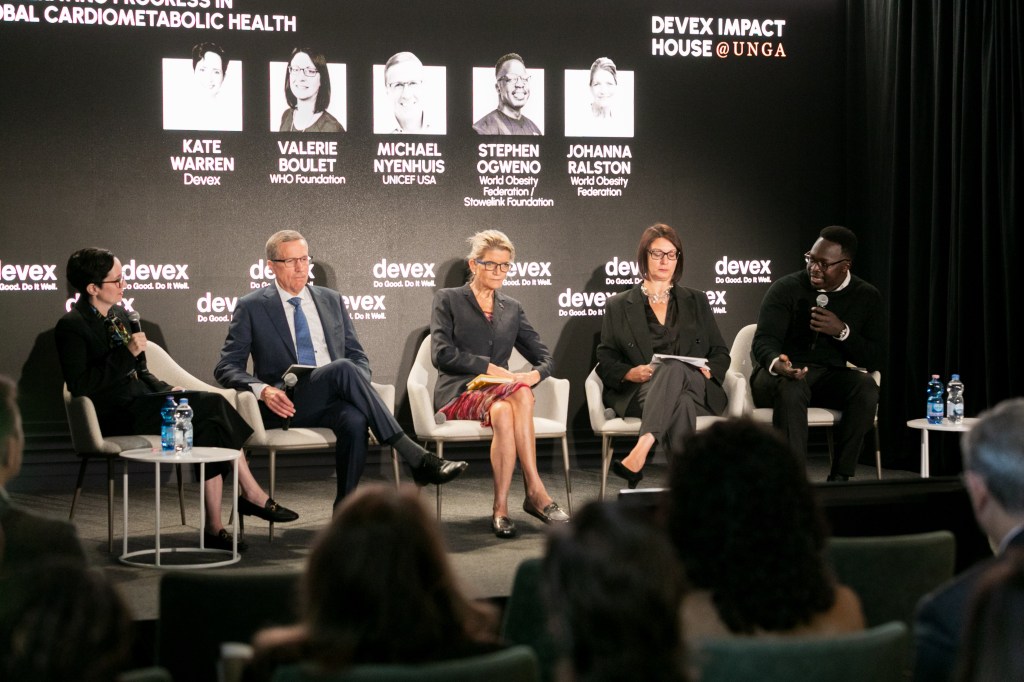
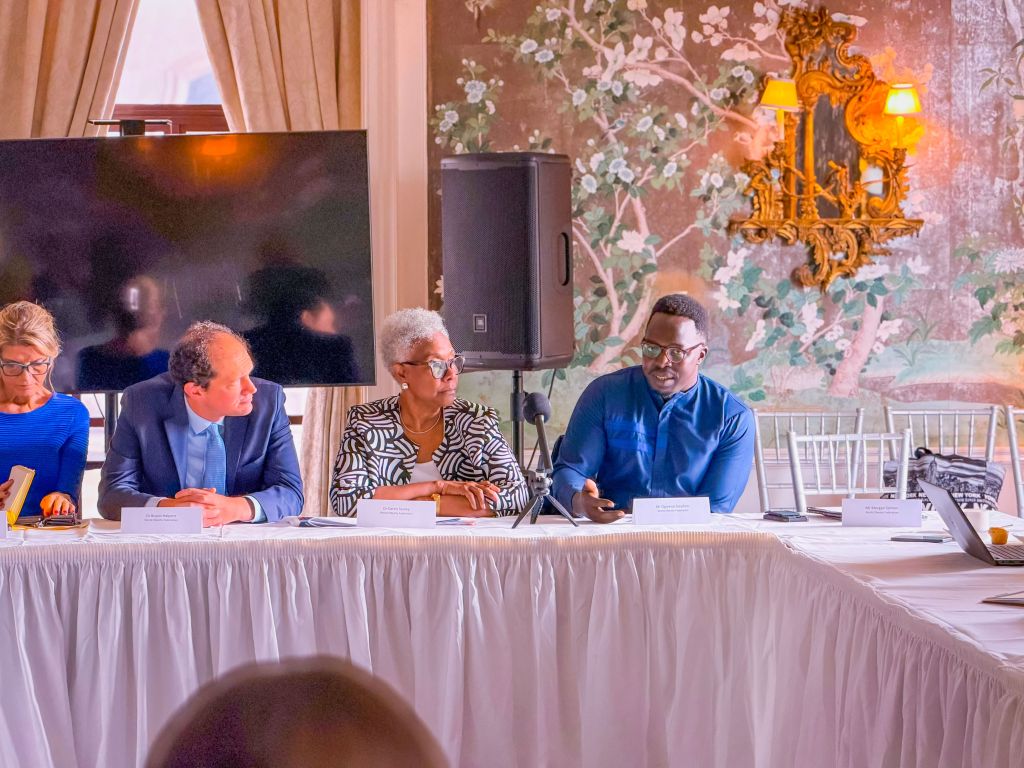
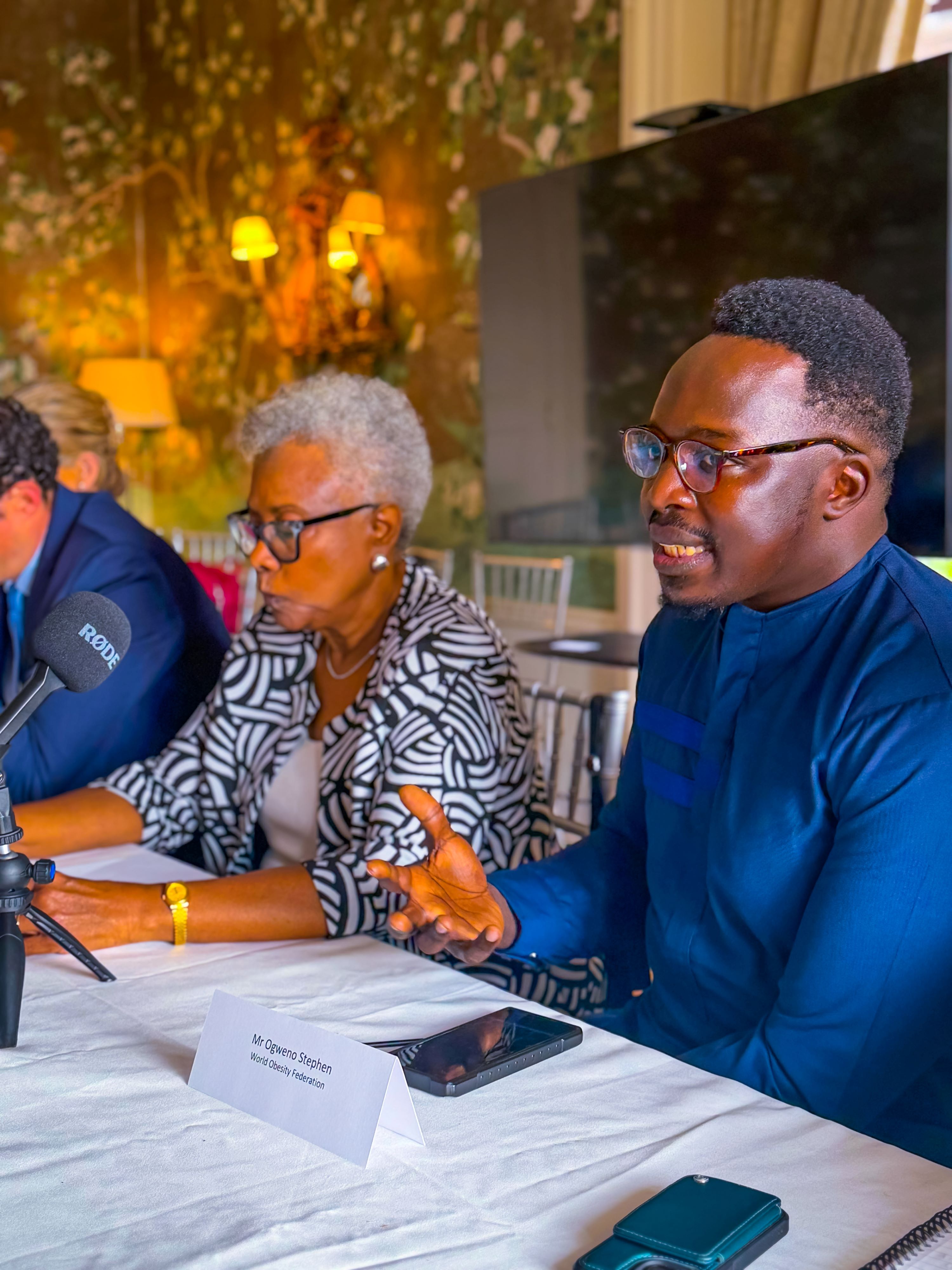
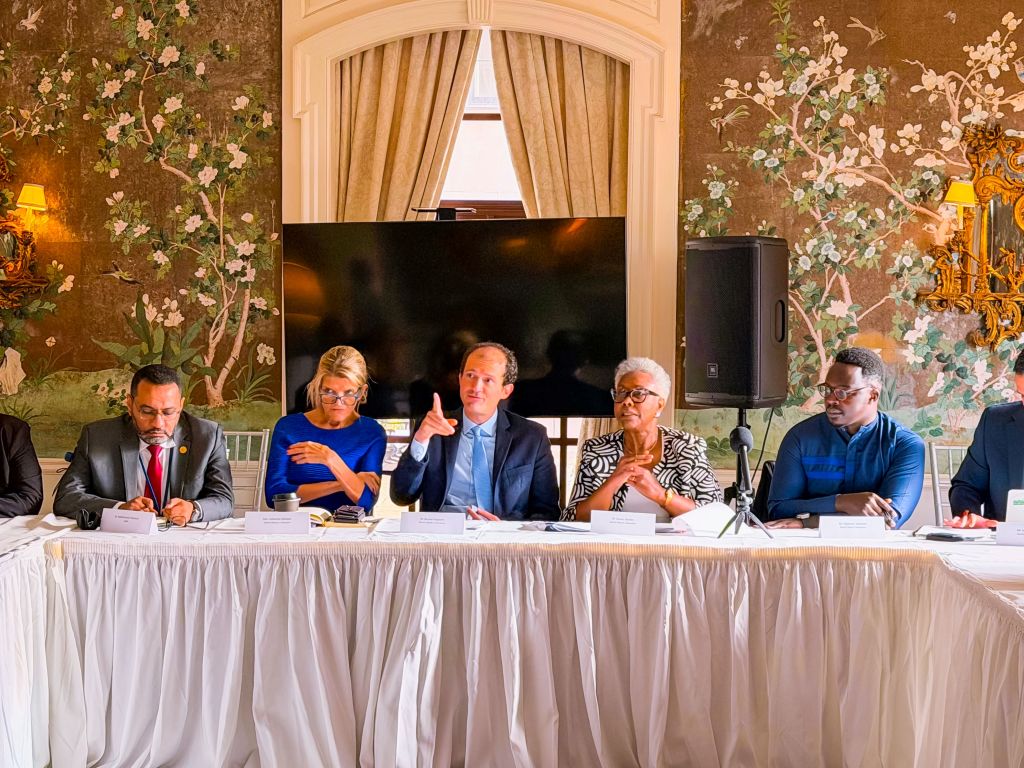
At the World Obesity Federation’s UNGA81 breakfast roundtable in New York, I said: “There is no UHC without obesity.”
I meant it literally.
Universal Health Coverage promises that people should receive the health services they need.
People living with obesity need healthcare.
Obesity is a disease.
It has recognised prevention approaches.
It has diagnostic and management pathways.
It has behavioural treatments.
It has medical treatments.
It has surgical treatments.
It has associated complications requiring continuing care.
And the number of people needing those services is growing rapidly.
To exclude obesity from UHC is therefore to exclude the healthcare needs of a substantial and increasing proportion of humanity.
World Obesity’s account of the UNGA81 discussion similarly highlighted the urgency of securing obesity’s place in the 2027 UHC agenda.
The Work Between UNGA81 and 2027 Starts Now
The next year cannot be spent waiting for the High-Level Meeting.
The process has already begun.
Between now and 2027, the obesity and NCD communities should work together to build a coordinated case for inclusion.
Governments should begin reviewing where obesity currently sits within national UHC benefit packages.
Researchers should strengthen the evidence base around implementation and cost-effectiveness.
Civil society should mobilise.
Health professionals should advocate for better clinical pathways.
Industry should participate responsibly in expanding affordable access.
People with lived experience should be involved from the beginning.
And global health institutions should ensure obesity appears not merely as a passing reference in political language, but as a meaningful component of commitments on chronic disease, primary healthcare, financing and equitable access.
2027 Must Be a Turning Point
The 2027 UN High-Level Meeting on Universal Health Coverage gives us an opportunity to correct a long-standing omission.
We know the burden.
We increasingly understand the disease.
We have prevention tools.
We have clinical pathways.
We have new medicines.
We have evidence.
What remains is political recognition and implementation.
For me, this is the next step after UNGA81.
The obesity community must enter the UHC process with confidence that our issue belongs there.
The NCD community must recognise that meaningful progress on chronic disease is impossible while obesity remains inadequately addressed.
And governments must understand that including obesity is not adding another burden to health systems.
Failing to address obesity is already creating that burden.
Universal Health Coverage cannot promise healthcare for everyone while overlooking a chronic disease already affecting one in eight people and growing rapidly across virtually every region of the world.
That is why the message I will continue carrying towards 2027 is simple:
There is no Universal Health Coverage without obesity.

Leave a Reply