
From the energy of Times Square and Madison Square Garden to quiet moments beside the East River and encounters with African art, my return to New York became an opportunity to experience the city differently, one photograph at a time
My 2026 visit to New York was primarily shaped by global health. I was in the city for the United Nations General Assembly, moving between conversations on obesity, noncommunicable diseases, Universal Health Coverage, access to medicines and public health. But between meetings, I deliberately made time to experience another side of New York. With my camera and phone in hand, I visited Madison Square Garden, The Vessel, Moynihan Train Hall, Times Square, Astoria Park, the New York Public Library and a cultural museum showcasing African art in Manhattan. Photography gave me an opportunity to slow down, observe and capture a city that can easily pass you by when every day is filled with meetings.
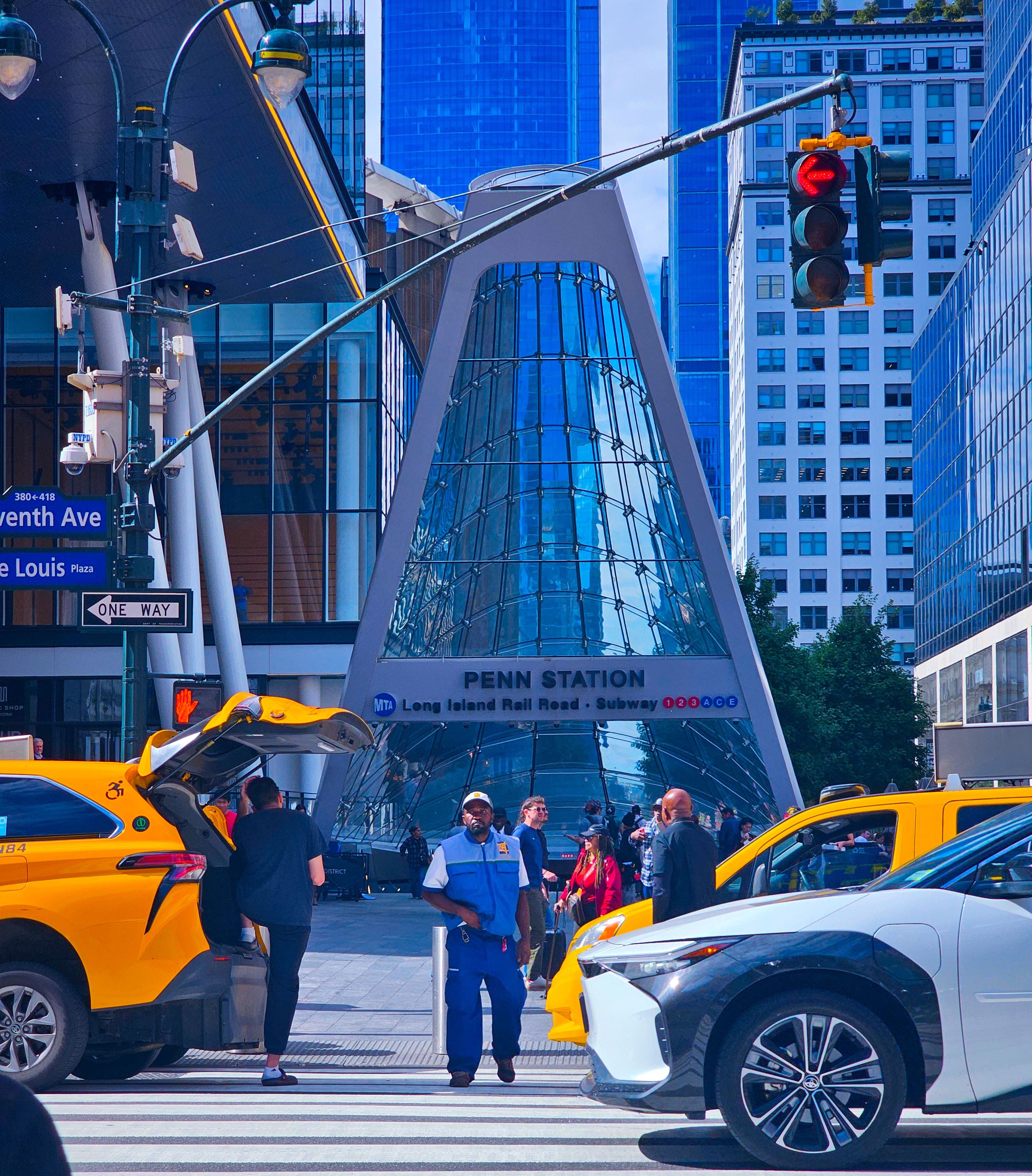
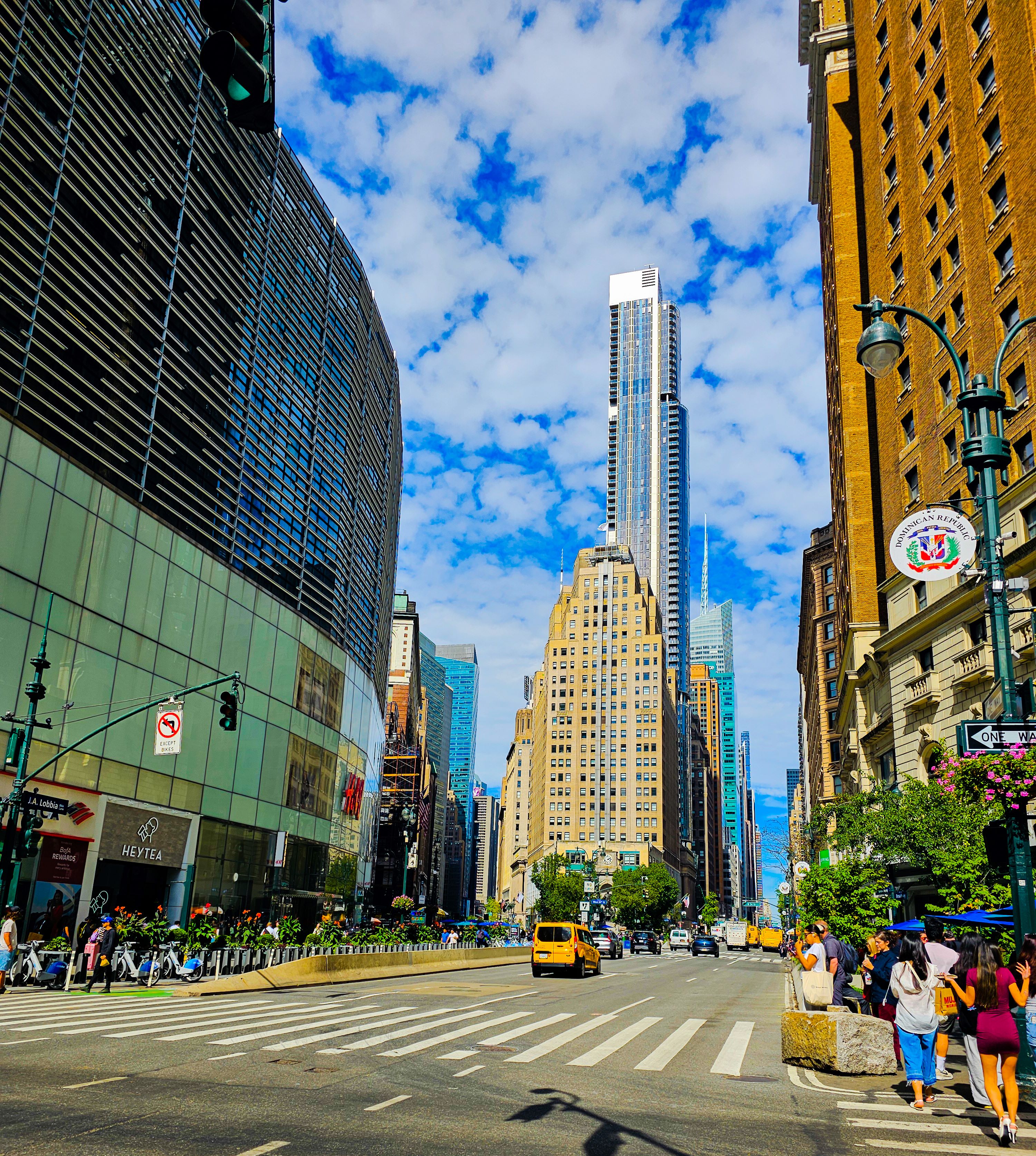
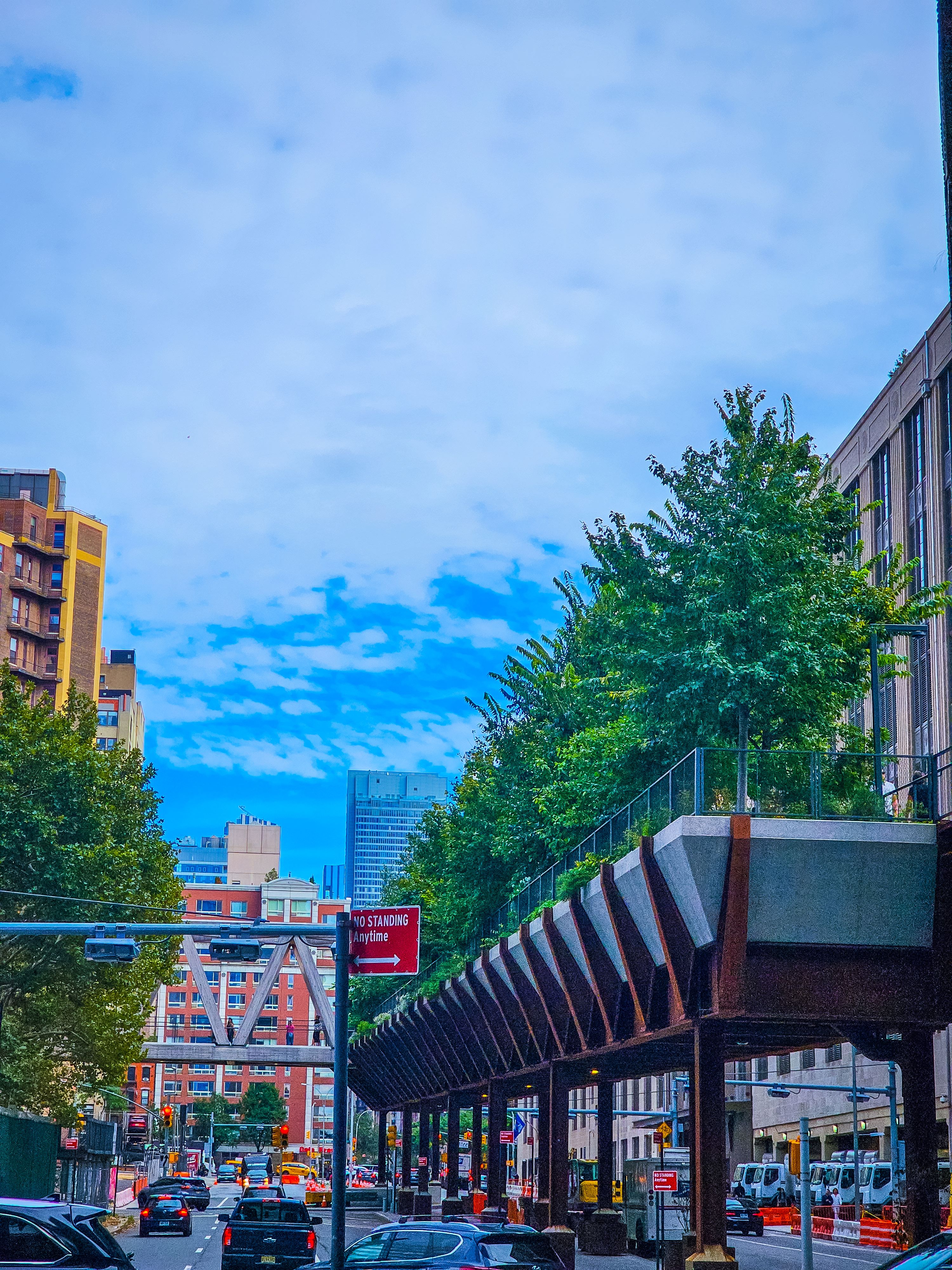
Seeing New York Beyond the Conference Rooms
International conferences can create a very particular experience of a city.
You move between hotels, meeting rooms, taxis and conference venues, sometimes spending several days in a place without really seeing it.
I wanted this trip to be different.
Whenever there was a gap in my UNGA schedule, I tried to walk, explore and photograph something.
It became my way of experiencing New York beyond the formal spaces of global health.
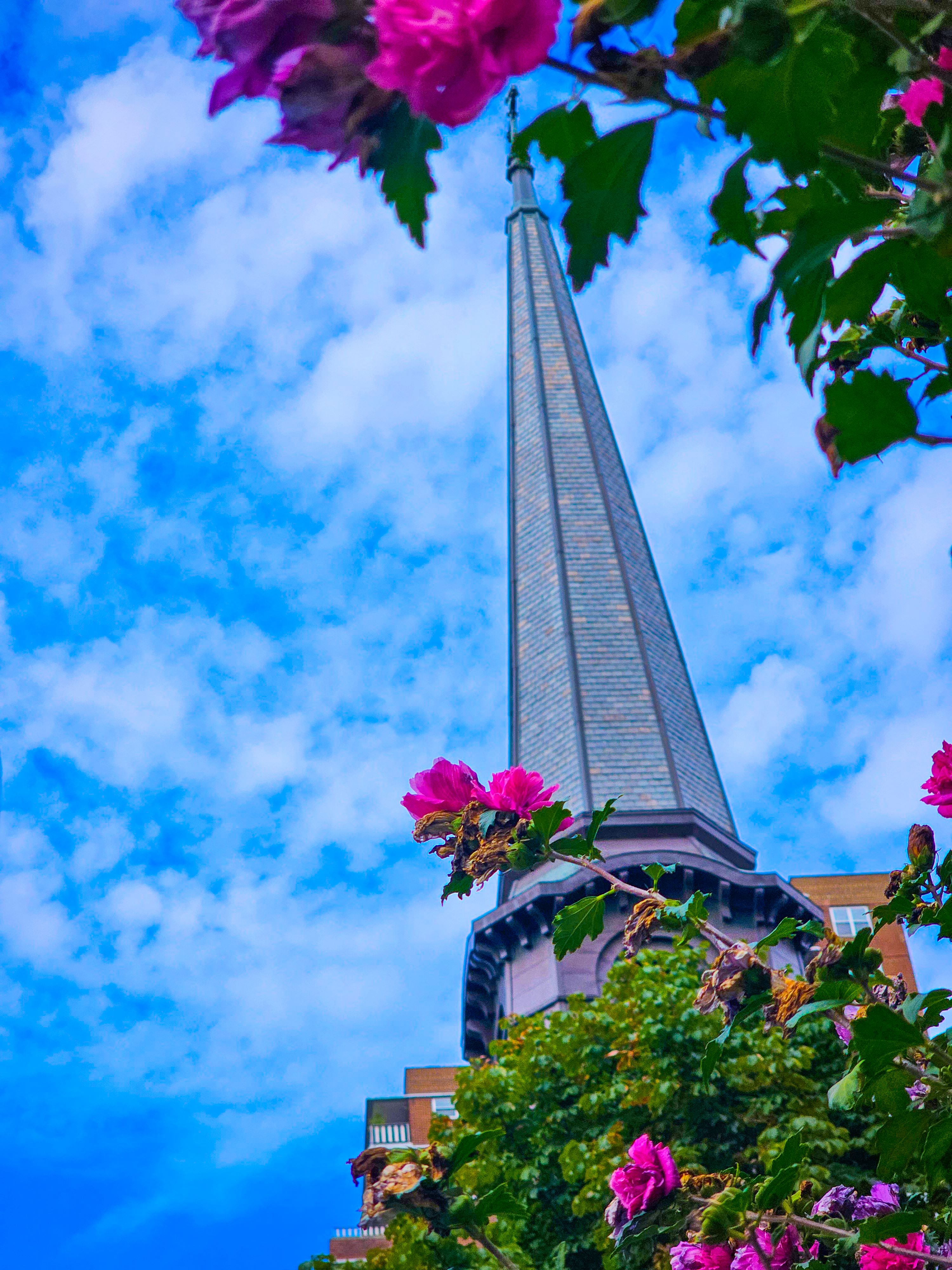
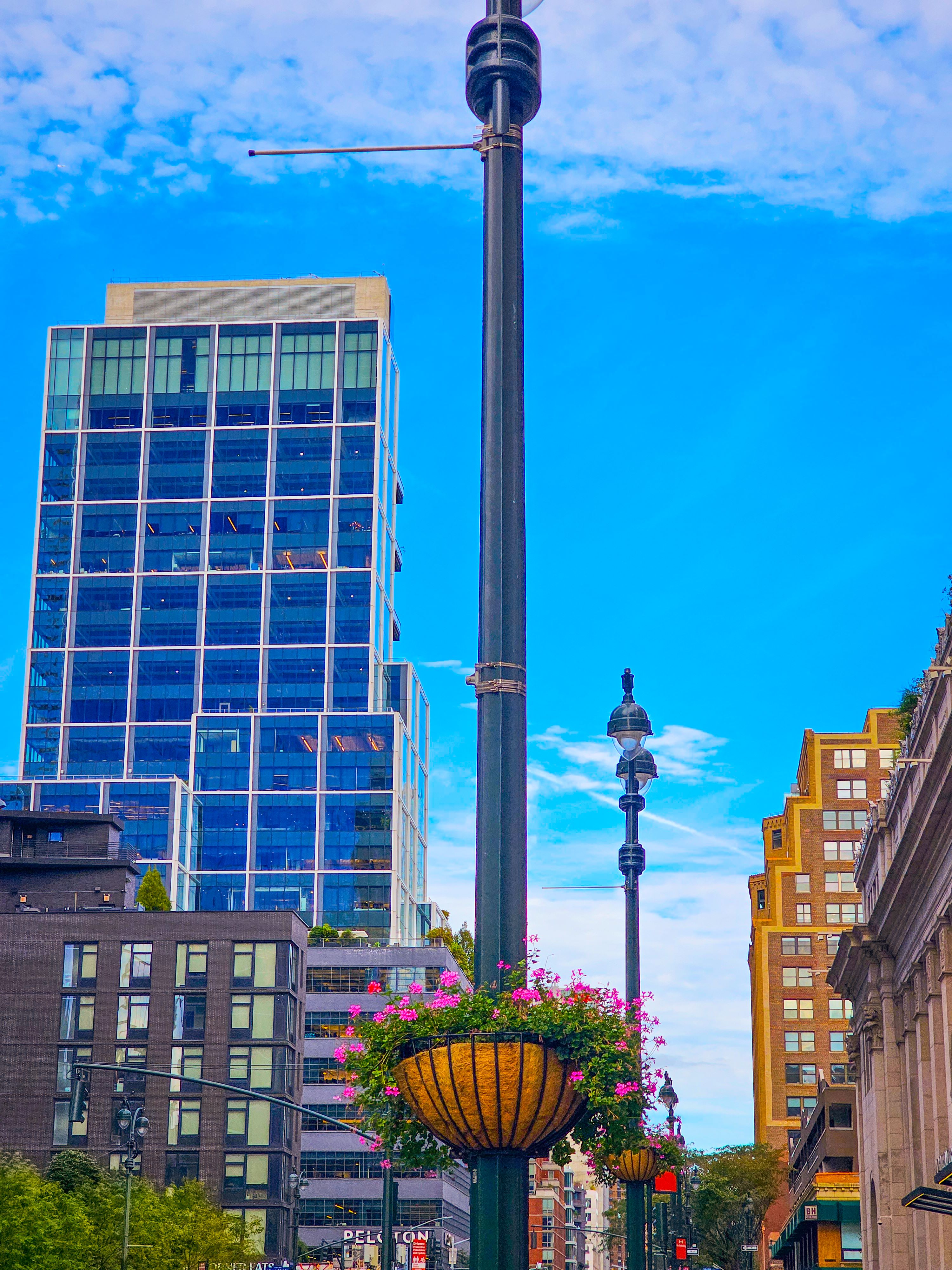
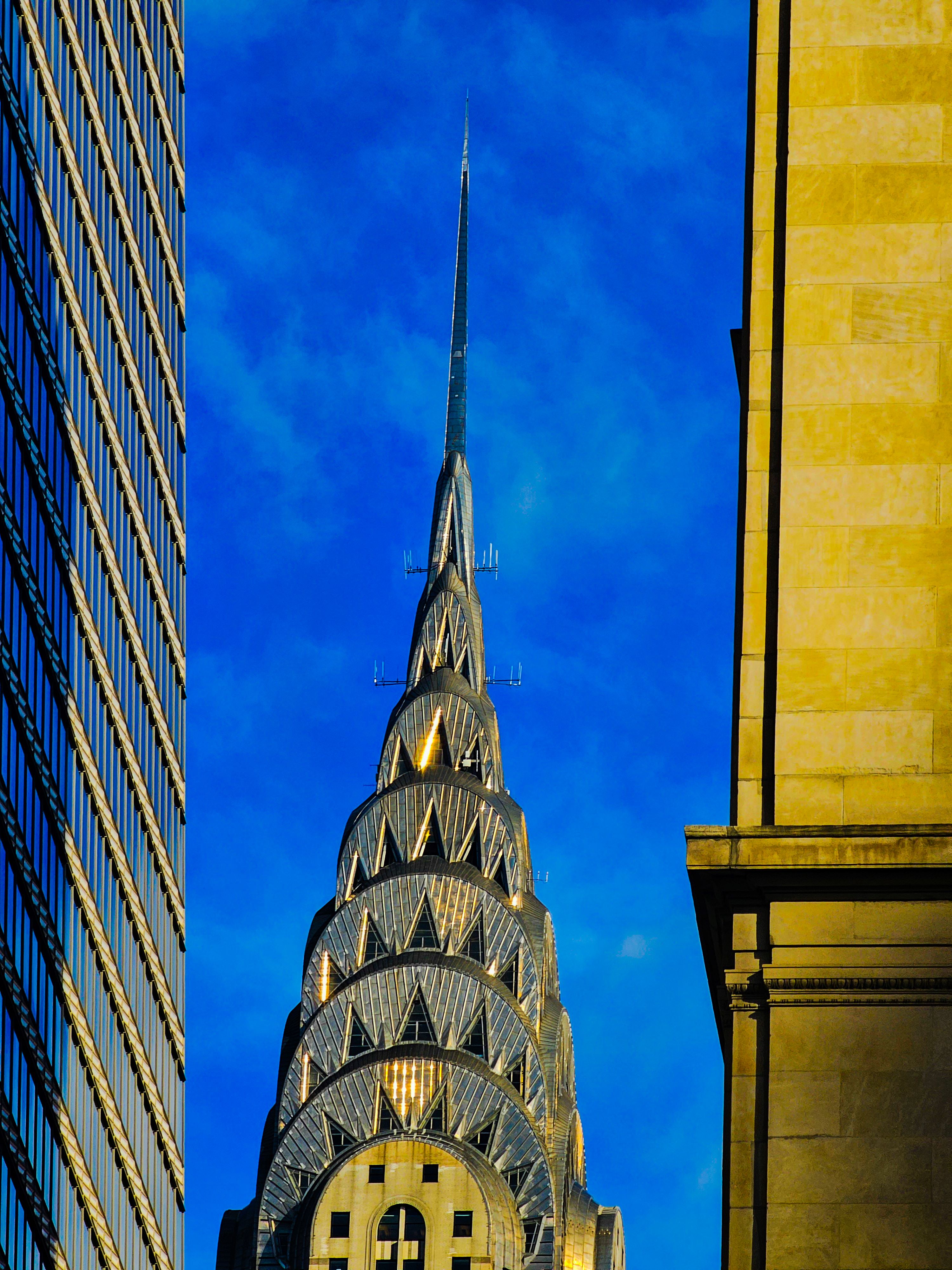
Photography makes you notice details you would normally ignore: the way light falls between buildings, the contrast between old and new architecture, people rushing through transport hubs, reflections on glass, the scale of Manhattan from across the water and the unexpected quiet that exists only a few streets away from some of the busiest places in the world.
Madison Square Garden: Standing Beside an Icon
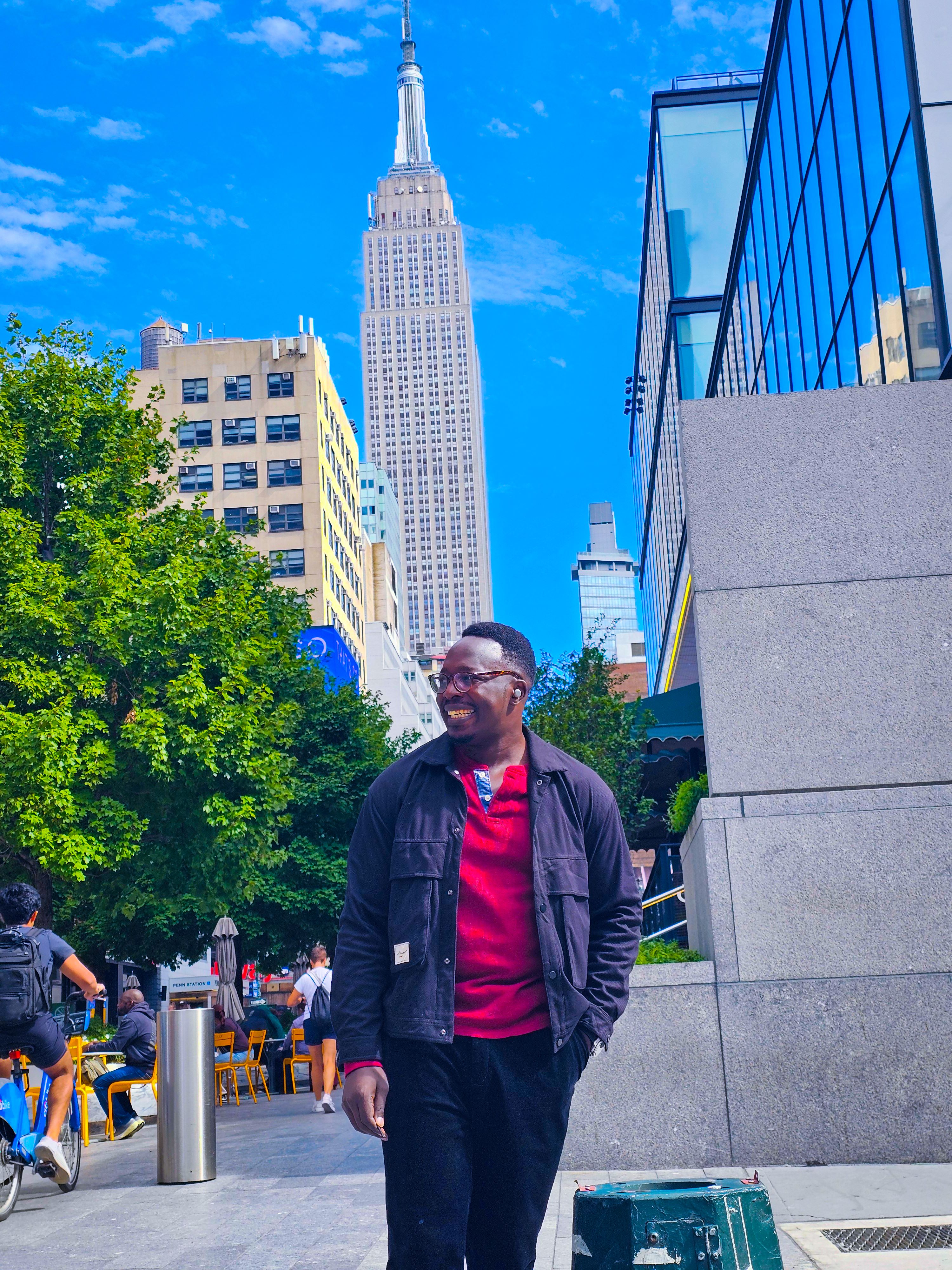
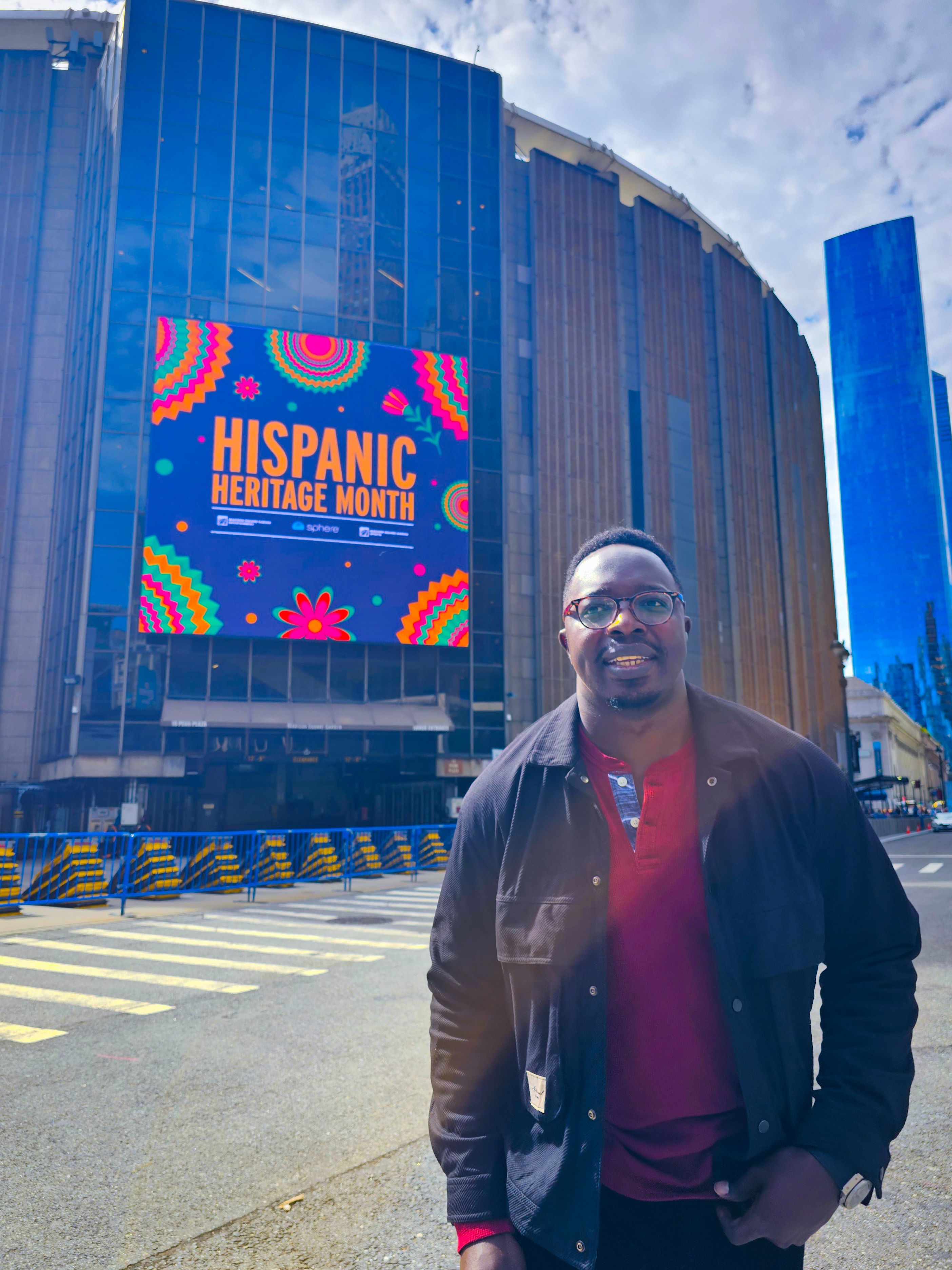
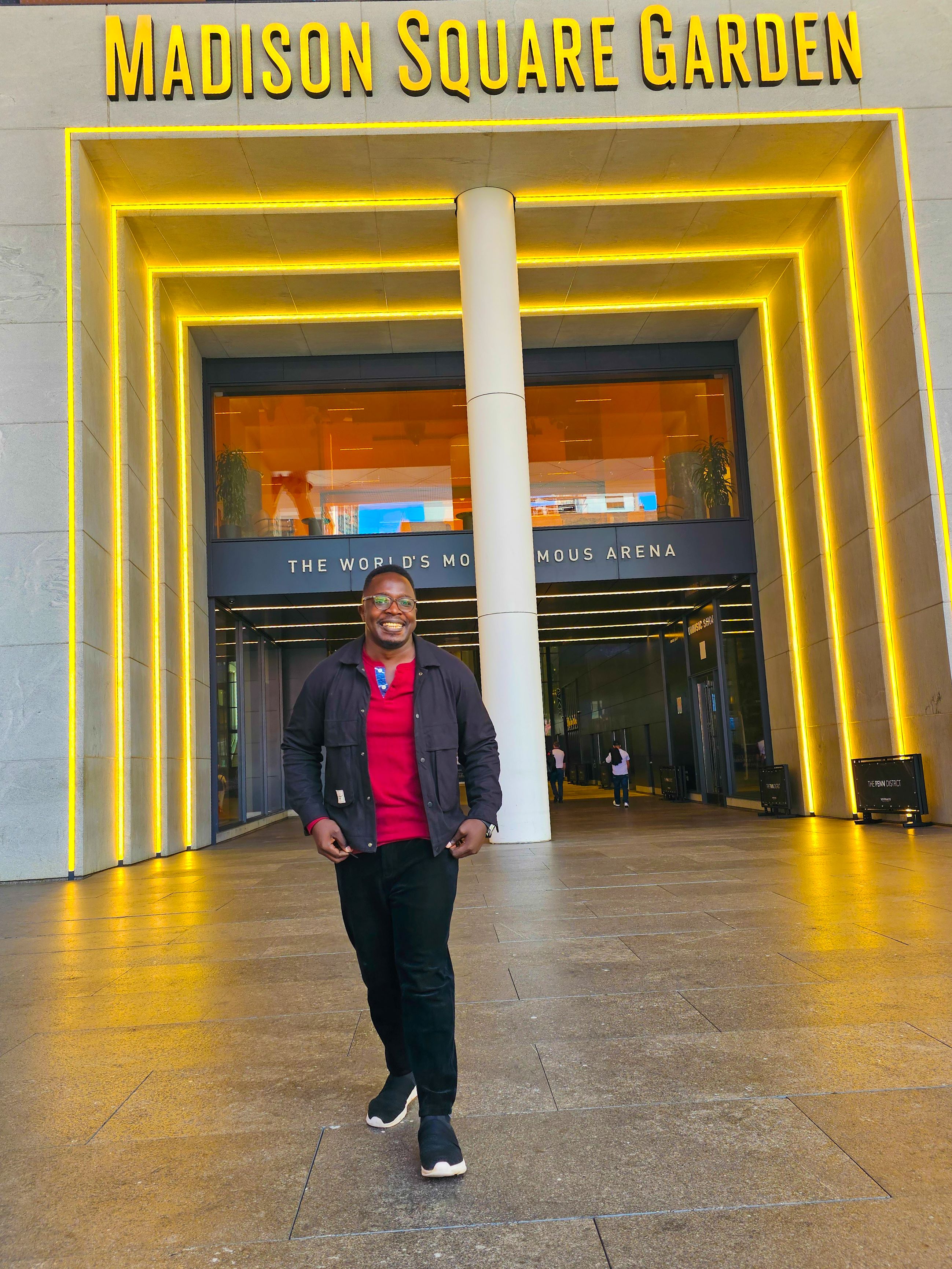
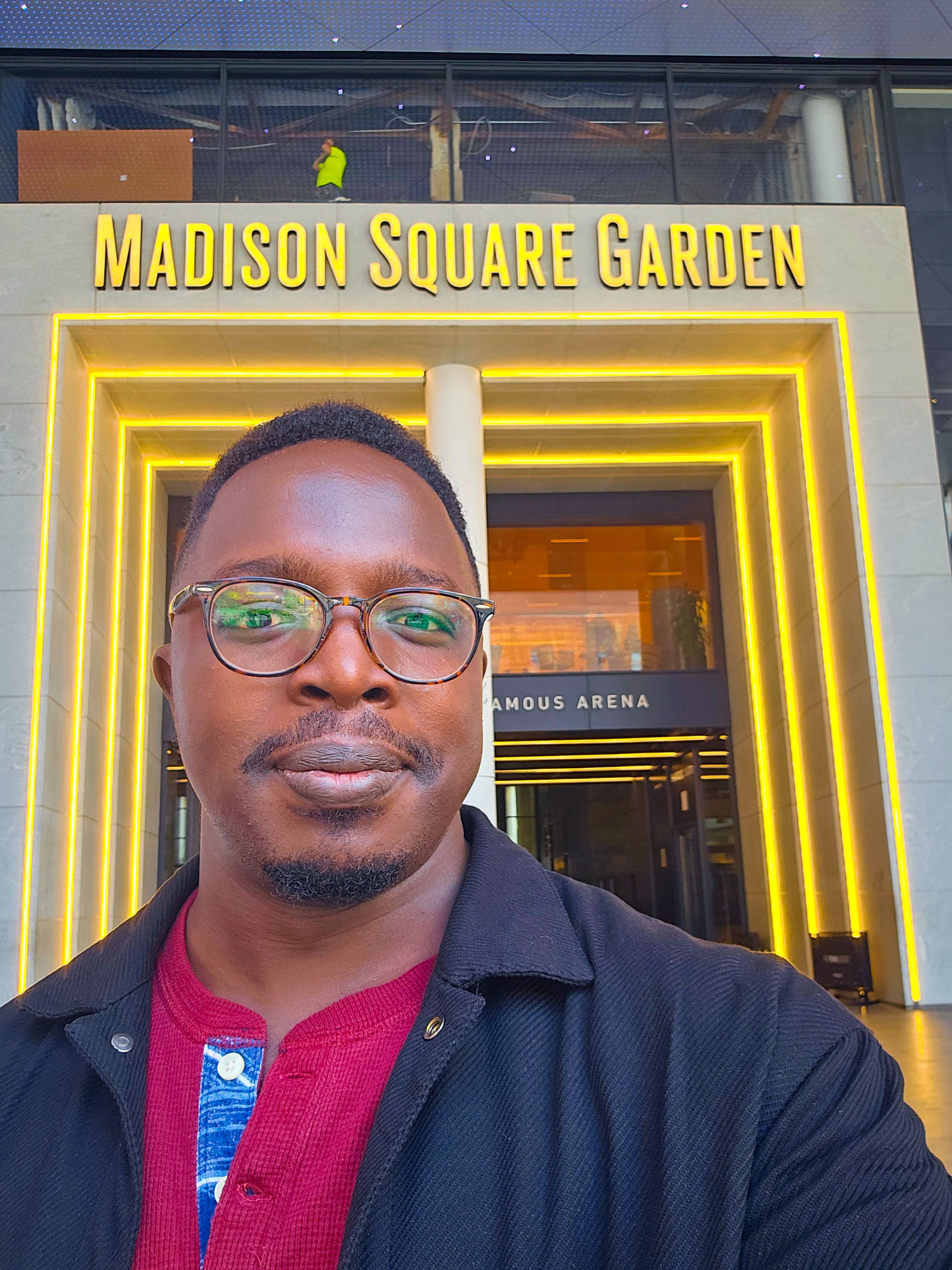
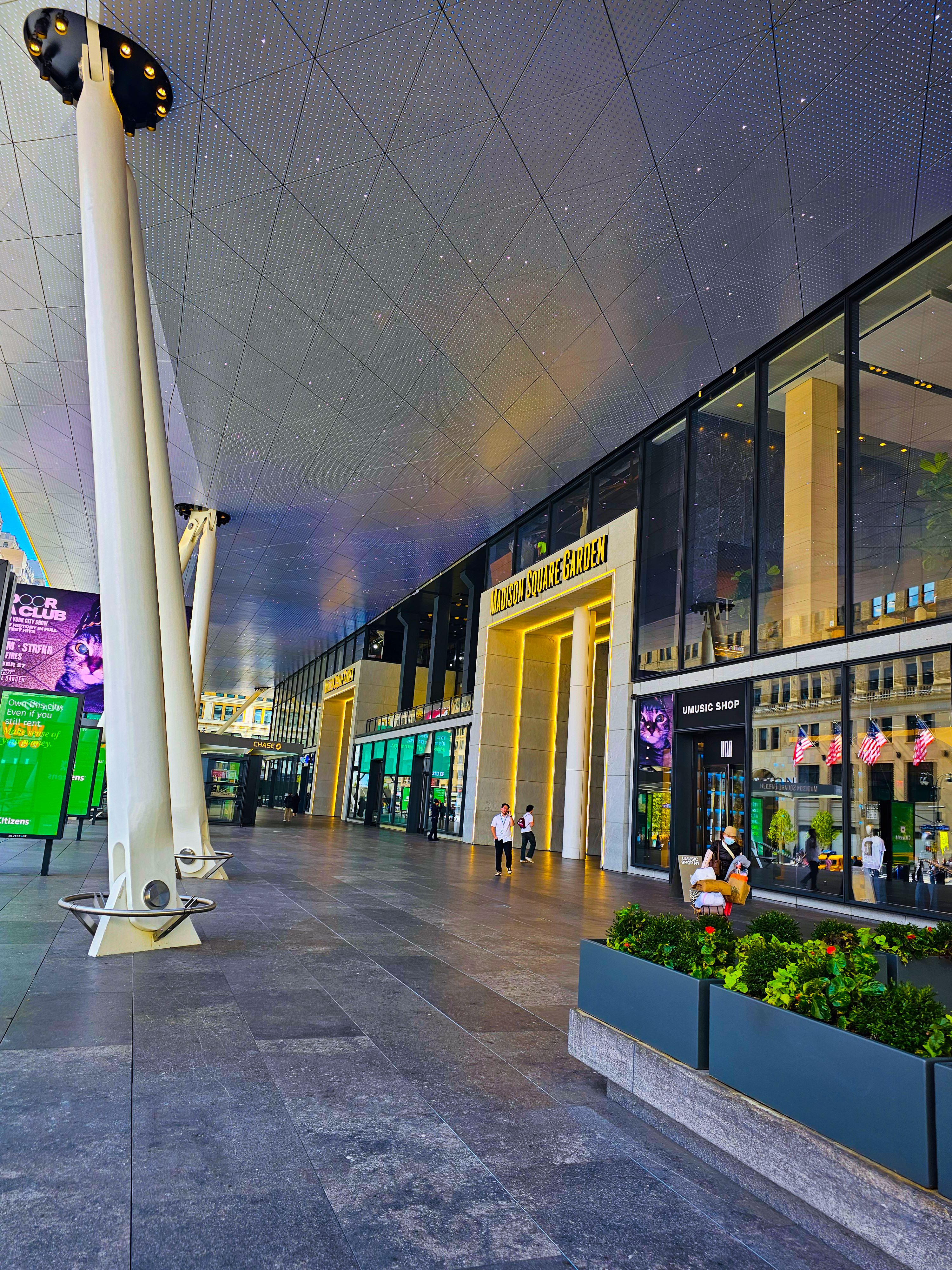
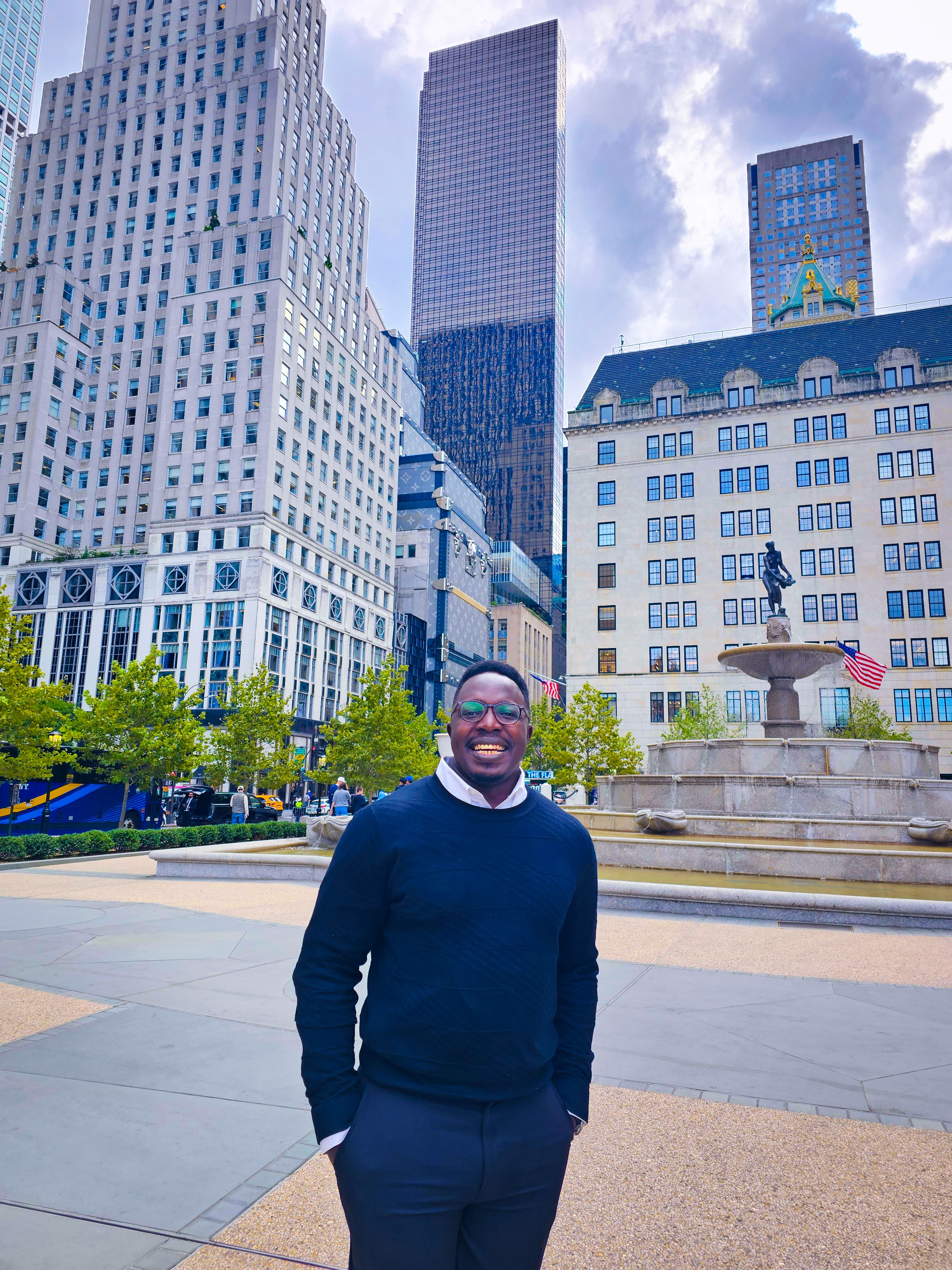
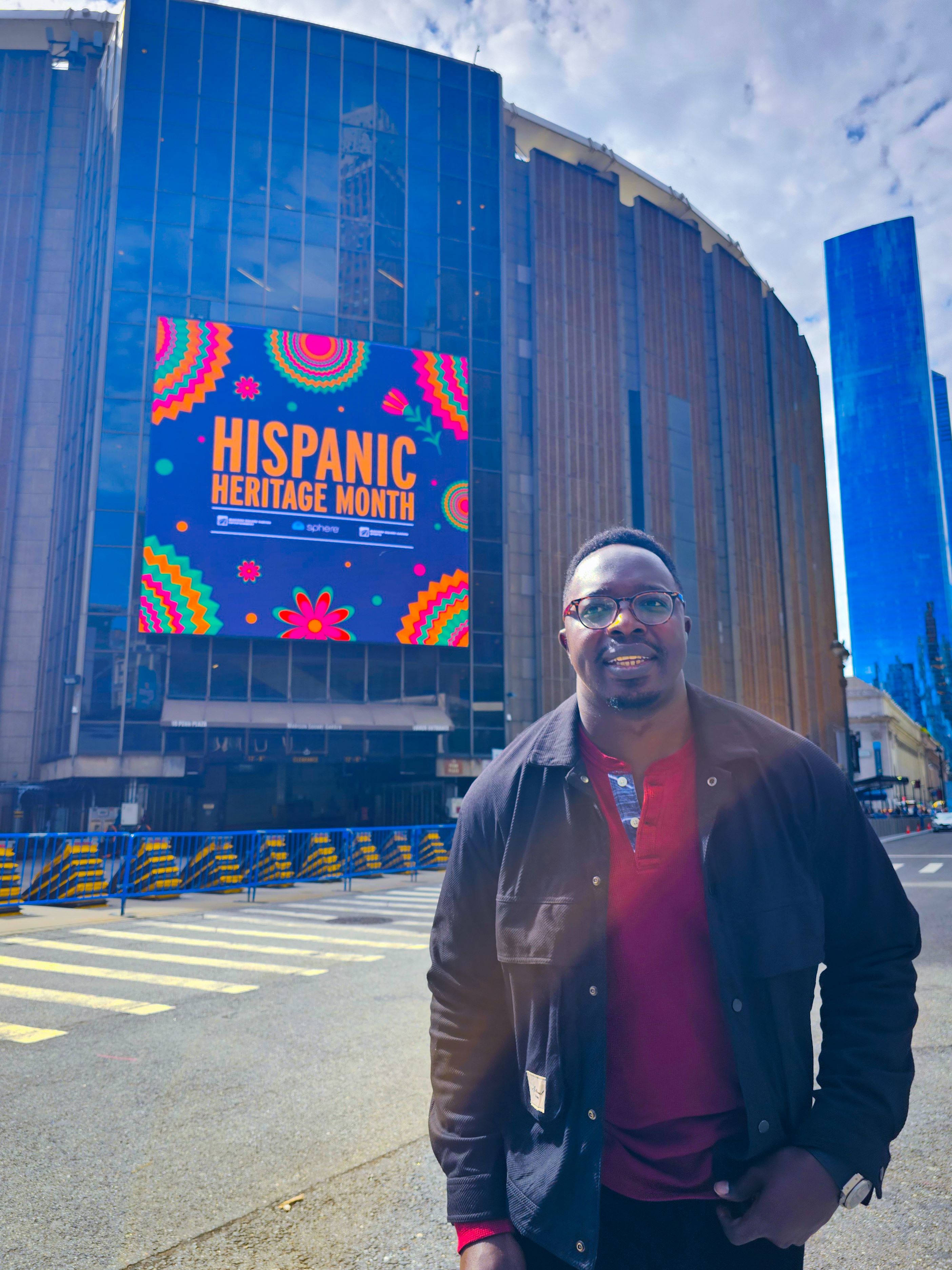
Madison Square Garden was one of the places I wanted to see again through my own lens.
Even without attending an event inside, the building carries an enormous cultural presence. It has hosted some of the world’s most memorable sporting events, concerts and public gatherings.
What fascinated me photographically was not simply the building itself but its relationship with everything around it.
People move rapidly through the area. Trains arrive beneath it. Taxis, pedestrians, commuters and tourists intersect constantly.
It feels less like a standalone landmark and more like part of the rhythm of New York.
Capturing it reminded me that cities are not defined only by architecture. They are defined by what happens around those buildings and the memories people attach to them.
Moynihan Train Hall: Movement, Light and Architecture
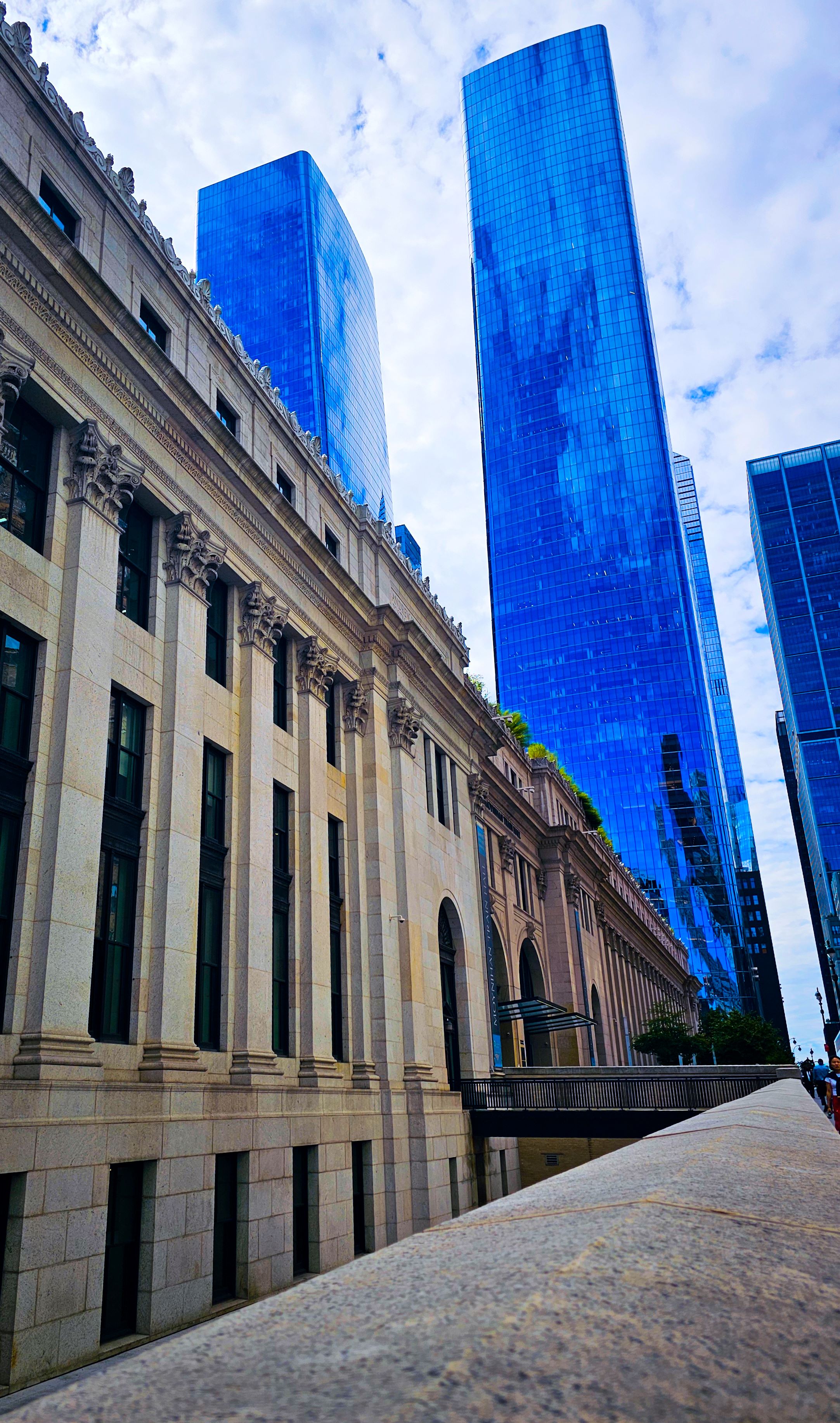
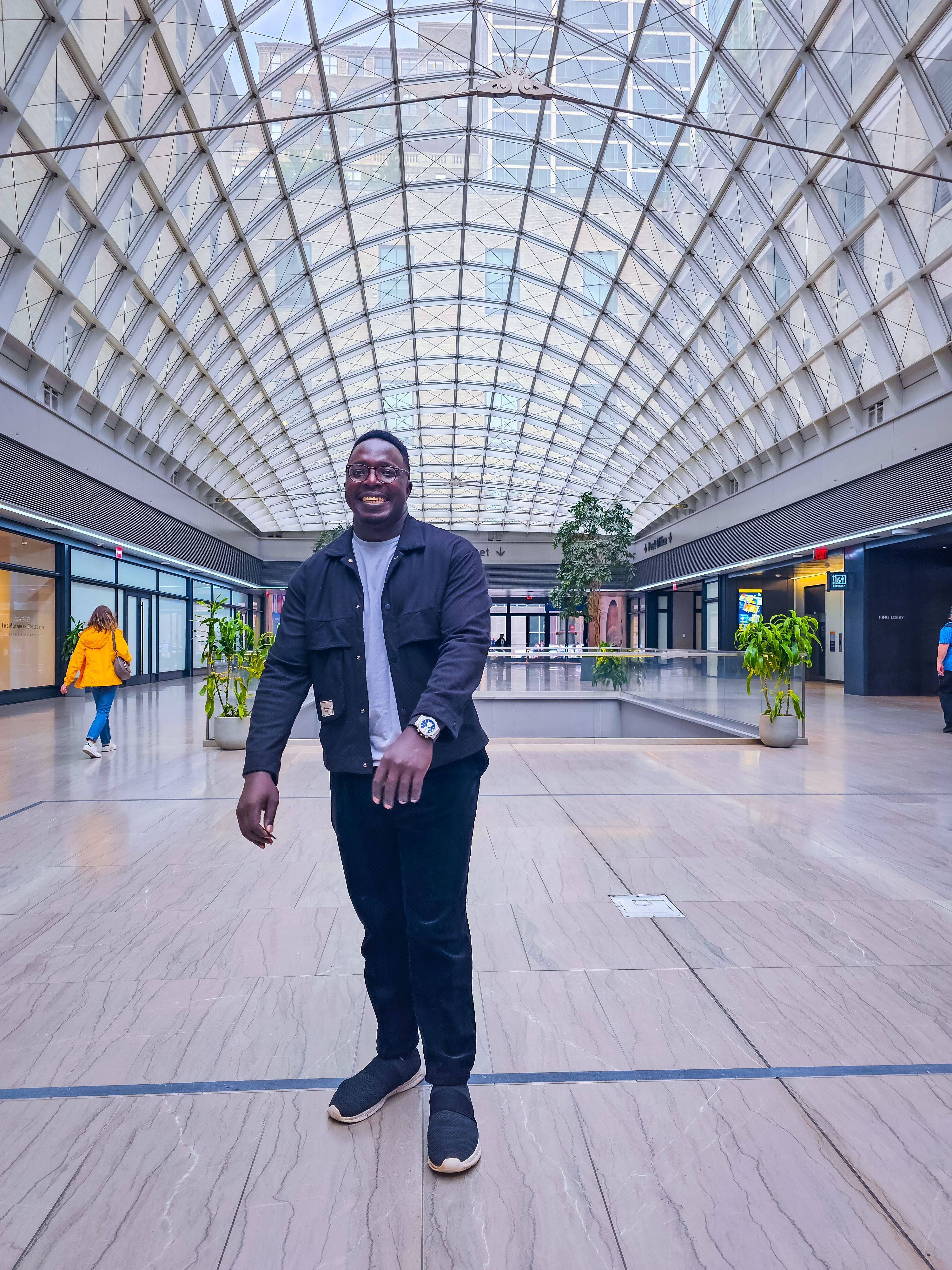
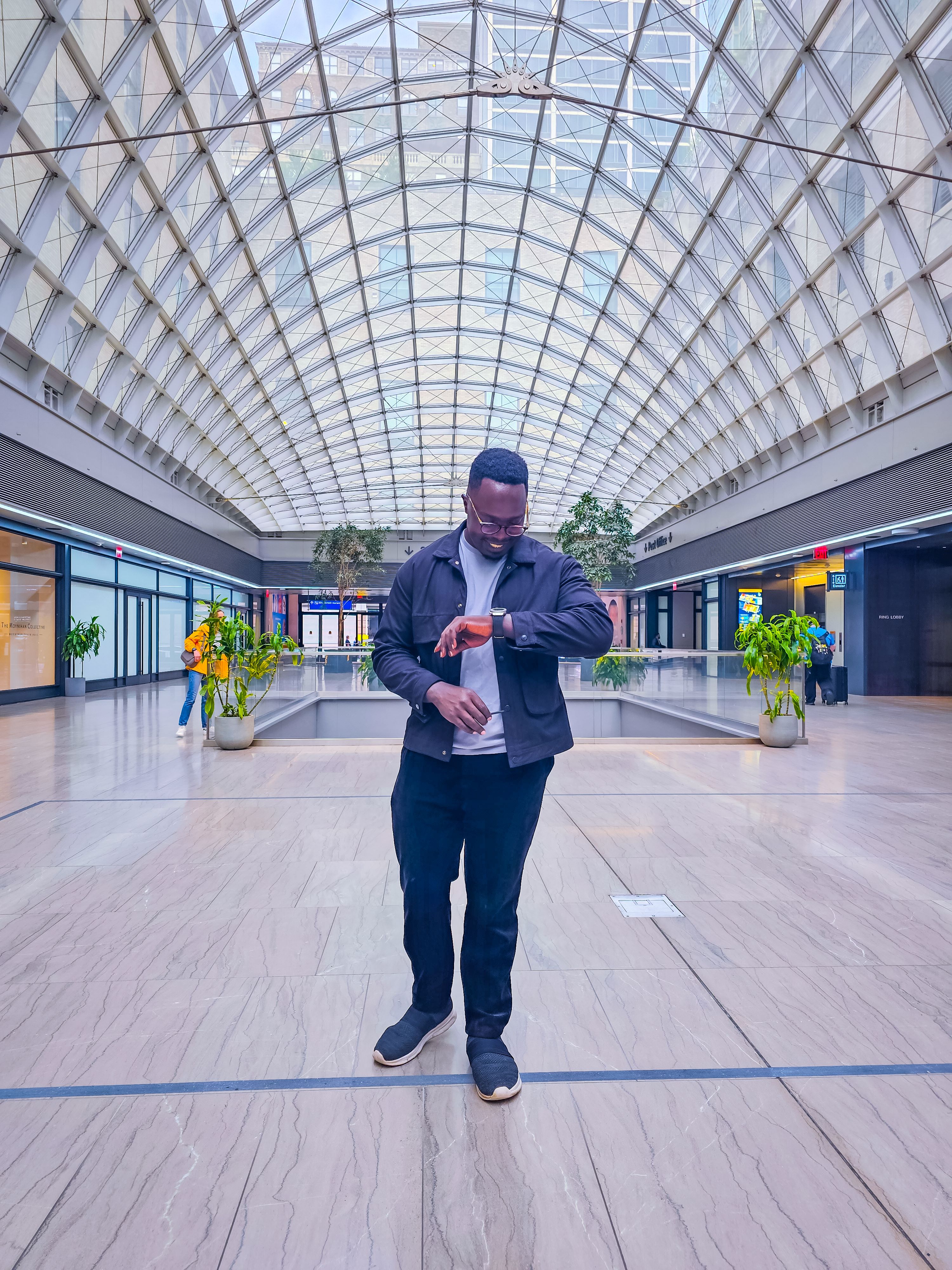
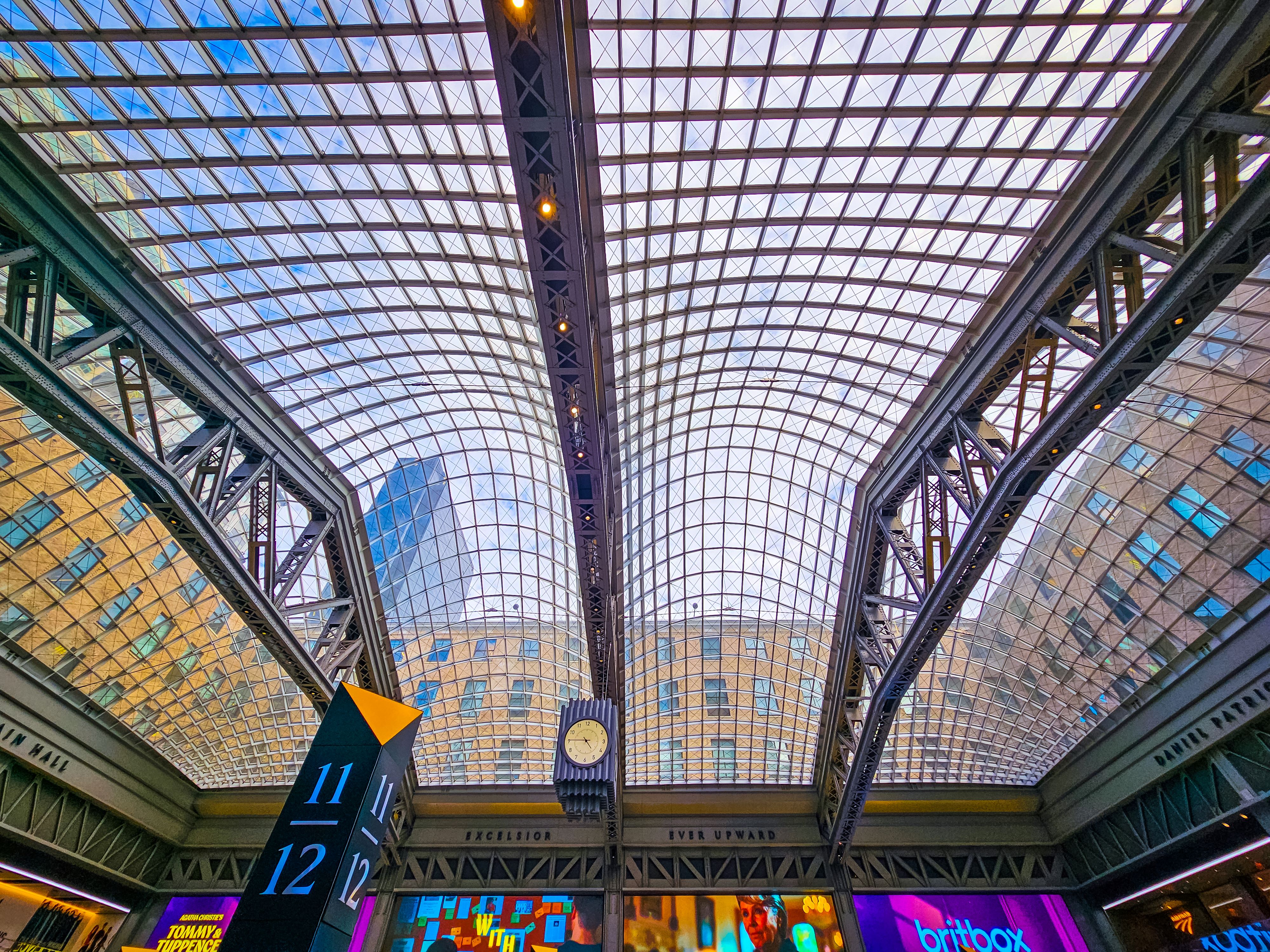
Just nearby, Moynihan Train Hall offered a completely different photographic experience.
The first thing that catches your attention is the light.
The vast glass ceiling opens the space above thousands of people moving through one of New York’s busiest transport environments.
There is something interesting about photographing places designed for movement.
Nobody is really there to stay.
People are arriving, departing, looking for platforms, carrying luggage and checking departure boards.
Yet when you pause long enough to observe it, the movement itself becomes the subject.
For me, Moynihan Train Hall captured something fundamental about New York: everyone seems to be going somewhere.
The Vessel: New York’s Constant Reinvention
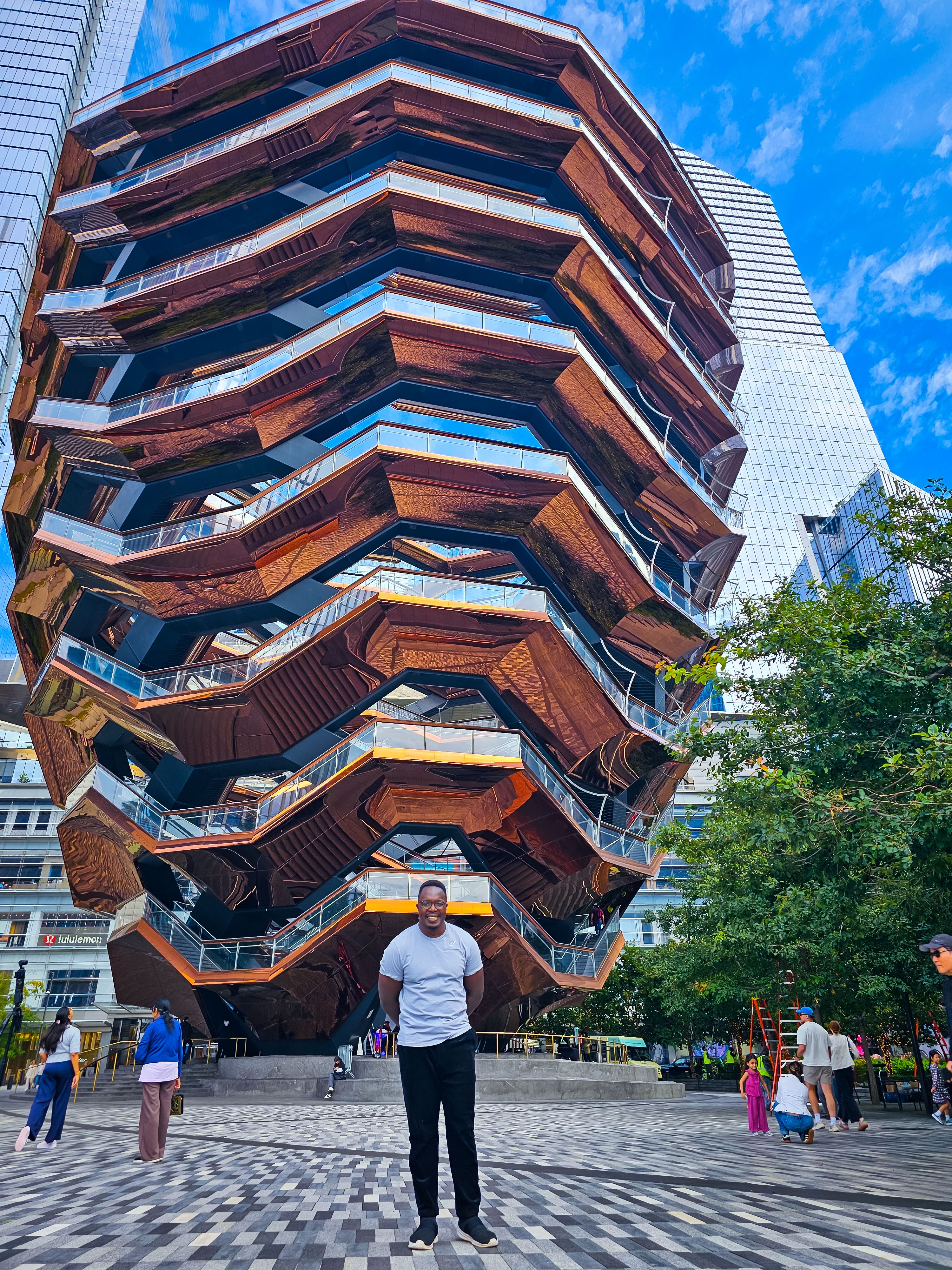
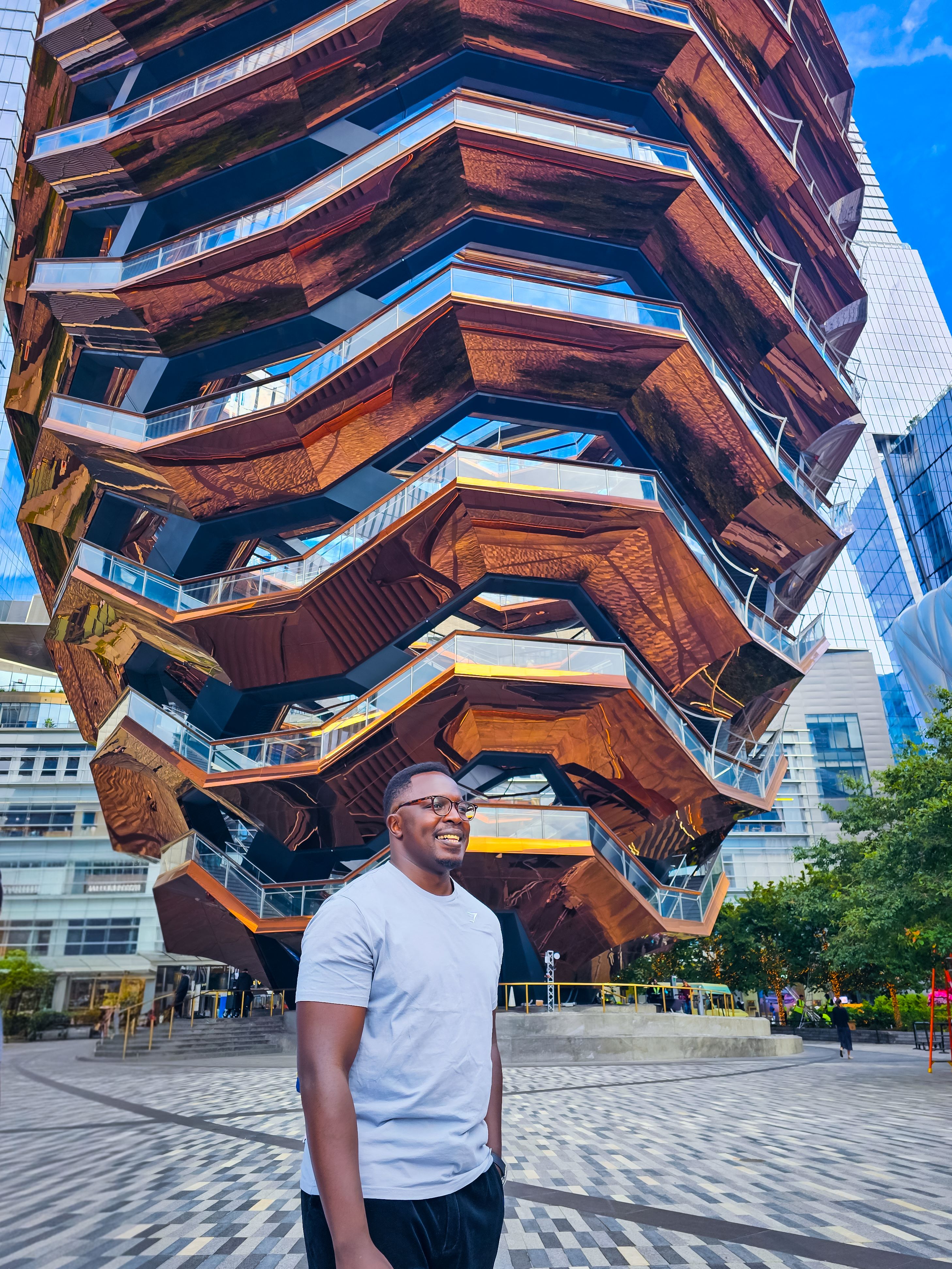
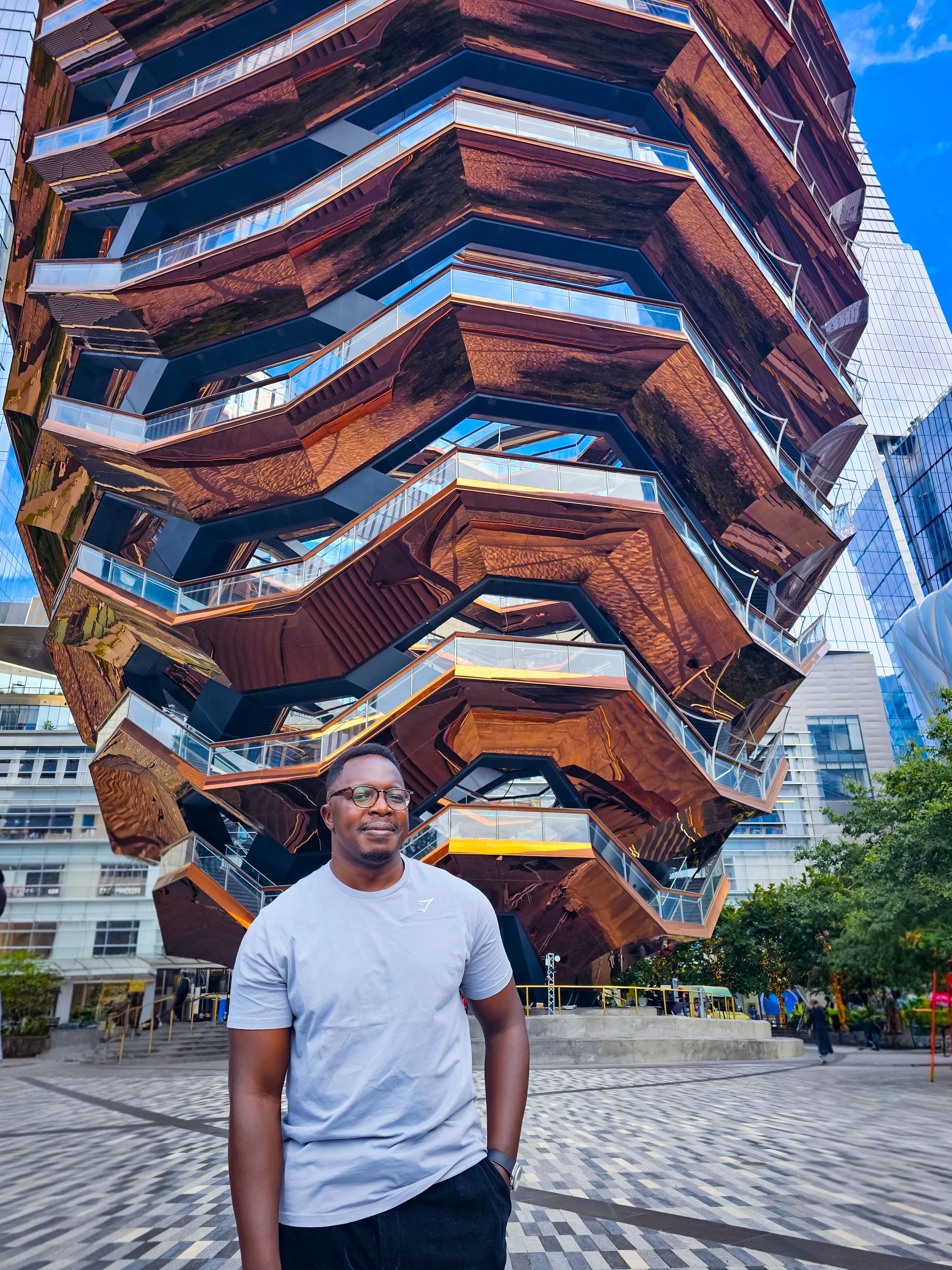
The Vessel at Hudson Yards is visually difficult to ignore.
Its geometric structure looks different depending on where you stand, and that makes it particularly interesting to photograph.
Move a few metres and the patterns change.
Look upward and the structure becomes almost abstract.
Step farther away and it becomes part of the much larger transformation of Manhattan’s west side.
That is one of the things I find fascinating about New York.
Even in a city filled with historic landmarks, there is constant reinvention.
New buildings rise next to old neighbourhoods. Former industrial spaces become parks and public spaces. Architecture continuously changes the skyline.
Through photography, The Vessel became less about documenting a tourist attraction and more about capturing that constant evolution.
Times Square: Photographing Controlled Chaos
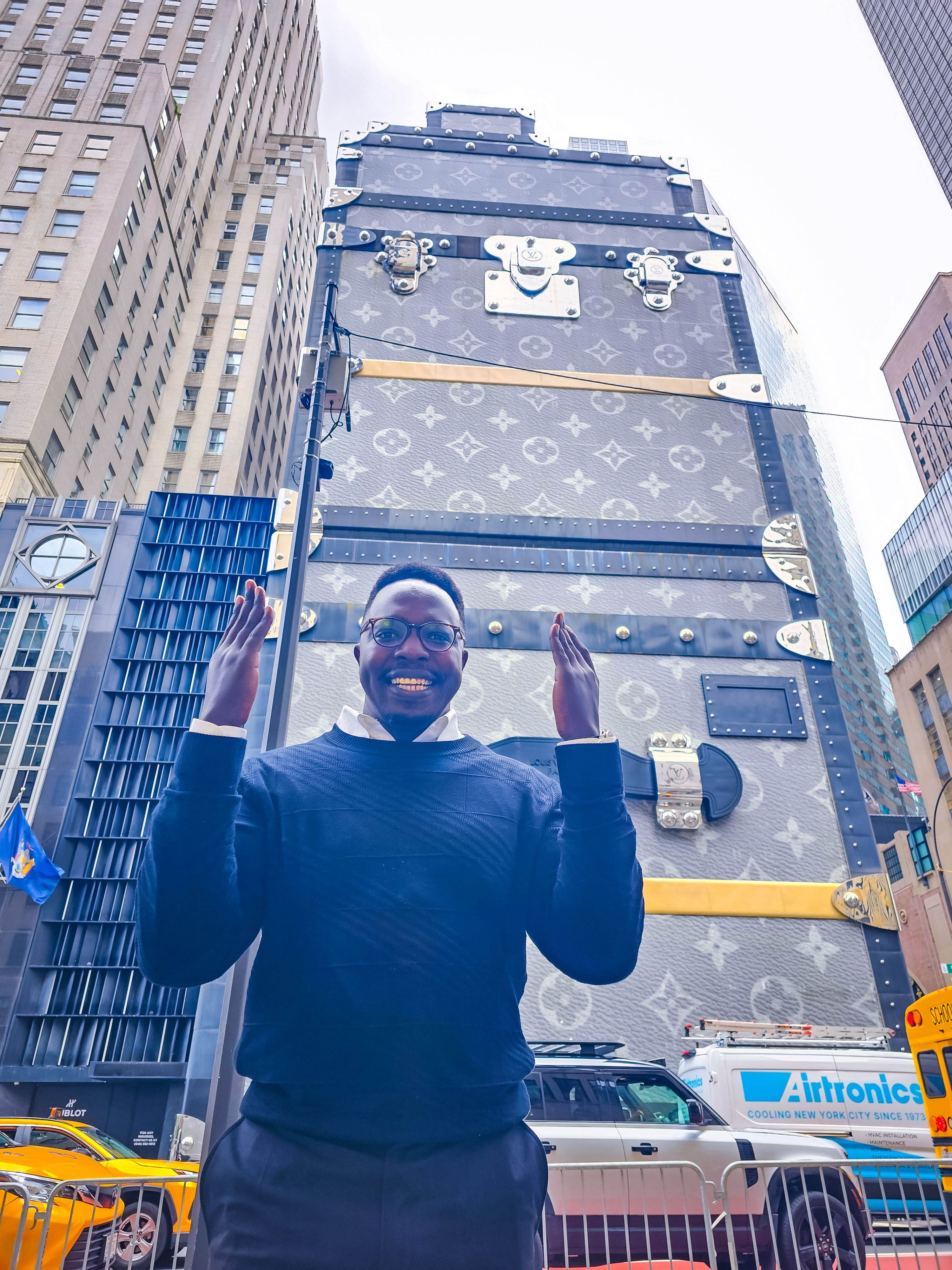
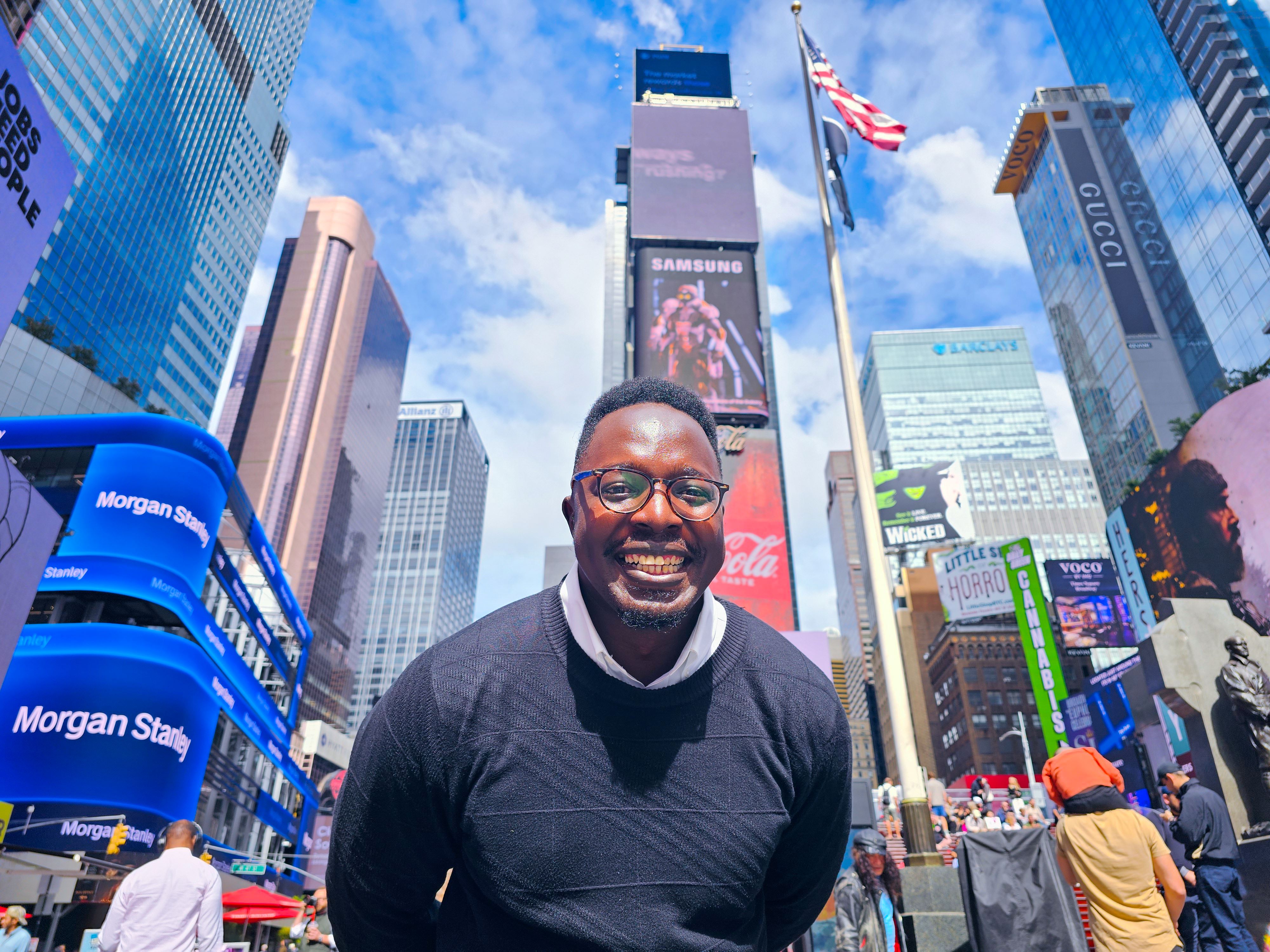
Times Square is probably one of the easiest places in New York to recognise and one of the hardest places to photograph in a way that feels personal.
Everything is competing for your attention.
Screens.
Lights.
Traffic.
People.
Advertising.
Street performers.
Tourists.
Noise.
There is almost too much happening at once.
I tried not simply to photograph Times Square as a landmark, but to capture the feeling of being inside it.
The scale of the digital screens against individual people is striking.
Thousands of people move through a space surrounded by enormous messages telling them what to watch, buy, eat or experience.
Perhaps because I work in public health and increasingly think about the environments influencing our everyday decisions, I found that visual environment particularly interesting.
Cities communicate constantly, even when we are not consciously listening.
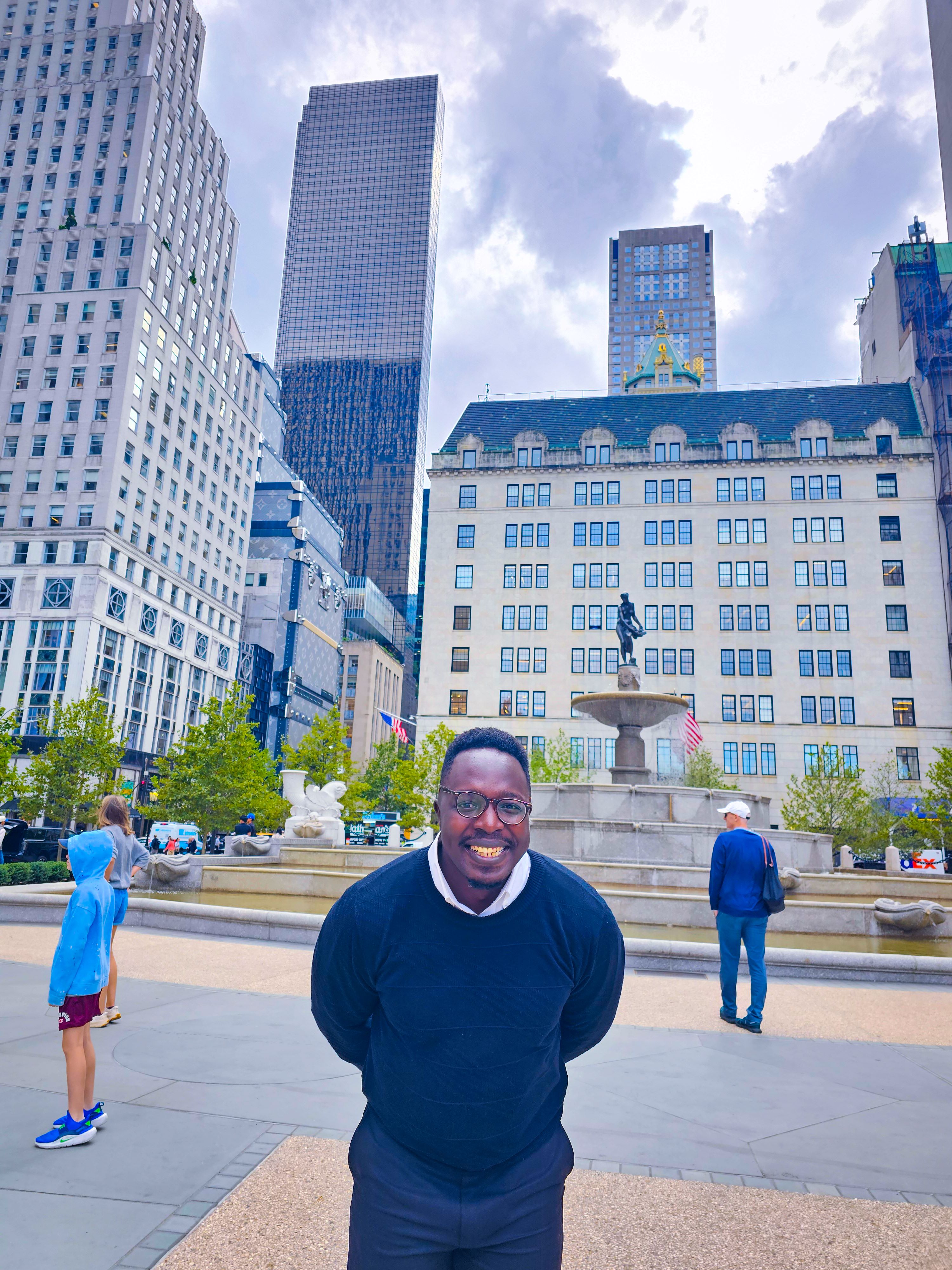
Astoria Park: Manhattan From a Different Perspective
One of my favourite experiences came away from Midtown.
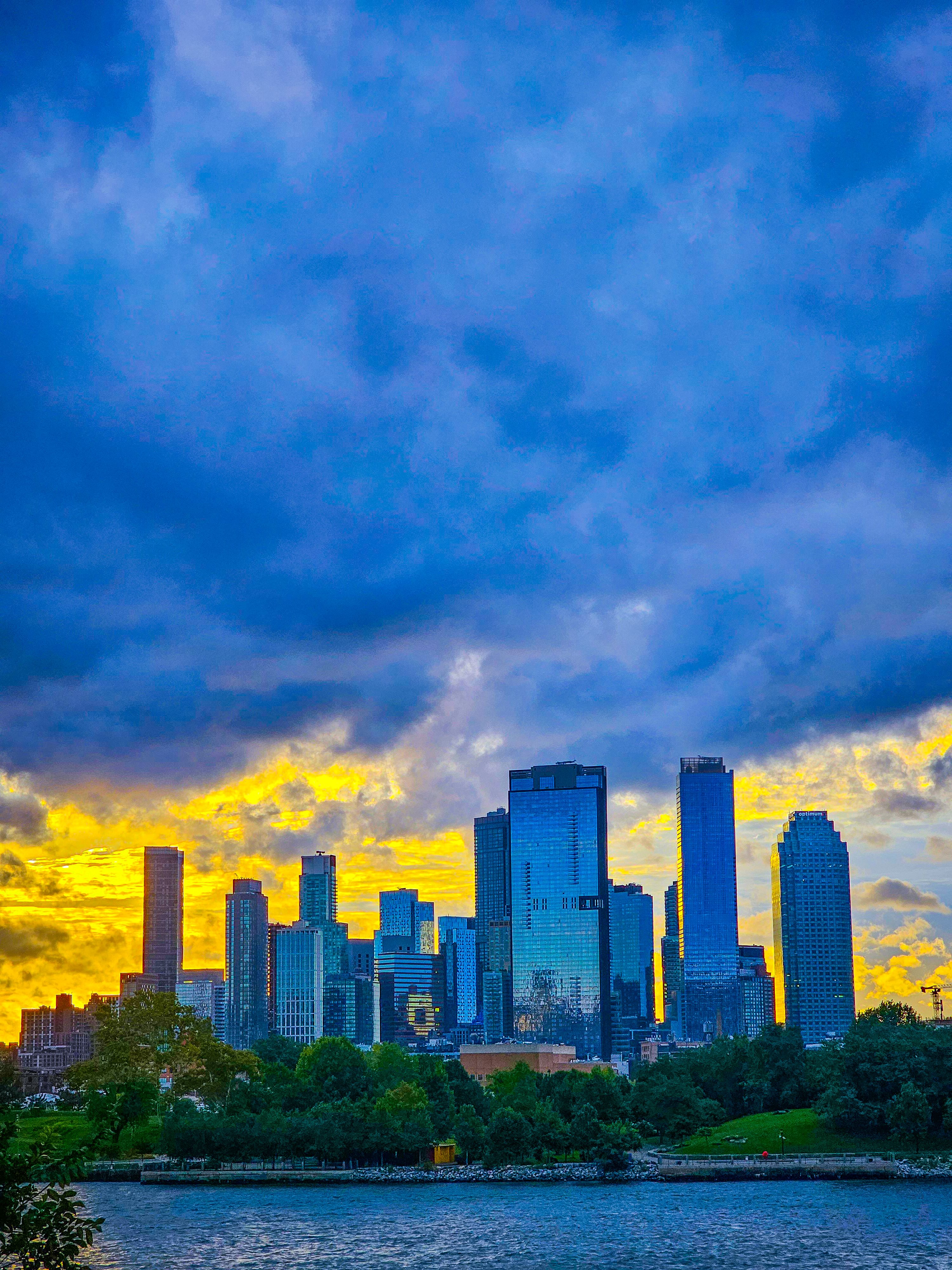
At Astoria Park, across the river from Manhattan, the city feels different.
You can see the skyline from a distance rather than experiencing it from underneath towering buildings.
The river creates space.
The pace feels slower.
And suddenly Manhattan becomes something you can observe rather than something surrounding you.
Photographing the city from across the water gave me some of my favourite images from the trip.
There is something powerful about perspective.
When you are standing among skyscrapers, individual buildings dominate your view. Step far enough away and those same buildings become part of a larger landscape.
Perhaps there is a lesson there beyond photography.
Sometimes distance helps you understand the whole picture.
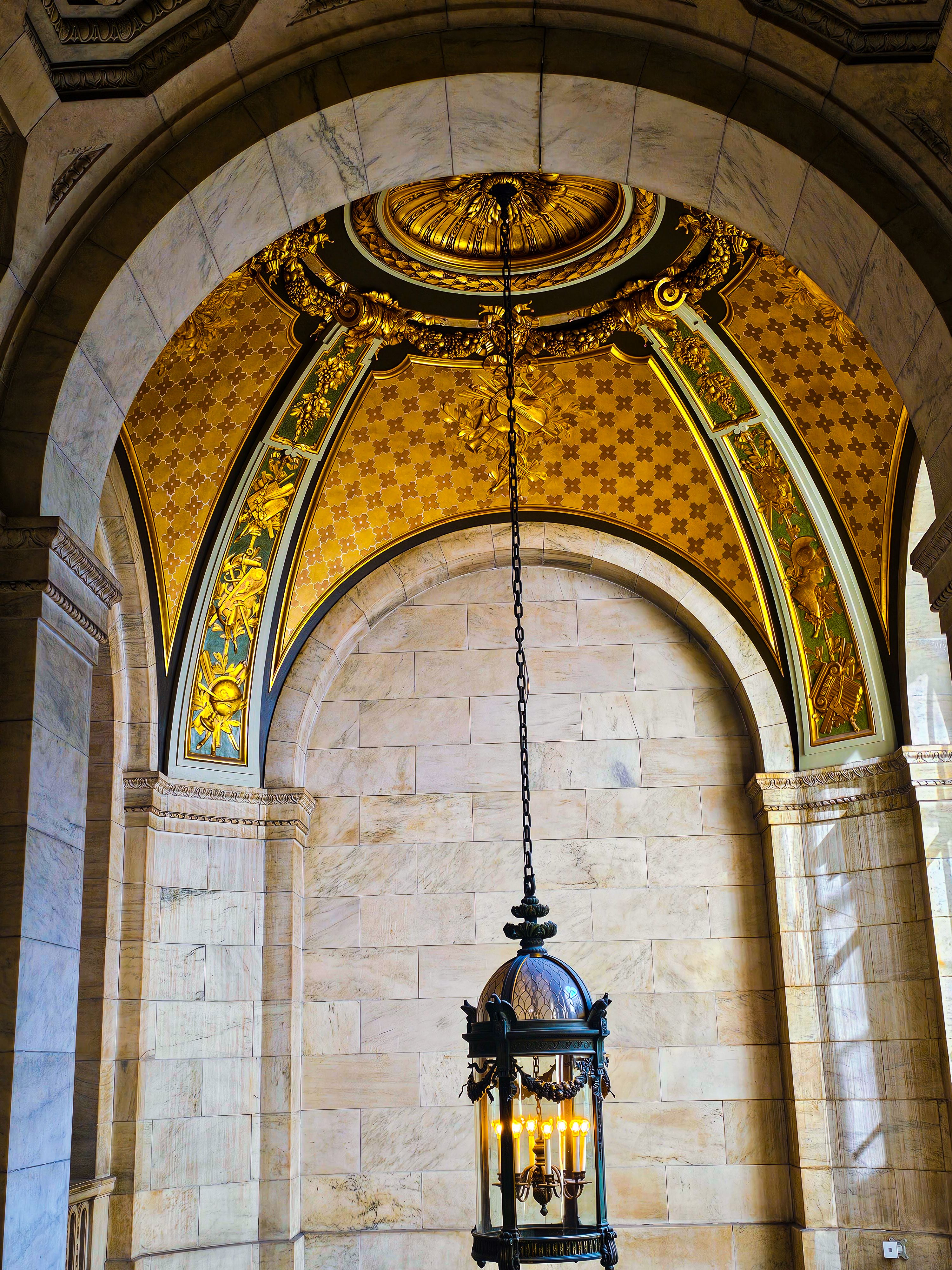
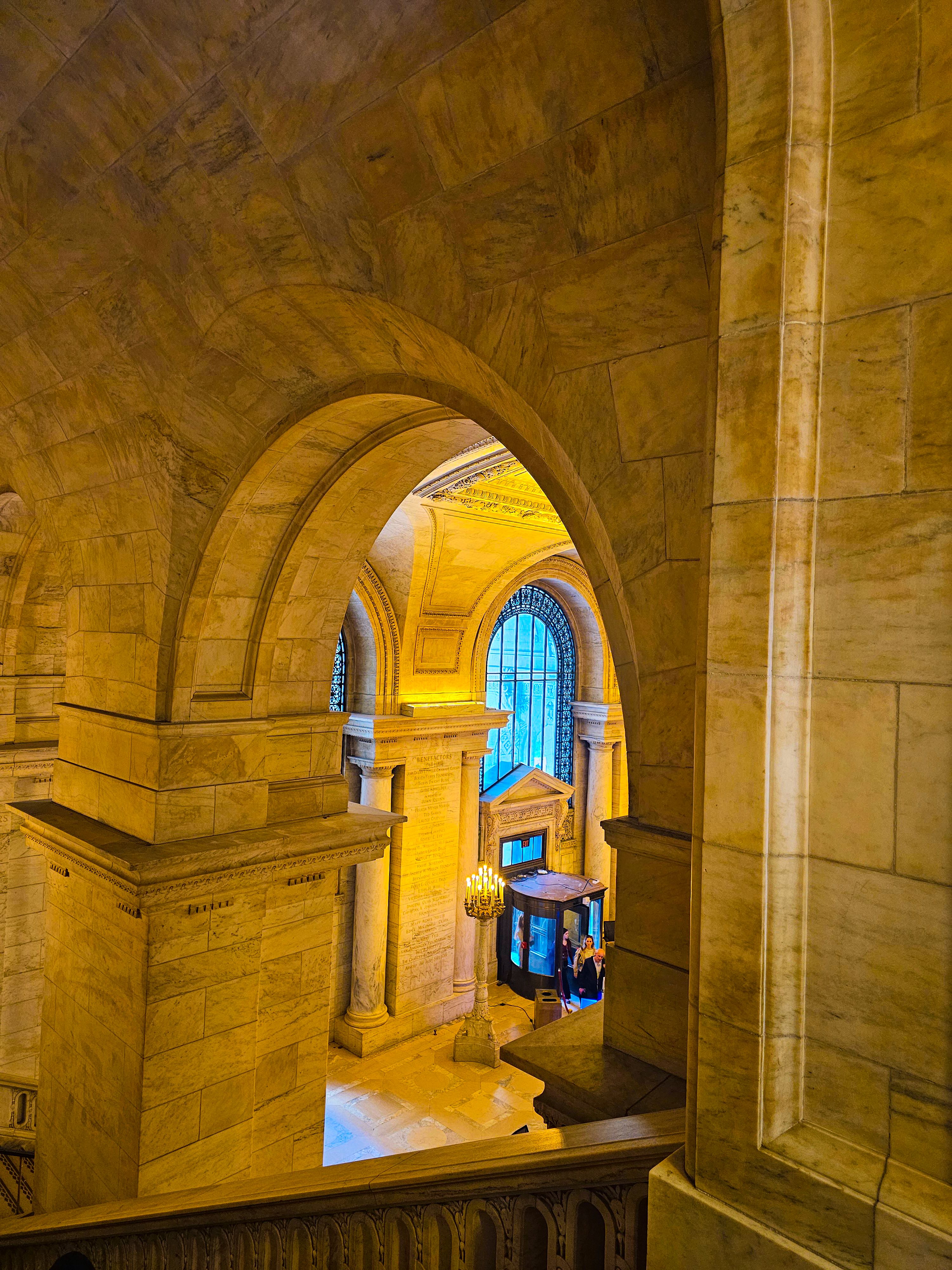
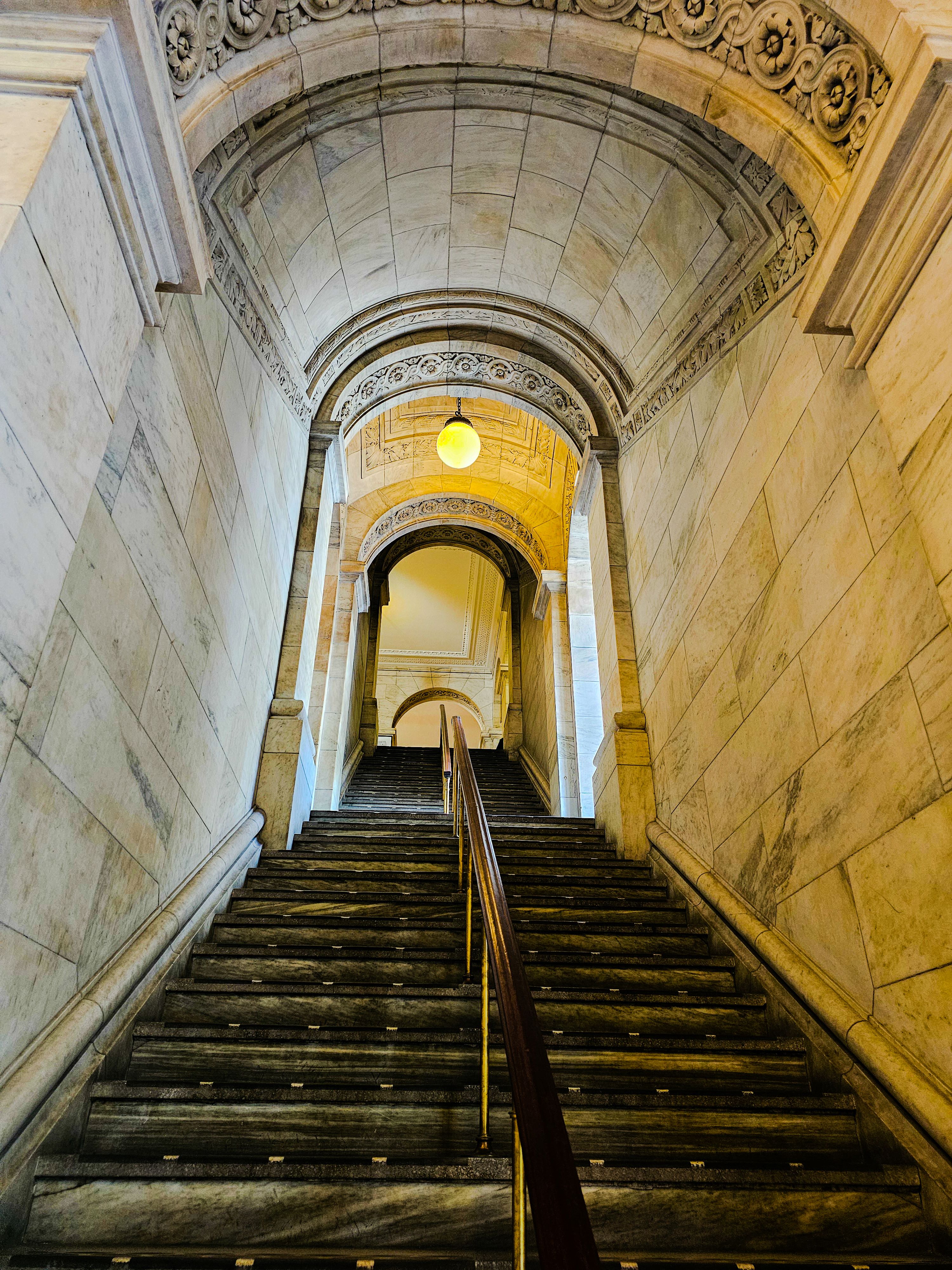
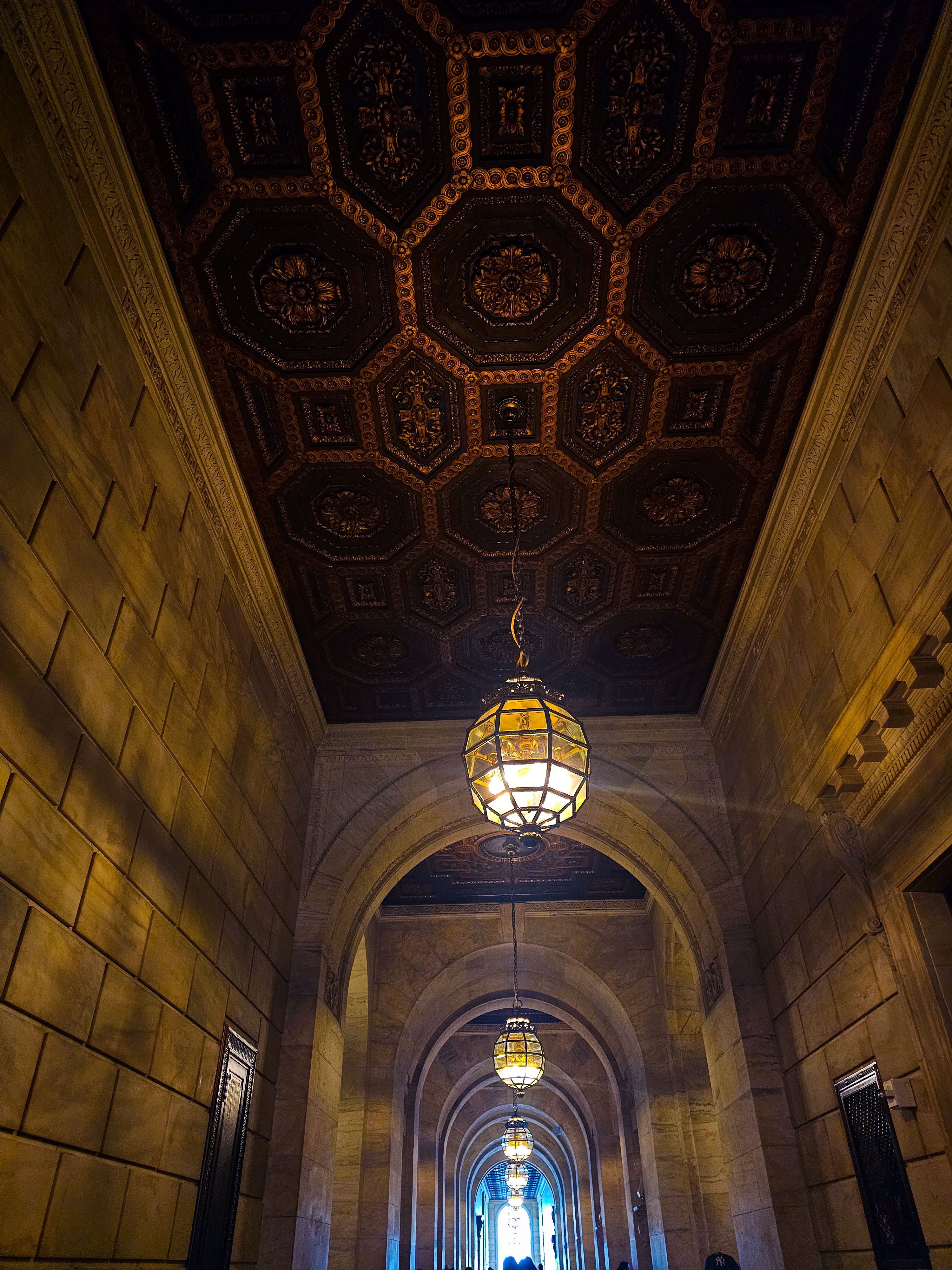
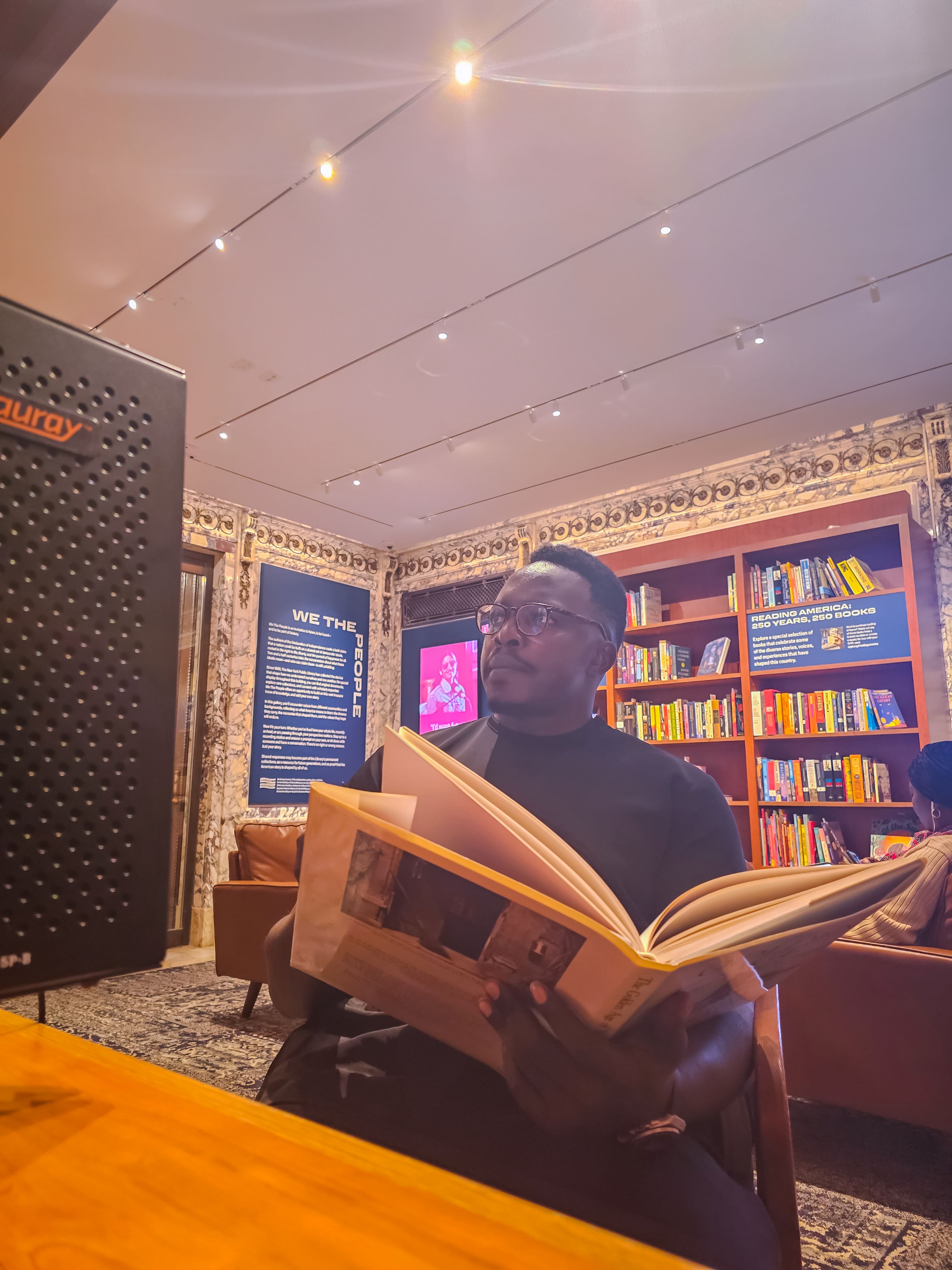
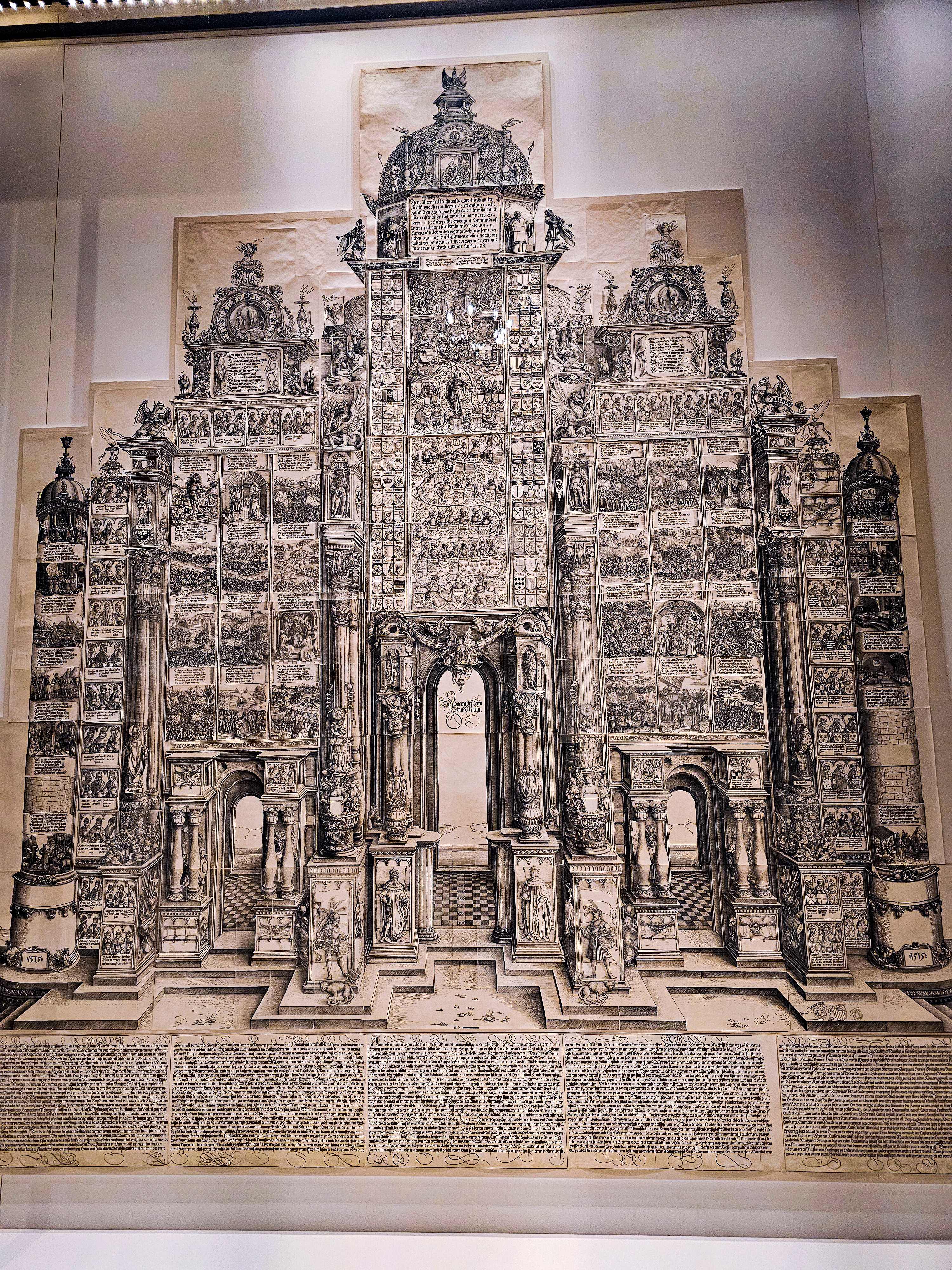
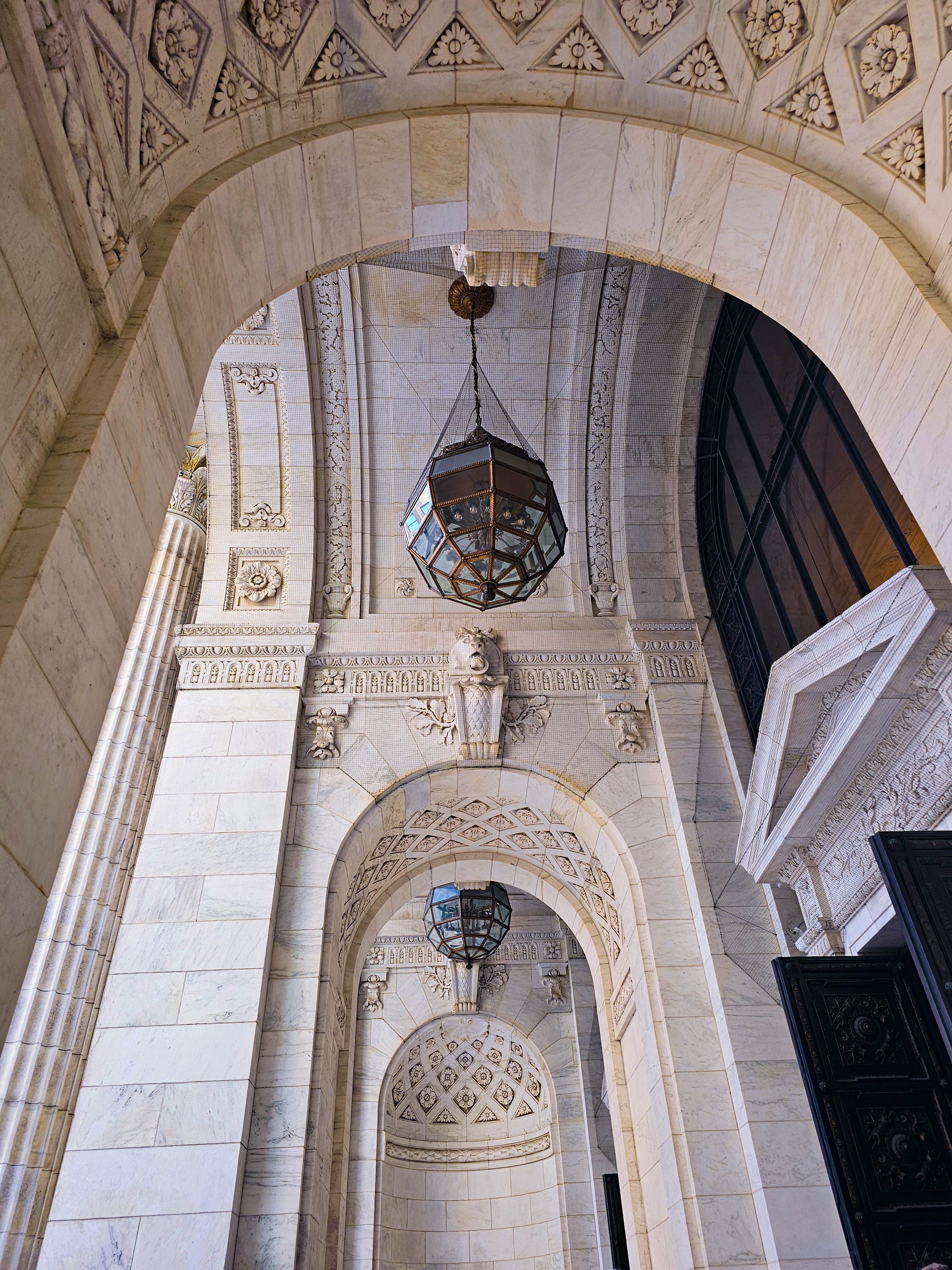
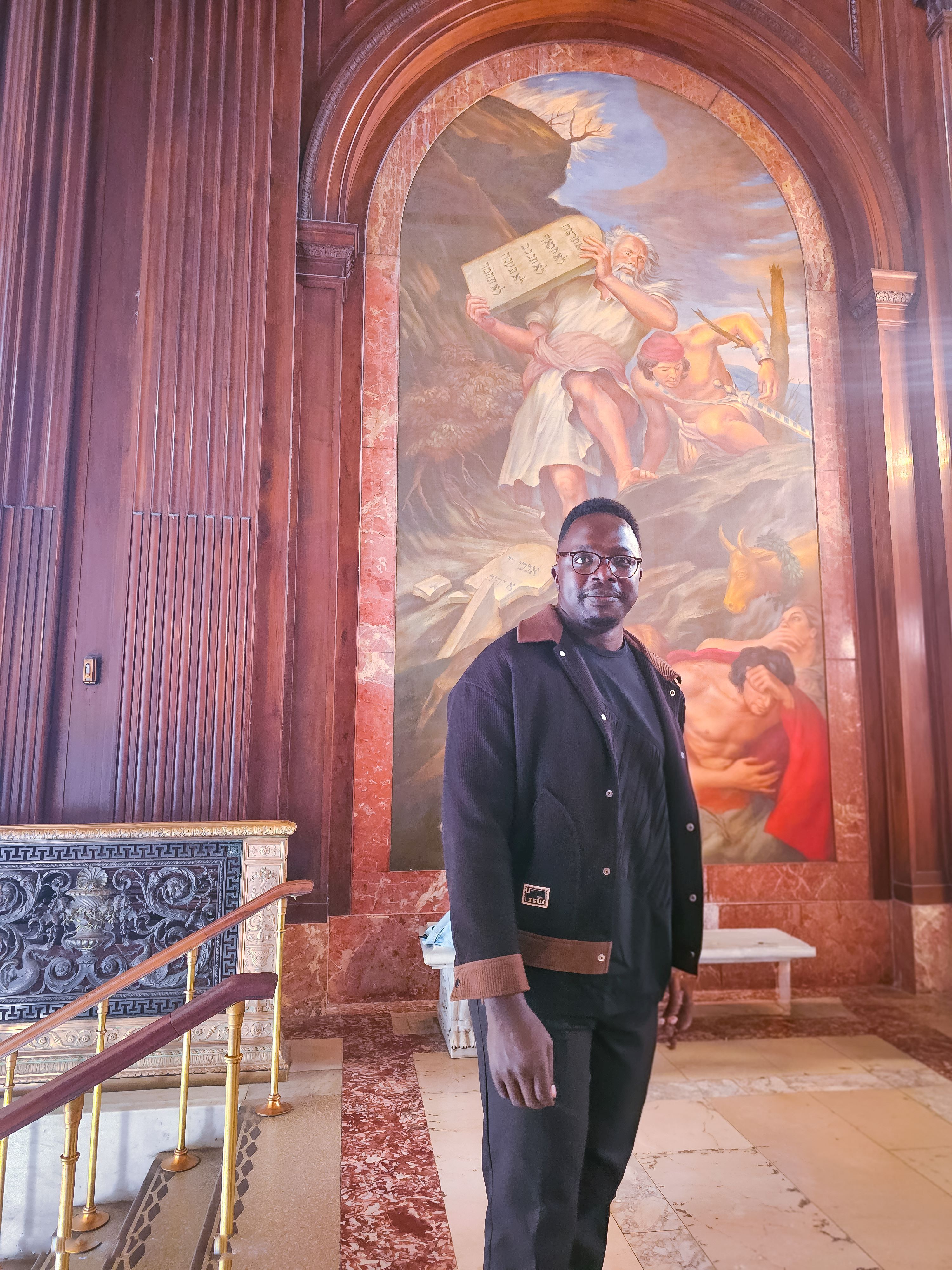
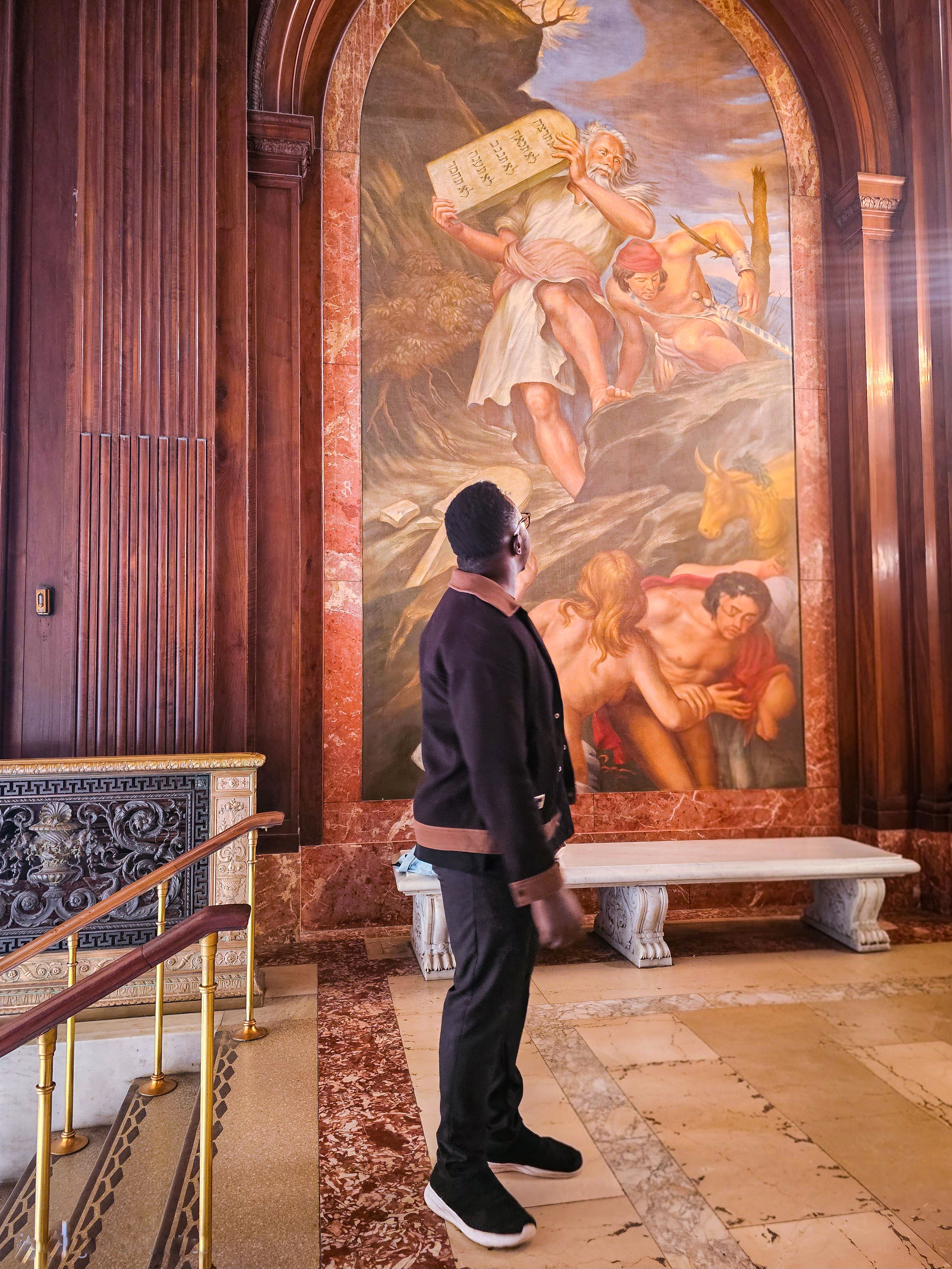
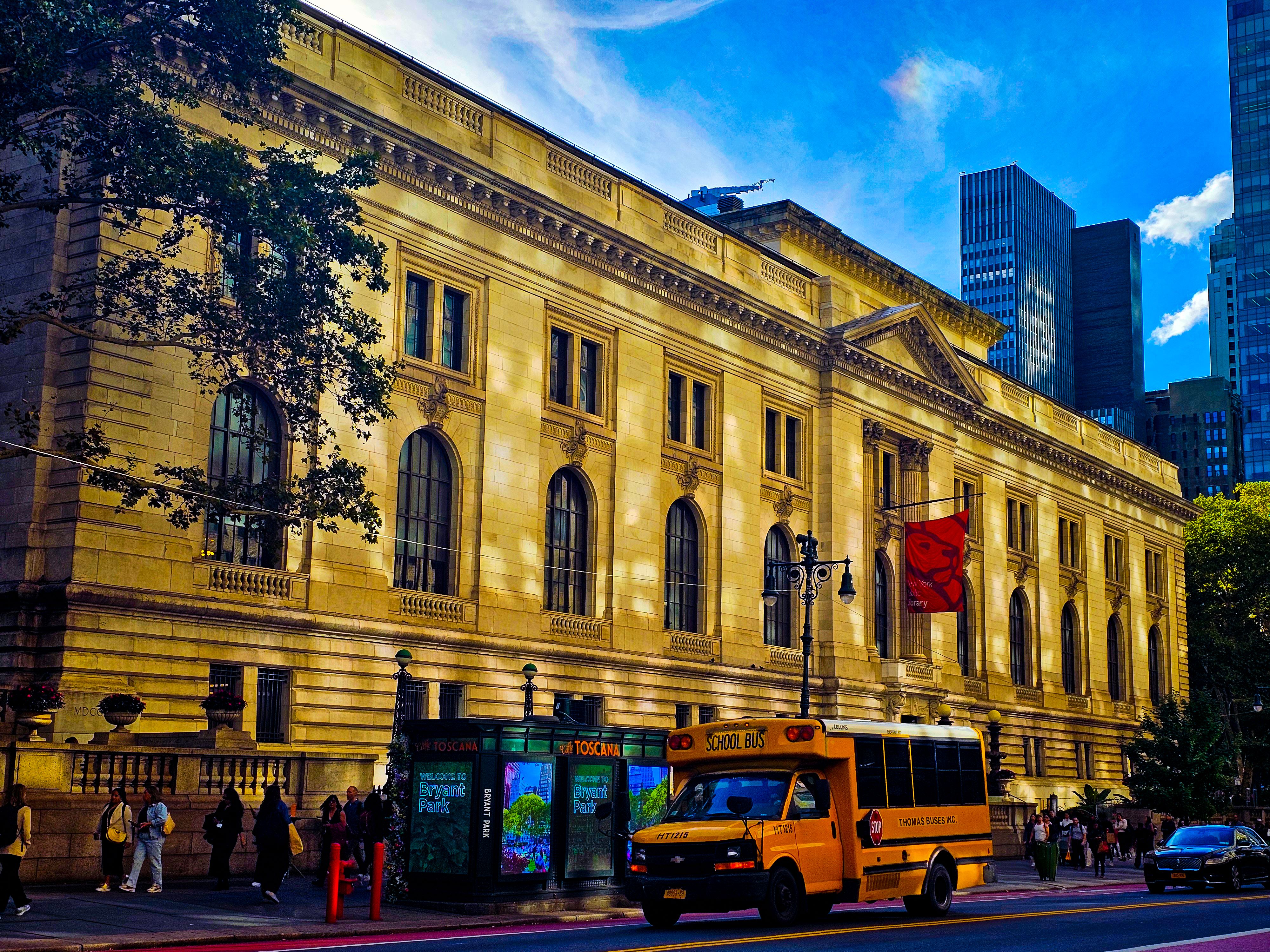
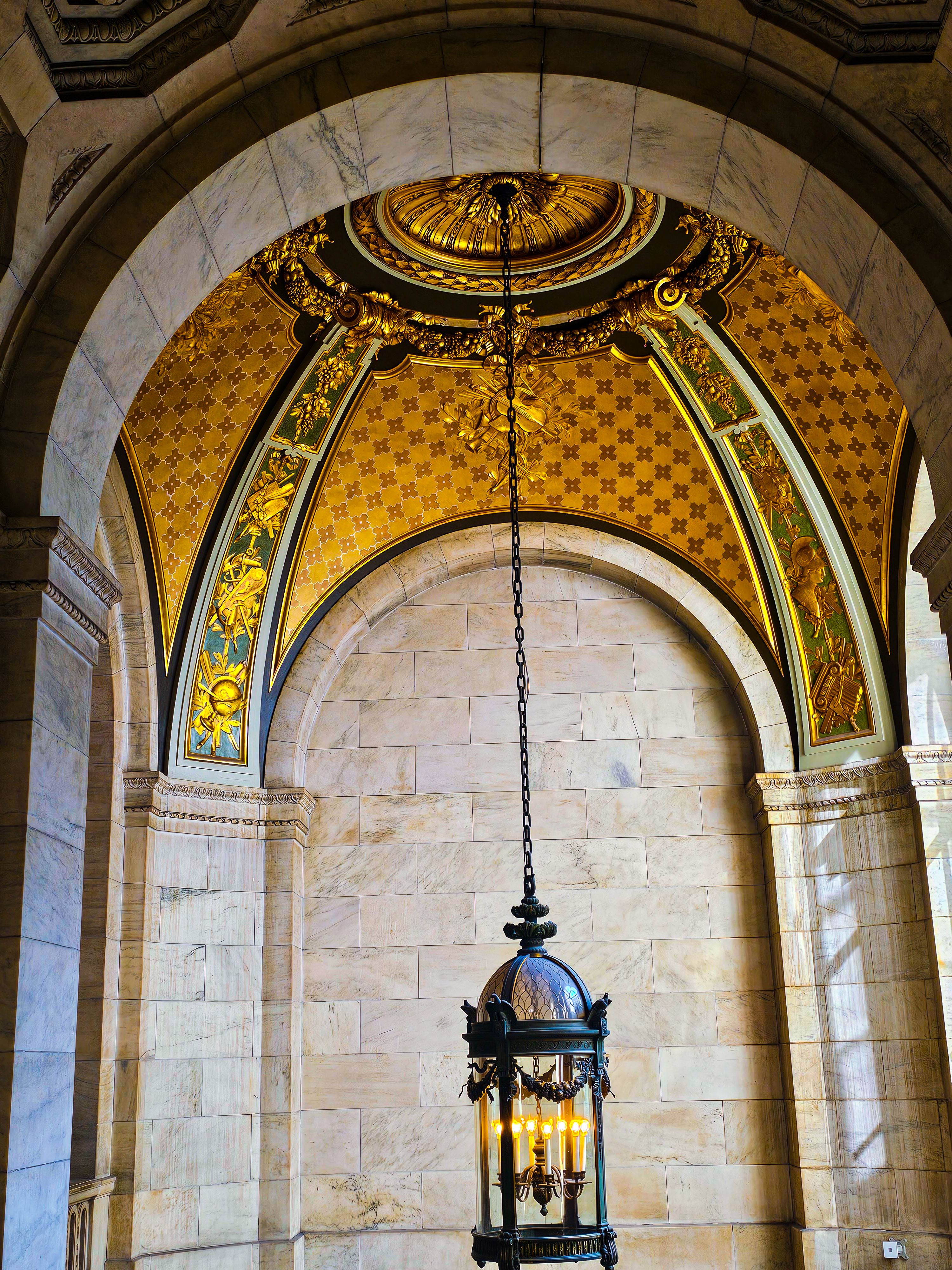
The New York Public Library: A Different Kind of Landmark
The New York Public Library offered another contrast.
Libraries have always fascinated me because they represent something cities often undervalue: public access to knowledge.
The building itself has an elegance that makes it naturally photogenic, but what interested me more was what it represents.
In a city built around finance, commerce and movement, here is a monumental public institution dedicated to knowledge, learning and ideas.
As someone whose work as a health advocate has been shaped heavily by education, research and the belief that information can change people’s lives, this resonated with me.
Public health ultimately depends on knowledge too.
People need information they can understand and use. Professionals need evidence. Policymakers need research. Communities need spaces where learning is accessible.
Perhaps that is why I found myself enjoying the library beyond simply photographing its architecture.
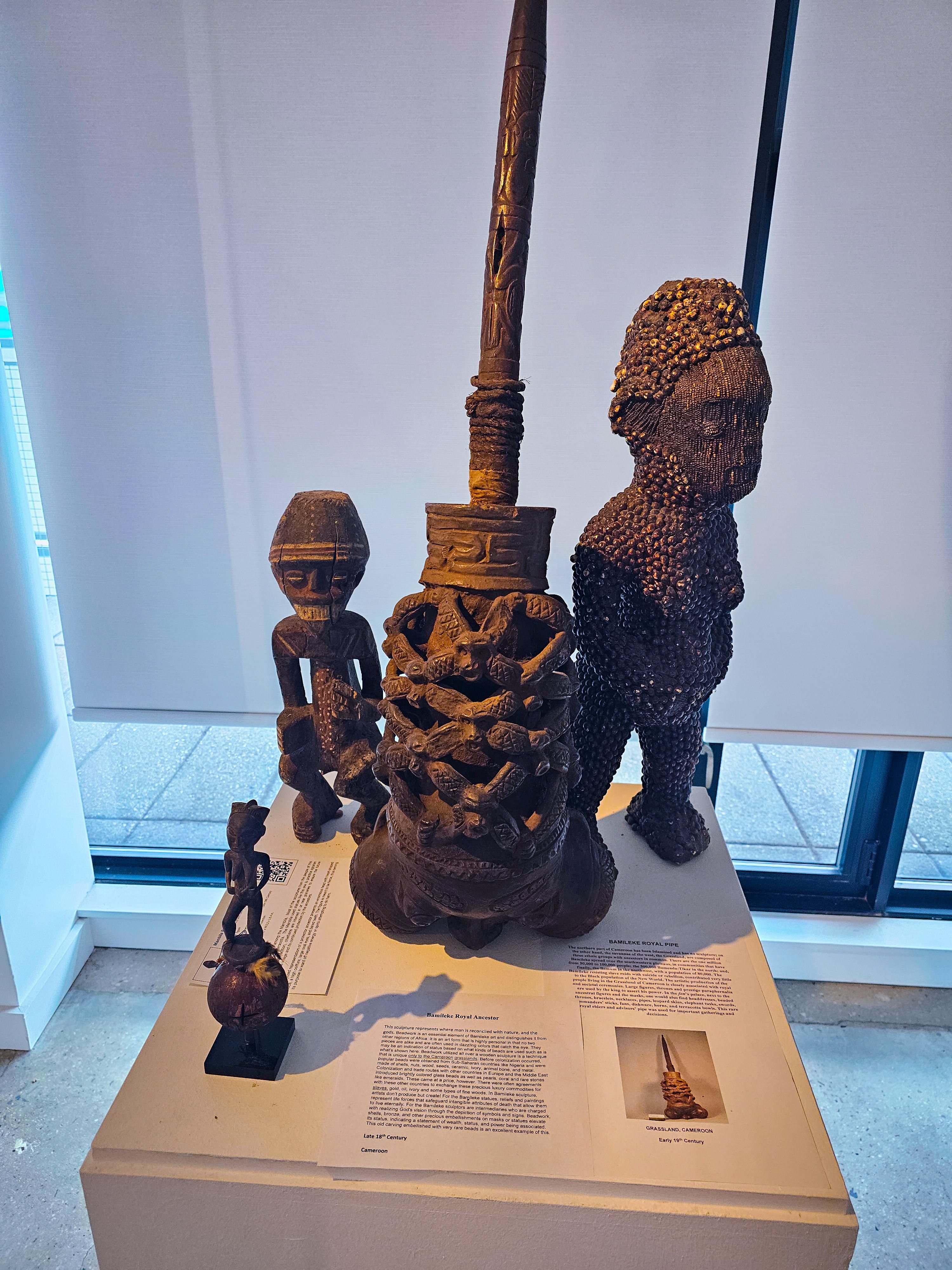
Encountering African Art in Manhattan
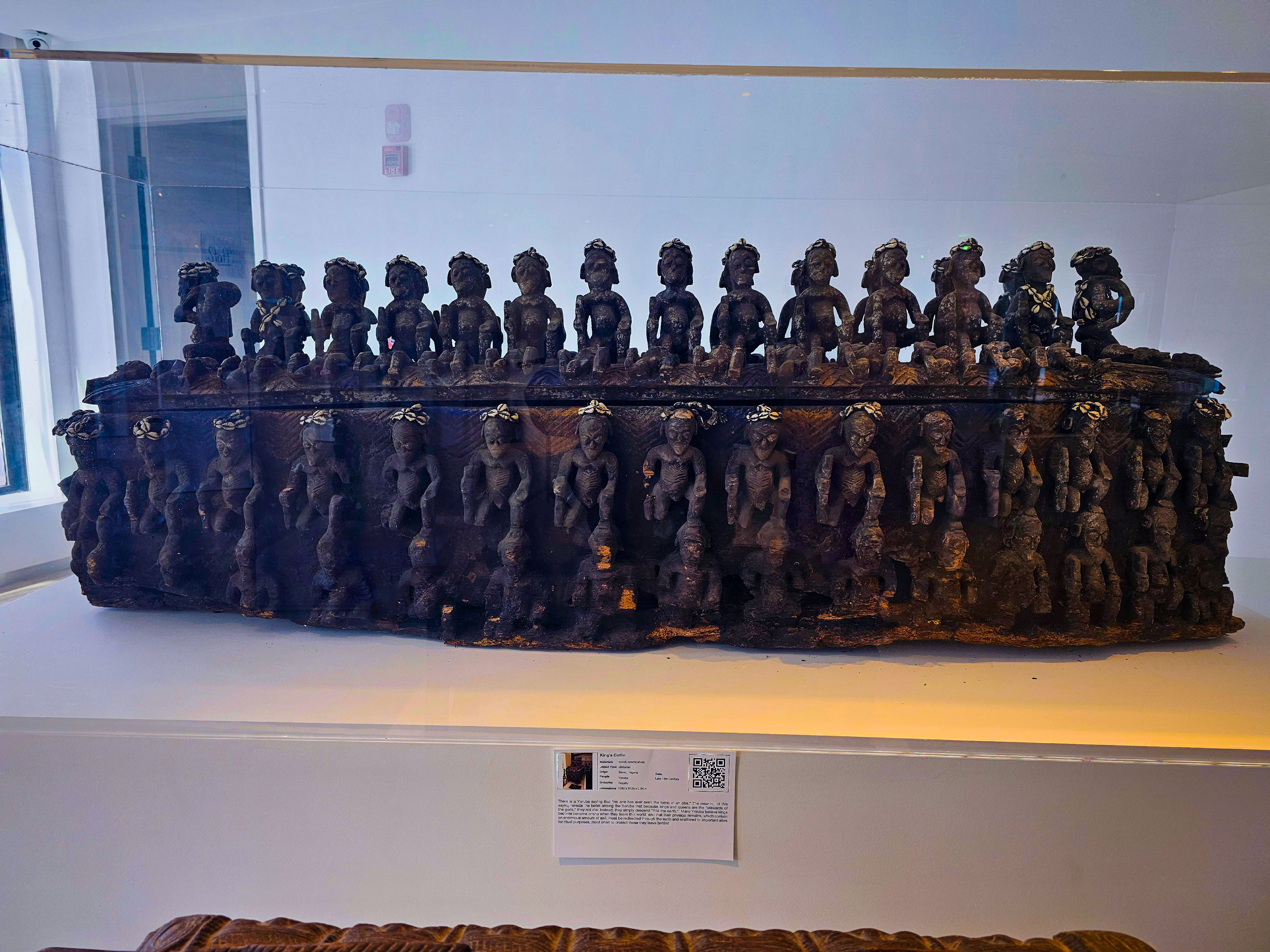
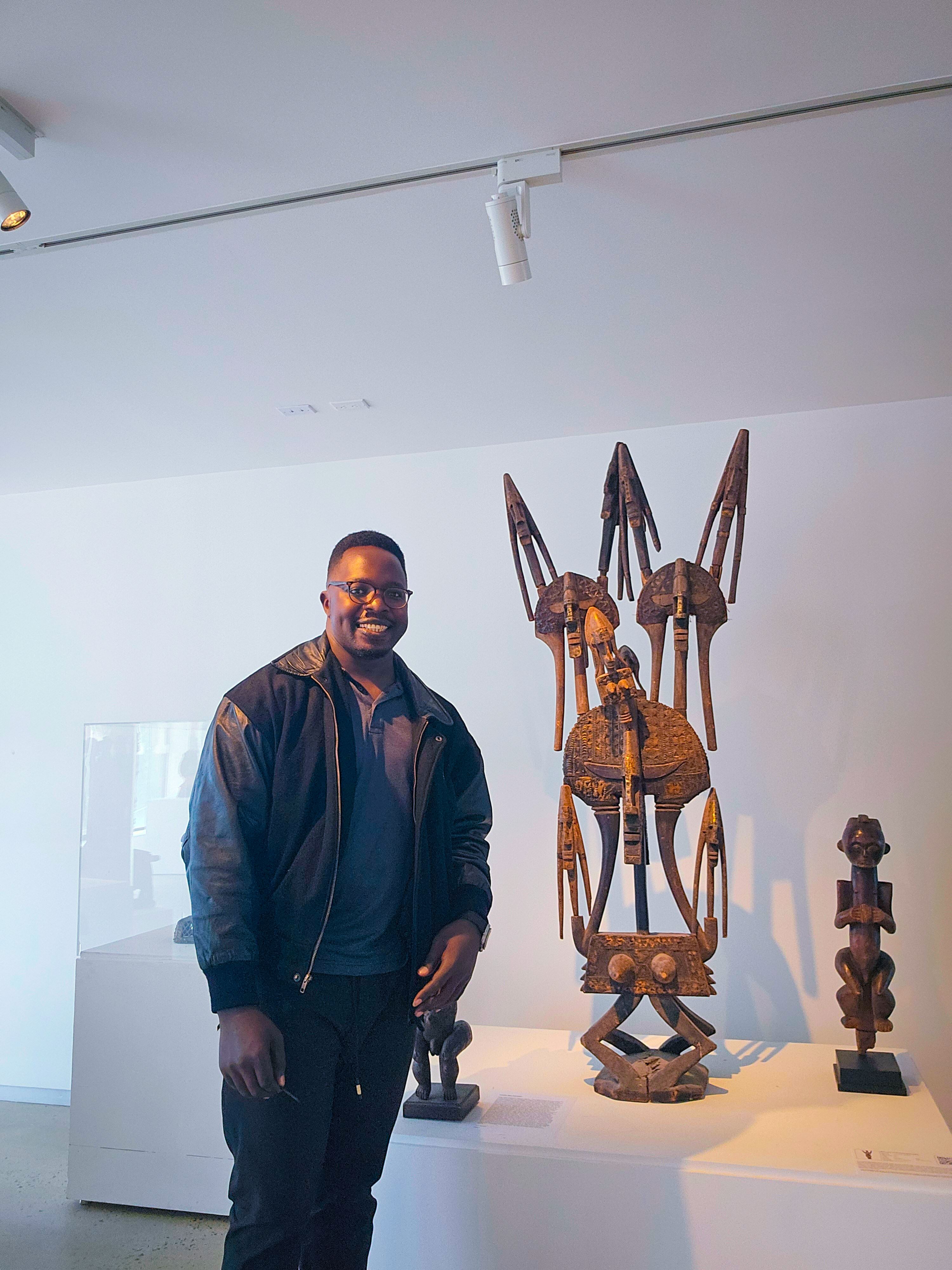
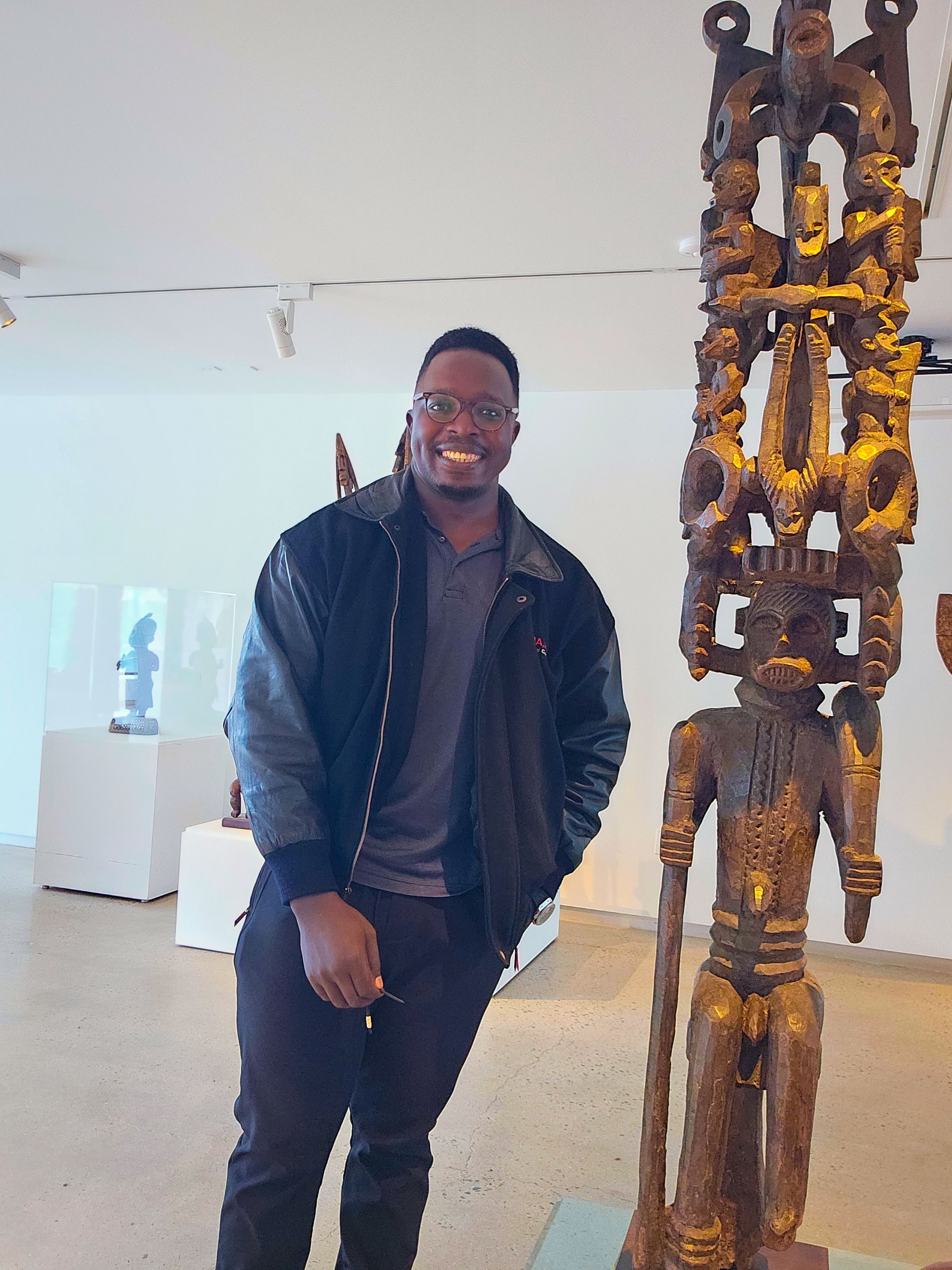
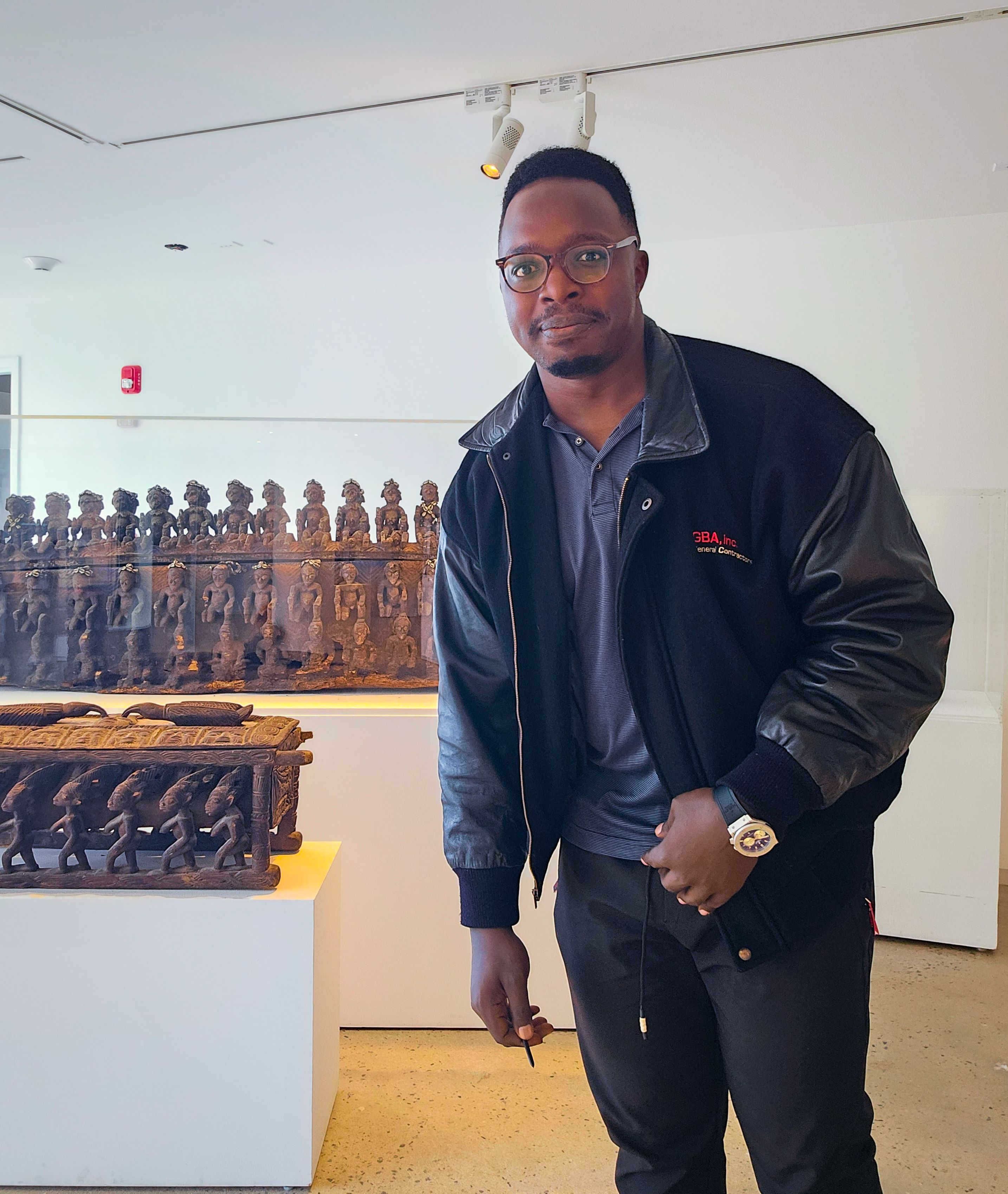
One of the most personally interesting stops was visiting a cultural museum showcasing African art in Manhattan.
Experiencing African creativity in New York creates an interesting feeling.
You are thousands of kilometres away from home, yet suddenly you encounter forms, materials, histories and expressions that feel familiar.
African art also challenges the tendency to talk about Africa as though it is one cultural experience.
The continent is extraordinarily diverse.
Its artistic traditions reflect different communities, histories, belief systems, materials and ways of understanding the world.
For me, visiting the collection was not simply about looking at objects.
It was another reminder of how African identity travels globally.
That is something I increasingly think about in my own public health work.
Whether I am speaking about obesity, NCDs or health equity in New York, Geneva or elsewhere, I am also carrying experiences shaped by Kenya and Africa into those spaces.
Representation can happen through policy.
It can happen through advocacy.
And sometimes it happens through art.
Photography as a Way of Slowing Down
One thing I realised during this trip is that photography changes the way I travel.
Without a camera, it is easy to arrive somewhere, look around briefly and move on.
When you are trying to create an image, you wait.
You change position.
You notice where the light is coming from.
You watch people moving through a scene.
You look at reflections, lines, colours and symmetry.
You become more present.
That was particularly valuable during UNGA week because the professional side of the trip moved incredibly quickly.
There were panels, meetings, introductions, roundtables and conversations almost continuously.
Photography created small moments where I could step outside that intensity and simply observe.
A City of Contrasts
Looking back through the photographs, what stands out most is how many versions of New York exist within the same city.
Times Square is loud and overwhelming.
Astoria Park can feel surprisingly calm.
The Vessel represents contemporary architectural ambition.
The New York Public Library represents history and knowledge.
Moynihan Train Hall is built around constant movement.
African art creates a connection to histories and cultures far beyond New York itself.
Madison Square Garden carries decades of cultural memory.
Perhaps that is why New York remains so interesting to photograph.
There is no single image that explains it.
Beyond Global Health, Remembering to Experience the Journey
Much of my professional life involves moving quickly from one commitment to another.
As Ogweno Stephen, much of what I share publicly understandably focuses on my work as a health advocate, my public health engagements and the causes that occupy most of my time.
But these journeys also contain personal moments worth remembering.
The photographs from New York 2026 will remind me of the conversations I had at UNGA, but they will also remind me of walking through Moynihan Train Hall, looking across the river from Astoria, standing beneath the lights of Times Square, discovering African art in Manhattan and trying to find just the right angle at The Vessel.
Those moments matter too.
They remind me that travel is not only about where our work takes us.
It is also about allowing ourselves to experience the places we are fortunate enough to visit.
This was New York through my lens in 2026: busy, beautiful, constantly moving, culturally layered and impossible to capture completely.
And perhaps that is exactly why I keep taking pictures.

Leave a Reply