
The new public-facing model aims to strengthen nutrition literacy, support front-of-pack warning labels and advance restrictions on unhealthy food marketing to children as Kenya expands its response to obesity and other noncommunicable diseases
Ogweno Stephen participated in the launch of the Simplified Kenya Nutrient Profile Model, marking an important step in Kenya’s efforts to make nutrition policy more understandable to the public and strengthen the country’s approach to healthier food environments. The simplified model is intended to help people understand nutrients of concern, including sugar, salt, total fat and saturated fat, while supporting policies such as front-of-pack warning labels and restrictions on the marketing of unhealthy foods to children. For Ogweno Stephen, a Kenyan health advocate working across obesity, noncommunicable diseases and public health policy, the launch represents progress towards shifting the responsibility for healthy eating from individuals alone to the wider food environment.




Making Nutrition Policy Understandable to Everyone
Nutrition policy can often become highly technical.
Terms such as nutrient profiling, thresholds and nutrients of concern may be familiar to researchers and policymakers but mean very little to the ordinary person standing in a supermarket deciding what to buy.
The simplified Kenya Nutrient Profile Model seeks to bridge this gap.
Its value lies not only in providing a technical framework, but also in helping the public understand why the nutritional composition of packaged food matters.
For Stephen, simplifying the science is an important public health intervention in itself.
People cannot make informed choices when the information they need is difficult to understand.
Public health policy therefore has to translate scientific evidence into tools that are useful in everyday life.
Understanding Nutrients of Concern
A central focus of the simplified model is helping consumers better understand nutrients of concern.
These include sugar, salt, fats and saturated fats, which can contribute to poor health outcomes when consumed excessively within unhealthy dietary patterns.
The challenge is that many people may consume these nutrients without immediately recognising how much is present in packaged foods.
Nutrition information is often available on packaging, but traditional nutrition panels can be difficult to interpret quickly.
This is one reason the Kenya Nutrient Profile Model matters.
It provides a framework for identifying when products contain high levels of specific nutrients and can support clearer communication to consumers.


Why Front-of-Pack Warning Labels Matter
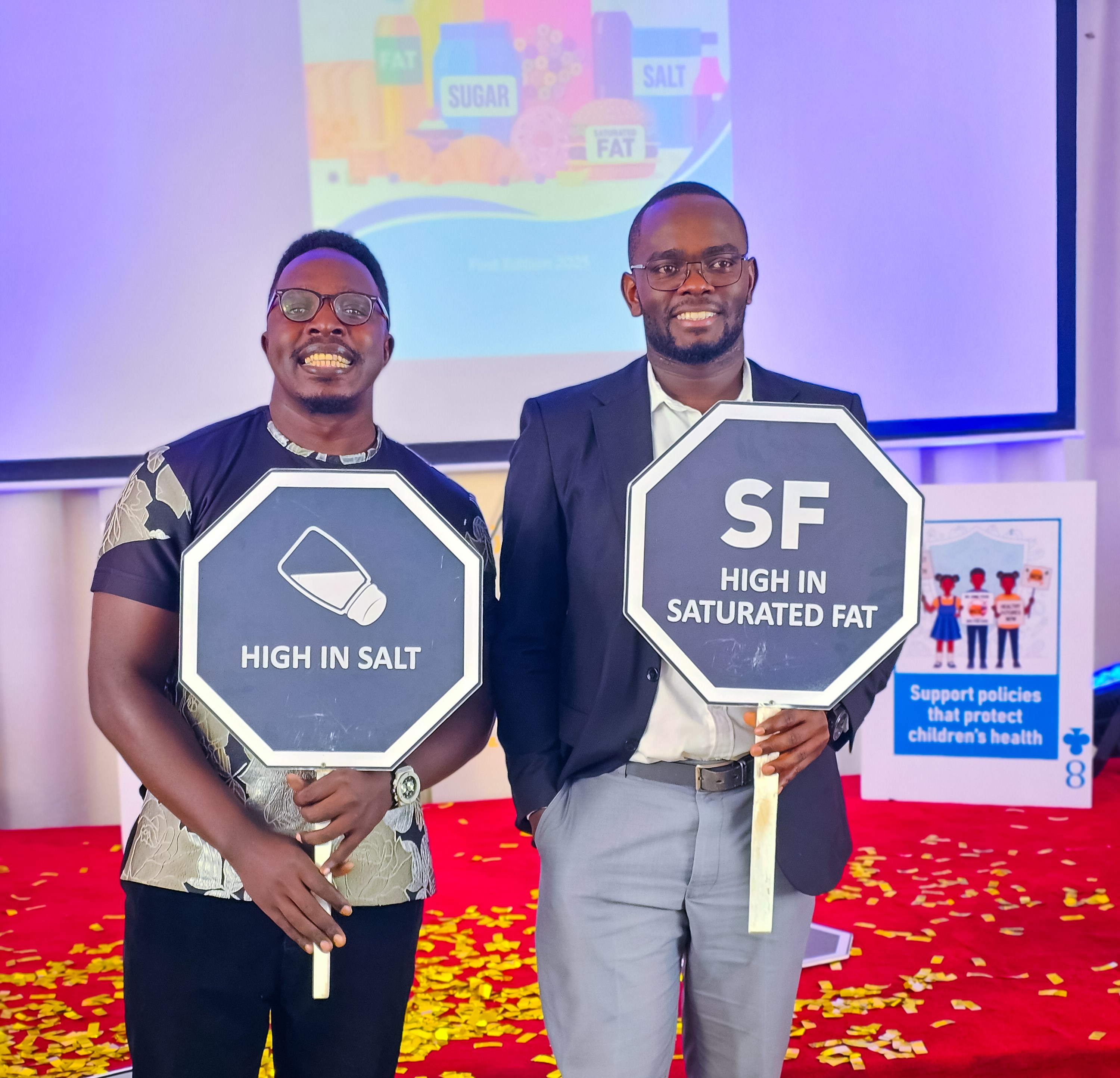
One of the most important potential applications of the nutrient profile model is front-of-pack warning labelling.
Instead of expecting consumers to study small nutrition tables and calculate whether a product contains excessive amounts of certain nutrients, warning labels can provide immediate visual information.
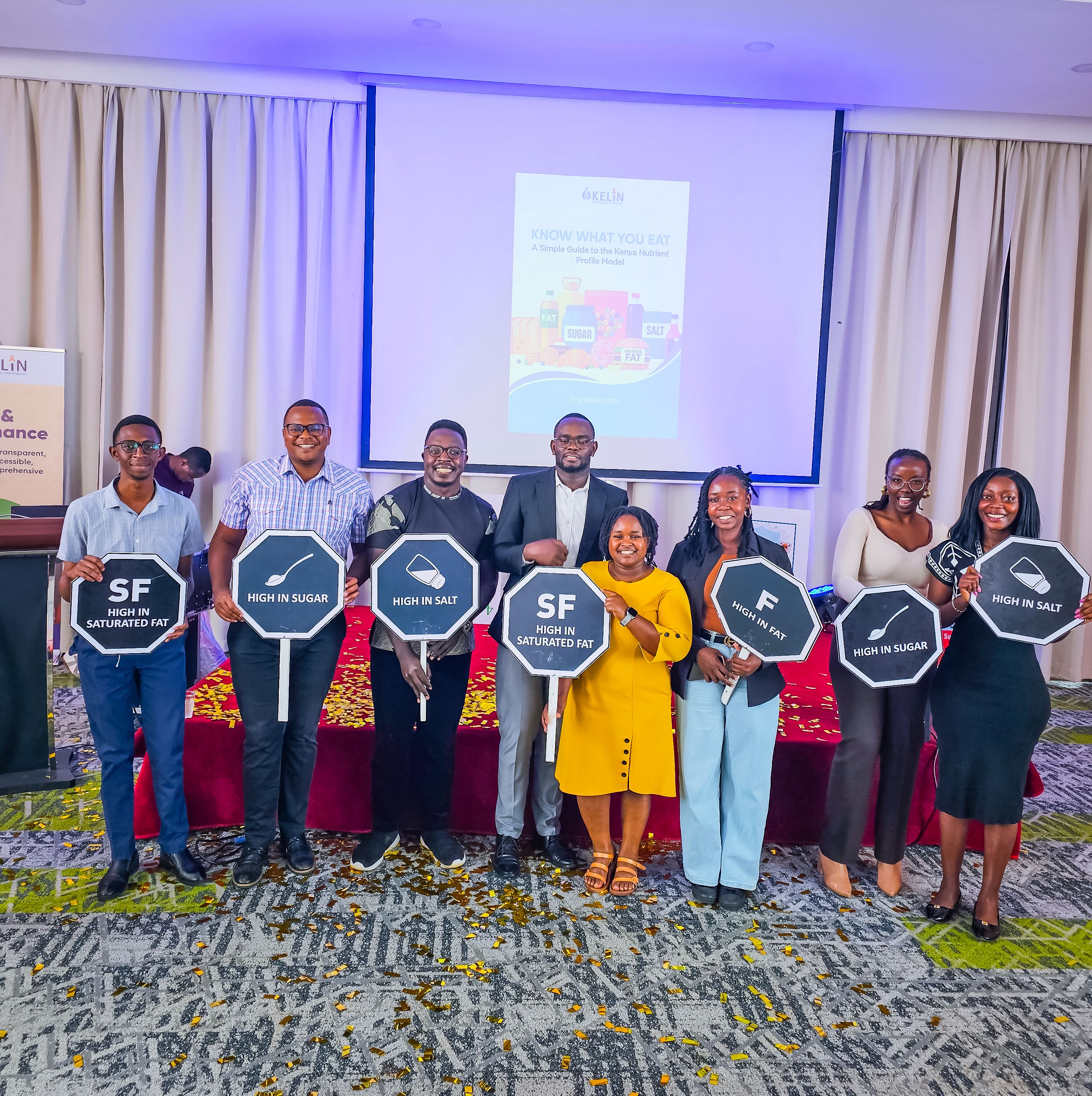
The proposed approach in Kenya has included black octagonal warning labels that clearly indicate when a packaged product is high in particular nutrients of concern.
For Ogweno Stephen, who has participated in several Kenyan public health dialogues around front-of-pack warning labels, this is one of the clearest examples of how policy can make healthy decision-making easier.
The purpose is not to tell people what they are allowed to eat.
It is to ensure that they have clear information about what they are purchasing.
From Technical Model to Everyday Food Choices
The importance of the Simplified Kenya Nutrient Profile Model becomes clearer when considered from the perspective of an ordinary consumer.
Imagine standing in a shop with several similar food products.
Without clear labelling, understanding the nutritional differences between those products may require interpreting multiple figures, percentages and serving sizes.
For many people, that is simply unrealistic.
A clear warning on the front of the package changes the information environment.
It allows consumers to recognise immediately when a food product is high in sugar, salt, fat or saturated fat.
This is where technical nutrition policy becomes practical public health.

Protecting Children From Unhealthy Food Marketing
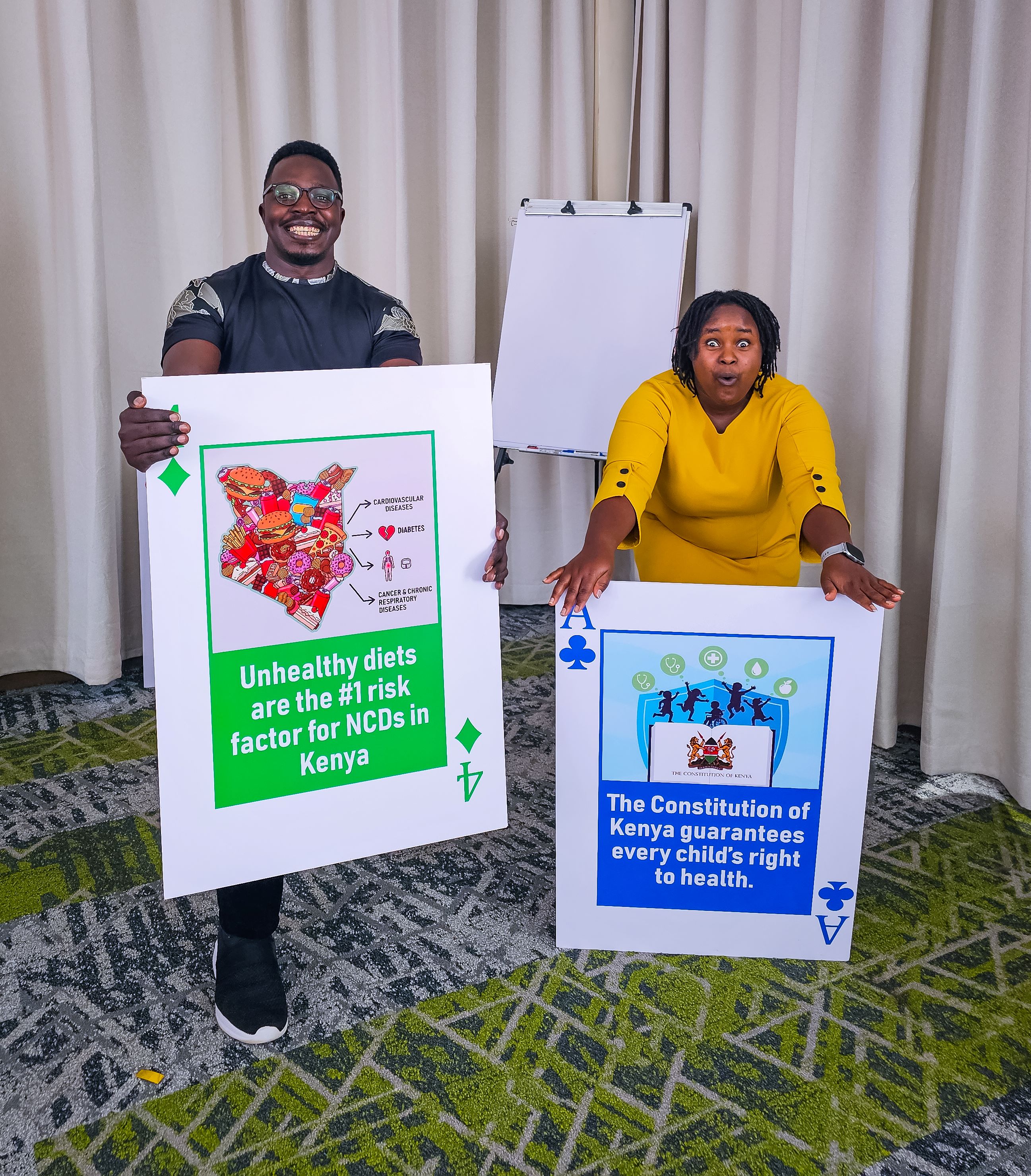
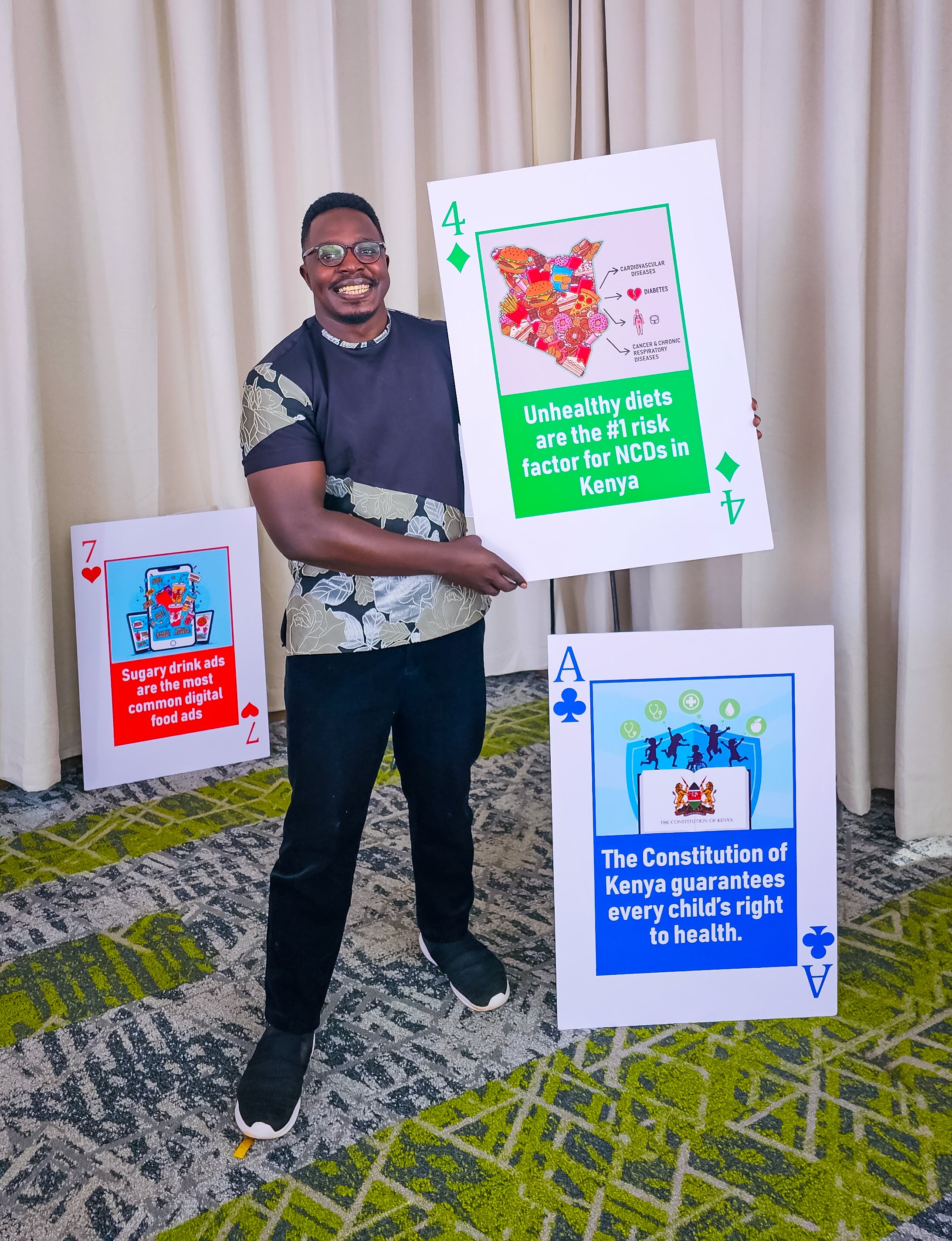
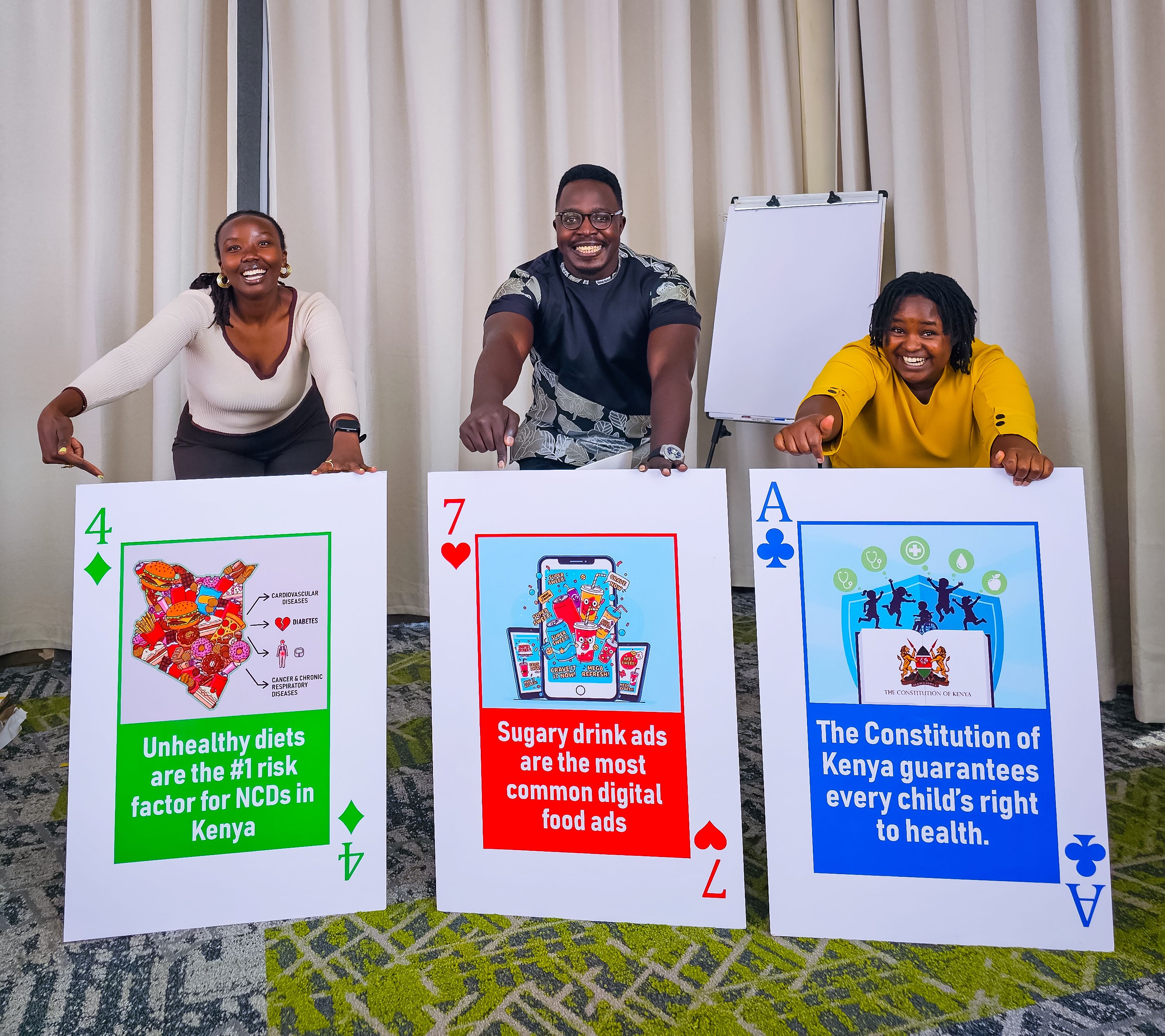
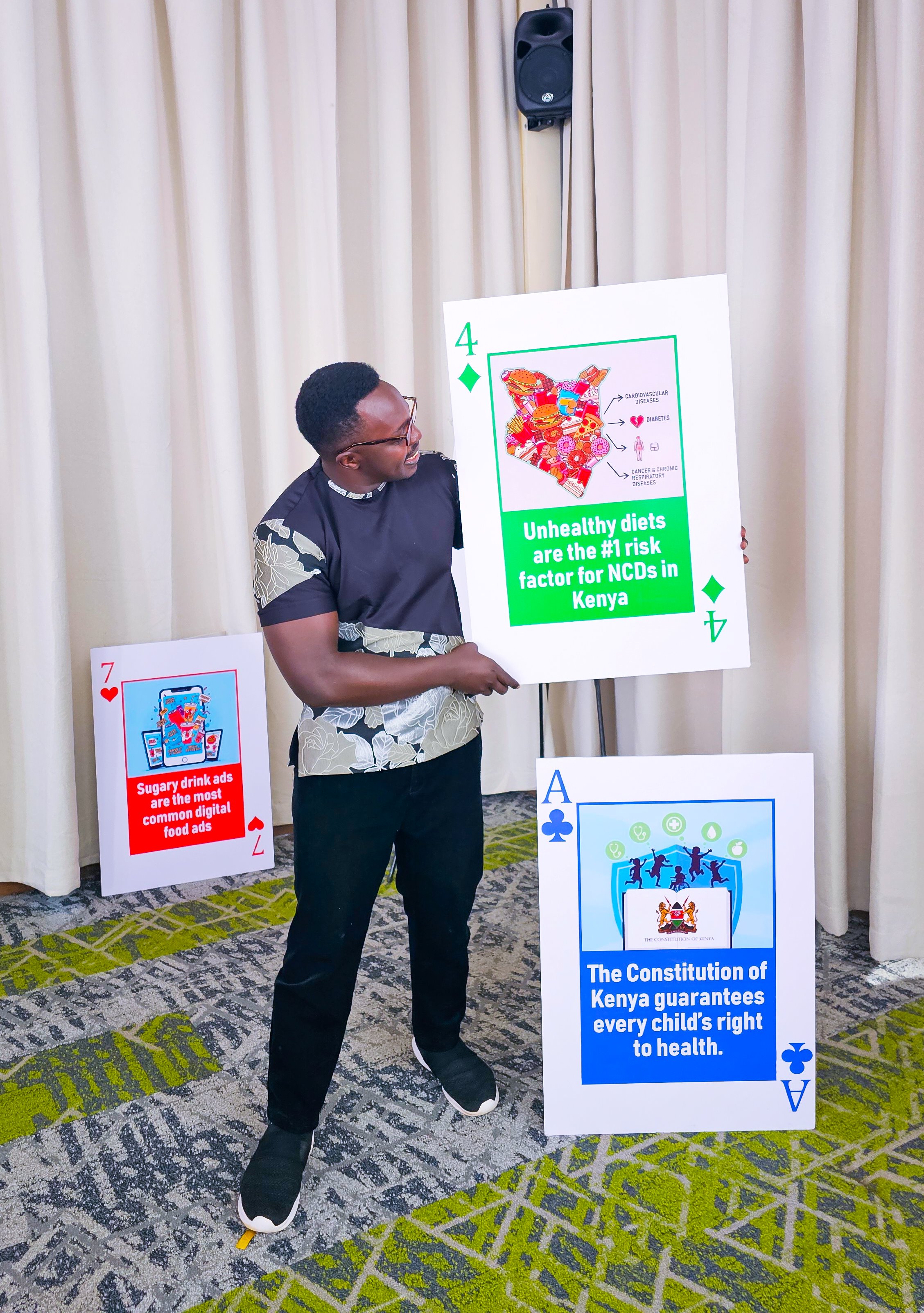
Another important element of Kenya’s evolving food policy agenda is the protection of children from the advertising and marketing of unhealthy diets.
Children are particularly vulnerable to marketing.
Advertising can shape food preferences, influence requests made to parents and contribute to habits that continue into adulthood.
This is why restrictions on the promotion of unhealthy food to children are an important part of creating healthier food environments.
The Kenya Nutrient Profile Model can help provide an evidence-based foundation for determining which products should be subject to such restrictions.
For Stephen, this is especially important because preventing noncommunicable diseases needs to begin early.
Waiting until adulthood to address unhealthy dietary patterns means health systems are responding after habits and risks may already be deeply established.
Obesity Prevention Requires More Than Telling People to Eat Better
One of the recurring themes in Ogweno Stephen’s obesity advocacy is that public health must move beyond placing all responsibility on individuals.
People frequently hear messages such as eat healthier, reduce sugar, exercise more and maintain a healthy weight.
These messages are not inherently wrong.
But they are incomplete.
Food choices are influenced by what is available, what is affordable, what is marketed, how products are formulated and how nutritional information is communicated.
If unhealthy products are heavily promoted while important nutrition information remains difficult to understand, the environment itself is shaping behaviour.
Public health policy therefore has a responsibility to make healthier choices easier.

Connecting Food Policy With Obesity Prevention
The launch of the Simplified Kenya Nutrient Profile Model has particular relevance to obesity prevention.
Obesity is complex and cannot be attributed to any single food, nutrient or behaviour.
However, healthier food environments form an important part of population-level prevention.
Policies that improve nutritional information, regulate marketing and encourage healthier product formulation can support broader strategies to reduce the burden of obesity.
This complements the clinical side of obesity care.
Stephen has consistently argued that prevention and treatment should not be positioned against each other.
Kenya needs stronger food environments to reduce future risk while also building better healthcare pathways for people already living with obesity.
Reducing the Wider Burden of Noncommunicable Diseases
The importance of food policy goes beyond obesity.
Unhealthy diets are closely connected with the wider burden of noncommunicable diseases, including cardiovascular diseases and type 2 diabetes.
This means that improving food environments can contribute to multiple public health objectives at once.
A policy designed to help consumers understand high levels of sugar or salt can ultimately support efforts to reduce the risks associated with several chronic conditions.
For a country working to strengthen Universal Health Coverage, prevention becomes increasingly important.
Health systems cannot sustainably absorb an ever-growing burden of preventable chronic disease without simultaneously addressing the conditions that contribute to that burden.
Food Policy Is Also Health-System Policy
Nutrition policy is sometimes viewed as separate from healthcare.
In reality, the two are deeply connected.
The foods people consume today influence the health services populations may require tomorrow.
Increasing rates of obesity, hypertension, diabetes and cardiovascular disease create demand for consultations, medicines, diagnostics, hospitalisation and long-term care.
Creating healthier food environments is therefore part of building more sustainable health systems.
For Ogweno Stephen, this connection is central to his wider public health advocacy.
Prevention should not sit outside Universal Health Coverage discussions.
It should be part of how countries think about sustainability.
The Potential to Encourage Food Reformulation
Front-of-pack warning labels may also influence the food industry.
When products are required to display clear warnings for high levels of nutrients of concern, manufacturers may have an incentive to reformulate products.
Reducing sugar, salt or certain fats can potentially allow companies to improve the nutritional profile of their products.
This means that nutrient profiling can influence health in two ways.
First, it can help consumers make more informed decisions.
Second, it can potentially encourage changes in the food supply itself.
For public health, this is particularly powerful because it shifts some responsibility upstream.
Instead of relying only on millions of individual consumers changing their behaviour, policy can encourage healthier products to become available in the first place.
Why Civil Society Participation Matters
The development and implementation of food policy requires collaboration.
Government provides the regulatory framework.
Researchers contribute evidence.
Technical experts help develop standards.
Civil society organisations bring community perspectives and support public accountability.
Organisations such as KELIN have played an important convening role in bringing these groups together.
For Ogweno Stephen and Stowelink Foundation, participating in these processes is part of a broader commitment to ensuring that communities and public health advocates contribute to the policies shaping health.
Civil society can also play an important role after policies are introduced.
People need to understand what new labels mean, why regulations exist and how they can use the information available to them.
From Validation to Launch
Stephen’s participation in the launch also follows his earlier involvement in the validation process for the Simplified Kenya Nutrient Profile Model.
That progression matters.
Good policy is rarely created through one meeting.
It moves through research, consultation, technical development, validation, communication and eventually implementation.
Participating across different stages provides public health advocates with a clearer understanding of how evidence becomes policy.
It also creates opportunities to ensure that community perspectives remain visible as technical proposals move closer to practical implementation.
A Step Towards a Healthier Food Environment in Kenya
The launch represents an important milestone, but the real public health impact will depend on what happens next.
A nutrient profile model becomes meaningful when people understand it.
Front-of-pack warning labels become meaningful when consumers recognise and use them.
Marketing restrictions become meaningful when they are effectively implemented and monitored.
And food policy becomes meaningful when it contributes to healthier diets and reduced disease burden.
For Stephen, this is why implementation must remain central to the conversation.
The objective is not simply to produce another policy document.
It is to change the food environment in ways that improve health.
Shaping the Future of Public Health in Kenya
For Ogweno Stephen, participating in the launch of the Simplified Kenya Nutrient Profile Model was another opportunity to contribute to an area of public health that will increasingly shape Kenya’s response to noncommunicable diseases.
The country is confronting rising rates of obesity and other diet-related chronic conditions.
Addressing this challenge will require clinical care, health education and individual action.
But it will also require policies that reshape the environments in which health decisions are made.
Clear nutritional information, front-of-pack warning labels, stronger protection of children from unhealthy food marketing and evidence-based nutrient profiling are all part of that wider response.
Stephen expressed appreciation to KELIN and the many partners contributing to the process.
For him and Stowelink Foundation, being involved is ultimately about something larger than a single policy launch.
It is about helping shape a future in which Kenya’s public health policies do more than tell people to live healthier lives.
They actively create the conditions that make healthier lives possible.

Leave a Reply