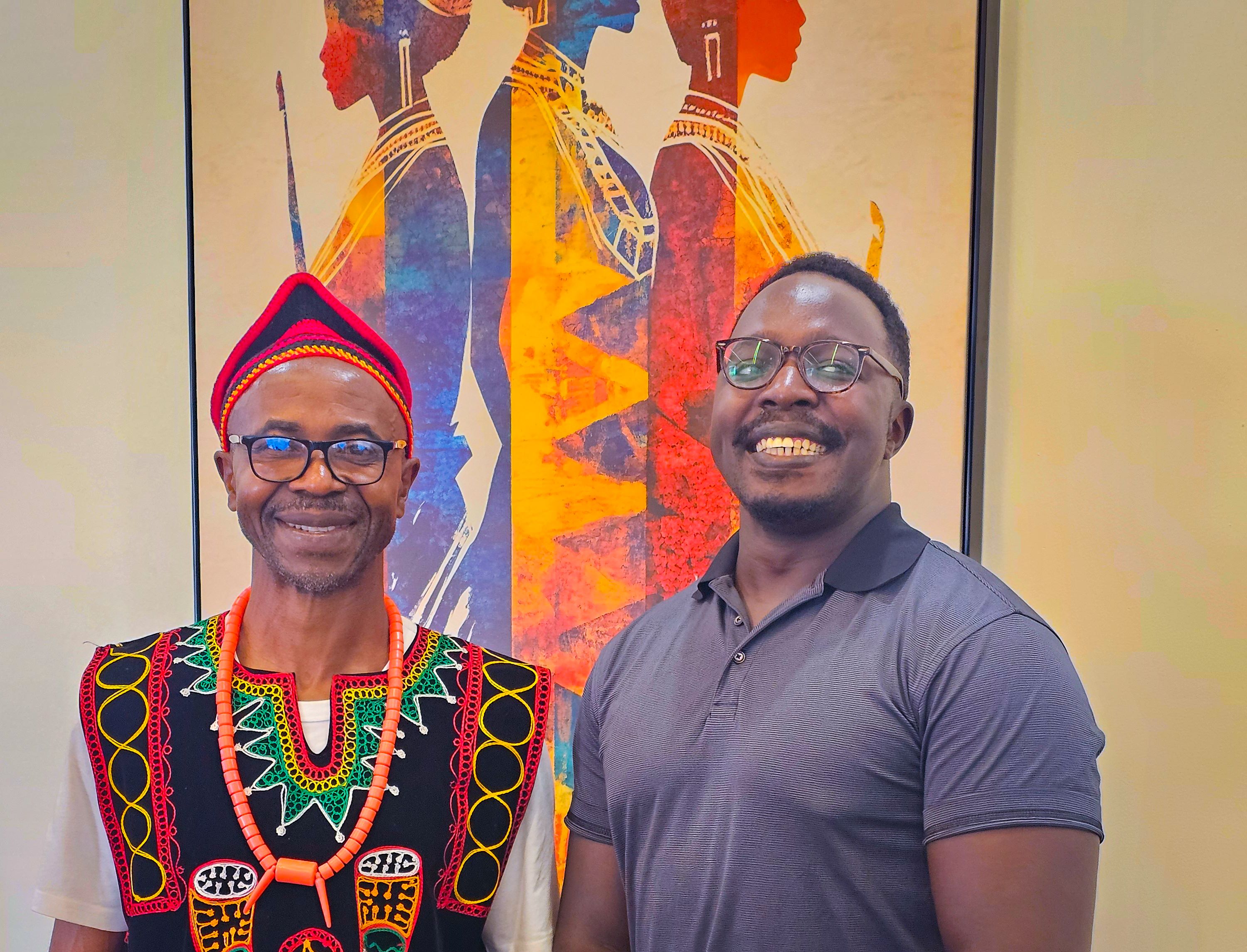
The sustainability of community-driven health innovations and stronger partnerships with governments emerged as important priorities during a Nairobi workshop on scaling non-communicable disease (NCD) innovations in humanitarian settings, which brought together researchers, community innovators, humanitarian organisations and health advocates. Ogweno Stephen, a Kenyan public health researcher and health advocate, participated in the discussions, contributing to conversations on how locally developed solutions can move beyond pilot projects towards sustainable implementation.
Held on 21 October 2026 at Ulwazi Place by Trianum in Nairobi, the event, titled Catalysing Scale for NCD Innovations in Humanitarian Crises, was convened by Elrha. It focused on the challenges of addressing NCDs in humanitarian contexts and the opportunities for community-driven innovations to reach more people through stronger evidence, partnerships and sustainable approaches to scale.
The discussions recognised that people living in humanitarian settings face particular challenges in accessing continuous care for conditions such as diabetes, cardiovascular diseases and other chronic illnesses. Displacement, disrupted health services, limited resources and fragile healthcare infrastructure can make it difficult for affected populations to receive the long-term care that NCDs require.
From Community Innovation to Sustainable Scale
A central part of the workshop focused on lessons from Elrha’s Community-Led Innovation Partnerships (CLIP) programme, delivered in partnership with Start Network, ADRN and other partners. The programme provided a foundation for examining how community-led solutions can respond to health challenges in humanitarian settings and what is required to take promising innovations further.
Four community innovators presented their solutions, ambitions and emerging plans for scale:
- Dr Salwa Musa, Sudan Childhood Diabetes Association, Sudan.
- Takwe Boniface, Cameroon Baptist Convention Health Services, Cameroon.
- Dr Albert Kahlezo, Kivu Diabetes Center, Democratic Republic of the Congo.
- Dr Lela Alemeyahu, HelpAge International, Ethiopia.
Their presentations demonstrated the range of community-driven approaches being developed to address NCD-related challenges in different humanitarian contexts.
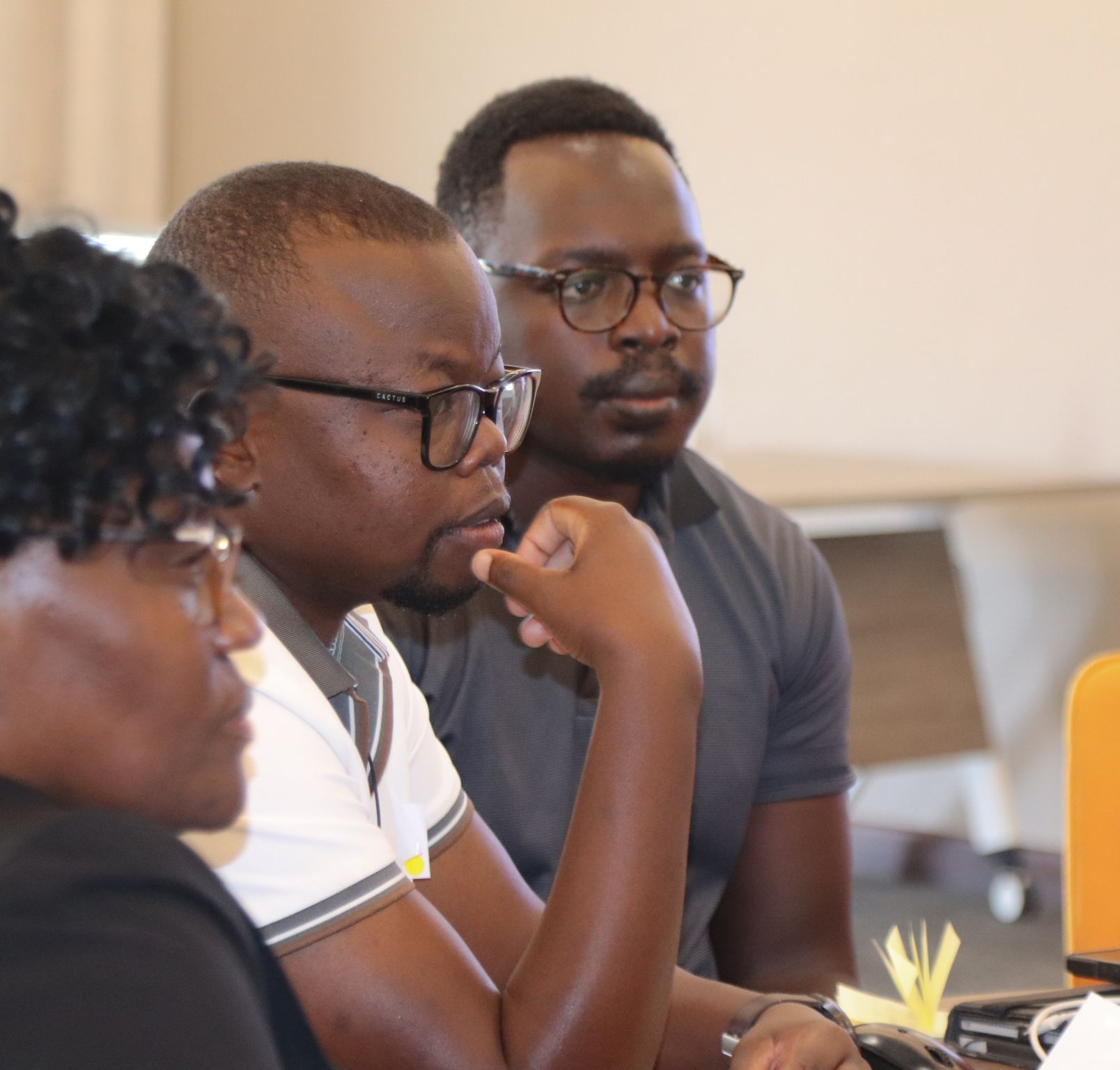
Participants subsequently took part in an interactive World Café session, where they examined the innovators’ proposed pathways to scale and evidence-generation plans. The discussions provided an opportunity to identify strengths, address gaps and offer practical feedback on how the initiatives could strengthen their approaches.
Why Government Partnerships Matter
One of the important reflections from the workshop was that developing a promising innovation is only the beginning. Ensuring that an intervention remains operational, reaches the intended populations and delivers benefits over time requires deliberate attention to sustainability.
Partnerships with national and local governments were highlighted as particularly important in this process. Government engagement can help connect community innovations to existing health systems, public health priorities, service delivery structures and domestic financing mechanisms. It can also create opportunities for successful approaches to be incorporated into longer-term health programmes rather than remaining dependent on short-term project funding.
For community innovators working in humanitarian settings, this means considering sustainability and government engagement from the early stages of project development, rather than treating them as considerations that only arise when a project is ready to scale.
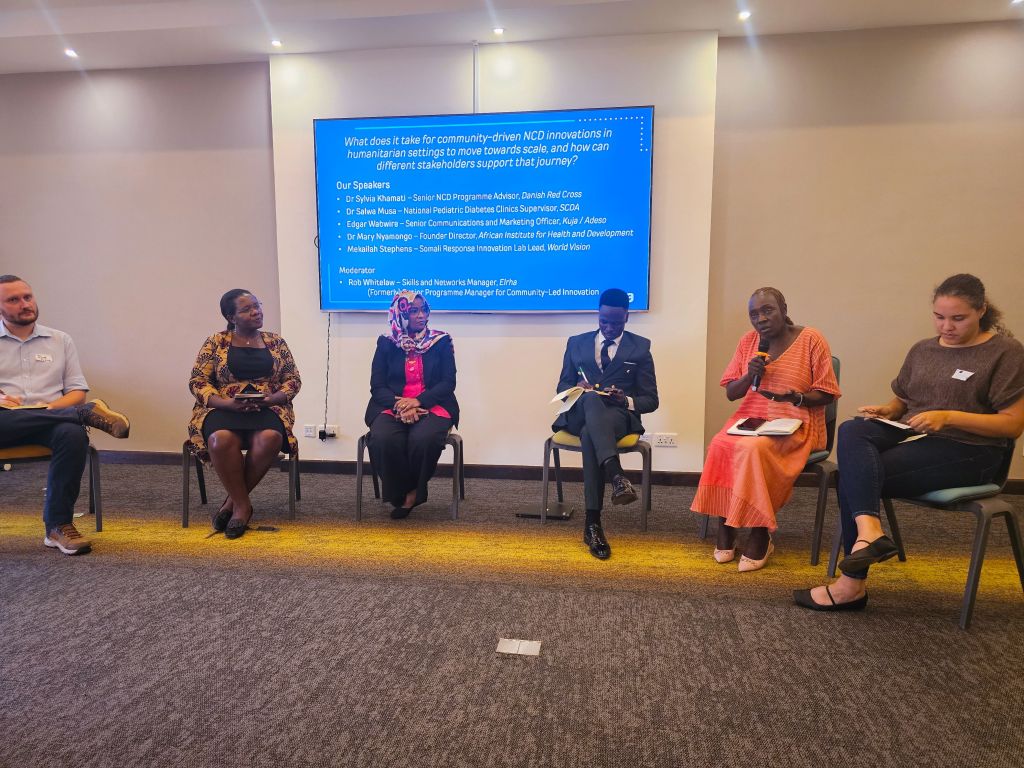
The workshop’s panel discussion, From Local Innovation to Sustainable Scale, further explored the roles of humanitarian organisations, financing actors, researchers and advocates in supporting this transition.
The panel brought together Dr Sylvia Khemati, Senior Regional Health Advisor for NCDs at the Red Cross; Dr Mary Amuyunzu-Nyamongo, Founder and Director of the African Institute for Health and Development and Co-chair of the NCDI Poverty Network; Edgar Wabwire of the Kuja Platform, powered by Adeso; and Dr Salwa Musa of the Sudan Childhood Diabetes Association.
Strengthening the Future of NCD Responses in Humanitarian Settings
Stephen’s participation reflects his broader engagement in NCD prevention, health systems strengthening, community-led public health approaches and policy advocacy across Africa.
His work through Stowelink Foundation and other public health initiatives has focused on strengthening the connection between communities, health systems and decision-makers. These discussions are particularly relevant in the context of Africa, where humanitarian emergencies, health inequalities and the growing burden of NCDs increasingly intersect.
The Nairobi workshop reinforced the importance of moving beyond isolated innovation projects towards approaches that are embedded in local realities, supported by credible evidence and connected to institutions capable of sustaining them.
For NCD innovations to achieve meaningful scale in humanitarian settings, community leadership must be matched with strong institutional partnerships, realistic financing strategies and a clear pathway for integration into health systems.
As humanitarian needs continue to evolve, ensuring that people living with chronic conditions are not left behind will require sustained collaboration between governments, humanitarian actors, researchers, community organisations and advocates.

Leave a Reply