
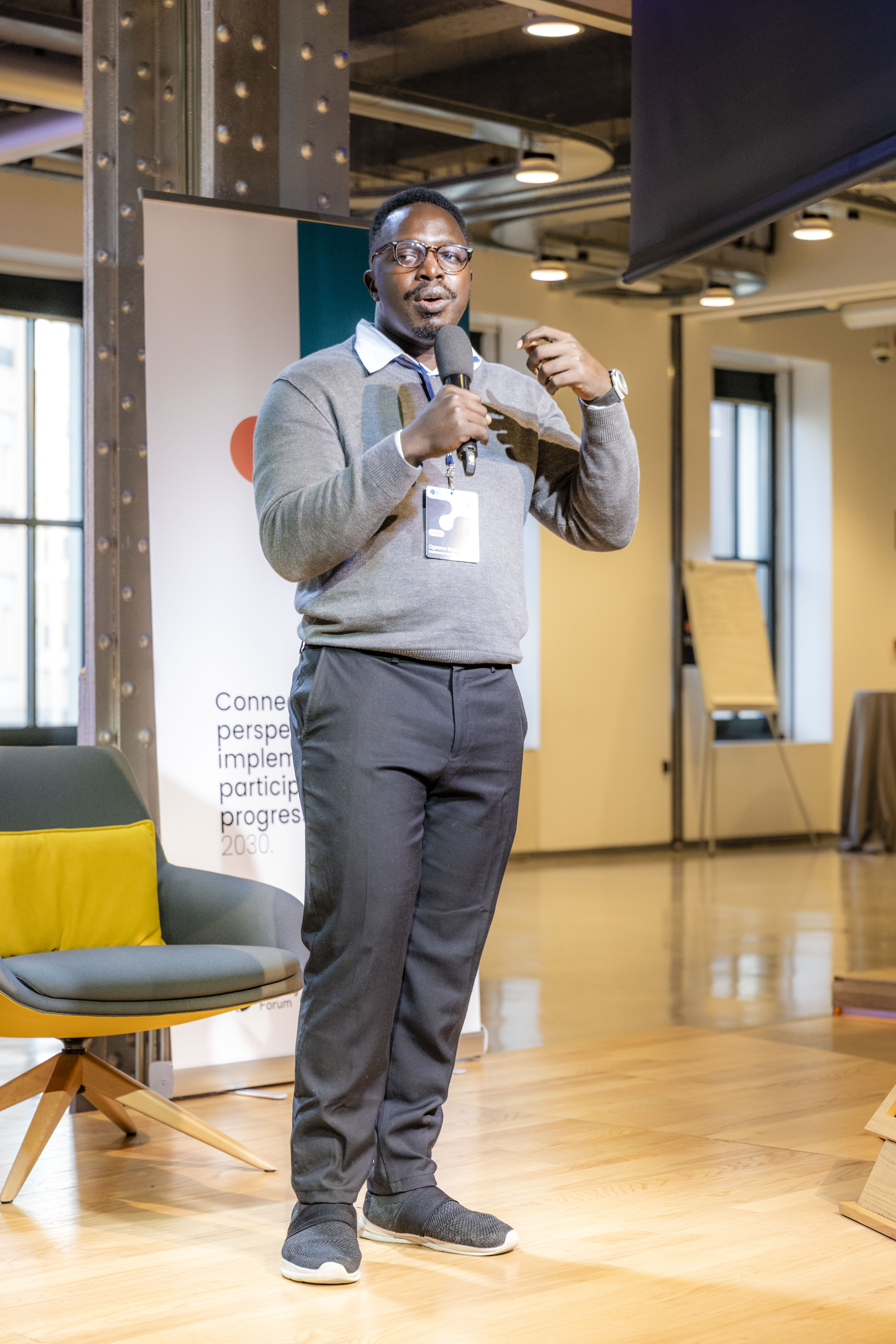
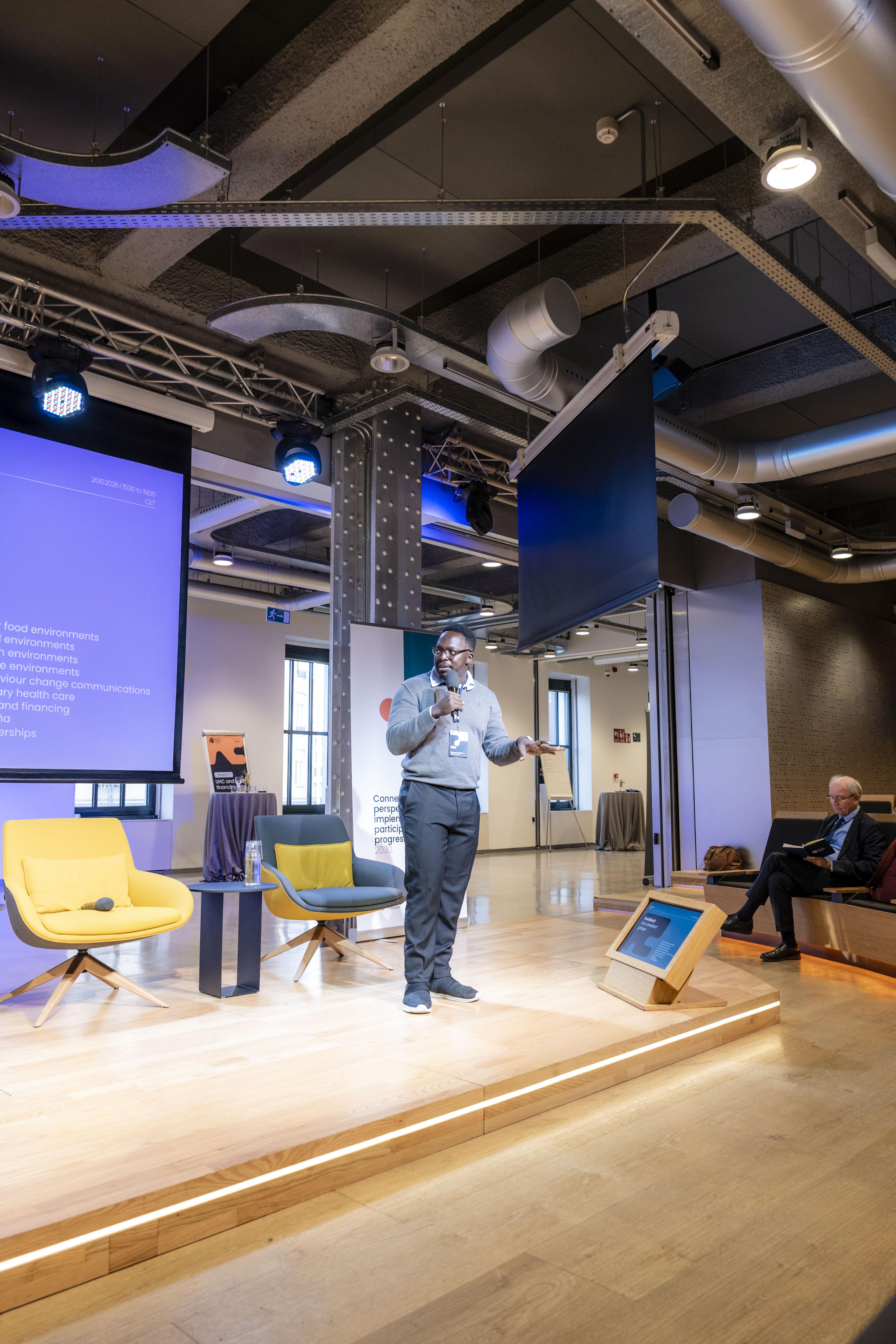
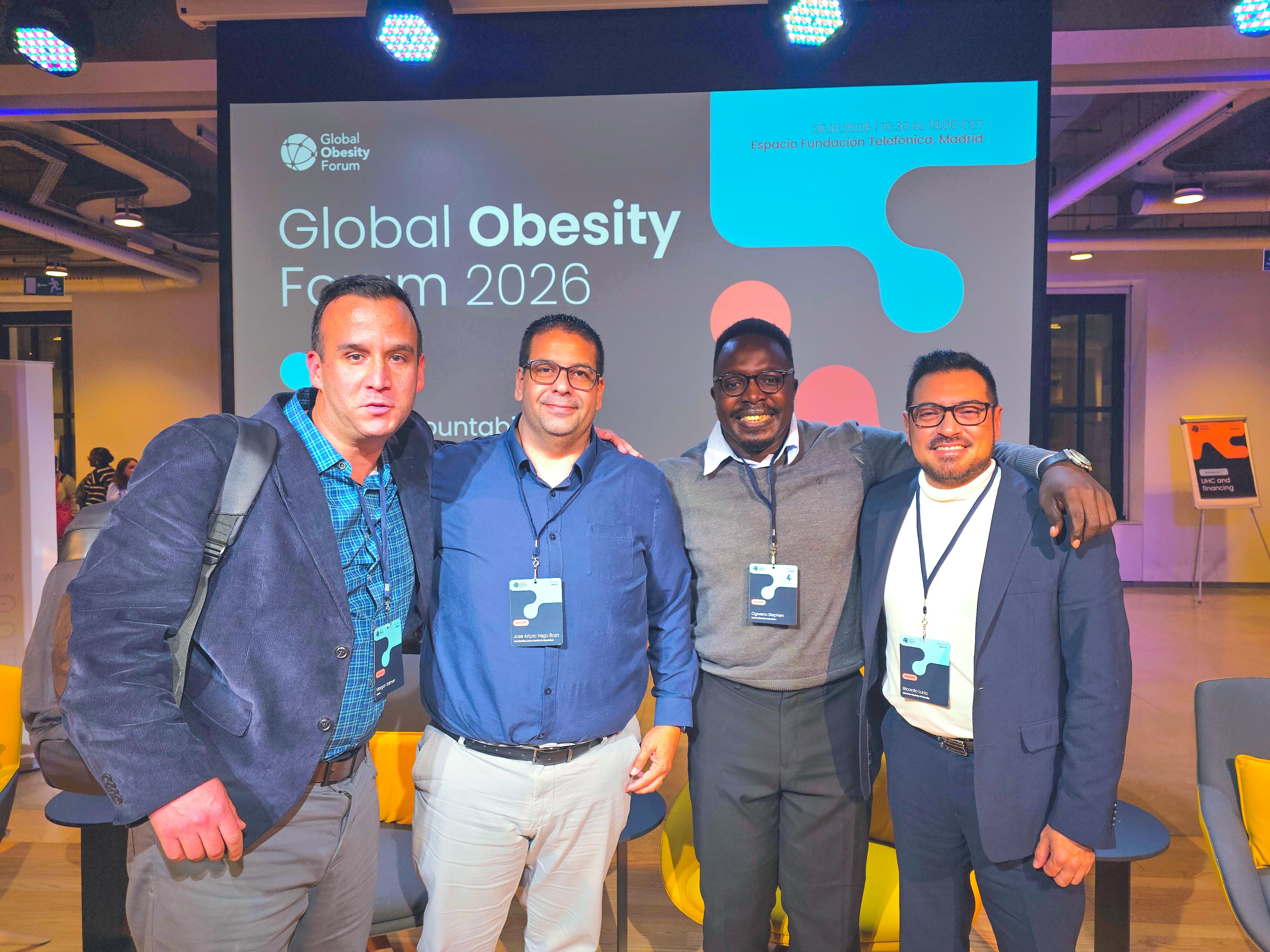
Ogweno Stephen participated in the Global Obesity Forum in Madrid, Spain, as part of the World Obesity Federation delegation, contributing to international discussions on creating healthier environments and strengthening action on obesity prevention. He served as rapporteur for a breakout session on Active Environments, facilitated by the World Health Organization (WHO), and presented the group’s key findings and recommendations during the forum.
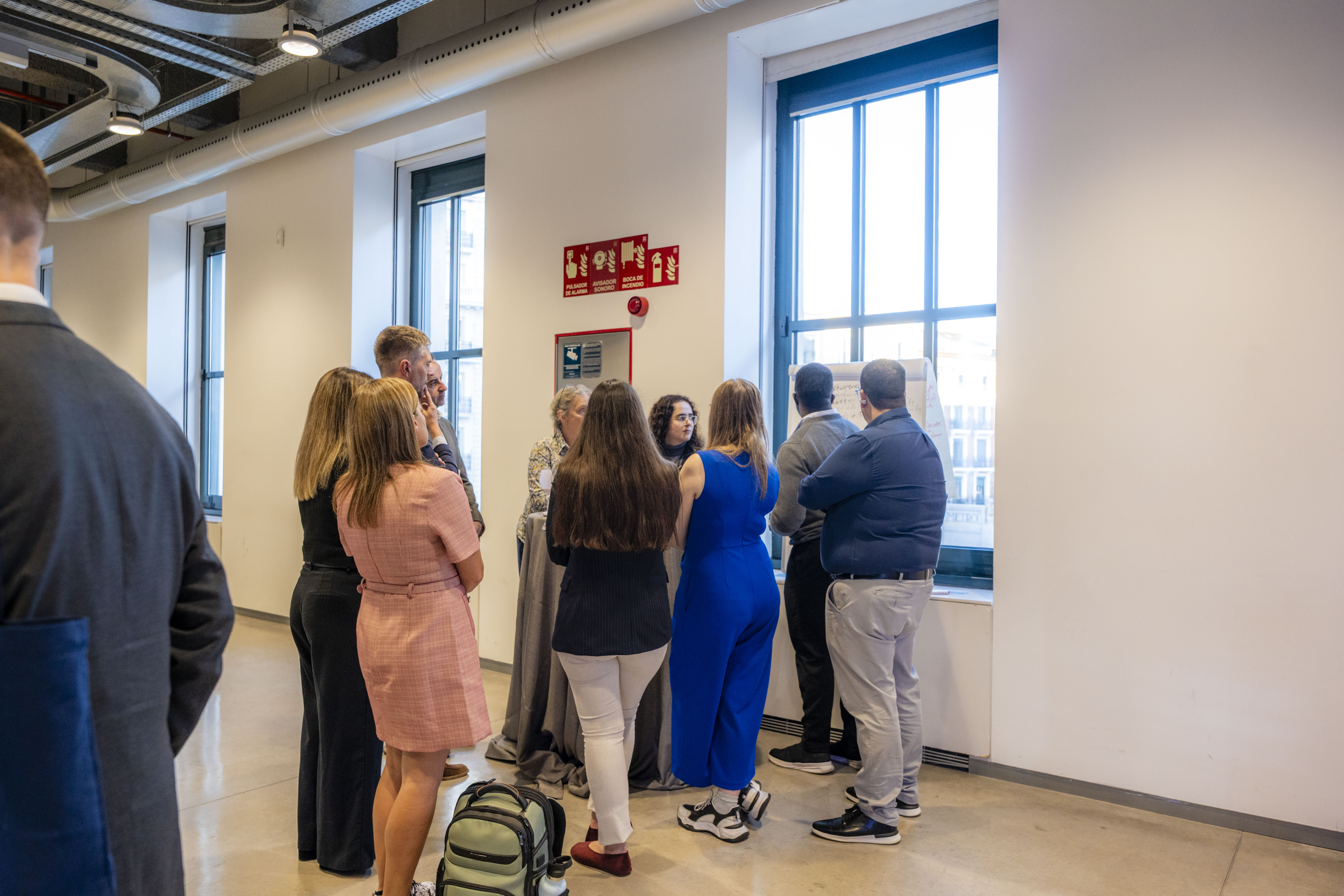
The session, held on 26 October 2026, brought together participants from civil society, academia and health organisations, including representatives from Costa Rica, Spain and Brazil. It was facilitated by Fiona Bull, who leads the WHO’s physical activity work at its headquarters in Geneva, with Stephen documenting and reporting the discussions on behalf of the World Obesity Federation.
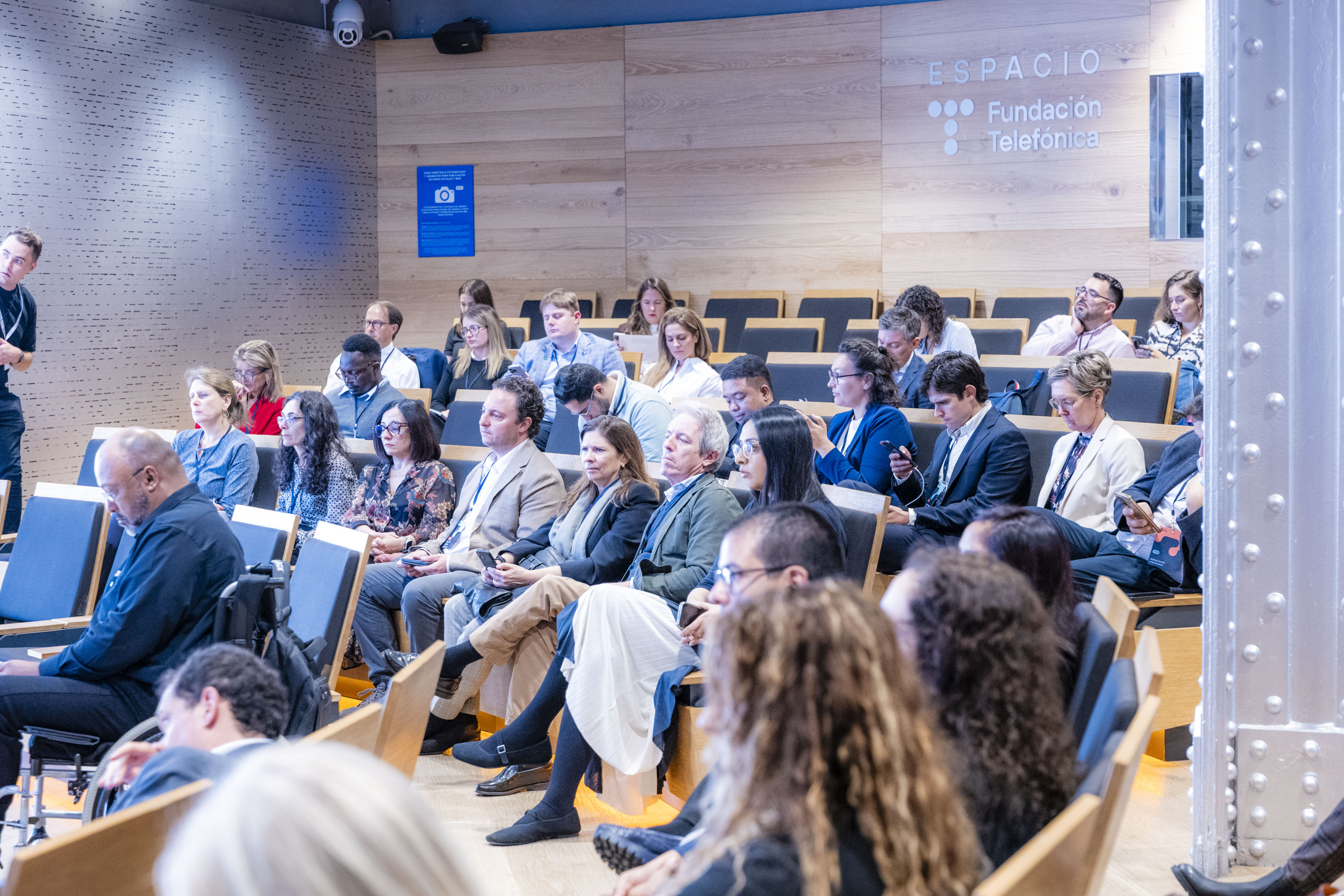
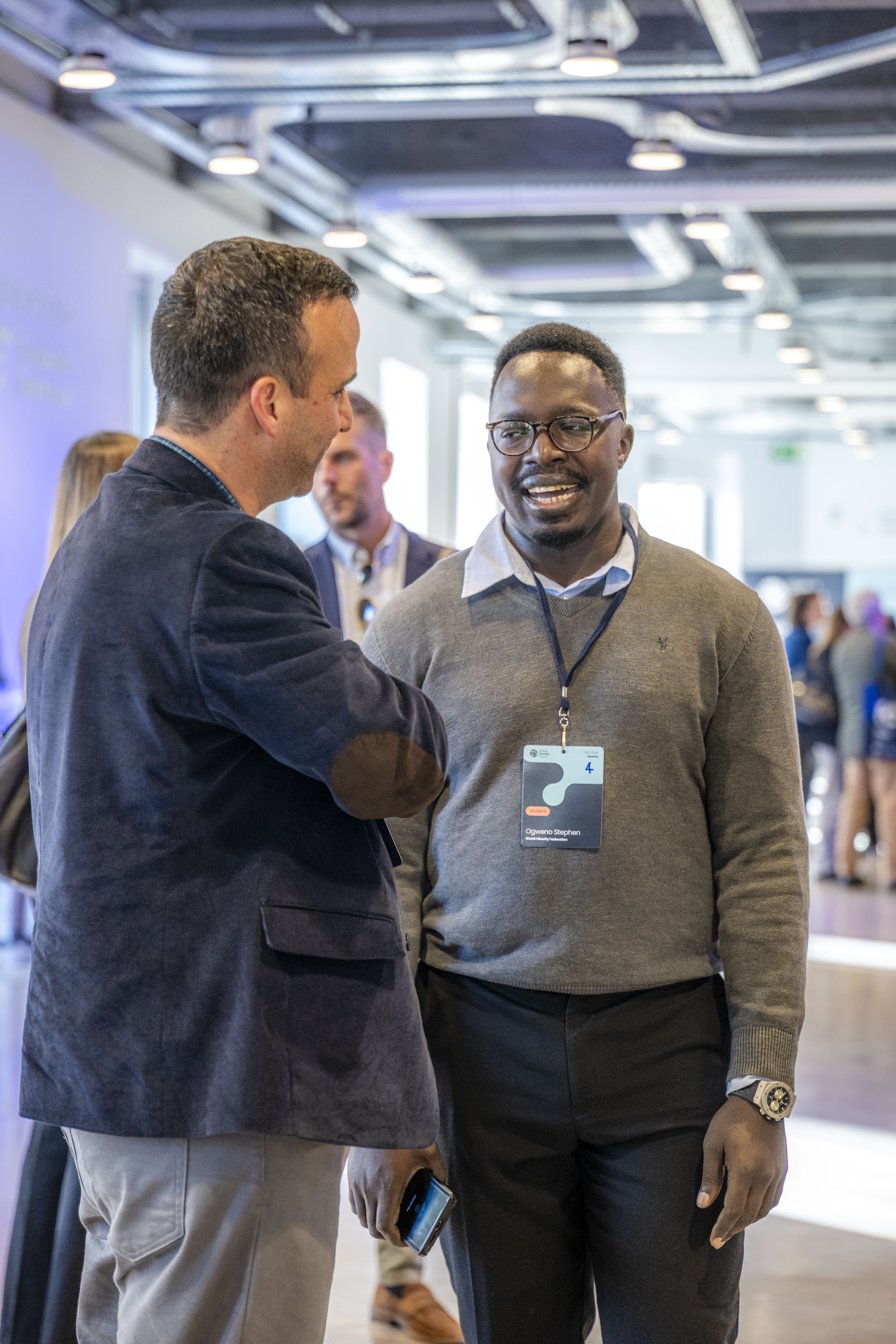
The discussions focused on how urban planning, transport systems, public spaces and community environments influence opportunities for physical activity and, ultimately, population health.
Rethinking the Built Environment as an Obesity Prevention Priority
The Group 4 session, titled Active Environments, explored the relationship between the built environment and physical activity, recognising that opportunities to be physically active are shaped not only by individual choices but also by the places where people live, work, study and interact.
Participants examined four interconnected areas: urban design and active transport, access to public green spaces for recreation and sport, physical inactivity among children and adolescents, and inequalities in access to opportunities for physical activity.
The facilitator structured the discussion around three central questions:
- Who are the key actors responsible for shaping the built environment for physical activity?
- What should these actors be responsible for, and to whom should they be accountable?
- What are the main barriers to progress, and what solutions can help overcome them?
These questions encouraged participants to look beyond individual behaviour and consider the wider systems, institutions and commercial interests that influence how communities are designed.
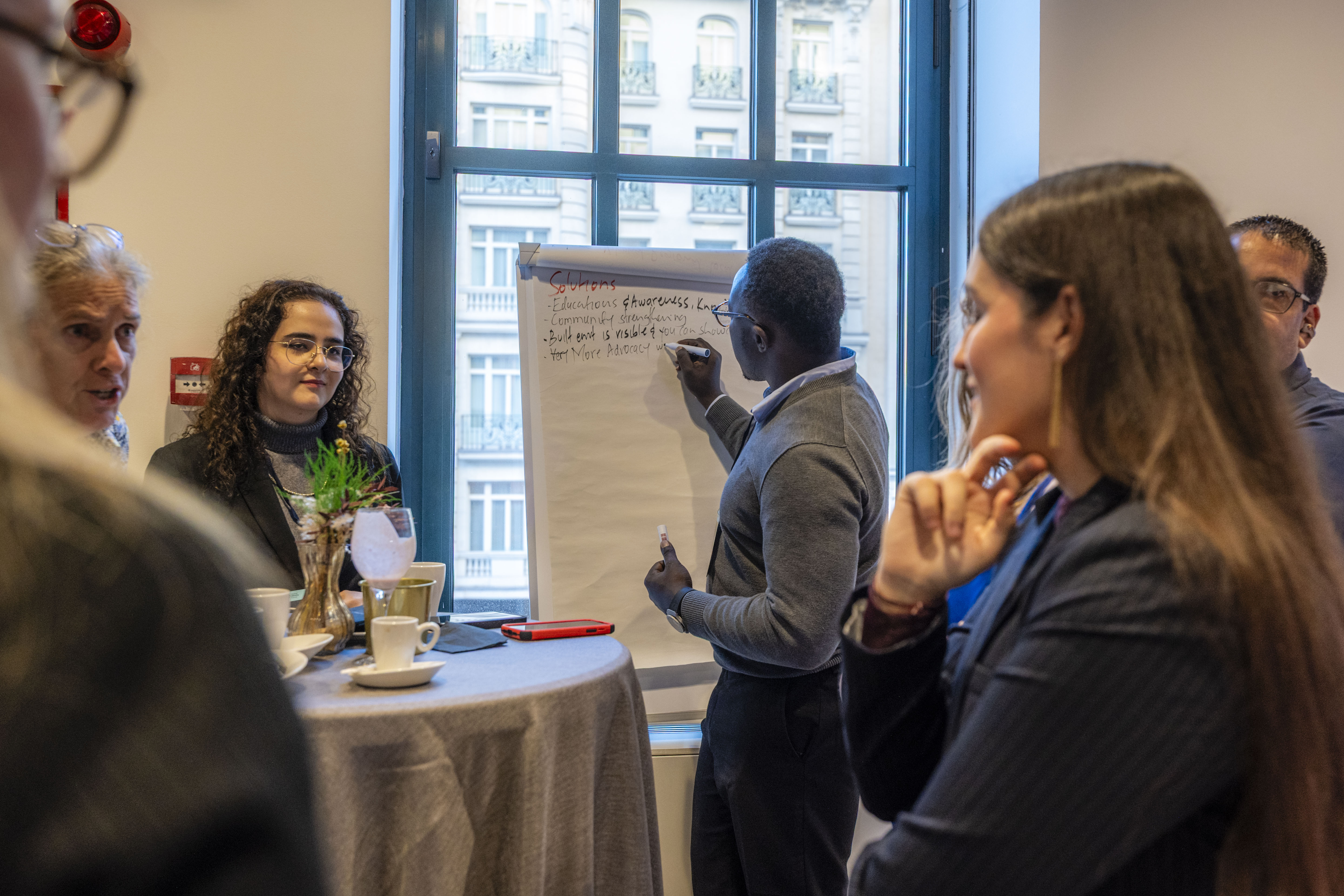
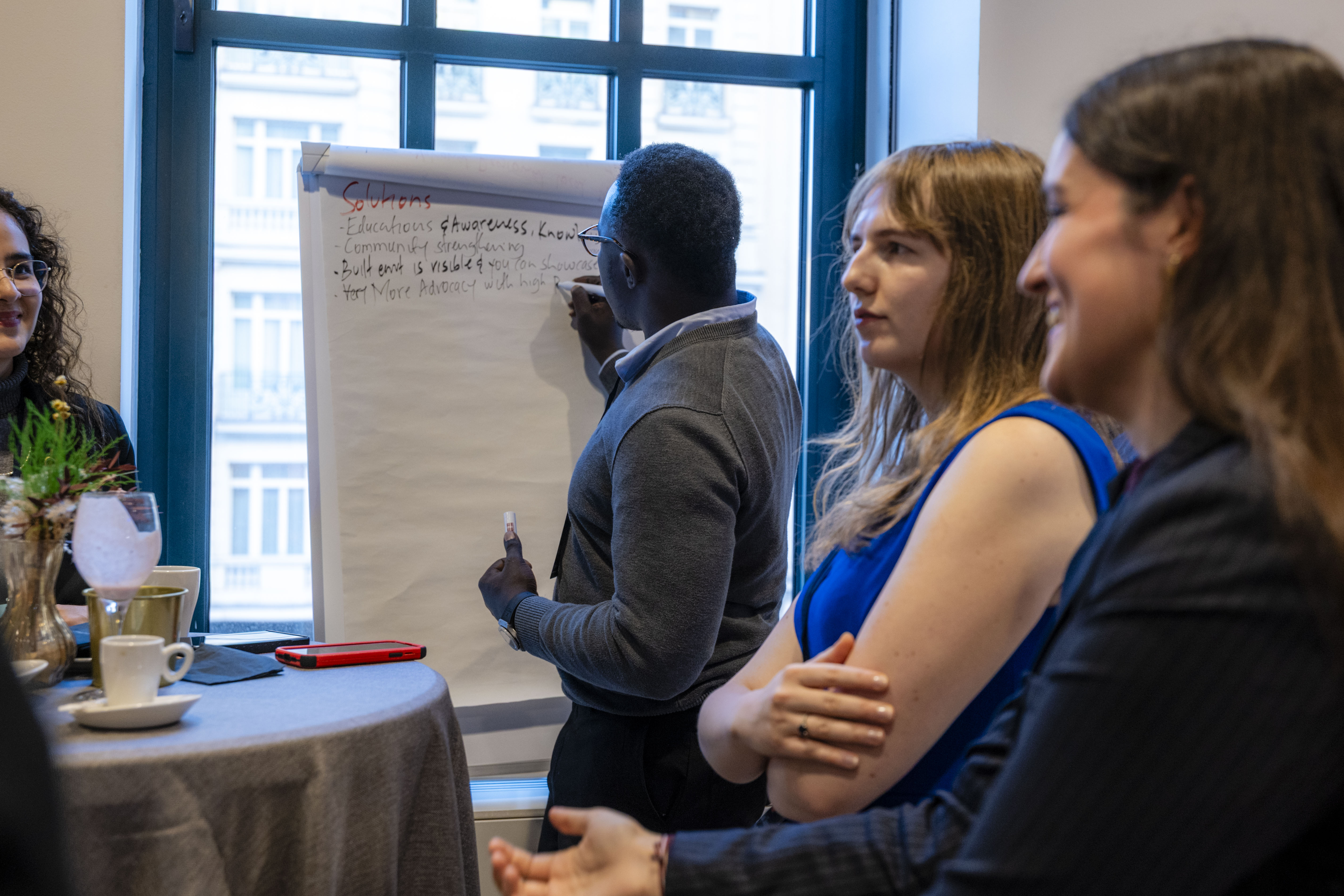
Key Findings from the Active Environments Discussion
One of the strongest messages emerging from the session was that creating active environments requires coordinated action across multiple sectors.
1. Building a system of shared responsibility
Participants highlighted that no single institution or actor can independently create environments that support physical activity. Governments establish policies, regulations and planning frameworks, while the private sector influences how land is developed, how transport systems operate and how commercial spaces are designed. Communities, meanwhile, are both users of these environments and important stakeholders in determining what works.
The group emphasised the need for systems thinking, with responsibilities distributed across different actors rather than placing the entire burden of progress on political leadership.
2. Addressing competing interests in urban development
Land use emerged as one of the central challenges. Urban spaces must accommodate housing, commercial development, transport infrastructure, public parks and recreational facilities, often within limited geographical areas.
Participants observed that these competing demands create difficult trade-offs. Progress requires finding a balance between development priorities and the need to protect and expand spaces that enable people to walk, cycle, play and engage in physical activity.
3. Understanding commercial and community barriers
The discussion also examined how both commercial interests and established community habits can slow progress.
Participants cited opposition from fuel and automotive interests to policies associated with 15-minute cities, alongside public resistance to changes that reduce car access or parking availability.
These examples demonstrated that creating active environments is not simply a technical exercise in urban planning. It also requires understanding the economic interests, public perceptions and behavioural patterns that influence how people respond to changes in their surroundings.
4. Using visible public spaces as an advocacy opportunity
An important observation was that the built environment offers a practical advantage for public health advocacy: its impact can be seen and experienced.
Pedestrianised streets, accessible parks and well-designed public recreational spaces provide visible examples of how urban planning can support healthier communities. Such interventions can also create opportunities for public engagement and demonstrate the benefits of healthier urban design to political leaders and decision-makers.
5. Making better use of existing evidence
Participants noted that evidence on the benefits of active environments already exists, but is not always sufficiently accessible or widely communicated.
Data on pedestrian footfall, commercial activity and health outcomes from successful urban interventions could provide stronger arguments for investment and policy change. The group highlighted the importance of sharing this evidence more widely to demonstrate that healthier urban environments can deliver benefits beyond physical activity alone.
Presenting the Findings and Strengthening Global Obesity Action
As rapporteur, Stephen was responsible for capturing the group’s discussions and consolidating its findings into key messages for the wider forum. He subsequently presented the feedback from the Active Environments breakout session, bringing the group’s perspectives into the broader conversation on accelerating global action on obesity.
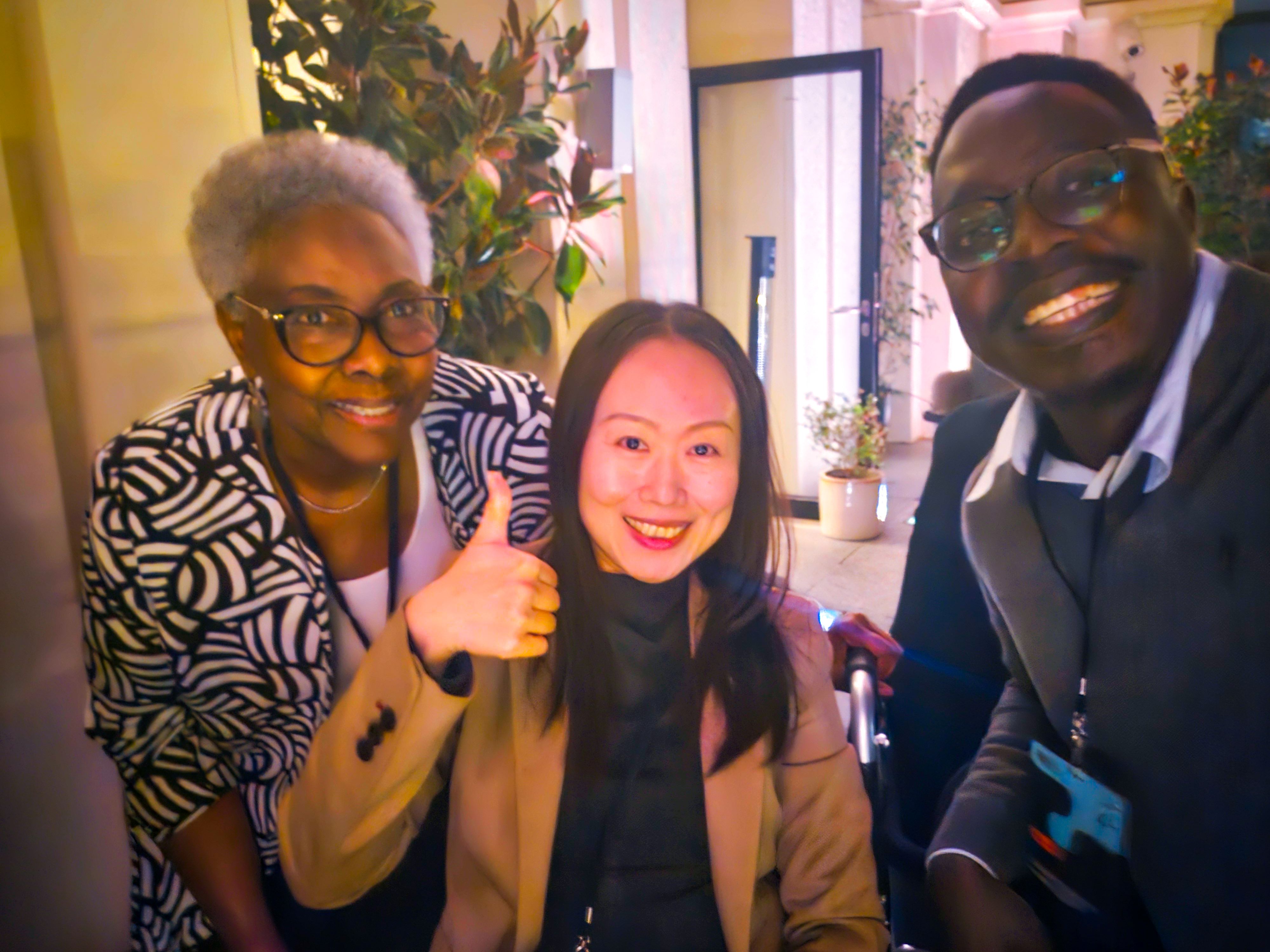
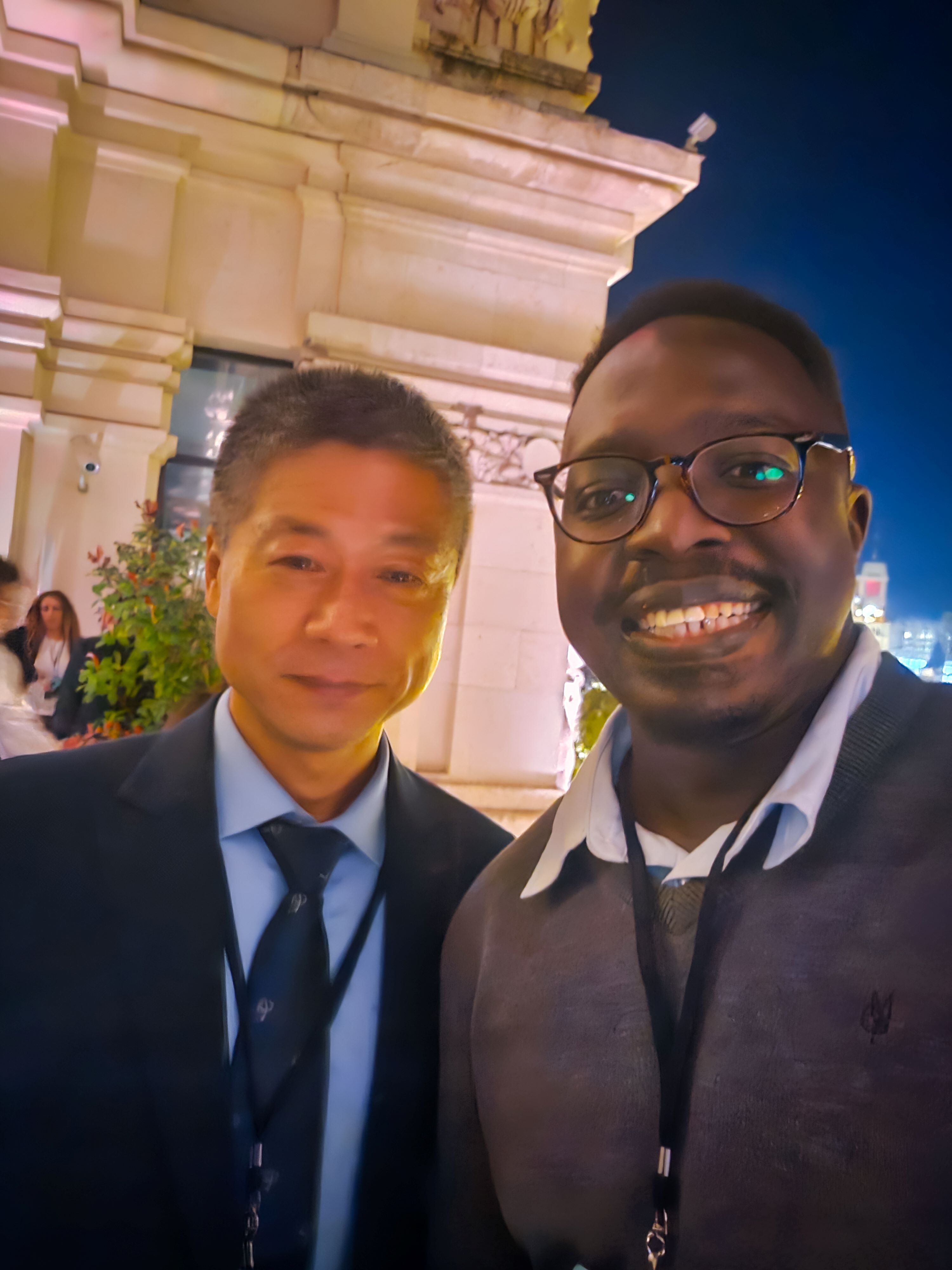
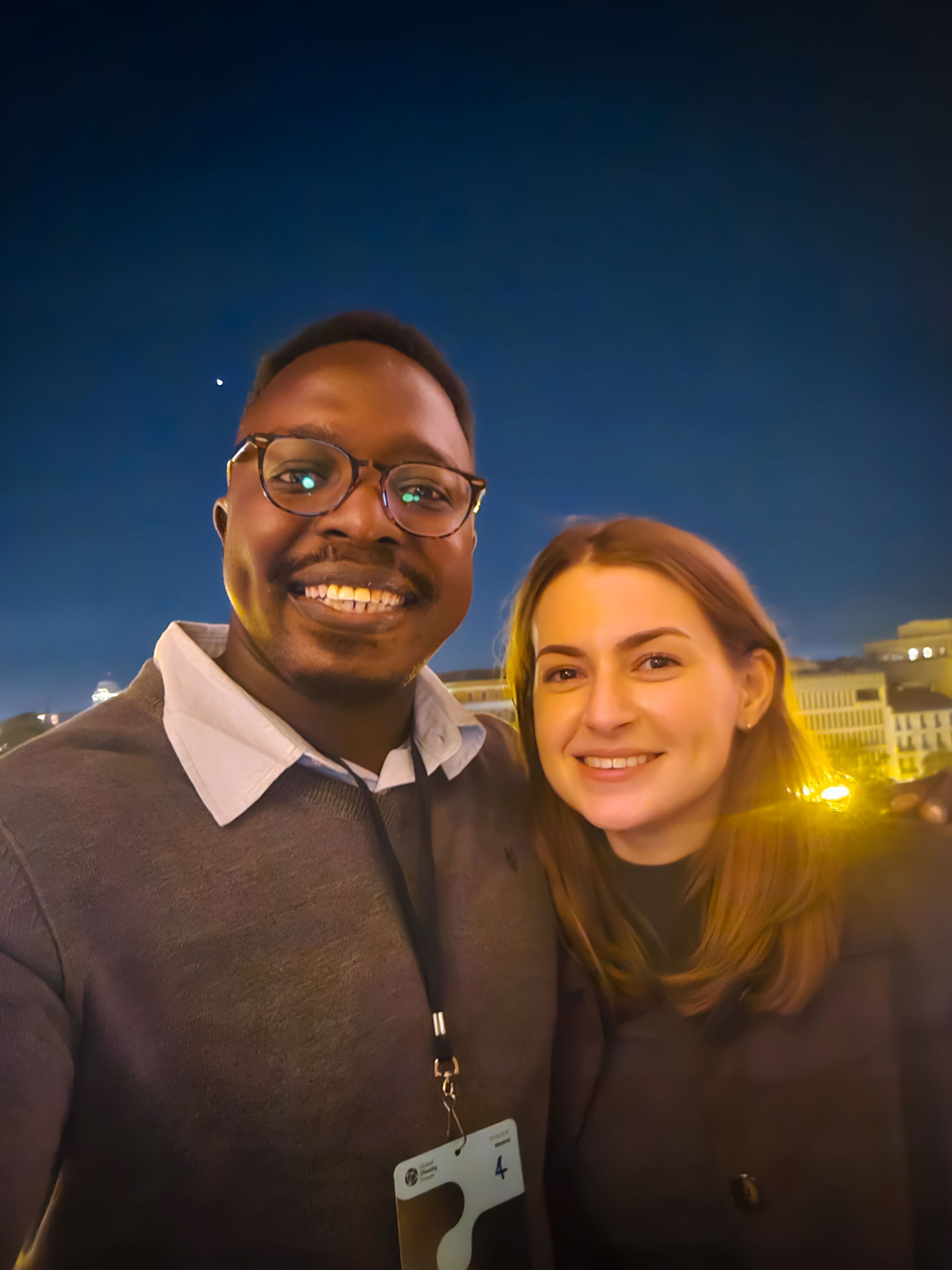
His participation formed part of the World Obesity Federation’s engagement in the Madrid forum, which brought together international stakeholders to consider how countries can translate commitments on obesity prevention and care into sustained action.
The forum took place against the backdrop of the WHO Acceleration Plan to Stop Obesity and preparations for the Global Obesity Summit convened by the Government of Spain, WHO, UNICEF and the World Bank in October 2026. The wider process aimed to assess progress across countries and identify opportunities to accelerate implementation towards 2030.
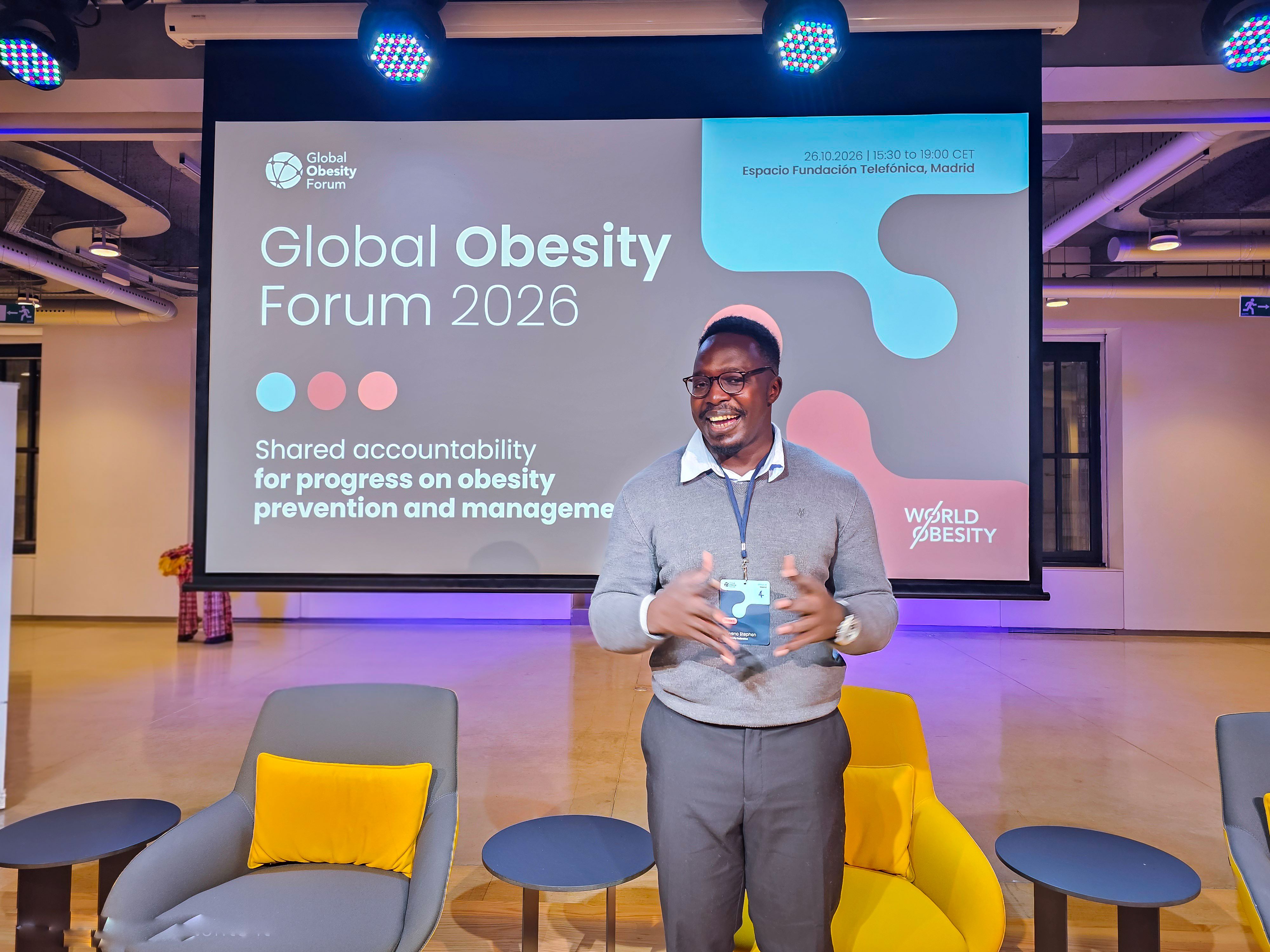
Connecting Active Environments to the Wider Obesity Agenda
The discussions in Madrid reinforced an important principle in contemporary obesity prevention: healthier populations require healthier environments.
Access to safe walking and cycling infrastructure, green spaces, recreational facilities and opportunities for children to engage in physical activity is influenced by decisions made across health, transport, housing, urban planning and local government.
For African countries experiencing rapid urbanisation, these issues are particularly relevant. Urban development decisions made today will influence patterns of physical activity, transport, recreation and health for generations. Integrating health considerations into planning and infrastructure development is therefore an important part of long-term NCD and obesity prevention.
Stephen’s contribution to the Global Obesity Forum reflects his broader work in obesity advocacy, NCD prevention and health policy, including his engagement with the World Obesity Federation. It also reinforces the importance of bringing public health perspectives into sectors that traditionally operate outside the health system.
The central lesson from the Active Environments discussion was clear: creating healthier places requires more than encouraging individuals to become physically active. It requires coordinated action, accountable institutions, supportive policies, meaningful community participation and evidence that can make the case for change.

Leave a Reply