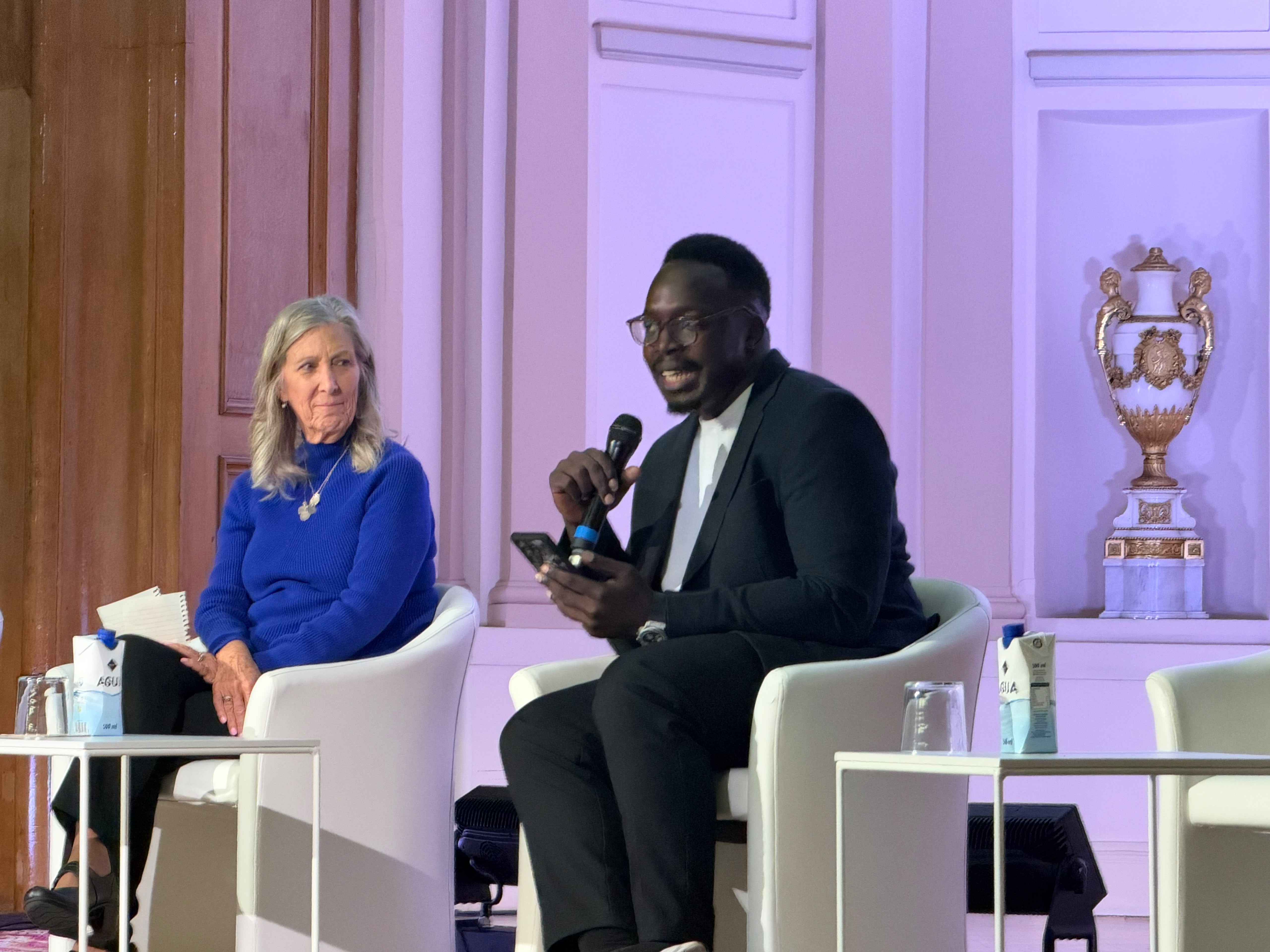
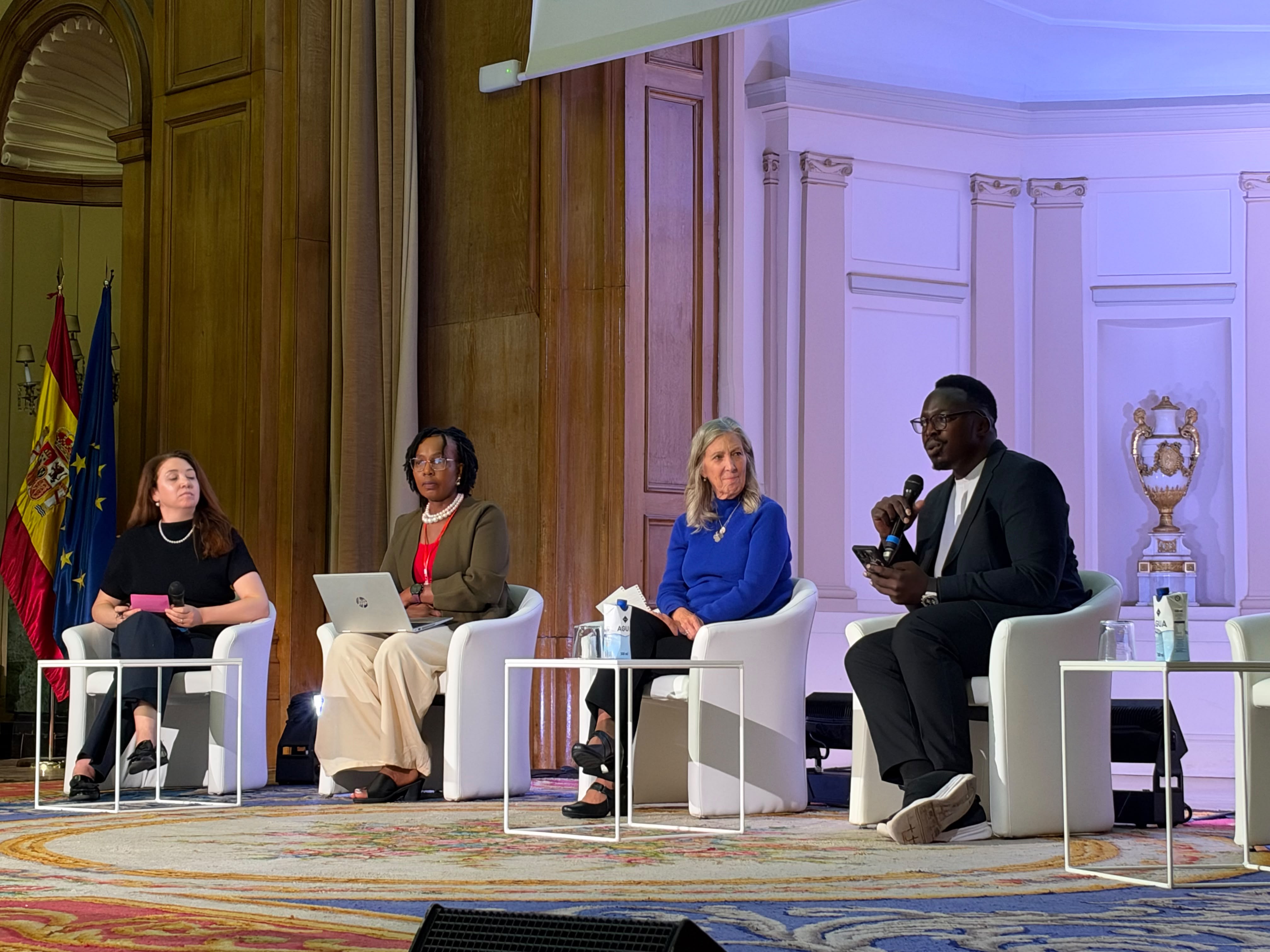
Ogweno Stephen was among the experts invited by the World Health Organization (WHO) to participate in the 2026 Global Obesity Summit in Madrid, Spain, where he served as a co-facilitator and rapporteur for a working group examining how stakeholder engagement and strategic communication can accelerate global action on obesity.
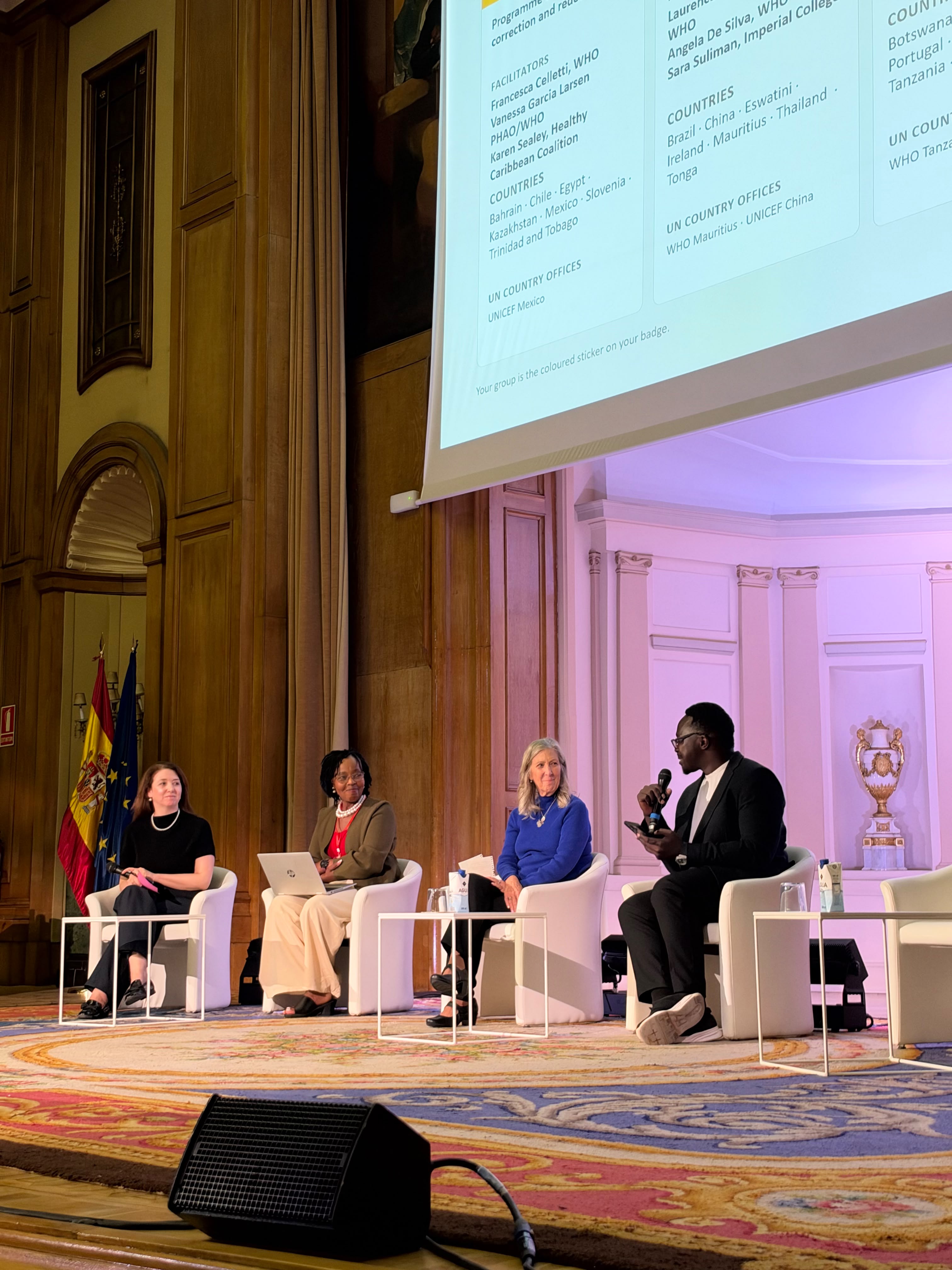
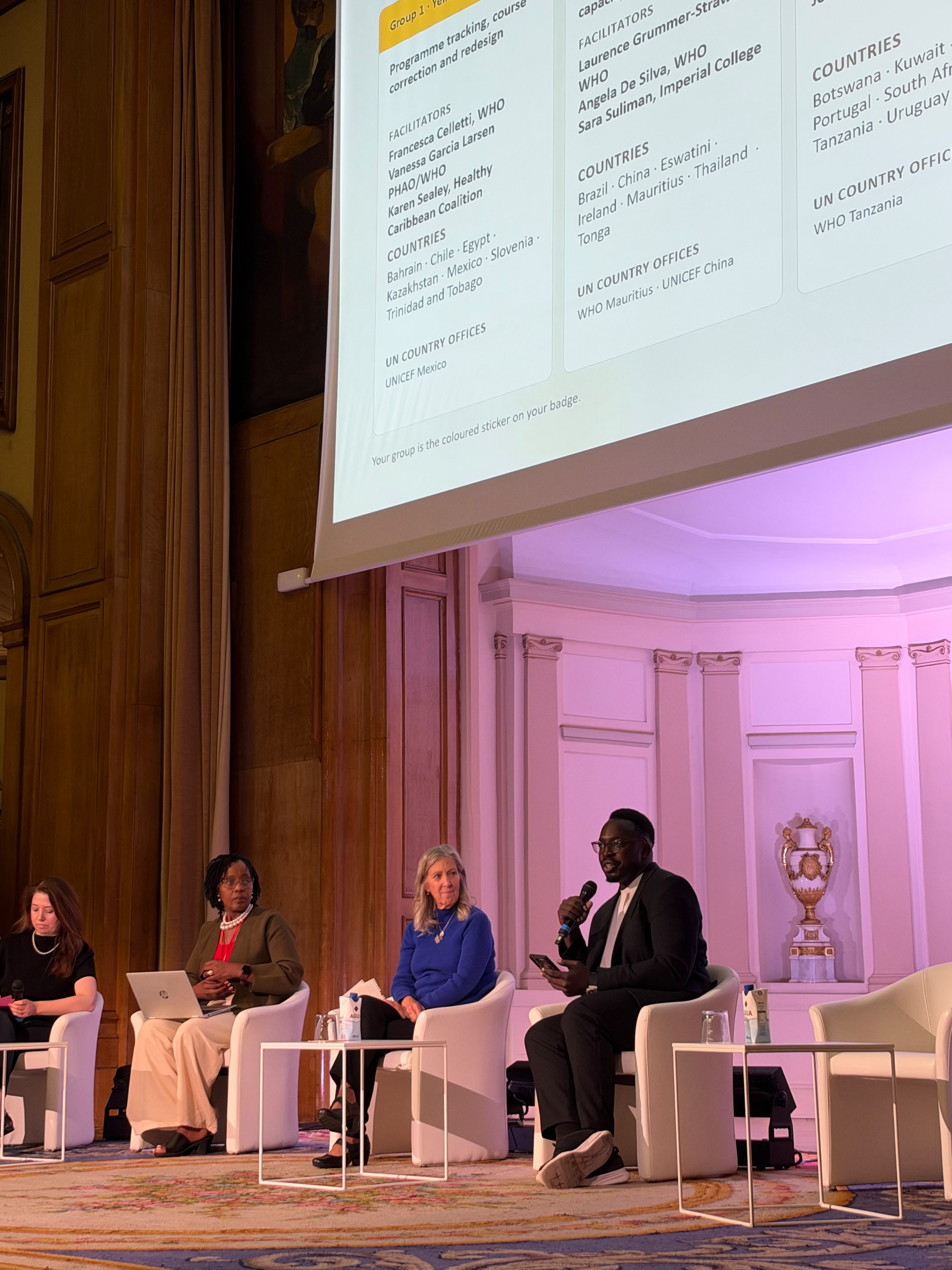
Representing Stowelink Foundation, Stephen joined Cecilia De Bustos of UNICEF as co-facilitator of Group 4 during Working Session 3, held on 27 October 2026. The session brought together representatives from governments, international organisations, civil society, youth networks, lived-experience organisations and academia to identify practical ways of strengthening collaboration and accelerating the implementation of the WHO Acceleration Plan to Stop Obesity.
The discussions formed part of the Summit’s broader effort to assess progress, address barriers to implementation and build renewed political and multisectoral commitment to tackling obesity by 2030.
Turning stakeholder engagement into meaningful collaboration
Group 4 focused on the theme of stakeholder engagement and strategic communication. Facilitated by Katrin Engelhardt of WHO, the working group considered how governments, civil society, academia and other partners could work together to accelerate the uptake and scale of the ACT framework.
The discussion built on barriers identified by countries during the Summit’s first day. These included competing interests within government, conflicts of interest, industry opposition to public health policies, frequent changes in government personnel, limited financing and data, weak public understanding of healthy diets, and misinformation spread through social media and influential public figures.
Participants also highlighted a persistent challenge in public health policy: health ministries do not always communicate in ways that other sectors understand. Making progress on obesity requires engagement beyond health departments, including finance, trade, agriculture, education and urban planning.
Through three subgroup discussions and a collective report-back, participants identified practical enablers for overcoming these barriers.
Seven priorities for stronger stakeholder engagement
The group identified seven interconnected areas for action.
- Joint planning from the beginning
Stakeholder engagement should start at the beginning of policy development, rather than being introduced after decisions have already been made. Participants called for sustained and institutionalised engagement, with stakeholders working towards a shared plan and clearly identifying their respective contributions to the 5% target.
- Communication tailored to different audiences
Public health messages need to be adapted to the priorities and language of different audiences. For example, engagement with finance ministries should demonstrate the economic case for action through costs, savings, lives saved and illness averted.
Participants also emphasised the importance of reaching children and young people through age-appropriate communication, involving them in the design of messages, and using multimedia approaches such as video, images, music, social media and in-person engagement. Early collaboration with the media was also identified as important.
- Civil society as a properly resourced partner
Civil society organisations should be recognised as substantive partners in national obesity responses, with clearly defined responsibilities and sustainable financing arrangements.
Participants highlighted the contribution of patient organisations, community networks, volunteers and people with lived experience. Civil society can help maintain programme continuity when government priorities or personnel change, strengthen public participation and build political support from the community level upwards.
However, the group cautioned against relying on unpaid youth participation and volunteer networks without adequate recognition and resources.
- Managing industry engagement and conflicts of interest
Participants discussed the need for transparent and carefully managed engagement with commercial actors. They noted that the language of partnership should be used thoughtfully and that transparency measures can help strengthen public confidence.
Civil society can also support governments in monitoring industry conduct and responding to attempts to undermine public health policies. The importance of active government representation in international policy spaces, including Codex, was also raised.
- Building champions and countering misinformation
People living with obesity, young people, athletes, chefs and other credible public figures can help communicate accurate information and challenge harmful narratives.
Participants also discussed the value of high-level, politically neutral champions who can sustain public commitments across changes in government and help mobilise resources for obesity prevention and care.
- Strengthening accountability and financing
Effective stakeholder engagement requires more than good intentions. Participants called for clear legal and policy frameworks, defined responsibilities, action plans and regular feedback on progress.
Dedicated budgets for engagement were considered essential, alongside innovative financing approaches, including outcomes-based financing and the pooling of resources from different funding sources.
- Making better use of technology and strengthening UN coordination
Technology, artificial intelligence, software and social media were identified as important tools for communication, coordination and countering misinformation. Participants observed that public health institutions can be slow to adopt these tools, while actors opposing health policies may already be using them effectively.
The group also called for stronger coordination among UN agencies at country level to reduce fragmentation and support more coherent action.
Keeping collaboration accountable and inclusive
Beyond the seven proposed priorities, the discussions raised important cautions about how stakeholder engagement should work in practice.
Participants warned against placing excessive responsibility on civil society organisations, young people and volunteers without providing the recognition, support and resources needed to sustain their contributions. They also noted that governments should avoid creating bottlenecks by working exclusively with one or two selected organisations at the expense of wider civil society participation.
The group further recognised that the private sector is not a single, uniform actor. Different commercial interests can have different implications for public health, and engagement must account for potential conflicts, including sponsorship arrangements involving sports and other public figures.
These considerations reinforced the need for engagement models that are transparent, representative and grounded in clear safeguards.
From working group discussions to global action on obesity
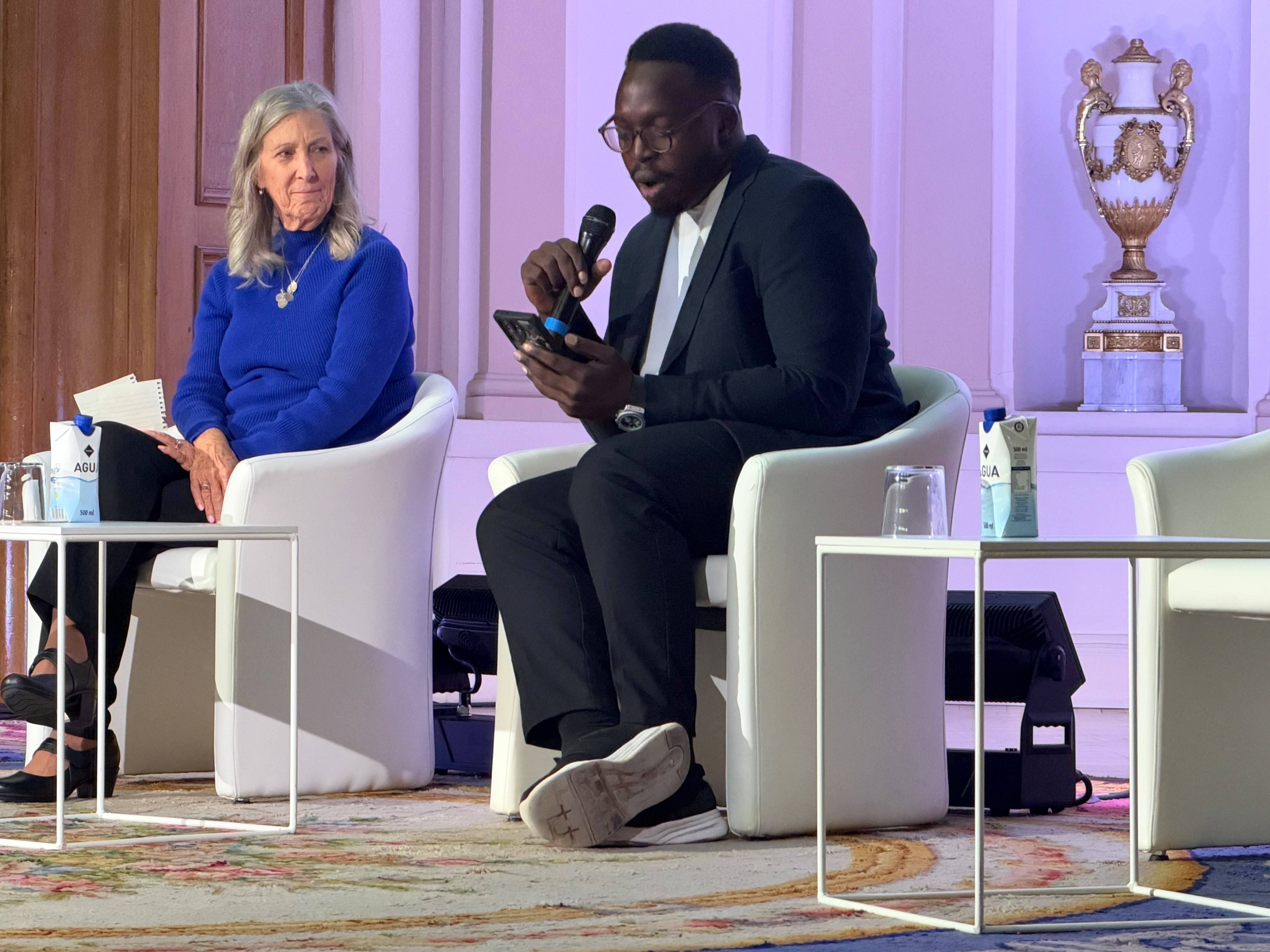
As rapporteur, Ogweno Stephen documented the group’s discussions, recommendations and proposed enablers, helping consolidate its contributions to the Summit’s wider working process. His role as co-facilitator also involved supporting the discussions that brought together perspectives from different sectors and stakeholder groups.
The Summit, held from 26 to 28 October 2026 in Madrid, was co-hosted by the Ministry of Health of Spain, WHO, UNICEF and the World Bank. It brought together governments, international agencies, civil society, young people and people with lived experience of obesity to review progress under the WHO Acceleration Plan to Stop Obesity (2022–2030) and identify priorities for the years ahead.
The meeting concluded with the release of the Global Call for Accelerated Action to Stop Obesity on 28 October 2026.
For Stephen, the discussions reflected a central challenge in public health: evidence and policy commitments alone do not guarantee implementation. Progress depends on whether governments can build meaningful relationships across sectors, communicate effectively, involve communities and establish the financing and accountability structures needed to sustain action.
His participation also brought the perspective of an African civil society leader working across non-communicable disease prevention, obesity advocacy and community-led health initiatives. Through Stowelink Foundation and his wider public health work, he has been involved in efforts to strengthen the role of communities and people with lived experience in shaping health policy and practice.
The Madrid discussions reinforced that tackling obesity is not the responsibility of health ministries alone. It requires coordinated action across government, civil society, academia, international organisations and communities, with people affected by obesity recognised as contributors to the solutions.

Leave a Reply