
The latest global health evidence makes a compelling case for treating obesity as a central public health and development priority. A new Lancet Commission has identified obesity-related risks as the largest potentially avoidable health burden of the 21st century, ahead of threats including climate change, pandemics and antimicrobial resistance. For governments working towards universal health coverage (UHC), this finding should prompt an urgent rethink: we cannot achieve health for all while leaving one of the world’s most significant drivers of ill health inadequately addressed.
The Lancet Commission on 21st Century Global Threats to Health, published in October 2026, assessed 17 major threats to global health across 204 countries and territories. Its findings on obesity are particularly striking. The Commission estimates that 23.1 billion disability-adjusted life years (DALYs) could be avoided between 2025 and 2100 under a more favourable scenario for addressing obesity-related risks. It also identifies these risks as the leading threat in 154 of the 204 countries and territories assessed, and among the top four in every country.

This is not simply another warning about rising obesity prevalence. It is an indication of the scale of health loss that governments could prevent through better policy, investment and health system responses.
For those of us working in public health and obesity advocacy, the evidence reinforces an argument that has been made for years: obesity cannot remain at the margins of national health strategies. It must be addressed as part of the core promise of universal health coverage.
What the global burden evidence is telling us
The Lancet Commission builds on the Global Burden of Disease evidence, including the 2023 assessment of diseases, injuries and risk factors. The WHO’s October 2026 obesity fact sheet, drawing on the GBD 2023 analysis, reports that higher-than-optimal body mass index was responsible for an estimated 3.7 million deaths in 2023 through its contribution to cardiovascular diseases, diabetes and cancers.
The Commission takes a longer-term perspective. For its comparison of global threats, it considers a broader cluster of obesity-related risks, including high BMI, poor diet and low physical activity. These factors accounted for more than 10% of global health loss in 2023 and were associated with 54 health outcomes, including cardiovascular disease, type 2 diabetes, chronic kidney disease and several cancers.
The distinction matters. Obesity does not exist in isolation from the conditions that shape people’s health. It is connected to food environments, urban design, commercial influences, socioeconomic circumstances and the ability of health systems to provide prevention and care.
The consequences are already visible. In 2024, approximately 1.1 billion people worldwide were living with obesity. Adult obesity has more than doubled since 1990, while obesity among adolescents has quadrupled. The burden is increasingly affecting low- and middle-income countries, including countries across Africa, where governments are already managing infectious diseases, undernutrition and other competing health priorities.
The Commission’s findings should therefore be understood as both a warning and an opportunity. The projected health losses are not inevitable. They represent a substantial opportunity for governments to prevent illness, reduce premature deaths and protect future generations through timely action.

Why governments must move beyond treating obesity as an individual issue
One of the biggest obstacles to progress has been the tendency to frame obesity primarily as a matter of individual behaviour. This approach places responsibility on individuals while overlooking the environments and systems that shape their choices and their ability to access care.
People do not make decisions about food, physical activity and health in isolation. Their choices are influenced by the affordability and availability of nutritious food, food marketing, working conditions, urban infrastructure, transport systems, access to recreational spaces and the broader commercial environment.
The World Health Organization recognises obesity as a chronic disease resulting from complex interactions between biological, environmental, social and behavioural factors. It is therefore not enough to tell people to eat better or exercise more while leaving the conditions that make healthy choices difficult unchanged.
Governments need to approach obesity through a combination of population-level prevention and accessible, evidence-based care.
There are several areas where action is particularly important.
1. Create healthier food environments
Governments must use fiscal, regulatory and policy measures to make healthier food choices more accessible and affordable. This includes stronger food labelling, effective restrictions on the marketing of unhealthy foods to children, healthier food procurement standards and policies that improve the nutritional quality of the food supply.
Fiscal measures, including health taxes where appropriately designed, can contribute to healthier consumption patterns while generating resources that can support public health priorities. These interventions should be accompanied by safeguards to ensure that healthier alternatives are affordable and accessible, particularly for lower-income households.
2. Make healthy living possible through urban planning
Obesity prevention cannot be left to the health sector alone. Ministries responsible for transport, housing, education, agriculture, trade and urban development all have a role to play.
Cities need safe walking and cycling infrastructure, accessible public spaces, opportunities for physical activity and environments that support healthy living. Schools should also be supported to provide nutritious meals and opportunities for children to be physically active.
These are investments in healthier populations, but they also improve wider social and environmental outcomes.
3. Strengthen primary healthcare and chronic disease services
Prevention alone will not address the needs of the millions of people already living with obesity. Health systems must be equipped to identify obesity early, assess related complications and provide long-term, person-centred care.
This means integrating obesity prevention and management into primary healthcare, training health workers, strengthening referral pathways and ensuring access to nutritional counselling, behavioural interventions, psychological support and appropriate medical treatment.
The WHO’s guidance on GLP-1 therapies for adults with obesity also creates an opportunity to strengthen evidence-based treatment. However, medicines must be integrated into comprehensive care, not presented as a replacement for prevention, nutritional support or wider health system investment. Equitable access and affordability will be essential if these treatments are to benefit populations beyond those who can pay privately.
4. Protect people from stigma and discrimination
Obesity is a chronic disease, not a moral failing. Stigma can discourage people from seeking healthcare, undermine their confidence and contribute to poor mental and social well-being.
Governments and health institutions must promote respectful, person-centred care and ensure that people living with obesity participate in the development of policies and services intended to support them.
People with lived experience bring an important understanding of barriers that may not be captured by health statistics alone. Their involvement should be meaningful, sustained and adequately supported.

Why addressing obesity strengthens universal health coverage
Universal health coverage is about ensuring that everyone can access the quality health services they need without suffering financial hardship. It is not simply about expanding the number of health facilities or increasing insurance enrolment. It is about whether health systems can prevent illness, provide appropriate care and protect people from the financial consequences of disease.
Obesity directly affects each of these objectives.
First, addressing obesity can reduce the burden of conditions that place sustained pressure on health systems. Cardiovascular disease, type 2 diabetes, kidney disease and several cancers are among the conditions associated with obesity. Preventing obesity and providing effective care can help reduce complications, delay disease progression and improve health outcomes.
Second, effective obesity prevention and management can contribute to financial protection. When people cannot access affordable care through established health systems, they may turn to costly private services, unproven treatments or products that promise rapid results. Families can face substantial out-of-pocket expenditure, particularly when obesity-related complications require long-term treatment.
Third, addressing obesity improves the sustainability of health systems. Preventing avoidable illness and identifying complications earlier can reduce the demand for more complex and expensive care. This does not mean that every investment in obesity prevention will immediately translate into lower healthcare expenditure. It means that governments should assess the long-term health and economic costs of inaction alongside the cost of effective interventions.
Fourth, addressing obesity supports equity. The burden is increasingly affecting populations in low- and middle-income countries, where health systems may have fewer resources to provide comprehensive prevention and treatment. Without deliberate investment, people who already face barriers to healthcare will be more likely to experience gaps in obesity care.
Finally, the benefits extend beyond the health sector. Healthier populations can support children’s development, improve quality of life, strengthen workforce participation and contribute to more productive communities. These are important gains for governments pursuing broader development objectives.
UHC cannot be achieved by focusing only on the treatment of disease after it develops. It must also address the conditions that generate ill health and ensure that people living with chronic diseases receive appropriate, affordable and continuous care.
The 2027 UN General Assembly meeting is an opportunity governments cannot afford to miss
In September 2027, world leaders will convene at the United Nations General Assembly in New York for the next High-Level Meeting on Universal Health Coverage. The meeting will take place under the theme, “Universal health coverage: accessible and affordable health for all by 2030”.
The meeting will provide an important opportunity to review progress towards UHC, identify gaps and agree on the actions needed to accelerate implementation before 2030. It will also produce a new political declaration intended to guide global and national commitments.
This is where obesity must become a much more visible part of the UHC conversation.
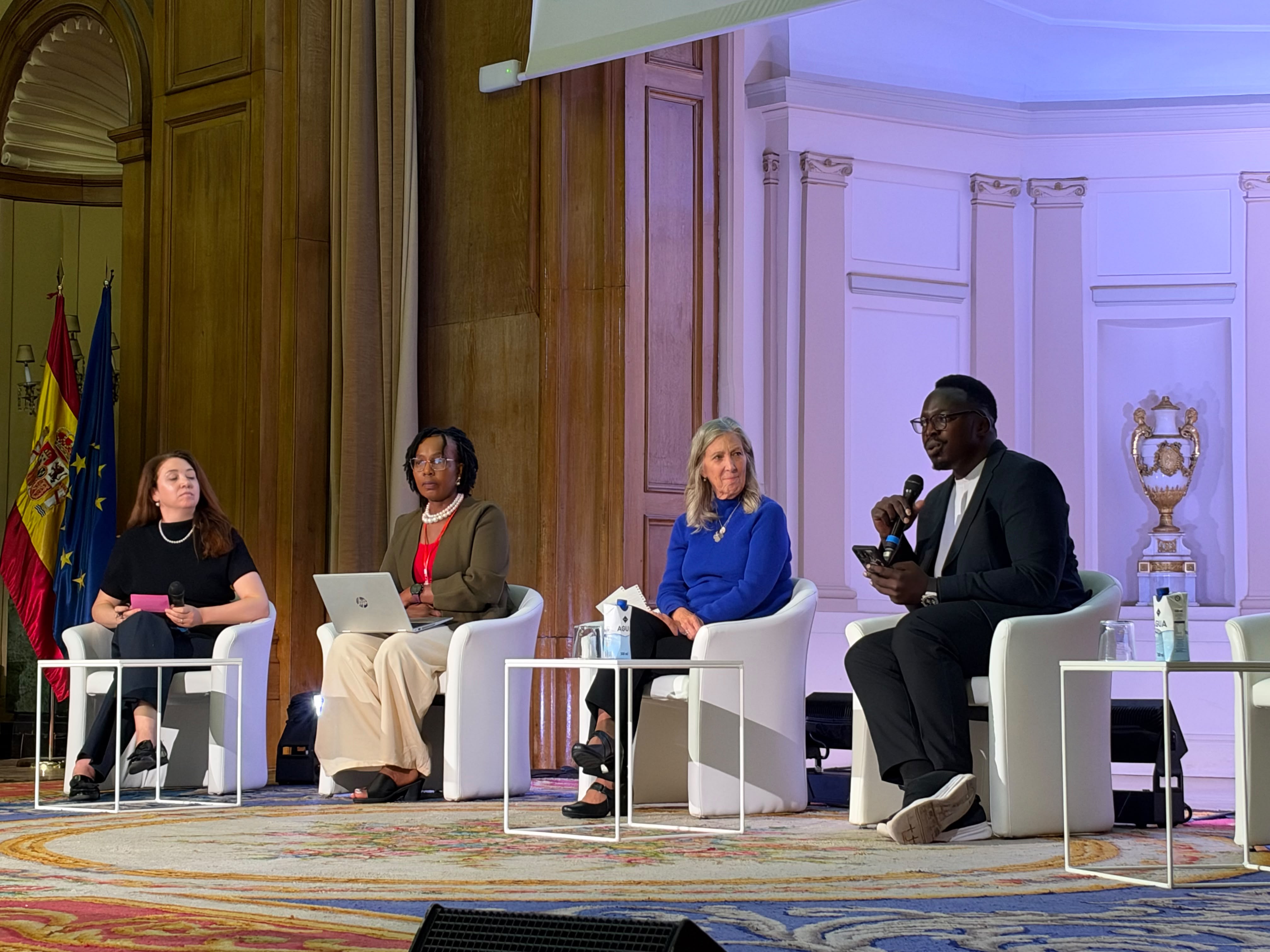
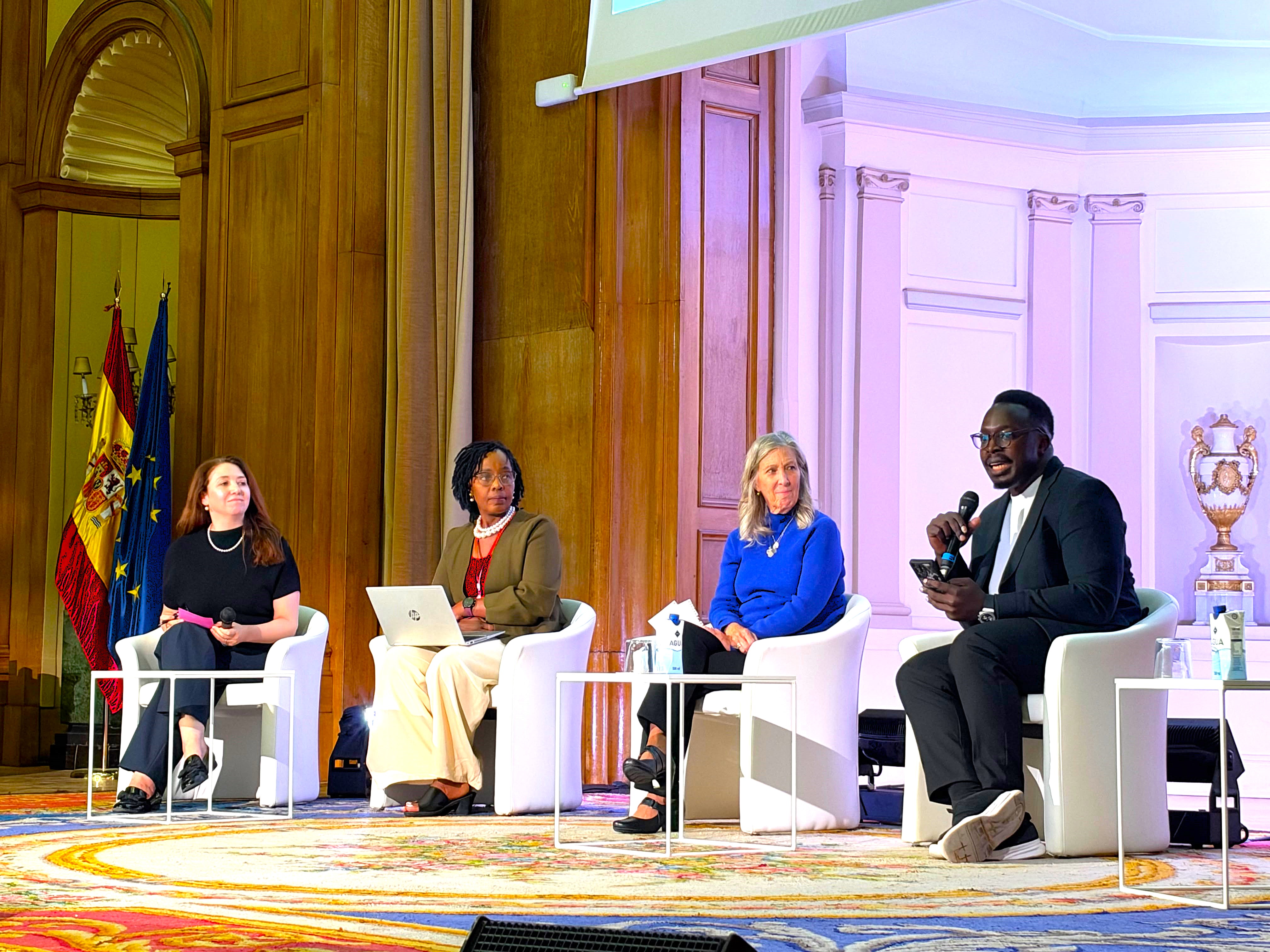
At the 81st UN General Assembly in September 2026, the World Obesity Federation convened a high-level roundtable on obesity, health systems and sustainable development, alongside the governments of Kenya, Egypt and Thailand. The discussion brought together government representatives, international organisations, civil society, academia and people with lived experience.
I had the opportunity to contribute as the World Obesity Federation’s Lived Experience Trustee, bringing attention to what gaps in obesity care mean for individuals and families, particularly in countries where treatment is not adequately covered by health insurance.
My message was simple: “There is no UHC without obesity.”
This is not a call to create a separate health agenda for obesity. It is a call to ensure that obesity is properly integrated into the health systems, financing arrangements and essential services that governments are already building towards universal coverage.
The 2027 political declaration should explicitly recognise obesity prevention and management as part of UHC. Governments should commit to integrating comprehensive obesity services into primary healthcare and national health benefit packages, strengthening financial protection, investing in prevention and ensuring access to evidence-based treatment.
They should also address the wider determinants of obesity through coordinated action across food systems, education, transport, urban planning and finance. Civil society, academia, young people and people with lived experience must have meaningful roles in shaping and monitoring these commitments.
Importantly, these commitments must be backed by measurable targets, dedicated financing and accountability mechanisms. A political declaration that recognises obesity but does not translate that recognition into national implementation will not be enough.
The cost of leaving obesity out of UHC
The latest Lancet evidence makes it increasingly difficult to justify treating obesity as a secondary public health concern. The potential health losses are substantial, the associated diseases are placing pressure on health systems, and the burden is affecting countries across all income levels.
For African countries, the stakes are particularly important. Many are still working to strengthen primary healthcare, expand financial protection and address the double burden of malnutrition. Obesity must be integrated into these efforts rather than introduced as a separate priority competing for limited resources.
This requires governments to rethink how they plan, finance and deliver healthcare. It also requires global health institutions and development partners to recognise that investments in UHC cannot be separated from investments in the prevention and management of major chronic diseases.
The 2027 UN High-Level Meeting offers a critical opportunity to make this shift. It should not be another occasion for governments to reaffirm commitments without addressing the diseases and conditions that determine whether those commitments can be achieved.
The evidence is clear: addressing obesity can prevent significant health loss, improve the quality of life of millions of people, strengthen health systems and support more sustainable development.
Universal health coverage must mean that people living with obesity can access prevention, diagnosis, treatment and long-term support without financial hardship. It must also mean that governments take responsibility for creating environments that make healthier lives possible.
If we are serious about accessible, affordable and quality healthcare for everyone by 2030, obesity must be part of the conversation, the financing and the action.
There can be no UHC without obesity.

Leave a Reply