
Travelling to Madrid for the 2026 Global Obesity Summit offered me an opportunity to engage with global health leaders and contribute to important conversations about the future of obesity prevention and care. But beyond the meetings, working sessions and policy discussions, I also had the chance to experience a different side of the city.
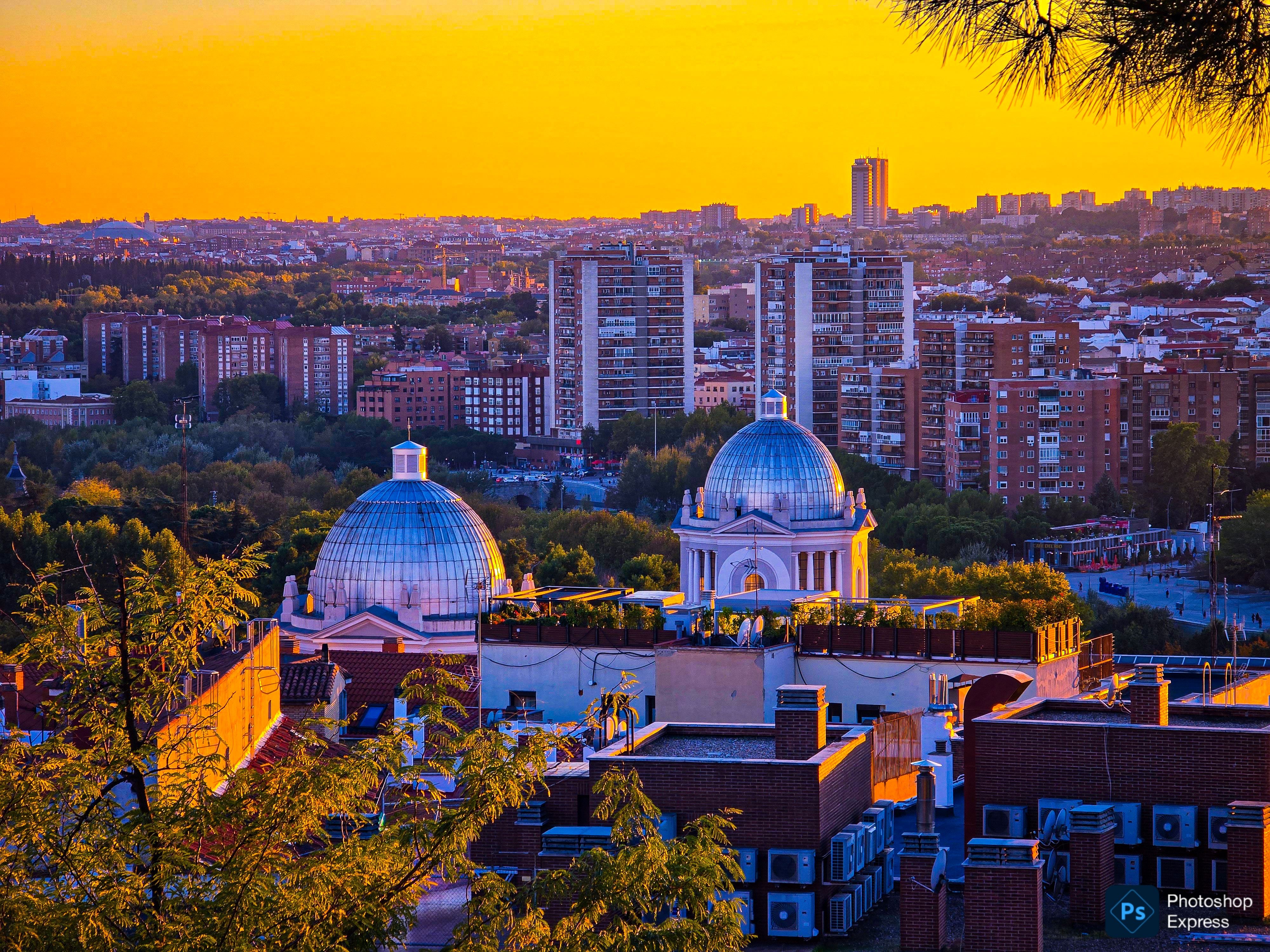
Madrid is a city that invites you to look a little closer. Its grand architecture tells stories of history and power, its parks offer moments of calm amid urban life, and its public squares bring together people, culture and everyday experiences. Walking through its streets, I found myself appreciating not only the famous landmarks but also the smaller details that give the city its character.
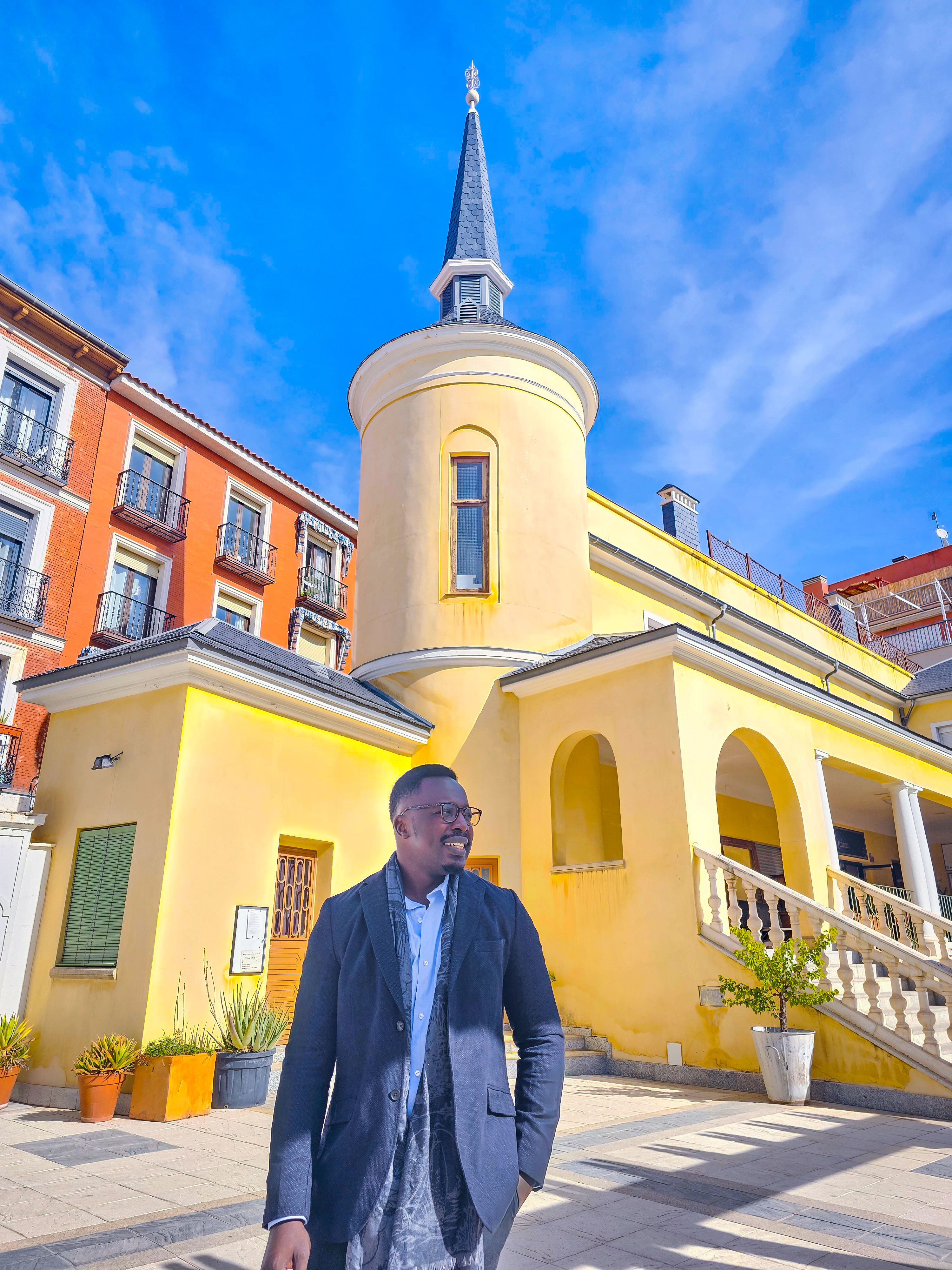
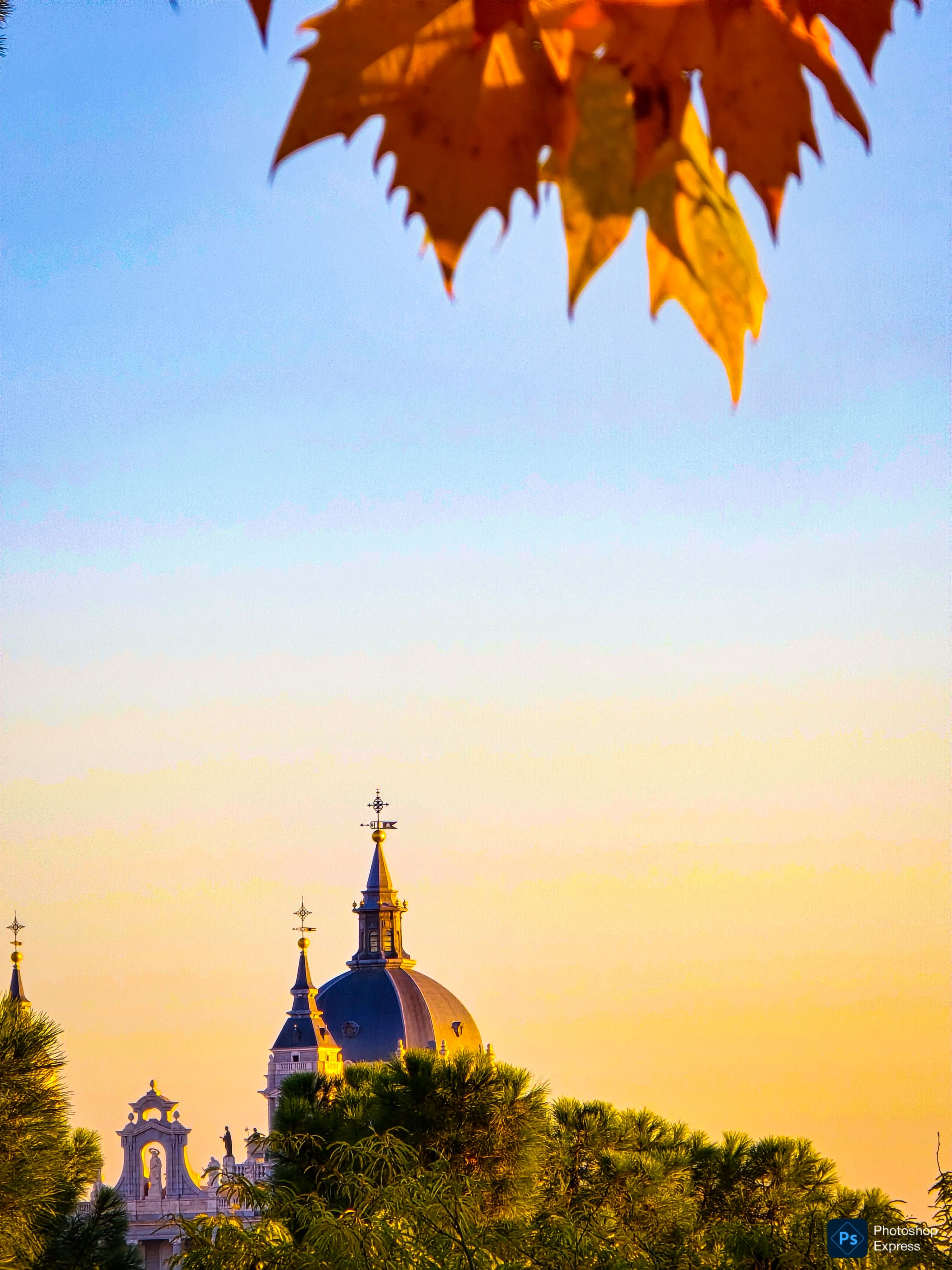
I captured some of these moments through my camera, creating a personal collection of places that made my time in Madrid memorable.
A city shaped by architecture and history
One of the first things that stood out to me was Madrid’s architecture. The city has an impressive ability to bring together different periods, styles and influences without losing its identity.
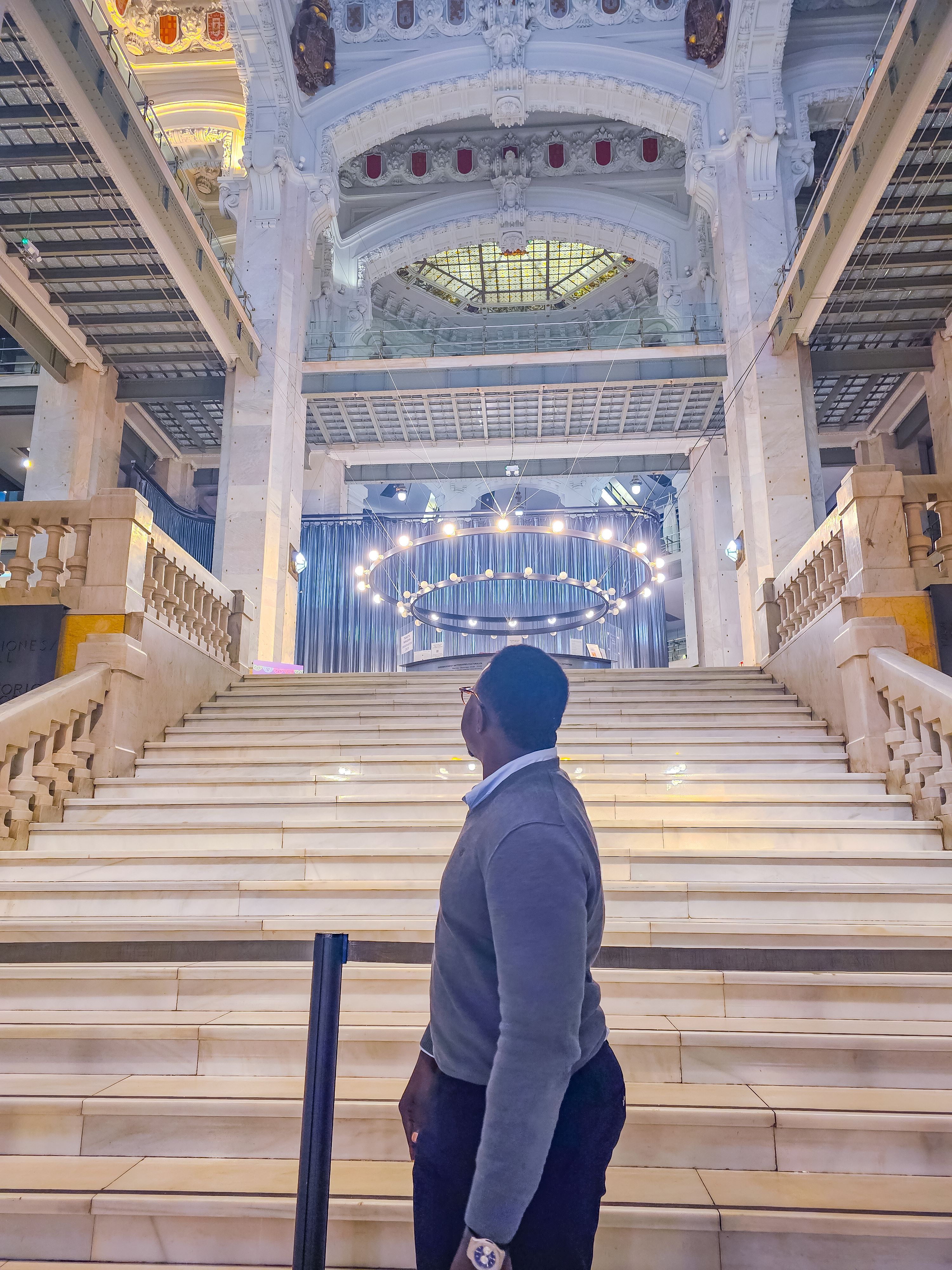
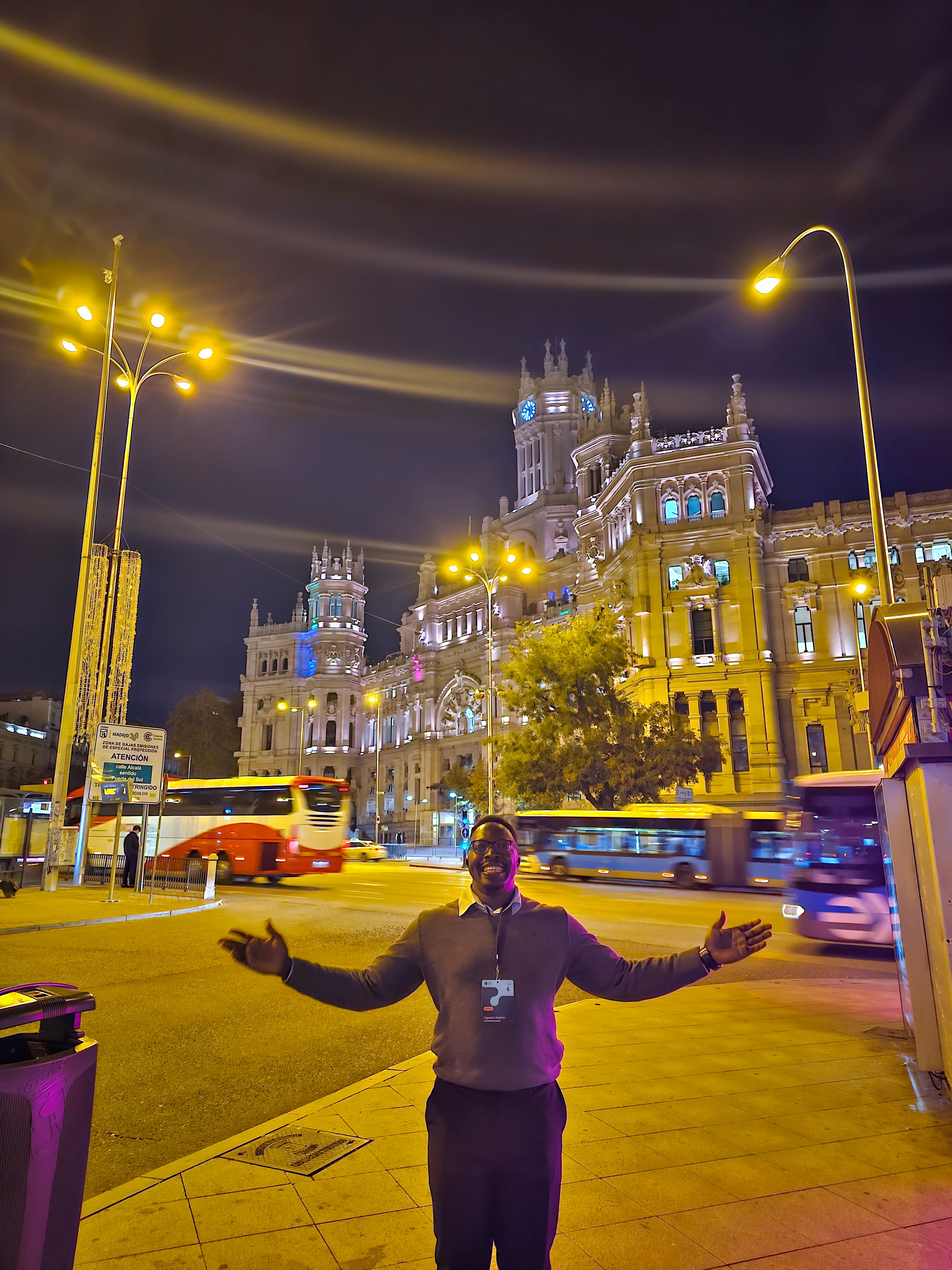
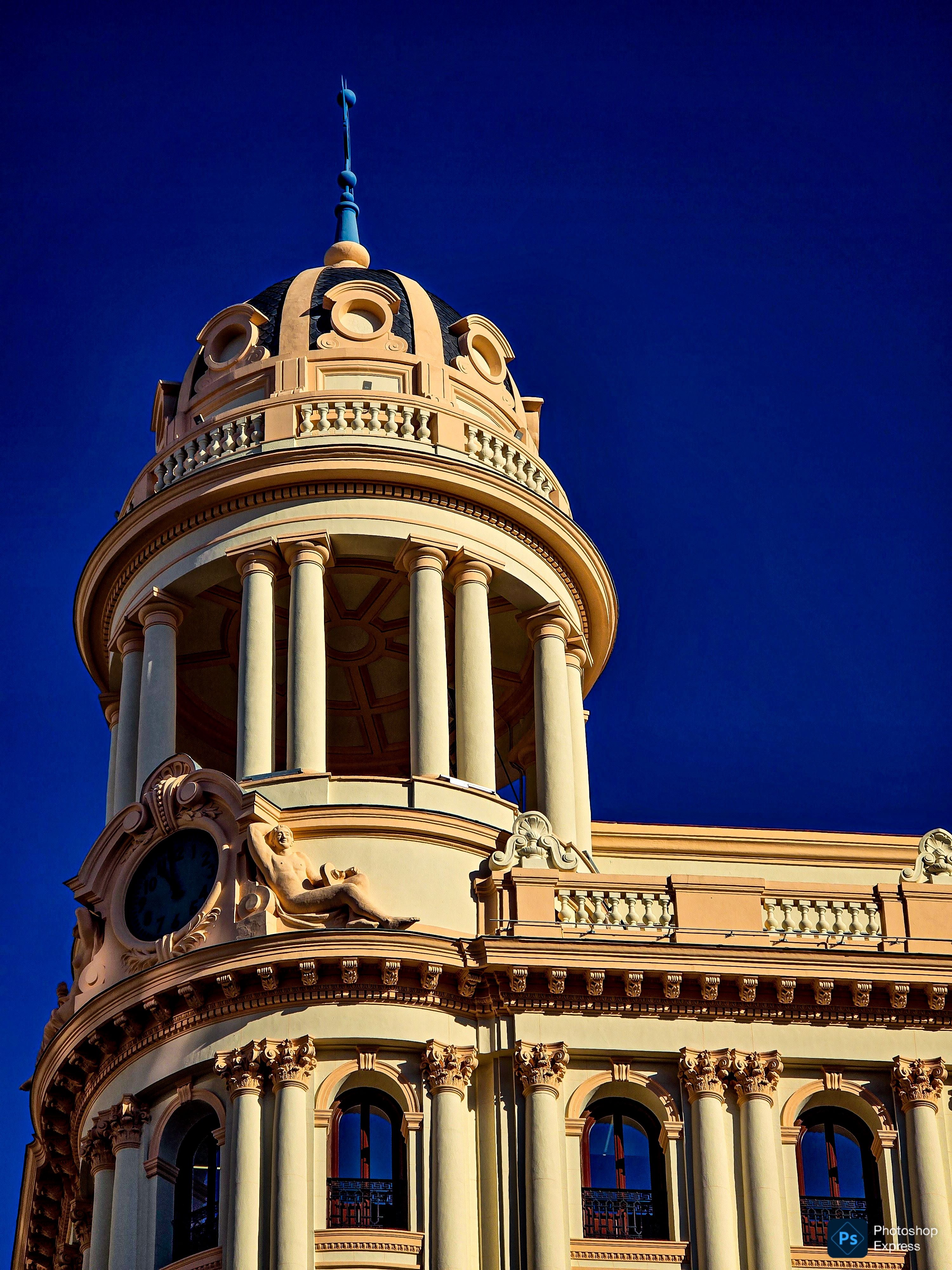
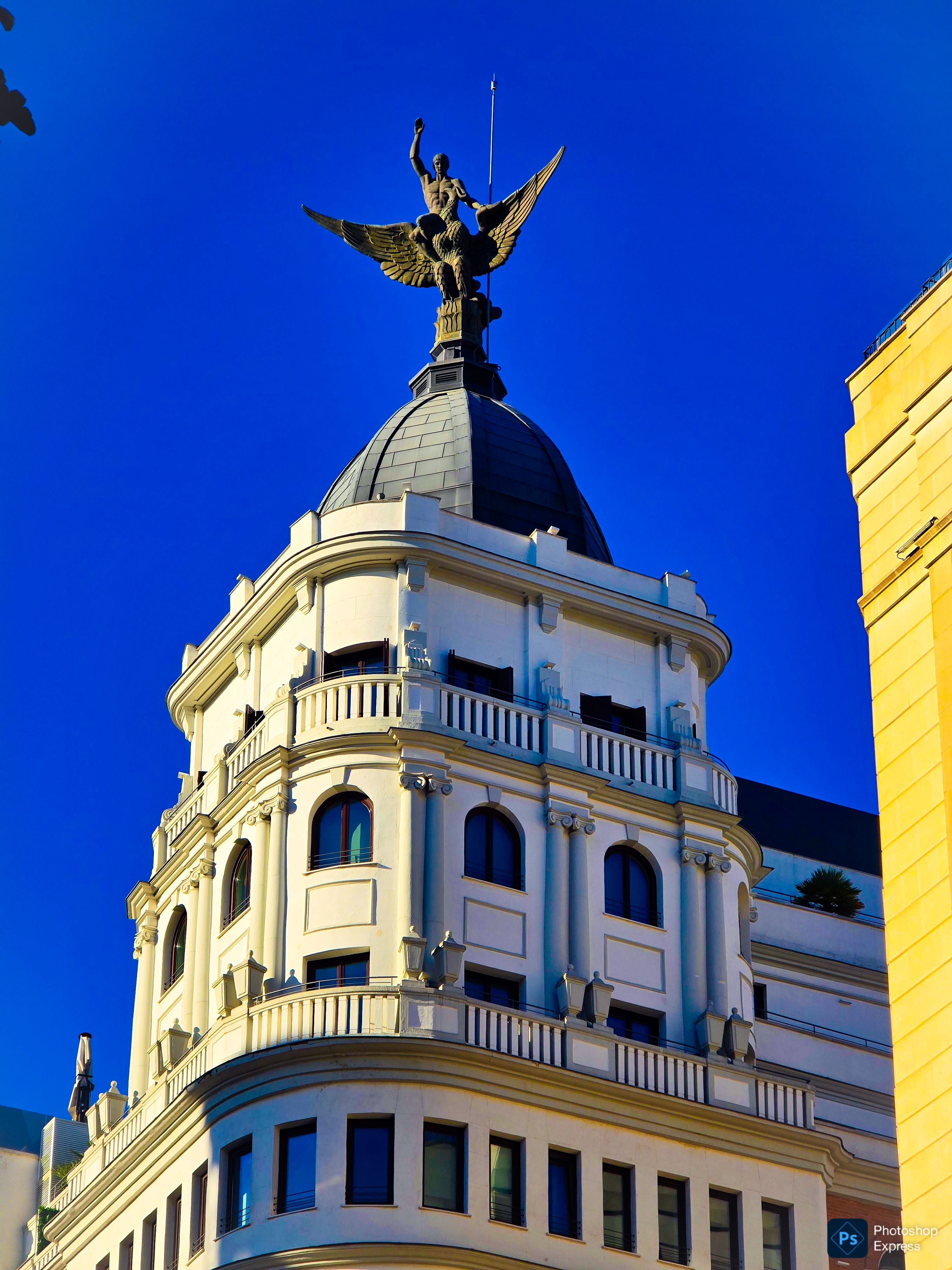
The Palacio de Cibeles, formerly known as the Palacio de Comunicaciones, is one of the most striking examples. Its monumental façade, intricate detailing and imposing towers make it difficult to walk past without stopping to appreciate the craftsmanship. Today, it serves as Madrid’s City Hall and remains one of the city’s most recognisable architectural landmarks.
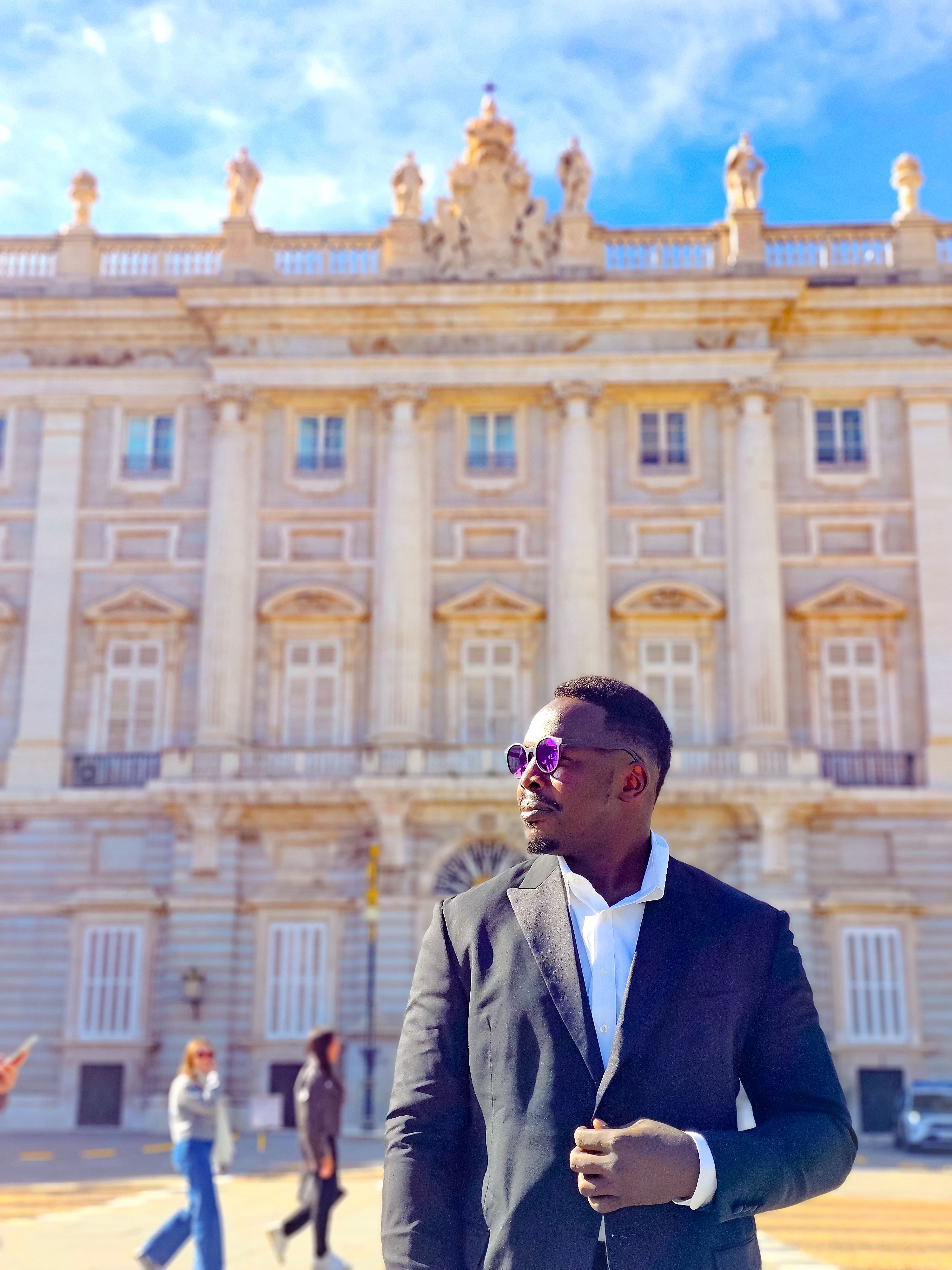
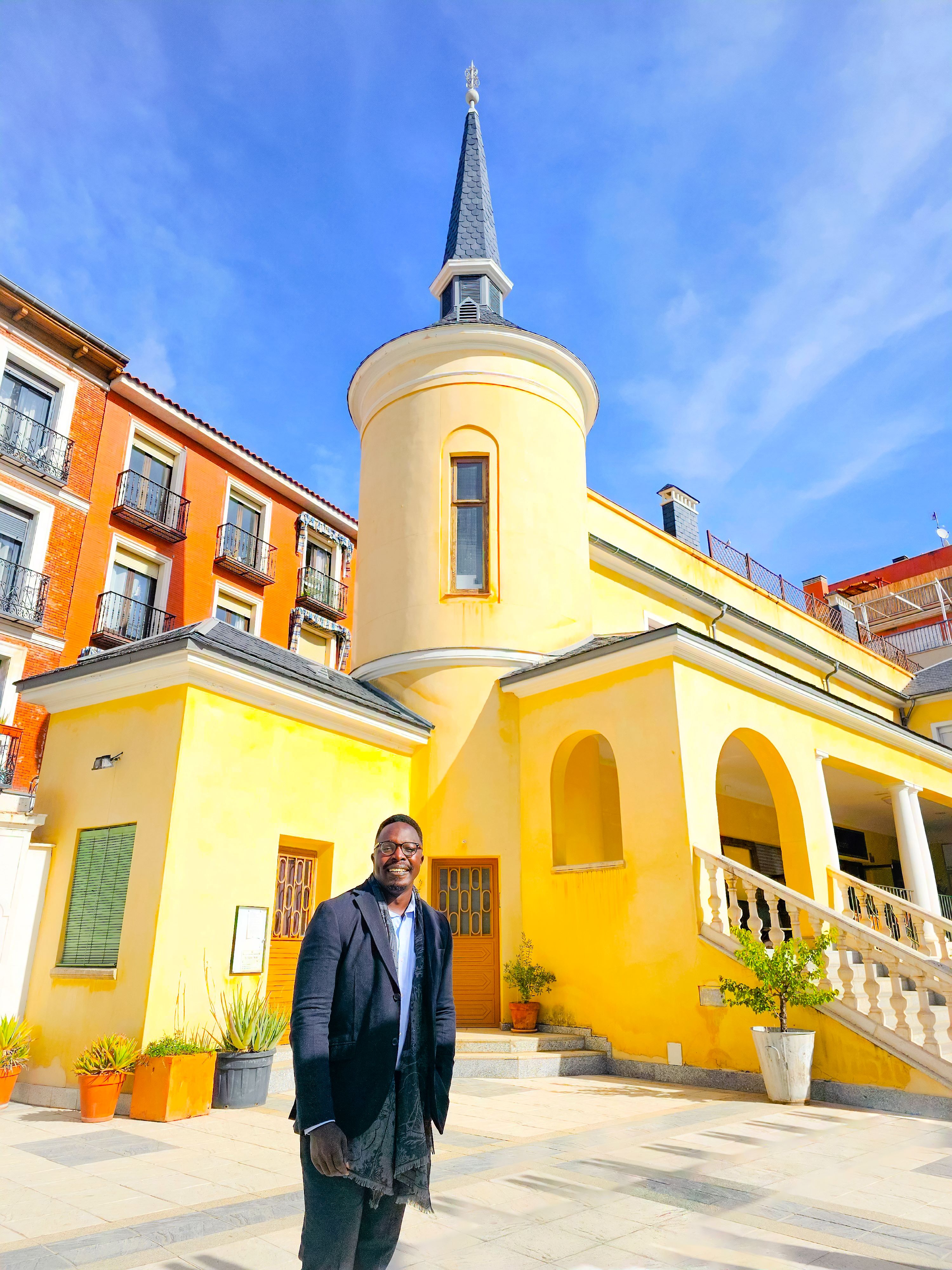
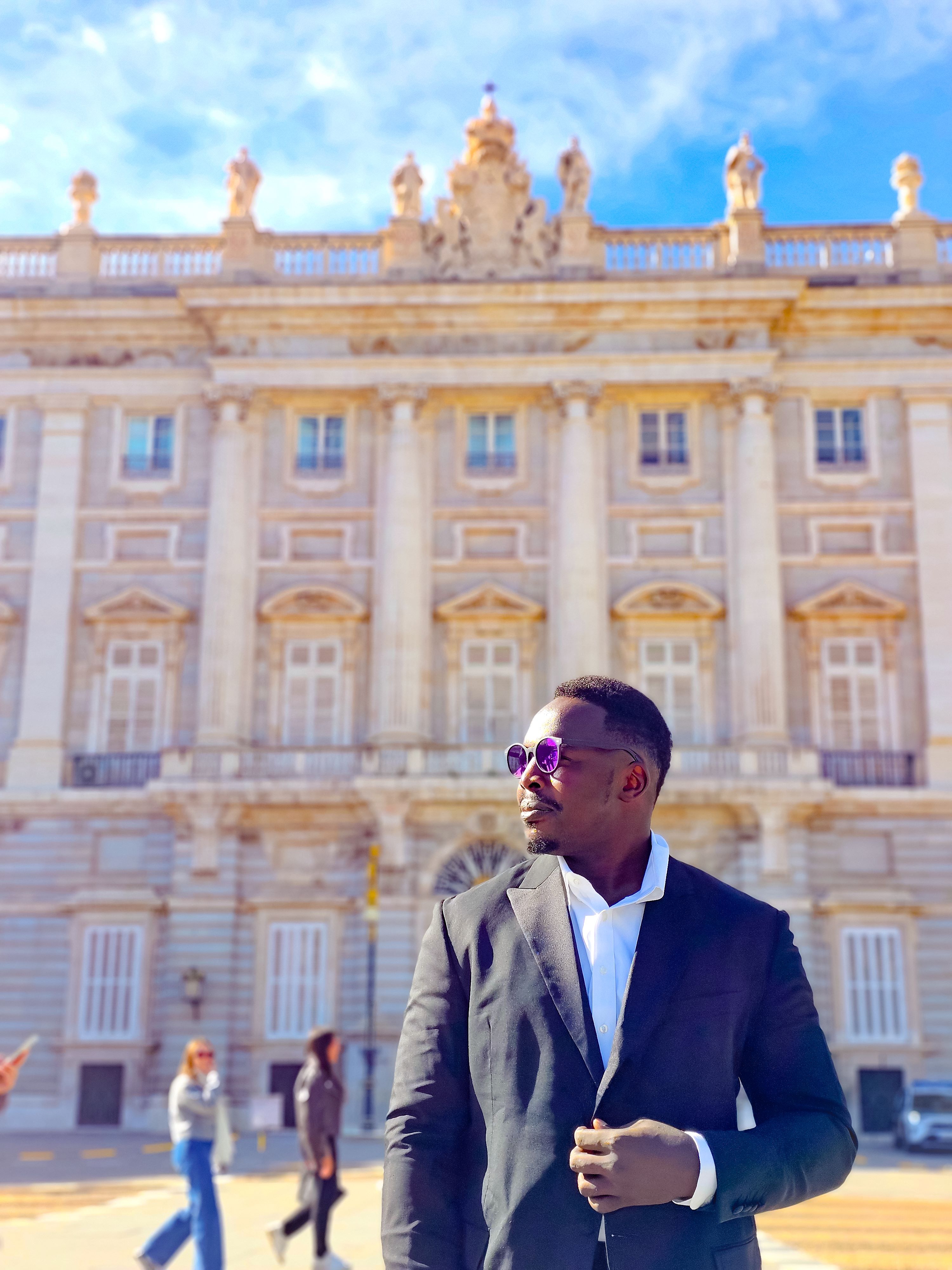
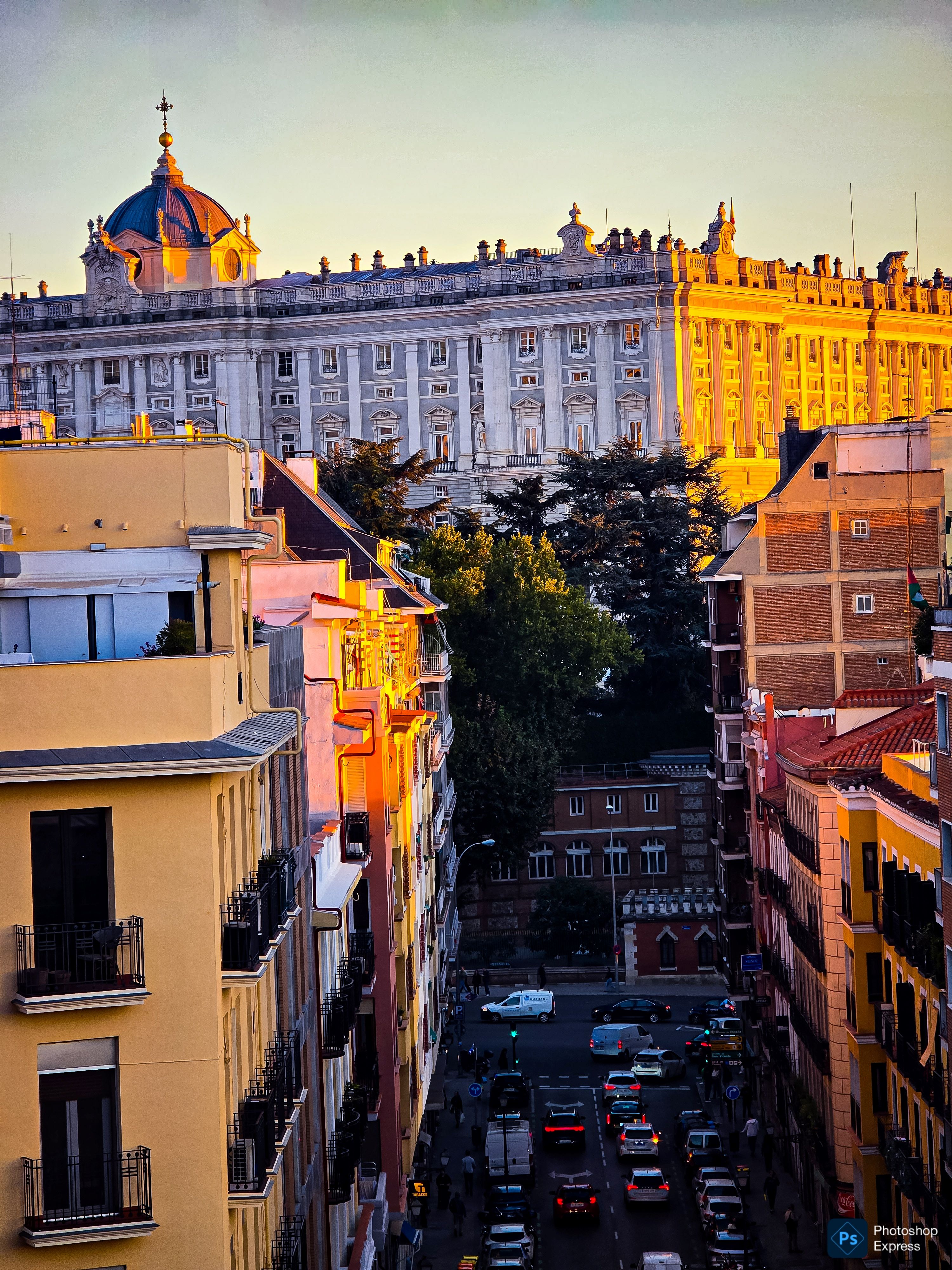
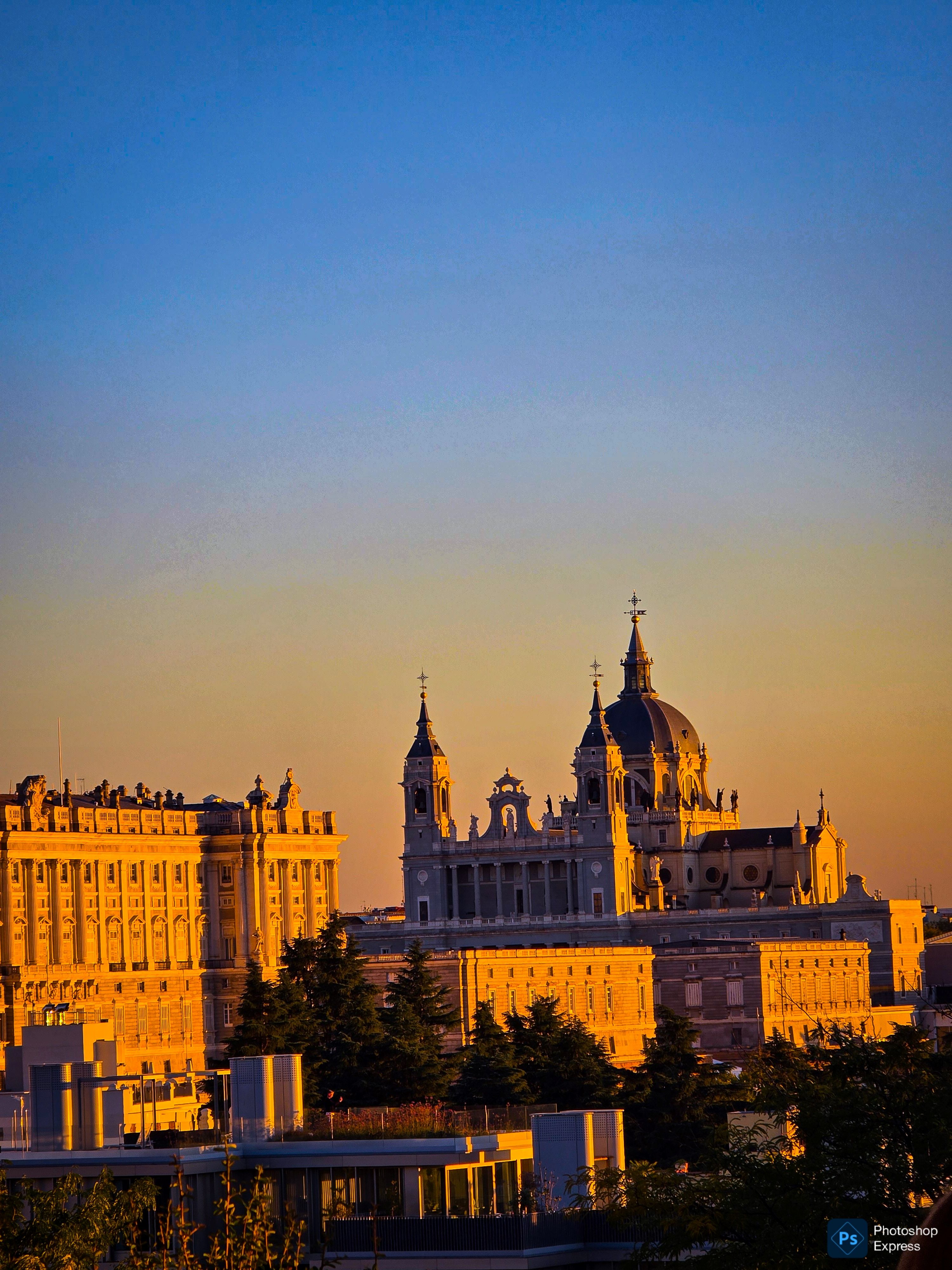
The Royal Palace of Madrid (Palacio Real de Madrid) offers another perspective on the city’s history. Located in the heart of Madrid, the palace is an imposing example of European royal architecture. Its scale, symmetry and elaborate exterior reflect a period when architecture was used to communicate power, influence and national identity.
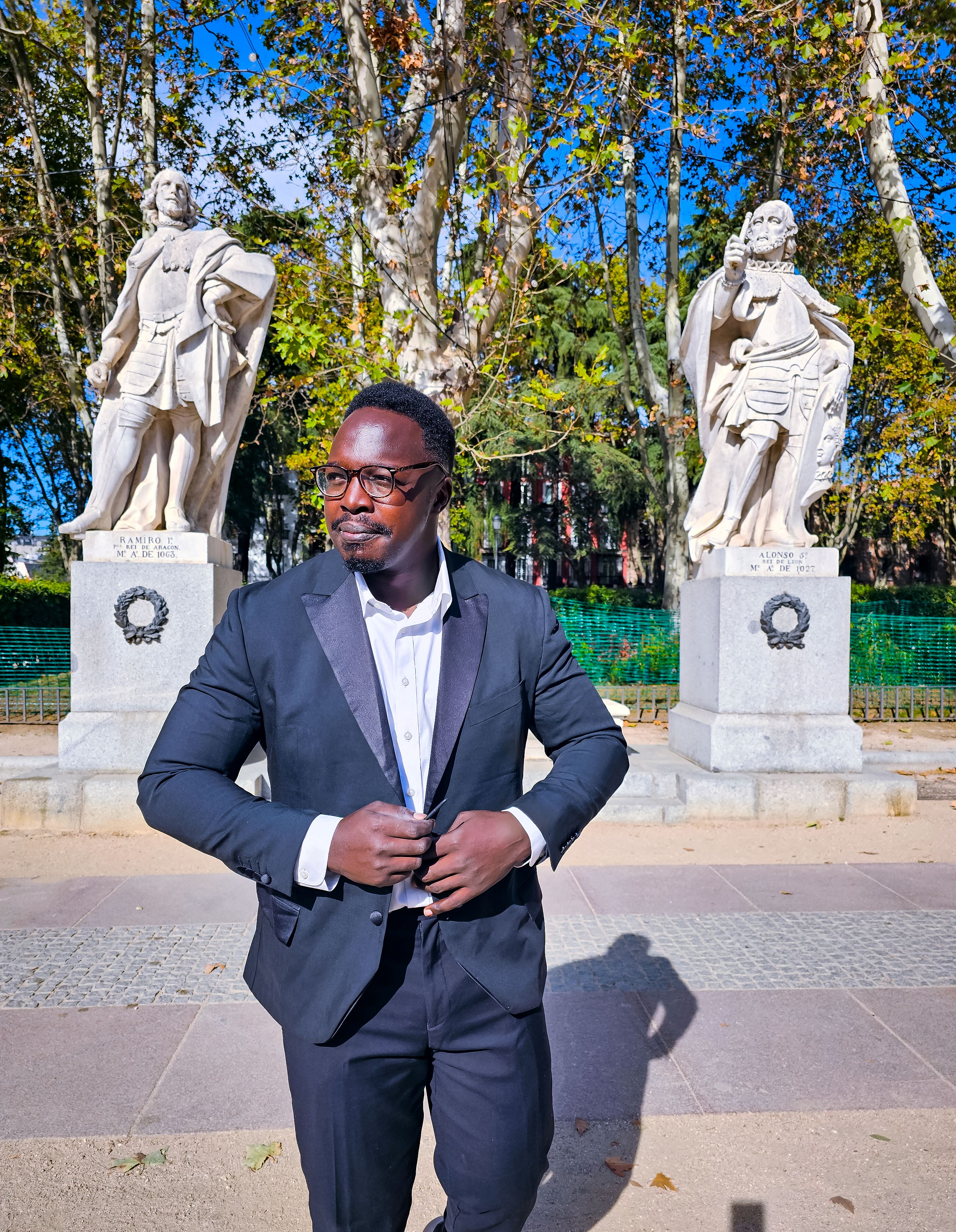
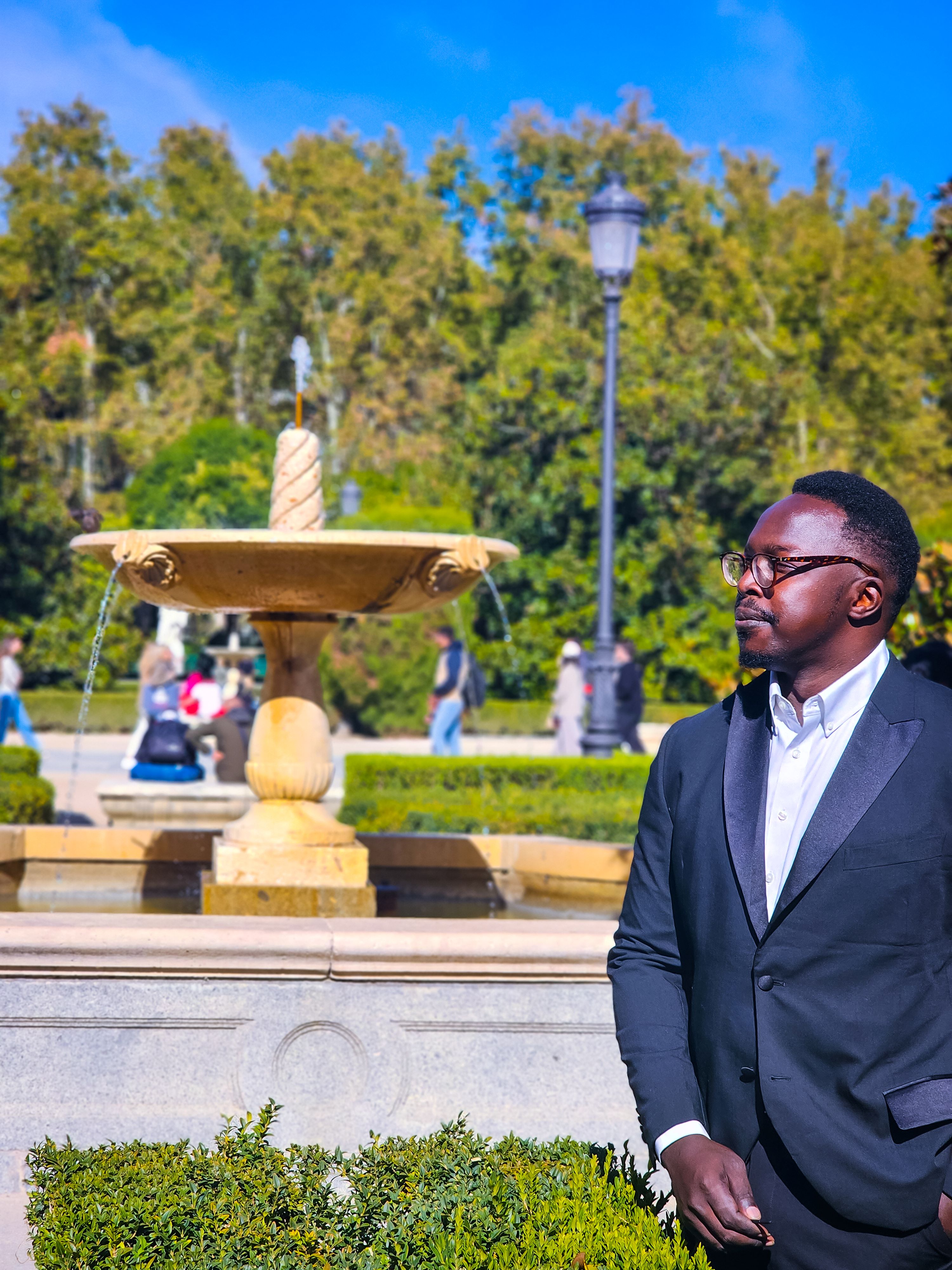
Nearby, the Sabatini Gardens provide a quieter contrast. Located on the northern side of the Royal Palace, the gardens are carefully arranged, with trimmed hedges, trees, fountains and views of the palace. They offer a reminder that some of a city’s most memorable spaces are not necessarily its largest buildings, but the places where people can pause and enjoy their surroundings.
The beauty of Madrid’s public spaces
If there is one thing I particularly appreciated about Madrid, it was the way its public spaces form part of everyday city life.
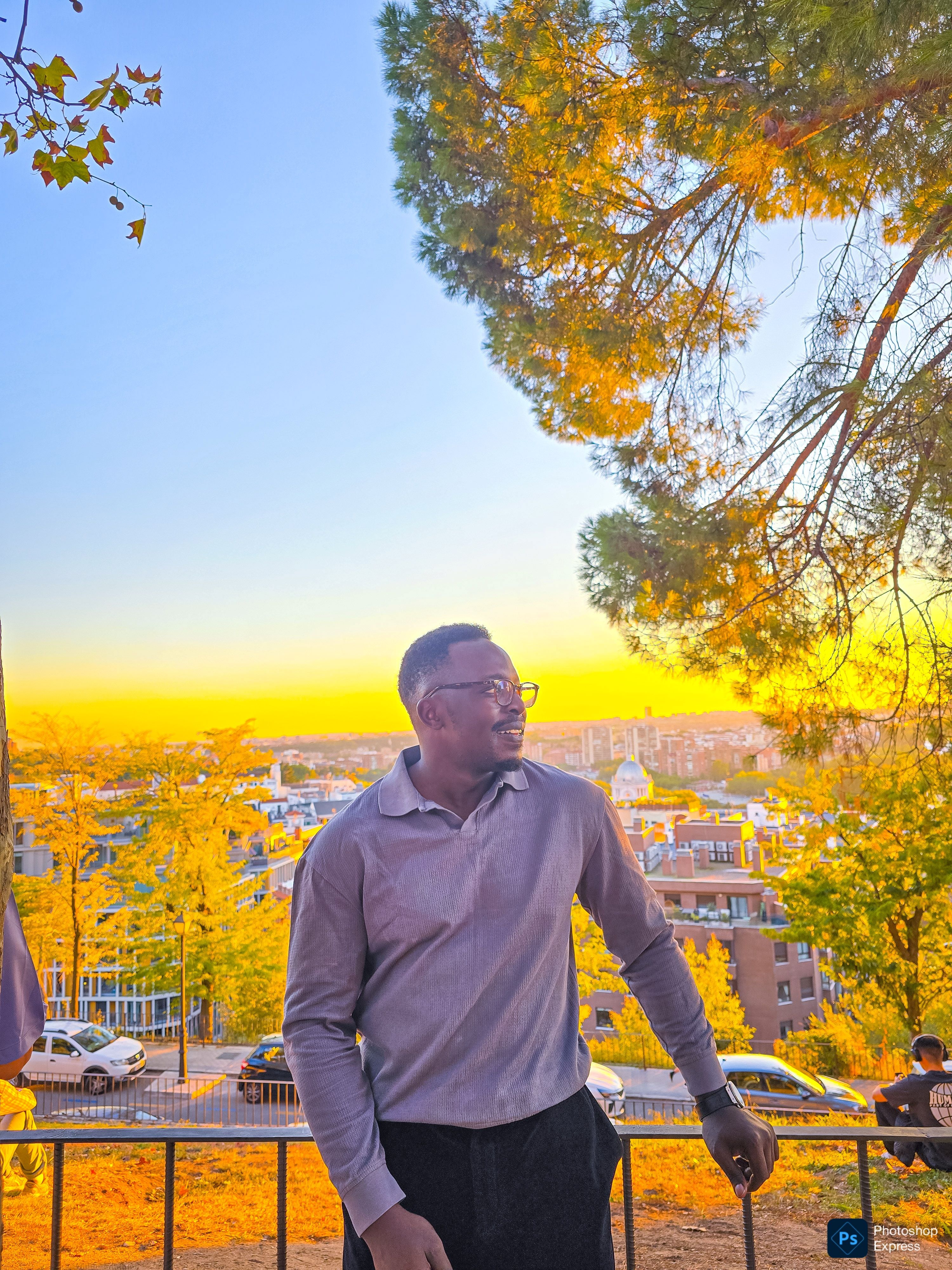
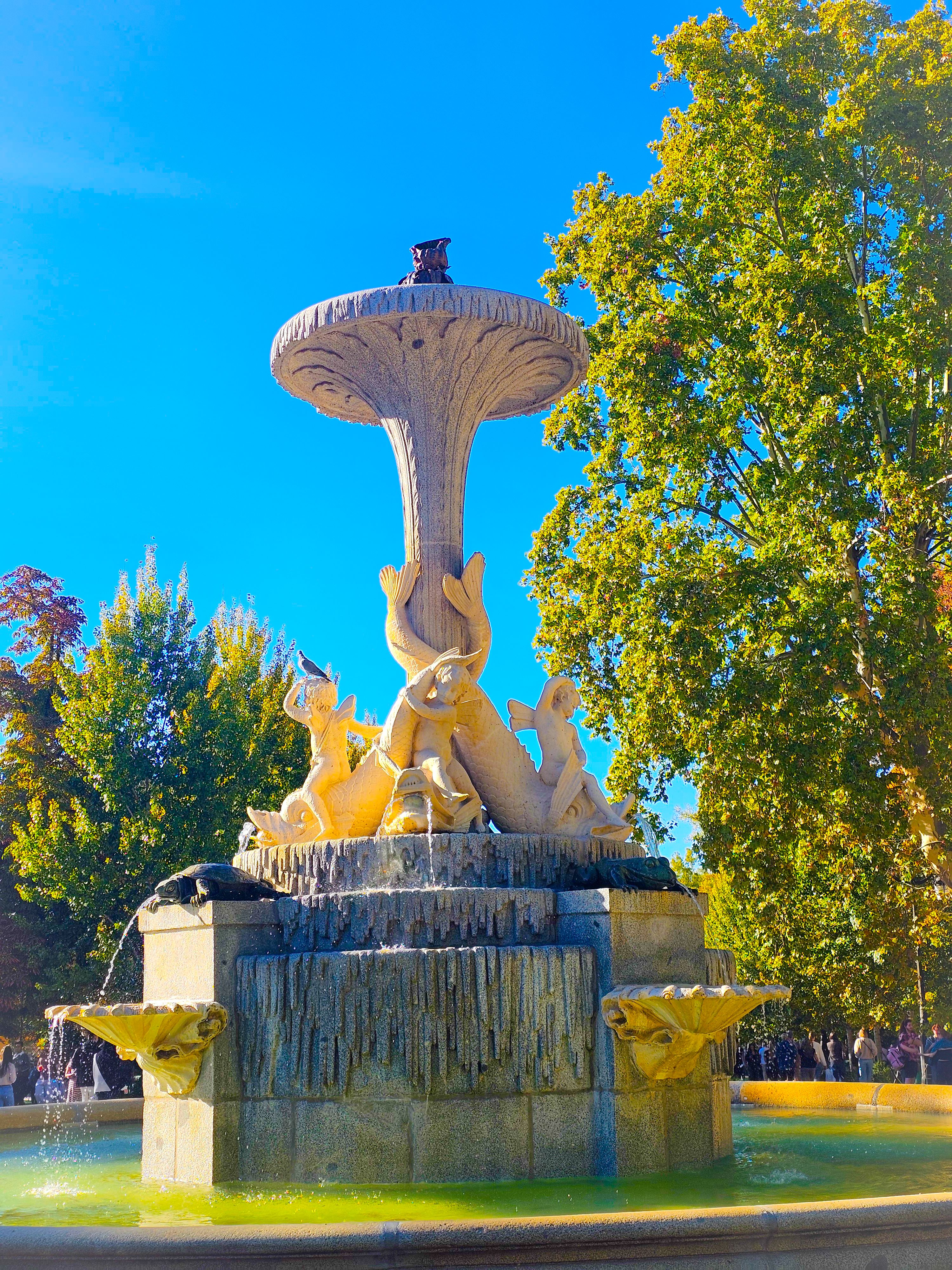
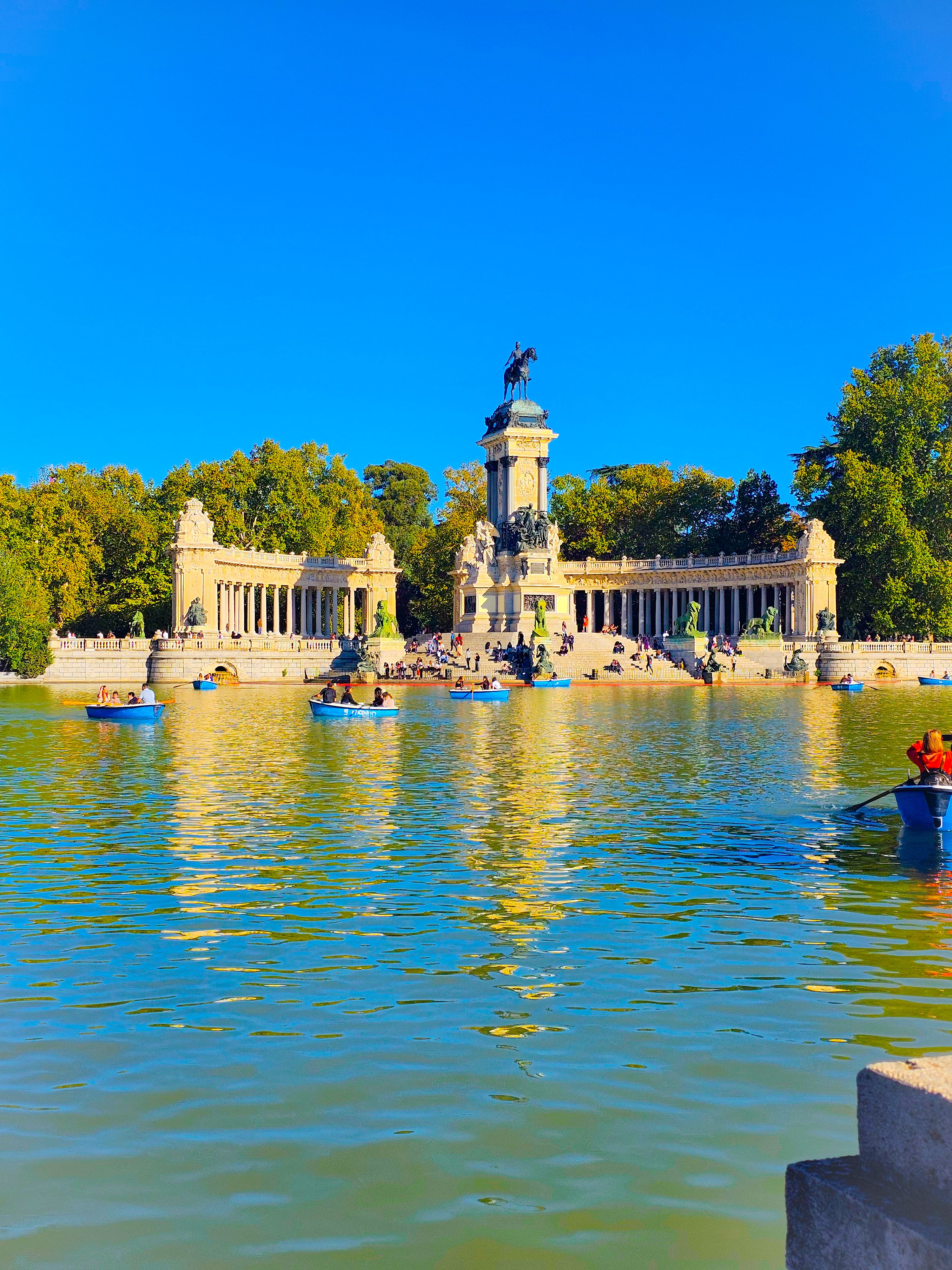
El Retiro Park (Parque del Buen Retiro) is a remarkable example. The park provides an expansive green space in the middle of the city, with tree-lined paths, gardens, monuments and places to sit and enjoy the outdoors. It is easy to understand why it is such an important part of Madrid’s identity.
The Palacio de Velázquez, situated within Retiro Park, adds an artistic dimension to the experience. The beautiful exhibition building, with its glass and iron architecture, stands as a reminder of the relationship between art, public spaces and cultural life.
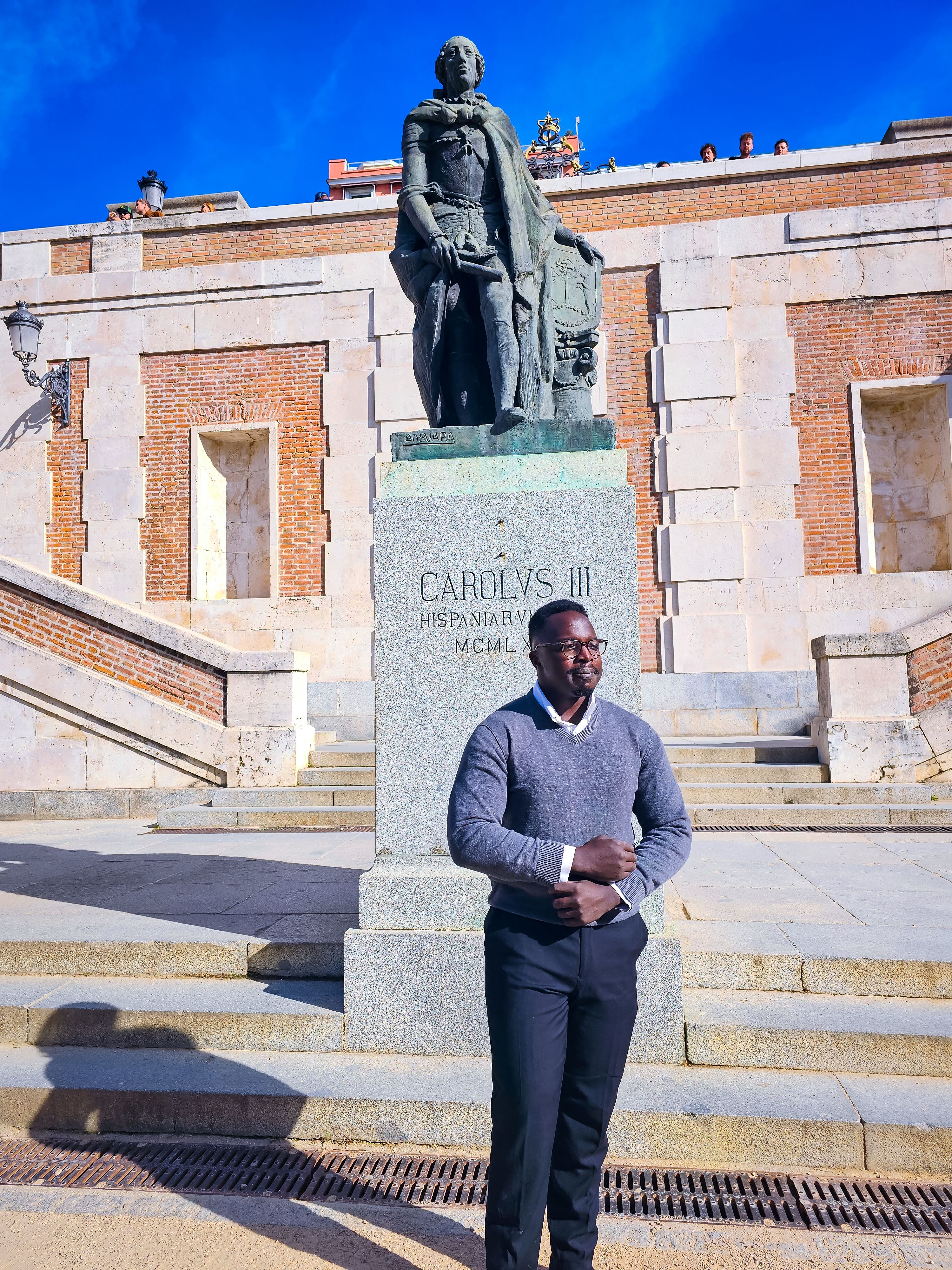
The Puerta de Alcalá is another landmark that captures Madrid’s character. This iconic neoclassical monument, once one of the principal gateways into the city, now stands at a major intersection near Retiro Park. Its architectural detail and historical significance make it one of Madrid’s most recognisable sights.
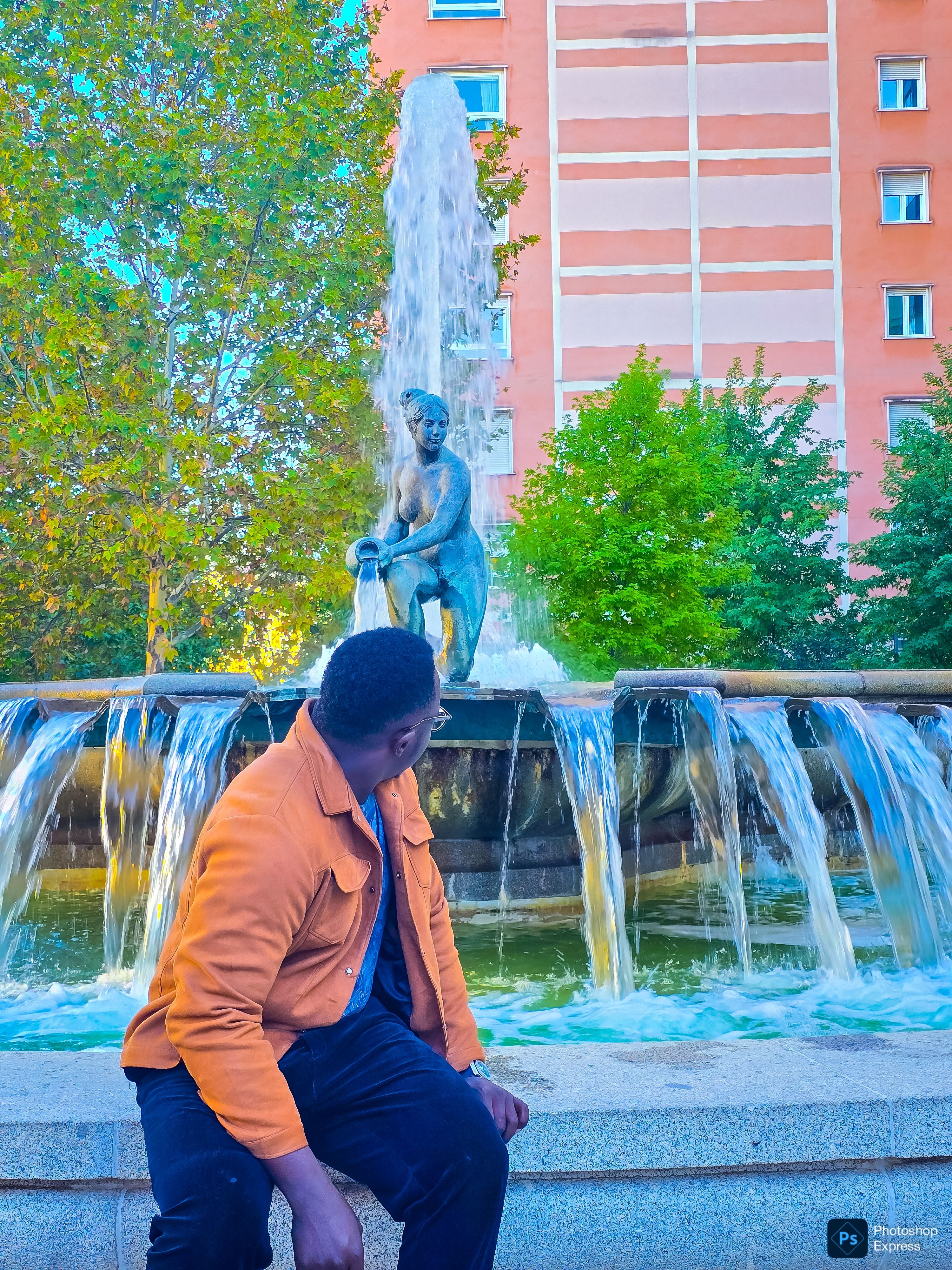
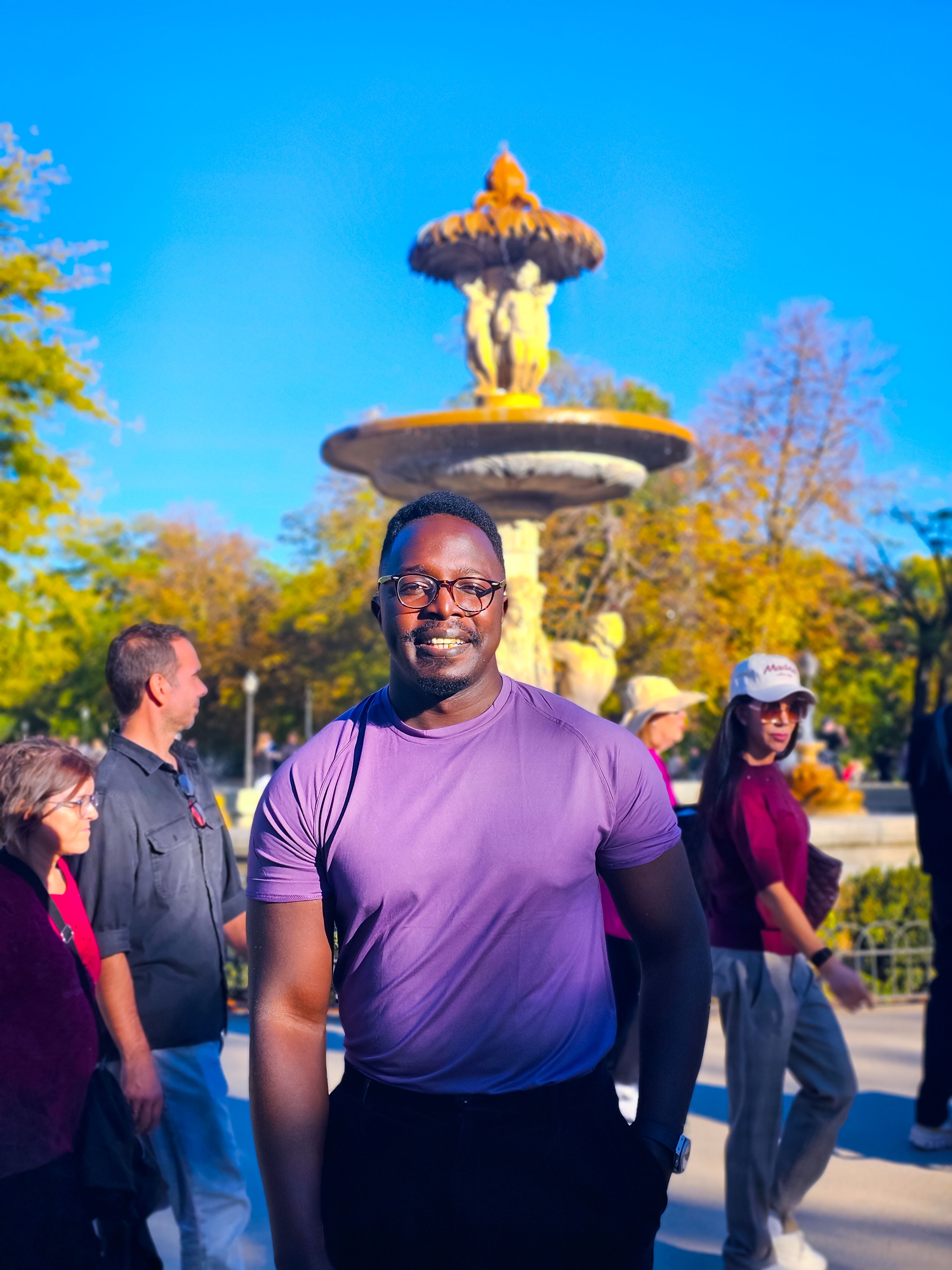
At Plaza de España, I also encountered the Fuente del Nacimiento del Agua, commonly known as the Fuente de la Concha. The fountain forms part of the redesigned public space and adds to the atmosphere of an area that has become an inviting place for people to gather, walk and relax.
Squares, neighbourhoods and the rhythm of everyday life
Some of my favourite impressions of Madrid came from its squares and neighbourhoods, where the city feels less like a collection of monuments and more like a living community.
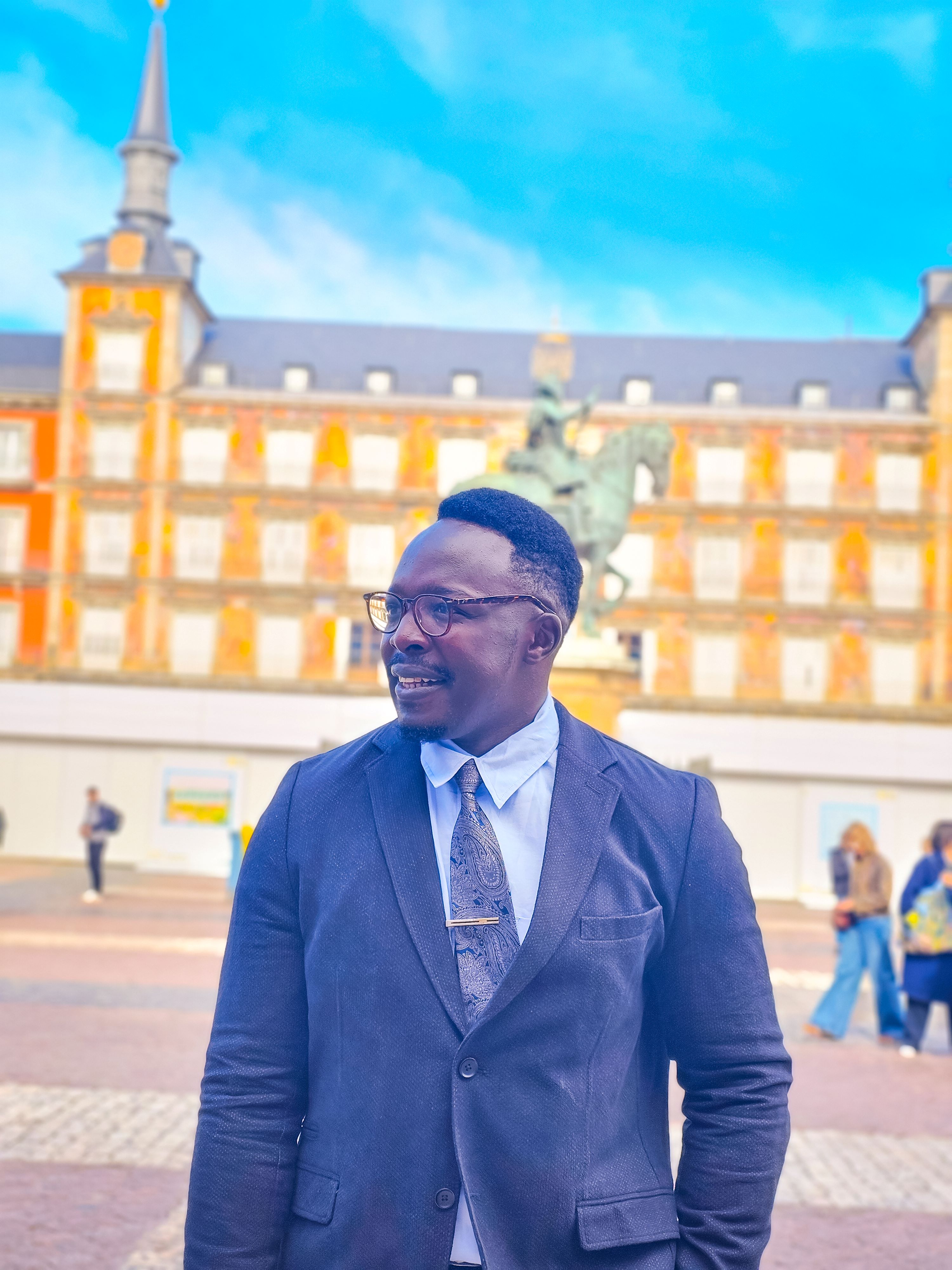
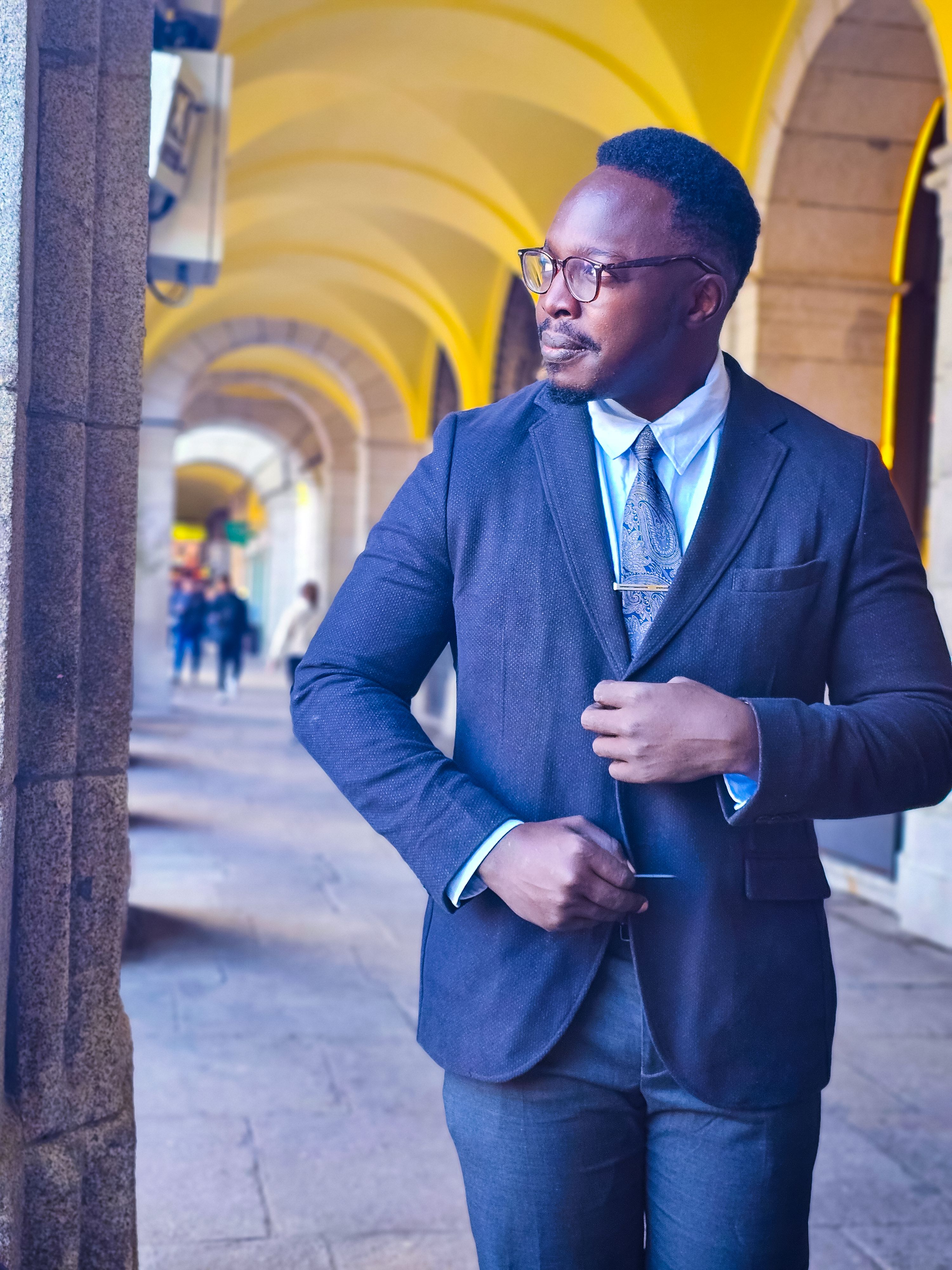
Plaza Mayor is perhaps one of the most recognisable examples. Surrounded by historic buildings with arcaded walkways, the square has been an important centre of public life in Madrid for centuries. Its scale and distinctive architecture make it an impressive place to experience the city’s history.
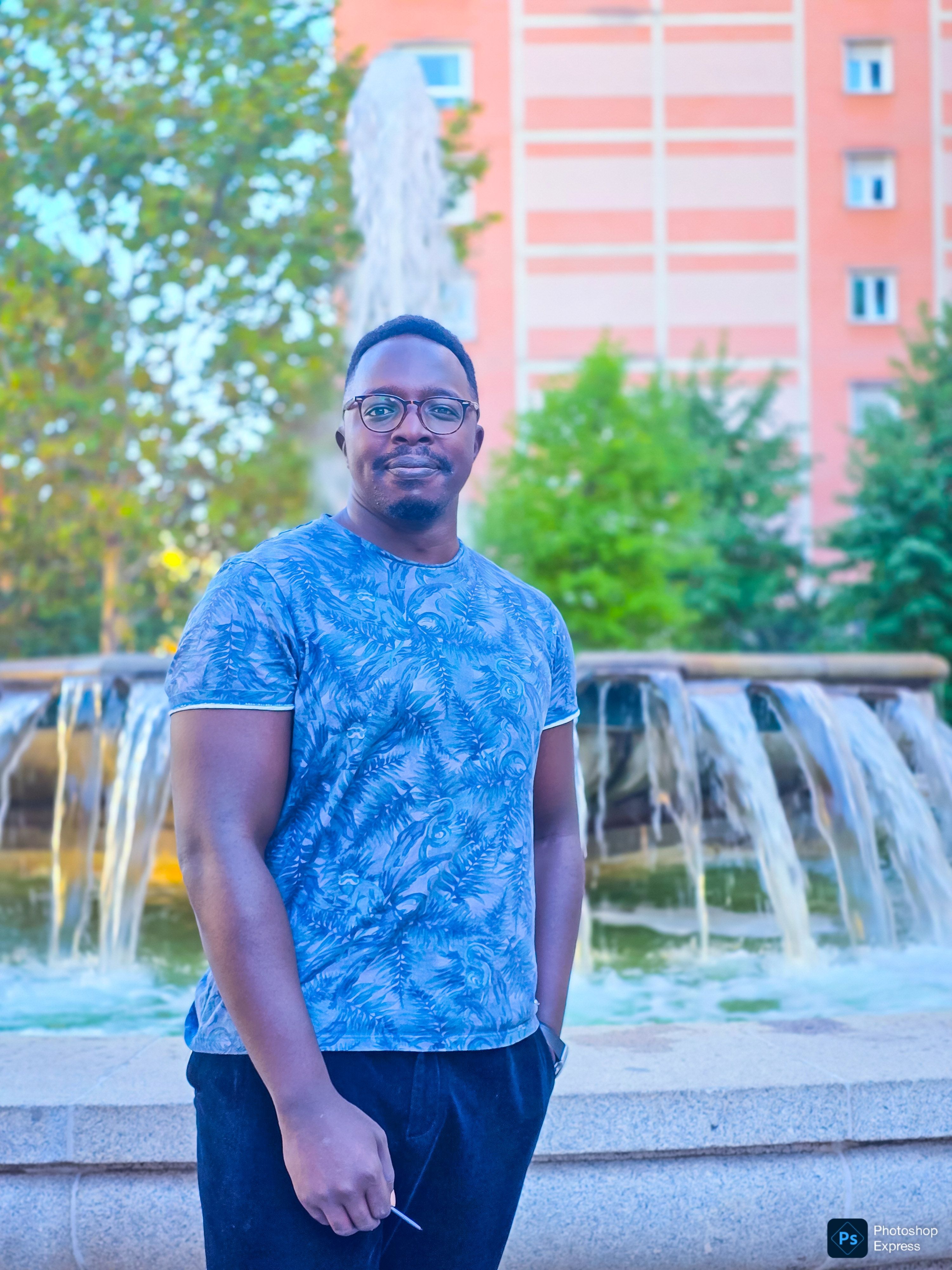
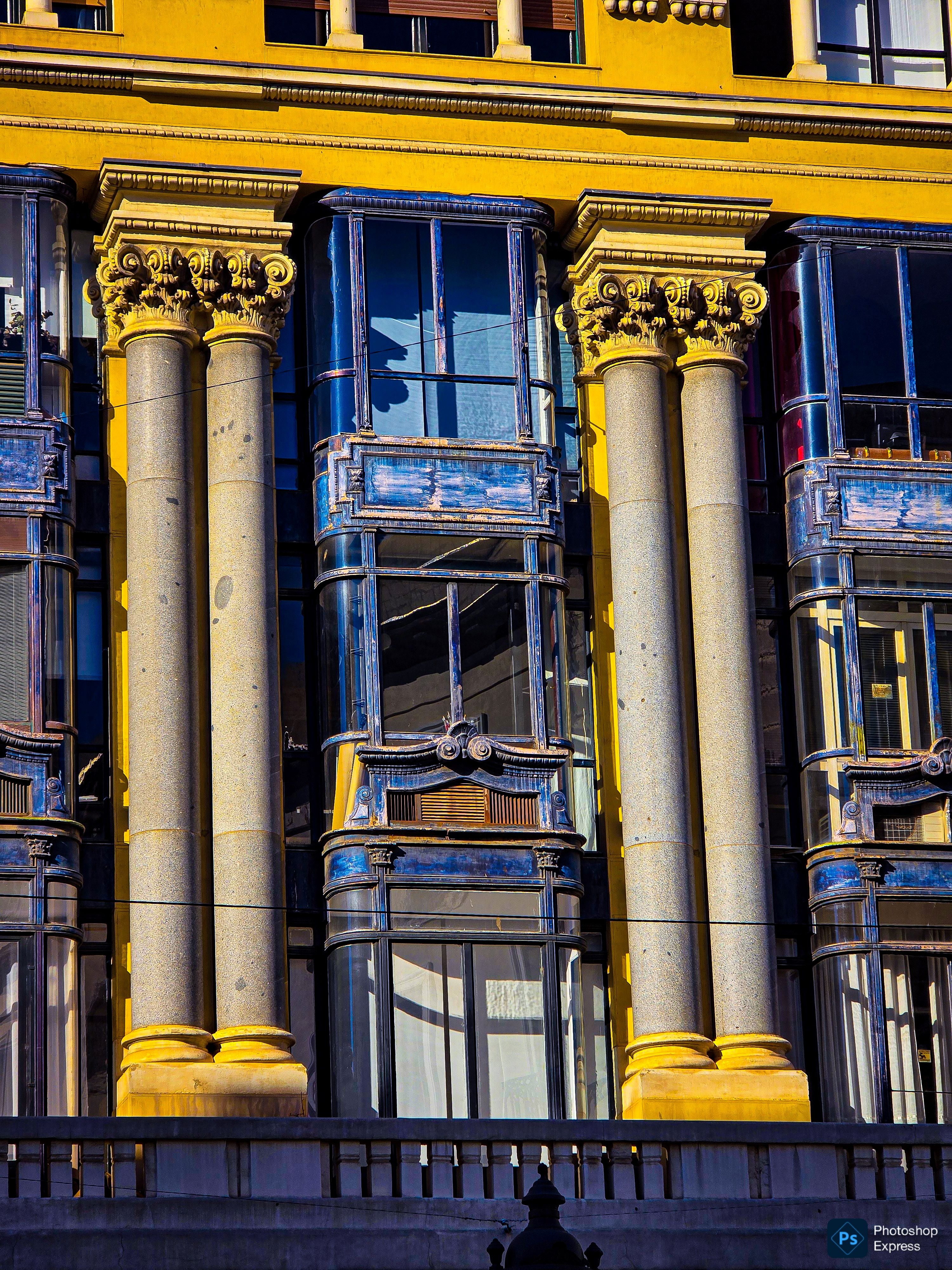
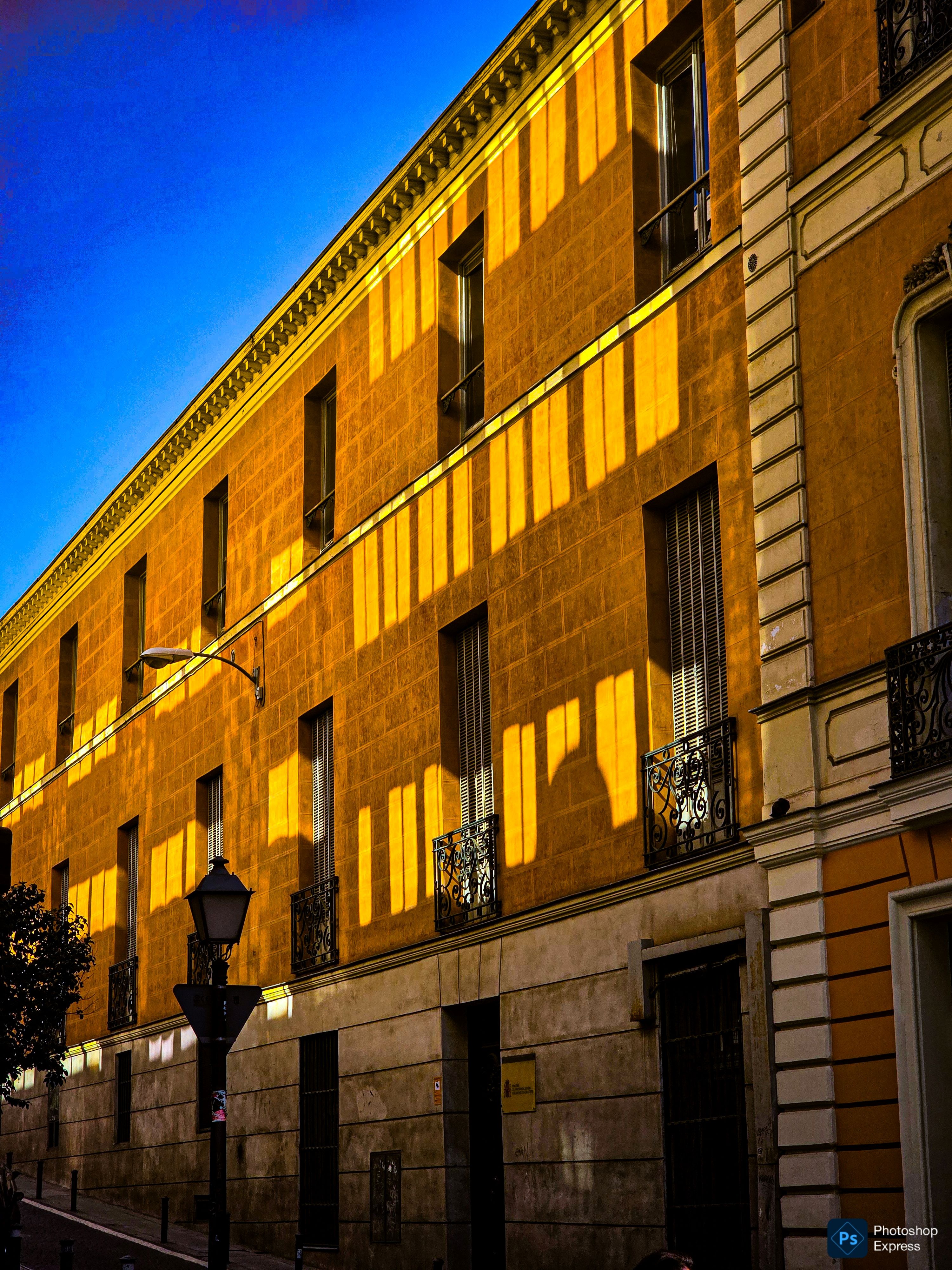
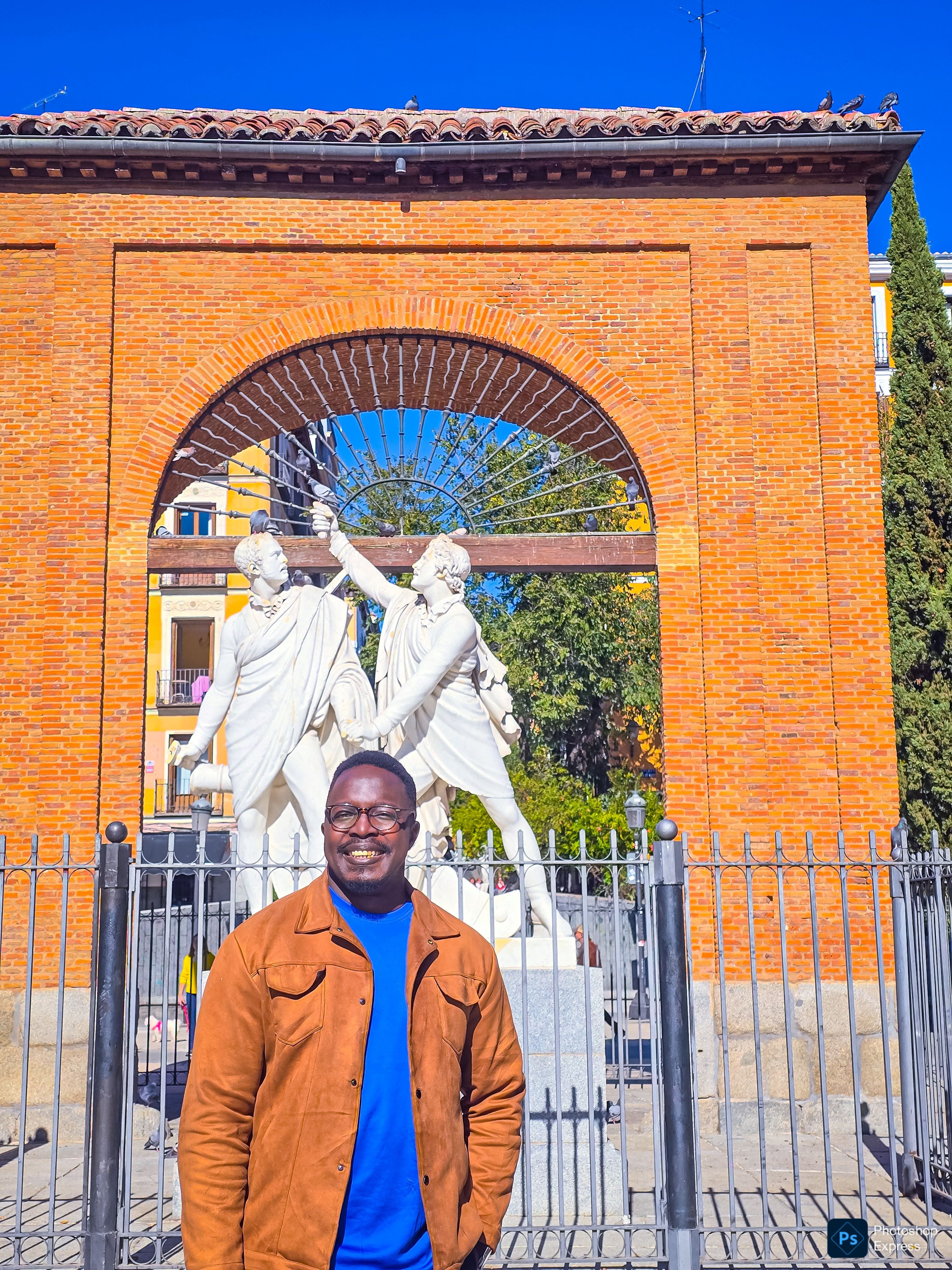
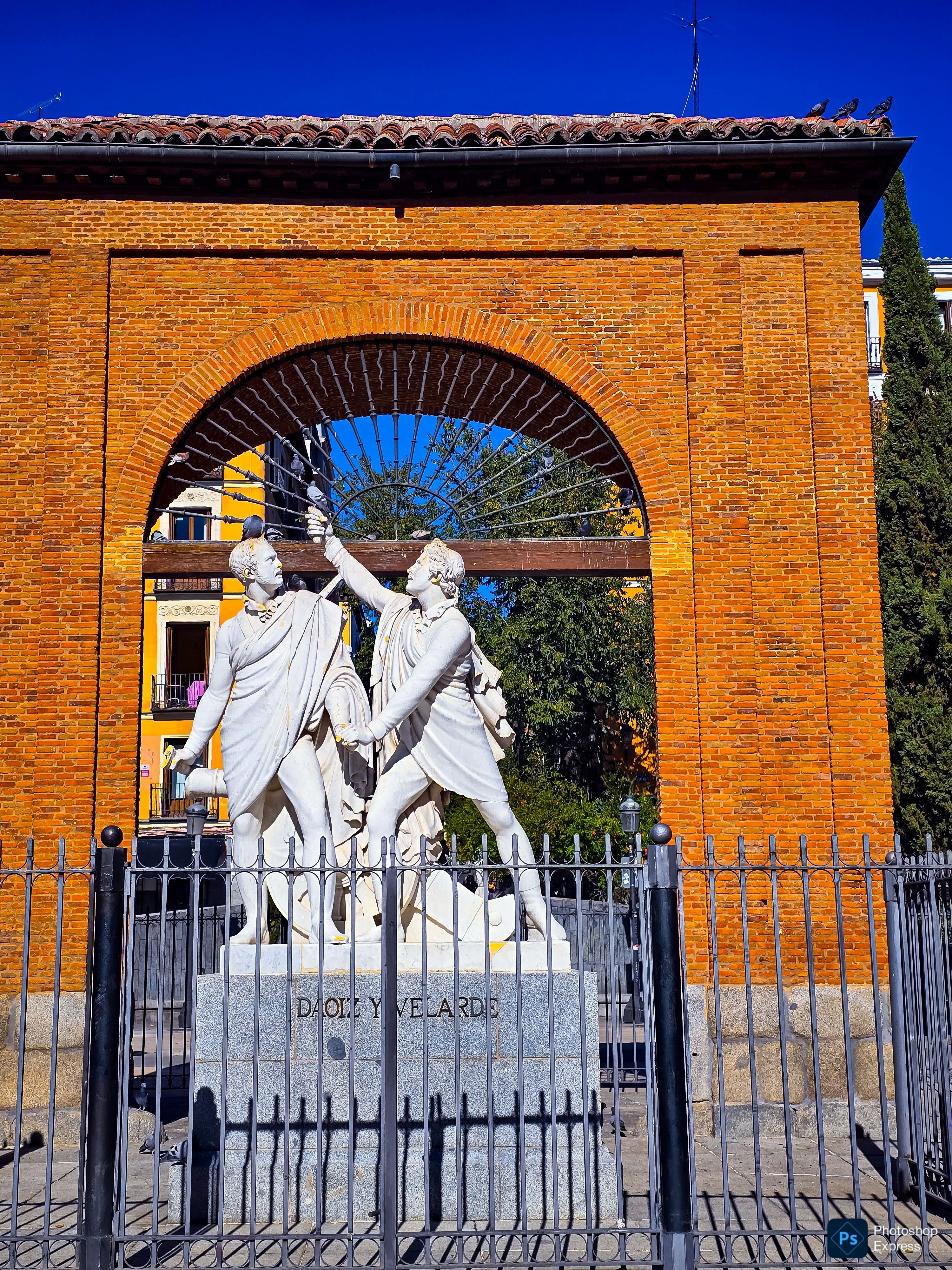
In the Malasaña neighbourhood, Plaza del Dos de Mayo offers a different atmosphere. It is a lively public square associated with Madrid’s cultural and neighbourhood identity. Compared with the monumental spaces around the Royal Palace, it feels more intimate and closely connected to the everyday lives of residents.
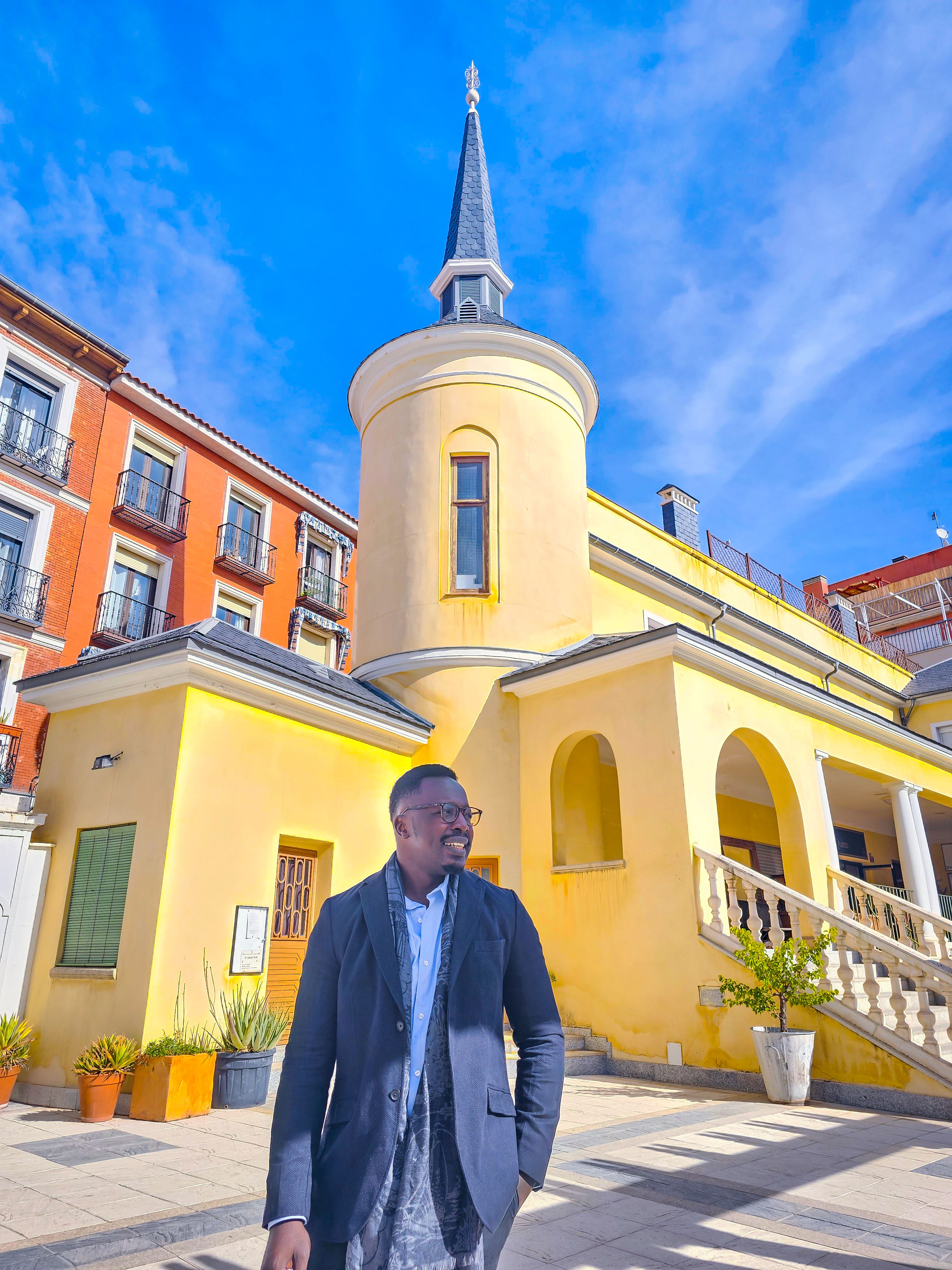
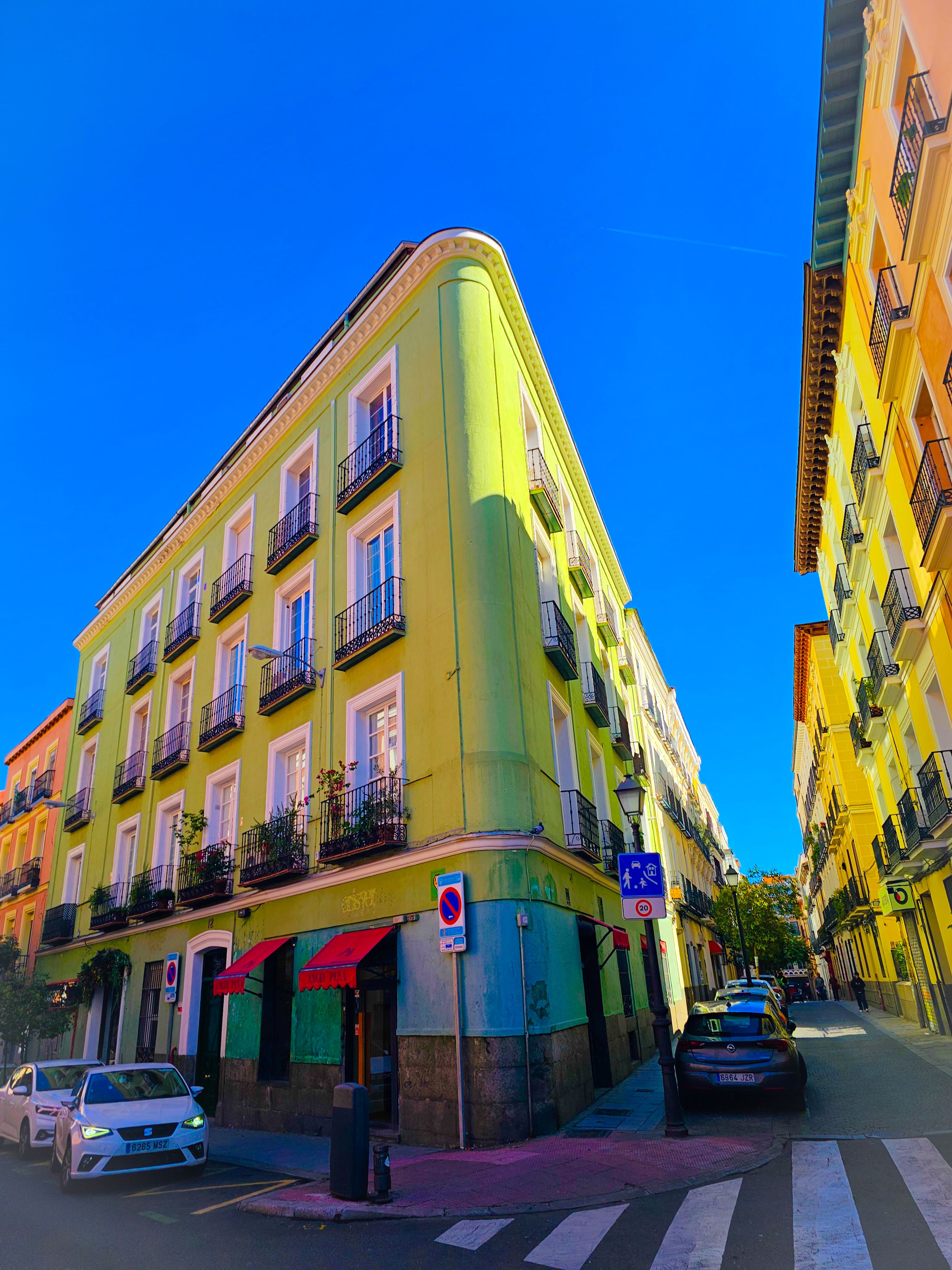
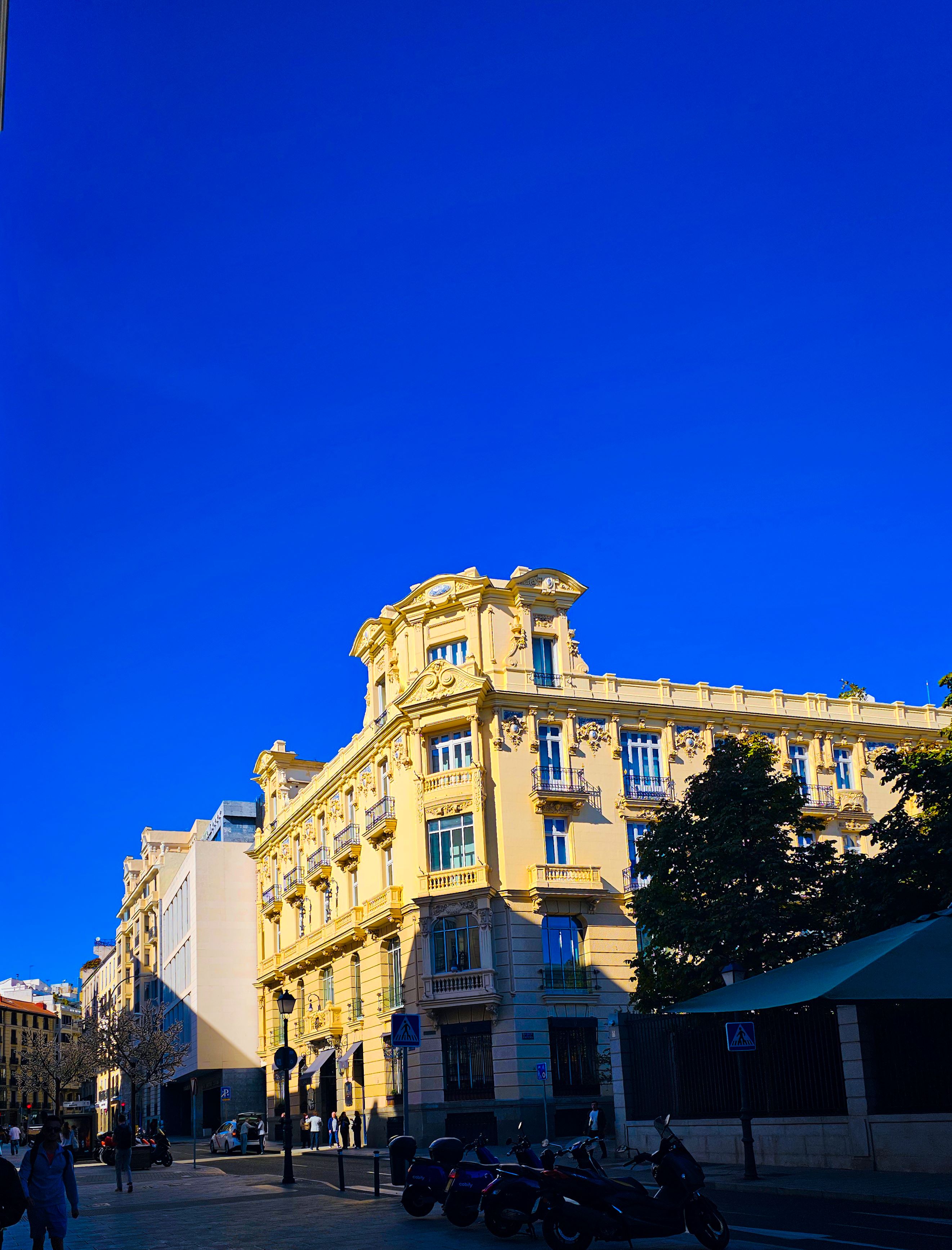
I also came across Casa Gallardo, an elegant building at the corner of Plaza de España and Calle de Ferraz. Its distinctive architectural design makes it stand out among the surrounding buildings. It is one of those places that rewards curiosity, especially when exploring a city on foot.
Art, culture and the details worth remembering
Madrid’s cultural identity is not confined to its major museums. It can also be found in the buildings, galleries and artistic spaces scattered across the city.
The Museo Nacional del Romanticismo offers a glimpse into Spain’s Romantic period through its collections and historic interiors. It provides a different perspective on the country’s artistic and social history, revealing how people lived, dressed and expressed themselves during an important cultural period.
Galerías Piquer was another interesting stop. Located in Madrid’s historic Rastro area, it is associated with antique shops and galleries, offering an opportunity to discover objects, artworks and pieces of history that have found a place in the city’s contemporary life.
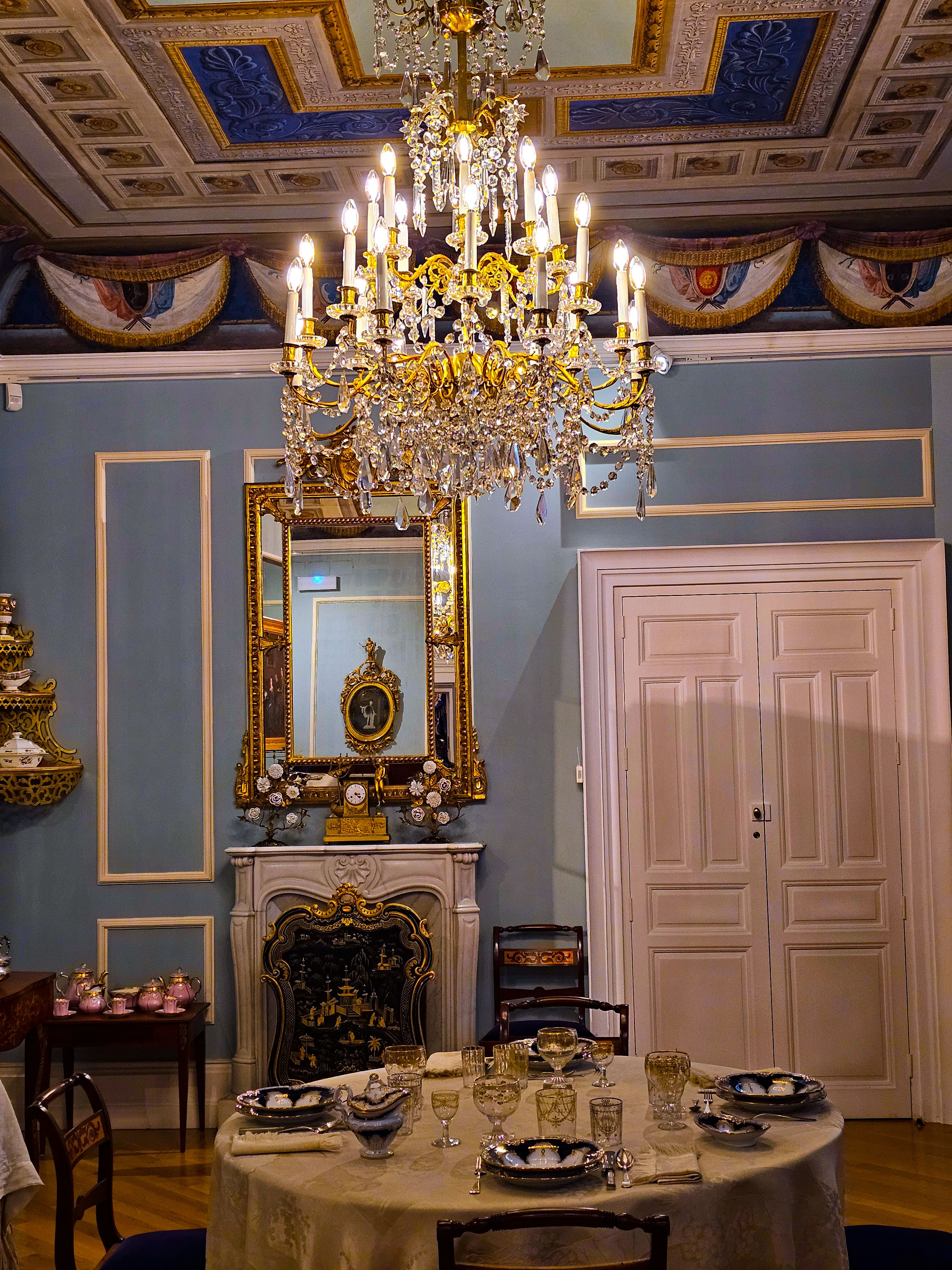
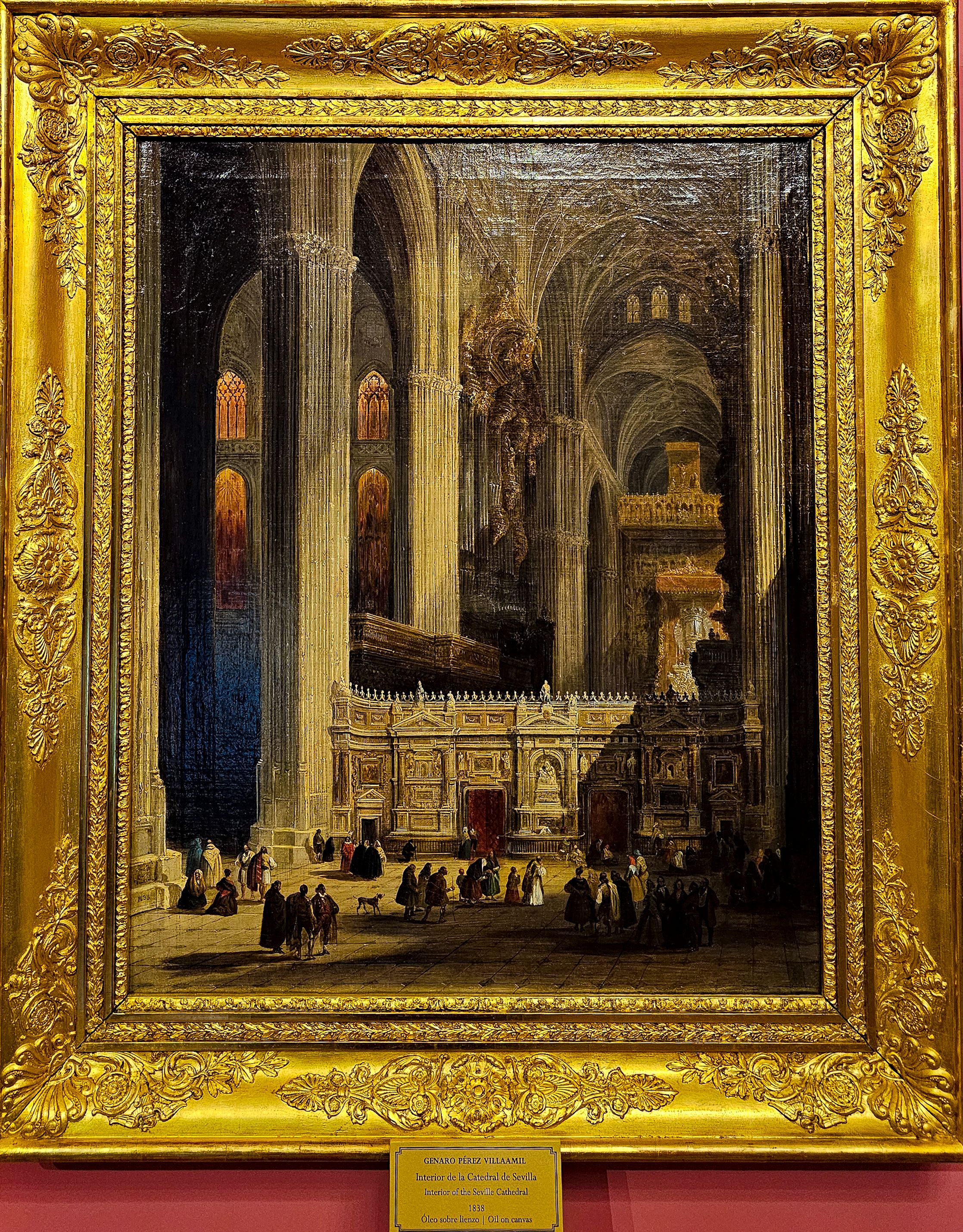
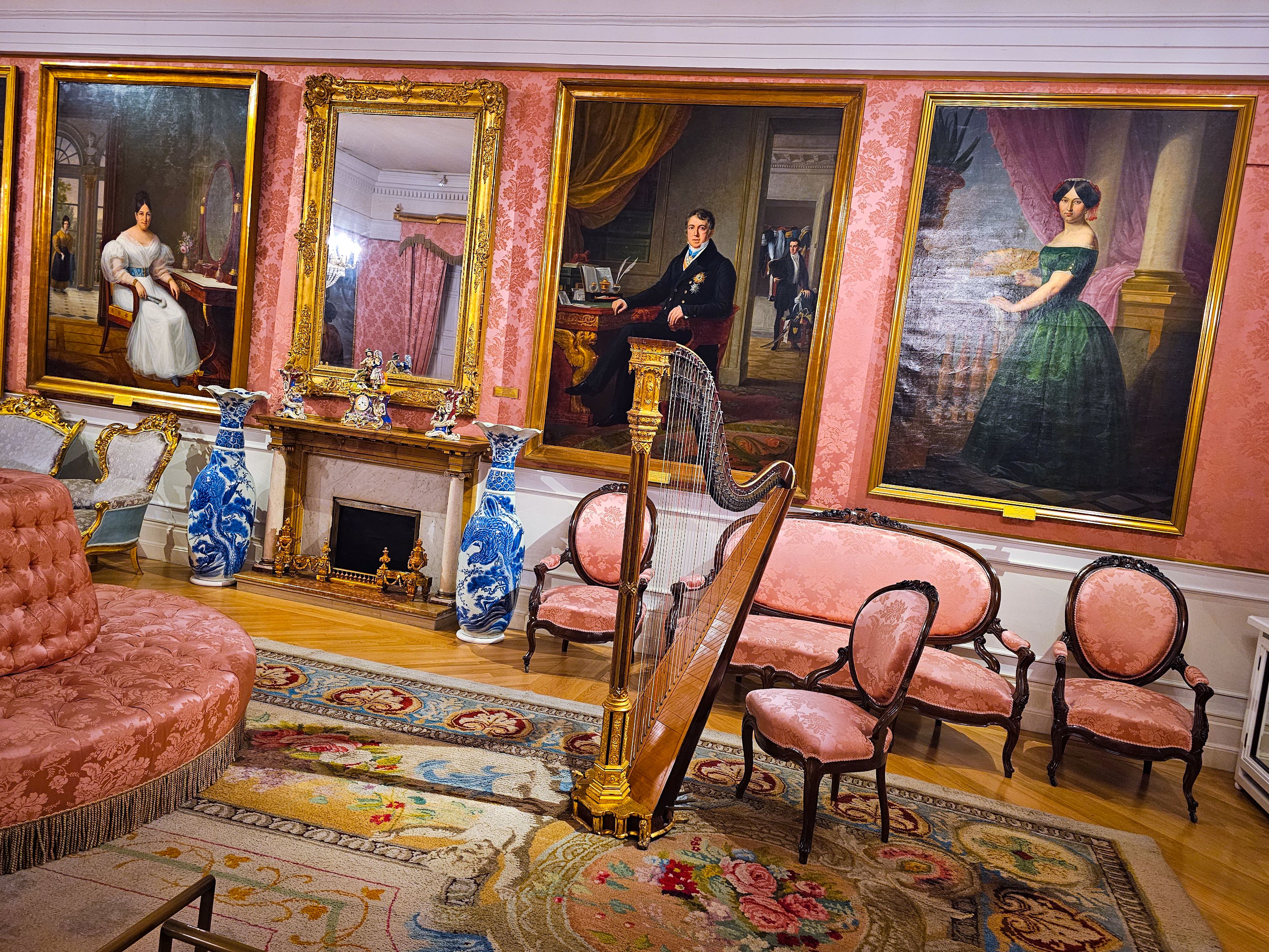
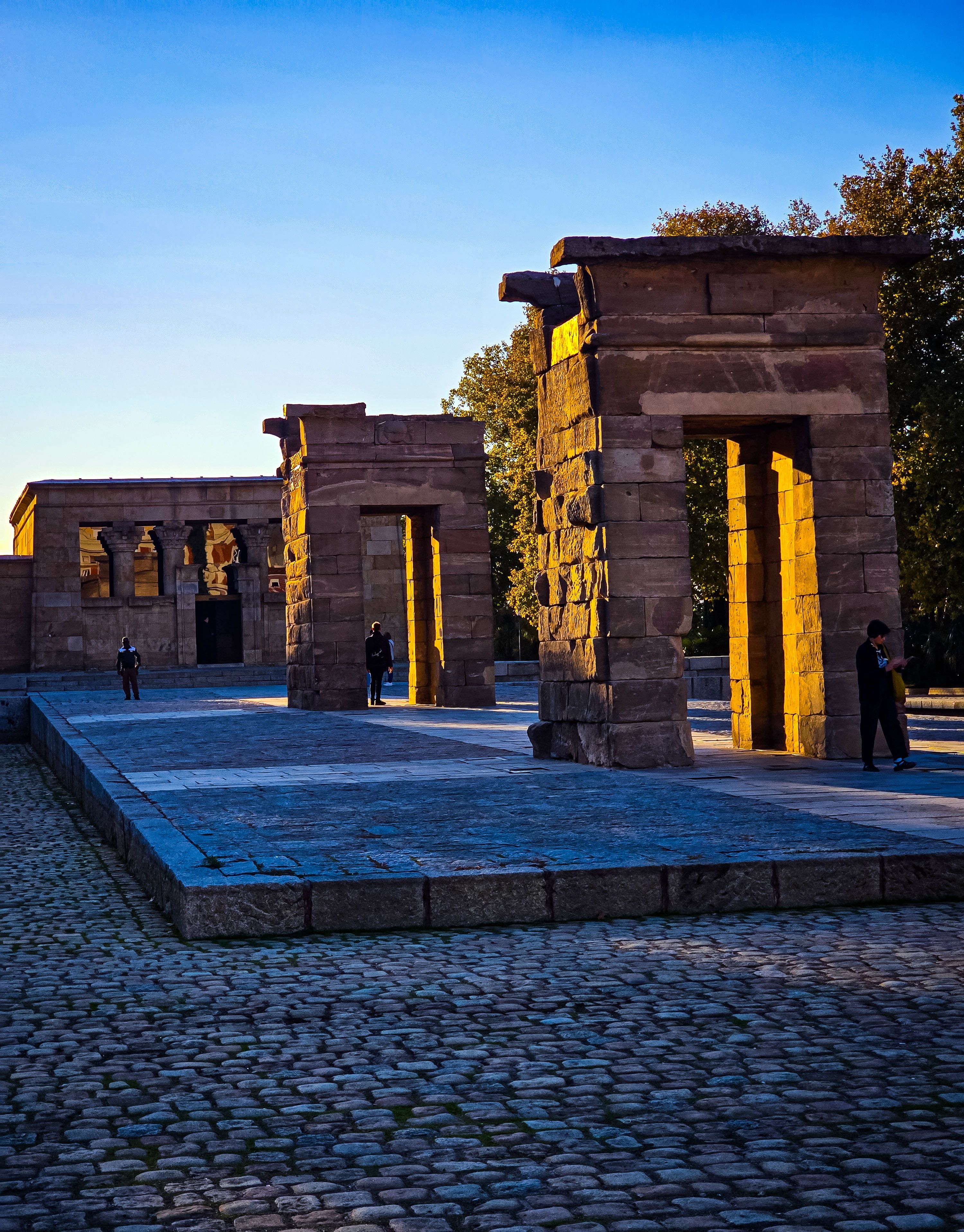
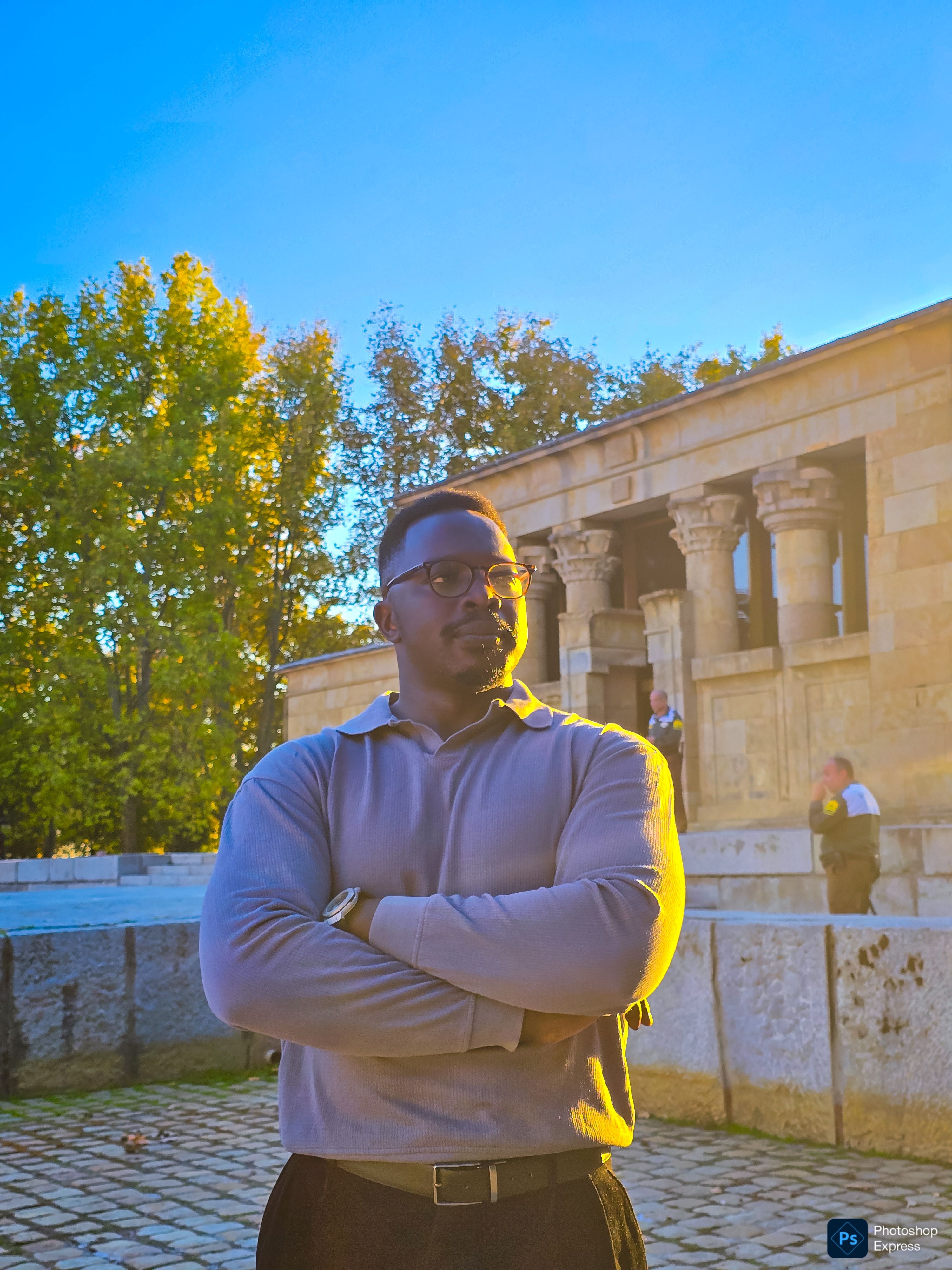
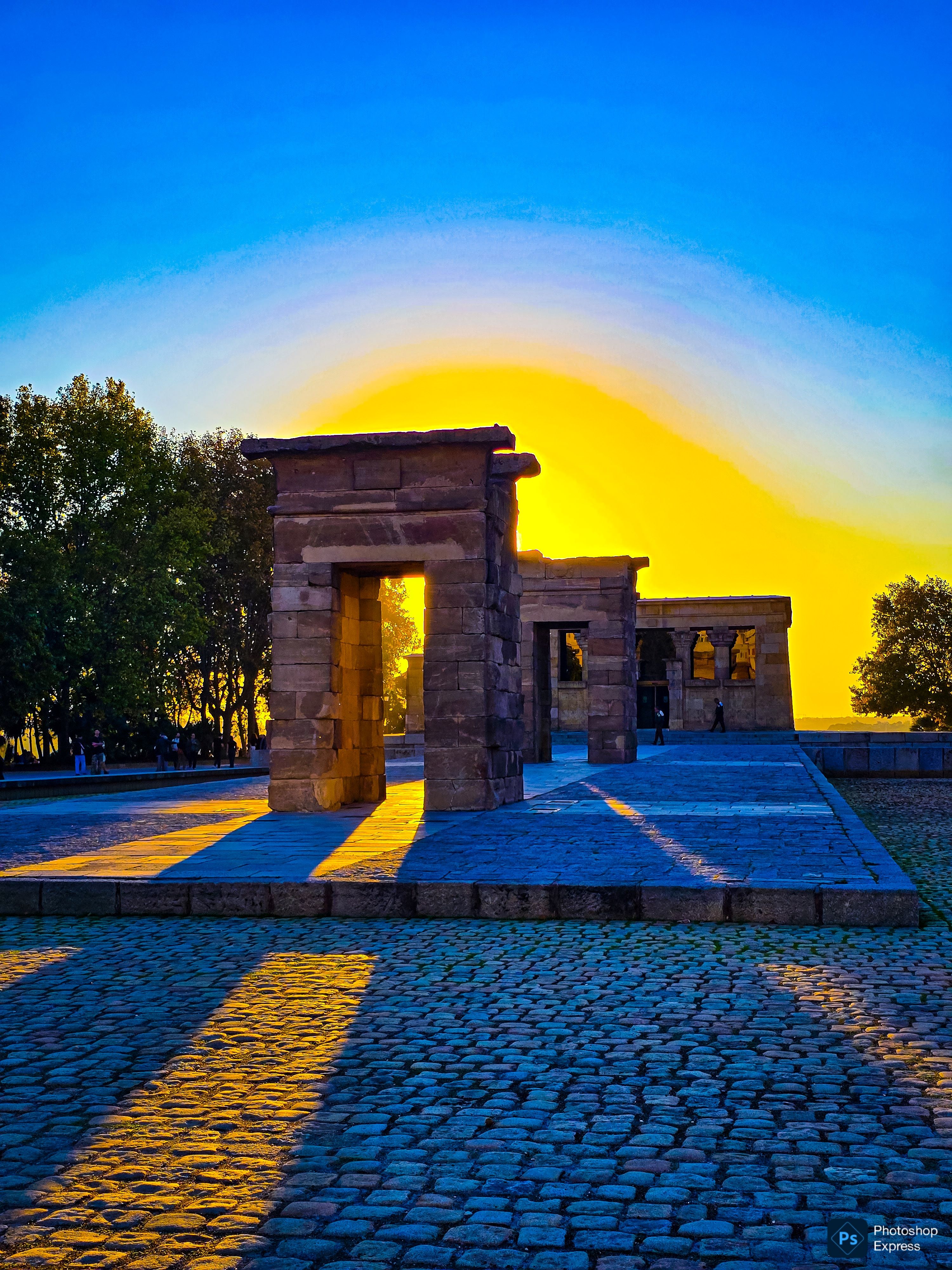
One particularly memorable visit was to the Temple of Debod (Templo de Debod). This ancient Egyptian temple, relocated to Madrid and reconstructed in Parque del Oeste, is an unusual but fascinating part of the city’s landscape. It offers a striking example of how history and culture can travel across borders and become part of another city’s identity.
Beyond the summit
My time in Madrid was shaped by two experiences. The first was the opportunity to contribute to international conversations on obesity, public health and the future of universal health coverage. The second was the chance to explore a city with such a rich architectural, cultural and social identity.
There is something valuable about stepping outside conference rooms and formal engagements to experience the places where people live, work, interact and spend their time. Public parks, accessible squares, pedestrian spaces and cultural landmarks are not merely attractive features of a city. They contribute to how people experience urban life and create opportunities for recreation, social connection and physical activity.
That perspective also connects with some of the conversations I took part in during the Global Obesity Summit, particularly discussions on active environments and the role of urban planning in supporting healthier populations.
Madrid offered plenty to admire through its camera lens, but it also offered an opportunity to reflect on the relationship between cities, culture, public spaces and well-being.
I leave with memories of its architecture, its gardens, its historic squares and the small discoveries made along the way. More than anything, Madrid reminded me that sometimes the best way to understand a place is simply to slow down, walk its streets and take it all in.

Leave a Reply